Domaine Pierre-Yves Colin-Morey


Michelin 1 Grape · Falstaff Winery - 4 Stars
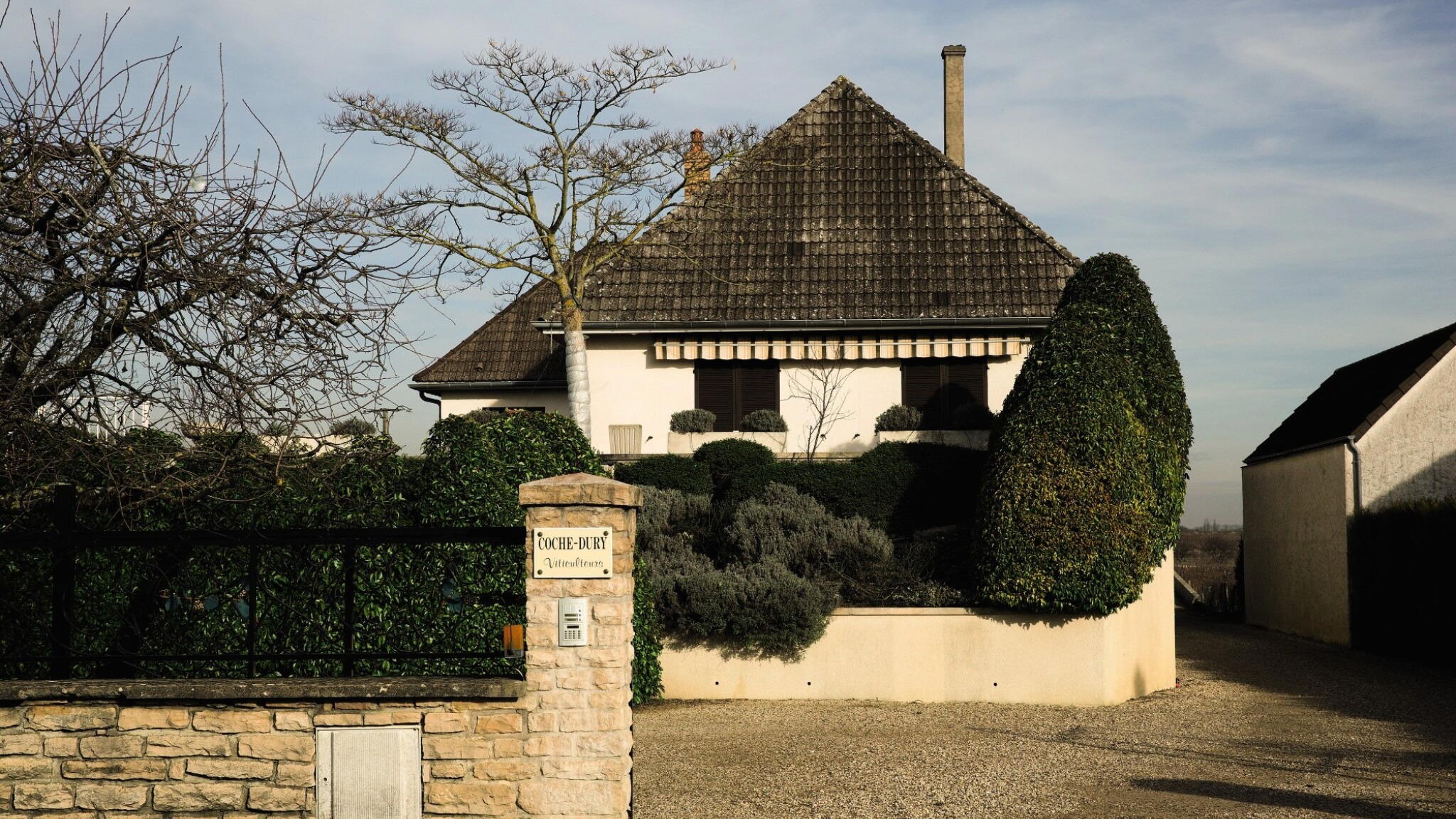
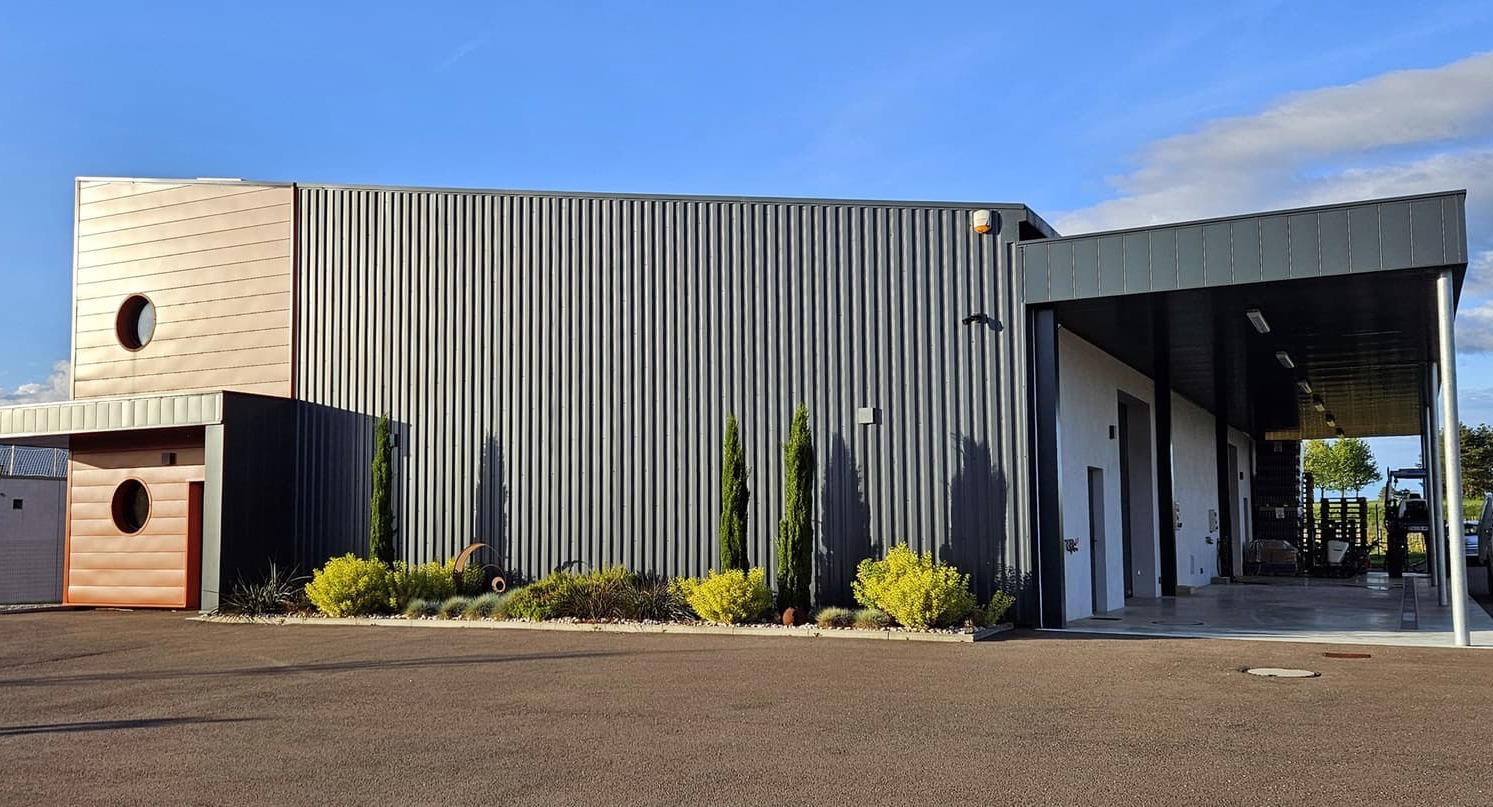
Domaine Pierre-Yves Colin-Morey sits at 9 Rue Aligoté in Chassagne-Montrachet. The domaine operates within one of Burgundy's most competitive white wine villages, where premier and grand cru Chardonnay benchmarks are set against neighbours who have worked the same limestone slopes for generations. For serious collectors, this address is a reference point in the Côte de Beaune conversation.

Pearl is the En Primeur Club membership app — saves, bookings, and concierge access live there. Same editors, same standards.
- Address
- 9 Rue Aligoté, 21190 Chassagne-Montrachet
- Phone
- +33 3 80 21 90 10
- Website
- colinmorey.com
- Directions
- Get directions
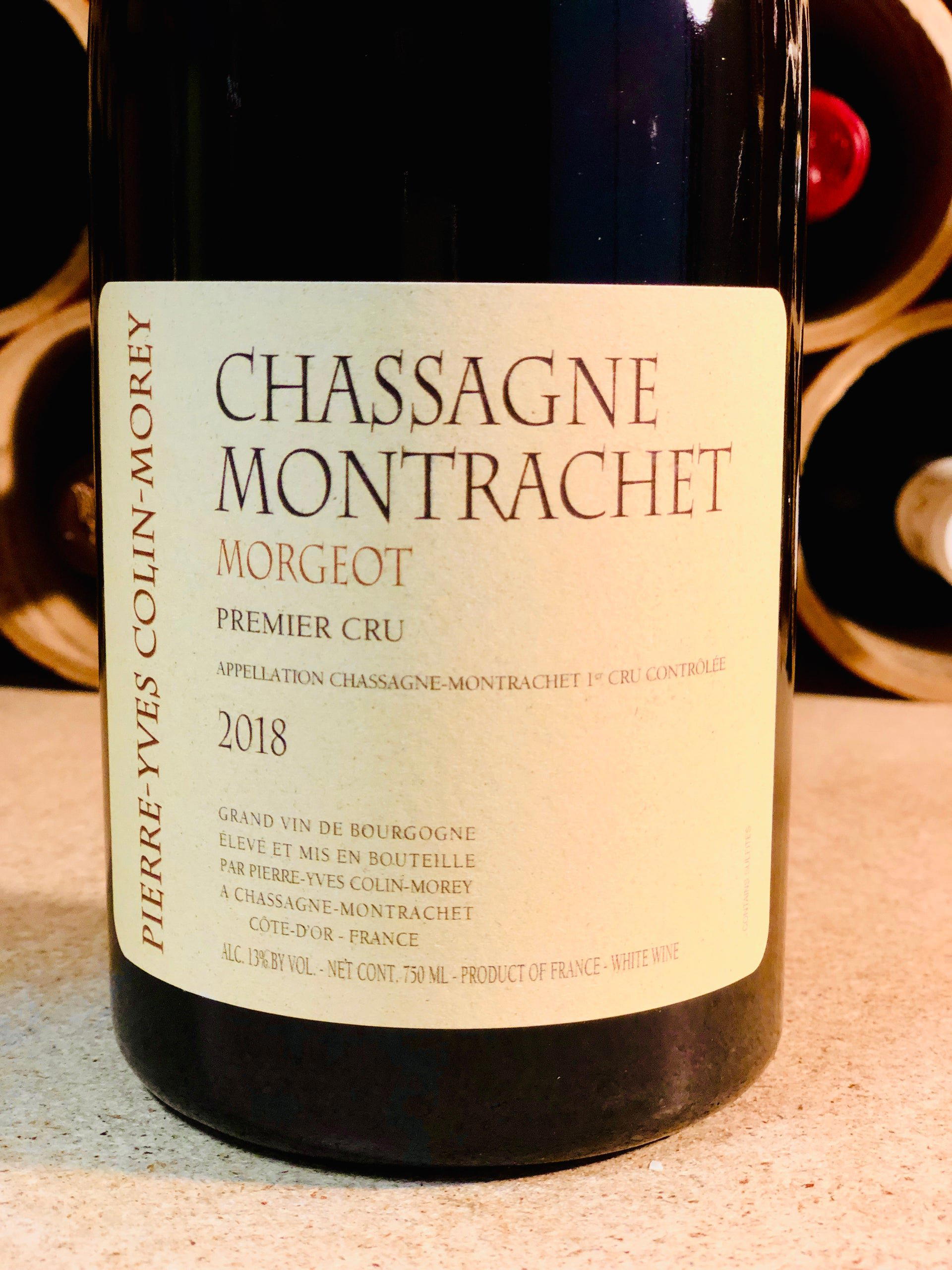
Where Chassagne-Montrachet's Chardonnay Ambition Meets the Vineyard Floor
The village of Chassagne-Montrachet sits at the southern tip of the Côte de Beaune, where the limestone-rich soils that define premier and grand cru white Burgundy begin their gradual transition toward the Maconnais. The address at 9 Rue Aligoté places Domaine Pierre-Yves Colin-Morey within a neighbourhood dense with serious producers: Domaine Ramonet, Domaine Fontaine-Gagnard, and Domaine Jean-Marc Pillot are all within walking distance. In a village where the density of talent is among the highest in Burgundy, proximity to peers is itself a form of editorial argument: the competition here is not abstract.
The Viticulture Case: Why the Vineyard Matters More Than the Cellar
Across Burgundy's top tier, the shift in recent decades has been from cellar intervention to field management. The underlying argument is direct to articulate even if it is hard to execute: the quality of a white Burgundy from Chassagne is determined less by barrel selection or battonage schedules than by what happens in the vineyard across the growing season. Organic and low-intervention viticulture has moved from fringe positioning to a near-standard expectation among the appellation's most followed producers.
In practice, this means prioritising soil health, canopy management, and the biological life of the vineyard over corrective winemaking. The Côte de Beaune's combination of Kimmeridgian and Bathonian limestone, with clay fractions that vary block by block, responds to organic management in ways that are measurable at the glass: tighter mineral tension, longer finish, greater site legibility. Compared with earlier-generation domaines in Chassagne that relied on higher yields and more manipulative cellar work, the current cohort, which includes Domaine Alex Moreau and Domaine Simon Colin alongside Pierre-Yves Colin-Morey, represents a philosophical reorientation in how the village understands quality.
Ratings at this level, across the EP Club's broader portfolio, correlate with producers whose combination of vineyard credentials, consistency across vintages, and critical standing among specialist buyers sets them apart from domaines operating one or two rungs below. In Chassagne-Montrachet, where the village's reputation rests substantially on its white wines and the grand cru parcels of Le Montrachet, Bâtard-Montrachet, and Criots-Bâtard-Montrachet that it shares with Puligny, such a rating is earned in a competitive field.
For context on how this sits within the region's broader hierarchy: the village has historically operated in a slightly different register from Puligny-Montrachet, with a more textured, sometimes broader style of Chardonnay. Producers like Domaine Ramonet have long anchored the appellation's reputation at the leading end, while the generation that includes Pierre-Yves Colin-Morey has pushed the village's profile further through an emphasis on precision and site expression over weight. That the 2025 award reflects sustained performance rather than a single exceptional vintage is consistent with how EP Club's prestige-tier ratings are applied.
Chassagne-Montrachet as a Producing Village: The Competitive Set
Understanding the domaine requires understanding the village. Chassagne-Montrachet produces both white and red wines, with the whites drawing the international collector attention and the reds, largely Pinot Noir from village and premier cru sites, representing a quieter, often undervalued proposition. The white wine production spans village-level Chassagne-Montrachet, a substantial number of premier cru lieux-dits, and access to grand cru fruit through family and négoce arrangements that many leading Burgundy producers use to extend their range upward.
The domaine's position within this village hierarchy reflects the broader dynamics of how Burgundy's premium tier now operates. Allocation-based demand, direct importer relationships, and a secondary market that prices certain producers well above release are all features of the market for wines at this level. Buyers who follow Domaine Fontaine-Gagnard or Domaine Jean-Marc Pillot will find Pierre-Yves Colin-Morey operates in a comparable allocation environment: wines released through a network of trusted importers, with limited direct availability and a secondary market presence that confirms collector demand. Elsewhere in France, similar allocation dynamics apply to producers such as Château Bélair-Monange in Saint-Emilion and Château Branaire Ducru in St-Julien, where producer reputation outpaces accessible supply.
Beyond Burgundy: A Frame for the Collector
Collectors who track Pierre-Yves Colin-Morey within the context of broader French and international fine wine will recognise a pattern that recurs across serious producing regions: the most credentialled producers in any appellation operate at a remove from casual retail, building their markets through specialist channels and sustained critical recognition. Albert Boxler in Niedermorschwihr occupies a structurally similar position in Alsace, where grand cru Riesling and Gewurztraminer from a small family domaine reach collectors through importer allocation. Château Bastor-Lamontagne in Preignac and Château Batailley in Pauillac represent the classified-growth end of the Bordeaux equivalent, where the relationship between appellation standing and allocation scarcity follows the same logic. Even outside wine, the principle holds: Aberlour in Aberlour and Accendo Cellars in St. Helena each represent their respective categories' version of the credential-backed, allocation-constrained producer that rewards patient collector relationships over impulse purchase.
Planning a Visit: What to Know Before You Go
Chassagne-Montrachet is accessible from Beaune, approximately fifteen kilometres to the north along the Route des Grands Crus, making it a natural stop on any serious Côte de Beaune itinerary. The village is compact, with many of its most important producers concentrated within a few streets. Visits to domaines at the prestige tier in Burgundy are almost universally by appointment: walk-in tastings are the exception rather than the rule at this level, and Pierre-Yves Colin-Morey is no different. Visitors are advised to contact the domaine directly and well in advance, particularly during harvest in September and October when cellar activity takes priority, and during the busy summer season when collector and trade visitors are most numerous.
For those building a multi-domaine visit to the village, our full Chassagne-Montrachet guide maps the broader producer landscape alongside dining and accommodation options. The village's concentration of serious addresses, from Domaine Ramonet to Domaine Alex Moreau, means a single day can cover several appointments if scheduled with care. The domaine at 9 Rue Aligoté sits within easy reach of the village centre and the appellation's premier cru vineyards, a geography that makes the short walk from cellar to vineyard a practical orientation to the wines being tasted.
Standing Among Peers
Comparable venues nearby, for context on price, style, and recognition.
| Venue | Cuisine | Price | Awards | Notes |
|---|---|---|---|---|
| Domaine Pierre-Yves Colin-MoreyThis venue — the venue you are viewing | Chardonnay, Pinot Noir | Not listed | Michelin 1 Grape · Falstaff Winery - 4 Stars | Not listed |
| Domaine Leflaive | Chardonnay | Not listed | Michelin 2 Grapes · Falstaff Winery - 5 Stars | Puligny-Montrachet |
| Domaine Fontaine-Gagnard | Chardonnay, Pinot Noir | Not listed | Not listed | Chassagne-Montrachet |
| Domaine Jean-Marc Pillot | Chardonnay, Pinot Noir | Not listed | Falstaff Winery - Listed | Chassagne-Montrachet |
| Domaine Alex Moreau | Chardonnay, Pinot Noir | Not listed | Michelin Main Selection | Chassagne-Montrachet |
| Domaine Ramonet | Chardonnay, Pinot Noir | $150–200 | Michelin Main Selection · Falstaff Winery - Listed | Chassagne-Montrachet |
Recognition history
Dated appearances from independent guides and award organizations, with the underlying list record or original source where available.
Michelin 1 Grape
Michelin · 2026 Michelin 1 Grape - Burgundy
Falstaff Winery - 4 Stars
Falstaff
Continue exploring
More in Chassagne-Montrachet
Wineries in Chassagne-Montrachet
Browse all →
Bars in Chassagne-Montrachet
Browse all →
Restaurants in Chassagne-Montrachet
Browse all →
Details
- Elegant
- Sophisticated
- Quiet
- Classic
- Wine Education
- Solo Exploration
- Special Occasion
- Cave Tasting
- Vineyard Tour
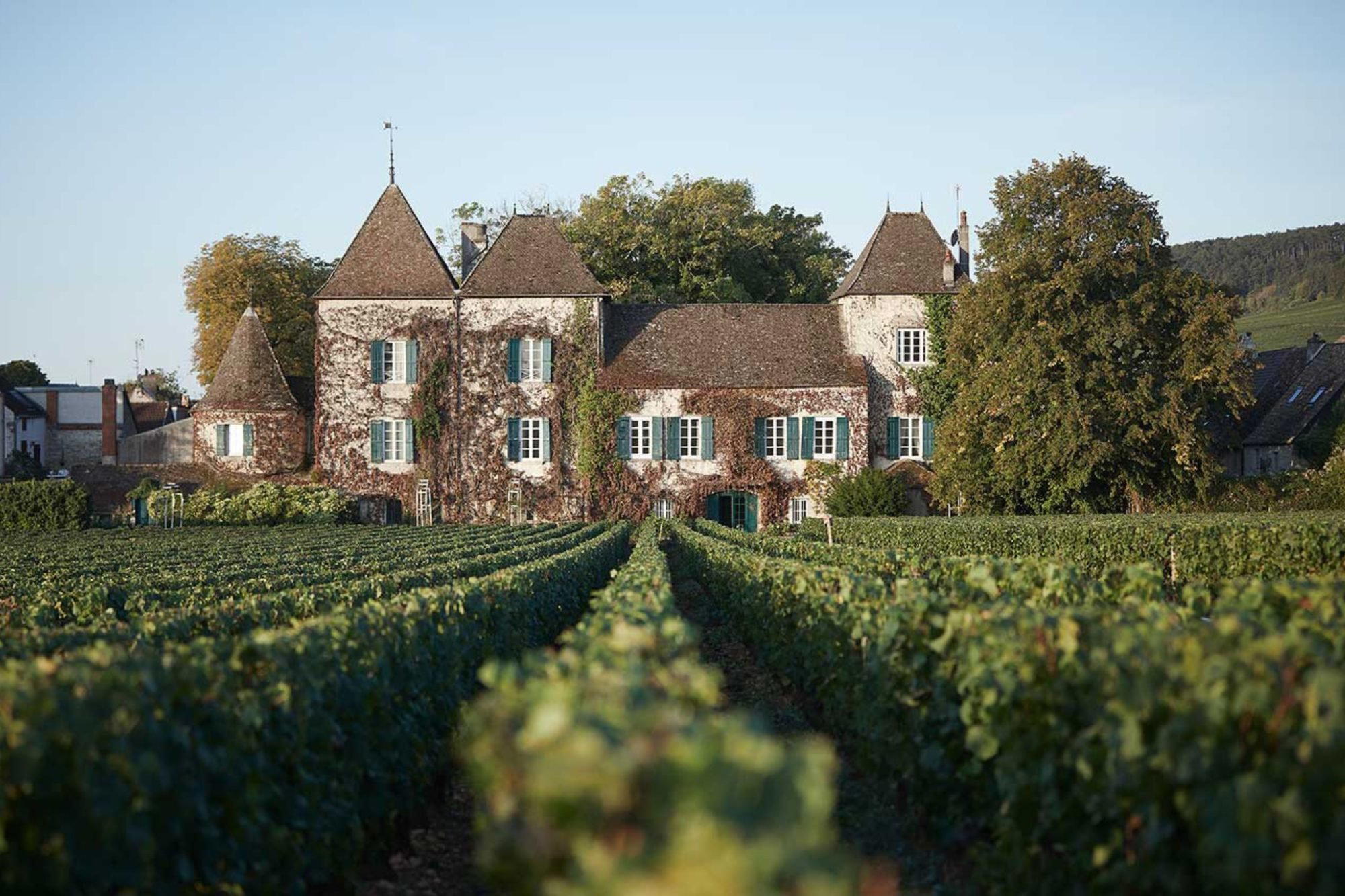
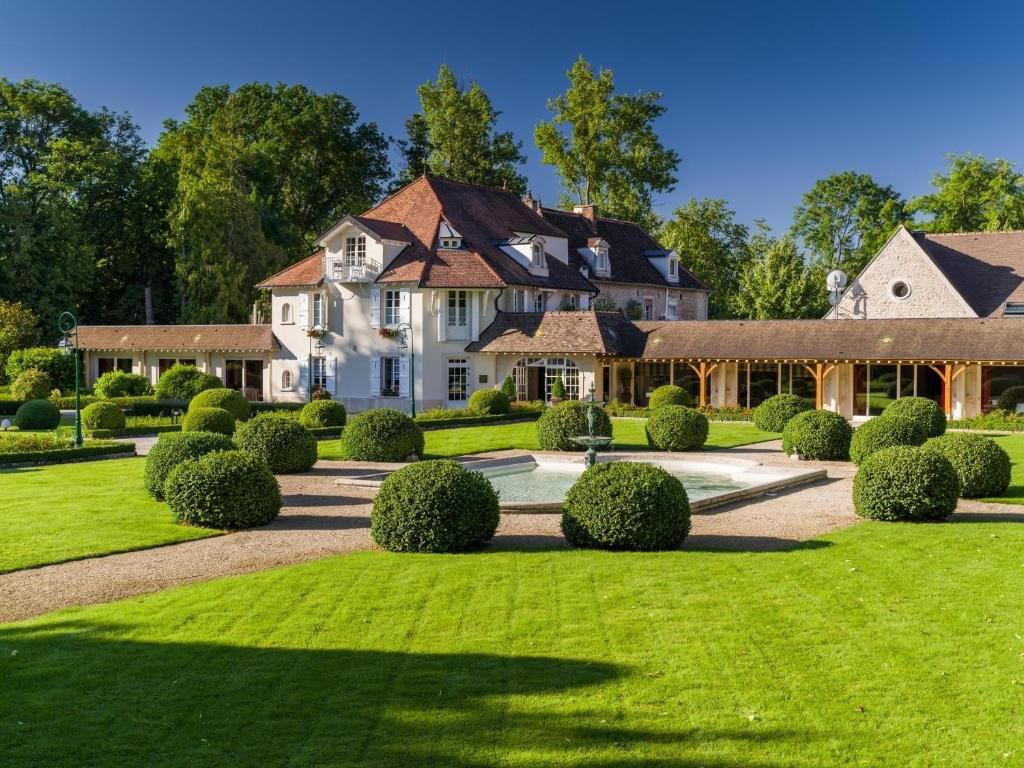
- Estate Grounds
- Organic
- Sustainable
- Vineyard
- Chardonnay
- Pinot Noir
- Aligoté
- Still White
- Barrel Tasting
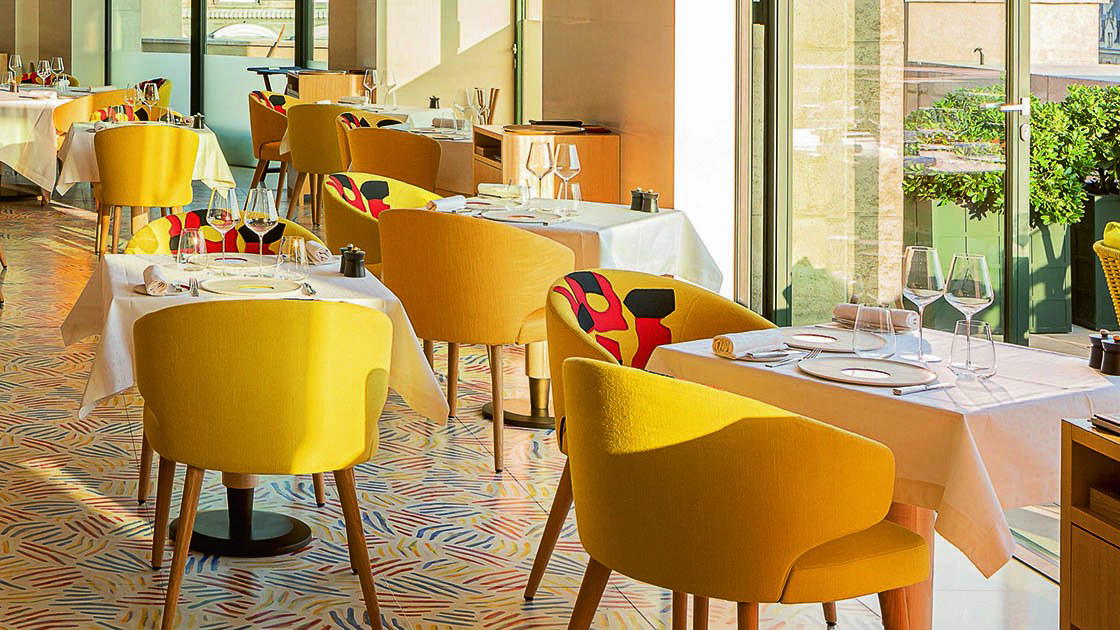
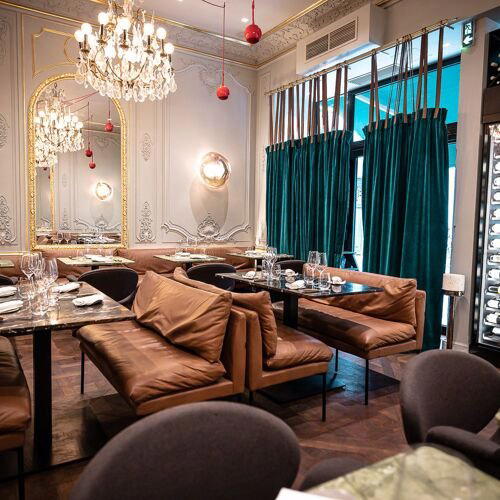
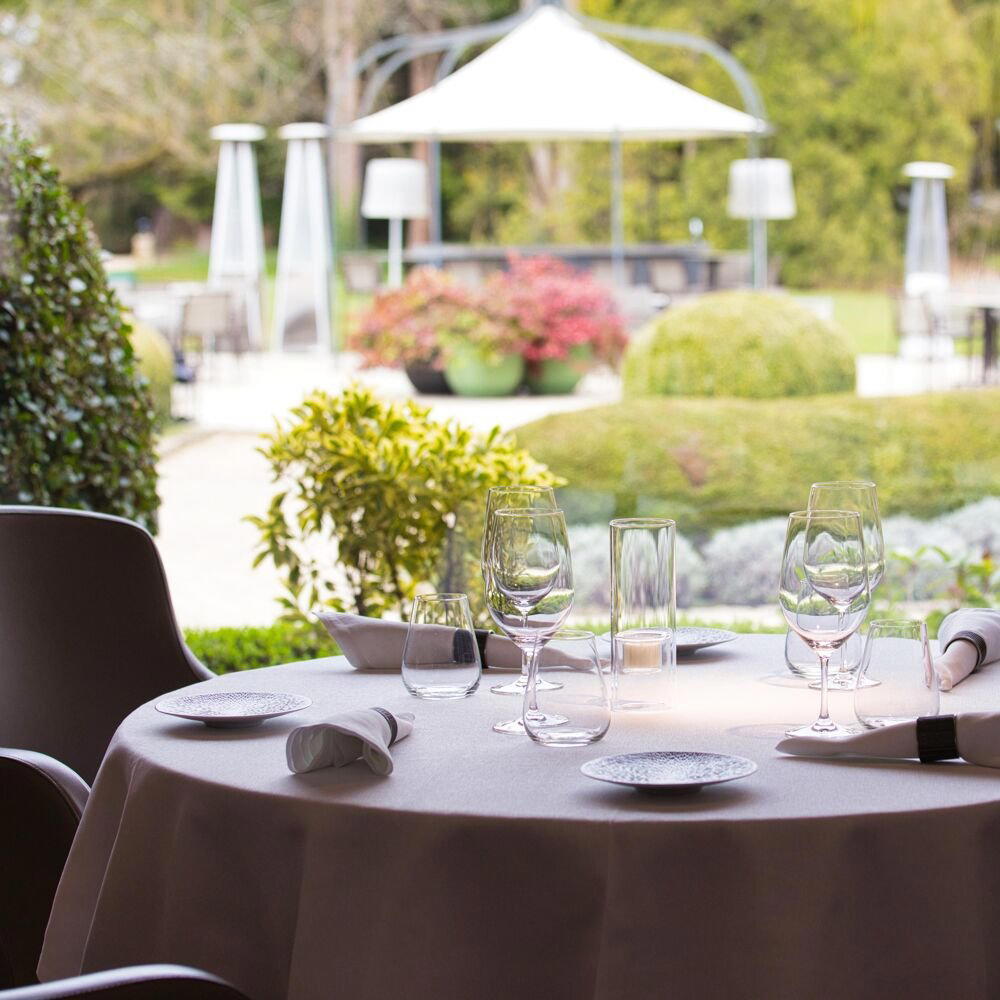
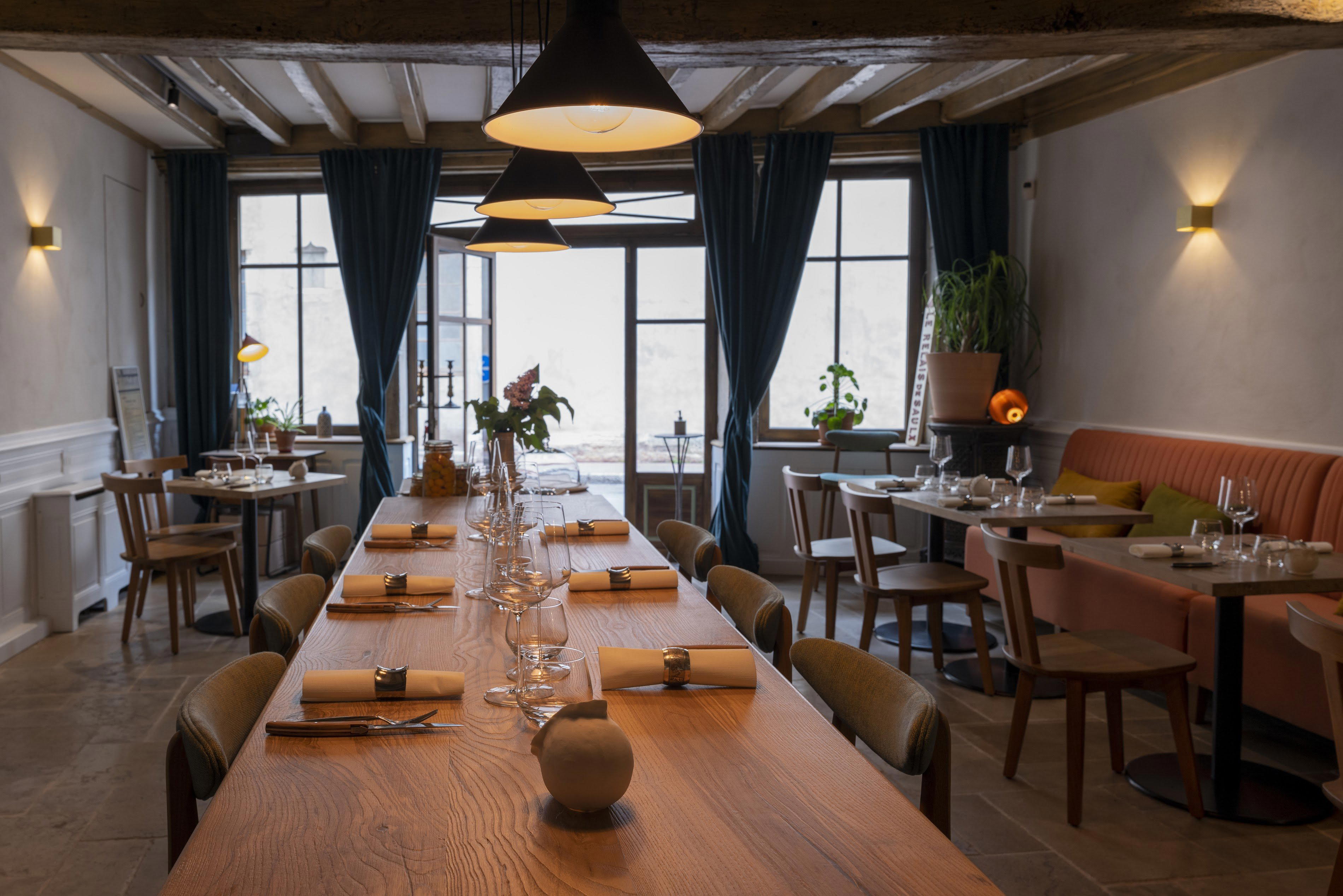
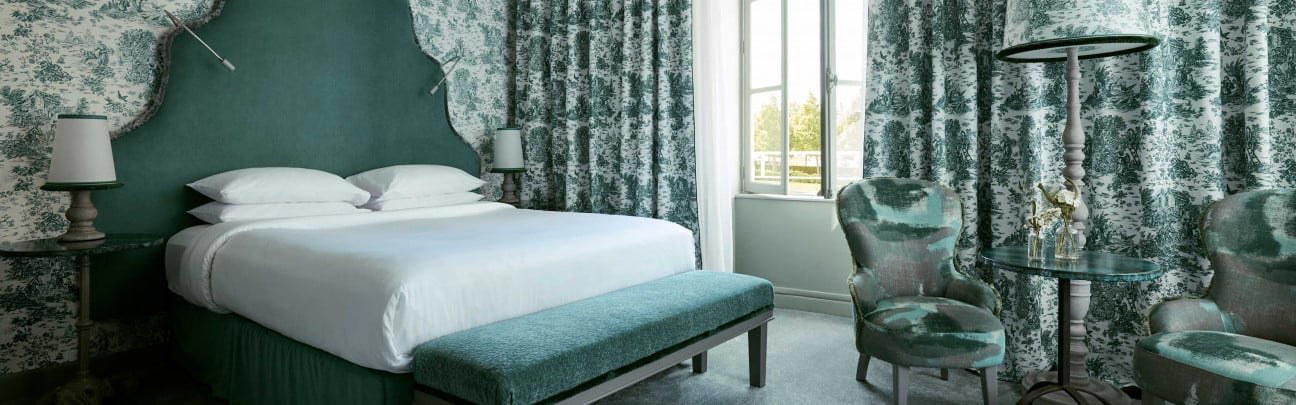
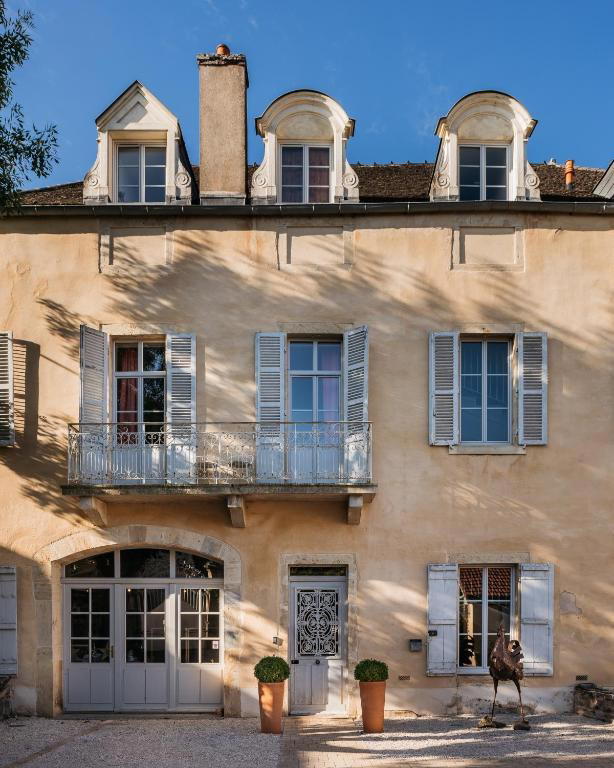
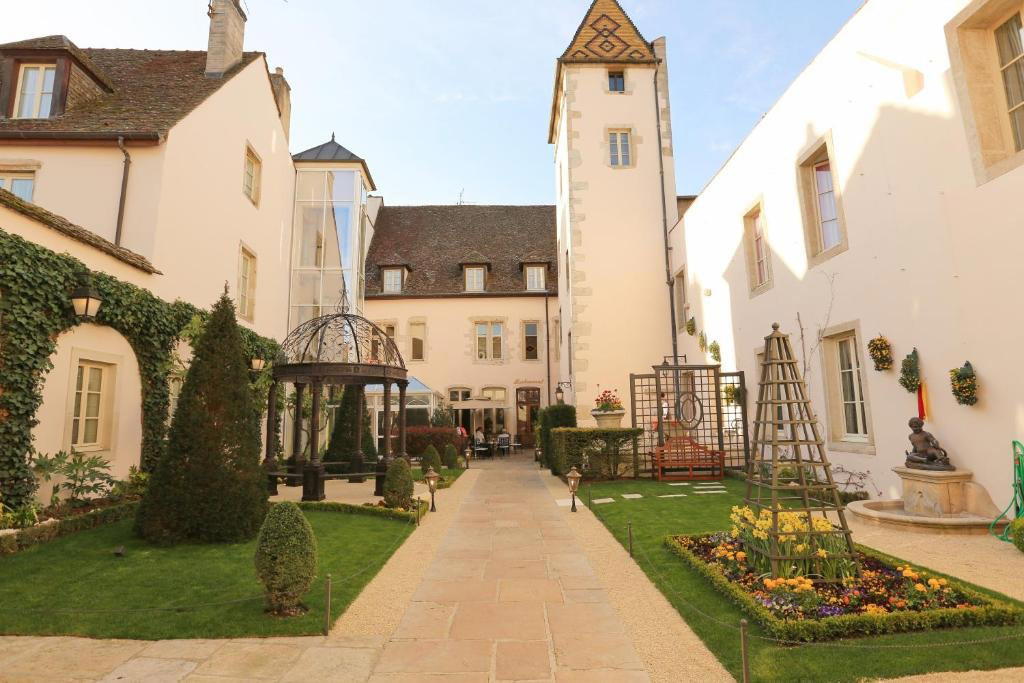
Refined and restrained atmosphere with subtle elegance, freshness, and minerality in a traditional winery setting below the winemaker's home.