Domaine des Lambrays


Michelin 1 Grape · Falstaff Winery - Listed
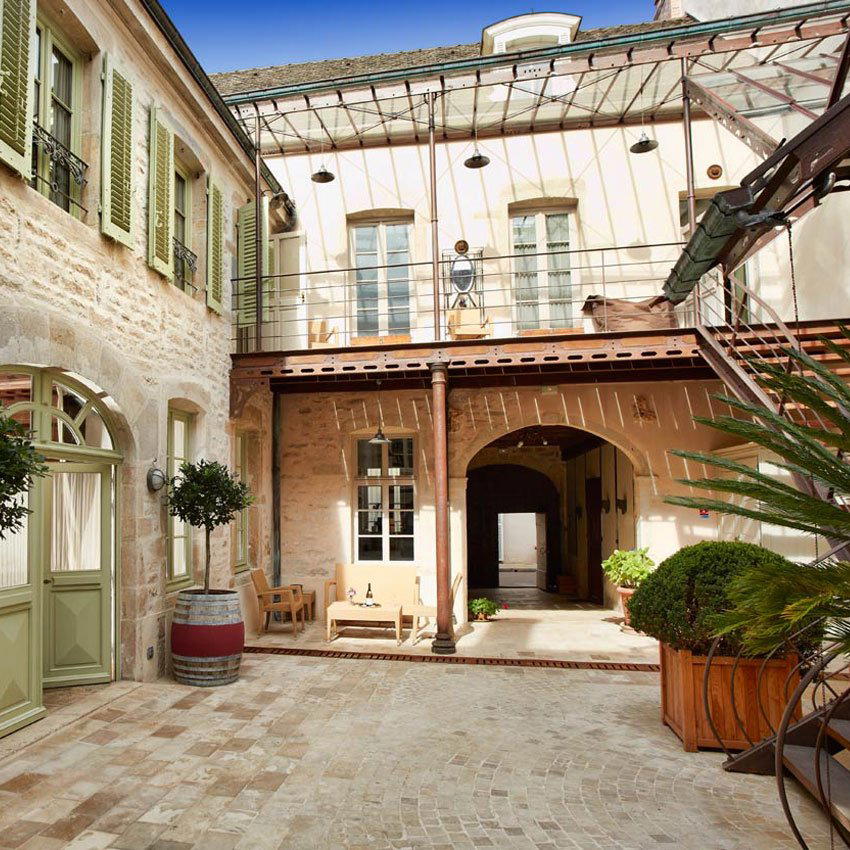
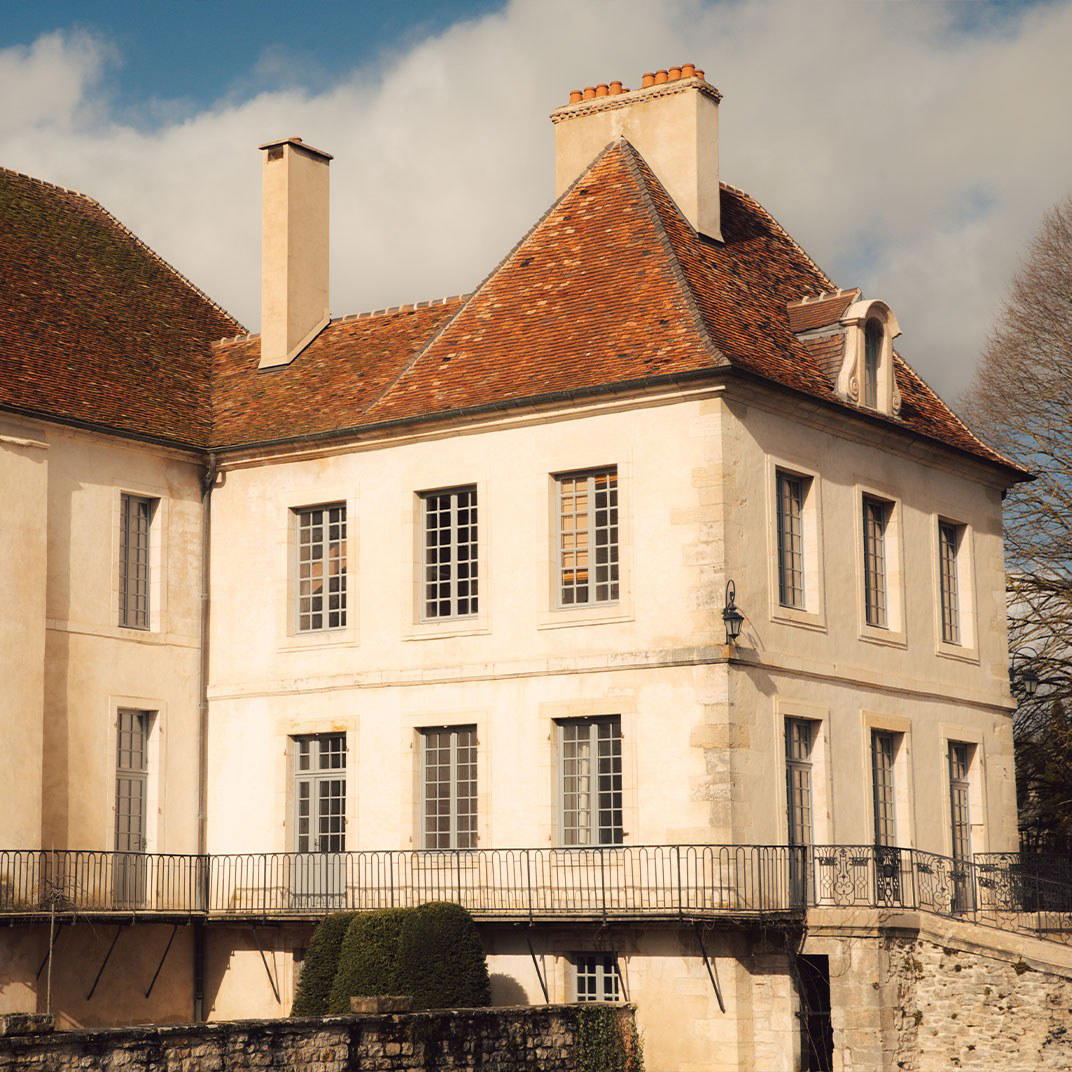
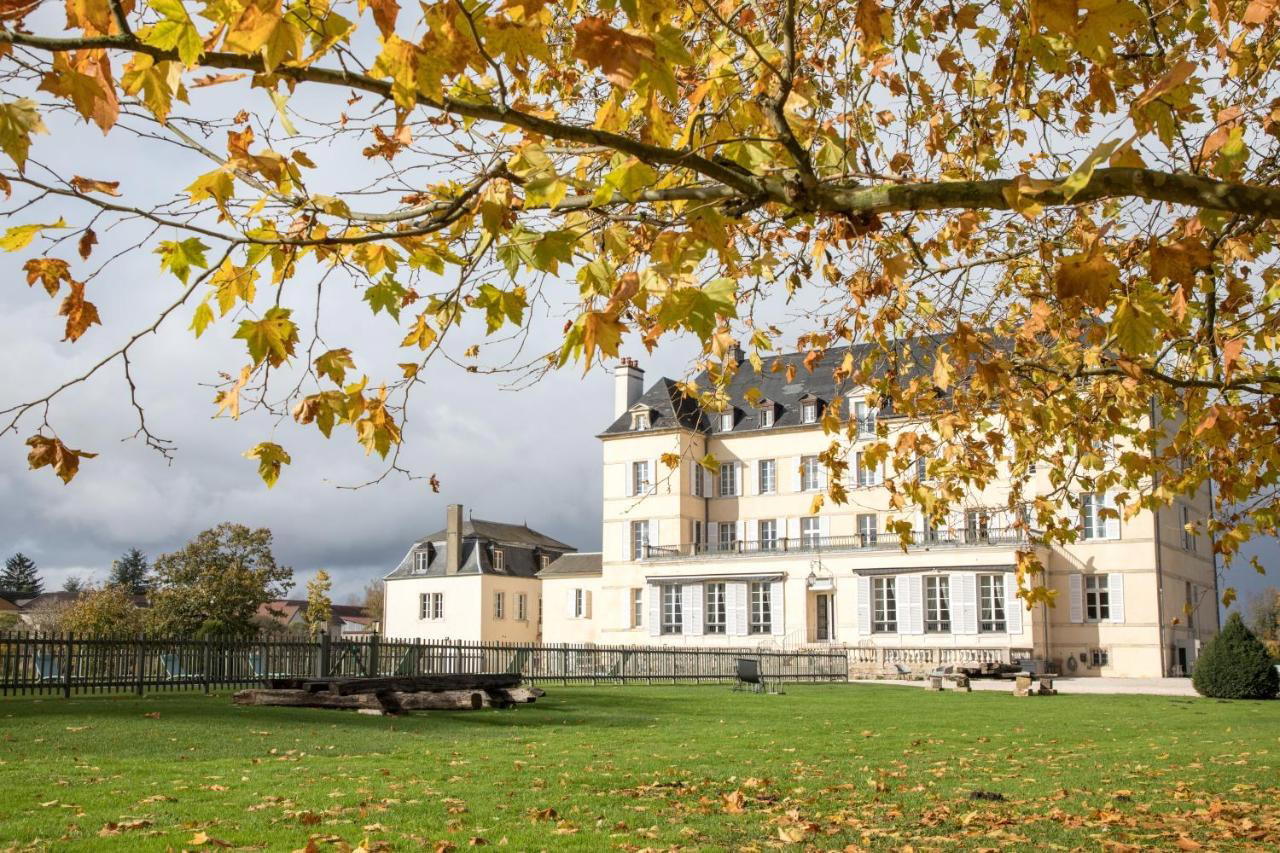
One of Burgundy's most precisely bounded monopole estates, Domaine des Lambrays has produced wine from its Clos des Lambrays Grand Cru since 1774.. Visitors arrive at 31 Rue Basse to engage with a single-site lineage that few Côte de Nuits addresses can match.

Pearl is the En Primeur Club membership app, where members save venues, book tables and use the concierge.
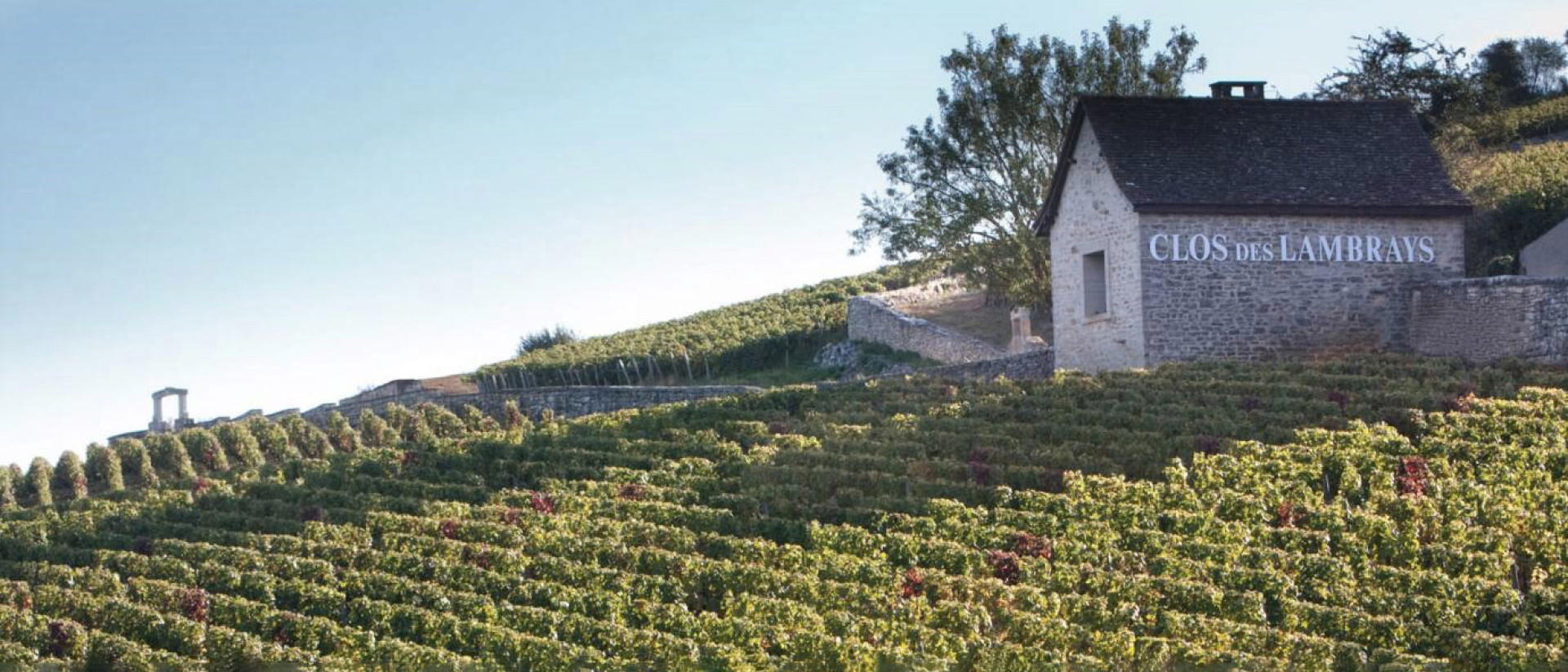
A Grand Cru in the Village That Burgundy Overlooks
Morey-Saint-Denis sits between Gevrey-Chambertin and Chambolle-Musigny on the Côte de Nuits, and that geography has historically worked against it. Tourists follow the famous names, and the village tends to be driven through rather than stopped in. Yet Morey holds five Grand Crus, a density that no other commune on the Côte matches relative to its size. Domaine des Lambrays, at 31 Rue Basse, anchors itself to one of those five: Clos des Lambrays, a near-monopole that runs almost the entire length of the vineyard classification. The village's relative quiet is, in practice, an asset for the serious visitor. Cellars here are not managed around coach-tour traffic. Appointments matter more than footfall, and the domaine fits that model precisely. For those making the trip, our full Morey-Saint-Denis restaurants guide covers how to build a day around the village's limited but well-chosen hospitality options.
What a First Vintage of 1774 Actually Means
Burgundy trades heavily on age and continuity, and the claim of a first vintage in 1774 deserves context. That date predates the French Revolution, which eventually dismantled much of the ecclesiastical and aristocratic ownership structure that had shaped Burgundy's vineyards for centuries. A domaine with documented production from that period has outlasted three political regimes, two world wars, and the full arc of modern Burgundy's transformation from a regional wine economy into a global collector market. The practical implication for a wine buyer is not sentimentality. It is that the vine material and parcel knowledge accumulated over two and a half centuries gives the winemaker a calibration reference that younger estates simply do not have. Boris Champy, working with that archive of vintages and vine response data, operates in a context where the vineyard's behaviour under different climatic conditions is, at least in principle, better understood than in almost any comparable site on the Côte. Among Morey neighbours, Domaine Dujac and Domaine du Clos de Tart carry their own long institutional histories, but the 1774 benchmark at Lambrays sits in a distinct tier of documented continuity.
Boris Champy and the Winemaking Position Inside a Monopole Structure
Working a near-monopole Grand Cru creates a specific set of pressures and freedoms that differ substantially from the multi-parcel approach taken by most Côte de Nuits producers. There is no blending across appellations to adjust a thin vintage, and no village or regional wine that can quietly absorb declassified fruit without scrutiny. Every decision Boris Champy makes in the vineyard and cellar is visible directly in the finished Clos des Lambrays. That transparency is bracing. It also concentrates the winemaker's attention in a way that diffuse portfolios do not demand. The stylistic choices that define the domaine's recent output, including the degree of whole-cluster inclusion, extraction approach, and élevage length, carry no shelter from critical comparison vintage over vintage. This is the condition that shapes how a winemaker at a monopole-adjacent estate must think: each release is a complete argument about a single site, and the audience includes collectors who hold decades of bottles for direct reference. Peer producers in Morey who work differently across multiple parcels, including Domaine Arlaud, Domaine Perrot-Minot, and Domaine Hubert Lignier, offer useful contrasts: their village and Premier Cru bottlings provide entry points that Lambrays, focused almost entirely on its Grand Cru, does not replicate in the same way.
Clos des Lambrays: The Vineyard as Argument
Clos des Lambrays was refined to Grand Cru status in 1981, relatively late in Burgundy's classification history, which added a layer of scrutiny to the domaine's production that older Grand Cru holders avoided. The promotion came with the expectation that quality would justify the classification consistently, not simply historically. The site itself runs along a mid-slope position with the kind of drainage and sun exposure that Pinot Noir on the Côte de Nuits favours. Its near-monopole status means that comparative tasting is difficult in the way it is possible for a Chambolle-Musigny Les Amoureuses or a Gevrey-Chambertin Clos Saint-Jacques, where multiple producers allow direct site-versus-cellar analysis. Clos des Lambrays must stand on its own argumentative terms, which gives each vintage an authority that also carries risk. For context on how this tier looks in other French wine regions, the work at Albert Boxler in Niedermorschwihr in Alsace and at Château Bastor-Lamontagne in Preignac in Sauternes illustrates how single-site or highly focused producers operate in their own appellations with comparable discipline.
How Lambrays Sits in the Morey Grand Cru Conversation
Morey-Saint-Denis's five Grand Crus produce very different profiles of critical and commercial attention. Clos de Tart, now under Pinault family ownership, has attracted significant investment and a corresponding level of international press coverage. Clos Saint-Denis and Clos de la Roche carry broader multi-producer arguments, since several houses bottle them and direct comparison is possible. Clos des Lambrays and Clos des Ormes occupy quieter positions in the international conversation. This quietness is partly structural: the monopole format reduces the frequency of critical comparison, and the domaine's ownership history, which included a period under LVMH before subsequent transition, introduced ownership discontinuities that can affect how long-term collectors track a single house's narrative. What matters now is how Boris Champy's current approach positions the wines against a generation of Côte de Nuits winemakers who trained partly under the influence of more interventionist predecessors and are increasingly moving toward greater site transparency. Broader comparisons with how other Bordeaux-adjacent classified estates handle ownership transitions and quality positioning are available through profiles of Château Batailley in Pauillac, Château Bélair-Monange in Saint-Emilion, Château Boyd-Cantenac in Cantenac, and Château Branaire Ducru in St-Julien. The pattern of classified-growth producers reasserting site identity after ownership changes is consistent enough across appellations to provide a useful lens on Lambrays' current direction.
Planning a Visit to 31 Rue Basse
Domaine des Lambrays is in the village centre at 31 Rue Basse, 21220 Morey-Saint-Denis. The village is accessible by car from Dijon in under thirty minutes, and the Route des Grands Crus running south from Gevrey-Chambertin passes directly through. Visits to Côte de Nuits estates at this tier are appointment-based as a standard practice across the appellation; arriving without prior arrangement at a Grand Cru producer is unlikely to result in a meaningful tasting. Contact should be made directly through the domaine's current channels. The village has limited restaurant options, so building a half-day itinerary that includes a meal in Gevrey-Chambertin or Nuits-Saint-Georges makes practical sense. Those who follow aged spirits alongside fine wine will find a structurally similar prestige-production conversation at Aberlour in Aberlour, while New World single-vineyard focus is examined in the profile of Accendo Cellars in St. Helena. And for those drawn to French institutional production outside wine entirely, the heritage perspective at Chartreuse in Voiron offers a parallel study in continuity and production discipline across centuries.
Budget and Context
Comparable venues nearby, for context on price, style, and recognition.
| Venue | Cuisine | Awards | Notes |
|---|---|---|---|
| Domaine des LambraysThis venue (the venue you are viewing) | Not listed | Michelin 1 Grape · Falstaff Winery - Listed | Not listed |
| Domaine Perrot-Minot | Morey-Saint-Denis, Pinot Noir | Falstaff Winery - Listed | Not listed |
| Domaine du Clos de Tart | Morey-Saint-Denis, Pinot Noir | Michelin 1 Grape · Falstaff Winery - Listed | Not listed |
| Domaine Dujac | Not listed | Michelin 2 Grapes · Falstaff Winery - Listed | Morey-Saint-Denis, Pinot Noir, Chardonnay |
| Domaine Ponsot | Morey-Saint-Denis, Pinot Noir, Aligoté | Michelin 1 Grape · Falstaff Winery - Listed | Not listed |
| Domaine Taupenot-Merme | Not listed | Falstaff Winery - Listed | Morey-Saint-Denis, Pinot Noir, Chardonnay |
Recognition history
Dated appearances from independent guides and award organizations, with the underlying list record or original source where available.
Michelin 1 Grape
Michelin · 2026 Michelin 1 Grape - Burgundy
Falstaff Winery - Listed
Falstaff
Continue exploring
More in Morey-Saint-Denis
Wineries in Morey-Saint-Denis
All wineries in Morey-Saint-Denis →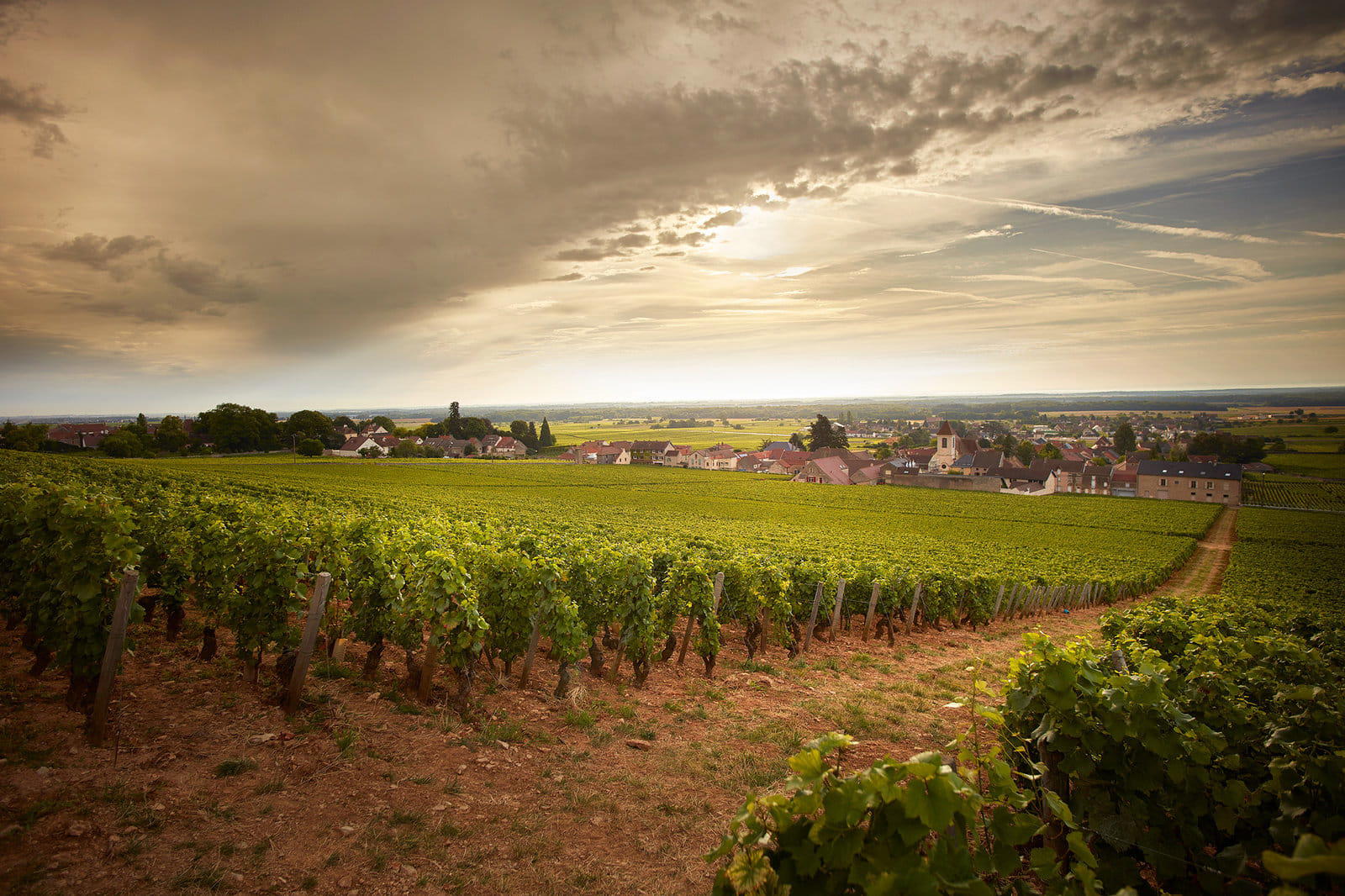
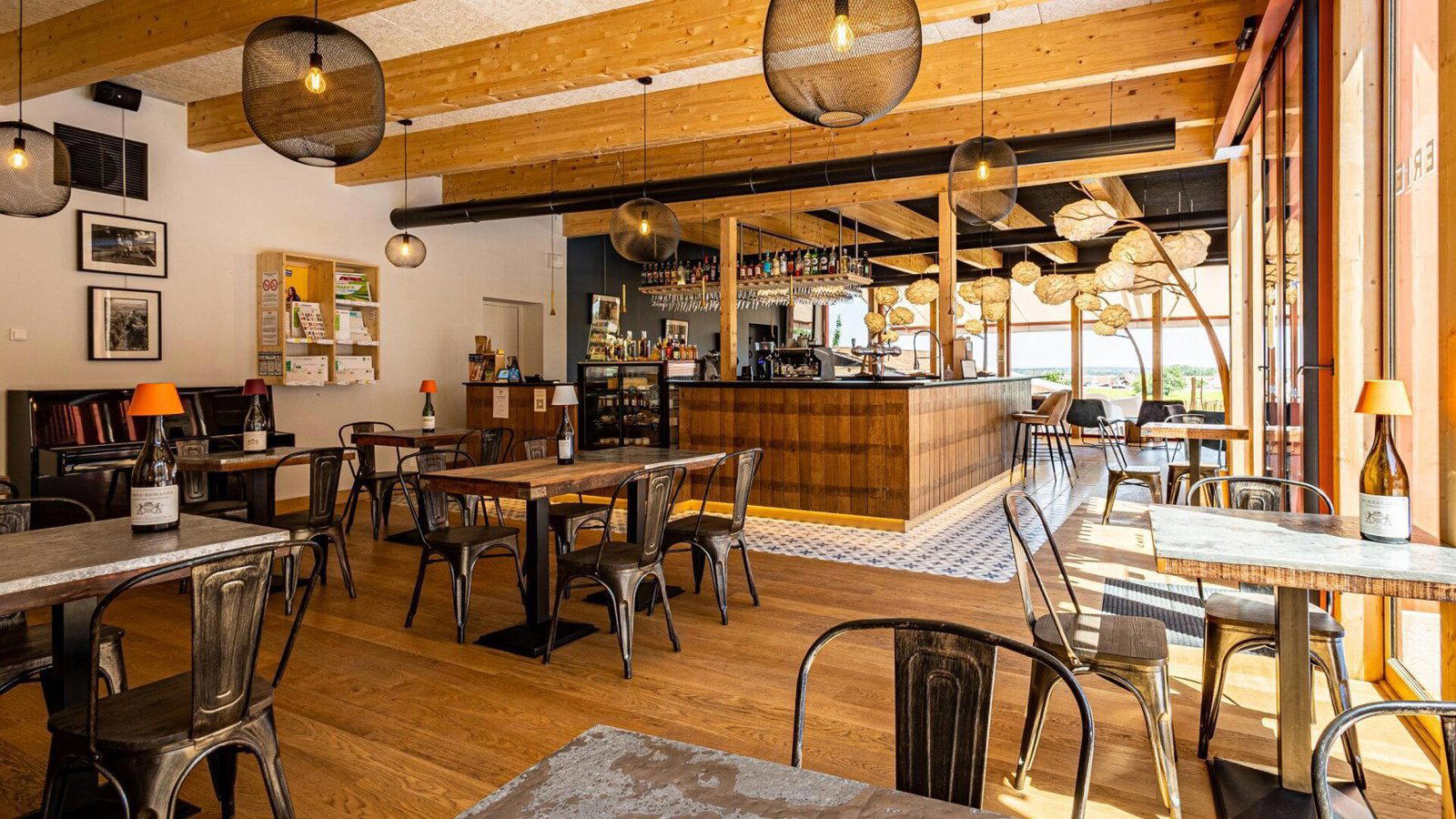
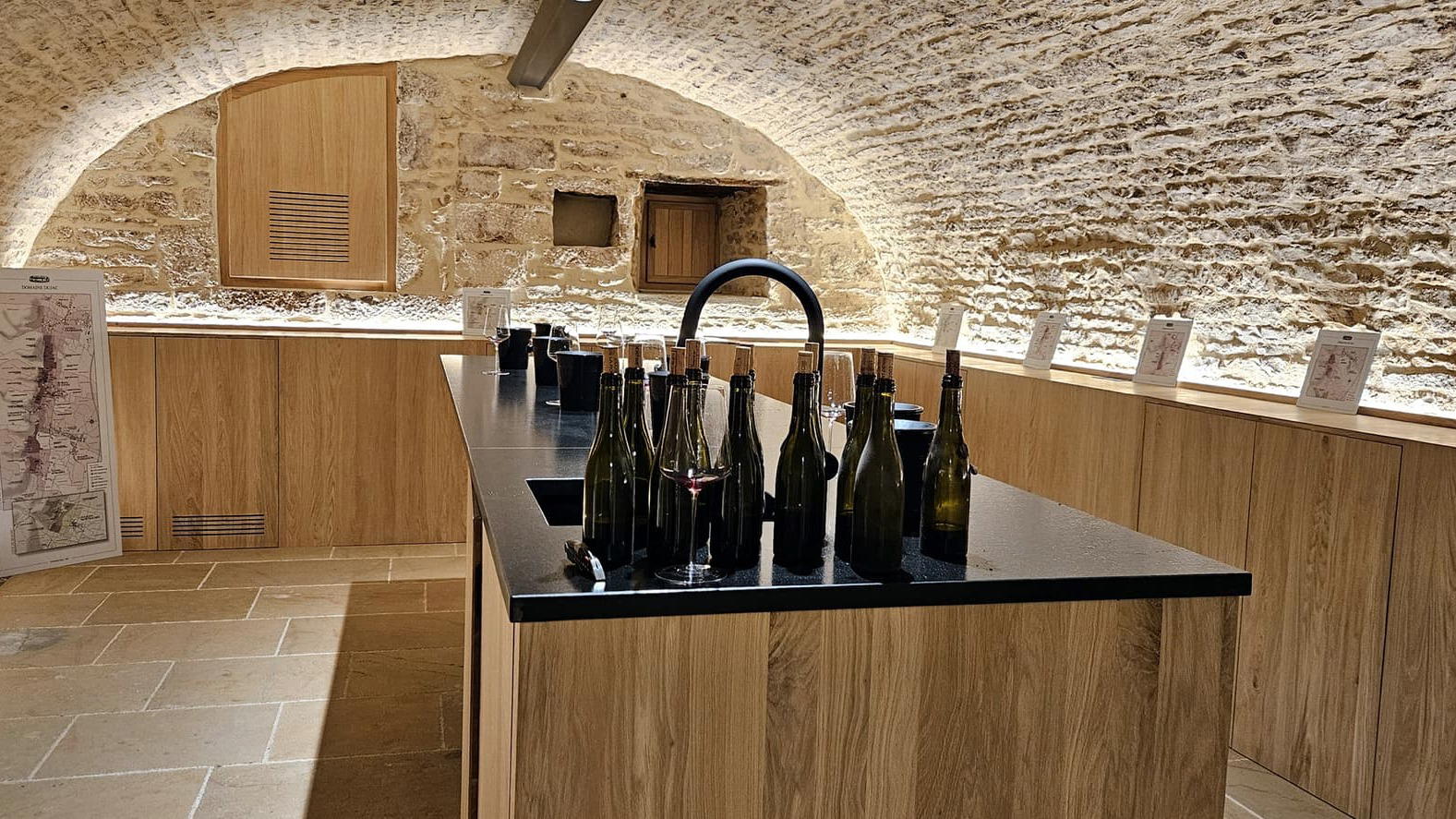
Bars in Morey-Saint-Denis
Browse all →
Restaurants in Morey-Saint-Denis
All restaurants in Morey-Saint-Denis →
Details
- Elegant
- Classic
- Sophisticated
- Scenic
- Wine Education
- Special Occasion
- Vineyard Tour
- Cave Tasting
- Historic Building
- Organic
- Vineyard
- Pinot Noir
- Chardonnay
- Still Red
- Cave Tasting
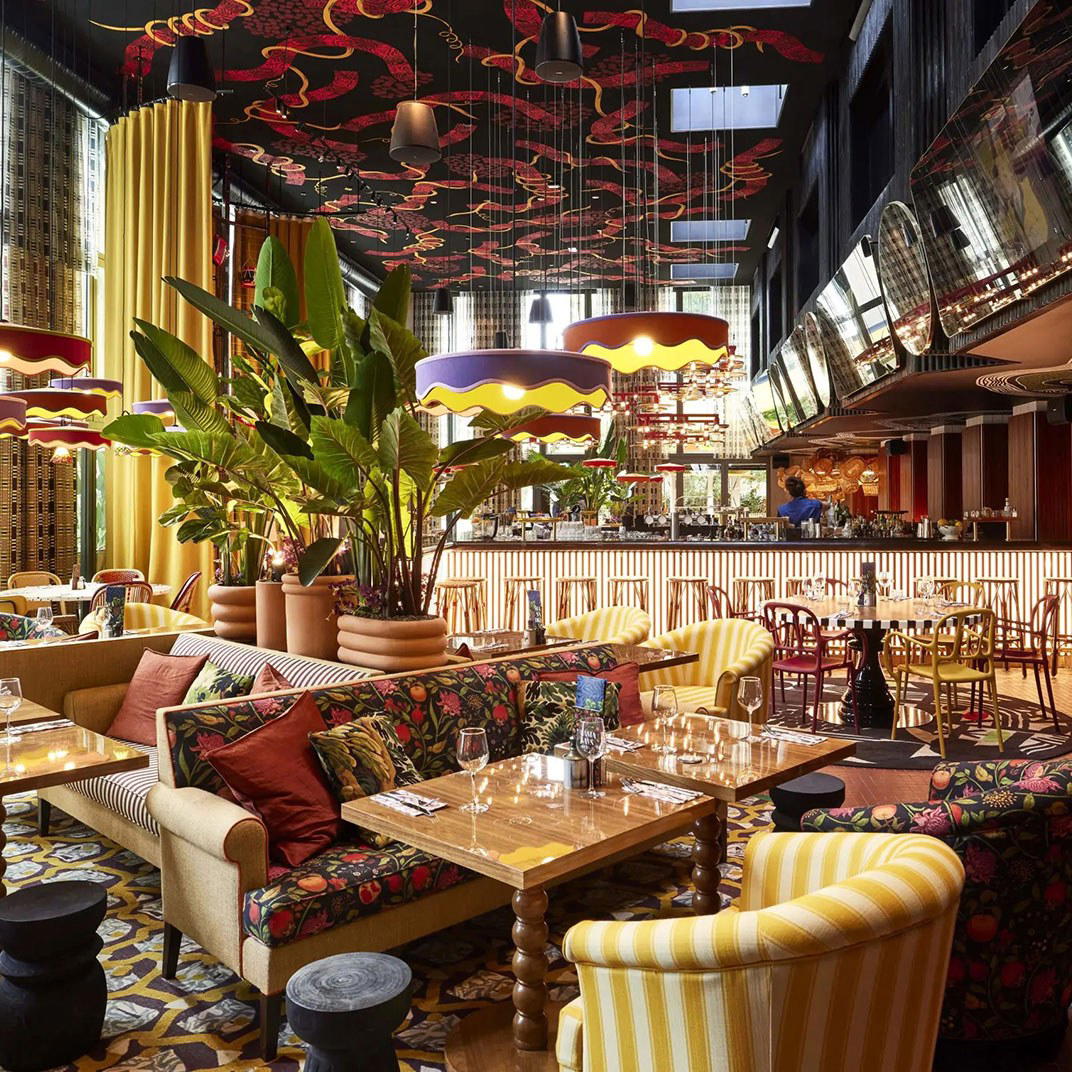
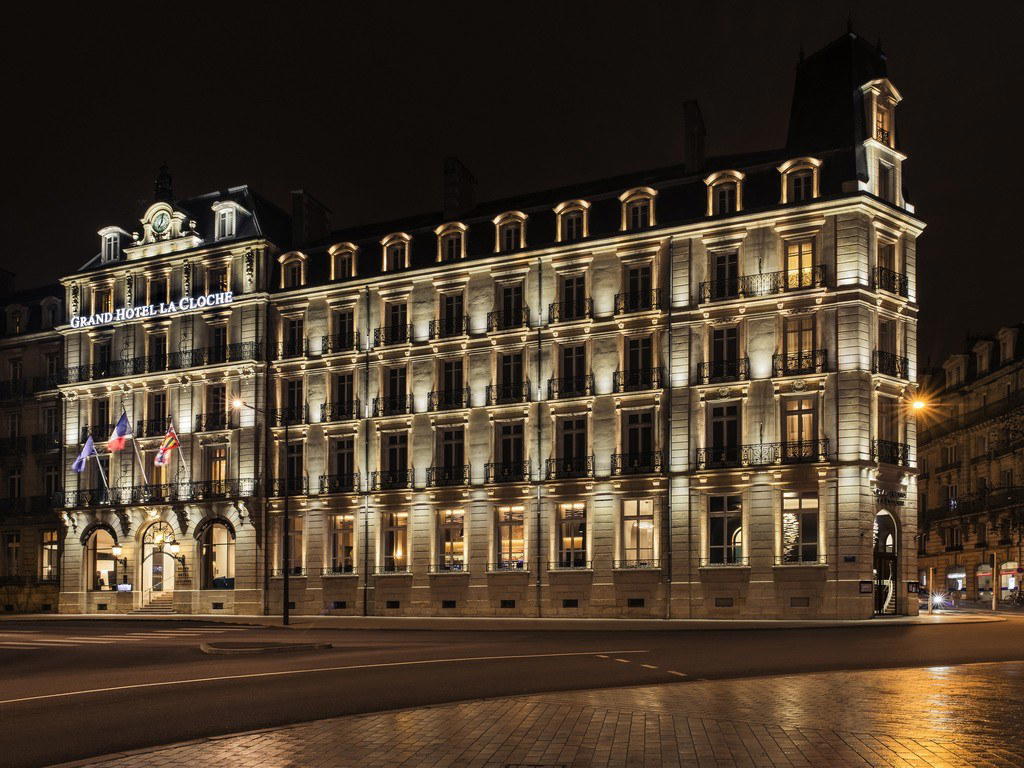
Refined and elegant atmosphere reflecting Burgundian tradition, with focus on finesse, silky textures, and complexity from meticulous winemaking.