Domaine Claude Dugat
Domaine Dugat is a small, family-run Gevrey-Chambertin domaine built around old-vine Pinot Noir, sustainable farming, and cellar tastings rather than polished visitor theatre. Its draw is terroir clarity in a serious Côte de Nuits register: limestone and clay-limestone soils, tiny production, and a portfolio that runs from Bourgogne Rouge to Grand Cru sites including Griotte-Chambertin, Chapelle-Chambertin, and Charmes-Chambertin.

Pearl is the En Primeur Club membership app — saves, bookings, and concierge access live there. Same editors, same standards.
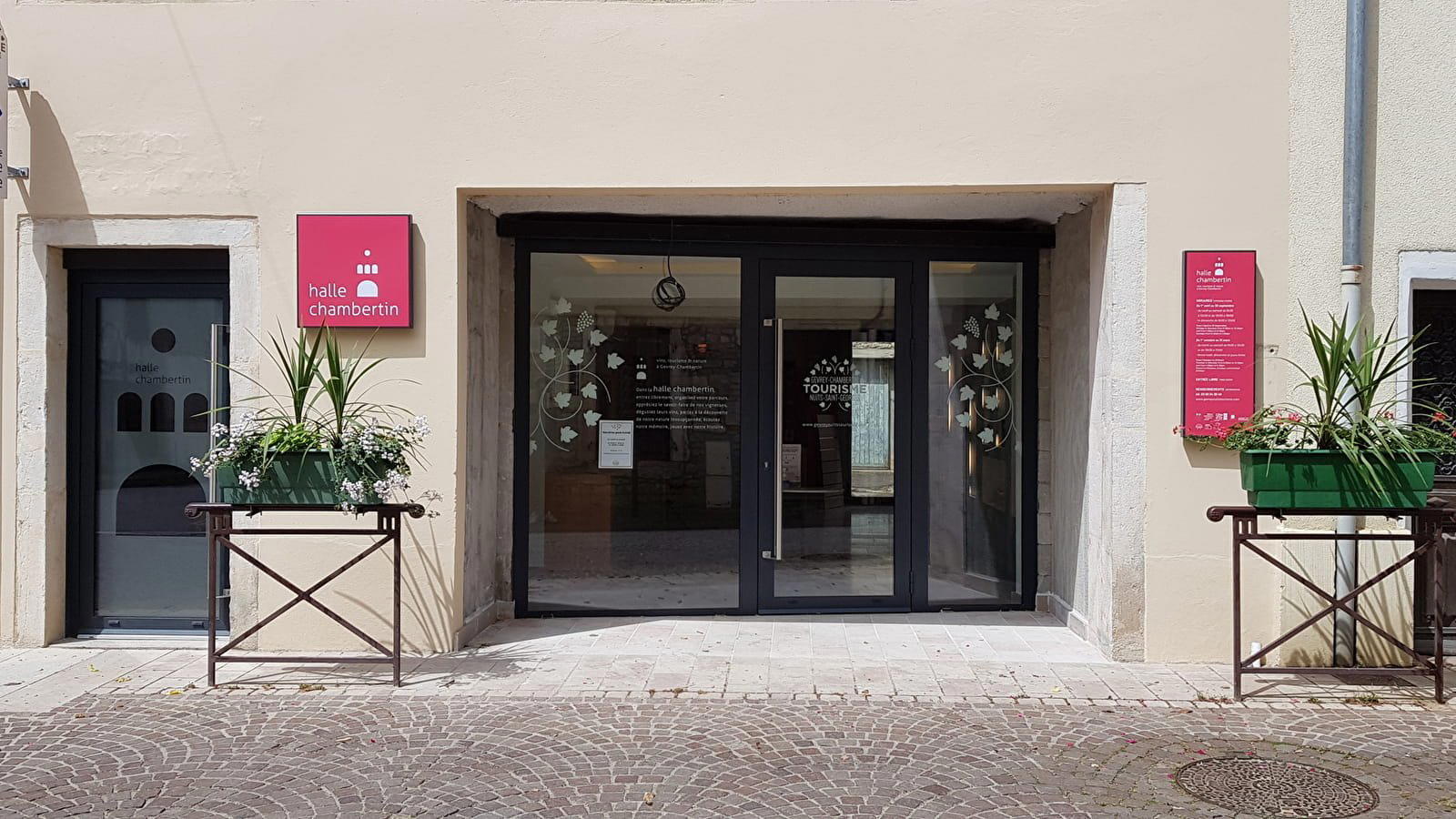
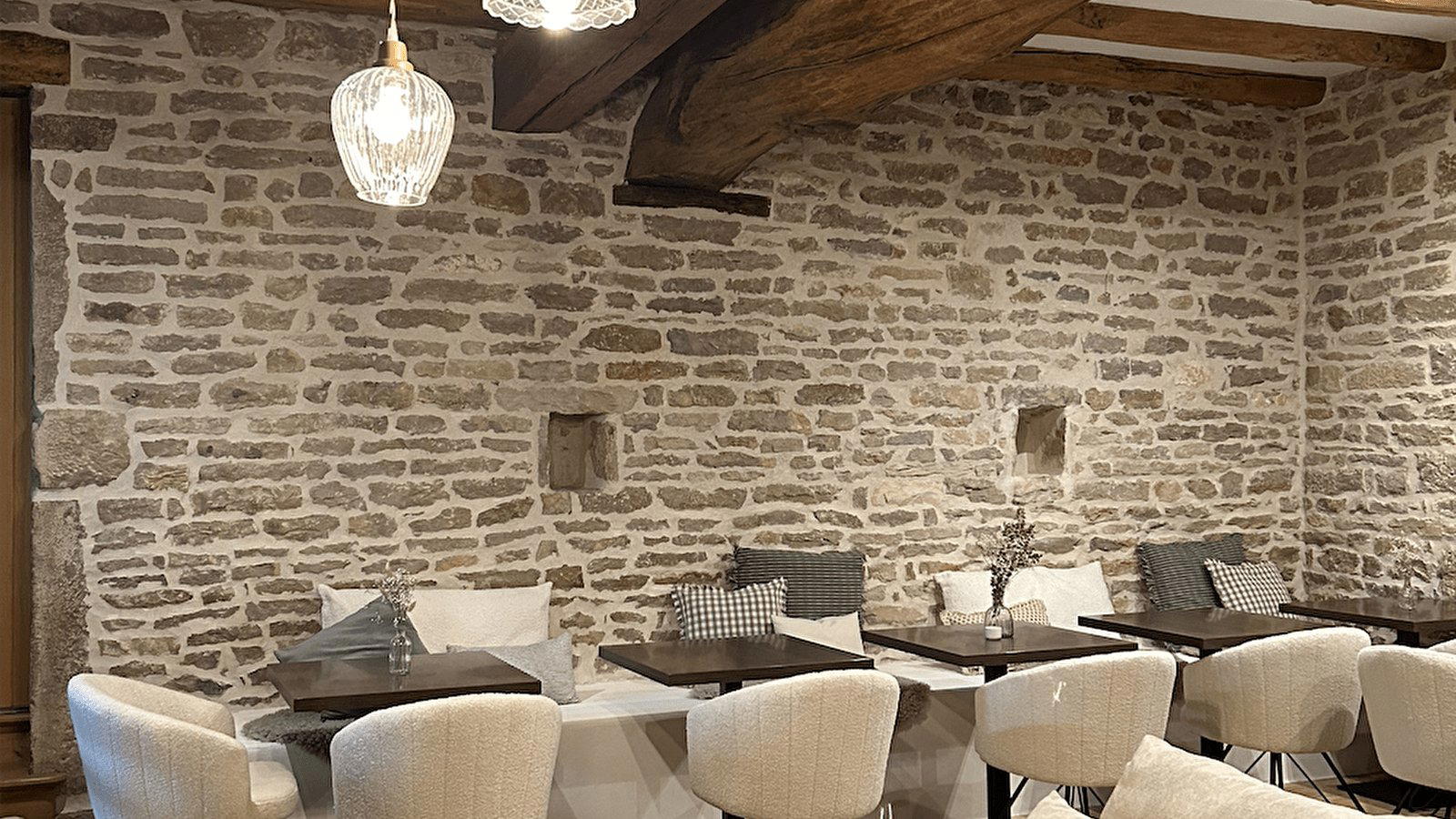
In Gevrey-Chambertin, Domaine Dugat is best understood as an well-known, family-run Burgundy domaine rather than a showy hospitality address. Its appeal lies in the way it concentrates attention on the essential elements of the village and the domaine: a small historic cellar, old-vine parcels, and a traditional, low-intervention approach to winemaking. The atmosphere is laid-back and intimate, with a sense that particularly important details are not being staged for effect, but are simply part of the domaine’s everyday identity. The emphasis is on authenticity and precision over spectacle, and that distinction is central to how the place should be read.
The relevant context is Gevrey-Chambertin itself: a place where cellar scale, family continuity, and old-vine parcels shape the experience as much as any formal visitor format. For this domaine, the picture is intentionally focused rather than expansive. A historic cellar gives the encounter its physical and emotional centre; the family-run character gives it continuity; the old-vine parcels provide a clear sense of rootedness; and the restrained style of hospitality keeps the attention on the wines, the village, and the work behind them. It is not trying to turn Burgundy into theatre, which is part of the point.
Old-vine Gevrey through an intimate Burgundy lens
Domaine Dugat sits in the world of small Burgundy domaines where the details that matter are often quiet ones: old vines, a historic cellar, tradition, and a low-intervention philosophy. Rather than presenting itself through elaborate service rituals, the domaine’s identity is grounded in Gevrey-Chambertin and in a more intimate, precise way of working. This is the kind of Burgundy experience where atmosphere is built through restraint: stone, cellar, vine age, family presence, and the feeling that the domaine’s priorities have remained closely tied to place.
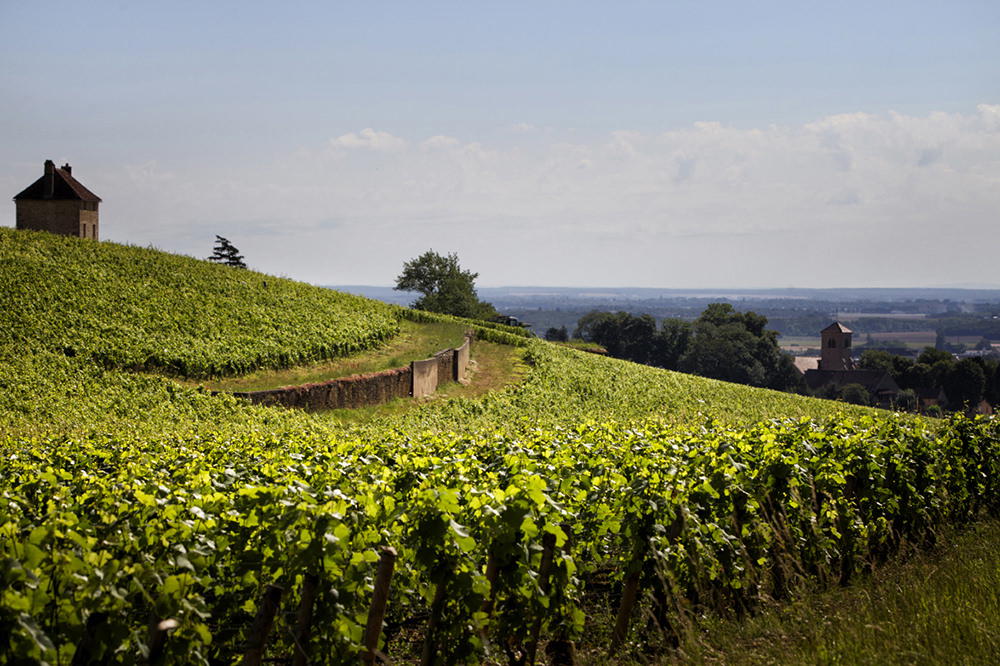
The useful frame is not a long list of technical claims. It is the combination of family scale, historic cellar setting, old-vine parcels, and a traditional Burgundy sensibility. That makes the domaine feel rooted and exacting without needing to be theatrical. The old-vine element matters because it reinforces the sense of depth and continuity already present in the cellar and in the family-run structure. The traditional, low-intervention approach also supports that impression: the domaine’s character is presented as something to be understood carefully, not dressed up or over-explained.
The family-run nature of the domaine is central to its appeal. In Burgundy, that kind of continuity often gives a cellar its personality: the experience is less about performance and more about a working relationship with place, vines, and time. At Domaine Dugat, that relationship feels especially important because the setting is small and focused. There is little sense of a hospitality concept layered over the domaine; instead, the family scale and historic cellar give the visit its own natural rhythm, with precision and authenticity doing more of the work than display.
The cellar experience is intimate, not performative
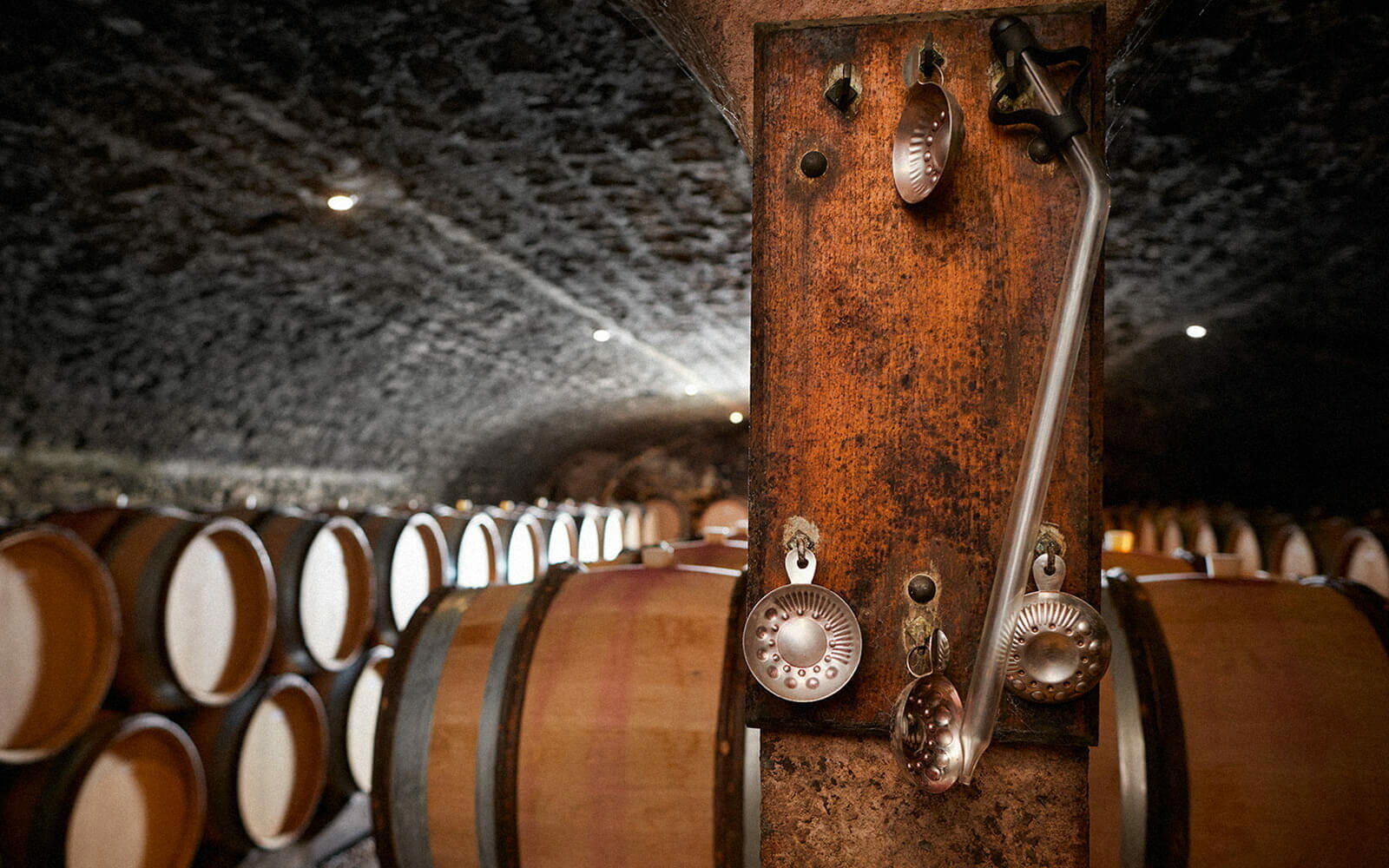
Mood at Domaine Dugat is intimate, laid-back, and focused. It is the kind of setting where the small historic cellar and the domaine’s traditional approach matter more than grand gestures. The tone is restrained, authentic, and precise. That restraint should not be mistaken for a lack of character; rather, it is the character. The cellar experience is shaped by closeness, quiet detail, and the sense that what is being offered is access to a working Burgundy domaine rather than a polished stage set.
For a wine-focused stay in Gevrey-Chambertin, the domaine fits naturally into a broader itinerary built around Burgundy, old-vine parcels, and understated cellar culture. It is most rewarding when approached with that expectation: not as a place designed to overwhelm, but as one that asks for attention. The small scale, historic setting, and family-run continuity create a mood that is serious without feeling formal, relaxed without feeling casual about the wine, and precise without needing to announce itself loudly.
How to read the wider Burgundy context
Gevrey-Chambertin is best approached through scale, place, and family practice. Domaine Dugat represents a particularly intimate version of that world: small historic cellar, old-vine parcels, family-run continuity, and traditional, low-intervention winemaking. In this context, the absence of spectacle becomes a strength. The domaine’s identity is coherent because each element points in the same direction: toward a grounded, careful, and place-led understanding of Burgundy.
Other dining and wine experiences in Gevrey-Chambertin can be considered generically as part of a broader village itinerary, but Domaine Dugat’s identity is specific and focused: an well-known Burgundy domaine that prizes authenticity and precision over showy hospitality. It belongs to the more understated side of the region’s appeal, where particularly memorable impression is not necessarily a dramatic flourish, but the cumulative effect of family continuity, cellar atmosphere, old-vine parcels, and a traditional sensibility held together with quiet confidence.
Continue exploring
More in Gevrey-Chambertin
Wineries in Gevrey-Chambertin
Browse all →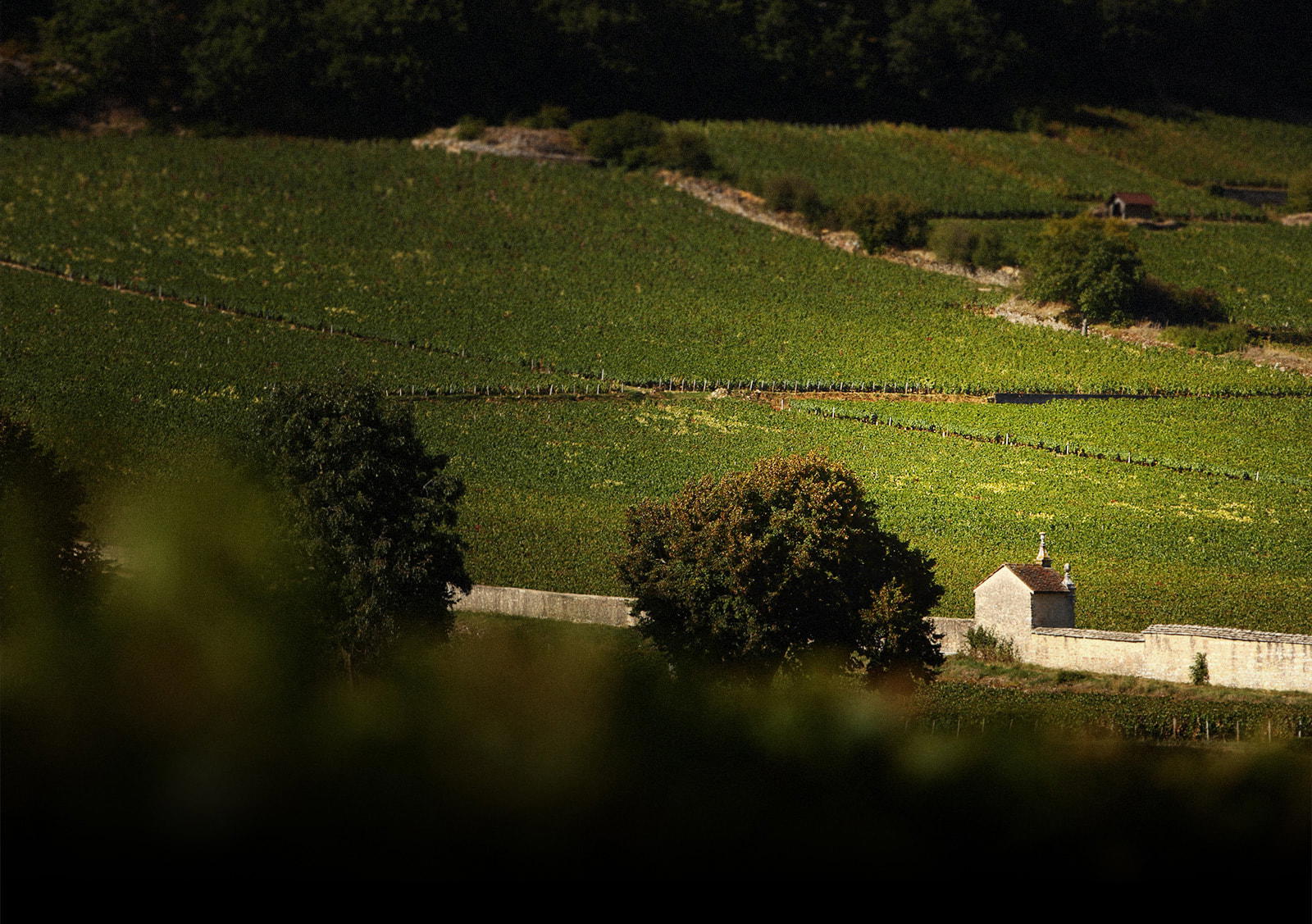
At a Glance
- Well Known
- Classic
- Intimate
- Rustic
- Wine Education
- Solo Exploration
- Barrel Room
- Historic Building
- Sustainable
- Vineyard
- Gevrey Chambertin AOC
- Pinot Noir
- Still Red
- Barrel Tasting
- Cellar Tasting
An well-known, family-run Burgundy domaine with a laid-back, intimate atmosphere centered around a small historic cellar, old-vine parcels, and traditional, low-intervention winemaking, emphasizing authenticity and precision over showy hospitality.