Rapet


Michelin Main Selection · Falstaff Winery - Listed
Rapet is a historic family Burgundy domaine in Pernand-Vergelesses, working Pinot Noir and Chardonnay from a quiet valley below the Corton hill. Its appeal is less spectacle than continuity: a 1765 family line, sustainable viticulture, estate-grown fruit, and a Côte de Beaune portfolio that moves between village, premier cru, and regional expressions.

Pearl is the En Primeur Club membership app — saves, bookings, and concierge access live there. Same editors, same standards.
- Address
- 2 Pl. de la Mairie, 21420 Pernand-Vergelesses, France
- Phone
- +33 3 80 21 59 94
- Website
- domaine-rapet.com
- Directions
- Get directions
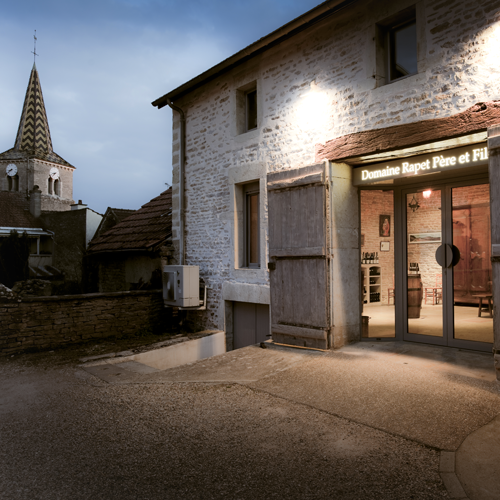
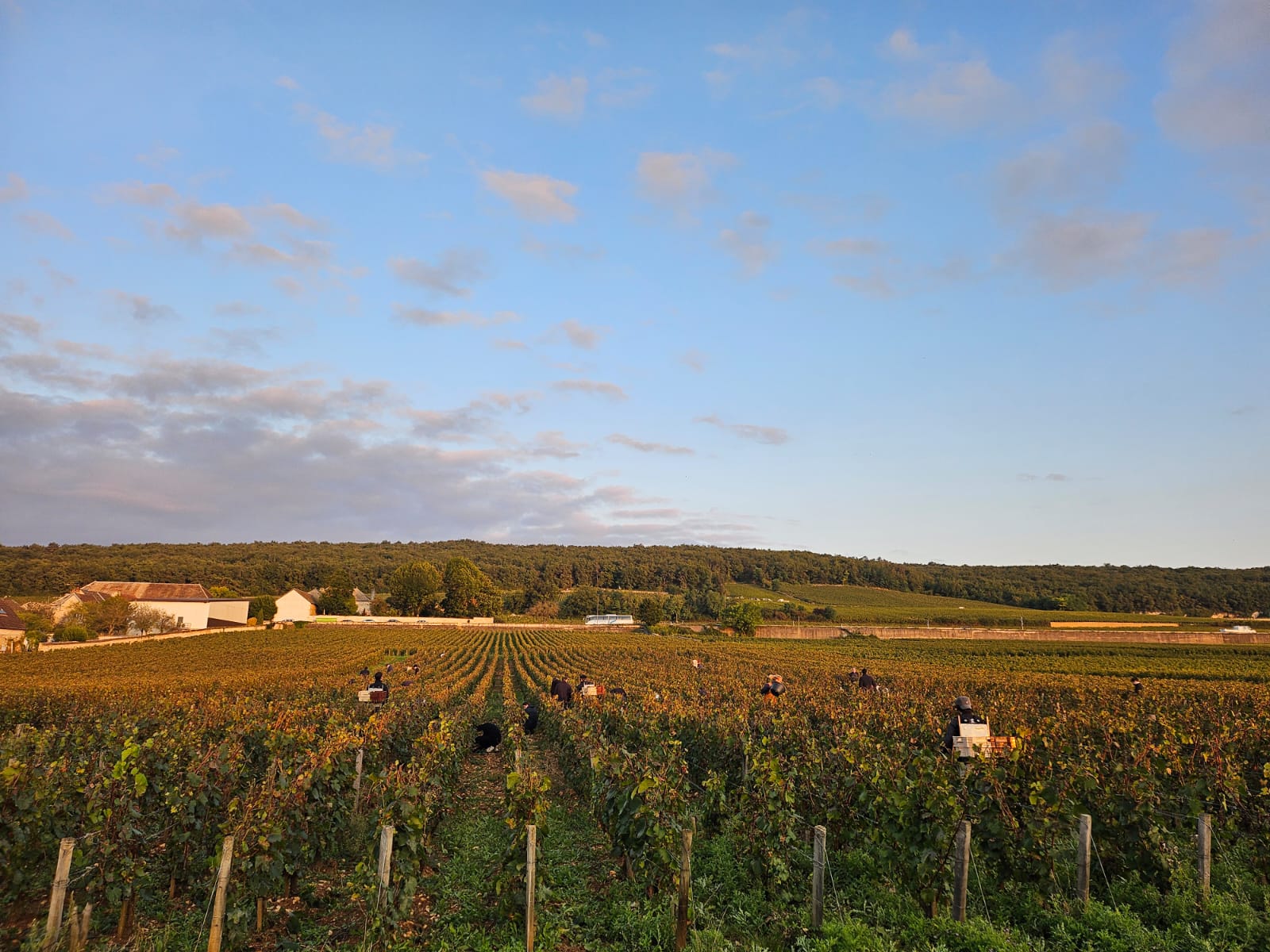
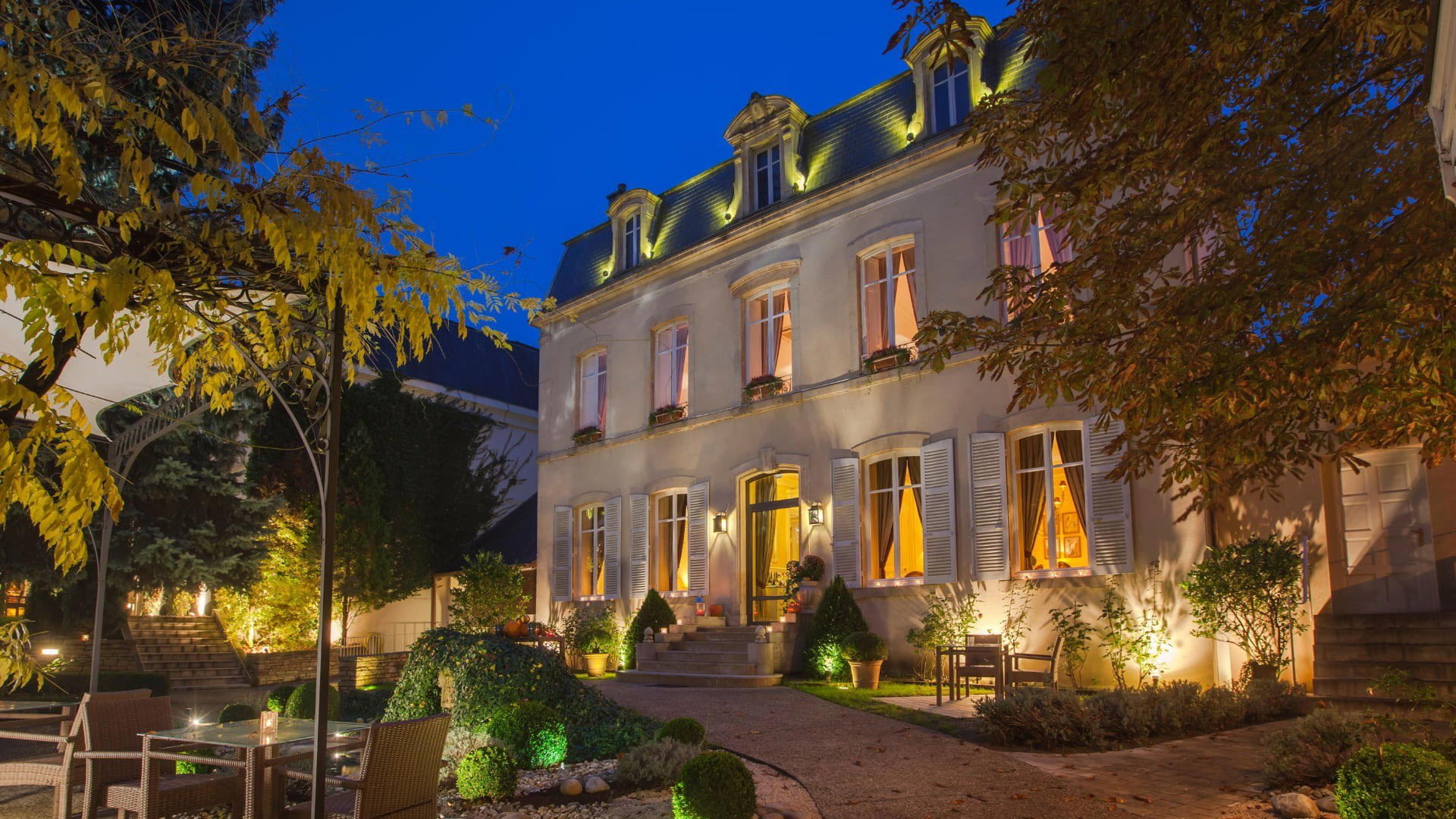
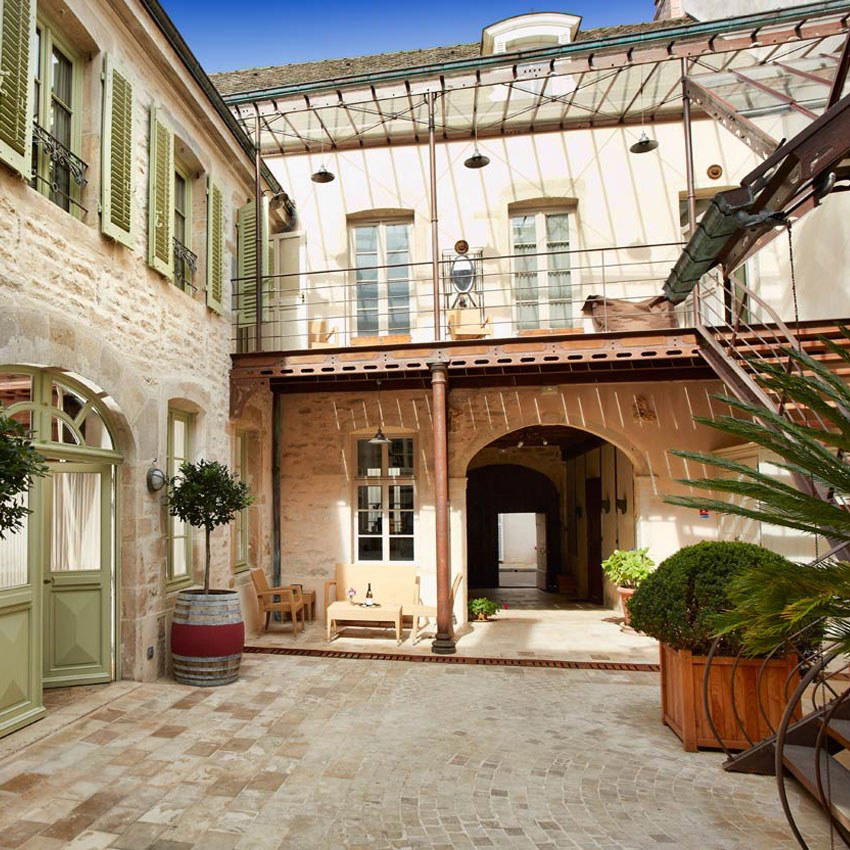
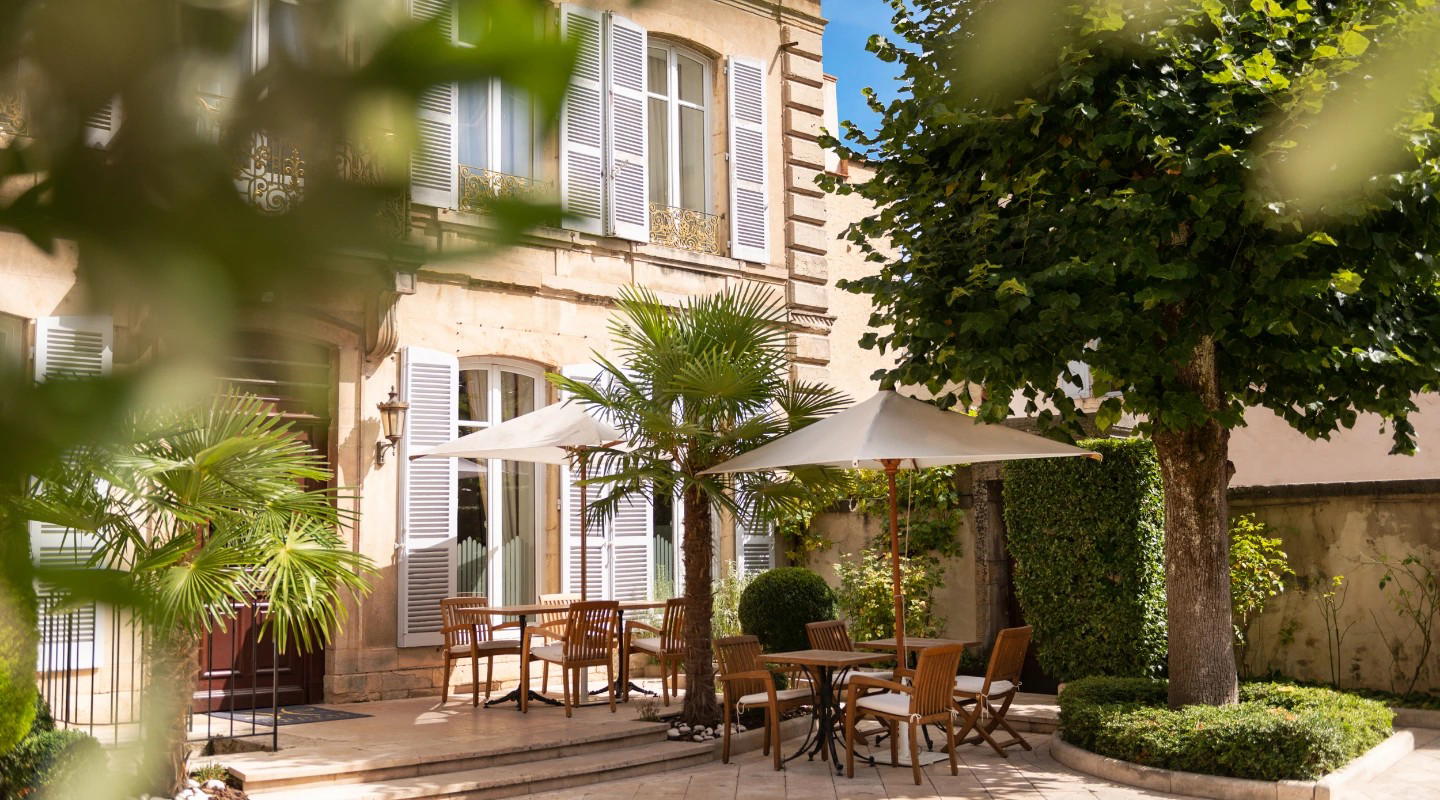
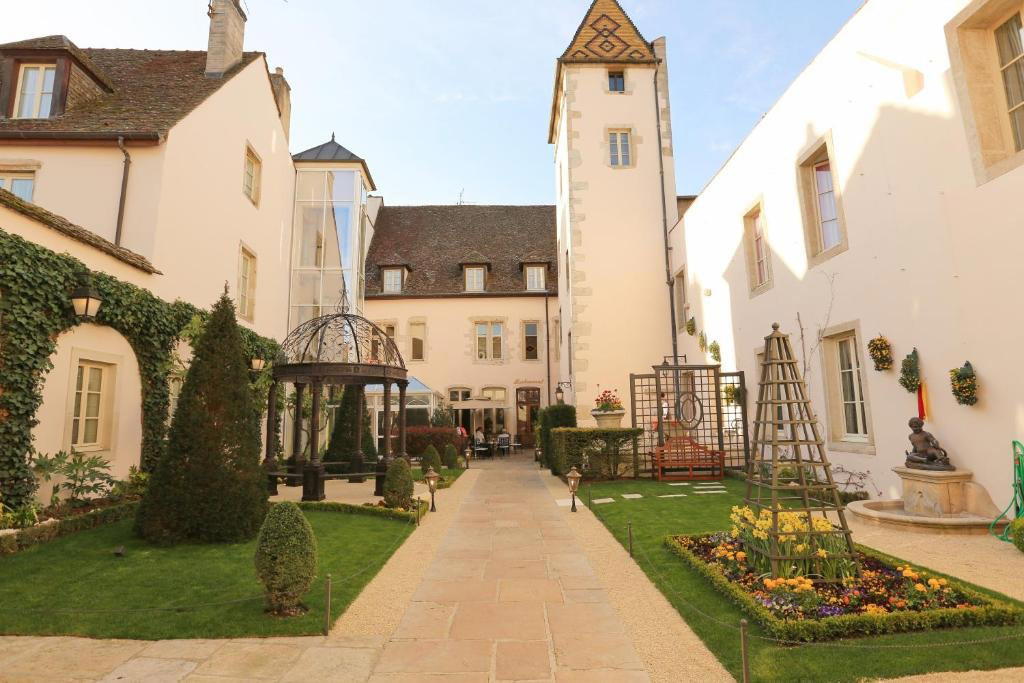
Approaching Pernand-Vergelesses, the village reads first through slope and stone rather than signage: vineyard rows near Corton and the quiet of a Burgundy wine village. Rapet belongs to that register: a Burgundy wine-estate setting in a peaceful green valley at the foot of Corton hill, with a traditional winegrower feel and modern, well-kept facilities.
The useful way to understand this corner of Burgundy is not as a single-name destination but as a compact conversation between Pernand-Vergelesses and the surrounding wine country. In that context, Rapet is best approached as a historic family-estate atmosphere rather than as a heavily staged hospitality address. Its profile is concise: a $$$ venue in Pernand-Vergelesses, recognised in the Michelin Guide Burgundy Main Selection as a wine estate, and associated with careful, sustainable viticulture.
Below Corton, a family domaine model still sets the pace
Burgundy’s small-estate system rewards continuity, but only when continuity is matched by vineyard discipline. Rapet’s appeal sits in that classic Burgundy register: traditional in mood, scenic in setting, and serious about the working landscape around Corton. The estate atmosphere is not about spectacle; it is about a well-kept, winegrower setting where the valley and vineyards remain central to the experience.
For visitors mapping the area, Rapet can be considered alongside other Burgundy names such as Domaine Bonneau du Martray, Domaine Camille Thiriet, Domaine Chandon de Briailles, Domaine Guilbert-Gillet, and Domaine Pierre Guillemot. Those comparisons are useful not because they make every estate interchangeable, but because they show how differently Burgundy properties can express place, scale, and tradition.
The Michelin Guide Burgundy Main Selection wine-estate distinction is an external marker. Rapet’s traditional winegrower atmosphere, modern well-kept facilities and focus on careful, sustainable viticulture define the experience.
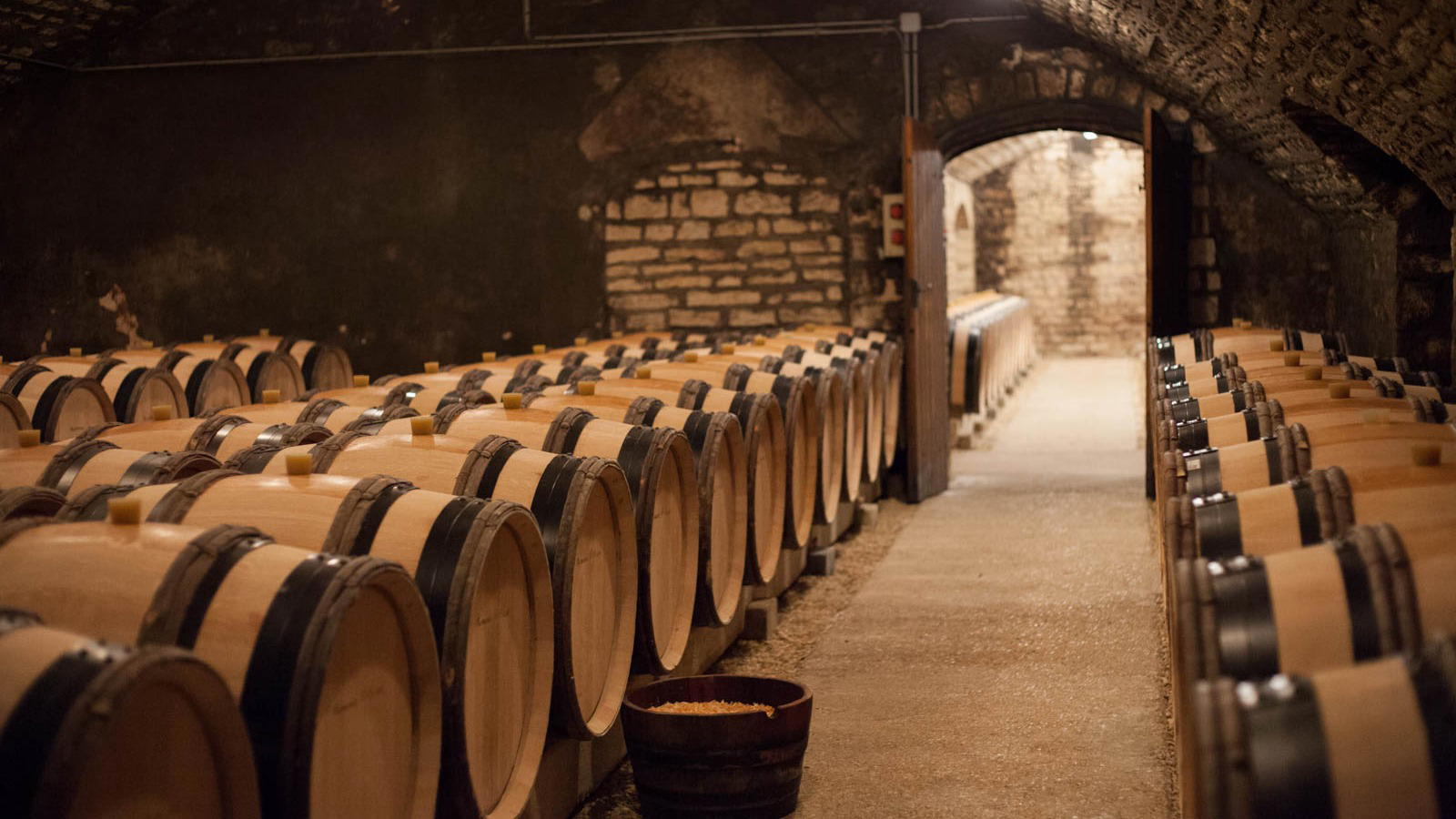
Rapet's cellar language is best understood through place, not spectacle
Rapet is best understood through its Burgundy setting: Pernand-Vergelesses, the foot of Corton hill, and the quiet discipline of a family-estate environment. It is a classic, scenic Burgundy wine estate.
Rapet’s atmosphere is historic, traditional, green-valley Burgundy, with modern facilities and a focus on careful, sustainable viticulture.
How to place it in a Pernand-Vergelesses itinerary
Pernand-Vergelesses is small enough that wine-estate visits can be read against one another, but structured enough that travellers should still plan thoughtfully. Rapet suits an itinerary focused on Burgundy’s working estate culture, the landscape below Corton and a traditional winegrower atmosphere.
For a focused village day, use Pernand-Vergelesses itself as the frame. Rapet can sit naturally beside unnamed local dining or other regional wine stops, while Domaine Bonneau du Martray, Domaine Camille Thiriet, Domaine Chandon de Briailles, Domaine Guilbert-Gillet, and Domaine Pierre Guillemot provide useful points of comparison for travellers thinking more broadly about Burgundy estates.
Rapet is a $$$ Burgundy wine estate in Pernand-Vergelesses with a historic family-estate atmosphere, a peaceful green-valley setting at the foot of Corton hill, modern and well-kept facilities, and Michelin Guide Burgundy Main Selection wine-estate recognition. It suits travellers who want a grounded sense of Burgundy’s winegrower culture.
A Pricing-First Comparison
Nearby venues at a similar price tier for orientation.
| Venue | Awards |
|---|---|
| RapetThis venue — the venue you are viewing | Michelin Main Selection · Falstaff Winery - Listed |
| Domaine Bonneau du Martray | Michelin 2 Grapes · Falstaff Winery - 4 Stars |
Recognition history
Dated appearances from independent guides and award organizations, with the underlying list record or original source where available.
Michelin Main Selection
Michelin · 2026 Michelin Grape Main Selection - Burgundy
Falstaff Winery - Listed
Falstaff
Continue exploring
More in Pernand-Vergelesses
Wineries in Pernand-Vergelesses
Browse all →
Bars in Pernand-Vergelesses
Browse all →
Restaurants in Pernand-Vergelesses
Browse all →
Details
- Classic
- Scenic
- Rustic
- Elegant
- Well Known
- Intimate
- Wine Education
- Romantic Getaway
- Group Outing
- Solo Exploration
- Special Occasion
- Estate Grounds
- Vineyard Tour
- Historic Building
- Private Tasting
- Sustainable
- Vineyard
- Mountain
- Pinot Noir
- Chardonnay
- Still Red
- Still White
- Bar Tasting
- Seated Tasting
- Private Tasting
- French
- English
Historic Burgundy family estate atmosphere in a peaceful green valley at the foot of Corton hill, with a traditional winegrower feel and modern, well-kept facilities reflecting their focus on careful, sustainable viticulture.