Skip to Main Content
← Collection
Meursault, France

Pierre Boisson

Michelin

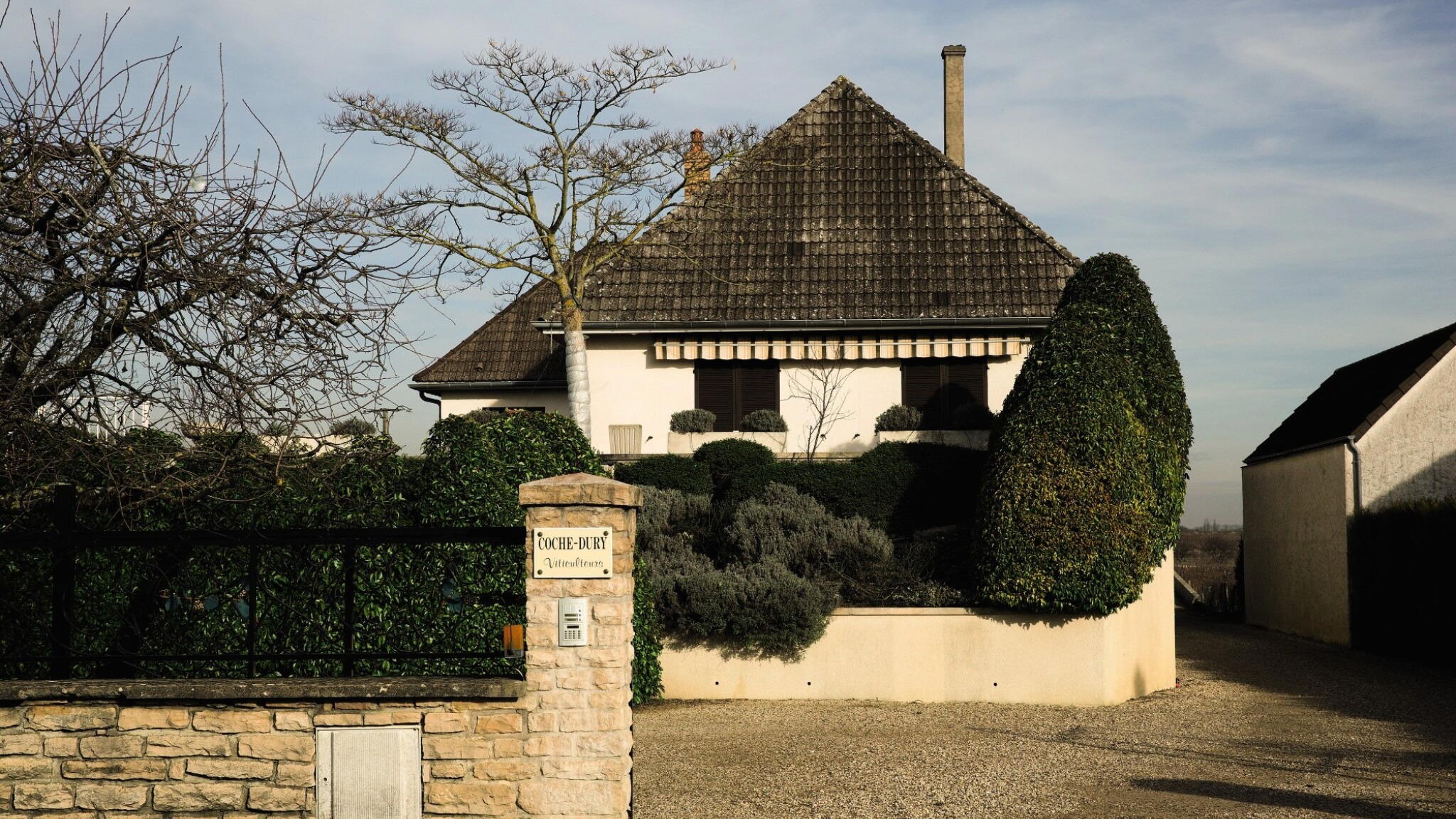
Pierre Boisson works inside the Meursault Coche-Dury baseline: whole-cluster pressing, natural fermentation in barrel, minimal intervention.

Pearl is the En Primeur Club membership app — saves, bookings, and concierge access live there. Same editors, same standards.

Plan your visit on PearlPlan Your Visit
Address
1 Rue du Moulin Landin, 21190 Meursault, France
Phone
+33 3 80 21 21 66
Saves & bookings on Pearl
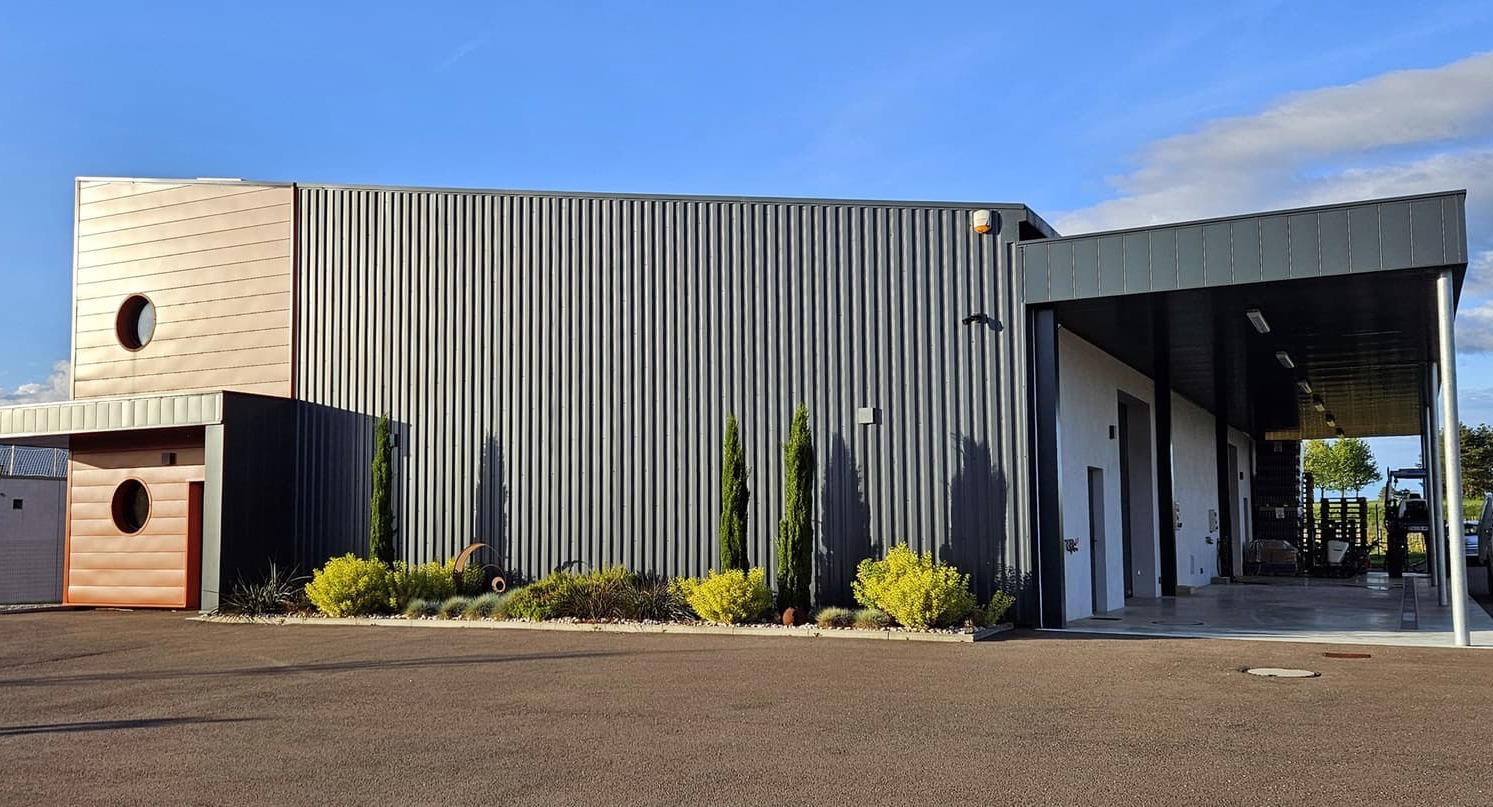
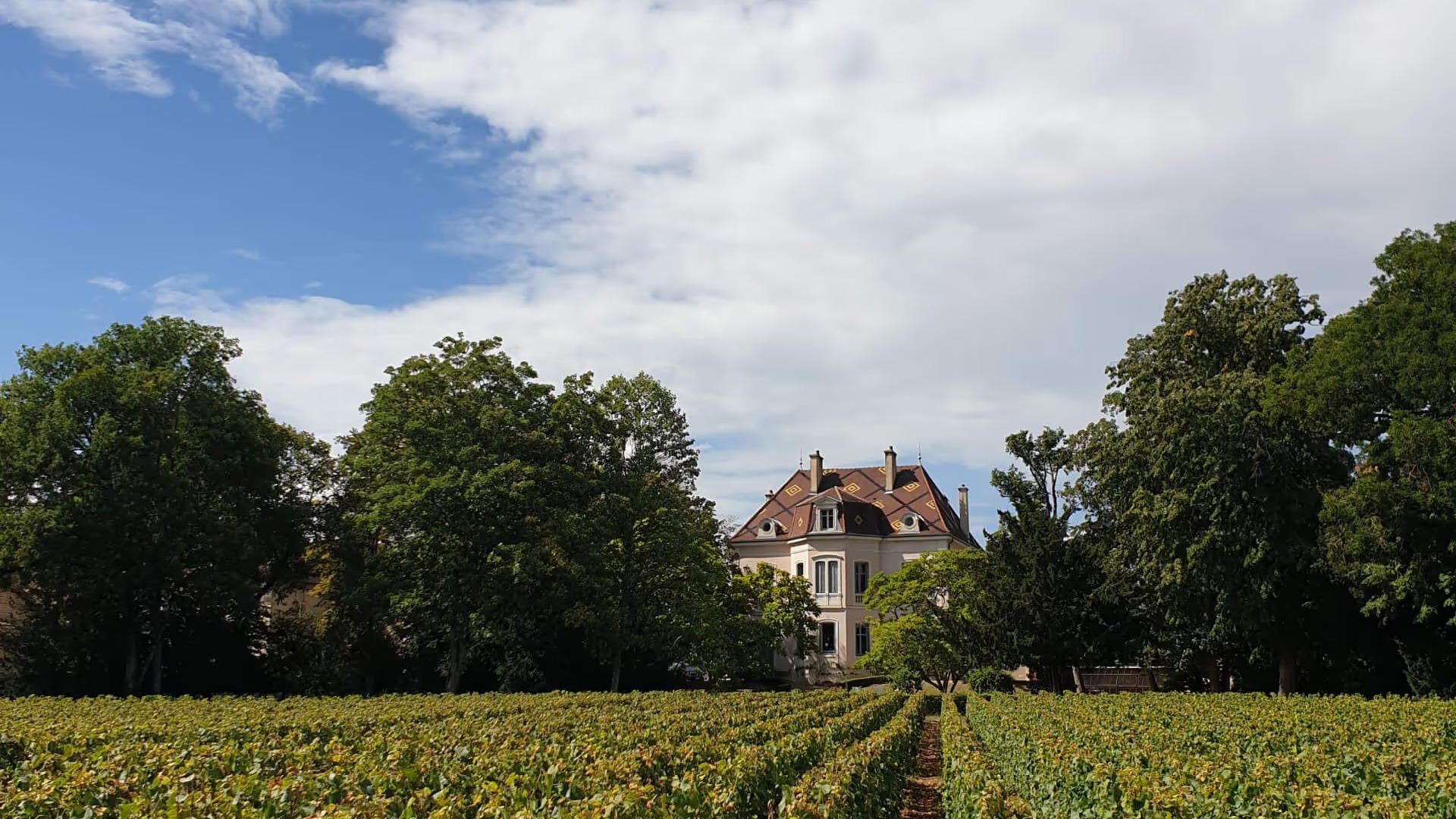
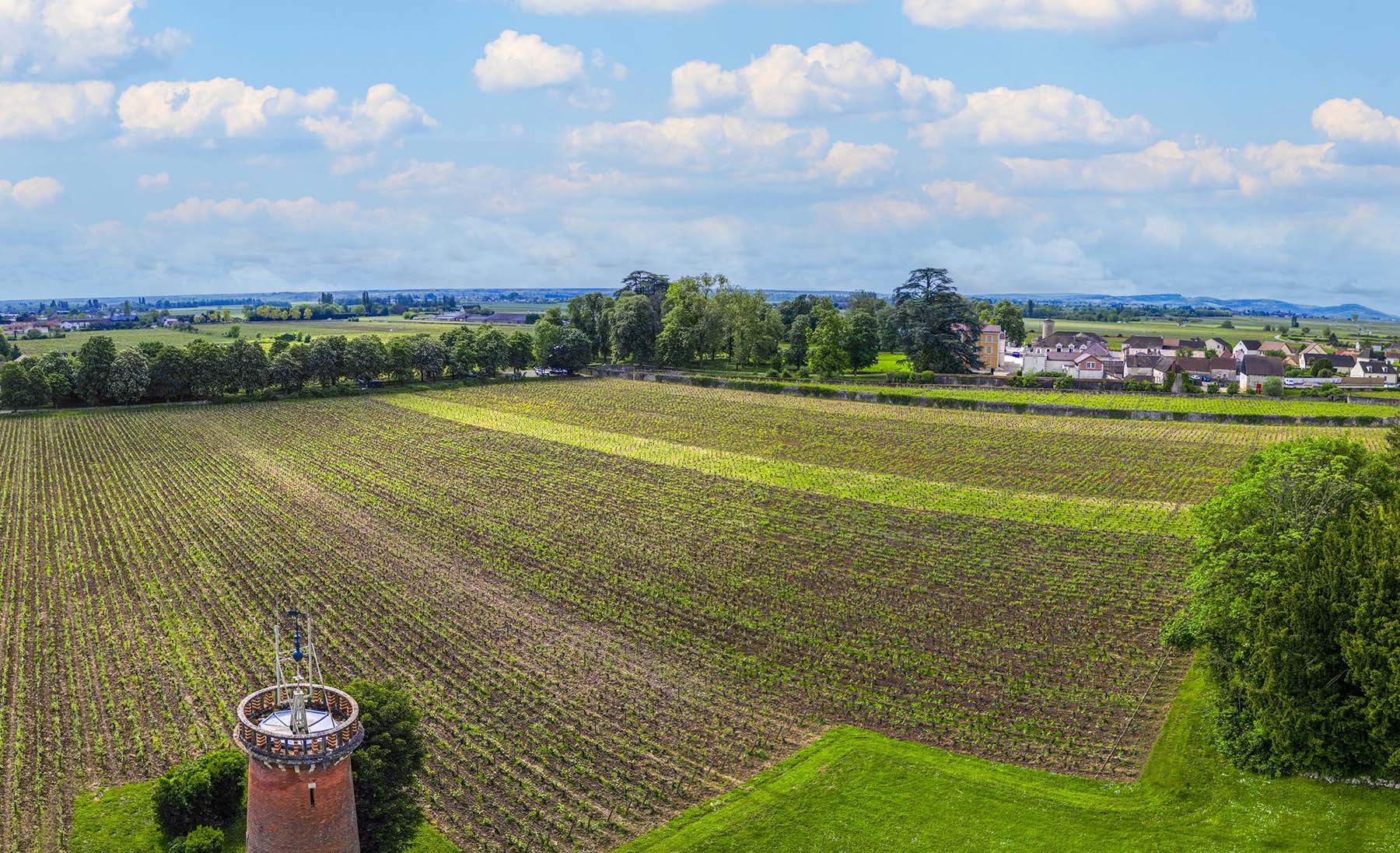
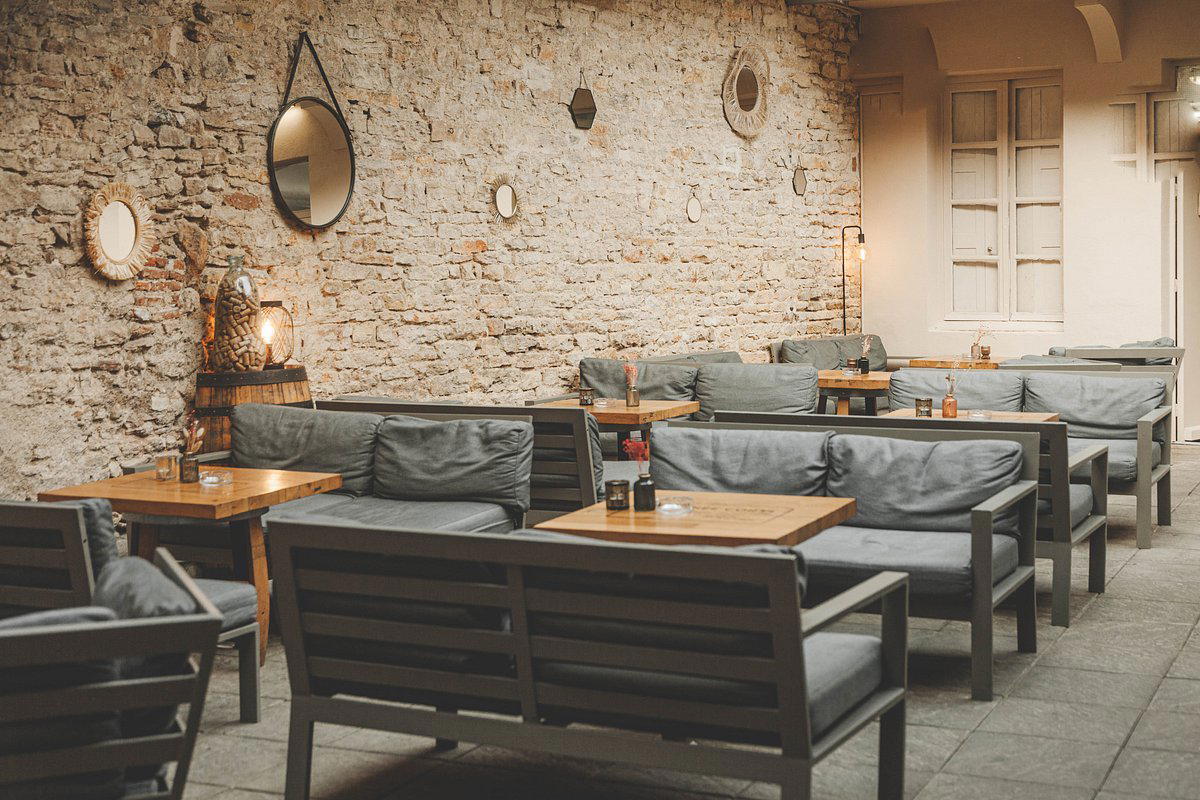
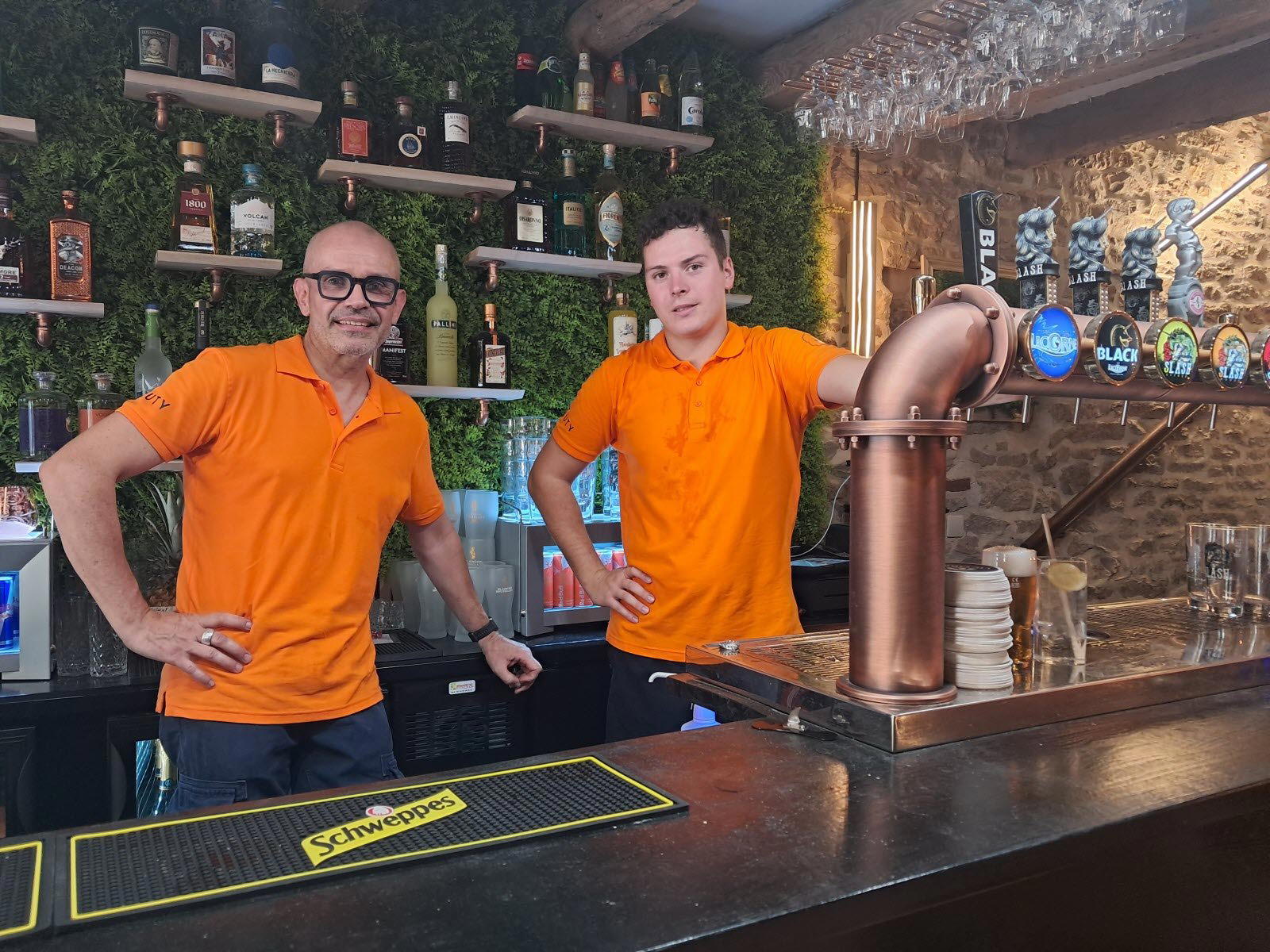
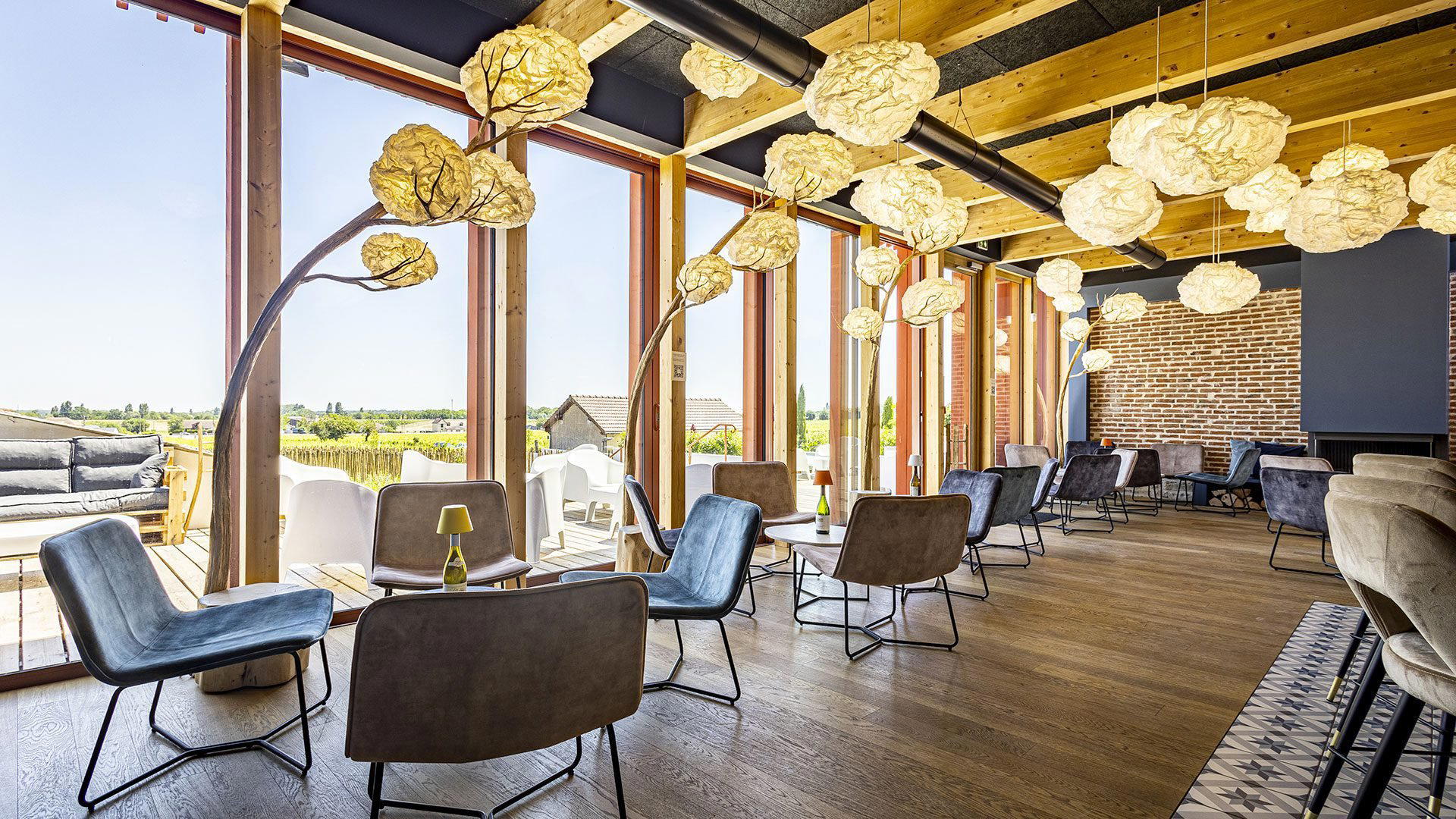
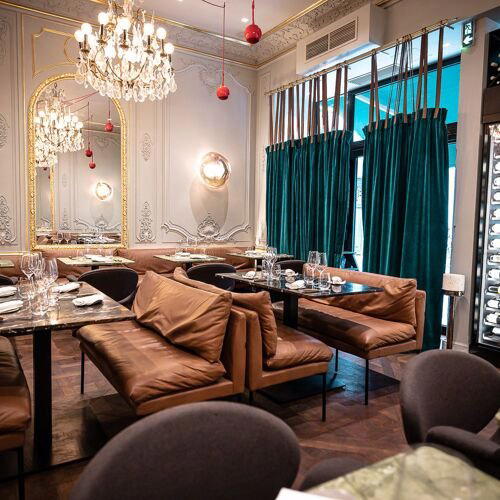
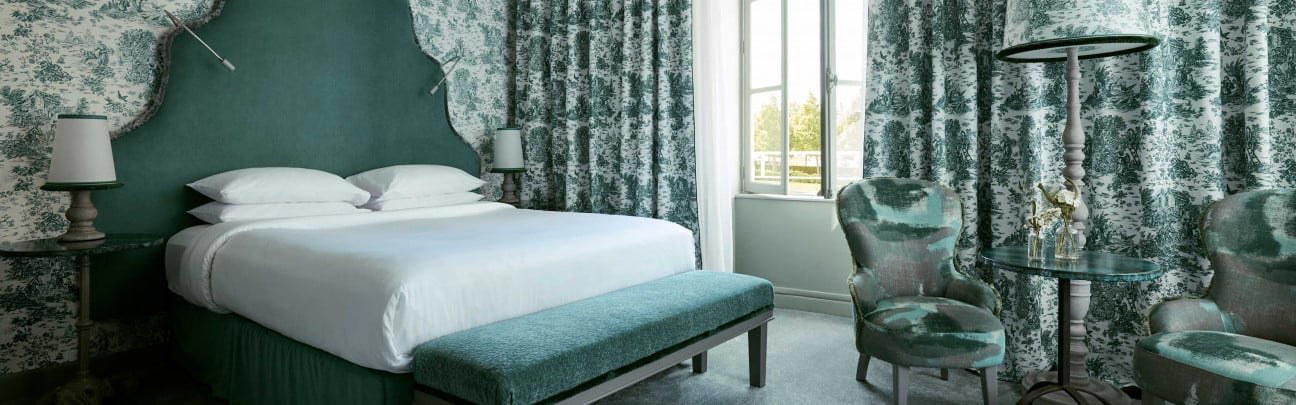
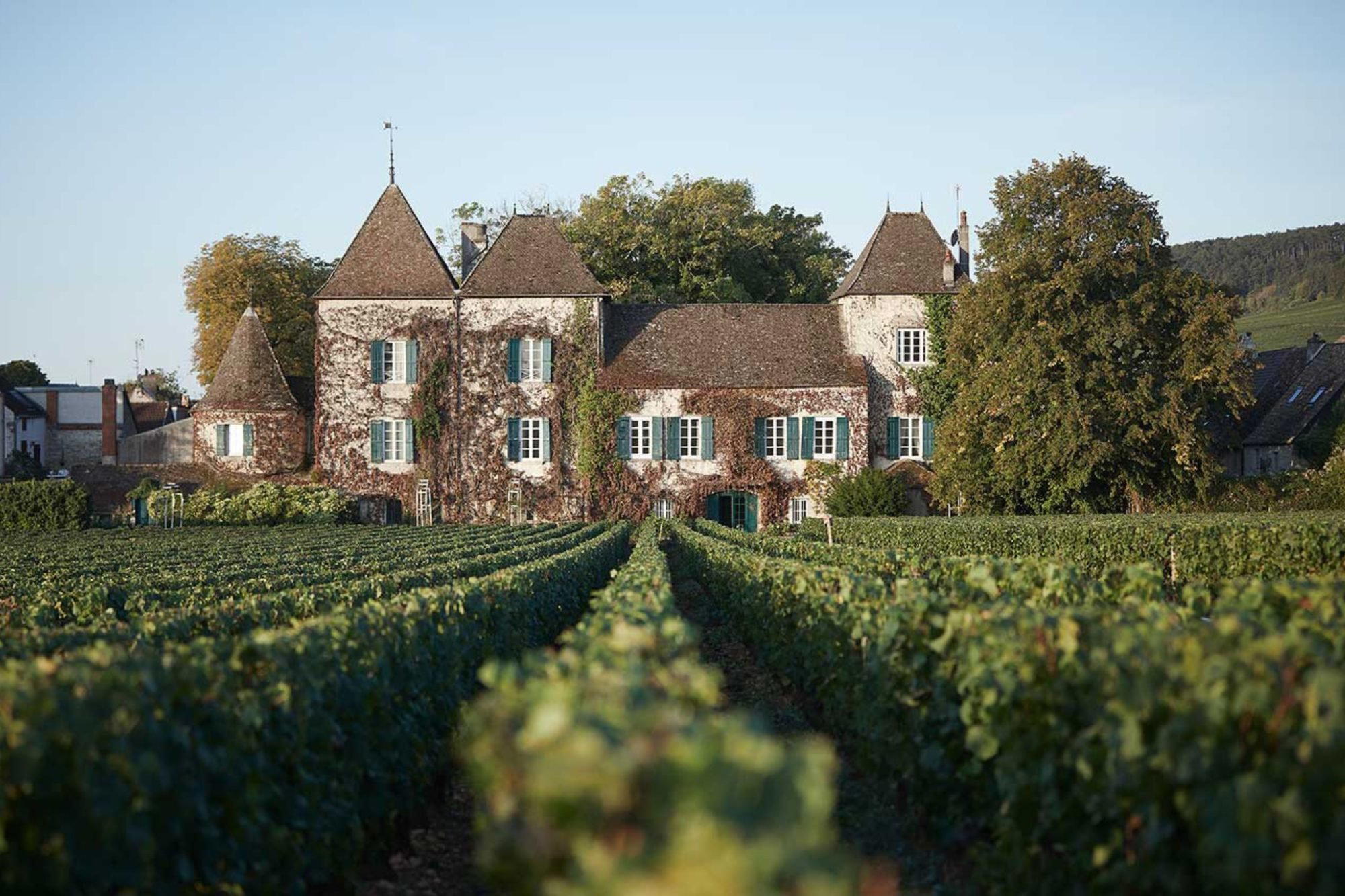
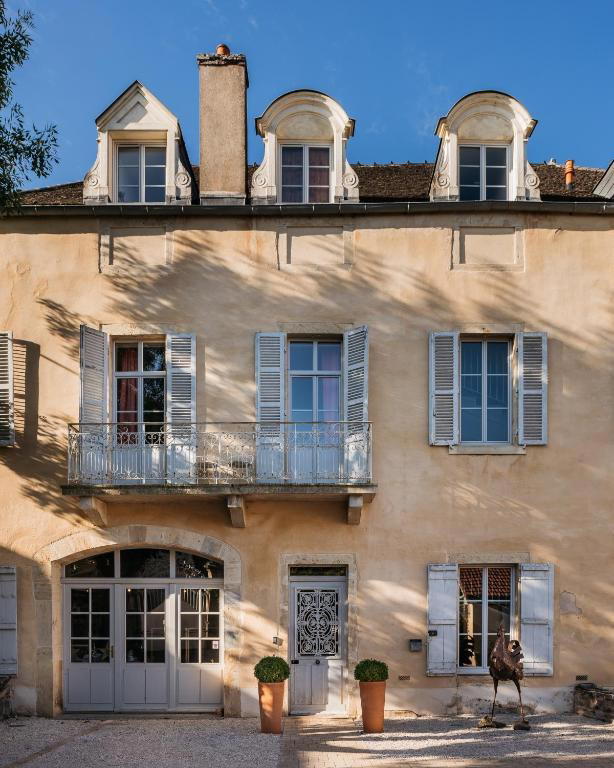
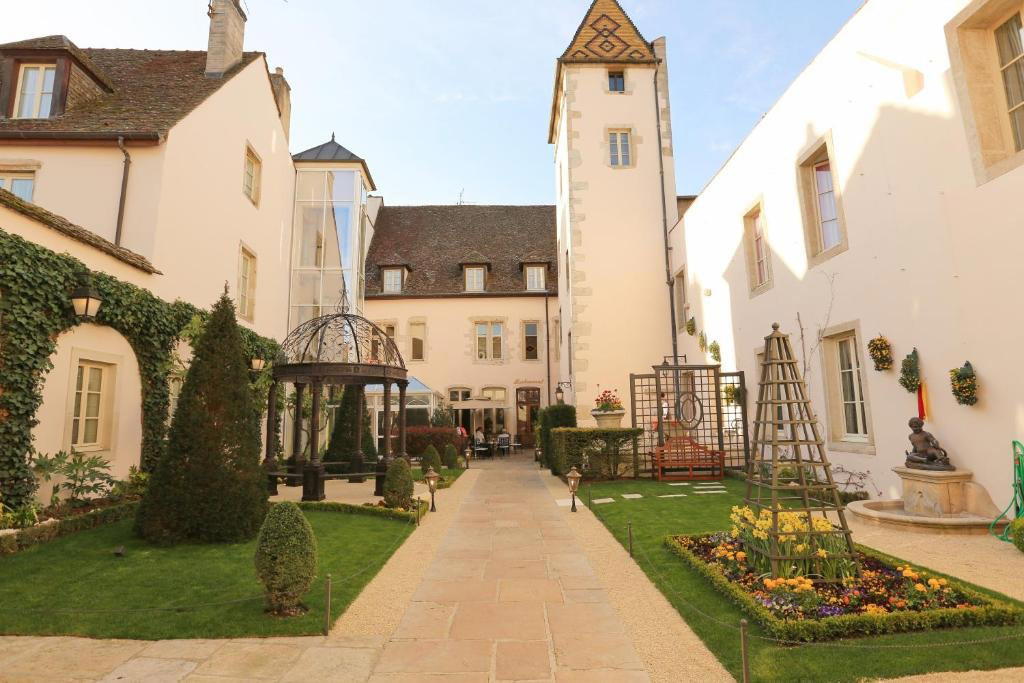
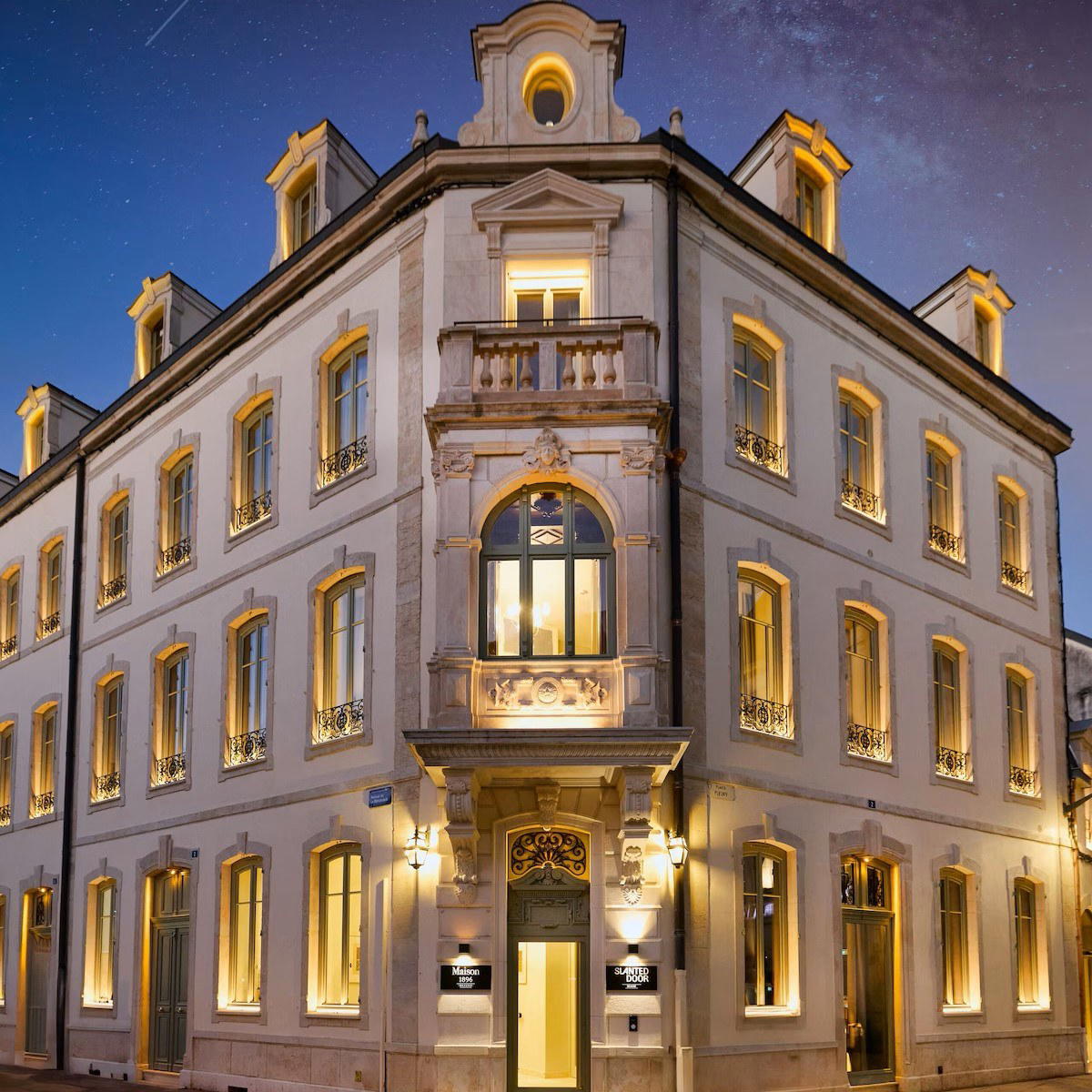
Pierre Boisson winery in Meursault, France
About

Meursault's white-wine tradition rests on a particular Chardonnay expression, ripe, broad, textural, that has shaped global expectations for white Burgundy since the mid-twentieth century. Domaine Pierre Boisson occupies a distinct position inside that tradition, working holdings split across Meursault's village-level appellations and the Auxey-Duresses sector to the west. Pierre Boisson established his independent domaine in 2016, following the division of the family's Boisson-Vadot estate with his sister Anne. The domaine operates as a small-scale family estate with roughly 3.5 hectares under vine, producing approximately 2,000 to 2,500 cases annually, a scale typical of Meursault's artisan tier but small enough that allocation structures dominate distribution in export markets.

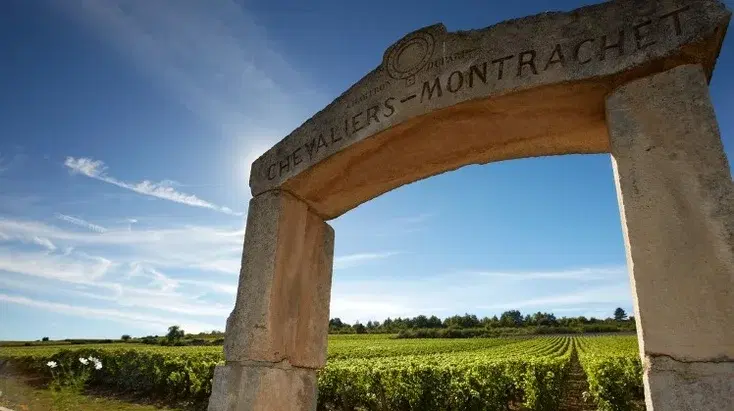
The holdings sit primarily in Meursault village-level vineyards and in Auxey-Duresses, with parcels including Meursault Les Grands Charrons, Meursault Les Chevalières, and Auxey-Duresses Premier Cru. The Auxey parcels are particularly load-bearing for the domaine's identity: Auxey-Duresses, positioned on the hillside west of Meursault, produces a structurally leaner, more mineral-driven Chardonnay than Meursault proper, and Boisson's bottlings from that sector read as counterpoint to the richer Meursault village wines. The Meursault parcels themselves, Les Grands Charrons in particular, are not premier cru but sit in the band of well-regarded village-level sites that have historically supplied much of the appellation's volume. The domaine does not hold any grand cru parcels and does not produce any of the premier cru Meursault bottlings (Perrières, Genevrières, Charmes) that anchor the appellation's prestige tier.

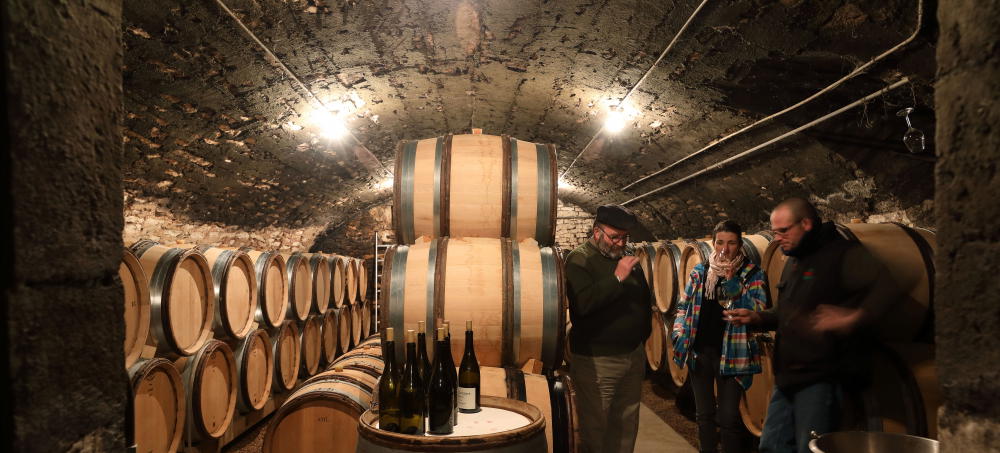
Pierre Boisson's winemaking protocol reflects the Meursault baseline established in the 1970s and 1980s by the Coche-Dury generation: whole-cluster pressing, natural fermentation in barrel, élevage of 12 to 15 months in oak with a moderate new-oak proportion (typically 20 to 30 percent across the range), and minimal intervention during aging. The protocol is not reductive in the style of some younger Burgundy producers working with lower sulfur and extended lees contact; Boisson's wines are racked once or twice during élevage and see moderate sulfur additions at bottling. The resulting wines sit in the middle register of Meursault's stylistic spectrum, neither as overtly oxidative as the Coche bottlings nor as tight and mineral-driven as the more reductive producers working in Puligny-Montrachet and Chassagne-Montrachet.

The oak regime is conservative by contemporary standards. Twenty to thirty percent new oak across the village-level Meursault bottlings places the domaine well below the 40 to 50 percent new-oak proportion common among Meursault's premier cru producers in the 1990s and early 2000s, and below the 30 to 40 percent range still typical of many Meursault village producers today. The barrels themselves are sourced from traditional Burgundy tonnelleries, primarily François Frères and Rousseau, with a medium-toast profile. The relatively low new-oak proportion allows the fruit and the site's mineral structure to dominate the wine's flavor profile, but the wines still show the toasted-hazelnut and buttered-brioche notes that are signatures of barrel-fermented Meursault Chardonnay. The Auxey-Duresses bottlings see slightly lower new-oak proportions, typically 15 to 20 percent, reflecting both the leaner fruit profile of the appellation and the domaine's economic positioning. Auxey commands lower market prices than Meursault, and the oak regime is calibrated accordingly.

Boisson does not fine or filter the wines prior to bottling, a practice now standard among Burgundy's artisan tier but still a marker of quality-focused small production. The wines are bottled by hand on the domaine, typically in late spring or early summer following the harvest, and are released to market within a year of bottling. The relatively short post-bottling hold before release places the domaine inside the Burgundy norm. Most village-level white Burgundy is released within 18 to 24 months of harvest, but this means that the wines reach the market while still quite tight and require cellaring to show their full range. The domaine does not hold back library stock for delayed release, so all wines enter distribution immediately upon release.

The vineyard work follows conventional Burgundy protocols, no organic or biodynamic certification, though pesticide and herbicide use is minimal. The domaine employs a small team during harvest, which is conducted by hand with sorting in the vineyard and again at the winery. Yields are controlled through winter pruning and green harvest when necessary, with typical yields in the range of 40 to 45 hectoliters per hectare for the Meursault village parcels and slightly higher for Auxey-Duresses. These yields sit at the low end of the AOC maximum (which allows up to 58 hectoliters per hectare for Meursault village) but are not as drastically reduced as the sub-35-hectoliter yields pursued by some of the appellation's most quality-focused producers. The relatively moderate yield ceiling reflects both the domaine's economic model — Pierre Boisson is working a small estate with no outside income and must produce enough volume to sustain the operation — and a technical judgment that Meursault's best expression does not require the extreme concentration that lower yields deliver.

The domaine's market positioning sits in the middle band of Meursault's pricing structure. Village-level Meursault from Boisson typically retails in the range of €35 to €50 per bottle on the French domestic market, and $60 to $90 in US retail, depending on the vintage and the importer markup. The Auxey-Duresses bottlings retail for €25 to €35 domestically and $40 to $60 in the US. These prices place the domaine well above the Burgundy cooperative tier but below the premier cru Meursault producers and far below the grand cru white Burgundy benchmark. The domaine's wines do not command the secondary-market premiums or the allocation-list waiting times typical of Coche-Dury, Domaine Arnaud Ente, or the other Meursault producers whose bottlings function as investment-grade assets. Boisson's wines are, however, increasingly difficult to source in export markets, as the domaine's small production and the broader tightening of white Burgundy allocations have pushed most of the annual output into long-standing distributor relationships and restaurant allocations.

Pierre Boisson himself represents a quieter generation of Burgundy vignerons, less visible in the international press than the domaine's neighbours, less engaged with the natural-wine discourse that has reshaped much of Burgundy's younger cohort, and more focused on maintaining a stable, technically sound winemaking program across decades than on experimenting with new protocols. The domaine does not have a strong presence on social media, does not participate in the traveling tasting circuit that brings many Burgundy producers to New York, London, Hong Kong, and Tokyo, and does not court the critical attention that drives secondary-market pricing. This relative invisibility has kept the domaine's wines accessible to informed buyers but has also meant that Boisson's work is less frequently cited in the broader conversation about Meursault's evolution.

The domaine's peer set includes other family-run Meursault estates operating at similar scale and price points: Domaine Ballot-Millot, Domaine François Mikulski, Domaine Jean-Philippe Fichet, and Domaine Thierry et Pascale Matrot. These producers share a technical baseline: whole-cluster pressing, barrel fermentation, moderate new oak, 12 to 15 months of élevage. They occupy the same market tier, with village-level Meursault priced between €35 and €60 and premier cru bottlings (where the domaine holds premier cru parcels) priced between €60 and €100. The peer set is distinguished from the upper tier of Meursault production (Coche-Dury, Arnaud Ente, Pierre-Yves Colin-Morey, Dominique Lafon) by lower pricing, lower critical visibility, and a more moderate oak regime, but the technical quality of the wines is comparable. The distinction is one of market positioning and allocation scarcity rather than of winemaking rigor.

Boisson's work also sits in relation to the family lineage of Anne Boisson, Pierre's sister, who runs Domaine Anne Boisson with holdings in Meursault and Auxey-Duresses. The two domaines share a family history and work adjacent terroir, but the winemaking styles have diverged: Anne Boisson's wines are slightly more reductive, with longer lees contact and lower sulfur additions, placing them closer to the natural-wine-influenced cohort of Burgundy producers. Pierre Boisson's wines, by contrast, remain inside the more conventional Meursault frame. The family relationship is noted in trade discussions of both domaines but does not function as a shared marketing narrative. The two operations are entirely independent, with separate distribution networks and separate critical reputations.

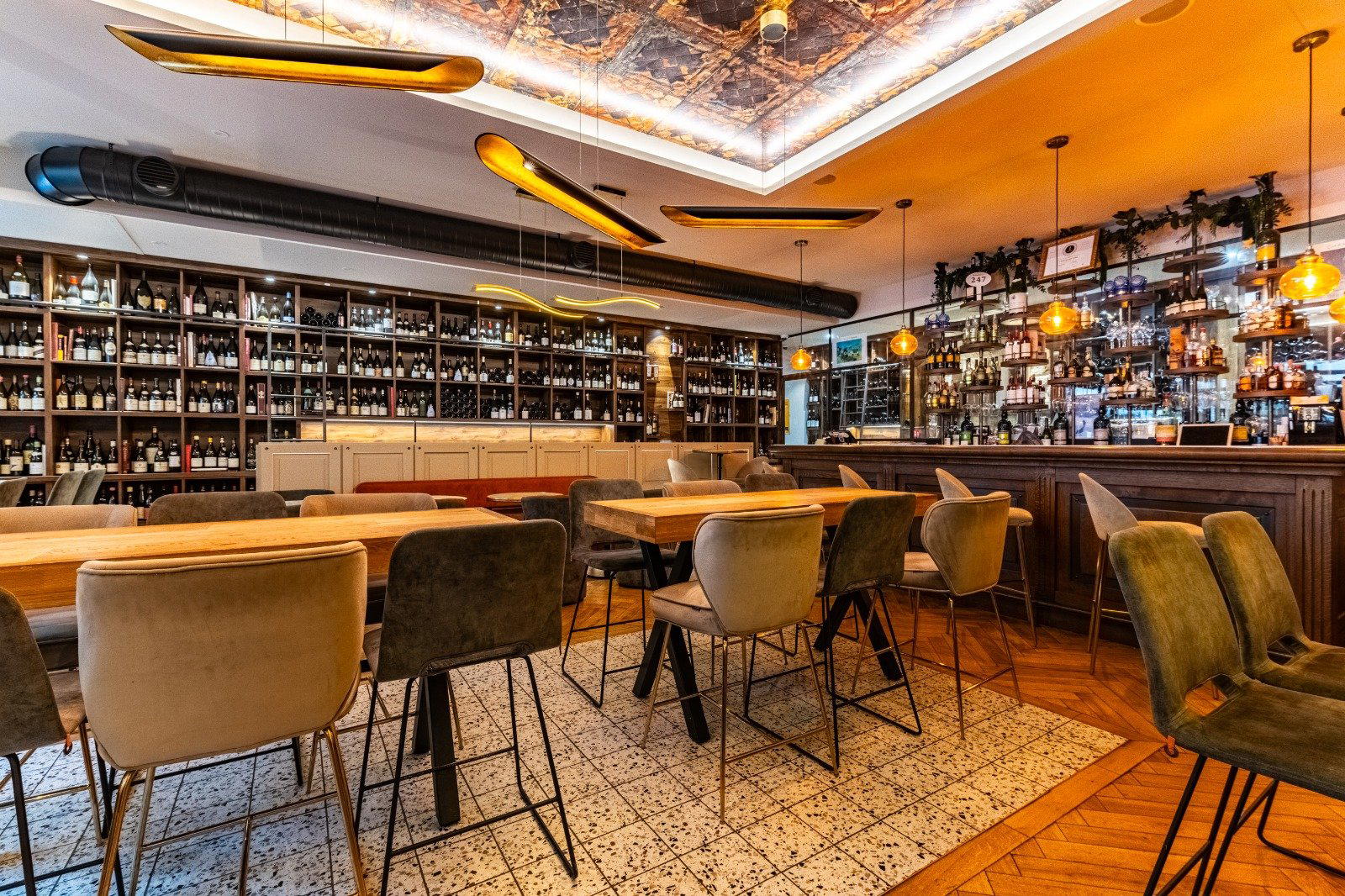
The domaine does not operate a tasting room open to the public and does not offer scheduled cellar visits. Access is structured through the domaine's distributor network, which places the wines in a small number of restaurants and retail shops in France, the United States, the United Kingdom, and Japan. Most of the annual production is allocated to long-standing trade accounts, and the wines do not appear on the open market in significant volume. Importers handling Boisson's wines in the US include several small-portfolio specialists focused on artisan Burgundy, and the wines are most reliably found through restaurants with deep Burgundy lists or through retail shops that maintain direct relationships with those importers. The domaine does not sell directly to consumers online and does not participate in en primeur or futures programs. Buyers seeking access to the wines typically work through a sommelier or a retail buyer who already holds an allocation.

The domaine's production has remained stable since its establishment in 2016, with no expansion of vineyard holdings and no significant shifts in winemaking protocol. This stability is itself a marker of Pierre Boisson's approach: the domaine is not positioned for growth, not seeking critical acclaim, and not experimenting with new techniques. The wines represent a technically sound, mid-tier Meursault expression, and the domaine's reputation rests on consistency rather than on innovation or on the pursuit of the highest possible scores from critics. For buyers seeking Meursault at a price point below the premier cru tier, and for trade professionals building Burgundy lists that require reliable village-level bottlings, Domaine Pierre Boisson functions as a dependable source, less acclaimed than the top-tier producers, but also less subject to the allocation pressure and secondary-market speculation that have made much of white Burgundy inaccessible.

Frequently Asked Questions

What technique signatures define Domaine Pierre Boisson's program?

Domaine Pierre Boisson works inside the Meursault baseline established by the Coche-Dury generation: whole-cluster pressing, natural fermentation in barrel, and élevage of 12 to 15 months in oak with a moderate new-oak proportion of 20 to 30 percent for Meursault village bottlings and 15 to 20 percent for Auxey-Duresses. The protocol is neither reductive nor overtly oxidative, sitting in the middle register of Meursault's stylistic spectrum. The wines are racked once or twice during élevage, see moderate sulfur additions at bottling, and are neither fined nor filtered. Yields are controlled to 40 to 45 hectoliters per hectare for Meursault village parcels, at the low end of the AOC maximum but not as drastically reduced as the sub-35-hectoliter yields pursued by the appellation's most quality-focused producers.

Who has been at the pass, on the floor, or in the cellar at Domaine Pierre Boisson?

Pierre Boisson established his independent domaine in 2016, following the division of the family's Boisson-Vadot estate with his sister Anne. The domaine operates as a small-scale family estate with no named second-generation successor publicly announced, and the operation remains a single-vigneron enterprise with seasonal labour during harvest. Pierre Boisson's sister, Anne Boisson, runs the separate Domaine Anne Boisson with adjacent holdings in Meursault and Auxey-Duresses, though the two domaines are entirely independent operations with distinct winemaking approaches.

Where does Domaine Pierre Boisson sit in the peer set?

Domaine Pierre Boisson sits in the middle band of Meursault's pricing and recognition structure, positioned alongside other family-run estates such as Domaine Ballot-Millot, Domaine François Mikulski, Domaine Jean-Philippe Fichet, and Domaine Thierry et Pascale Matrot. These producers share a technical baseline of whole-cluster pressing, barrel fermentation, moderate new oak, and 12 to 15 months of élevage, with village-level Meursault priced between €35 and €60 domestically. The peer set is distinguished from the upper tier of Meursault production (Coche-Dury, Arnaud Ente, Pierre-Yves Colin-Morey, Dominique Lafon) by lower pricing, lower critical visibility, and more moderate oak regimes, though the technical quality of the wines is comparable. Boisson's work reads as conventional Meursault rather than as part of the natural-wine-influenced or highly reductive cohort.

How is access to Domaine Pierre Boisson structured?

Access is structured through the domaine's distributor network, with most of the annual production of 2,000 to 2,500 cases allocated to long-standing trade accounts in France, the United States, the United Kingdom, and Japan. The domaine does not operate a tasting room open to the public, does not offer scheduled cellar visits, does not sell directly to consumers online, and does not participate in en primeur or futures programs. Importers handling Boisson's wines in the US include several small-portfolio specialists focused on artisan Burgundy, and the wines are most reliably found through restaurants with deep Burgundy lists or through retail shops that maintain direct relationships with those importers. Buyers seeking access typically work through a sommelier or a retail buyer who already holds an allocation.

How long has Domaine Pierre Boisson been operating?

Pierre Boisson established his independent domaine in 2016, following the division of the family's Boisson-Vadot estate with his sister Anne. The estate works approximately 3.5 hectares of vines split across Meursault village-level appellations and Auxey-Duresses, with no expansion of vineyard holdings and no significant shifts in winemaking protocol since establishment. The domaine's production volume has remained stable at roughly 2,000 to 2,500 cases annually, and the operation continues as a small-scale family estate with no publicly announced succession plan.

At a Glance
Vibe
  • Classic
  • Hidden Gem
  • Sophisticated
Best For
  • Wine Education
  • Solo Exploration
  • Special Occasion
Sourcing
  • Sustainable
Views
  • Vineyard
Noise LevelQuiet
CapacitySmall

Traditional small Burgundian grower focused on purity and minerality rather than showy oak, producing intense, taut and powerful wines that sit on the more mineral side of the Meursault spectrum.[0][1]

Additional Properties
AVAMeursault AOC
VarietalsChardonnay, Pinot Noir
Wine Stylesstill_white, still_red
Wine ClubNo
DTC ShippingNo