

Michelin 3 Grapes · Falstaff Winery - Listed
Domaine Coche-Dury in Meursault operates at the upper tier of Burgundy's allocation-driven white wine hierarchy, with winemaker Raphaël Coche continuing a lineage that defines the village's benchmark.

Pearl is the En Primeur Club membership app, where members save venues, book tables and use the concierge.
The Cellar as Argument: How Meursault's Most Allocated Address Works After Harvest
Meursault has never lacked for serious producers. Within a few kilometres of village stone, you find Domaine Roulot, Domaine Antoine Jobard, Domaine des Comtes Lafon, and Château de Meursault, a concentration of Chardonnay talent that makes the village the reference point for white Burgundy at any price tier. Inside that group, Domaine Coche-Dury sits in the smallest, most allocation-constrained bracket: production volumes that rarely satisfy demand, a mailing list with a years-long queue, and secondary-market prices that reflect scarcity rather than speculation alone.
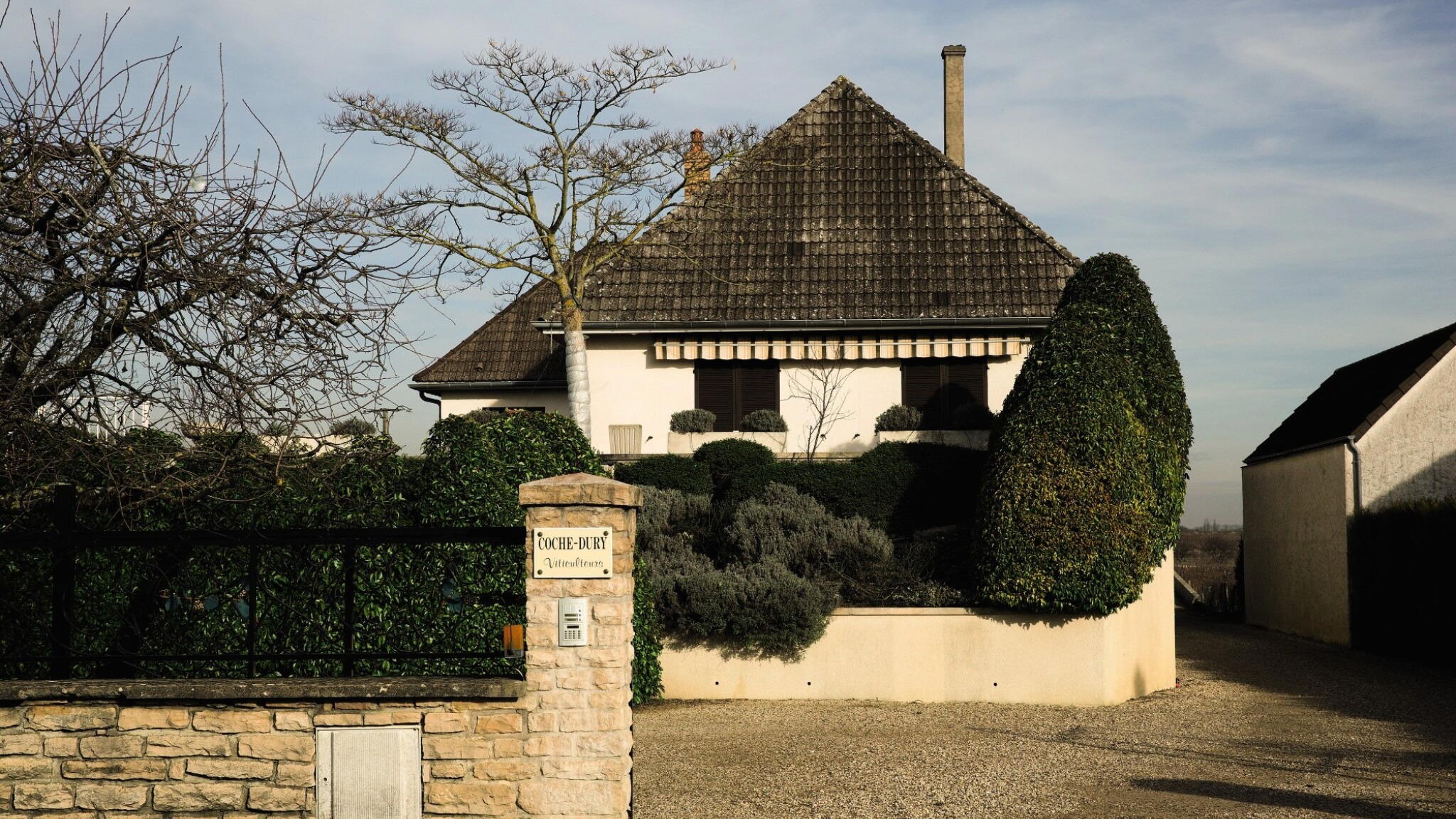
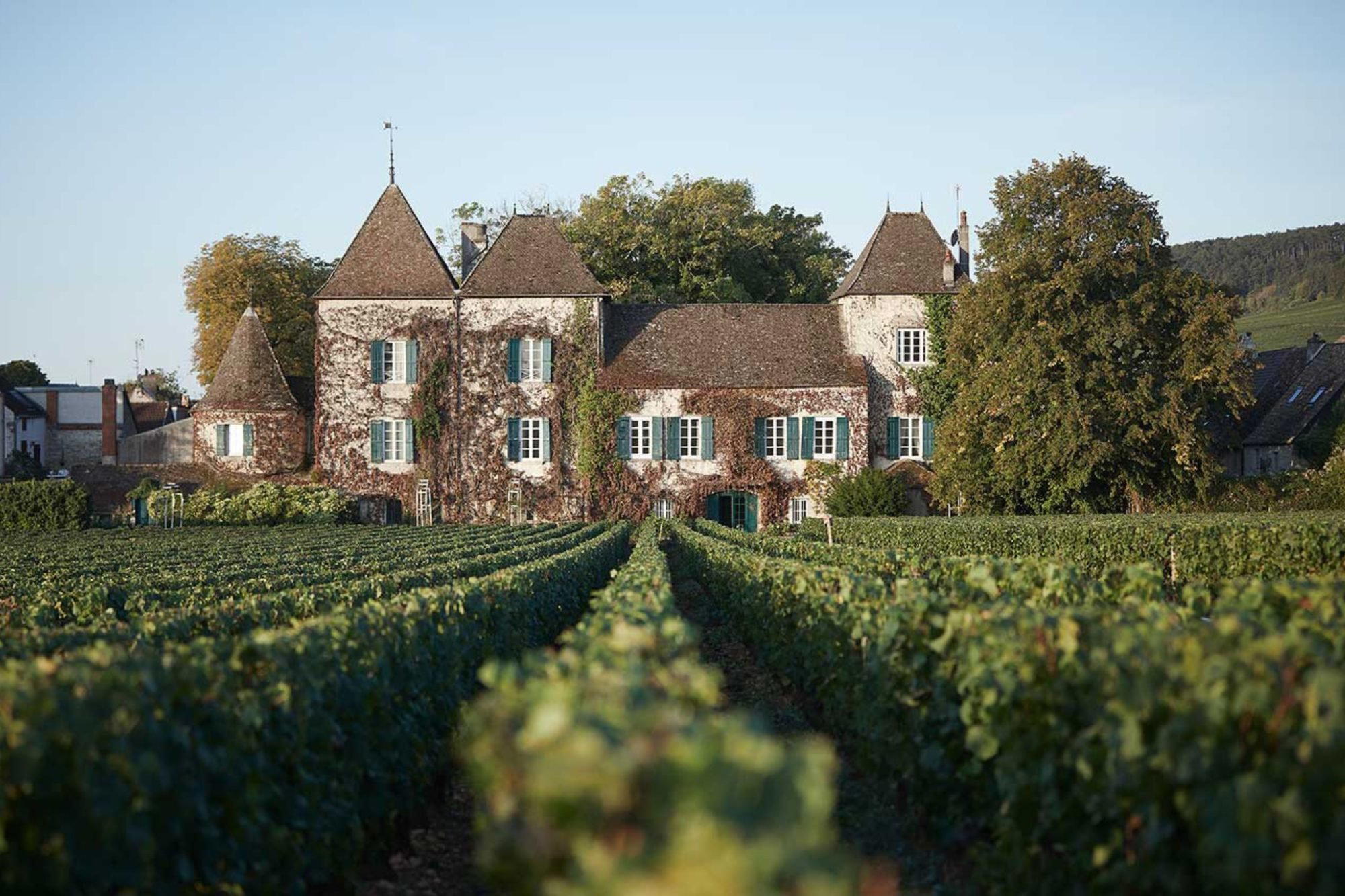
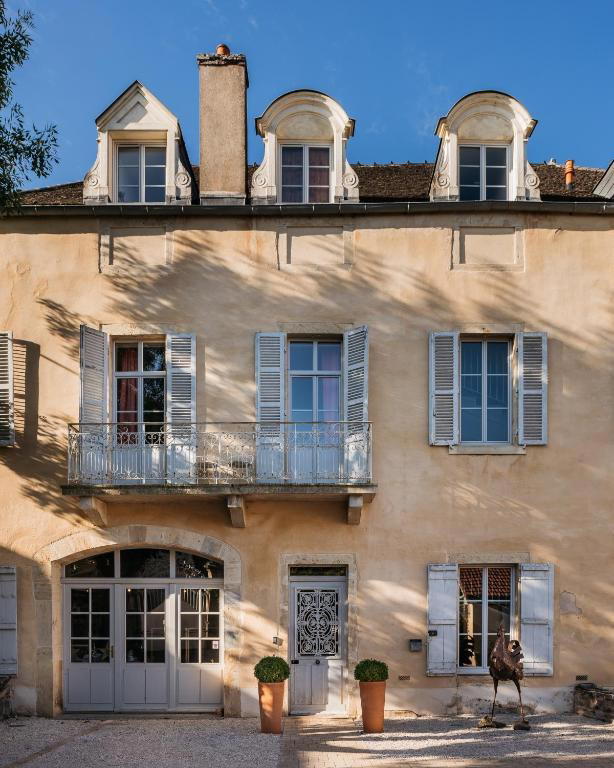
The address on Rue Charles Giraud gives little away. The building is functional Burgundian, presenting no architectural theatre to the street, which is entirely consistent with how the domaine operates. Meursault villages are working agricultural communities first, and the most serious producers here have historically kept their public profile at a minimum. The bottle does the talking; the label is small; the allocation list is long. For a visitor approaching for the first time, the absence of signage is itself information.
What the Cellar Decides: Aging, Barrels, and the Philosophy of Restraint
The defining argument of Coche-Dury's wines is made in the period between pressing and bottling, not in the vineyard alone. Côte de Beaune white Burgundy at this level is shaped significantly by decisions about barrel age, new oak percentage, lees contact duration, and when, and whether, to rack. The broad pattern among the village's reference producers has shifted over two decades toward lower new oak proportions and longer lees contact, producing wines that show textural density without the toasty overlay that marked late-1990s Meursault. Coche-Dury's cellar work has been consistent with that trajectory, with Raphaël Coche maintaining an approach that prioritises mineral precision and slow oxidative development over fruit-forward accessibility.
Barrel selection at this level is consequential. The major cooperages supplying Burgundy's leading addresses, François Frères, Chassin, Remond among others, work with producers who have clear specifications for grain tightness and toast level. Tight-grain wood from forests like Tronçais or Allier, air-dried for three or more years before coopering, produces staves that release tannin and wood sugars more gradually, creating the skeletal structure that allows a premier cru Meursault to develop over eight to fifteen years in bottle. The fraction of new oak used each vintage is a calibration exercise: too high and the wine reads as woody in its youth; too low and the oxidative protection during élevage can be insufficient. Coche-Dury's reputation for longevity suggests those calibrations have been precise.
Boillot tends toward precision and early structural clarity; Comtes Lafon toward richness with considerable aging potential; Roulot toward tension and saline minerality. Coche-Dury's position in this field is defined by density without weight, and by a track record on the secondary market that places premier cru bottles from strong vintages, 2014, 2017, 2019, at prices well above their original release allocation, where it was possible to receive one.
Allocation Reality: What Visiting Actually Means
At the upper end of Burgundy's producer hierarchy, visiting a domaine and buying wine at the domaine are different things. For Coche-Dury, the allocation list operates independently of walk-in or appointment-based visits. Production quantities across the range are small enough that the domaine's established private and trade relationships absorb essentially all available stock before secondary channels see it. Visitors approaching the property on Rue Charles Giraud should understand that the visit, if granted, is an access to the work and the place rather than a guaranteed purchase route. This is the case at a number of the village's most sought-after addresses, and is not unusual in the Côte d'Or context.
The logistics matter here. Meursault sits roughly 8 kilometres south of Beaune, accessible by road along the D973 through the vine corridor of the Côte de Beaune. There is no public booking platform listed for Coche-Dury, and no website. Contact is through correspondence, historically by letter or telephone, with introductions from existing clients or trade partners carrying weight. This is not a domaine structured for tourism; it is structured for wine. Visitors who plan around our full Meursault restaurants guide and treat Coche-Dury as part of a longer village itinerary, rather than its centrepiece, will have a more realistic and rewarding experience.
Seasonally, the leading period to approach Meursault as a wine destination is between late April and early June, or in September before harvest begins. July and August bring tourist volume that the village infrastructure was not designed to absorb; during harvest in late September and October, producer attention is entirely inward-facing. The quiet shoulder of early spring, when vines are just breaking bud and the village is still calm, is when the Côte d'Or shows the texture of its working identity most clearly.
The 2025 Recognition in Context
For context on how this tier of recognition operates across different wine regions and formats, the EP Club portfolio includes similarly positioned addresses from Alsace, such as Albert Boxler in Niedermorschwihr, and from Bordeaux, including Château Bélair-Monange in Saint-Emilion, Château Batailley in Pauillac, and Château Branaire Ducru in St-Julien, each rated within their respective regional contexts using comparable criteria.
For Burgundy specialists, the significance of the 2025 rating is partly confirmatory: Coche-Dury's standing in the secondary market and among collectors has been consistent for years. What the formal recognition adds is a structured reference point for readers comparing it against the broader EP Club-rated universe, which extends to Sauternes addresses like Château Bastor-Lamontagne in Preignac, Médoc properties including Château Boyd-Cantenac in Cantenac, spirits producers like Aberlour in Aberlour and Chartreuse in Voiron, and California estates such as Accendo Cellars in St. Helena.
Planning Notes
Domaine Coche-Dury is located at 25 Rue Charles Giraud in Meursault, Burgundy. Winemaking responsibility sits with Raphaël Coche. There is no public-facing booking system, website, or listed telephone contact through the domaine directly; outreach through established wine trade relationships is the conventional approach for those seeking appointments or allocation. Secondary-market acquisition through specialist Burgundy merchants and auction houses is the most accessible route for most buyers outside existing allocation lists.
Same-City Peers
Comparable venues nearby, for context on price, style, and recognition.
| Venue | Cuisine | Price | Awards | Notes |
|---|---|---|---|---|
| Domaine Coche-DuryThis venue (the venue you are viewing) | Chardonnay, Pinot Noir | Not listed | Michelin 3 Grapes · Falstaff Winery - Listed | Not listed |
| Domaine Jacques Prieur | Pinot Noir, Chardonnay | Not listed | Falstaff Winery - 4 Stars | Meursault |
| Domaine des Comtes Lafon | Chardonnay, Pinot Noir | Not listed | Michelin 2 Grapes · Falstaff Winery - Listed | Meursault |
| Domaine Henri Boillot | Chardonnay, Pinot Noir | Not listed | Michelin 1 Grape · Falstaff Winery - Listed | Meursault |
| Domaine Chavy-Chouet | Chardonnay, Pinot Noir | $50–100 | Falstaff Winery - Listed | Meursault |
| Domaine Marthe Henry | Chardonnay, Pinot Noir | Not listed | Not listed | Meursault |
Recognition history
Dated appearances from independent guides and award organizations, with the underlying list record or original source where available.
Michelin 3 Grapes
Michelin · 2026 Michelin 3 Grapes - Burgundy
Falstaff Winery - Listed
Falstaff
Continue exploring
More in Meursault
Wineries in Meursault
All wineries in Meursault →
Bars in Meursault
Browse all →
Restaurants in Meursault
All restaurants in Meursault →
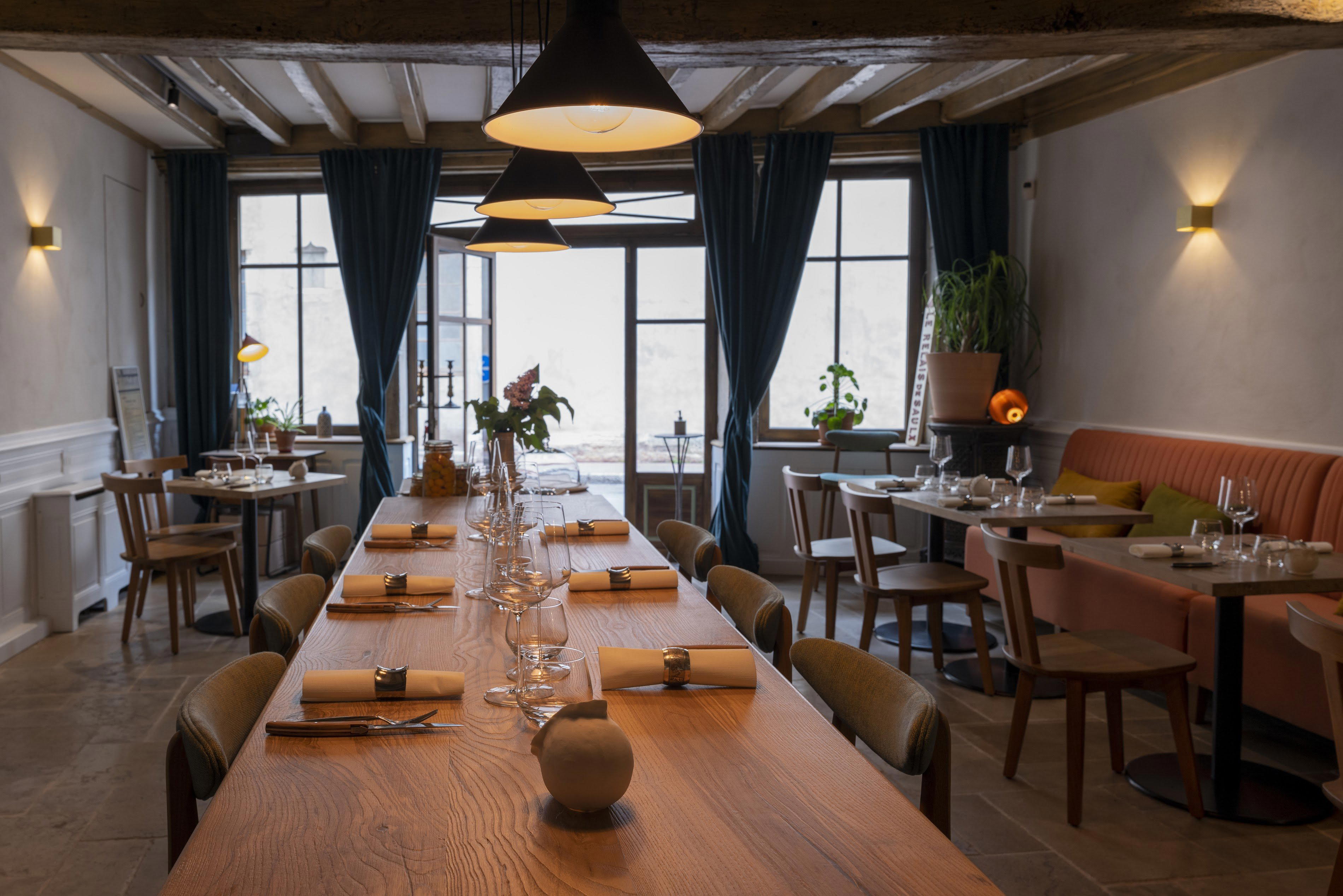
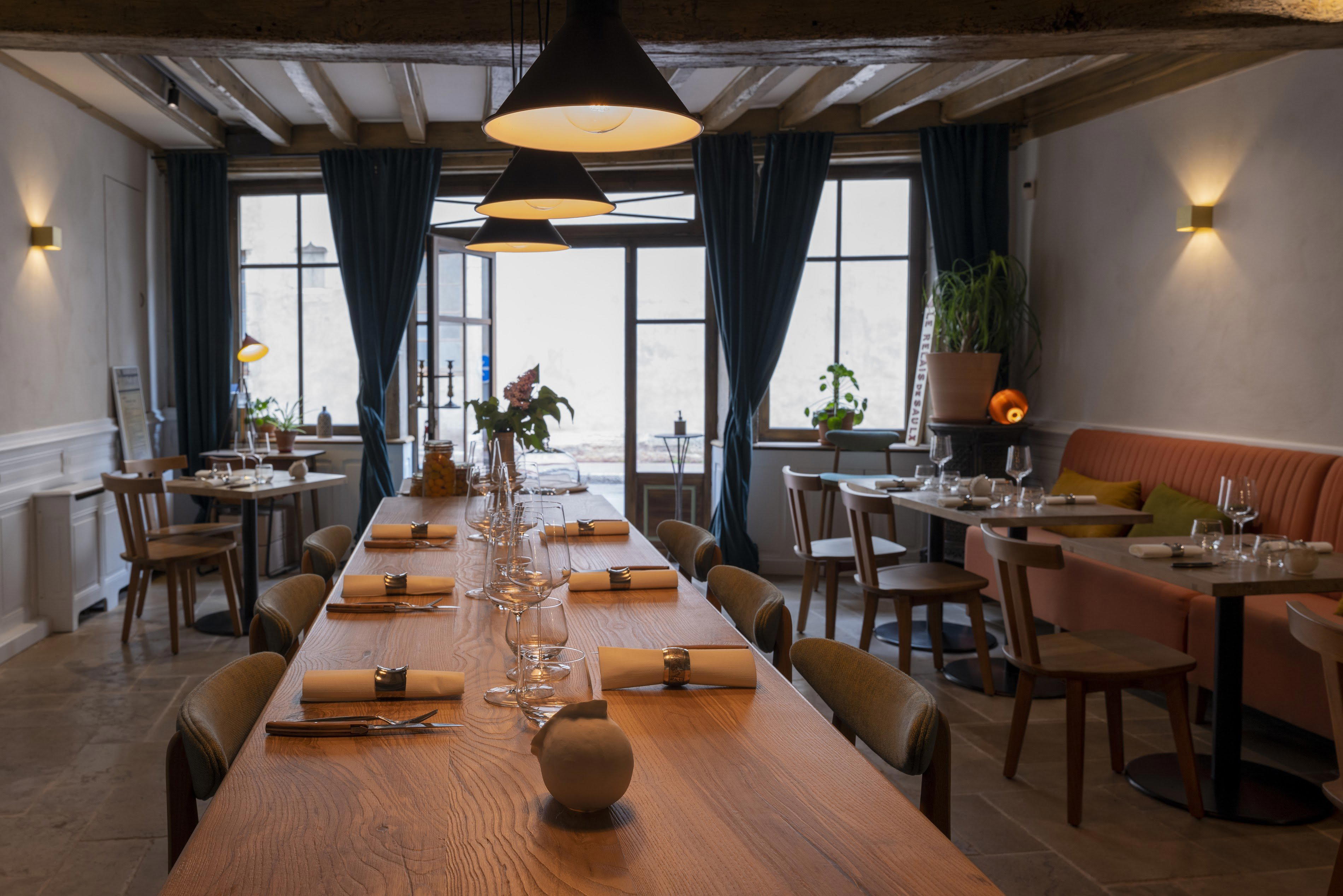
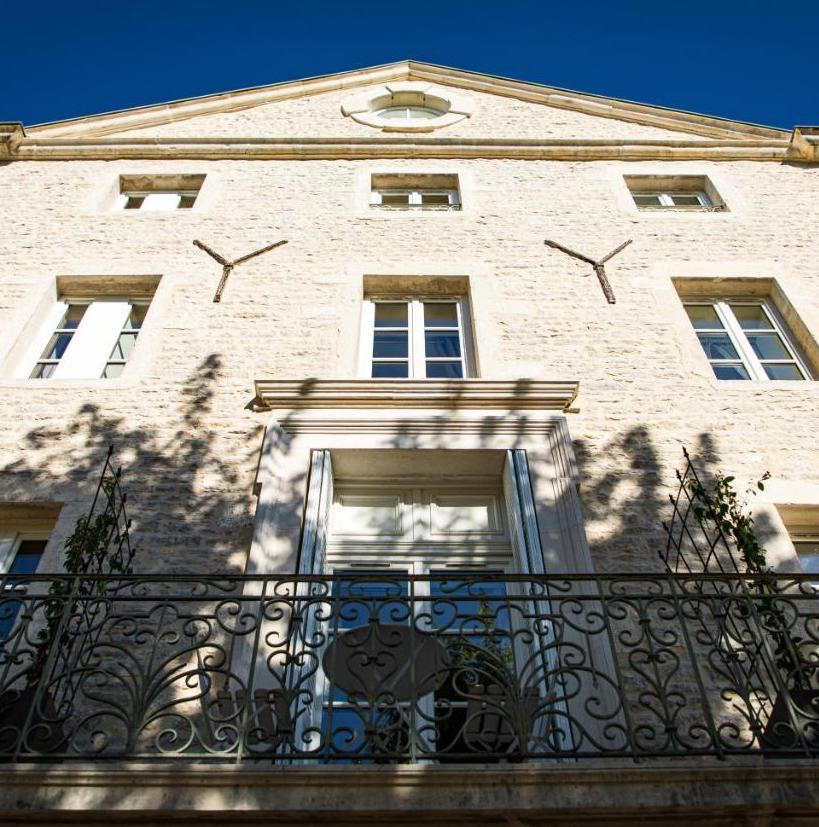
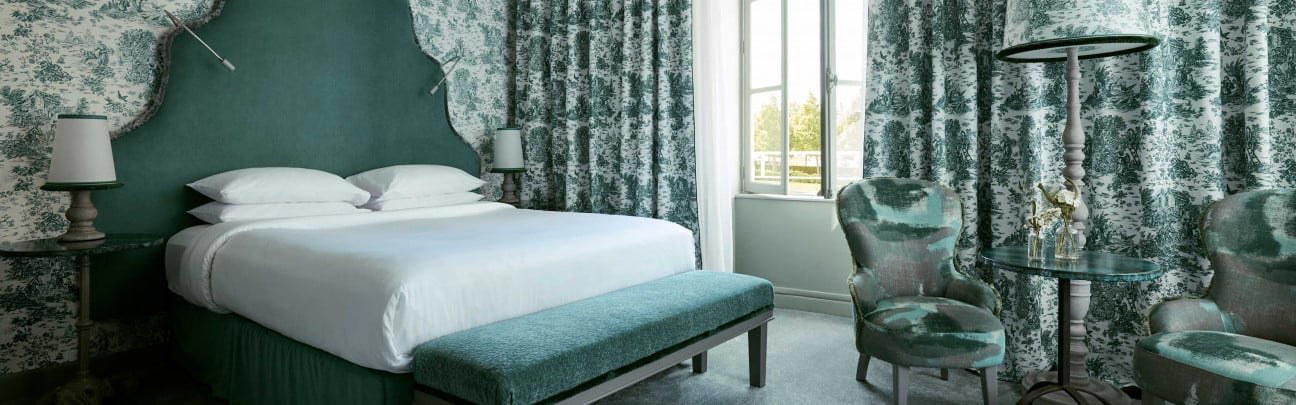
Details
- Classic
- Elegant
- Sophisticated
- Intimate
- Rustic
- Wine Education
- Special Occasion
- Solo Exploration
- Cave Tasting
- Vineyard Tour
- Estate Grounds
- Vineyard
- Chardonnay
- Pinot Noir
- Aligoté
- Still White
- Barrel Tasting
- Single Vineyard Tasting
- French
- English
Discreet and authentic with a focus on precision and terroir expression in a traditional, family-oriented setting.