Domaine Denis Mortet


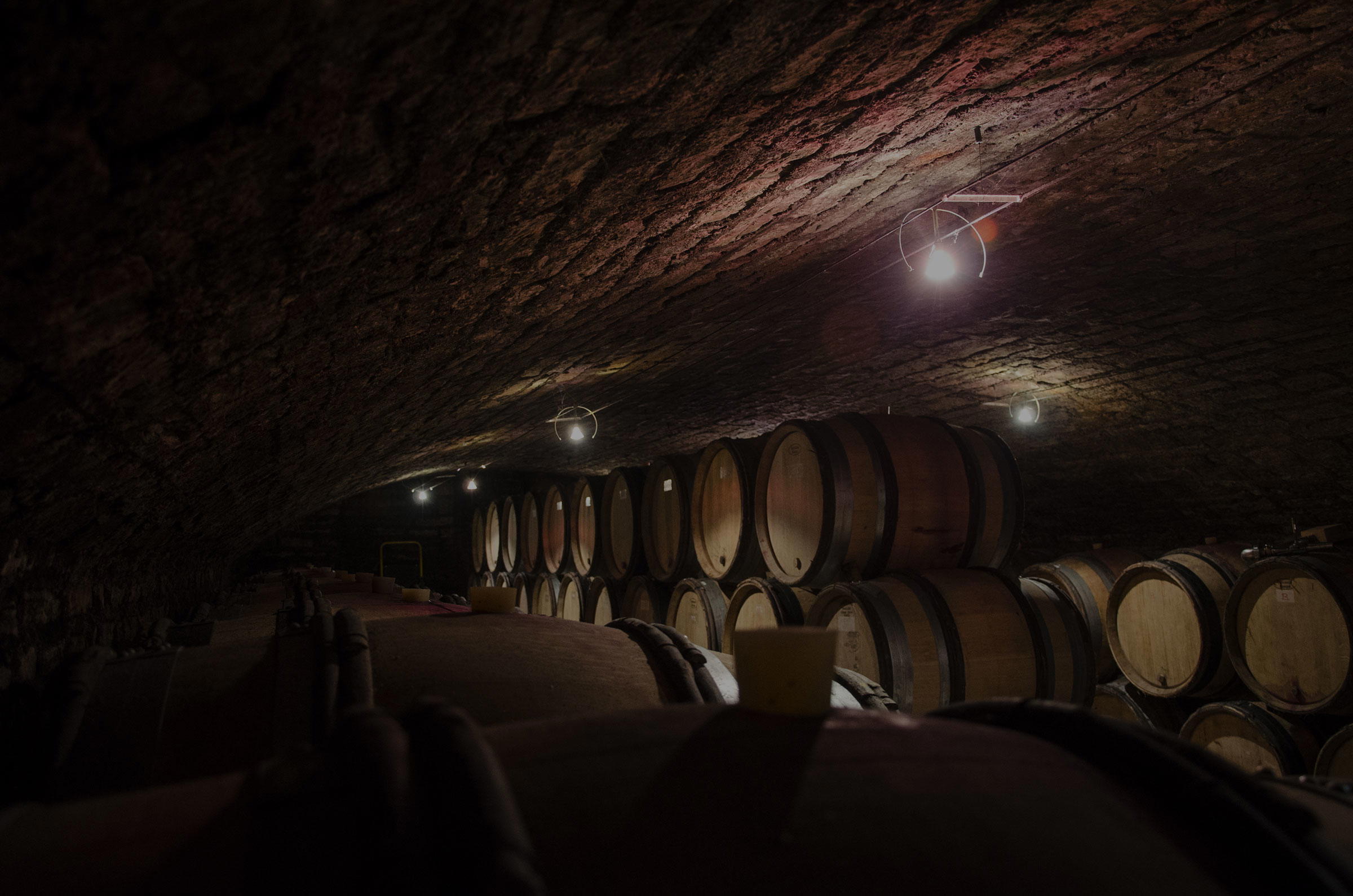
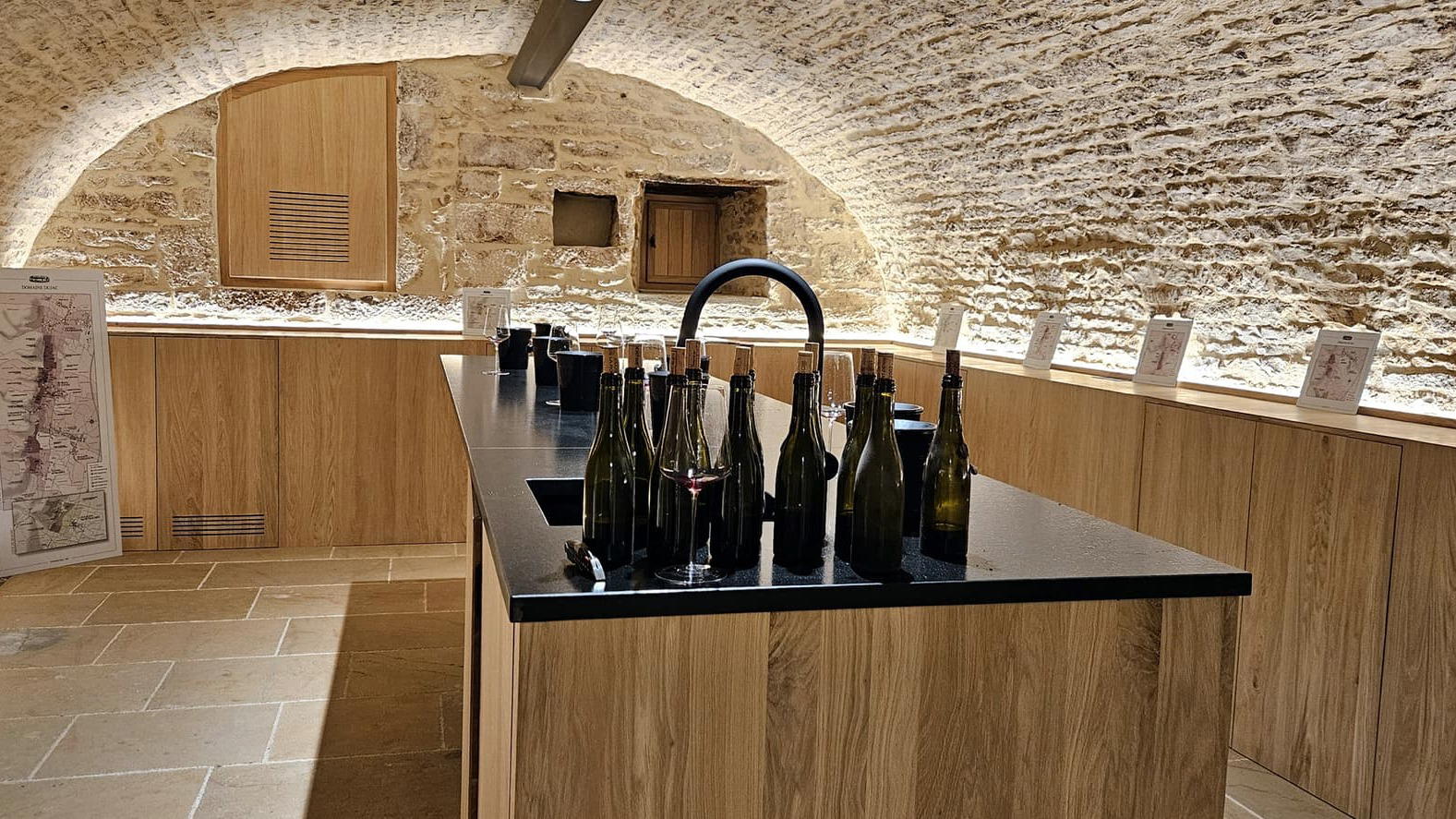
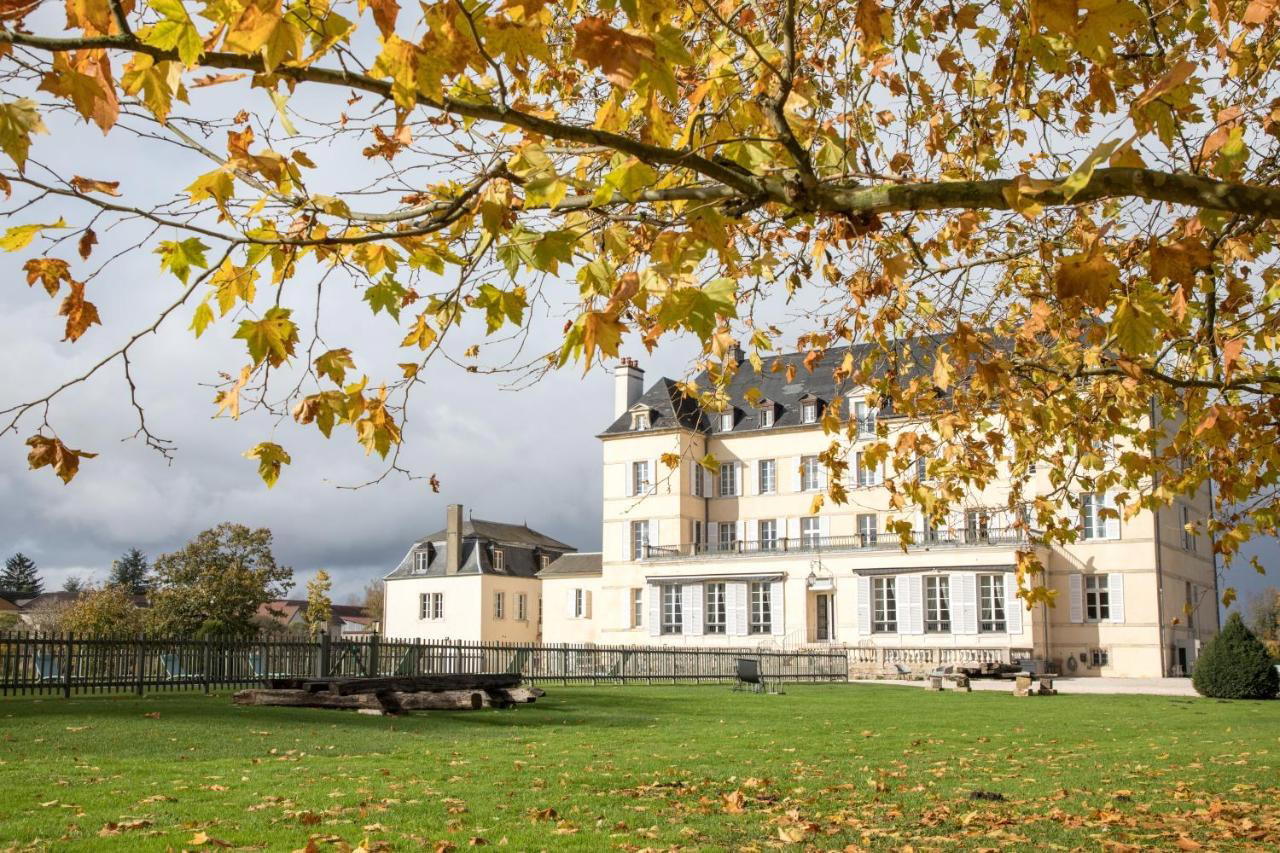
Domaine Denis Mortet pairs cave tastings, barrel room visits, and vineyard views with a quiet, smart-casual visit at this independent Gevrey-Chambertin winery.
Pearl is the En Primeur Club membership app — saves, bookings, and concierge access live there. Same editors, same standards.
- Address
- 5 Rue de Lavaux, 21220 Gevrey-Chambertin
- Phone
- +33 3 80 34 10 05
- Website
- domaine-denis-mortet.com
- Directions
- Get directions
 Saves & bookings on Pearl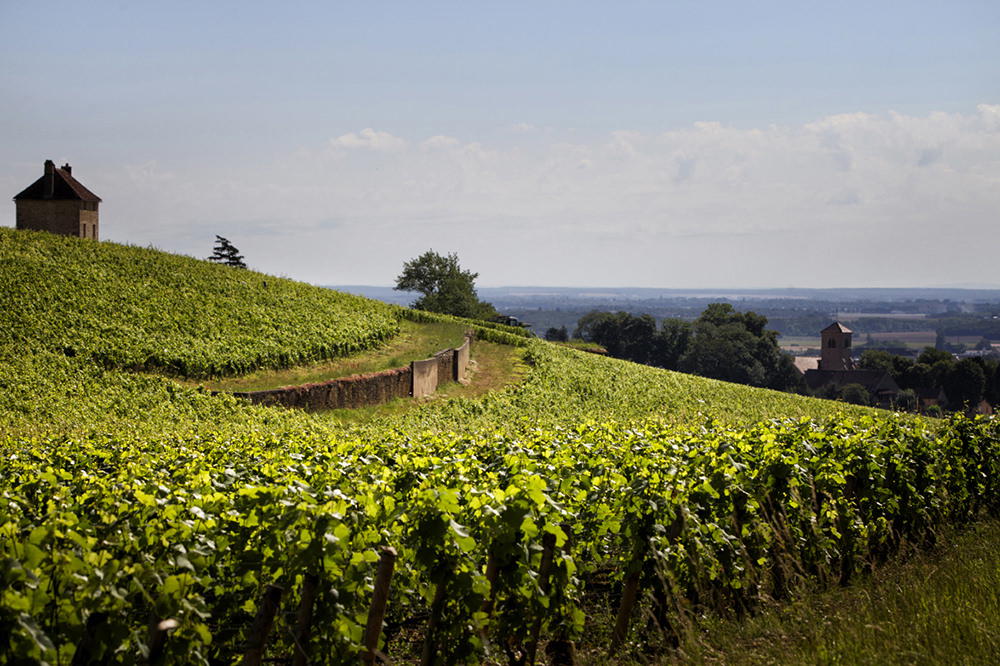
Gevrey-Chambertin sits at the northern edge of Burgundy's Côte de Nuits, where the Grand Cru villages begin and where the nomenclature of terroir-driven winemaking still functions as the sharpest editorial filter in the trade. The commune holds nine Grand Cru climats, more than any other Burgundy appellation, and a long roster of Premier Cru vineyards that run from Lavaux-Saint-Jacques to Clos Saint-Jacques, each with documented lineage stretching back to monastic viticulture and codified under the 1936 Appellation d'Origine Contrôlée system. Domaine Denis Mortet, now run by Arnaud Mortet, sits inside that Grand Cru lineage with holdings across Clos de Vougeot, Gevrey-Chambertin Premier Cru, and village-level parcels. The domaine operates inside the post-1980s Burgundy paradigm that pushed the Côte de Nuits away from cooperative bottling and toward estate-domaine production, where the winemaker's name carries the same weight as the climat's name on the label.
The domaine remained relatively unknown outside Burgundy during the cooperative-dominated decades, when much of the Côte de Nuits fruit went to négoce houses in Beaune and Nuits-Saint-Georges for blending and bottling under merchant labels. The shift came in the 1980s, when Denis Mortet began estate-bottling under his own label and adopted the low-intervention, low-sulfur protocols that would later define the domaine's style. By the early 1990s, Domaine Denis Mortet had entered the international trade radar as part of the so-called "new wave" of Gevrey-Chambertin producers, a cohort that included Claude Dugat, Dugat-Py, and later Duroché, working with lower yields, longer macerations, and minimal filtration compared to the prevailing cooperative standard. Denis Mortet passed away in 2006, and his son Arnaud Mortet, who had been working alongside his father since the late 1990s, took over winemaking and domaine management. Arnaud has maintained the low-intervention vinification protocols established by his father while incrementally refining the oak regime and the harvest-timing decisions across the domaine's parcels.
The domaine's holdings span across Gevrey-Chambertin village, several Premier Cru parcels (Lavaux-Saint-Jacques, En Motrot, Champeaux), and a small plot in the Grand Cru Clos de Vougeot. The Clos de Vougeot parcel is the flagship holding and the bottling that anchors the domaine's trade positioning. Clos de Vougeot itself is a 50-hectare walled Grand Cru with more than 80 different owners, making parcel position and winemaker style the two determining variables in quality. The Mortet parcel sits in the "bons climats" section, above the lower-slope parcels that run toward the Route Nationale and below the top-slope parcels that abut the Grands-Échezeaux boundary. The mid-slope position delivers fruit with the structure and tannin concentration required for long aging but without the sometimes excessive richness of the lower-slope fruit or the sometimes excessive austerity of the top-slope fruit. Arnaud harvests the Clos de Vougeot parcel by hand, destemming approximately 80 to 90 percent of the clusters depending on vintage conditions, and ferments in open-top wooden vats with a cold maceration period of four to six days before natural yeast fermentation begins. Total maceration time typically runs 18 to 24 days, longer than the Gevrey-Chambertin village norm of 12 to 16 days, and the cuvaison concludes with a gentle pressing in a vertical basket press. The wine is aged in French oak barrels for 18 to 20 months, with approximately 40 to 60 percent new oak depending on the vintage, and is bottled without fining and with minimal sulfur addition at bottling.
The Gevrey-Chambertin Premier Cru parcels form the middle tier of the domaine's production and represent the stylistic core of the house. Lavaux-Saint-Jacques, a Premier Cru climat on the northern edge of the commune, yields fruit with pronounced floral aromatics and a finer tannin structure than the village-level bottlings. En Motrot, a smaller parcel, sits on the slope below the Grand Cru Mazis-Chambertin and delivers fruit with more density and mineral grip. Champeaux, on the southern edge of the commune near Morey-Saint-Denis, is especially structured among the Premier Cru bottlings and the one Arnaud typically harvests last. All three Premier Cru cuvées follow the same vinification protocol as the Clos de Vougeot, extended maceration, natural yeast fermentation, 18 to 20 months in oak, but the oak regime is adjusted downward, with new oak percentages typically in the 30 to 50 percent range rather than the 40 to 60 percent used for the Grand Cru. The result is a set of wines that sit closer to the Claude Dugat style of concentrated, age-worthy Gevrey-Chambertin than to the lighter, earlier-drinking style associated with some of the cooperative-affiliated producers in the commune.
Village-level Gevrey-Chambertin bottling, sourced from several parcels, represents the entry point into the domaine's style and the largest-volume cuvée in the annual production. The village appellation in Gevrey-Chambertin covers approximately 400 hectares and includes fruit from both slope parcels and flatter parcels closer to the Route Nationale, with significant quality variation depending on parcel position and producer selection. Arnaud Mortet sources the village cuvée from parcels on the mid-slope, destemming approximately 70 to 80 percent of the clusters, and ferments in open-top wooden vats with a shorter maceration period of 14 to 18 days. The oak regime for the village cuvée is more restrained, typically 20 to 30 percent new oak, and the wine is aged for 16 to 18 months rather than the 18 to 20 months used for the Premier Cru and Grand Cru bottlings. The resulting wine shows the darker fruit profile and firm tannin structure that define the Mortet house style but with earlier approachability and a lower price point than the Premier Cru tier. The village cuvée is especially widely distributed among the domaine's bottlings and the one most likely to appear on restaurant wine lists in major markets outside France.
Domaine also produces a small-volume Bourgogne Rouge from parcels that fall outside the Gevrey-Chambertin appellation boundaries, typically sourced from younger vines or from parcels in adjacent communes. The Bourgogne Rouge follows a simplified version of the house protocol, partial destemming, shorter maceration, minimal new oak, and is intended for earlier consumption. The bottling functions primarily as a cellar-door offering rather than as a trade-distributed cuvée.
Arnaud Mortet works the vineyards under sustainable viticulture protocols, with organic practices applied across most of the domaine's parcels but without formal organic or biodynamic certification. The decision to remain uncertified is common among Burgundy producers who practice organic viticulture but wish to retain the flexibility to apply copper-based treatments or other interventions during difficult vintages without triggering a certification lapse. Harvest is by hand across all parcels, with sorting conducted in the vineyard and again at the cellar before destemming. Yields are managed through green harvest and cluster thinning during the growing season, with typical yields in the range of 35 to 40 hectoliters per hectare for the Premier Cru and Grand Cru parcels, below the maximum permitted yields under AOC regulations but above the low yields (25 to 30 hectoliters per hectare) practiced by some of the domaine's most quality-obsessed peers. The yield strategy reflects Arnaud's preference for concentration without over-extraction, a balance that requires careful canopy management and harvest timing but avoids the sometimes excessive tannin and alcohol levels that result from ultra-low yields.
The domaine's bottlings are released primarily through a mailing-list allocation system and through long-standing relationships with importers in key export markets. The allocation system functions as the primary distribution channel for the Grand Cru and Premier Cru cuvées, with a waiting list that now extends several years for new clients seeking allocation access. The village-level Gevrey-Chambertin and the Bourgogne Rouge are more widely available through retail channels, though availability varies significantly by market. In the United States, the domaine's wines are imported through a single national importer with distribution in major metropolitan markets; in the United Kingdom, distribution runs through two or three specialist importers focused on Burgundy estates. The release structure is typical of small-production Burgundy domaines operating at the Premier Cru and Grand Cru level, where demand consistently outstrips supply and where the allocation list serves as both a distribution mechanism and a price-control mechanism, keeping the wines out of the gray-market secondary channels that drive prices upward for particularly sought-after Burgundy labels. The Mortet style reads as closer to Claude Dugat in its emphasis on concentration and structure, and closer to Duroché in its restrained oak usage, than to the lighter, more floral style associated with some of the cooperative-affiliated producers in the commune. The domaine's positioning inside the Burgundy trade landscape more broadly places it below the ultra-premium tier occupied by Domaine Armand Rousseau, Domaine de la Romanée-Conti, and Domaine Leroy, but well inside the upper tier of Gevrey-Chambertin producers where the Premier Cru and Grand Cru bottlings command serious attention from collectors and trade buyers. The domaine's pricing sits in the mid-to-upper range for Gevrey-Chambertin Premier Cru, below the outlier pricing of particularly famous names but above the commodity pricing of the cooperative bottlings, and the allocation-driven distribution model keeps the wines out of the discount retail channels that can depress pricing for less tightly controlled labels.
The lineage that shaped Domaine Denis Mortet runs through the broader transformation of Burgundy winemaking in the 1980s and 1990s, when a generation of young winemakers, many of them taking over family domaines from fathers or uncles who had sold fruit to cooperatives, began estate-bottling and experimenting with lower-intervention techniques. Denis Mortet was part of that cohort, and his son Arnaud has continued the trajectory, refining the house style without departing from the low-sulfur, extended-maceration foundation. The domaine does not operate inside a formal teaching lineage in the way that some Burgundy estates trace their techniques back to a single mentor or oenological consultant, but the stylistic influence of the 1990s "new wave" Gevrey-Chambertin school is evident in every bottling. Arnaud Mortet has also worked closely with other winemakers in the commune, participating in informal peer tastings and harvest-timing discussions that function as a form of distributed apprenticeship across the younger generation of Gevrey-Chambertin producers. The result is a domaine whose wines read as firmly situated inside the contemporary Gevrey-Chambertin style, concentrated, structured, built for aging, but without the idiosyncrasies or outlier techniques that sometimes mark the work of more experimental producers.
For trade buyers, sommeliers, and collectors interested in exploring the Burgundy wine region beyond the ultra-premium tier, Domaine Denis Mortet represents a clear entry point into serious Gevrey-Chambertin winemaking. The village-level cuvée offers an introduction to the house style at a price point below the Premier Cru tier, and the Premier Cru bottlings, particularly Lavaux-Saint-Jacques and Champeaux, deliver the concentration and aging potential that define the domaine's reputation. The Clos de Vougeot Grand Cru is the flagship bottling and the one most likely to appear on allocation lists and in cellar programs, though availability remains constrained. Readers seeking a broader view of the Gevrey-Chambertin appellation should also consider Domaine Denis Bachelet and other producers working inside the same stylistic lane. The domaine's wines are occasionally featured in Gevrey-Chambertin restaurants and in specialist wine bars, though the majority of the production is destined for retail and allocation channels rather than for on-premise trade.
Cost and Credentials
Comparable venues nearby, for context on price, style, and recognition.
| Venue | Cuisine | Price |
|---|---|---|
| Domaine Denis MortetThis venue — the venue you are viewing | Gevrey-Chambertin, Pinot Noir | $$$$ |
| Domaine Henri Rebourseau | Gevrey-Chambertin, Pinot Noir | $$$$ |
| Domaine Drouhin-Laroze | Gevrey-Chambertin, Pinot Noir | $$$ |
| Domaine Rossignol-Trapet | Gevrey-Chambertin, Pinot Noir | $$$$ |
| Domaine Pierre Damoy | Gevrey-Chambertin, Pinot Noir | $$$$ |
| Domaine Trapet Père et Fils | Gevrey-Chambertin, Pinot Noir, Gamay | $$$$ |
Recognition history
Dated appearances from independent guides and award organizations, with the underlying list record or original source where available.
Falstaff Winery - Listed
Falstaff
Michelin 2 Grapes
Michelin · 2026 Michelin 2 Grapes - Burgundy
Continue exploring
More in Gevrey-Chambertin
Wineries in Gevrey-Chambertin
Browse all →
Bars in Gevrey-Chambertin
Browse all →
Restaurants in Gevrey-Chambertin
Browse all →
At a Glance
- Elegant
- Classic
- Rustic
- Sophisticated
- Wine Education
- Special Occasion
- Vineyard Tour
- Cave Tasting
- Barrel Room
- Organic
- Sustainable
- Vineyard
- Gevrey Chambertin AOC
- Pinot Noir
- Still Red
- Estate Tasting
- Private Tasting
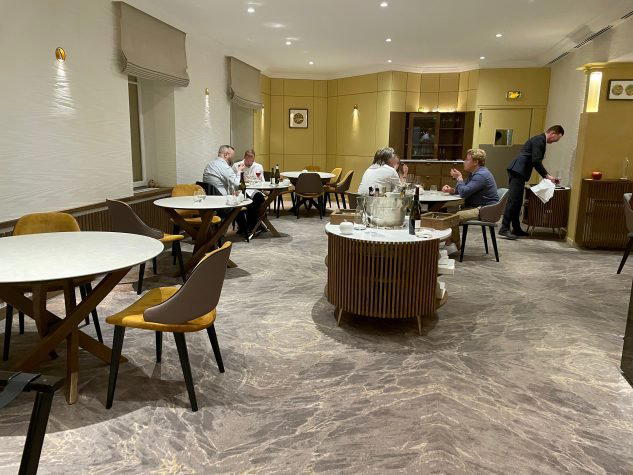
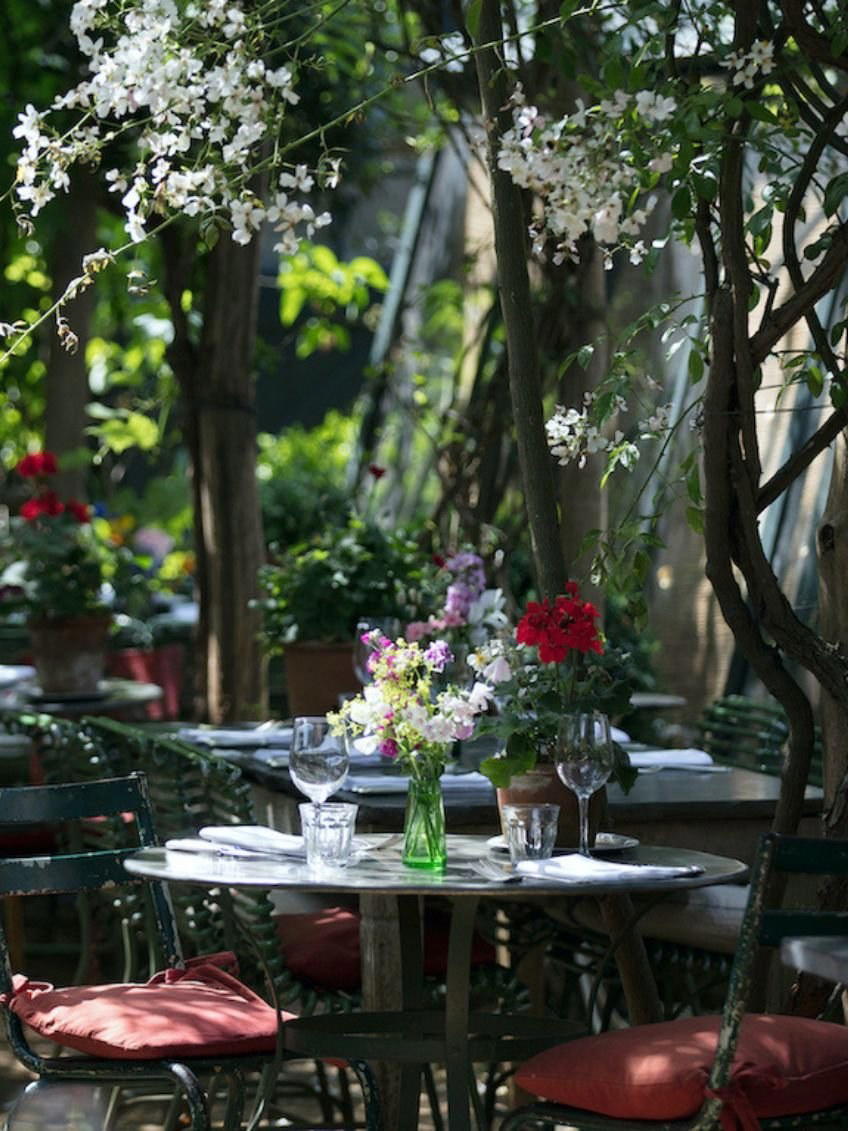
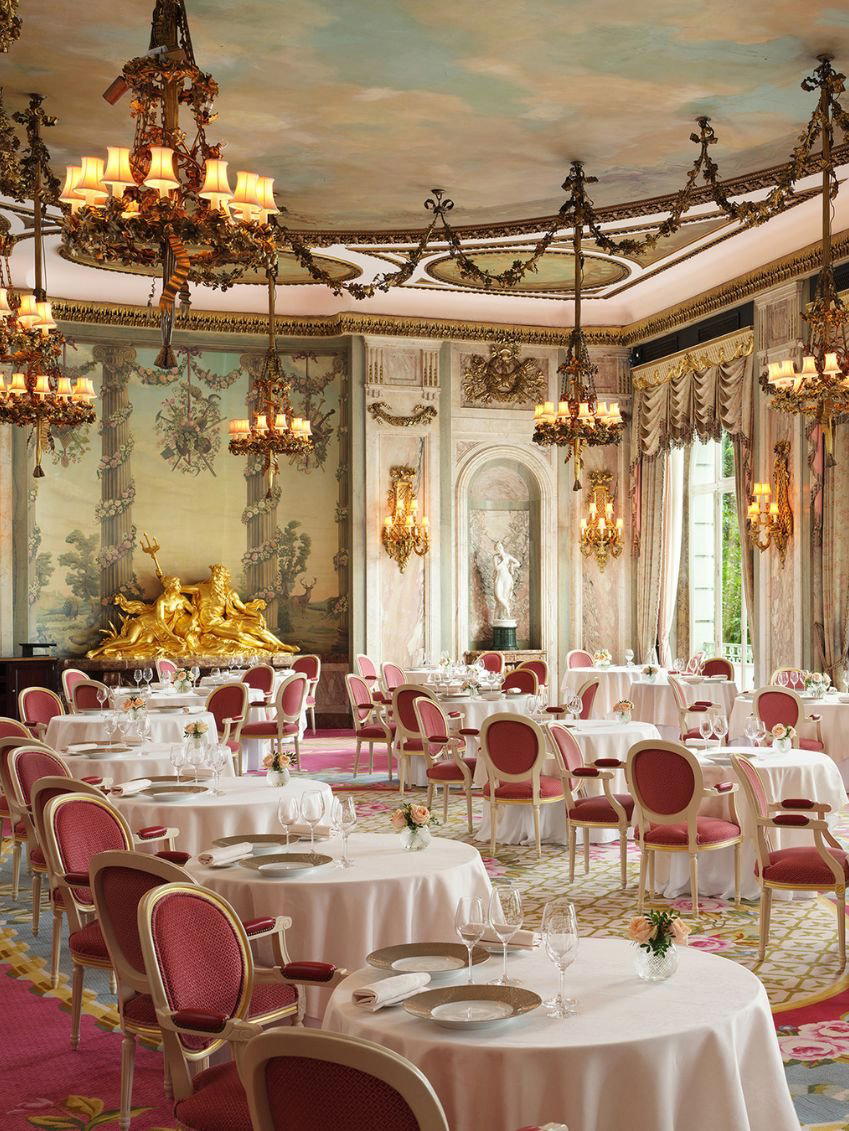
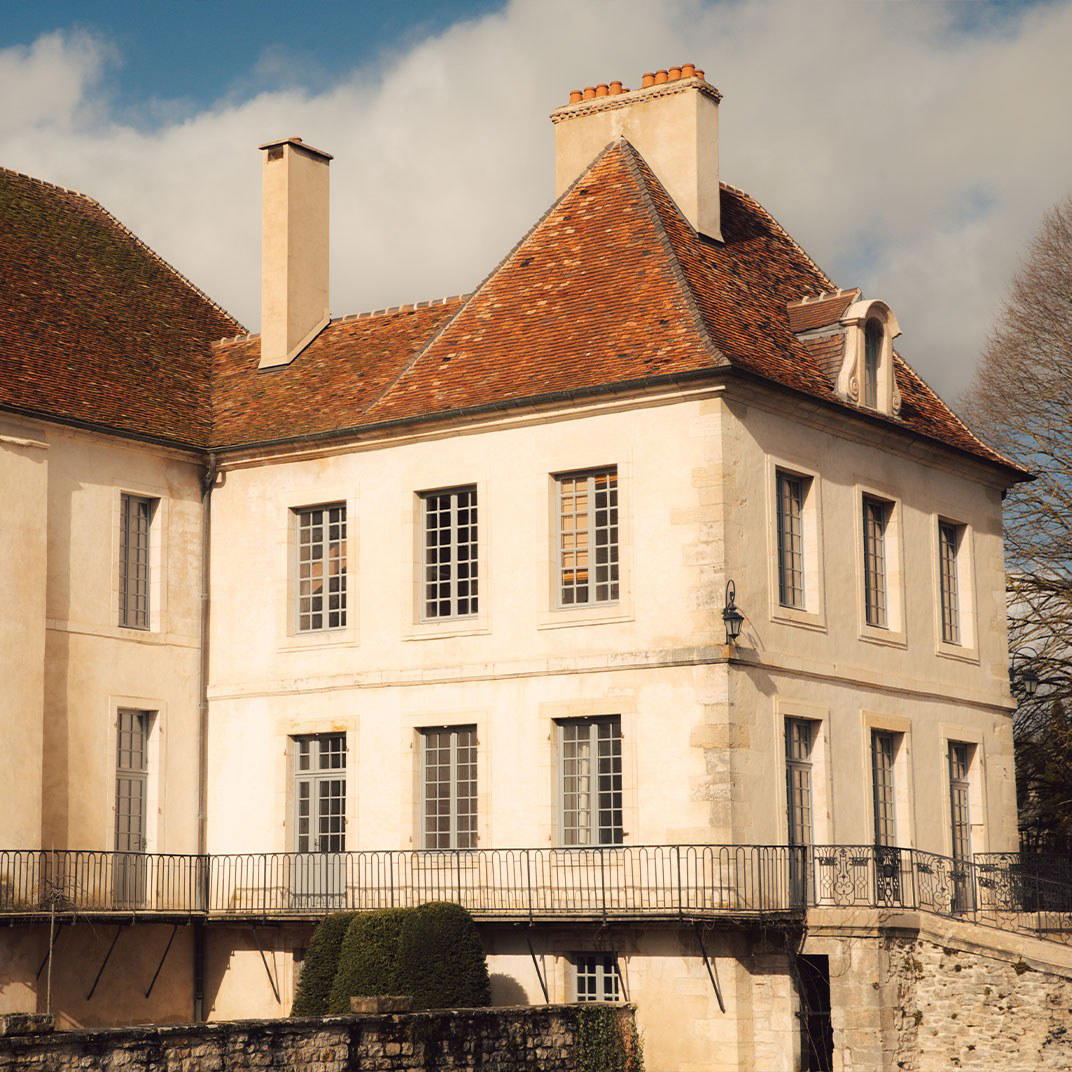
Elegant and refined atmosphere reflecting Burgundian tradition with a focus on terroir purity and finesse.