Nicolas Perrault

Michelin Main Selection
Nicolas Perrault is a small Burgundy domaine in Dezize-lès-Maranges, working six hectares across nine appellations at the southern end of the Côte de Beaune. The draw is not spectacle but terroir literacy: organic farming, biodynamic influence, Pinot Noir and Chardonnay, and cellar tastings by appointment in a village where Maranges and Santenay show Burgundy’s cooler, more structured side.

Pearl is the En Primeur Club membership app — saves, bookings, and concierge access live there. Same editors, same standards.
- Address
- 3 Rue du Four Banal, 71150 Dezize-lès-Maranges, France
- Phone
- +33 6 74 24 71 88
- Website
- domaineperraultnicolas.fr
- Directions
- Get directions

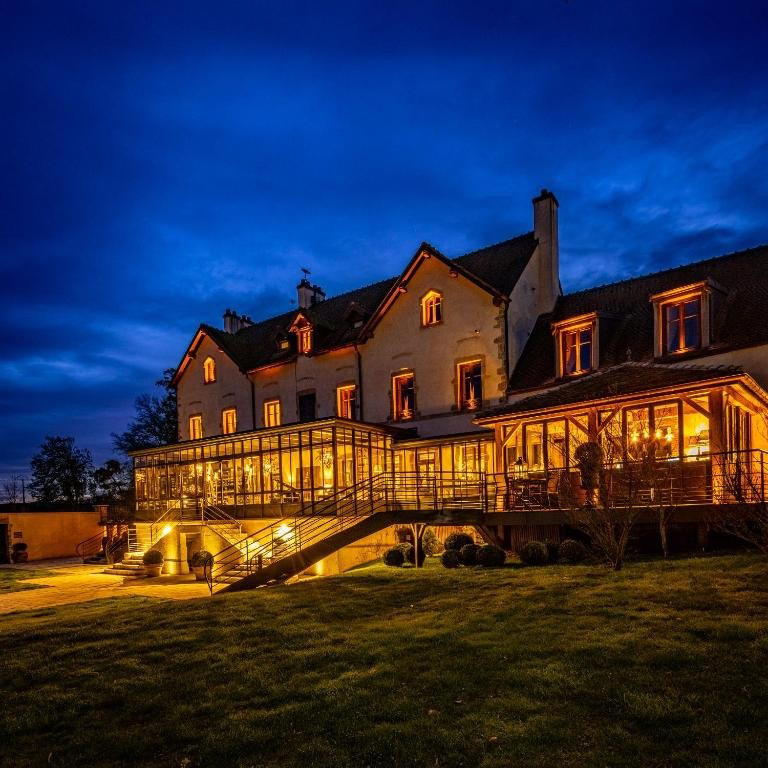
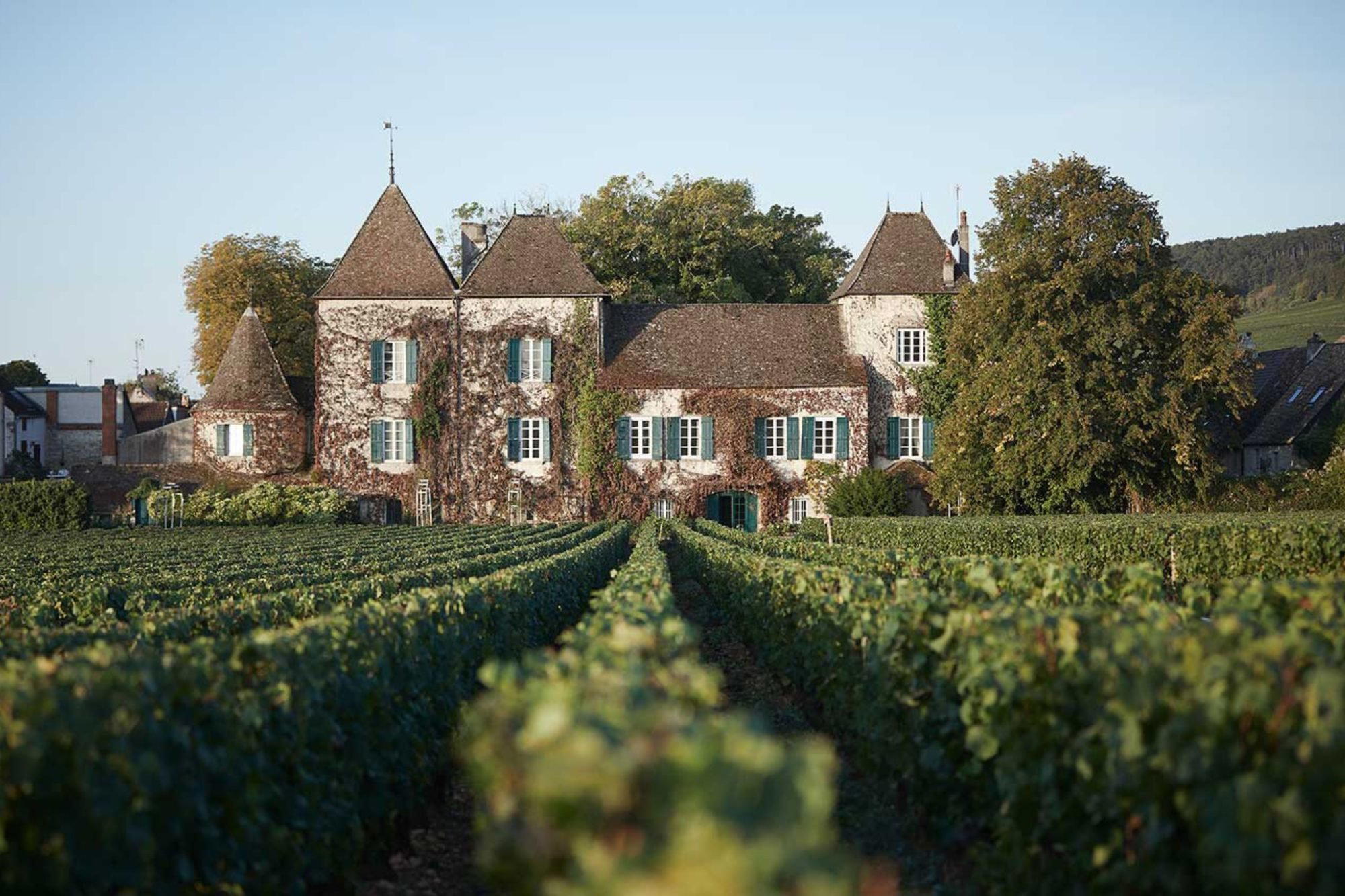
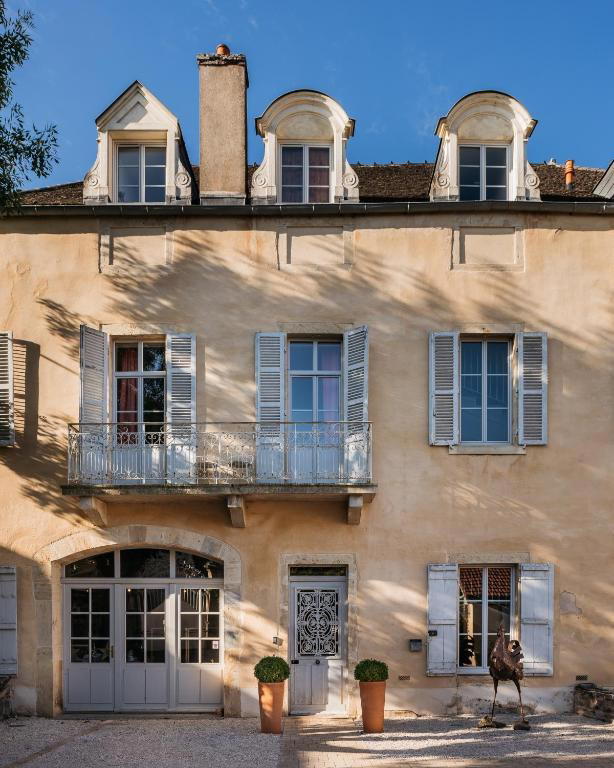
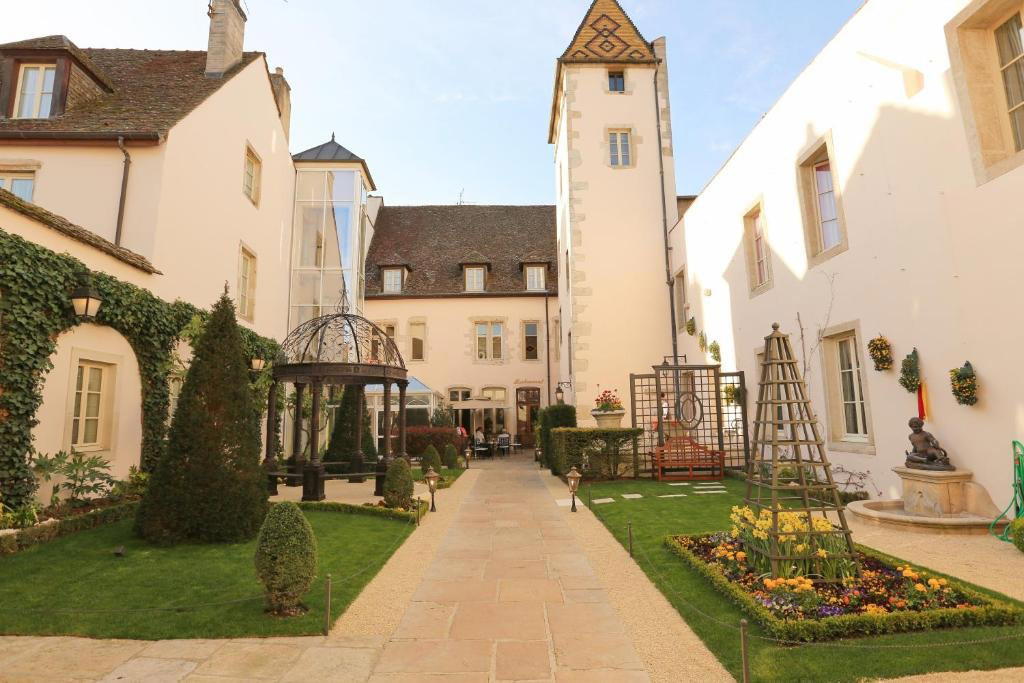
Approaching Dezize-lès-Maranges, Burgundy changes register. The emphasis here is on a quieter, working-cellar atmosphere rather than display, with the feel of a small family-run domaine at the southern tip of the Côte de Beaune. It is the kind of setting where the regional mood feels more grounded than performative, and where the language of place is carried by cellar work, farming choices and restraint rather than by spectacle.
Nicolas Perrault belongs to that smaller, cellar-led Burgundy category: family-run, vineyard-first and shaped by respect for the grapes. The picture is deliberately modest: a Burgundy domaine in Dezize-lès-Maranges with careful organic and biodynamic farming informing a traditional, artisanal feel. Its Michelin Guide Burgundy Main Selection wine-estate distinction is useful context, not because it turns the domaine into a trophy stop, but because it signals that the estate has been noticed within a region crowded with serious growers. In Burgundy, that kind of recognition is best read alongside the domaine’s scale and tone, as part of a quieter argument for attention.
Maranges terroir in a quieter register
Maranges is often approached as a more understated part of Burgundy, and Nicolas Perrault fits that register. The appeal is not built around luxury cues or a heavily staged visitor experience; it is closer to the cellar and the vineyard, with a rustic, traditional character. That makes the domaine relevant for drinkers who are interested in Burgundy beyond its most familiar prestige markers, and who are willing to pay attention to subtler signals of place and practice.
Because the public details are limited, the safest way to read the domaine is through its confirmed identity: a small, family-run Burgundy estate in Dezize-lès-Maranges, shaped by organic and biodynamic farming and by a working-cellar atmosphere. Specific claims about vineyard size, grape varieties, named parcels, production volumes or tasting formats should be confirmed directly before planning around them. That caution is not a weakness; it is simply the right editorial posture for a domaine whose appeal is tied to modesty, farming and cellar-level seriousness rather than expansive public presentation.
That grounded view is also what separates Nicolas Perrault from a broad regional overview. The discussion is less about broad luxury cues and more about a domaine-scale understanding of farming, grapes and cellar work. For travellers comparing producers, Domaine Bachelet-Monnot gives another useful lens on Burgundy’s southern Côte de Beaune conversation.
Organic farming, biodynamic influence and the working-cellar format
Contemporary Burgundy has become fluent in sustainability language, but the relevant signal here is direct: Nicolas Perrault is described through careful organic and biodynamic farming, with respect for the grapes shaping the domaine’s traditional yet artisanal feel. Those descriptors matter because they keep the focus on how the estate is understood: through cultivation, restraint and a close relationship between vineyard and cellar.
The family-run character matters because it frames the experience without overclaiming it. This is best understood as a small Burgundy domaine rather than a hospitality complex, with a cellar-focused atmosphere and a rustic, close-to-the-work mood. For visitors, that means expectations should lean toward simplicity and seriousness, not a scripted luxury encounter.
The reliable facts support a more restrained expectation: Nicolas Perrault is a small, family-run Burgundy wine estate in Dezize-lès-Maranges, with a working-cellar feel and confirmed Michelin Guide Burgundy Main Selection wine-estate recognition. Taken together, those details create a coherent profile: local, modest in presentation, and meaningful within the Burgundy grower landscape.
How to place it in a Burgundy itinerary
For Burgundy travellers, the decision is strategic. Nicolas Perrault makes strongest sense in research built around the Côte de Beaune’s southern villages rather than only the famous names farther north. It offers a quieter, more artisanal Burgundy reference point in Dezize-lès-Maranges. In that role, it can help round out an itinerary by giving the southern end of the Côte de Beaune its own weight, rather than treating it as an afterthought.
The practical rhythm should be confirmed directly with the domaine before travel. What is confirmed is the price category of $$$, the family-run Burgundy-domaine character and the Michelin Guide Burgundy Main Selection wine-estate distinction. Anything beyond those points should be checked at source, especially if a visit is being planned around specific expectations.
Readers building a wider plan can compare the domaine naturally with Domaine Jean-Marc Vincent, Domaine de Cassiopée, Joseph Colin, Lamy-Caillat and Domaine Bachelet-Monnot, while keeping Nicolas Perrault anchored specifically in Dezize-lès-Maranges. Other dining or lodging options in Dezize-lès-Maranges should be checked separately and described on their own terms.
The editorial case is clear: Nicolas Perrault is for Burgundy drinkers who want to understand a small, cellar-focused domaine rather than a polished luxury performance. Its value lies in the confirmed combination of Dezize-lès-Maranges setting, family-run scale, organic and biodynamic farming influence, rustic character and Michelin Guide Burgundy Main Selection wine-estate recognition. Read on those terms, it becomes a concise but useful Burgundy marker: not loud, not overbuilt, and not dependent on embellishment to make its point.
How It Stacks Up
Comparable venues by cuisine and price in the same metro.
| Venue | Awards |
|---|---|
| Nicolas PerraultThis venue — the venue you are viewing | Michelin Main Selection |
| Domaine Bachelet-Monnot | Michelin Main Selection · Falstaff Winery - Listed |
Recognition history
Dated appearances from independent guides and award organizations, with the underlying list record or original source where available.
Michelin Main Selection
Michelin · 2026 Michelin Grape Main Selection - Burgundy
Continue exploring
More in Dezize-lès-Maranges
Wineries in Dezize-lès-Maranges
Browse all →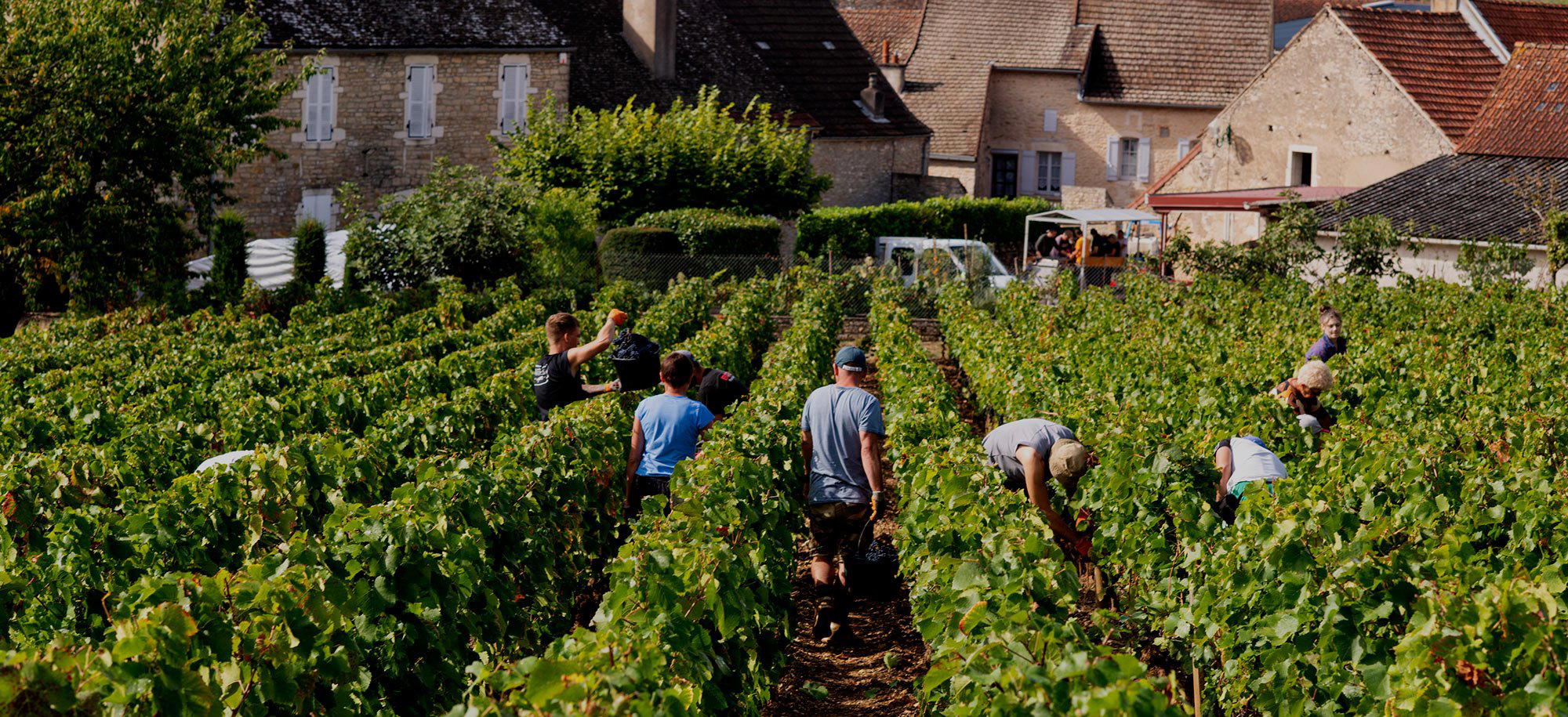

Bars in Dezize-lès-Maranges
Browse all →
Restaurants in Dezize-lès-Maranges
Browse all →
Details
- Rustic
- Classic
- Intimate
- Scenic
- Wine Education
- Solo Exploration
- Group Outing
- Special Occasion
- Estate Grounds
- Historic Building
- Private Tasting
- Organic
- Biodynamic
- Vineyard
- Pinot Noir
- Chardonnay
- Still Red
- Still White
- Cellar Tasting
- Private Appointment
- French
Small, family-run Burgundy domaine at the southern tip of the Côte de Beaune, with a working cellar-focused atmosphere where respect for the grapes and careful, organic/biodynamic farming shape a traditional yet artisanal feel.