Domaine Faiveley



Michelin 1 Grape · World's 50 Best #59 · Falstaff Winery - 3 Stars
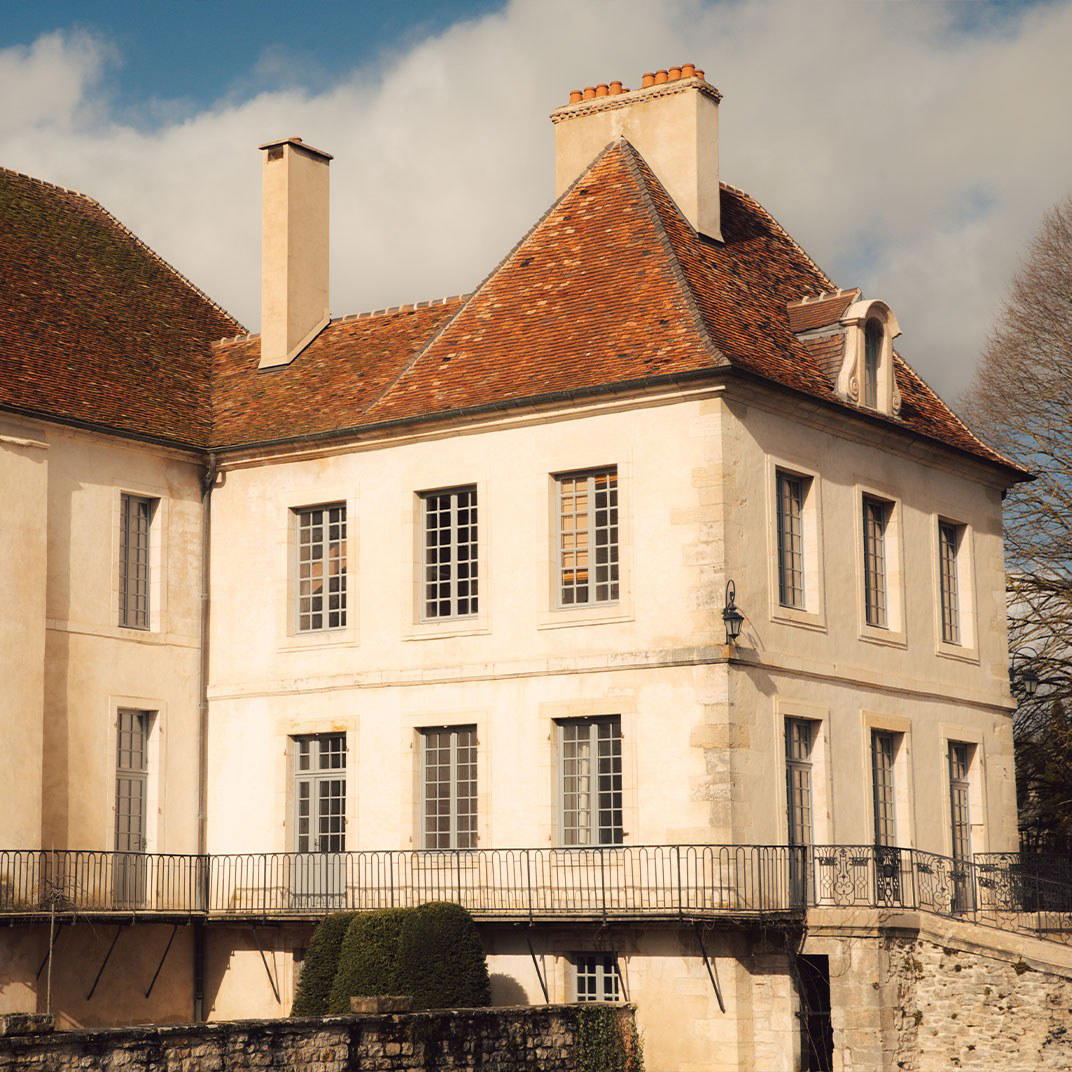
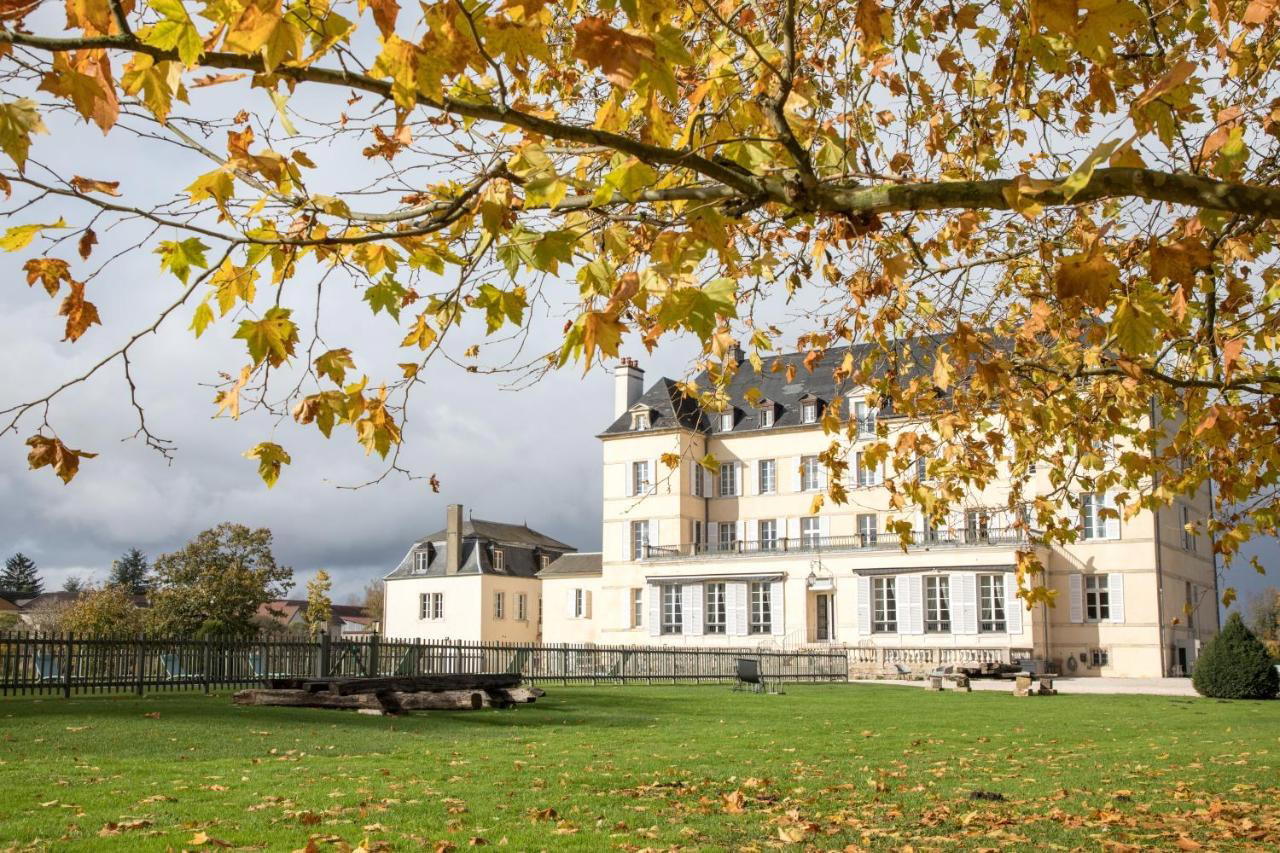
Domaine Faiveley belongs to Burgundy's old-estate category: founded with a first vintage in 1825, now run by the seventh generation, Erwan and Eve Faiveley. In Nuits-Saint-Georges, its relevance comes from scale, continuity, and location inside the UNESCO-recognised Climats of Burgundy, where vineyard parcels and stone boundaries define how terroir is read in the glass.

Pearl is the En Primeur Club membership app — saves, bookings, and concierge access live there. Same editors, same standards.
- Address
- 8 Rue du Tribourg, 21700 Nuits-Saint-Georges
- Phone
- +33 3 80 61 04 55
- Website
- domaine-faiveley.com
- Directions
- Get directions
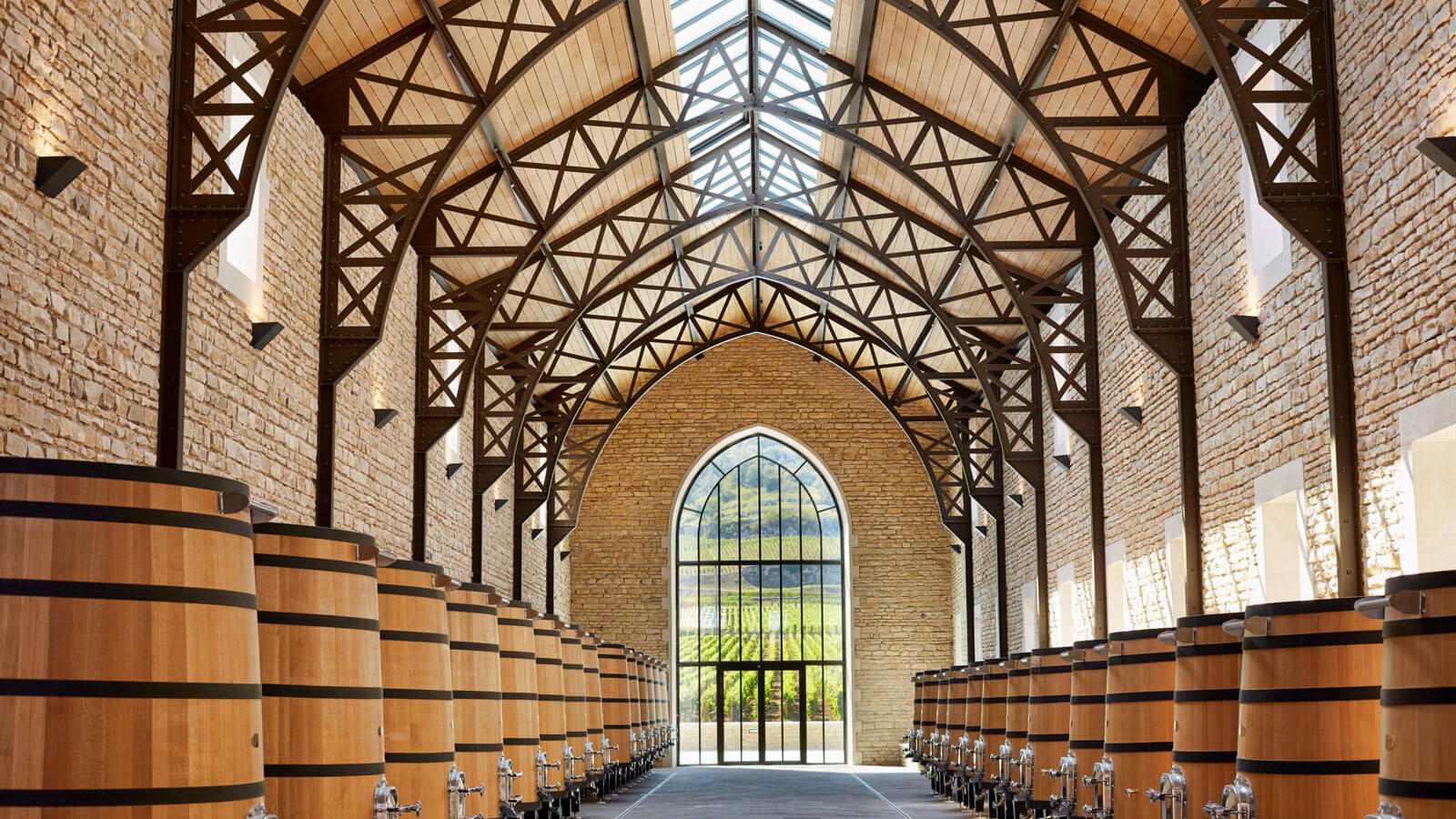
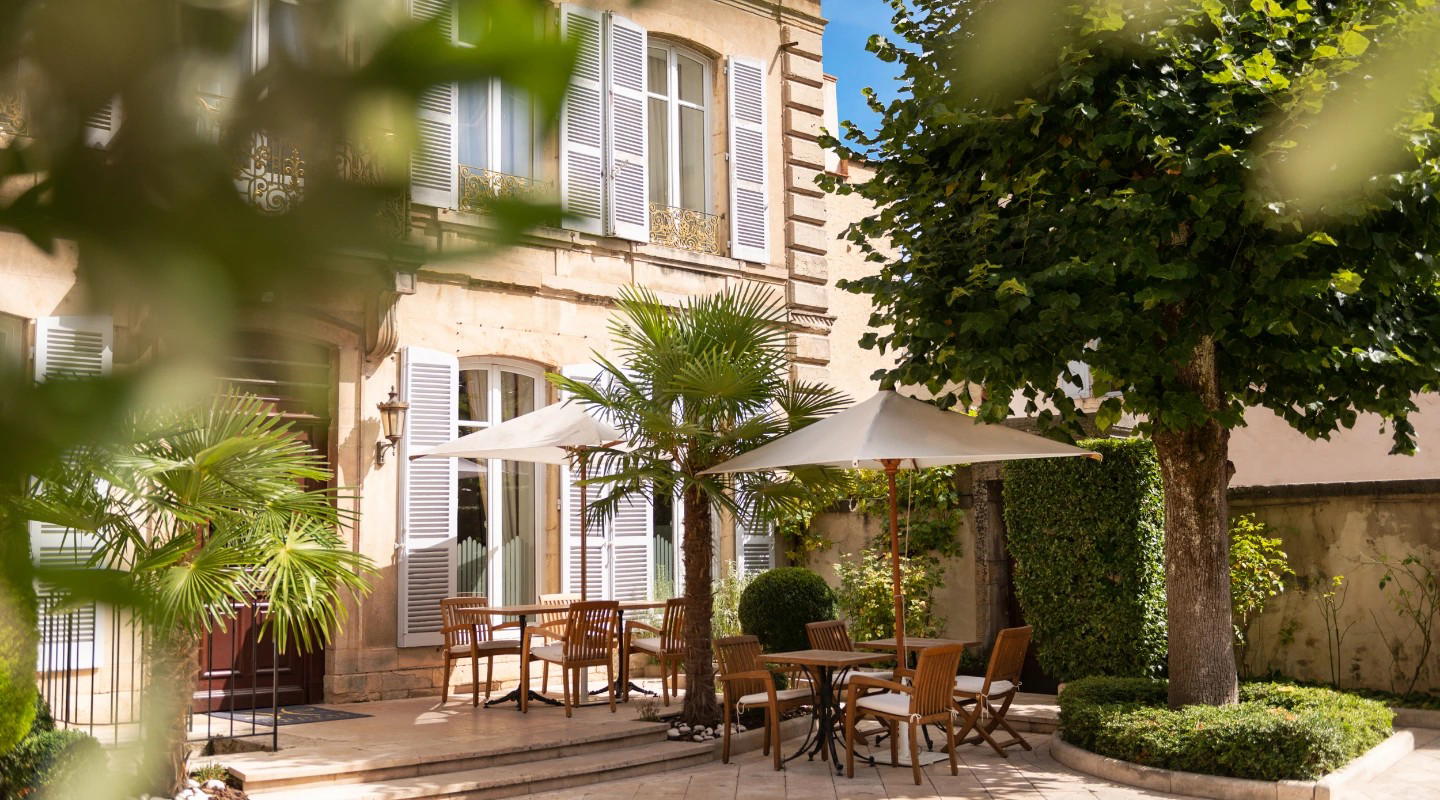
Approaching Domaine Faiveley in Nuits-Saint-Georges means placing the estate within the wider Burgundy context rather than treating it as a standalone address. It is also situated within the UNESCO World Heritage setting that recognises the relationship between nature and human work in Burgundy.
That frame matters because Domaine Faiveley is best understood through continuity, place, and family stewardship.
Nuits-Saint-Georges context without unsupported detail
Burgundy is often discussed through the relationship between place and human interpretation. For Domaine Faiveley, the verified point is its position in Nuits-Saint-Georges and within the UNESCO-recognised Burgundy setting. Rather than attaching unverified claims to particular bottles, styles, or vineyard holdings, the more reliable way to place the domaine is as a historic family estate within that broader cultural landscape.
Erwan and Eve Faiveley are described as the seventh generation managing this 200-year-old estate. That continuity is the central confirmed detail.
In the immediate comparison set, the useful context is not a single ranking but a group of Burgundy domaines that help frame Nuits-Saint-Georges and nearby estate visits. Domaine Henri Gouges is another local reference point, while Domaine Jean-Marc Millot and Domaine Bertrand Machard de Gramont provide additional nearby context for readers comparing Burgundy estates.
A 200-year estate inside Burgundy's UNESCO frame
The strongest verified editorial hook for Domaine Faiveley is its age and family continuity. A 200-year-old Burgundy estate managed by the seventh generation has a different profile from a newly promoted destination. The confirmed story is not about a specific menu, tasting route, bottle list, or hospitality format; it is about a long-running domaine in Nuits-Saint-Georges with Erwan and Eve Faiveley at the family helm.
The UNESCO connection should also be kept precise. The verified recognition places the estate within the World Heritage context that recognises the alchemy between nature and human activity in Burgundy. That is a meaningful setting for a Nuits-Saint-Georges estate, but it should not be stretched into unsupported claims about awards, scores, rankings, or detailed visitor experiences.
For travellers, the practical takeaway is to treat Domaine Faiveley as a historic Burgundy estate rather than as a fully documented public-service listing. The confirmed detail here is smart casual dress.
How to place it in a serious Burgundy itinerary
Domaine Faiveley fits a Burgundy itinerary for readers who want a Nuits-Saint-Georges estate with family continuity and a UNESCO-recognised regional setting. It is the combination of a 200-year-old estate, seventh-generation family management, and a location in Nuits-Saint-Georges.
Readers comparing Domaine Faiveley with other Burgundy names can also look at Domaine Henri Gouges, Domaine Jean-Marc Millot, and Domaine Bertrand Machard de Gramont. These references keep the comparison in a relevant Burgundy frame without relying on unverified claims about Domaine Faiveley's services or rankings.
The editorial case for Domaine Faiveley is therefore deliberately simple: a historic estate in Nuits-Saint-Georges, managed by Erwan and Eve Faiveley as the seventh generation, and situated within Burgundy's UNESCO World Heritage context. The right expectation is grounded interest in place and continuity, with any operational details confirmed directly before visiting.
Quick Comparison
Comparable venues by cuisine and price in the same metro.
| Venue | Cuisine | Price | Awards |
|---|---|---|---|
| Domaine FaiveleyThis venue — the venue you are viewing | Brother and sister, Erwan and Eve Faiveley are the seventh generation to manage this 200-year-old estate Burgundy. | Not listed | Michelin 1 Grape · World's 50 Best #59 |
| Domaine Thibault Liger-Belair | Not listed | $50–100 | Falstaff Winery - Listed |
Recognition history
Dated appearances from independent guides and award organizations, with the underlying list record or original source where available.
Michelin 1 Grape
Michelin · 2026 Michelin 1 Grape - Burgundy
World's 50 Best Vineyards #59
World's 50 Best
Falstaff Winery - 3 Stars
Falstaff
Continue exploring
More in Nuits-Saint-Georges
Wineries in Nuits-Saint-Georges
Browse all →
Bars in Nuits-Saint-Georges
Browse all →
Restaurants in Nuits-Saint-Georges
Browse all →
Details
- Classic
- Elegant
- Sophisticated
- Wine Education
- Special Occasion
- Cave Tasting
- Vineyard Tour
- Historic Building
- Organic
- Sustainable
- Vineyard
- Pinot Noir
- Chardonnay
- Aligote
- Still Red
- Still White
- Cave Tasting
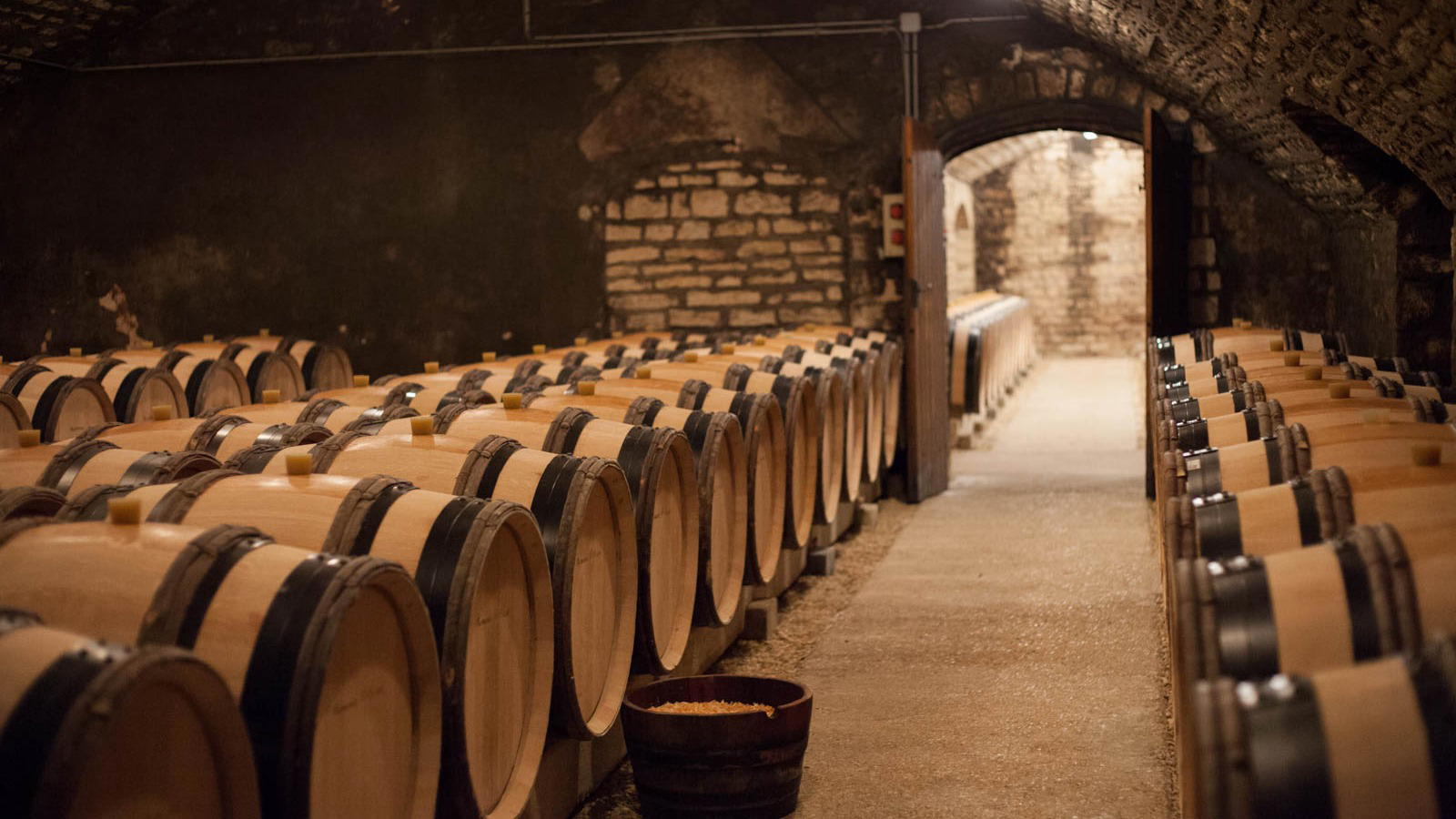
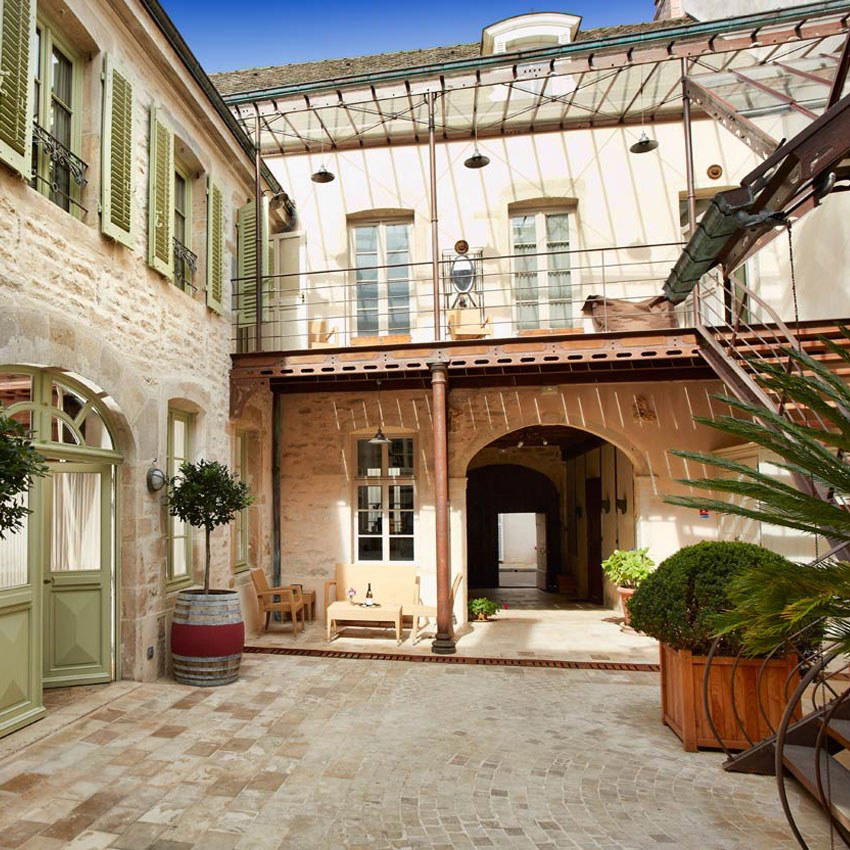
Historic 19th-century vaulted cellars provide an elegant, timeless atmosphere with deep, cool aging environments evoking Burgundian heritage.