Lamy-Caillat

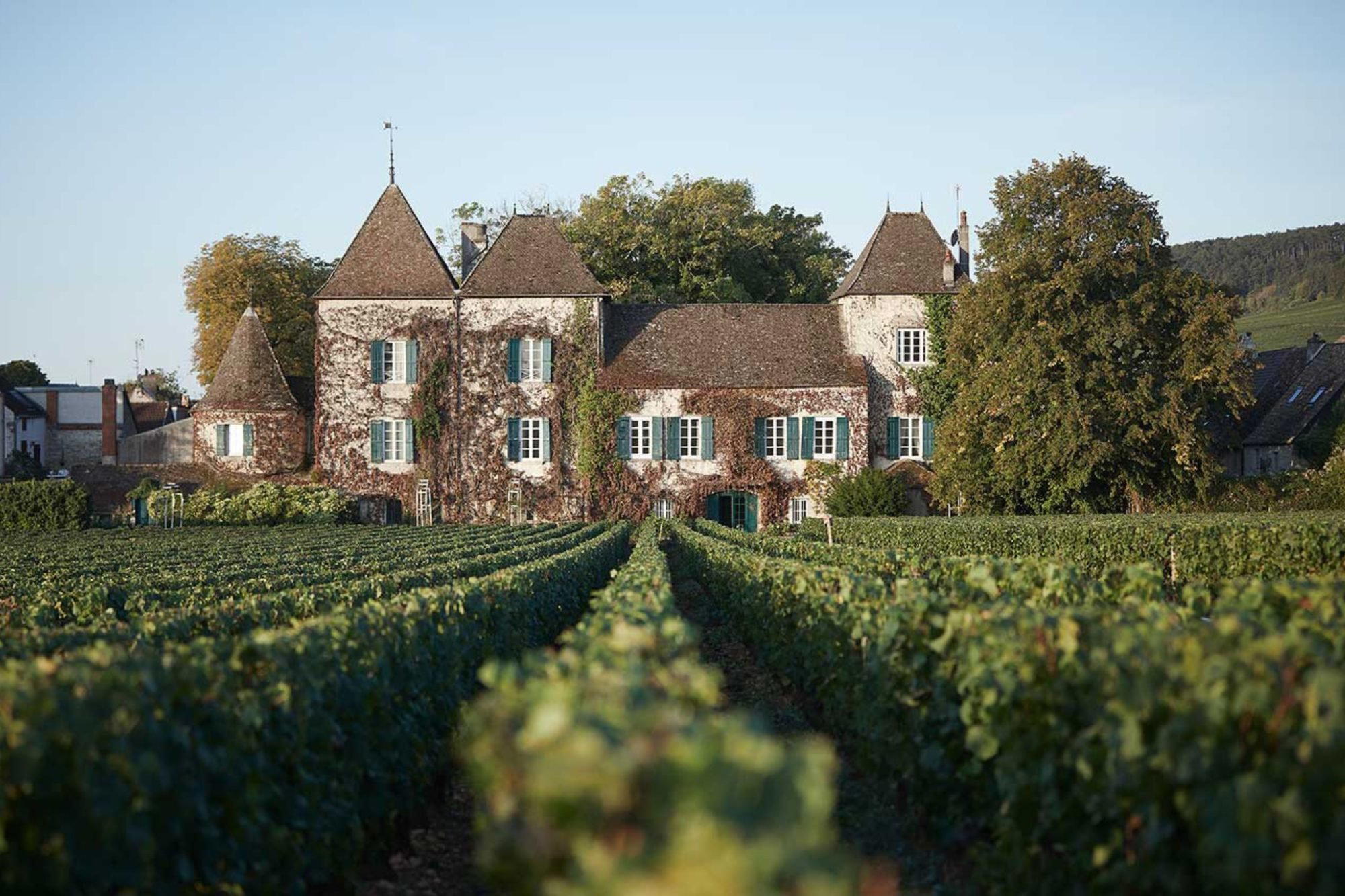
Domaine Lamy-Caillat works Bathonian limestone parcels in Chassagne-Montrachet. Conservative barrel program, 20% new oak on village whites.
Pearl is the En Primeur Club membership app — saves, bookings, and concierge access live there. Same editors, same standards.
- Address
- Pl. du Grand Puits, 21190 Chassagne-Montrachet, France
- Phone
- +33 6 73 39 05 00
- Website
- lamycaillat.fr

Chassagne-Montrachet's white Burgundy tradition rests on two distinct technical poles: the high-limestone, oxidative-handling premier cru school descended from the Ramonet lineage, and the reductive, younger-harvest approach practiced by growers influenced by the 1990s new-Burgundy movement. Domaine Lamy-Caillat, under winemaker Sébastien Caillat, operates inside the former, a grower domaine working family-held parcels across Chassagne's southern slope, practicing long-barrel élevage with minimal bâtonnage and no early bottling. The domaine's production centers on village-level Chassagne-Montrachet Blanc and a small roster of premier cru parcels; the technical signature is late harvest (typically mid-September, ten to fourteen days after the appellation's opening date), natural yeast fermentation in barrel, and extended aging on fine lees through eighteen to twenty-two months before bottling. The style sits closer to Domaine Ramonet's oxidative register than to the bright, early-picked profile practiced at Domaine Vincent Dancer or Domaine Paul Pillot.
Lineage and Operating History
The Lamy and Caillat families have been working vines in Chassagne-Montrachet since the early twentieth century. Domaine Lamy-Caillat was founded in 2011 by Sébastien Caillat and Florence Lamy. Sébastien Caillat is the founding winemaker of Domaine Lamy-Caillat, established in 2011 with Florence Lamy; the winemaking protocol he practices reflects the Chassagne grower tradition shaped by Jean-Marc Morey, Pierre Ramonet, and the mid-century vignerons who established the appellation's oxidative white-wine school. The domaine's parcels are distributed across Chassagne's southern and eastern slopes, with holdings in village-level Chassagne-Montrachet Blanc and access to premier cru fruit through family parcels. The vineyard base is 1.2 hectares, and the production volume typical of a grower domaine at this scale runs between three thousand and five thousand bottles per cuvée per vintage, with total annual production under twenty thousand bottles across all labels. The domaine does not own grand cru parcels and does not purchase fruit outside the family holdings, which places it firmly inside the grower-producer category rather than the négociant category that dominates much of Burgundy's larger-volume operations.
Vineyard Work and Harvest Protocol
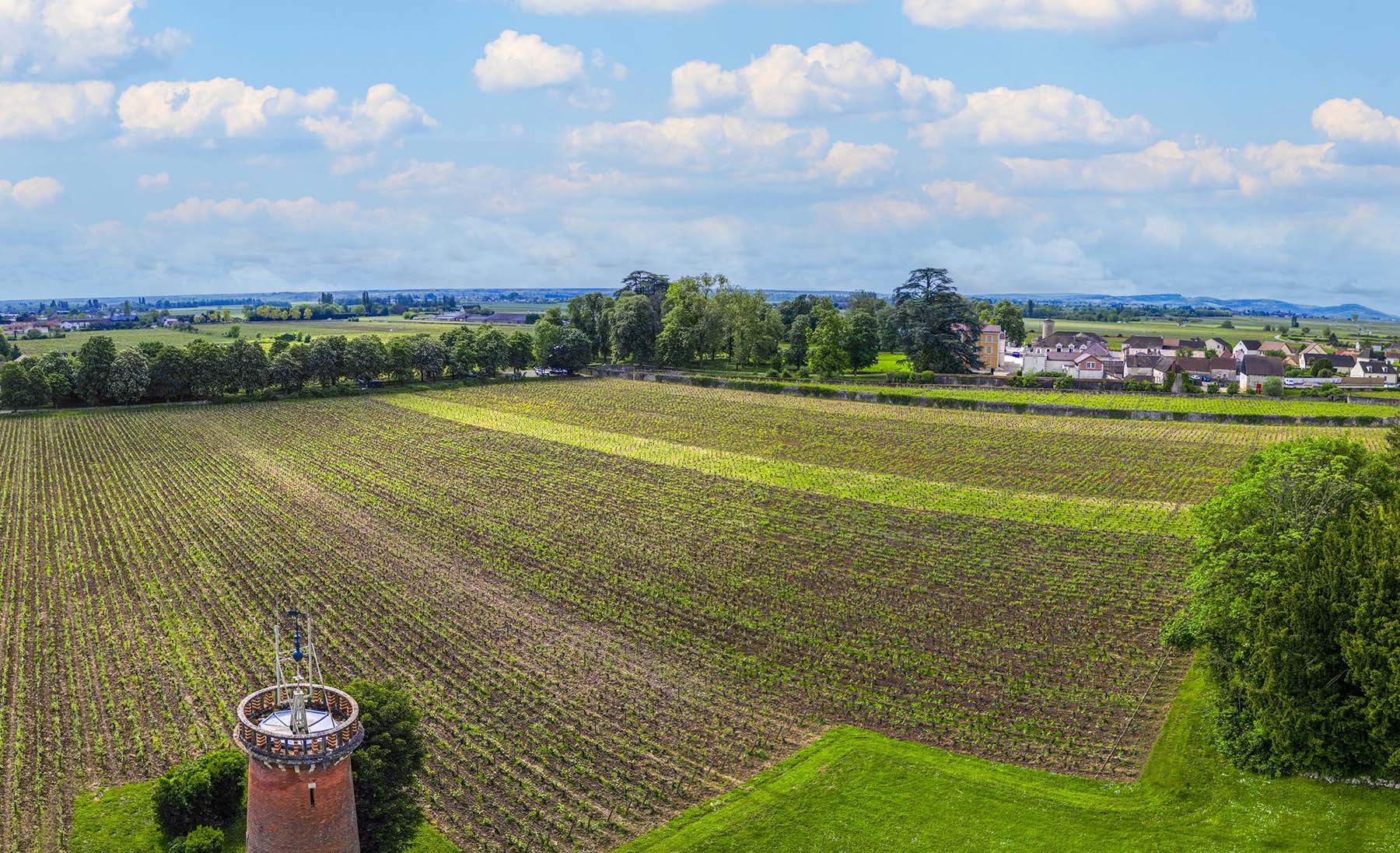
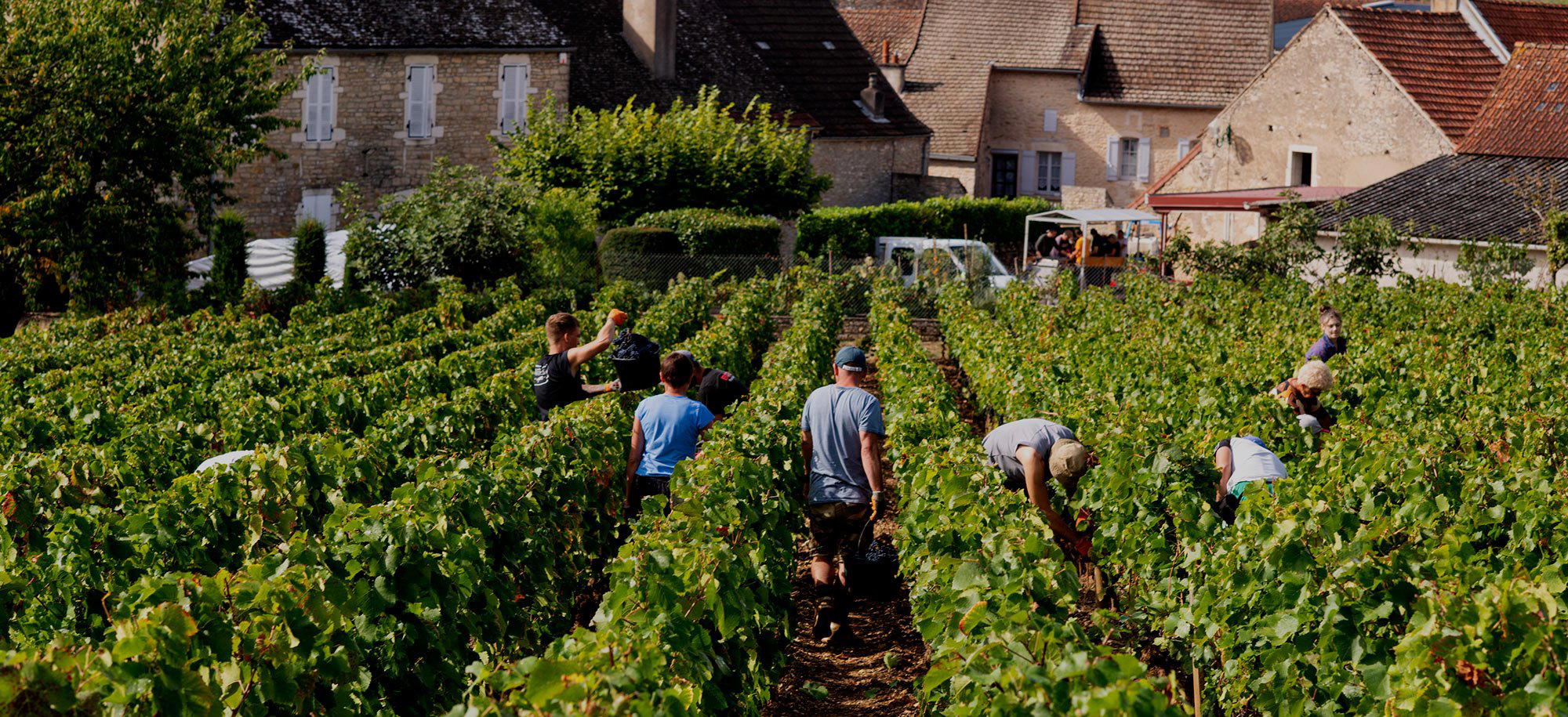
Chassagne-Montrachet's white-wine vineyards sit on Bathonian limestone with a shallow topsoil layer that drains rapidly and forces vine roots deep into the calcareous bedrock; the premier cru parcels on the southern slope, Caillerets, Chenevottes, Morgeot, Vergers, have topsoil depths of twenty to forty centimeters over fractured limestone, while the village-level parcels on the eastern plain carry slightly deeper soils with more clay content. Domaine Lamy-Caillat's vineyard work follows the Burgundian grower-domaine standard: hand-harvesting, selective shoot thinning in June to limit yields to appellation-legal maximums (typically forty-two hectoliters per hectare for village Chassagne-Montrachet Blanc, forty hectoliters per hectare for premier cru), and a deliberate late-harvest protocol that prioritizes phenolic ripeness over acidity retention. The late-harvest approach, common among the Ramonet-school producers but rejected by the new-Burgundy camp, accepts the risk of high must sugars and lower acidity in exchange for fuller phenolic development and reduced vegetal character. Harvest typically occurs in mid-September, with grapes arriving at the winery at alcohol potentials between thirteen and thirteen-point-five percent, pH levels between three-point-three and three-point-five, and total acidity between five and six grams per liter. The must is pressed immediately in a pneumatic press with no pre-fermentation skin contact, then settled overnight before transfer to barrel for fermentation. No commercial yeast is added; fermentation is spontaneous on indigenous yeast populations present on the fruit and in the cellar, and proceeds over four to eight weeks depending on cellar temperature and yeast vigor. The fermentation temperature is not controlled, barrels ferment at ambient cellar temperature, typically fifteen to eighteen degrees Celsius in September and October, dropping to twelve to fourteen degrees as fermentation finishes in November.
Barrel Program and Élevage
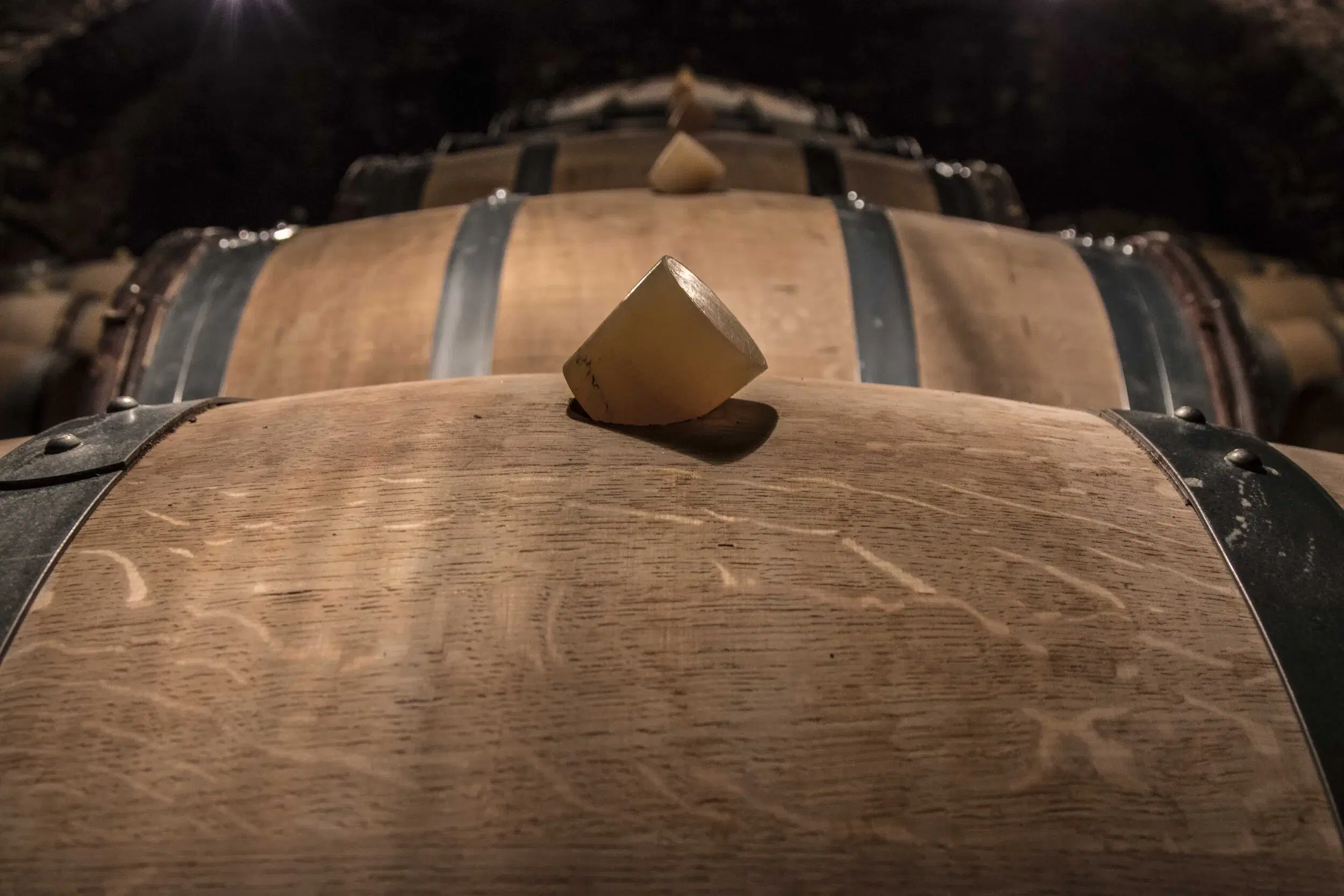
Domaine Lamy-Caillat's barrel program is conservative by contemporary Burgundy standards: village-level Chassagne-Montrachet Blanc sees roughly twenty percent new oak, premier cru cuvées see twenty-five to thirty percent new oak, and the remainder of the barrels are one- and two-year-old pièces from Burgundian coopers. The barrels are 228-liter Burgundian pièces with medium-toast heads and light-toast staves, sourced primarily from Chassin and François Frères. The élevage protocol is long and reductive: wines remain in barrel on fine lees for eighteen to twenty-two months with minimal intervention, undergoing malolactic fermentation in barrel over the winter following harvest, and receiving only light bâtonnage, typically once per month through the first winter, then left untouched through the second year. The decision to minimize bâtonnage distinguishes the Lamy-Caillat style from the heavily stirred, rich-textured style practiced at many contemporary Chassagne domaines; the resulting wines show more vertical structure and less mid-palate weight, with a phenolic grip that becomes more pronounced in premier cru bottlings. Sulfur additions are minimal: a light dose at pressing (typically twenty to thirty parts per million free SO₂), a second dose at malolactic completion in spring, and a final adjustment before bottling. Total SO₂ at bottling typically runs between eighty and one hundred parts per million, which places the wines inside the conventional Burgundy range but well below the legal maximum of one hundred fifty parts per million for white wines. The wines are bottled without fining and with only a light crossflow filtration, then held in bottle for six to twelve months before release.
Cuvée Structure and Release Program
The domaine's production is divided into three tiers: village-level Chassagne-Montrachet Blanc, premier cru parcels, and a small volume of Santenay Rouge from family parcels in the adjacent appellation to the south. The village Chassagne-Montrachet Blanc is the largest-volume cuvée and the reference point for the domaine's style: late-harvest Chardonnay from parcels on the eastern plain, fermented and aged in twenty percent new oak, bottled at eighteen months, and released two years after harvest. The wine typically shows ripe orchard-fruit character with a pronounced mineral backbone, moderate acidity, and a phenolic grip that requires three to five years of bottle age to integrate. The premier cru roster includes Chenevottes and Morgeot, both from the southern slope; these wines see slightly higher new-oak percentages and longer élevage, with bottling at twenty to twenty-two months and release three years after harvest. The Chenevottes parcel sits on shallow limestone with eastern exposure and produces a wine with higher acidity and more linear structure than the Morgeot, which sits on deeper soils with southern exposure and yields a fuller, more generous wine. The Santenay Rouge is a minor part of the production and follows a similar winemaking protocol: whole-cluster fermentation in open-top wooden vats, punch-downs twice daily during fermentation, and twelve to fifteen months of barrel aging before bottling. The red wines are released two years after harvest and are intended for earlier drinking than the whites.
Peer-Set Positioning
Domaine Lamy-Caillat sits inside the traditional Chassagne-Montrachet grower-domaine peer set alongside Domaine Bernard Moreau, Domaine Benoît Moreau, and the lower-tier cuvées from Domaine Ramonet, producers working family-held parcels, practicing long barrel élevage, and releasing wines two to three years after harvest at moderate allocations through traditional Burgundy distribution channels. The style is closer to the Ramonet oxidative-handling school than to the bright, reductive style practiced at Domaine Paul Pillot, where harvest occurs earlier, bâtonnage is more frequent, and bottling occurs at fifteen months. The domaine does not compete at the top tier of Chassagne production, it does not own grand cru parcels and does not command the same allocation-list premiums as Domaine Ramonet or Domaine Vincent Dancer, but it operates inside the same technical tradition and produces wines that require the same cellar-aging discipline. The village Chassagne-Montrachet Blanc from Lamy-Caillat is a reliable reference point for the appellation's traditional style at a price below the premier cru tier, and the premier cru bottlings are consistent expressions of their respective parcels without the stylistic idiosyncrasy that defines some of the appellation's more experimental producers.
Distribution and Access
Domaine Lamy-Caillat operates a traditional Burgundy allocation model: production is divided among long-standing importers in Europe, the United States, and Asia, with a small volume held back for direct sales from the domaine. The wines are not widely available on retail shelves and are not sold through online platforms; access is primarily through wine shops with established Burgundy allocations and through restaurant lists in markets where the domaine's importers operate. The village Chassagne-Montrachet Blanc is the easiest to locate and typically appears on lists at moderate Burgundy pricing; the premier cru bottlings are less widely distributed and require allocation-list access or direct domaine contact. The domaine does not maintain a formal allocation list for retail customers and does not operate a tasting room open to the public; visits are by appointment only and are oriented toward trade buyers and journalists rather than toward consumer tourism. This access structure is standard for small grower domaines across Chassagne-Montrachet and reflects the appellation's wholesale-distribution tradition rather than the direct-to-consumer model practiced by some newer Burgundy producers.
Technical Context: Chassagne-Montrachet's White-Wine Schools
Chassagne-Montrachet's white-wine tradition is younger than Meursault's and less codified than Puligny-Montrachet's; the appellation was historically red-wine-dominant until the mid-twentieth century, when replanting programs shifted much of the southern slope from Pinot Noir to Chardonnay. The contemporary white-wine school inside Chassagne divides along technical lines that correspond roughly to generational shifts: the Ramonet-school producers, active since the 1950s, practice late harvest, oxidative handling, minimal bâtonnage, and long élevage; the new-Burgundy producers, active since the 1990s, practice earlier harvest, reductive handling, frequent bâtonnage, and shorter élevage. Domaine Lamy-Caillat sits firmly inside the former camp, and the wines reflect the trade-offs inherent in that approach: fuller phenolic development and greater aging potential in exchange for lower acidity and more immediate oxidative character. The style is not universally preferred, critics who favor bright, vertical Chardonnay tend to rank the reductive-school producers higher, but it remains the dominant style inside the appellation's traditional grower-domaine tier and continues to define Chassagne's identity against the brighter profiles of Puligny-Montrachet to the north. For working sommeliers and buyers constructing Burgundy programs, Domaine Lamy-Caillat represents a reliable entry point into the Chassagne oxidative school at a price below the Ramonet tier, with the understanding that the wines require cellar time and are not intended for immediate consumption. The domaine's production is small enough that it does not flood the market, and the wines age predictably inside the traditional Burgundy curve: closed in the first two years after release, opening between years three and seven, and holding through year twelve to fifteen for village-level bottlings and year fifteen to twenty for premier cru bottlings.
Continue exploring
More in Chassagne-Montrachet
Wineries in Chassagne-Montrachet
Browse all →Bars in Chassagne-Montrachet
Browse all →Restaurants in Chassagne-Montrachet
Browse all →At a Glance
- Intimate
- Classic
- Elegant
- Hidden Gem
- Scenic
- Sophisticated
- Romantic Getaway
- Group Outing
- Special Occasion
- Wine Education
- Solo Exploration
- Estate Grounds
- Private Tasting
- Organic
- Vineyard
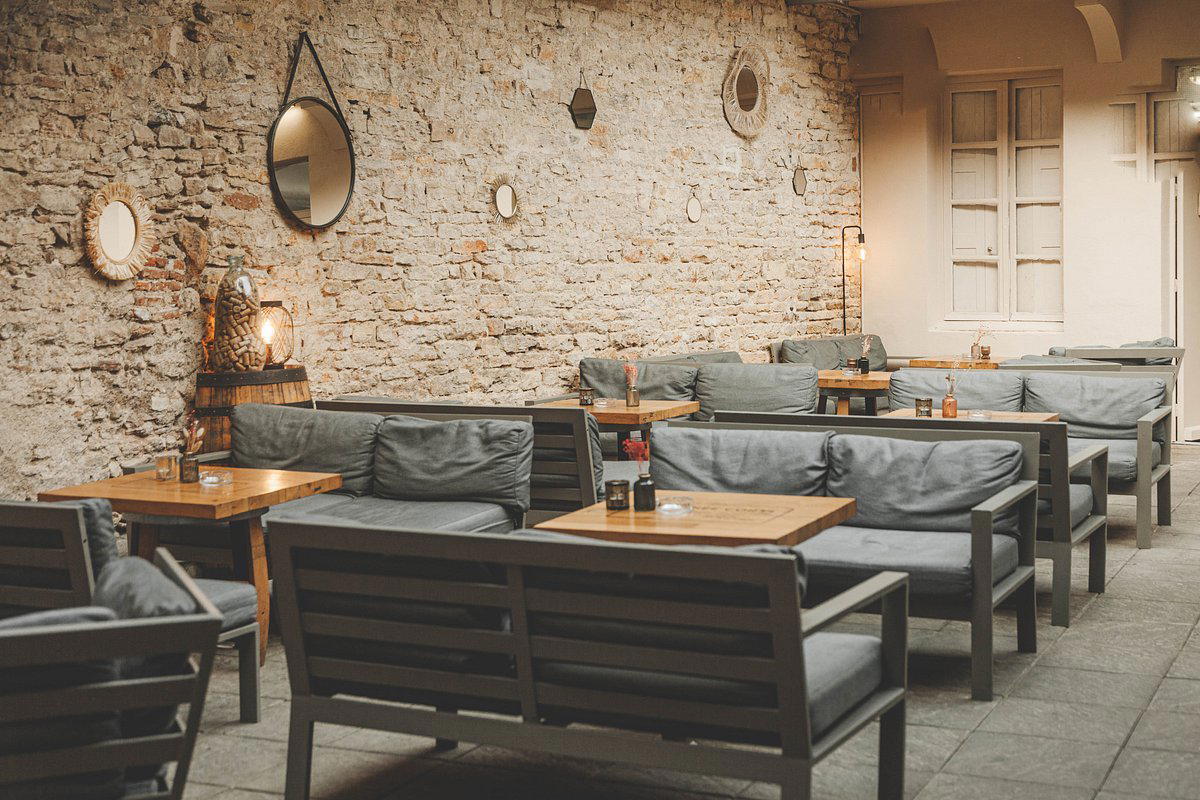
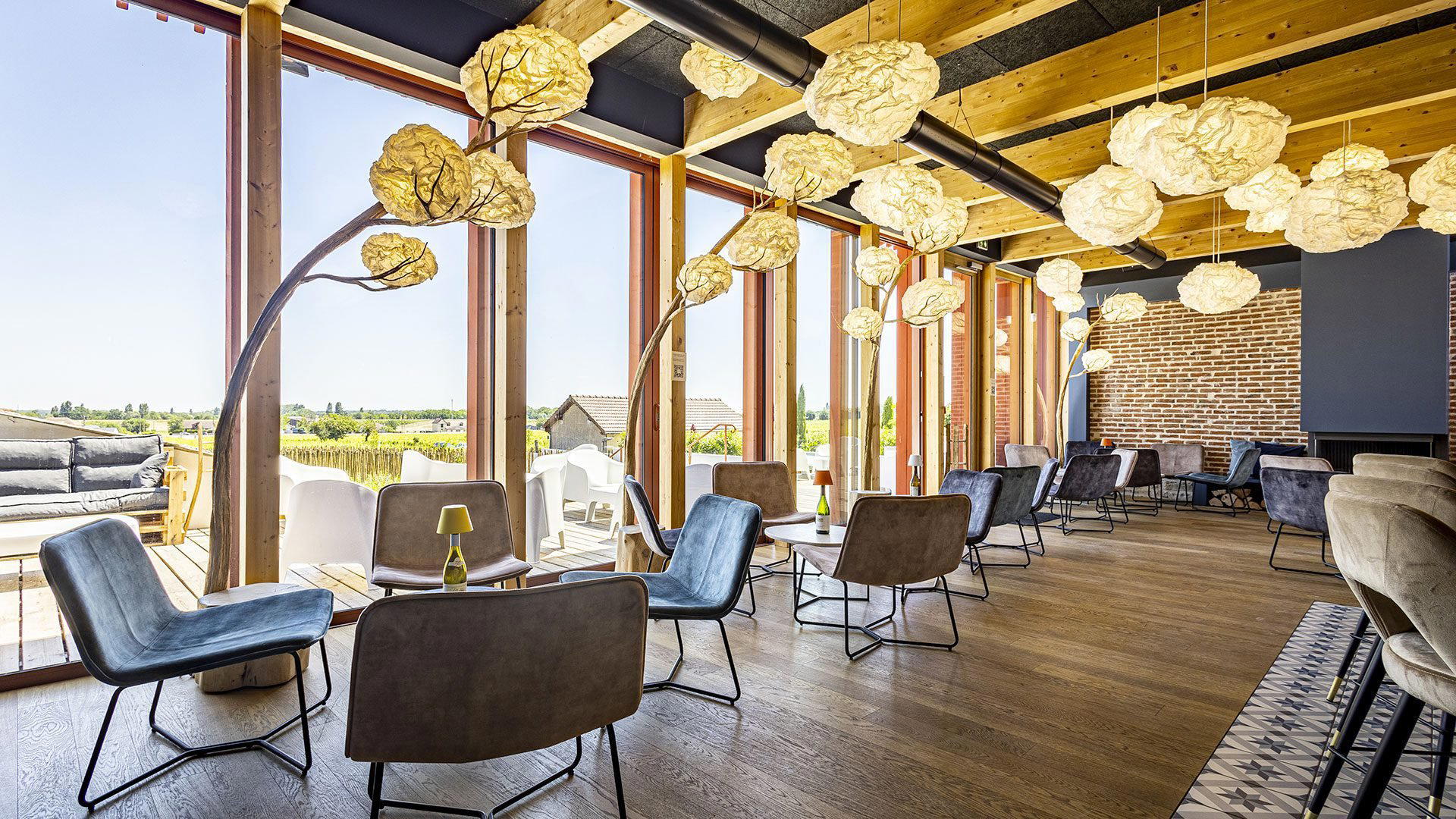
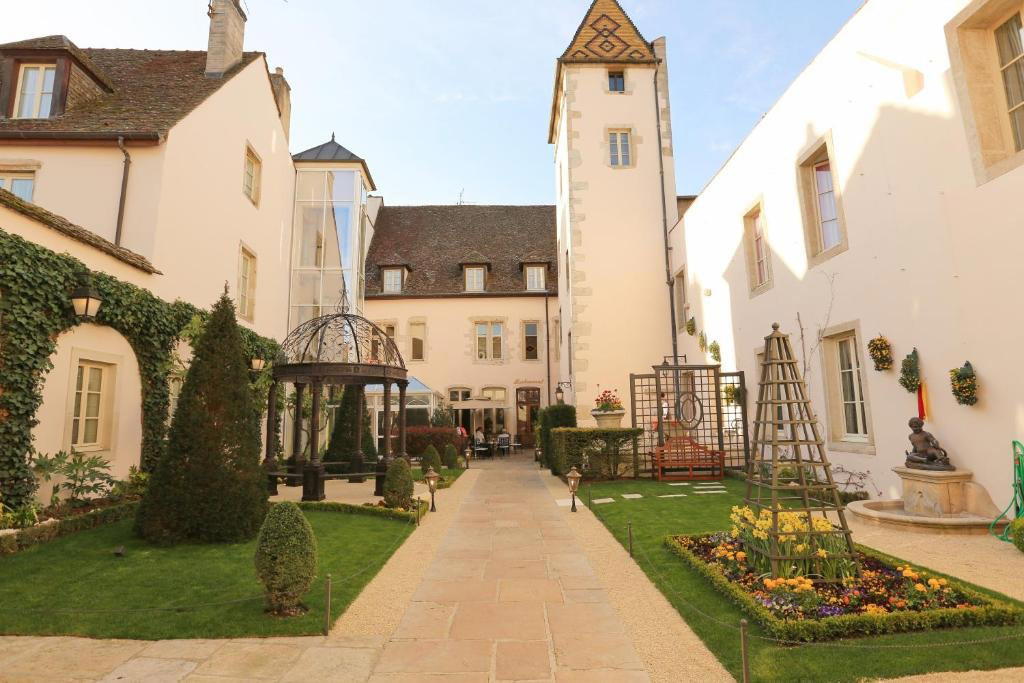
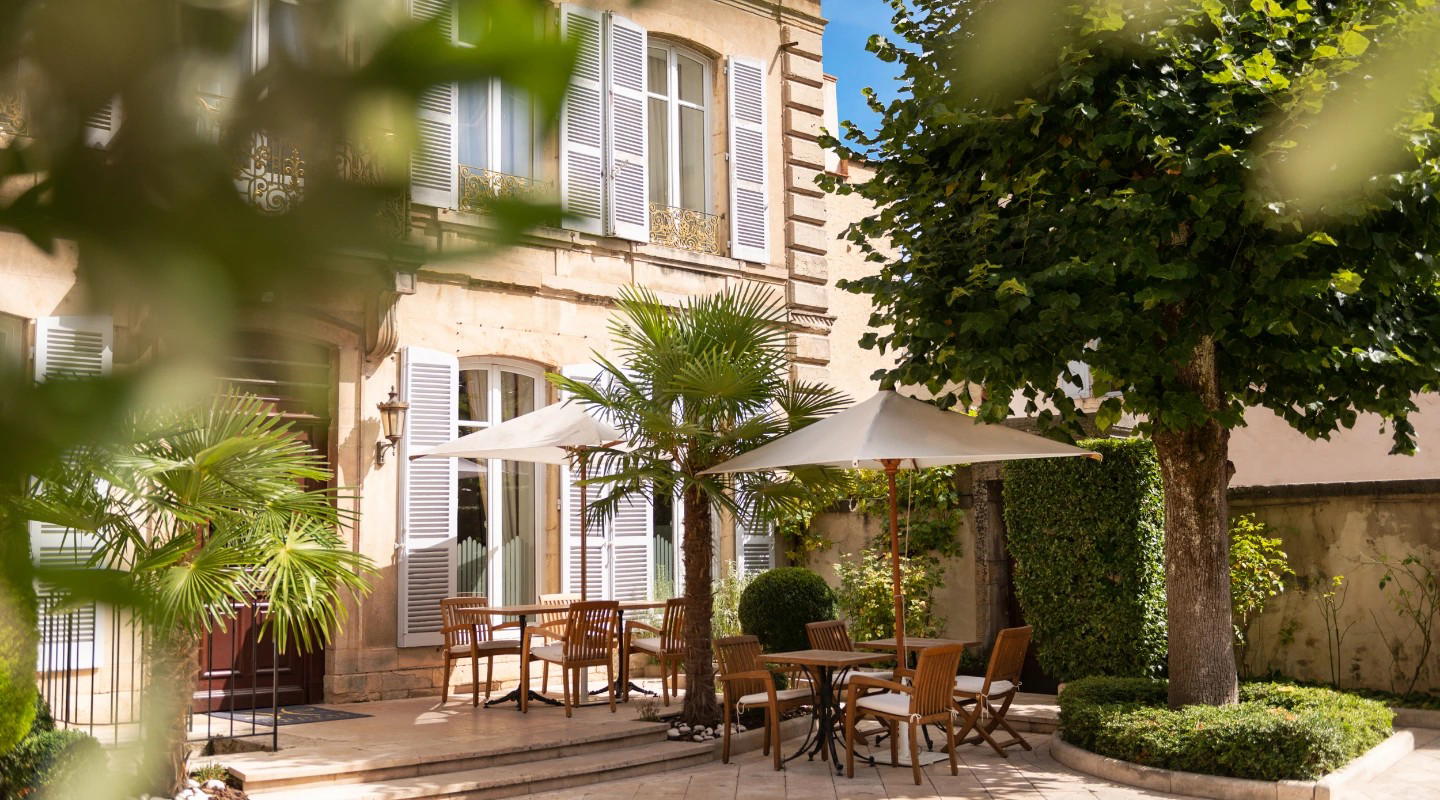
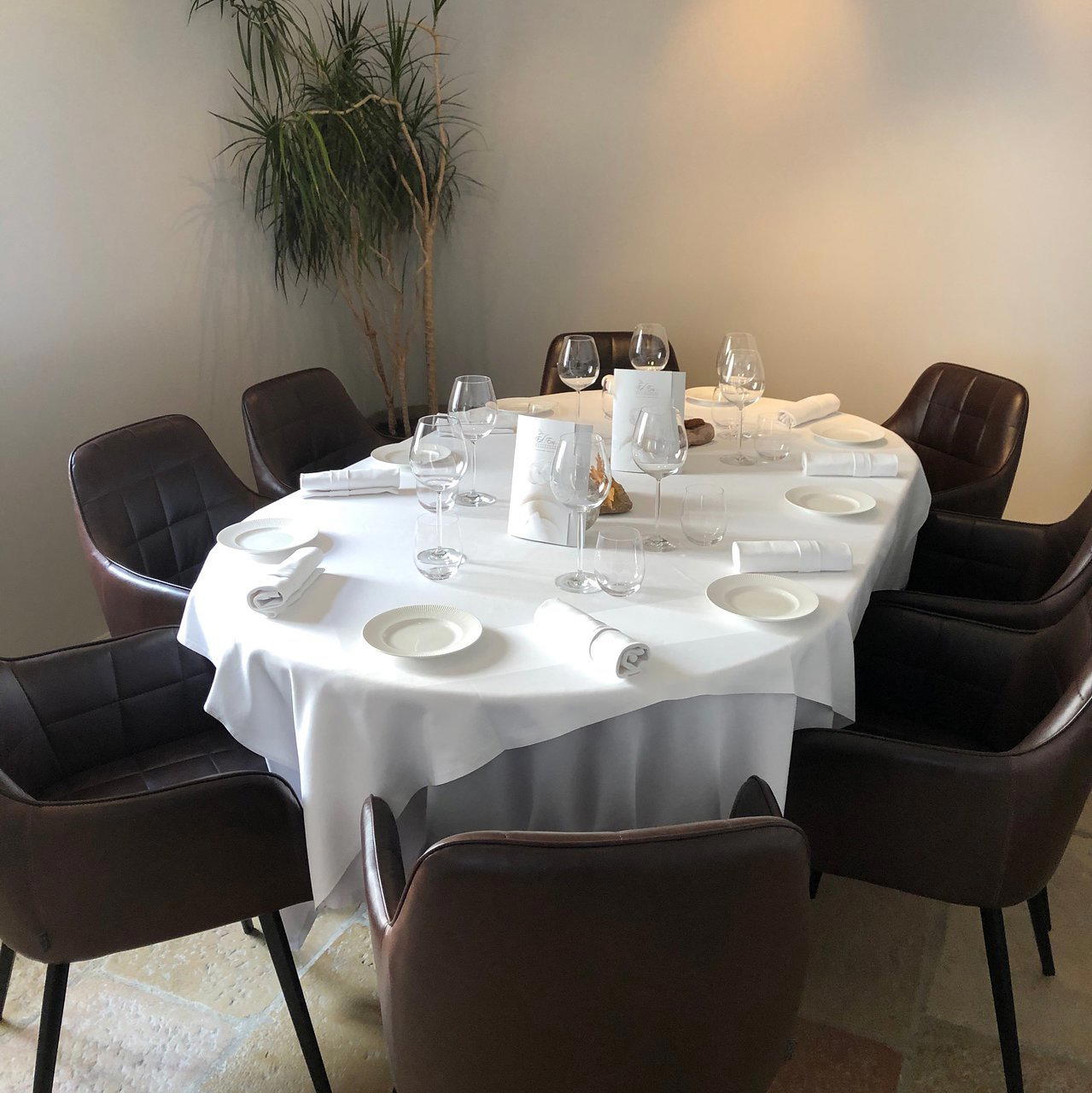
An intimate micro-domaine atmosphere focused on minimalism and essentials, with a cold cellar setting and a restrained, traditional, low-intervention approach that emphasizes precision and purity in white Burgundy wines.[2][12][16]