Benoit Chevallier

Michelin Main Selection
A small Vosne-Romanée domaine for travelers who care about terroir more than tasting-room theatre. Benoit Chevallier works a 4-hectare family estate focused on Pinot Noir, organic farming and personally hosted tastings, with Michelin Guide Burgundy Main Selection wine-estate recognition placing it on the serious Côte de Nuits map.

Pearl is the En Primeur Club membership app — saves, bookings, and concierge access live there. Same editors, same standards.
- Address
- 32 Rte Nationale, 21700 Vosne-Romanée, France
- Phone
- +33 6 98 88 51 51
- Website
- benoitchevallier.com
- Directions
- Get directions
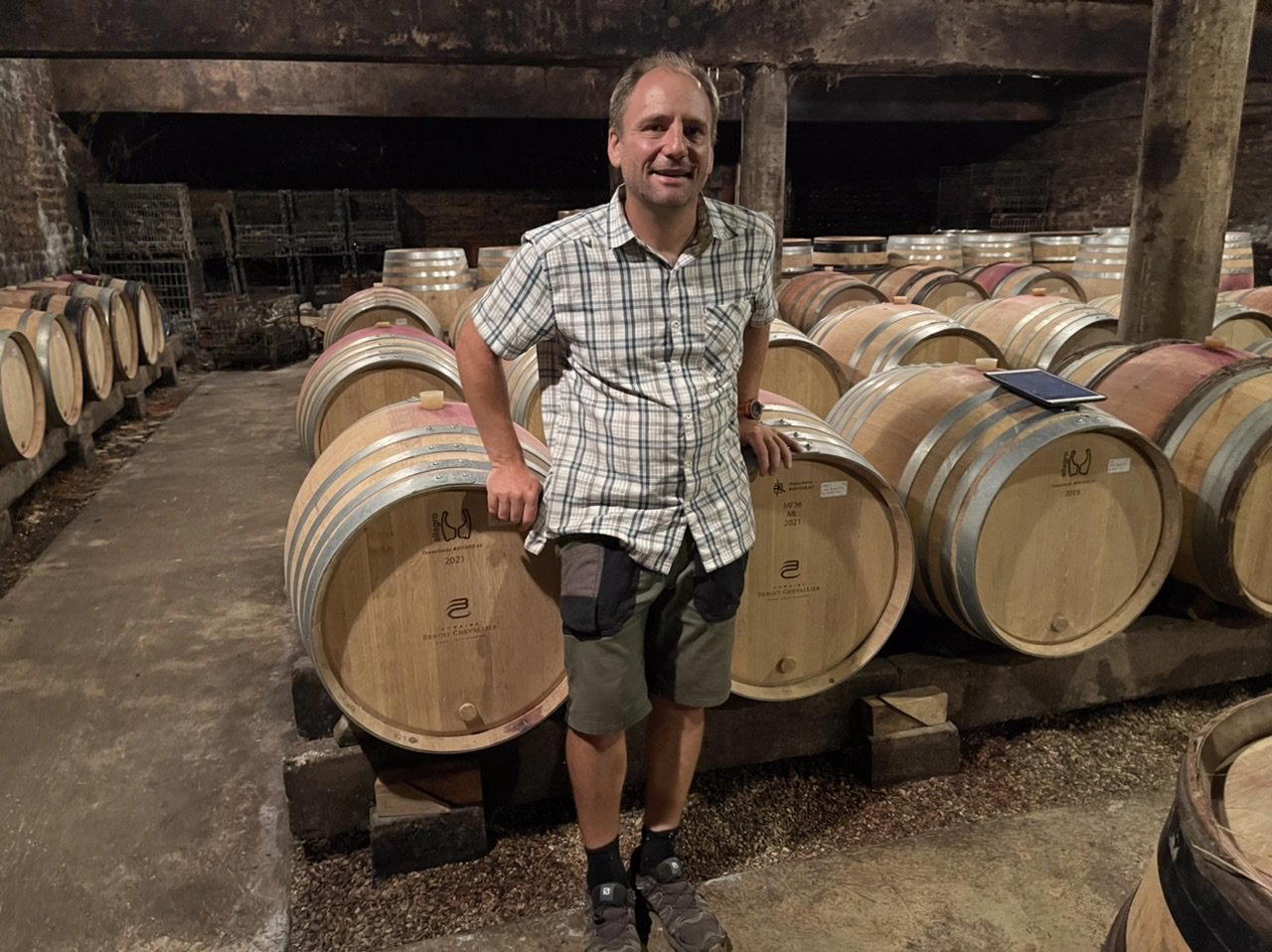
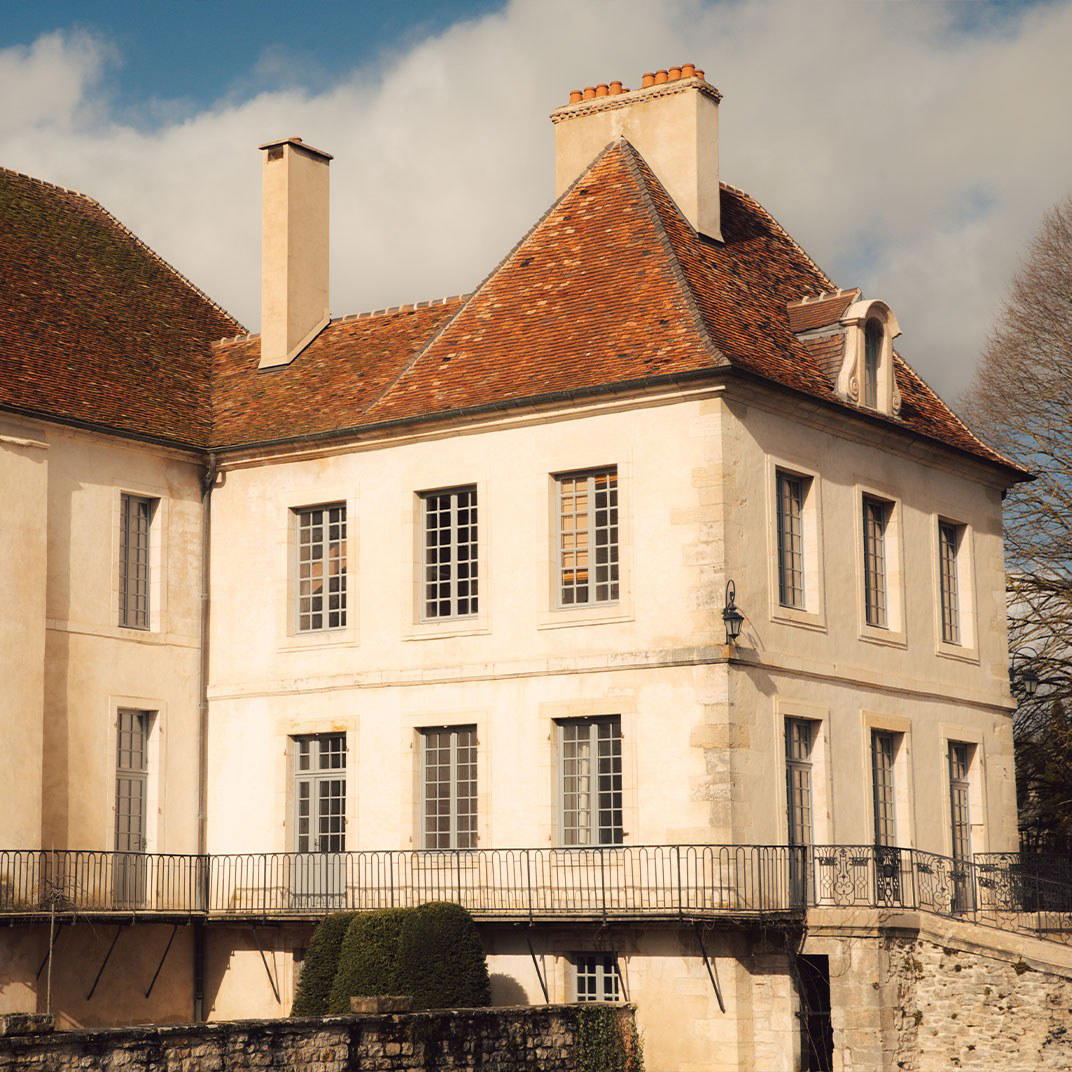
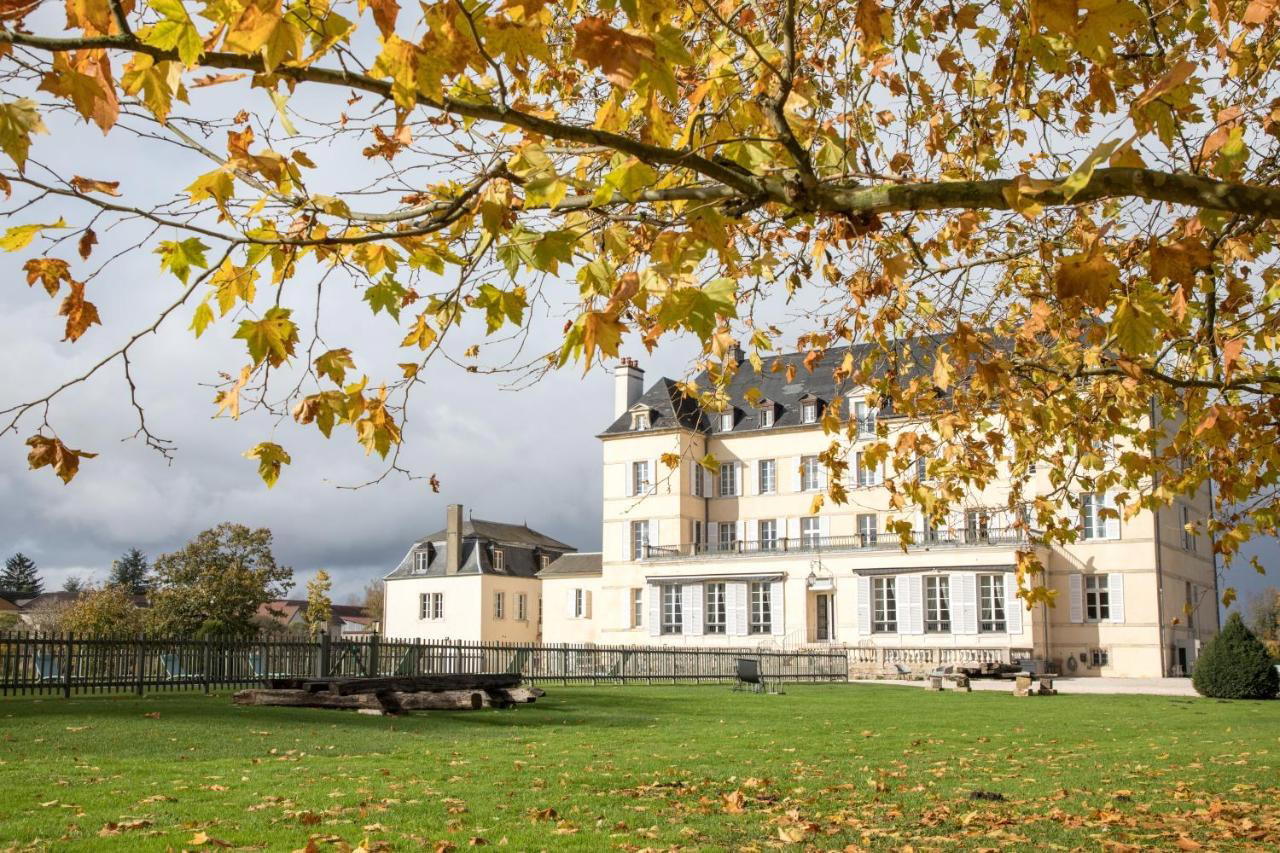
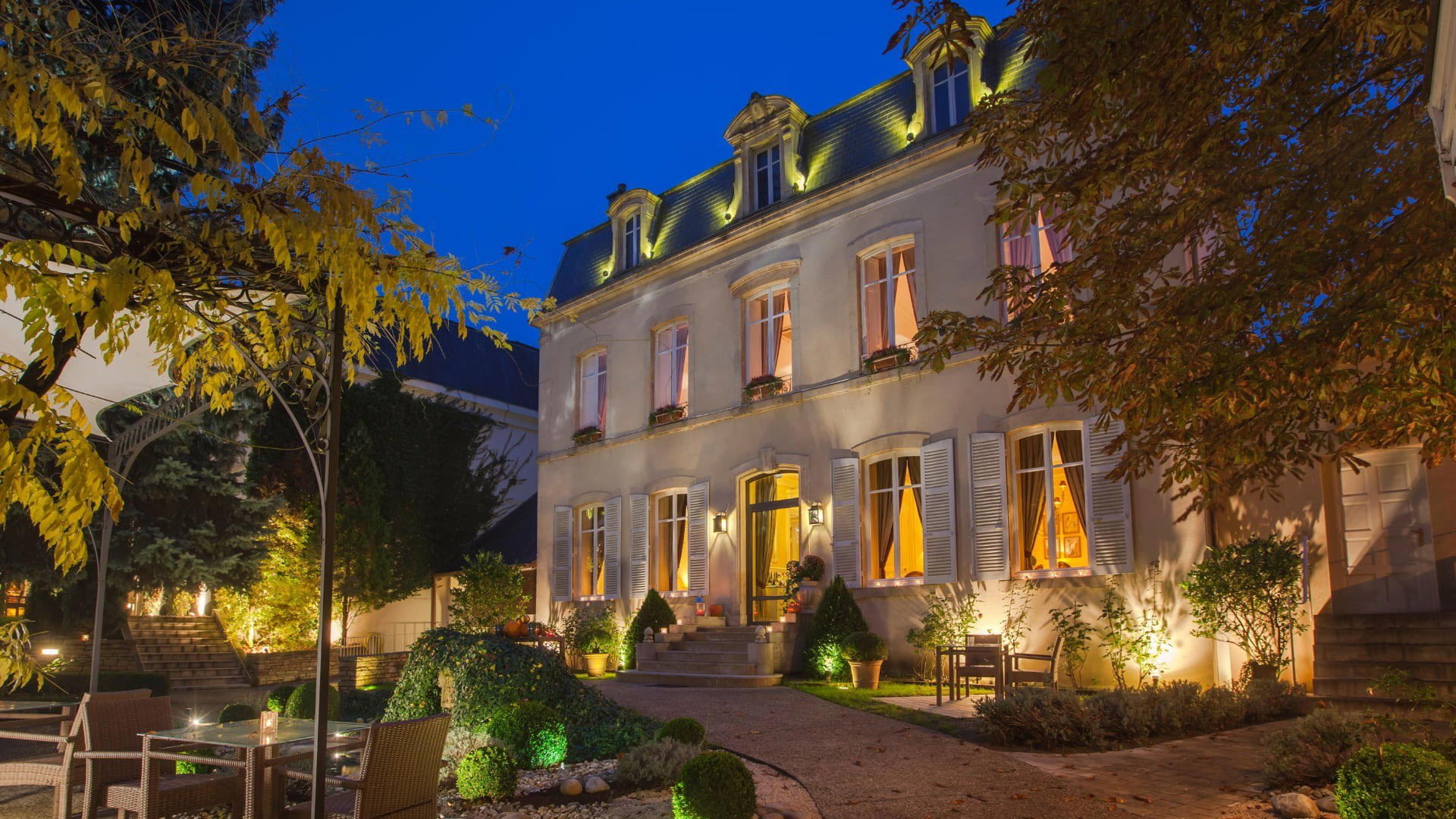
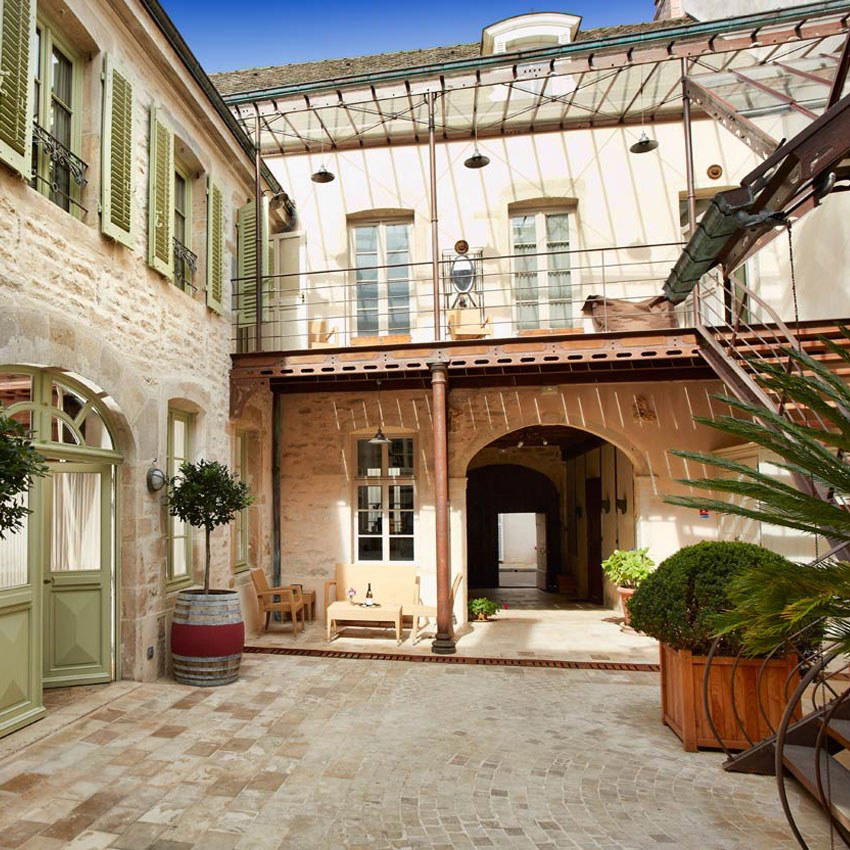
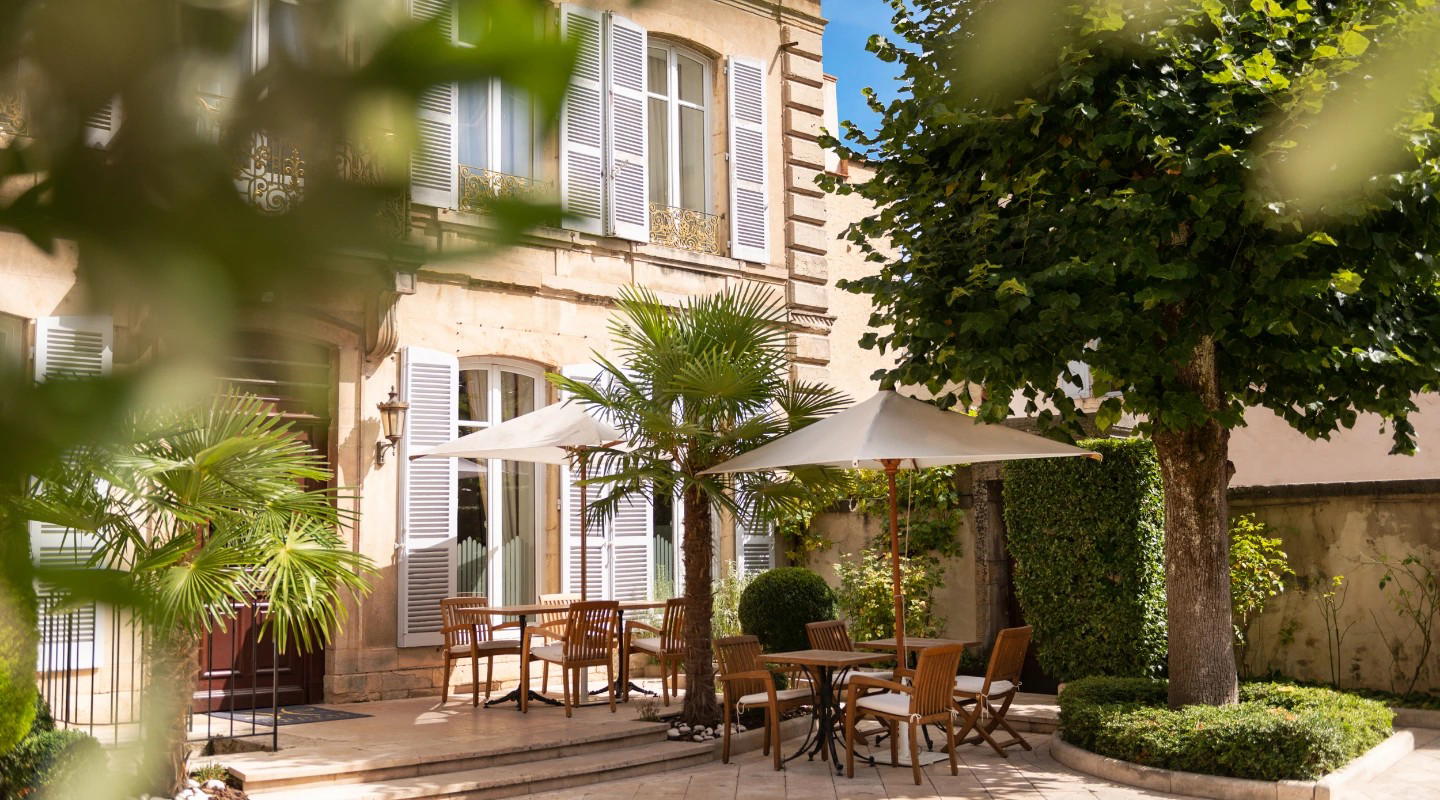
Vosne-Romanée does not need stagecraft. Benoit Chevallier fits the quieter side of the village: a small, hands-on Burgundy domaine where the winemaker personally welcomes guests at his workplace for direct tastings. The atmosphere is authentic, artisanal and quietly focused, with little sense of artifice. It is best understood as a classic, intimate wine-estate visit rather than a polished hospitality production, and that distinction matters. The value is not in theatrical presentation or a long list of promised extras, but in the directness of the encounter: a producer, a working setting and a tasting shaped by proximity to the place itself.
The picture is deliberately simple: Benoit Chevallier is a Burgundy wine estate in Vosne-Romanée with a $$$ price classification and Michelin Guide Burgundy Main Selection wine-estate distinction. Beyond that, the most reliable way to frame the visit is through its small-scale, direct character rather than through claims about vineyard holdings, specific wines, formats or services. In a village where reputations can invite exaggeration, the better approach is restraint: take the confirmed details seriously, and let the domaine’s modest, hands-on profile define expectations.
A small Burgundy domaine in a village built on nuance
Vosne-Romanée’s reputation rests on nuance, and Benoit Chevallier is presented here only through the details that can be stated with care: a small, hands-on domaine, a workplace setting and a winemaker who personally receives guests for direct tastings. That is enough to define the mood without overstating the estate’s production, holdings or cellar practices. The village context adds weight, but the visit itself should still be read on its own terms, as a focused encounter rather than a comprehensive explanation of Vosne-Romanée.
The appeal is the lack of artifice. Visitors should expect an intimate, focused Burgundy atmosphere rather than a highly staged experience. The tone is classic and artisanal, with the emphasis on meeting the producer in the context of his working environment. That setting gives the tasting a different kind of authority: less scripted, more immediate and more dependent on attention. It asks guests to listen closely, to observe the rhythms of a small domaine and to appreciate the understated nature of the exchange.
What can be said with confidence is that Benoit Chevallier belongs to the quieter, more personal side of Vosne-Romanée wine visiting. It is a stop for travelers who are comfortable with simplicity and who understand that, in Burgundy, intimacy can be more revealing than scale.
The visit rewards attention to the producer's setting
For visitors, the value here is not spectacle. It is the chance to experience a small Burgundy domaine in Vosne-Romanée in a direct, hands-on setting. The winemaker personally welcomes guests at his workplace, and the tasting atmosphere is described as direct, intimate and quietly focused. Those qualities should shape the visit from the start: arrive expecting a working producer’s environment, not a detached showroom designed around hospitality polish.
Benoit Chevallier also carries Michelin Guide Burgundy Main Selection wine-estate distinction. That recognition supports its place on a serious Vosne-Romanée itinerary, but it should not be inflated into claims about scores, rankings, specific bottlings or a broader hospitality program. It is best treated as a useful marker of attention from a respected guide, while the actual character of the stop remains rooted in its small-scale, personal format.
A $$$ classification is listed for the venue. Travelers should treat the experience as a focused wine-estate visit rather than assume additional services such as food pairings, dining, outdoor seating, take-out, delivery or a resort-style tour format unless those details are confirmed directly with the domaine. The classification helps frame expectations, but it does not replace practical confirmation. In this context, clarity is part of good planning: the simpler the stated offer, the more important it is to avoid adding assumptions around it.
How to place it within a Vosne-Romanée itinerary
Vosne-Romanée rewards planning with restraint. Benoit Chevallier is best placed as a focused wine-estate stop: small, intimate and centered on the producer’s working environment. Build the rest of the day around confirmed appointments, transport and any other dining or lodging plans in Vosne-Romanée. This is not the sort of venue to overload with unrealistic expectations; it fits most naturally into an itinerary that leaves space for conversation, punctuality and the slower pace that a direct domaine visit can require.
For comparison, keep the focus local and practical: Benoit Chevallier offers a hands-on, quietly artisanal view of Burgundy in Vosne-Romanée. The most useful comparison is therefore not a ranked list of alternatives, but a question of style. If the goal is an intimate encounter with a small Burgundy domaine, this address belongs firmly within that understated, producer-led category.
Recognition history
Dated appearances from independent guides and award organizations, with the underlying list record or original source where available.
Michelin Main Selection
Michelin · 2026 Michelin Grape Main Selection - Burgundy
Continue exploring
More in Vosne-Romanée
Wineries in Vosne-Romanée
Browse all →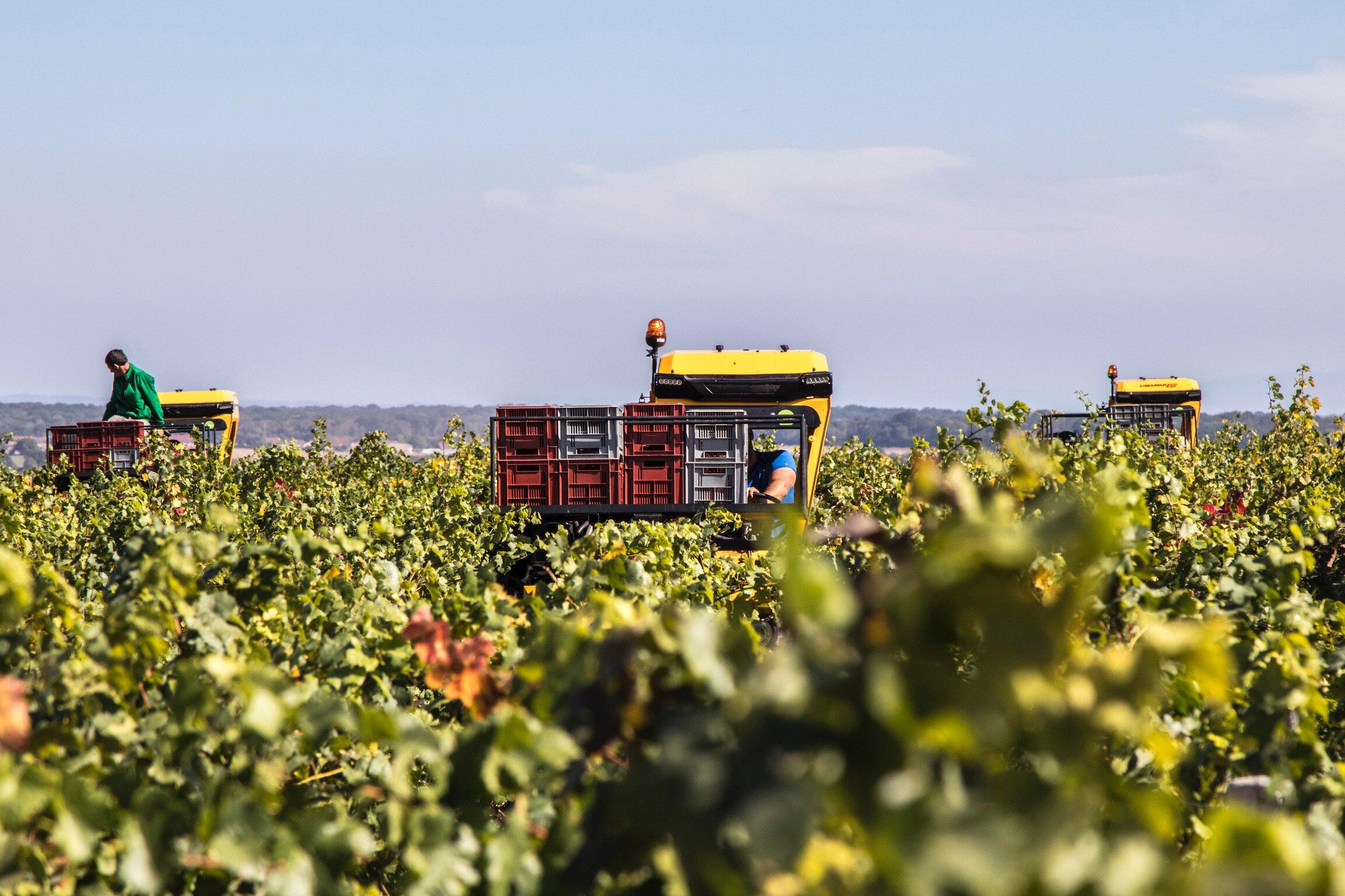
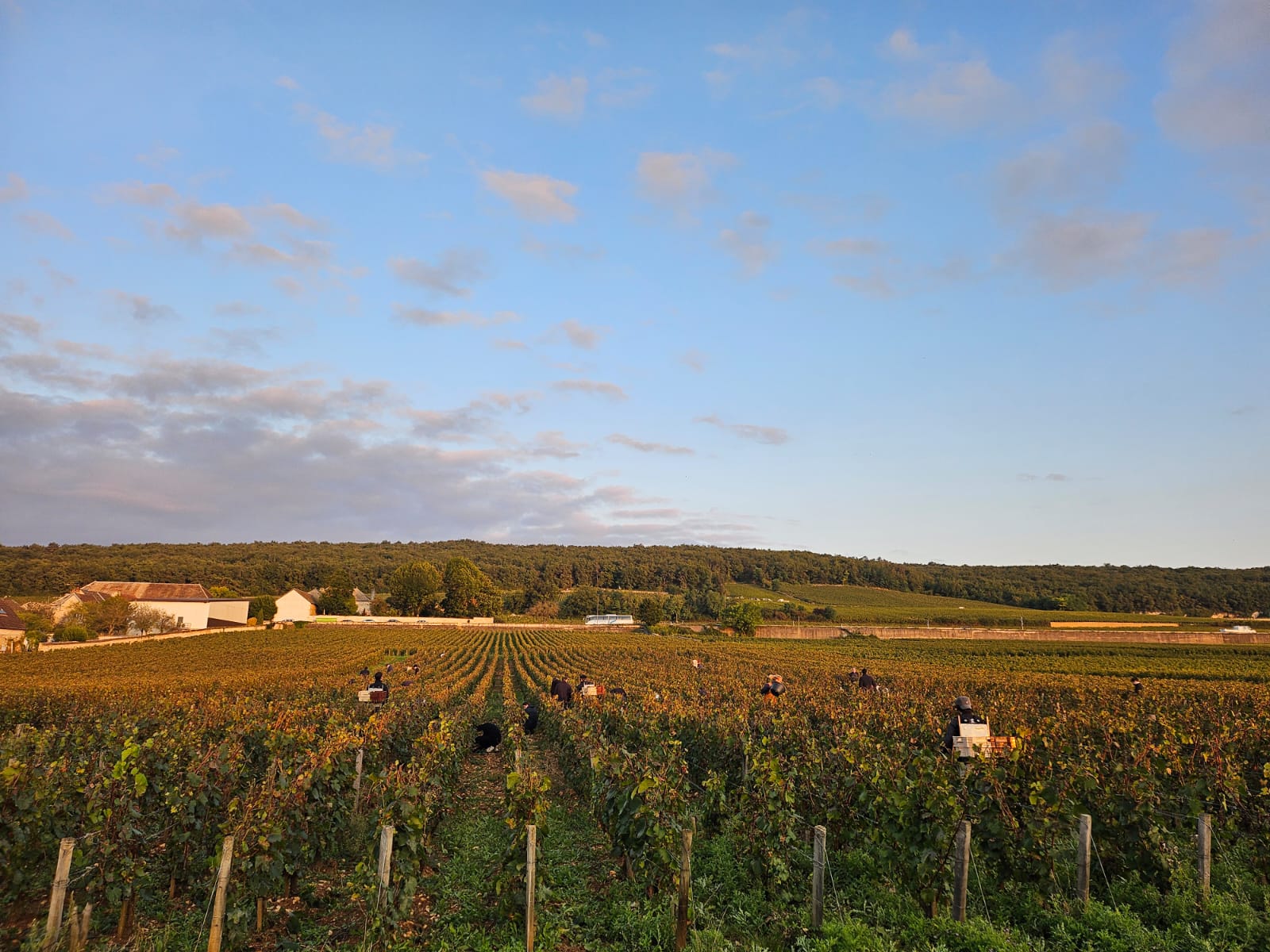
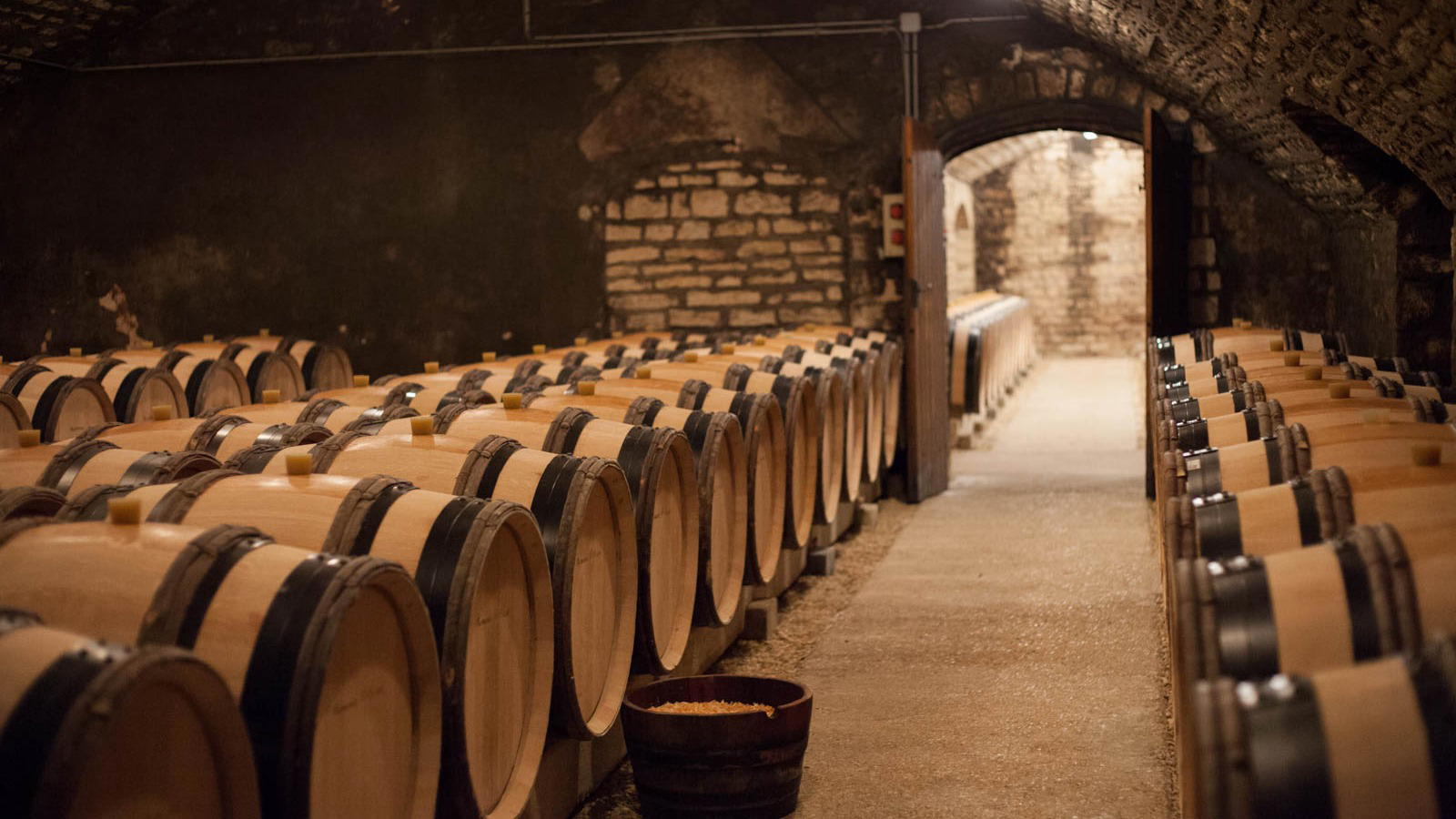
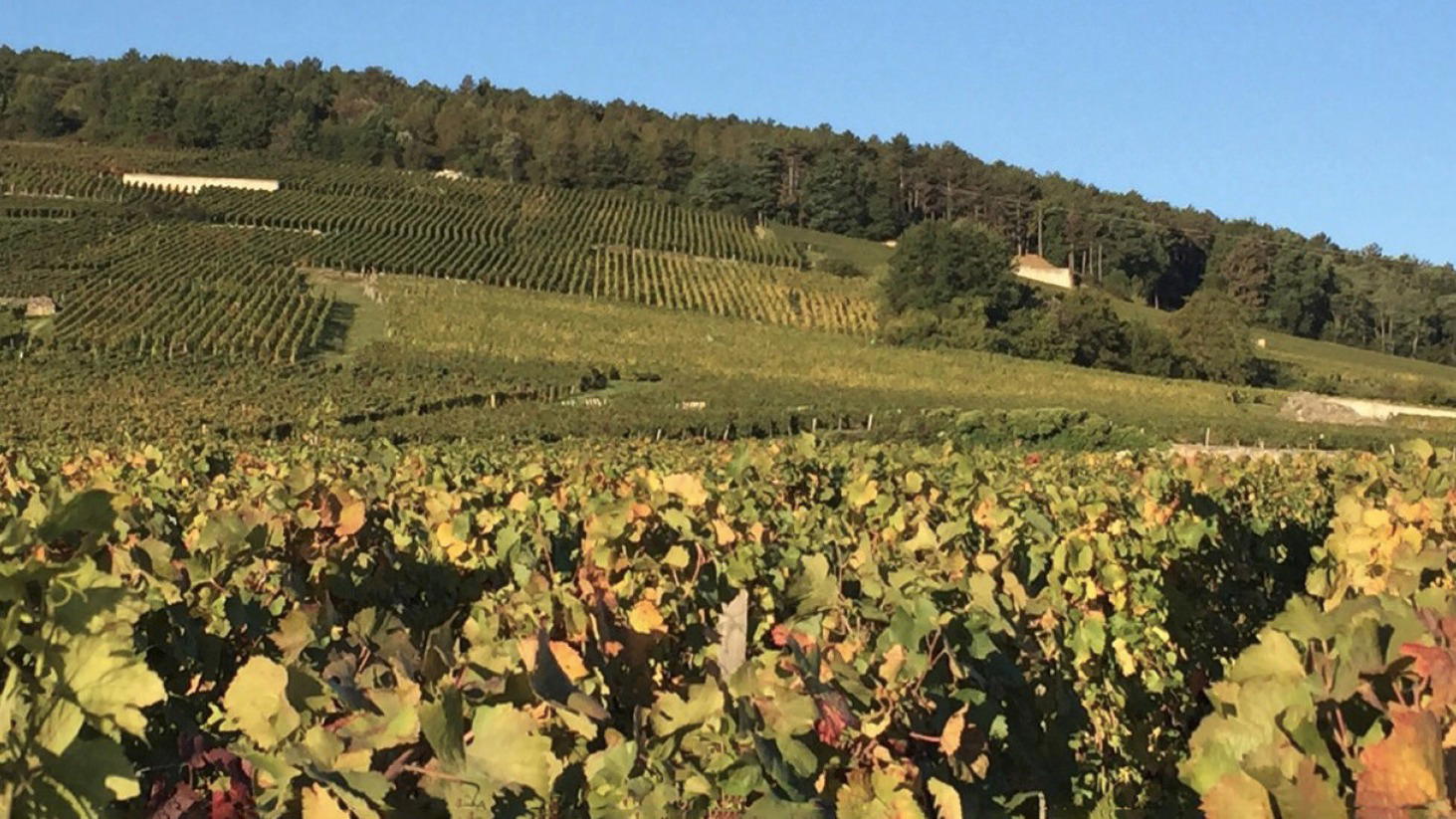
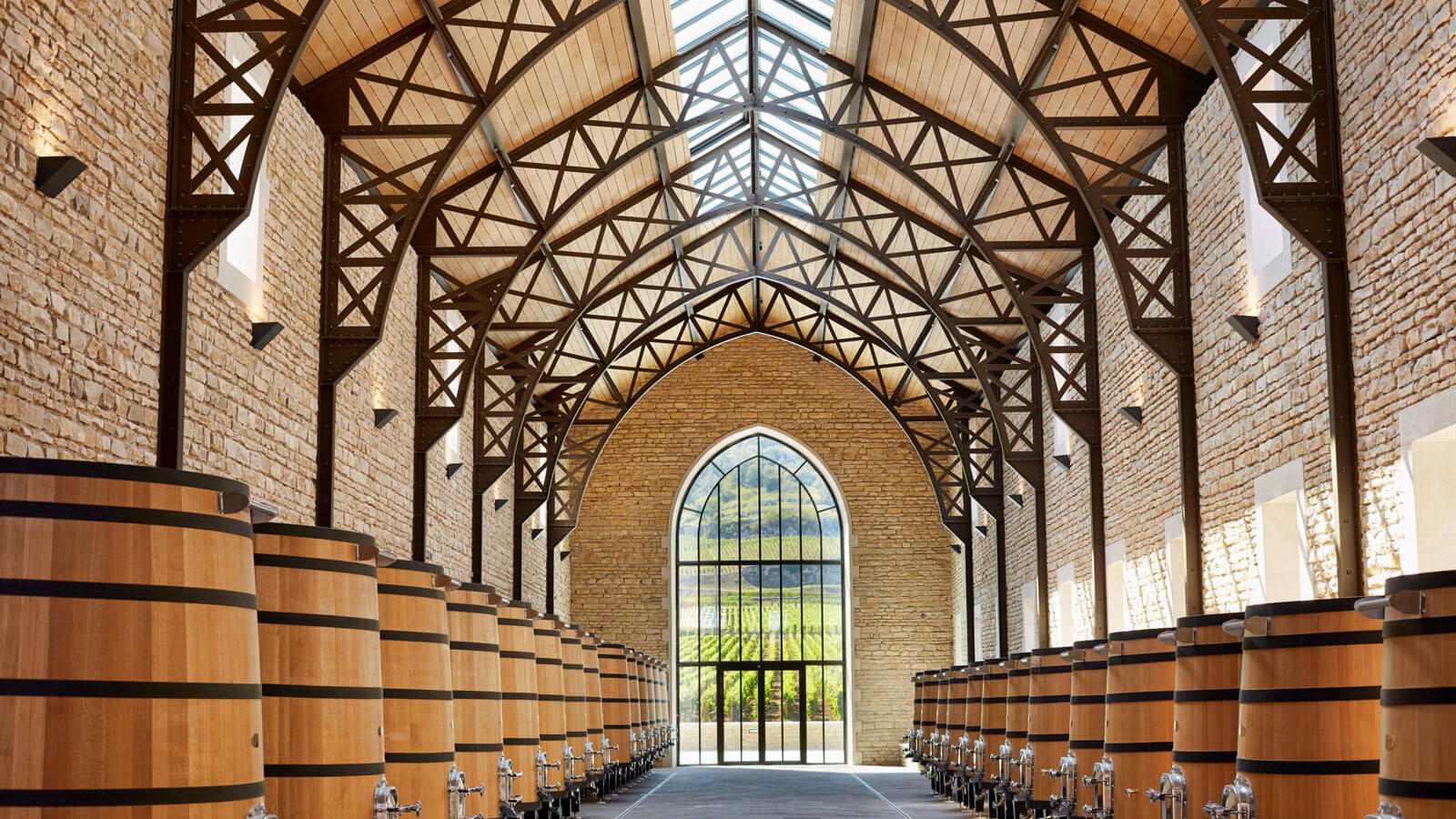
Bars in Vosne-Romanée
Browse all →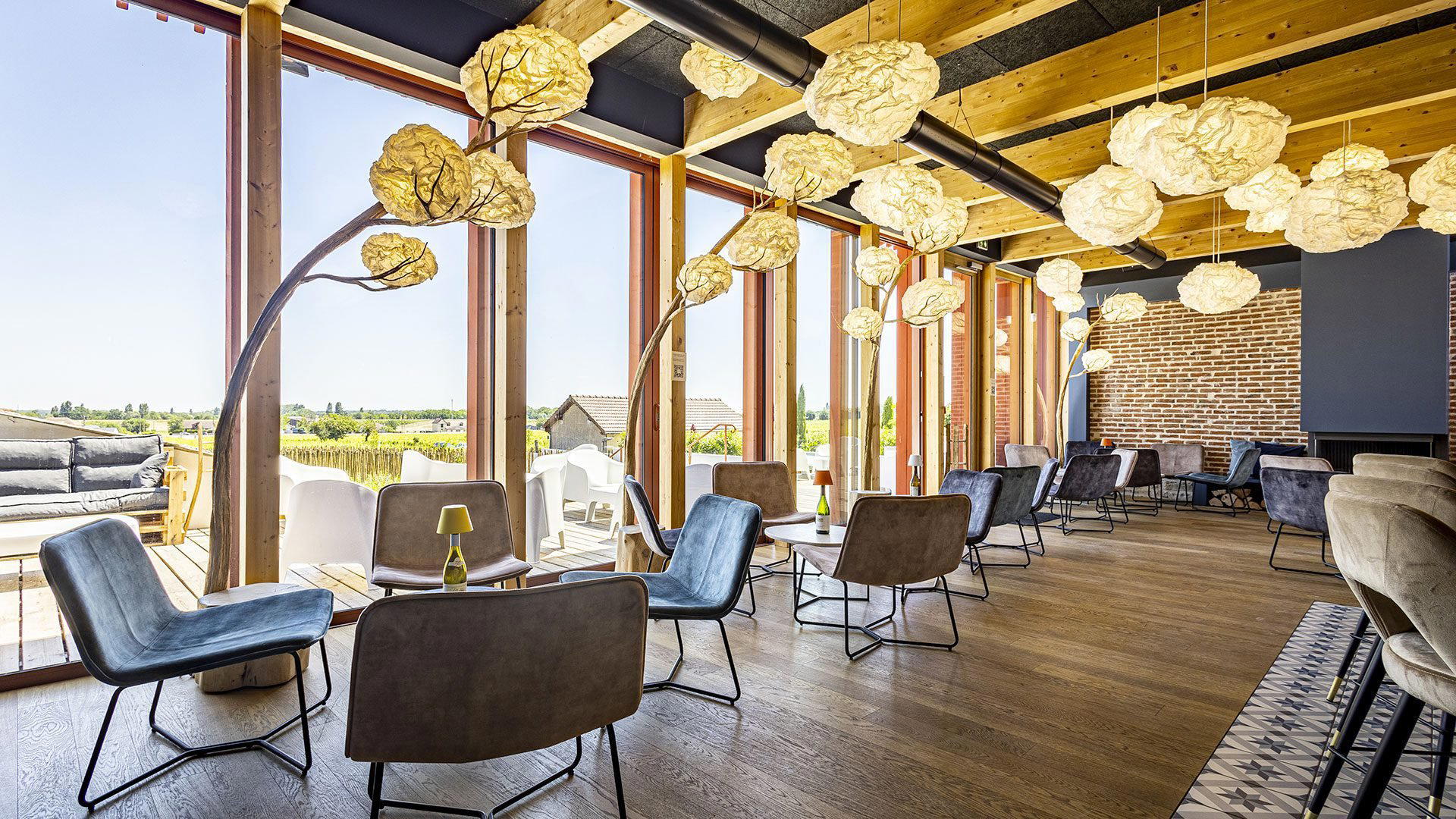
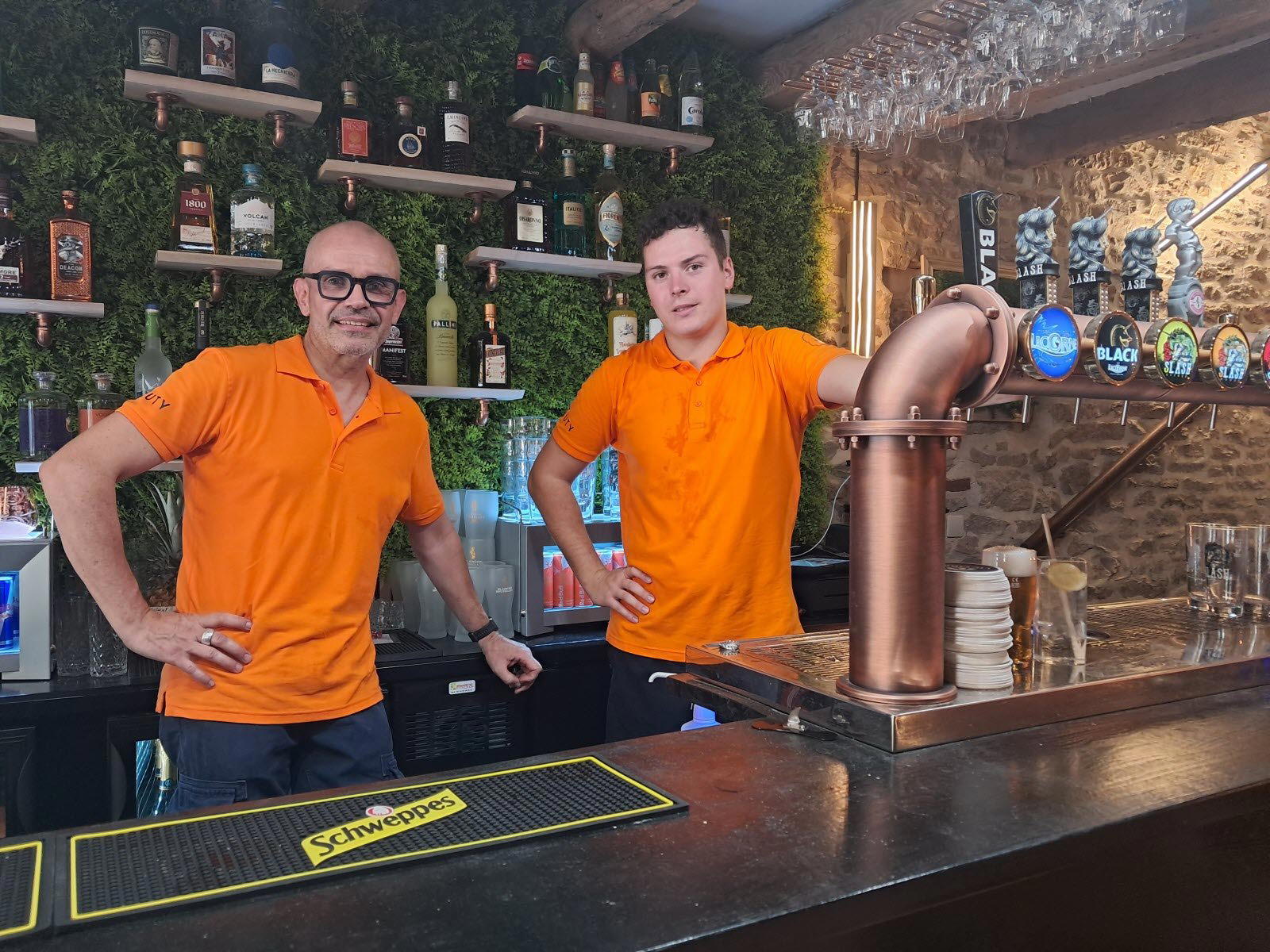
Restaurants in Vosne-Romanée
Browse all →
Details
- Classic
- Intimate
- Rustic
- Elegant
- Romantic Getaway
- Wine Education
- Special Occasion
- Solo Exploration
- Group Outing
- Estate Grounds
- Private Tasting
- Vineyard Tour
- Organic
- Sustainable
- Vineyard
- Pinot Noir
- Still Red
- Standard Tasting
- Private Tasting
- Winemaker Led
- French
- English
A small, hands-on Burgundy domaine where the winemaker personally welcomes guests at his workplace for direct tastings, reflecting an authentic, artisanal and quietly focused atmosphere without artifice.