

Michelin Main Selection · Falstaff Winery - Listed
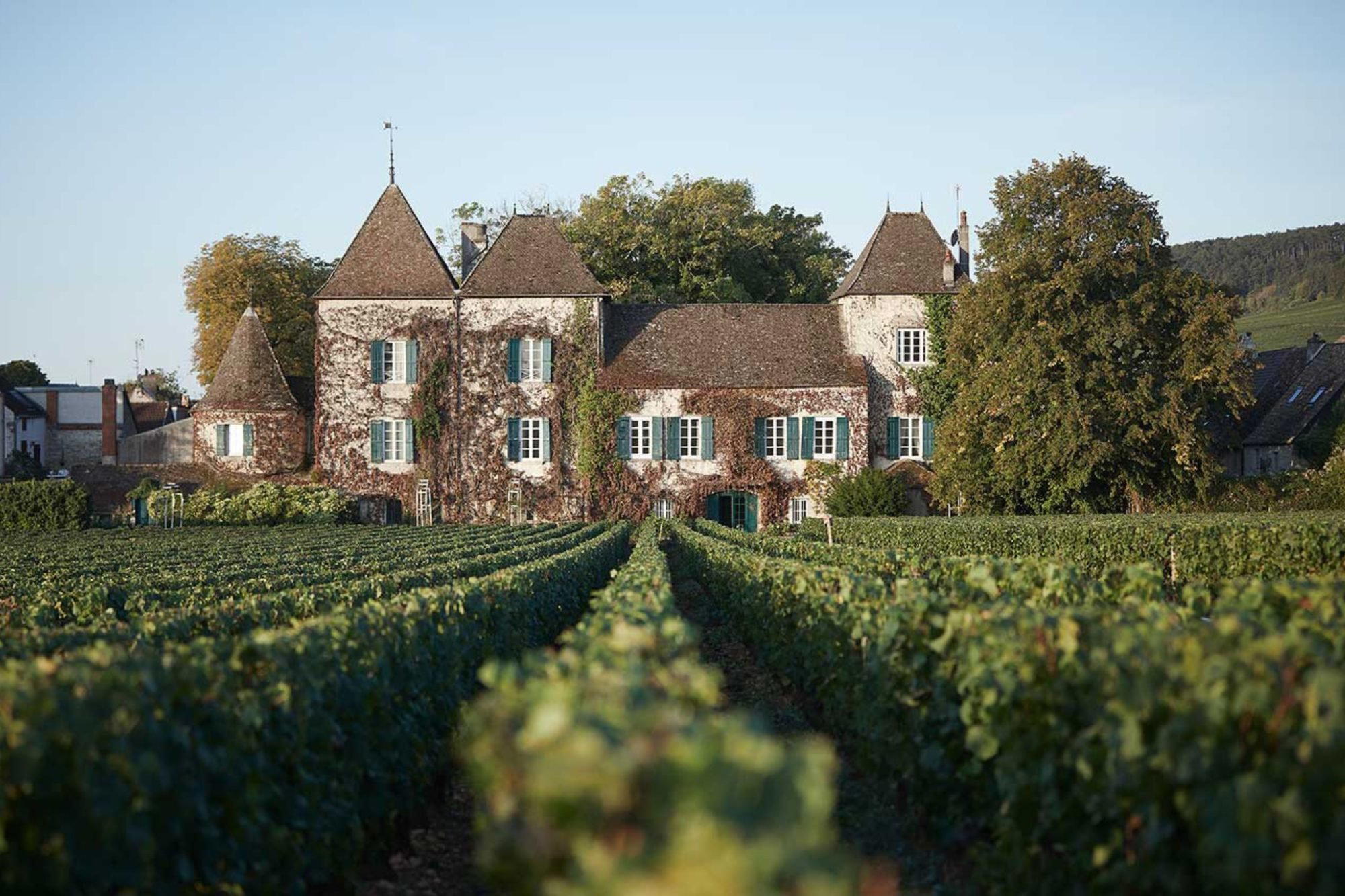
Domaine Buisson-Charles belongs to the quieter, cellar-led side of Meursault: small-scale, organic, and focused on Chardonnay and Pinot Noir shaped by Côte de Beaune limestone and marl. Its Michelin Guide Burgundy wine-estate distinction and appointment-only private tasting format place it in the serious end of the village’s domaine culture rather than casual cellar-door tourism.

Pearl is the En Primeur Club membership app — saves, bookings, and concierge access live there. Same editors, same standards.
- Address
- Meursault, Bourgogne-Franche-Comté, Frankreich
- Directions
- Get directions
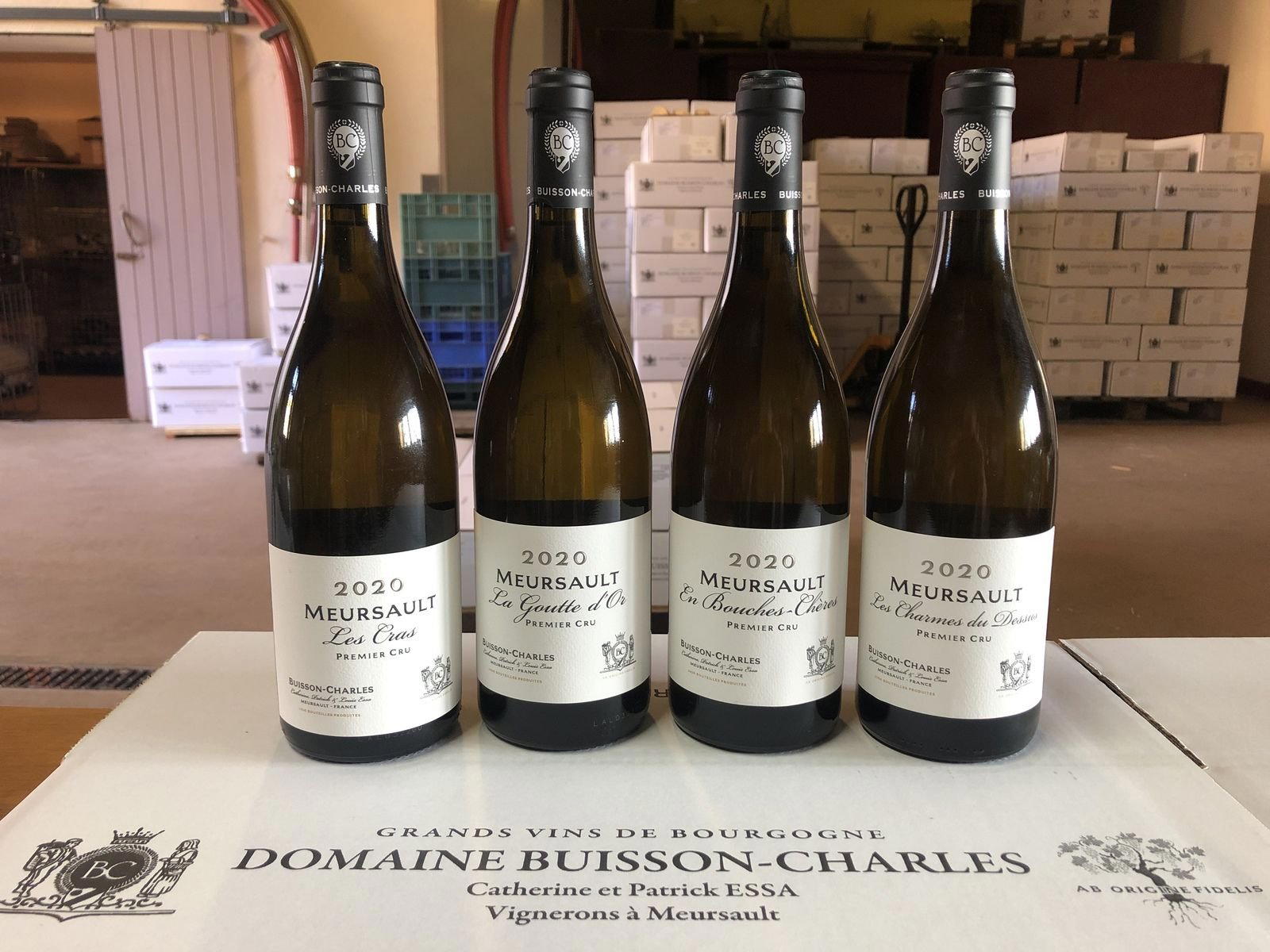
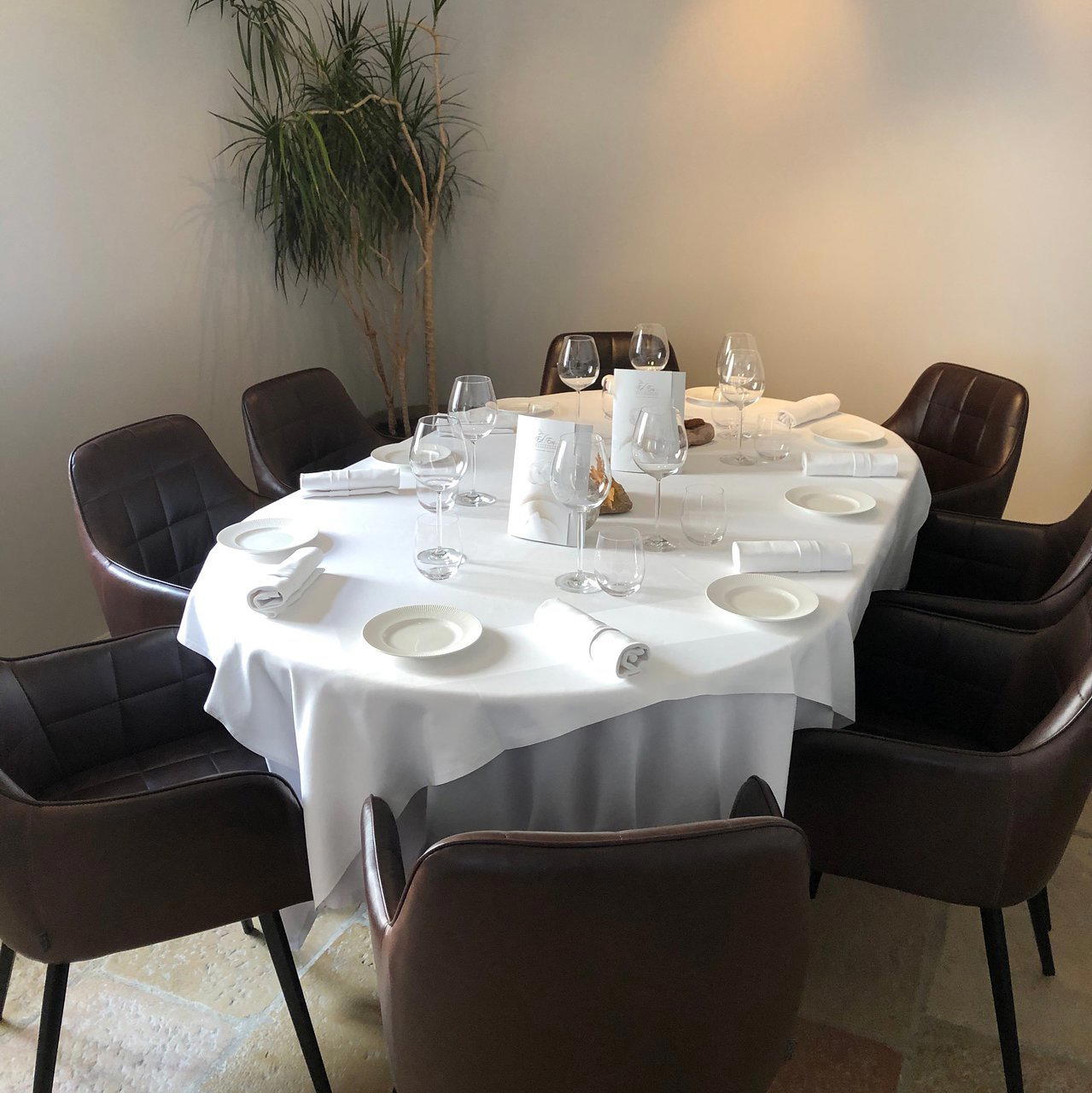
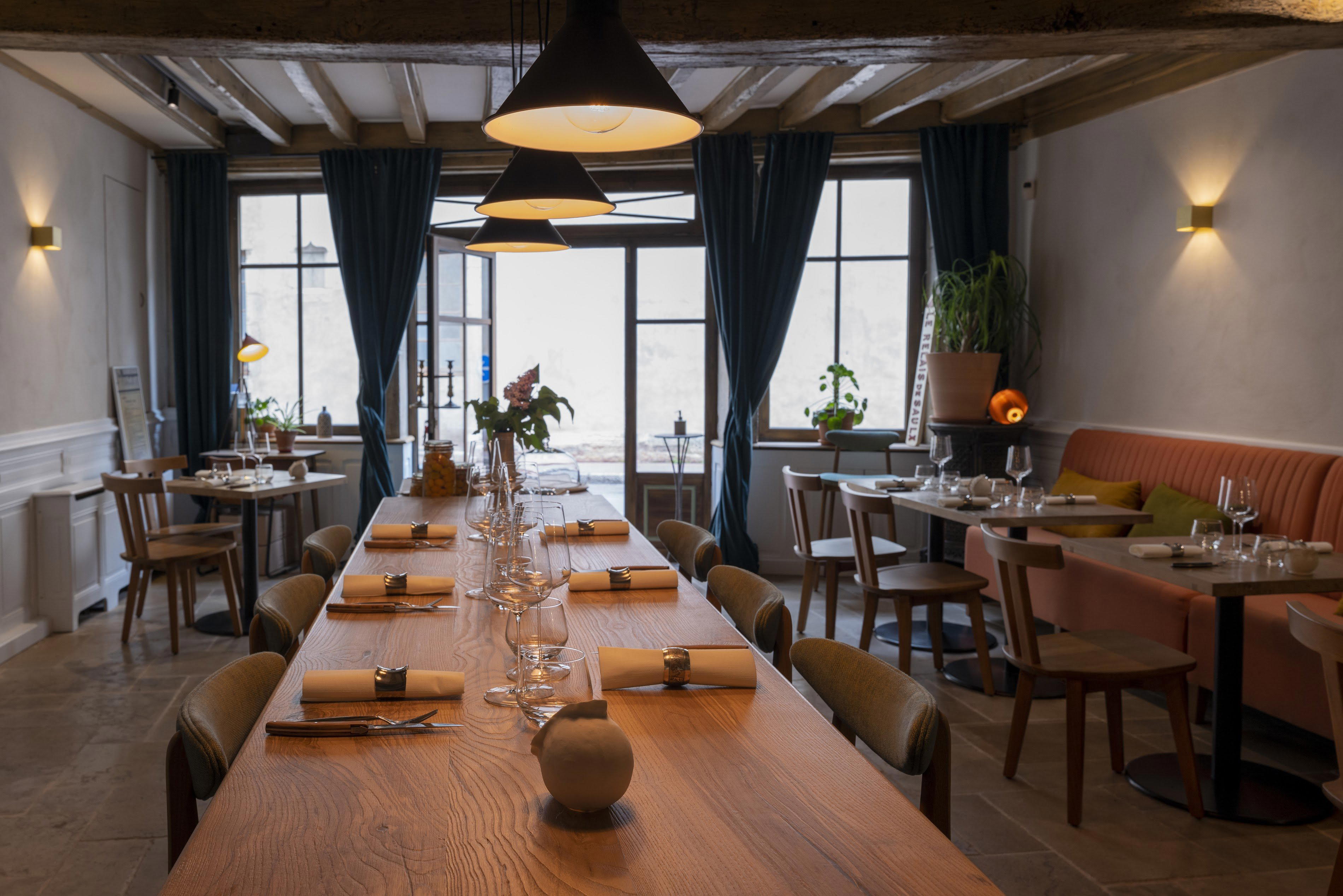
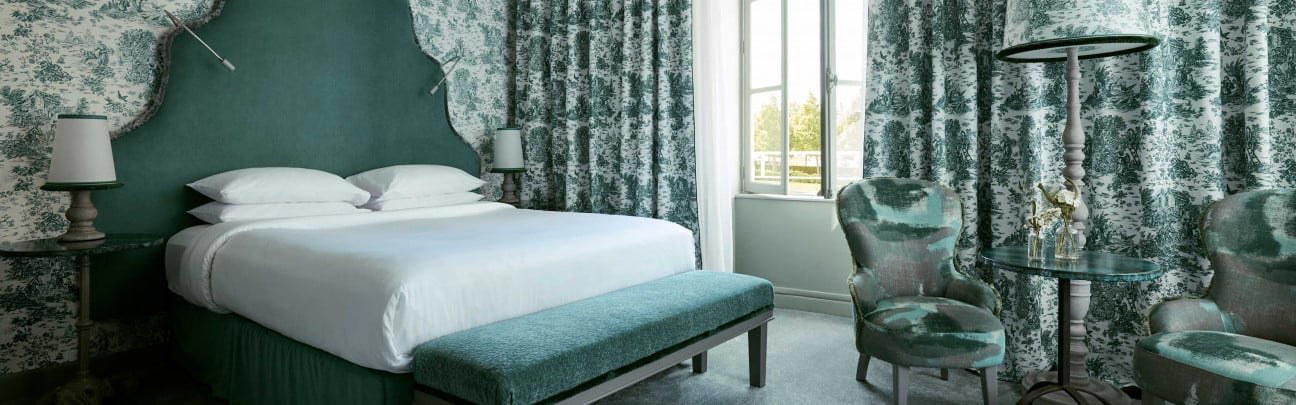
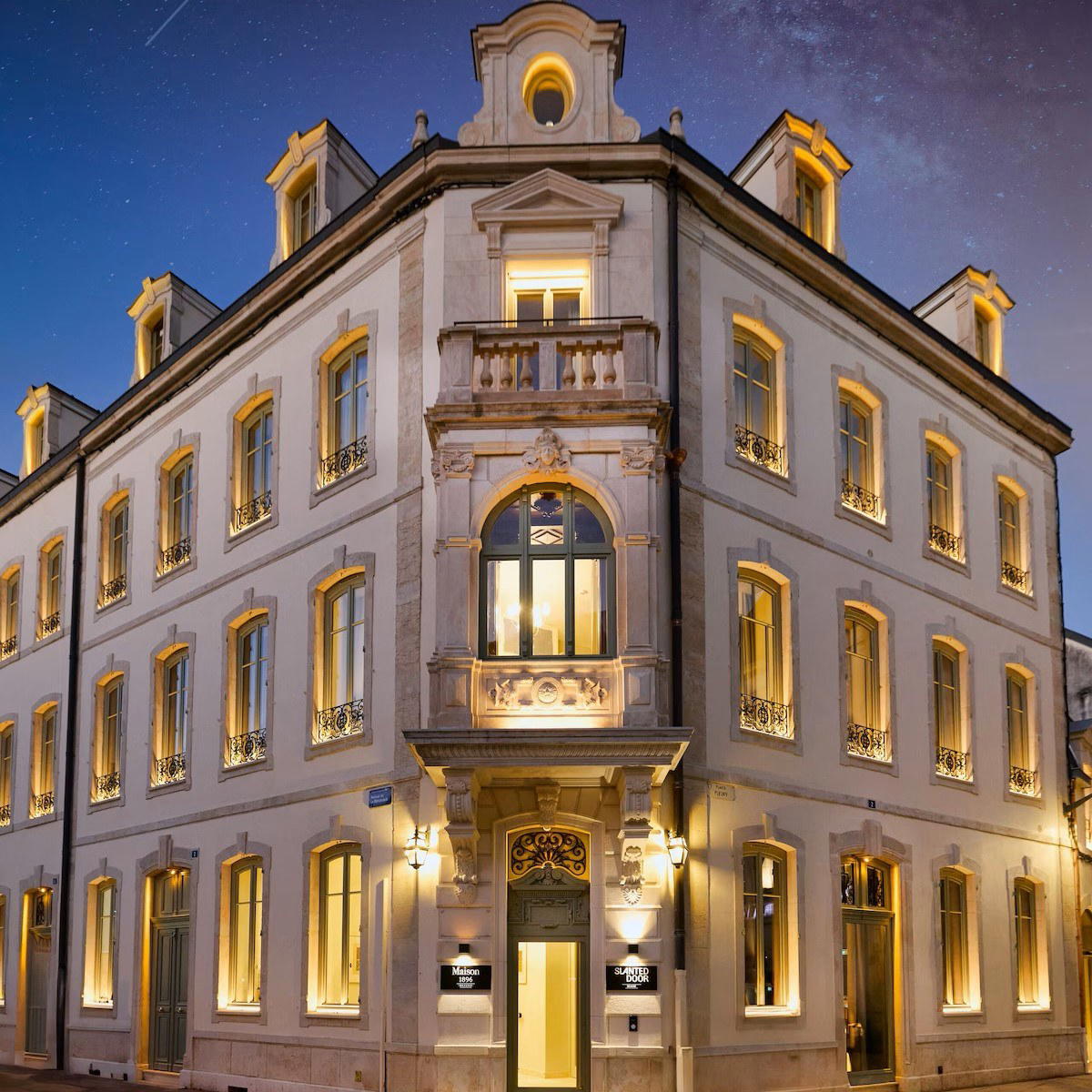
Meursault’s serious domaines rarely announce themselves with spectacle. The register is lower: cellar air, village calm, and a classic Burgundy sense of restraint. Domaine Buisson-Charles fits that grammar. The atmosphere is traditional, quiet, intimate and sophisticated, with a cellar-driven feel rather than a flashy hospitality style. For EP Club readers, the useful lens is simple: this is a Meursault estate best approached as a focused, hidden-gem address where precision and purity matter more than display.
Because the public details are limited, the page should not overstate specifics about vineyard holdings, production methods, grape varieties, visit formats or services. What can be said with confidence is that Domaine Buisson-Charles is in Meursault, carries a $$$ price indication, and has a Michelin Guide Burgundy Main Selection wine-estate distinction. The appeal rests on a classic, cellar-led Meursault atmosphere rather than on invented claims about menus, tours or technical winemaking details.
Meursault through a classic, cellar-driven lens
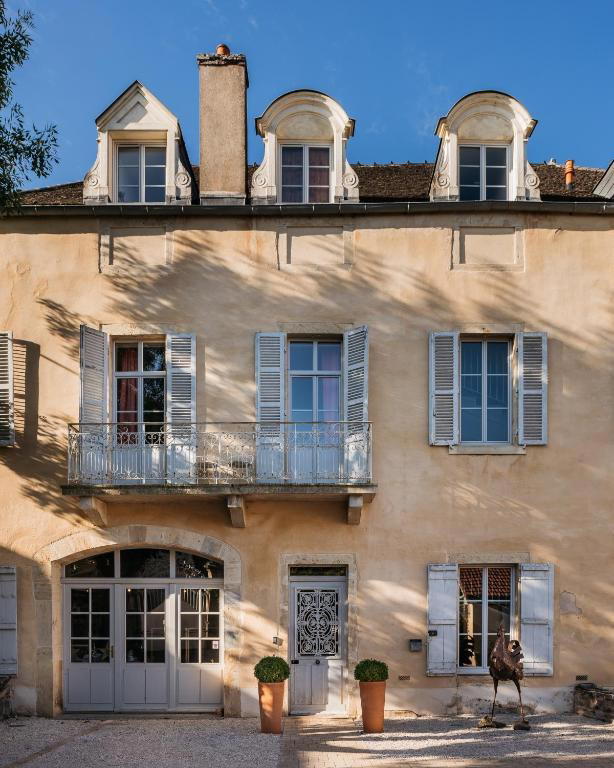
Domaine Buisson-Charles is best framed as a Meursault wine estate with a traditional and restrained identity. The confirmed character is not theatrical or luxury-branded; it is quieter, more intimate and more rooted in the village’s cellar culture. That makes it a strong fit for visitors who prefer a focused Burgundy setting over a more showy venue experience.
The estate’s positioning emphasizes precision, purity and a classic rather than flashy style. Those words matter because they set expectations without inventing unsupported specifics. EP Club does not verify details here about vineyard size, individual parcels, grape varieties, farming certifications, cellar techniques, bottlings or tasting formats, so those claims should be checked directly with the domaine before planning around them.
The $$$ price marker suggests a premium Burgundy context, but not a specific tariff or tasting fee. Treat it as a general price signal rather than a promise about what a visit, bottle or experience will cost. Burgundy pricing can vary significantly by vintage, availability and format, so the most reliable approach is to confirm current details through the venue’s own channels.
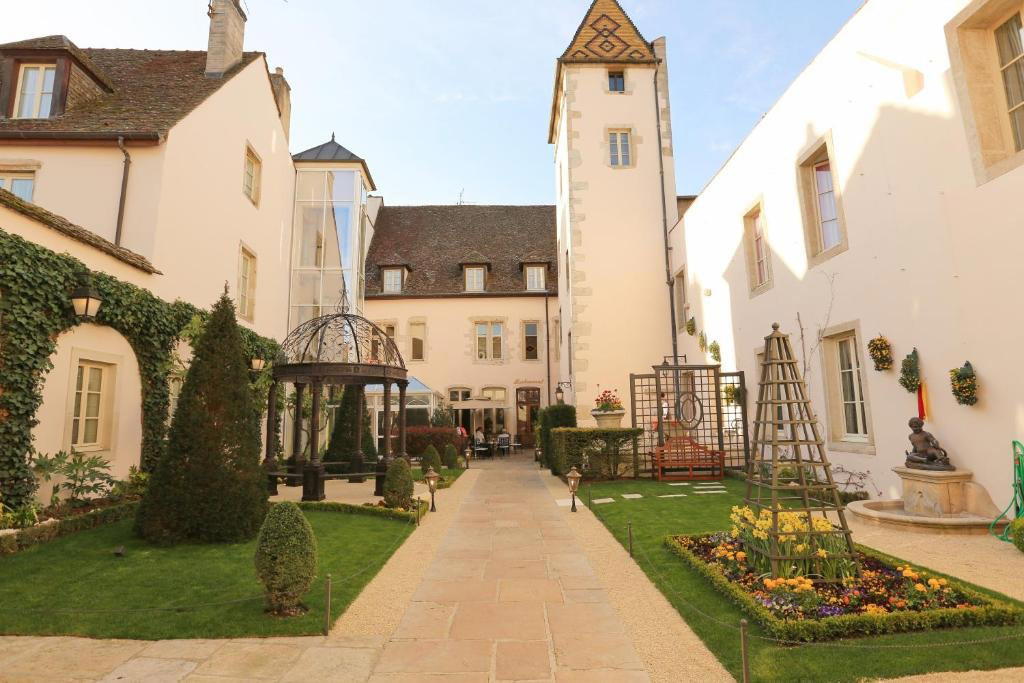
What remains clear is the atmosphere: classic, quiet, intimate, sophisticated and slightly hidden-gem in feel. Domaine Buisson-Charles is not presented here as a broad hospitality complex or casual drop-in stop. It is better understood as a serious Meursault estate whose identity is built around restraint and cellar-driven focus.
A Meursault estate with confirmed guide recognition
Domaine Buisson-Charles has a Michelin Guide Burgundy Main Selection wine-estate distinction.
For a premium venue guide, that distinction helps place the estate in a serious Burgundy context while still keeping the description honest. The stronger editorial point is the combination of Meursault location, $$$ positioning and a traditional estate atmosphere. Together, those facts make Domaine Buisson-Charles relevant for readers seeking a quieter, cellar-led Burgundy experience.
EP Club does not verify here any founding date, ownership history, production scale, vineyard list, grape breakdown, winemaking method, tasting availability, opening hours, phone number, dietary information, take-out, delivery or lunch service. Visitors should confirm operational details directly before making plans.
How to place it within a Meursault itinerary
Meursault rewards a slower wine itinerary because its appeal is often subtle rather than spectacular. Domaine Buisson-Charles suits that rhythm as a quiet and sophisticated estate stop, especially for travelers who value a classic Burgundy atmosphere and a more intimate sense of place.
When planning around Domaine Buisson-Charles, compare it with other dining, hotel, bar, winery and experience options in Meursault generically rather than assuming specific services at the estate.
Against the broader field of Meursault, Domaine Buisson-Charles reads as a precise and restrained proposition: a $$$ wine estate with a Michelin Guide Burgundy Main Selection distinction, a traditional cellar-driven atmosphere, and a classic style that favors quiet confidence over display.
Recognition history
Dated appearances from independent guides and award organizations, with the underlying list record or original source where available.
Michelin Main Selection
Michelin · 2026 Michelin Grape Main Selection - Burgundy
Falstaff Winery - Listed
Falstaff
Continue exploring
More in Meursault
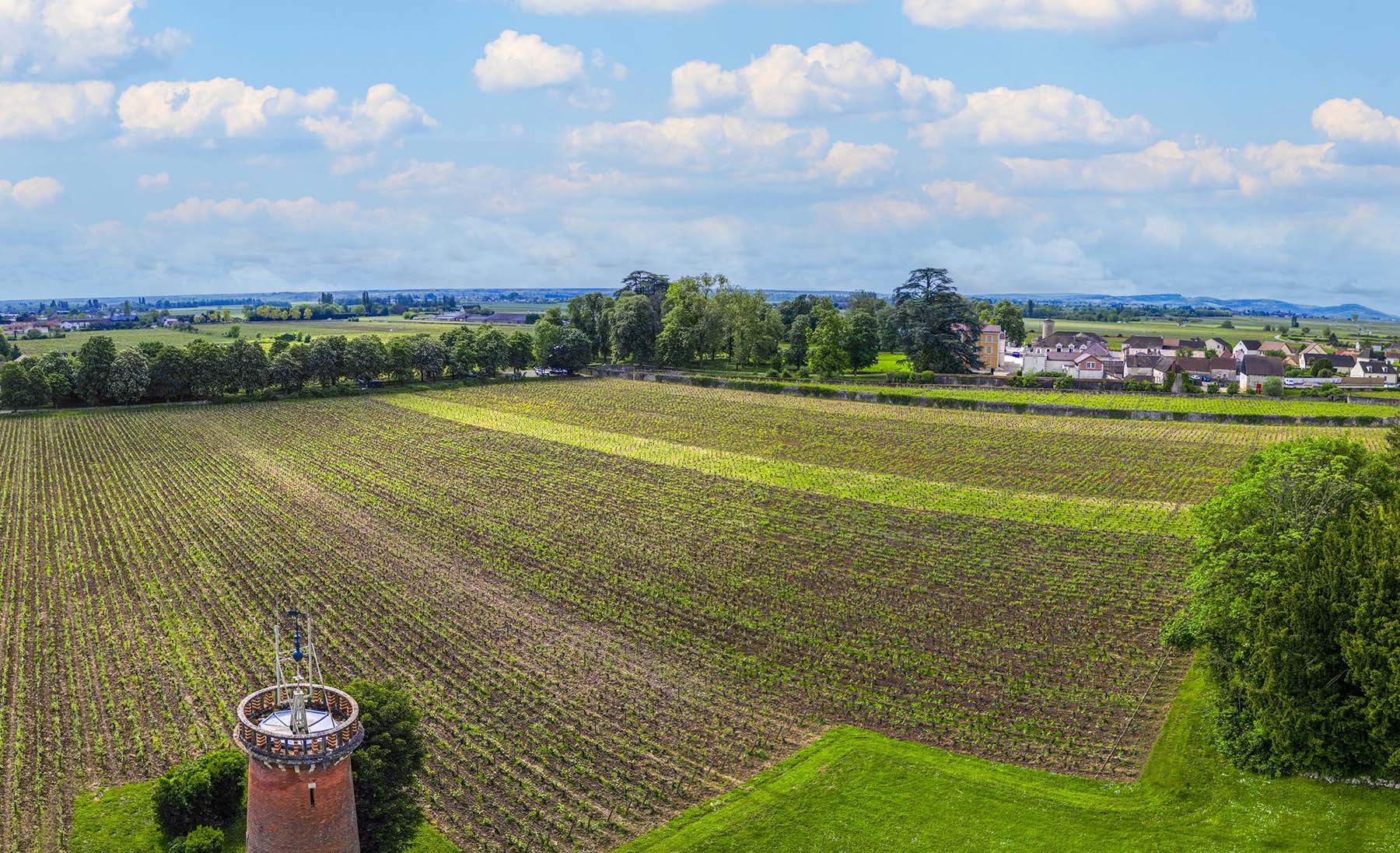
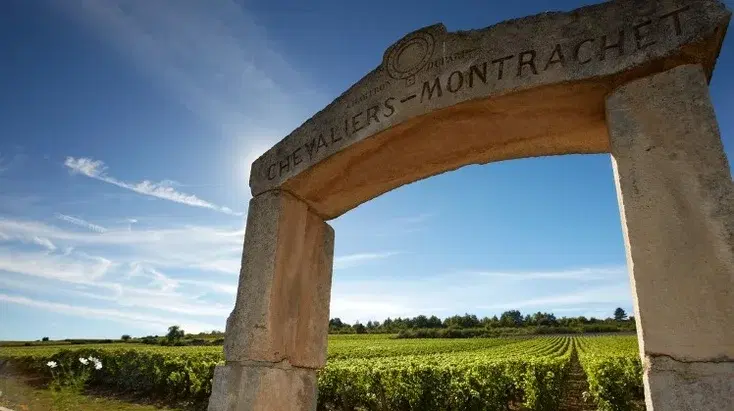
Wineries in Meursault
Browse all →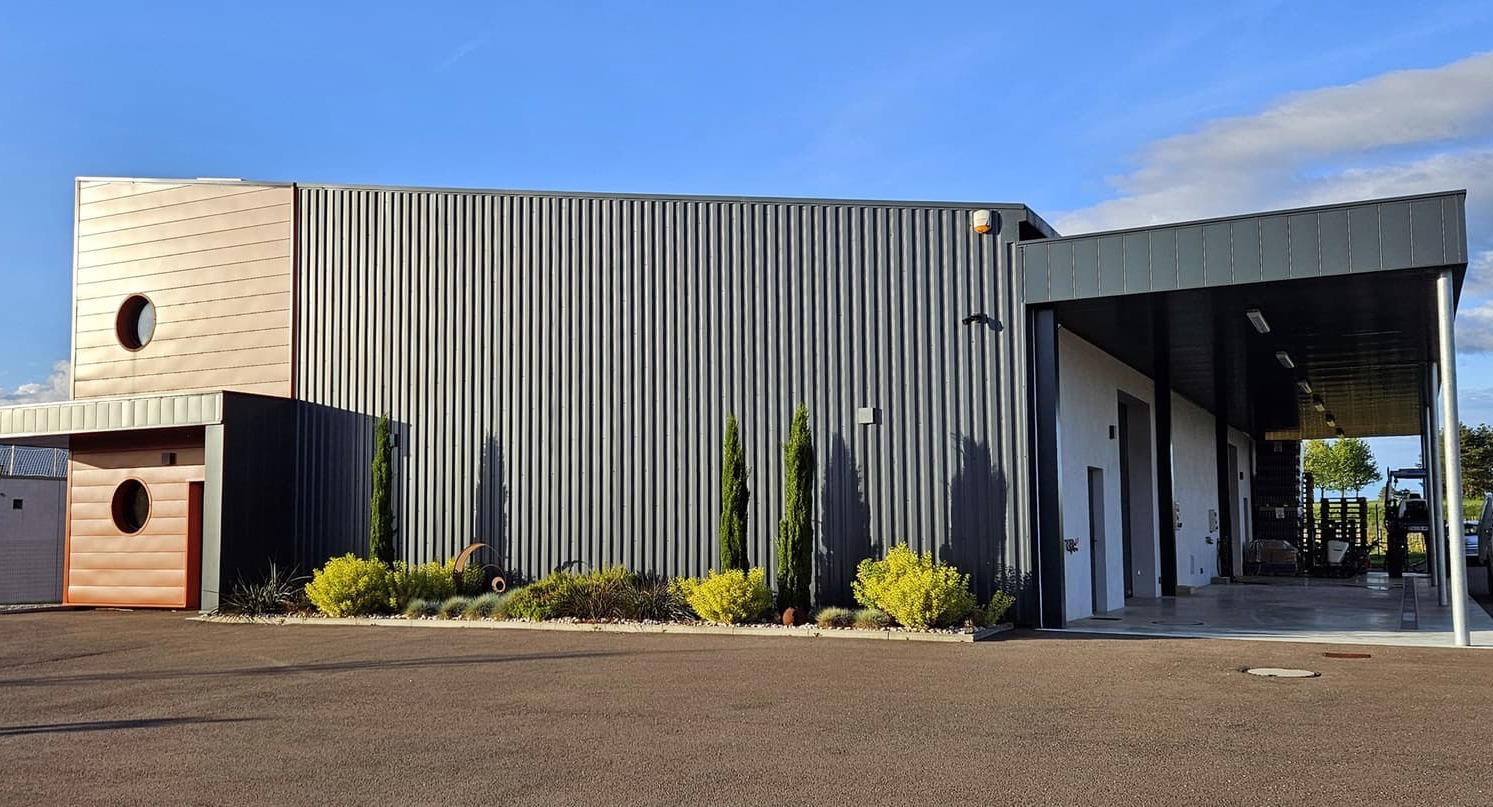
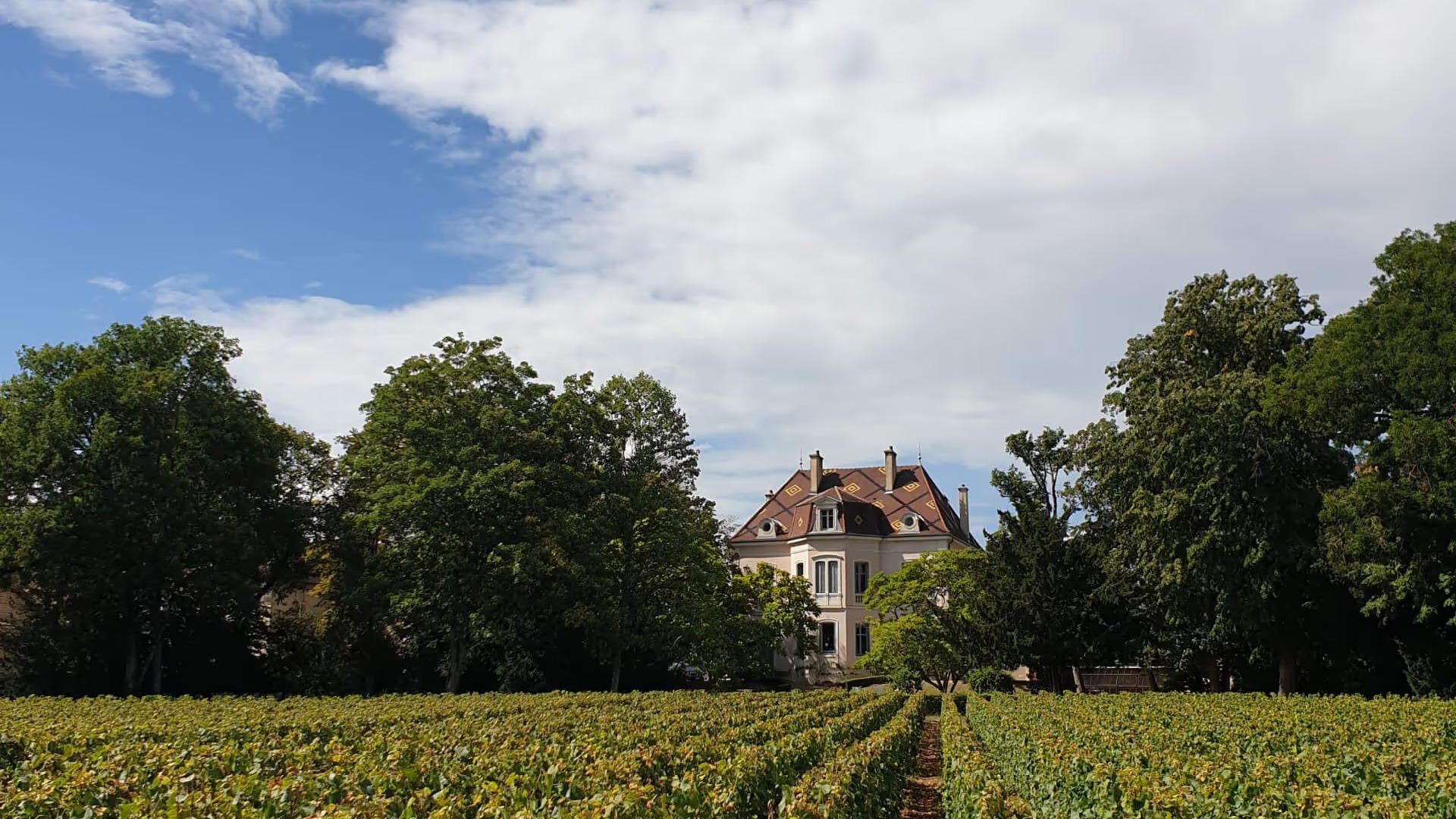
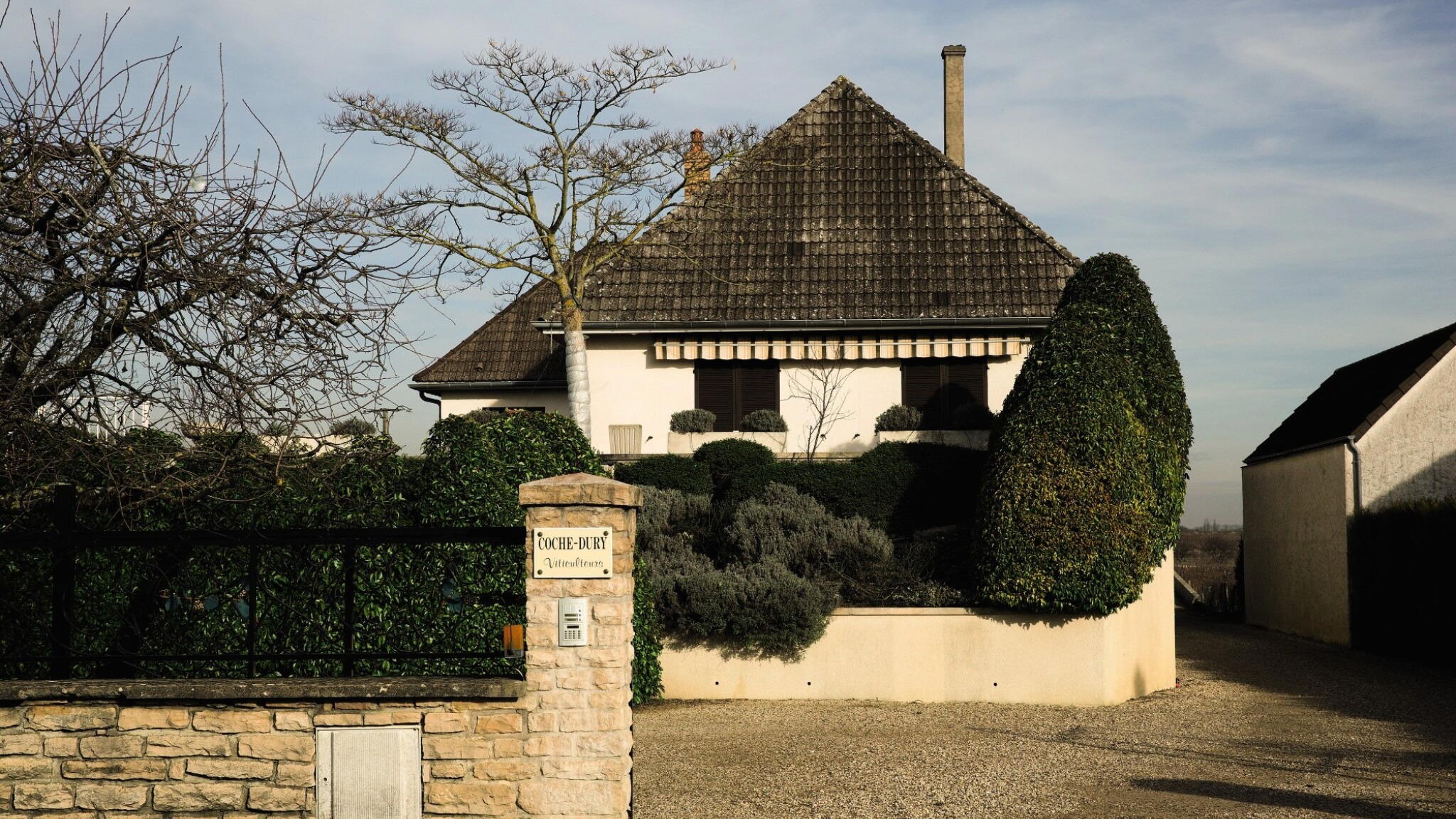
Bars in Meursault
Browse all →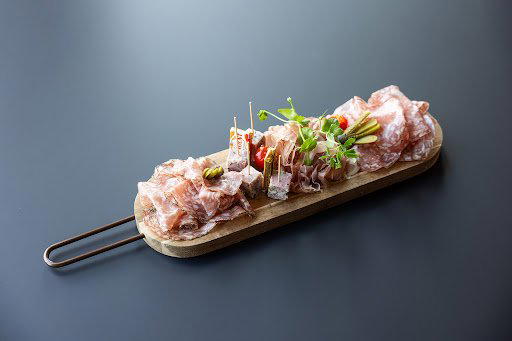
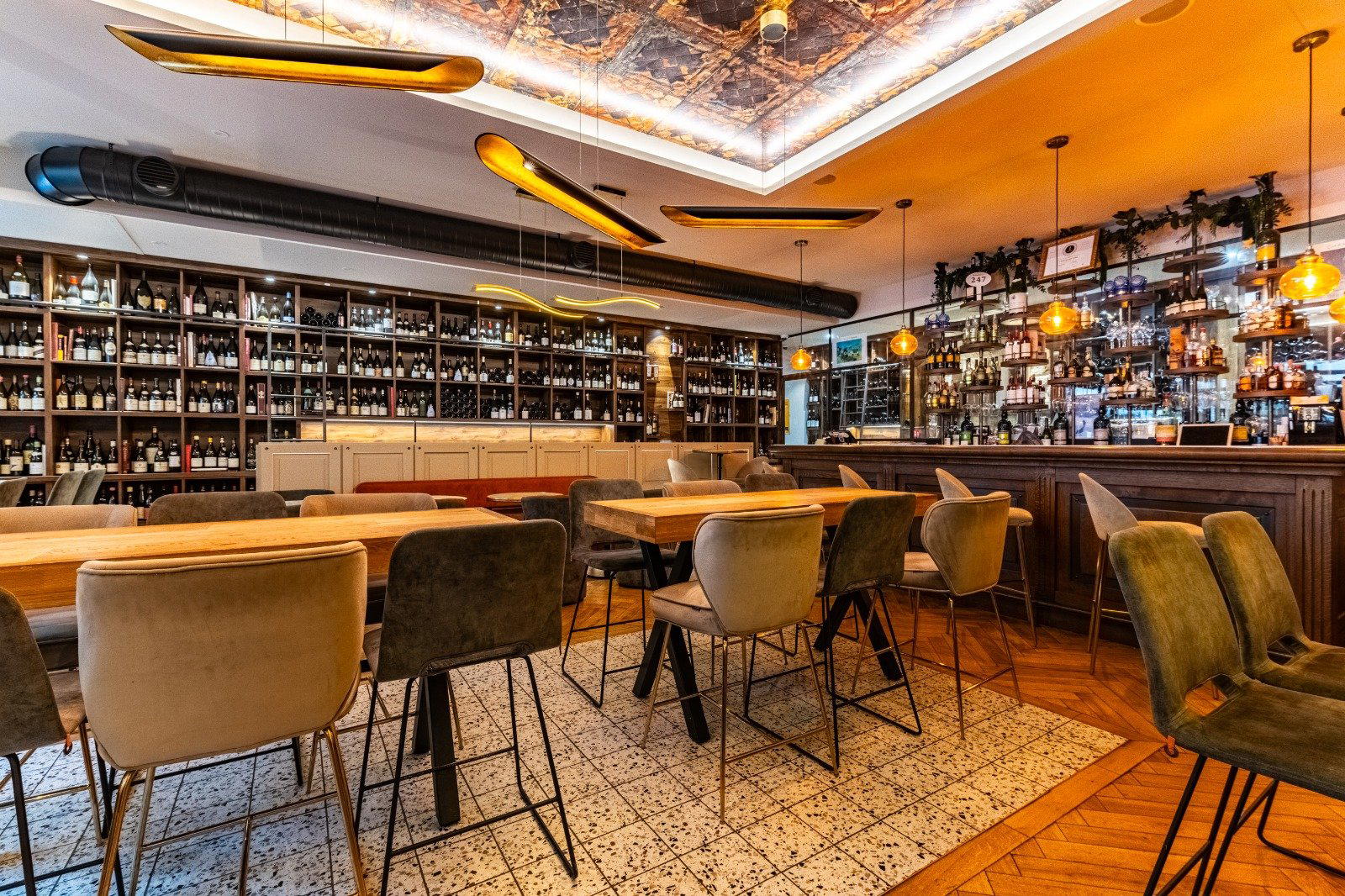
Restaurants in Meursault
Browse all →
Details
- Classic
- Quiet
- Intimate
- Sophisticated
- Solo Exploration
- Wine Education
- Special Occasion
- Historic Building
- Private Tasting
- Cave Tasting
- Organic
- Sustainable
- Vineyard
- Chardonnay
- Pinot Noir
- Still White
- Still Red
- Private Tasting
Traditional, cellar-driven Meursault estate atmosphere with a focus on precision, purity, and a classic rather than flashy style.