

Michelin 2 Grapes · Falstaff Winery - Listed
Domaine des Comtes Lafon, operating from the village of Meursault in Burgundy's Côte de Beaune, is among the most closely watched white wine addresses in France. Visitors arrive at 5 Rue Pierre Joigneaux to find a domaine whose reputation rests on allocation-driven scarcity and generational continuity.

Pearl is the En Primeur Club membership app — saves, bookings, and concierge access live there. Same editors, same standards.
- Address
- 5 Rue Pierre Joigneaux, 21190 Meursault
- Phone
- +33 3 80 21 22 17
- Website
- comtes-lafon.fr
- Directions
- Get directions
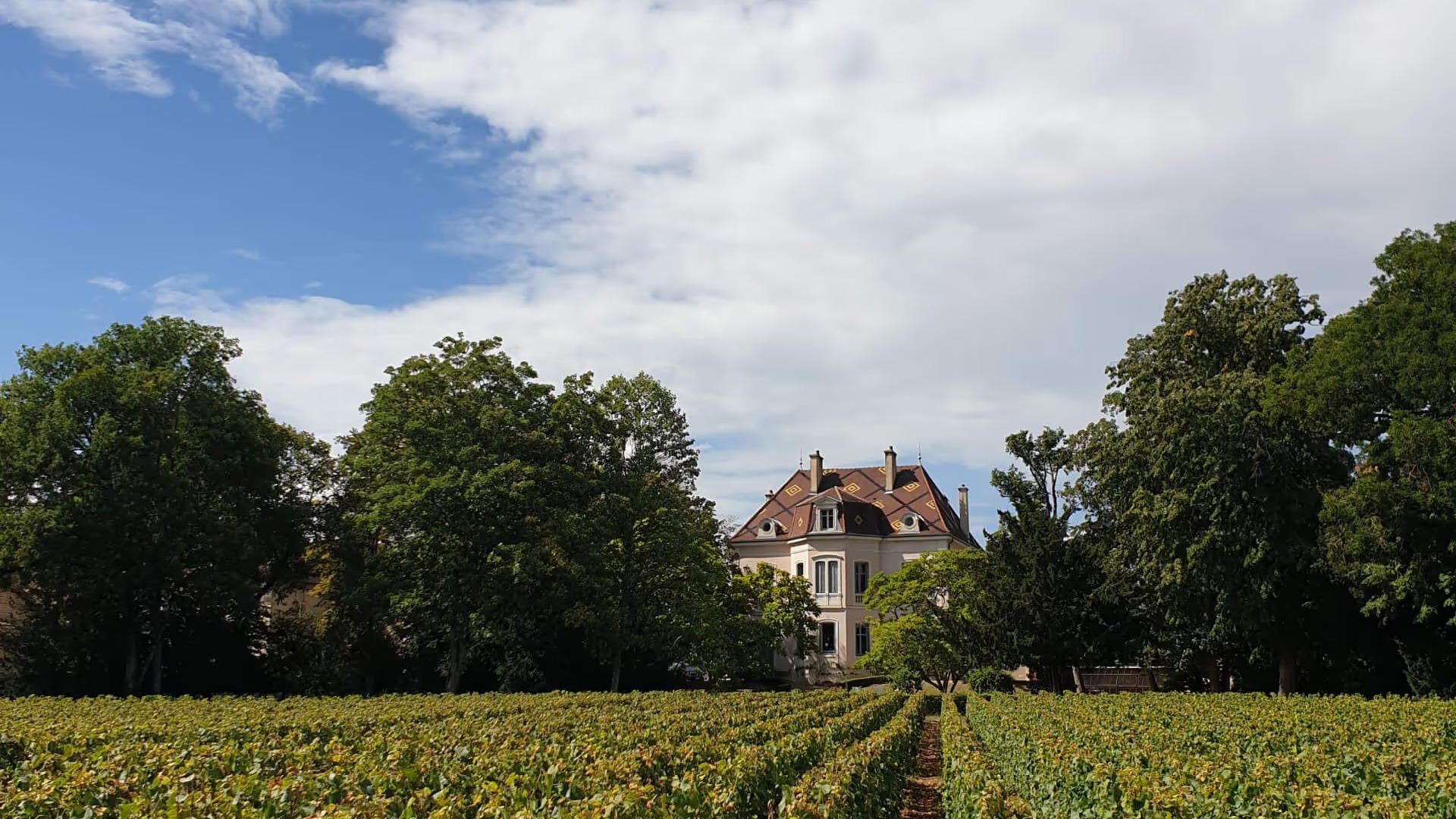
The Côte de Beaune's White Wine Standard
The road into Meursault runs through vineyards that have been parcelled and reprised for centuries, their ownership maps a form of institutional memory for Burgundy's most serious collectors. In this context, 5 Rue Pierre Joigneaux is an address that carries weight well beyond its postcode. Domaine des Comtes Lafon sits inside a tradition of family-held domaines that have shaped how the world understands white Burgundy, a tradition in which Chardonnay is handled not as an international commodity but as a precisely site-expressive material, the differences between individual lieux-dits treated as genuinely meaningful rather than marketing invention.
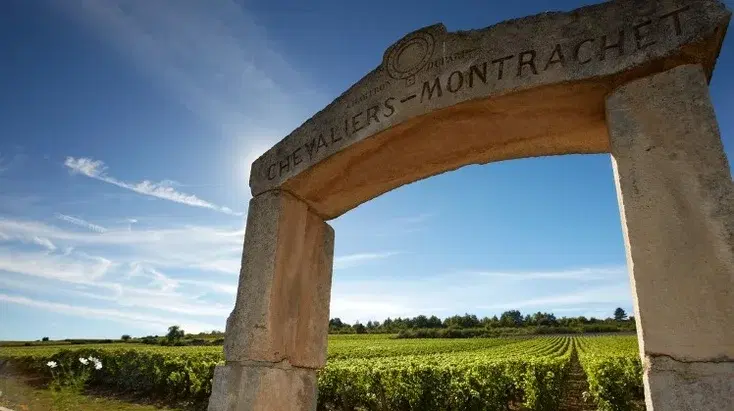
Meursault itself occupies a particular position within the Côte de Beaune. Unlike Puligny-Montrachet, whose reputation is anchored to a pair of grands crus, Meursault's prestige derives from a constellation of premiers crus and village-level parcels, each carrying its own texture and register. The finest producers here, including Domaine Antoine Jobard, Domaine Chavy-Chouet, and Domaine Henri Boillot, have all staked their reputations on the village's capacity for complexity without recourse to heavy extraction or new oak as a crutch. Comtes Lafon operates at the upper tier of this group, with a holdings profile that extends from Meursault village wines through to premier cru Perrières and Charmes, and further south into the Montrachet grand cru itself.
Where Domaine Allocation Meets Culinary Purpose
The editorial angle that defines how serious collectors and food-oriented visitors approach Comtes Lafon is not simply about the wine in isolation. White Burgundy at this level has become the reference category for a generation of sommeliers who build pairing programmes around wines that resist simplification. The minerality and mid-palate tension that Meursault's limestone-clay soils generate in skilled hands provide a counterpoint to rich, fat-driven dishes that few other white wine regions can match with the same subtlety. Premier cru Meursault from a domaine of this standing belongs on the pairing list for mature hard cheeses, butter-basted fish preparations, and the kind of sauce-forward cooking that demands structure without aggression from its accompanying wine.
Across Burgundy's more serious restaurant rooms and private cellars, Comtes Lafon bottles have long occupied an allocation-priority position. Restaurants in Beaune and Dijon that maintain serious white Burgundy programmes typically list the domaine's releases alongside Domaine Jacques Prieur and the rare offerings from Coche-Dury and Roulot, forming a tier where demand consistently outpaces supply. This allocation dynamic shapes the visitor experience: arriving at the domaine is not the same as walking into a tasting room with open shelves. The relationship between domaine and buyer is cultivated over time, a feature common to the most sought-after estates across the Côte de Beaune and one that differentiates these addresses from the more commercially accessible producers such as Château de Meursault, which welcomes large volumes of trade visitors annually.
Dominique Lafon's tenure at the domaine represents one of Burgundy's clearest examples of what sustained generational focus produces in a region where short-term commercial pressure has redirected many producers toward higher volumes and faster release cycles. Within the broader competitive set of Côte de Beaune white wine producers, this positions Comtes Lafon alongside the kind of estates that serious buyers across Europe and Asia treat as portfolio anchors rather than occasional purchases.
The winemaking philosophy evident in what critics and collectors report about these wines, where restraint in intervention preserves site character over vintage-to-vintage house style, connects directly to how the wines function in pairing contexts. Wines made with lower new-oak influence and careful oxidative management during élevage tend to retain the brightness and precision that food-oriented sommeliers seek. This approach places Comtes Lafon in a similar philosophical bracket to allocation-driven estates in other French regions: Albert Boxler in Niedermorschwihr pursues comparable site fidelity in Alsace, while on the red wine side, Château Bélair-Monange in Saint-Emilion represents the same category of ownership-driven quality continuity that underpins long-term collector confidence.
Visiting Meursault: Planning and Proximity
Meursault sits along the D974 between Beaune and Puligny-Montrachet, a drive of roughly ten minutes from Beaune's centre. The village is compact enough to walk from one end to the other, with the main cluster of domaine entrances concentrated near the church and the village square. Visits to estates of Comtes Lafon's standing require advance contact and are not typically available on a walk-in basis; serious buyers and collectors arrange appointments through established trade relationships or through direct correspondence well ahead of any travel date. This is consistent with how the top tier of Burgundy domaines, from village to grand cru level, has always operated, and should be treated as a feature of the category rather than an obstacle.
For those building a broader Meursault itinerary, our full Meursault restaurants guide covers both dining options and producer visits suited to different levels of access and engagement. The region's food scene, while modest in scale compared to Beaune or Dijon, includes enough serious kitchen work to justify a full day or overnight stay. The seasonal rhythm of the Côte de Beaune means that harvest period, roughly late September through October, brings both the drama of picking and the closure of many cellar-door operations as producers focus on the incoming fruit; spring and early summer typically offer the most predictable access for visitor appointments.
For context across France's premium producer network, the allocation and appointment model at Comtes Lafon is echoed in regions as different as Bordeaux, where Château Batailley in Pauillac and Château Branaire Ducru in St-Julien operate within structured release and relationship frameworks, and in California, where Accendo Cellars in St. Helena maintains similarly constrained availability. The pattern holds across premium wine cultures: scarcity managed through relationship rather than retail scale is the operating norm for estates at this level.
The Domaine in Its Competitive Set
Within Meursault specifically, the competitive peer group for Comtes Lafon is small. Coche-Dury and Roulot are the names most frequently cited alongside it in critical assessments and auction results. Beyond those two, the domaine's access to Montrachet grand cru separates it from producers whose holdings are confined to premier cru and village classifications. That grand cru exposure, even in small volumes, carries a prestige signal that affects how collectors and restaurateurs position all of the domaine's releases, including the more accessible village-level Meursaults. The parallel in Bordeaux's first-growth dynamic holds here: association with the leading appellation tier shapes the perceived seriousness of the entire portfolio.
Visitors comparing estates across the village might also consider Domaine Chavy-Chouet and Domaine Antoine Jobard for appointments at a slightly more accessible level, or Château de Meursault for a more structured visitor experience. Each represents a distinct position within Meursault's tiered producer hierarchy, and a thoughtful itinerary might draw from two or three tiers to understand the full range of what this appellation produces across different scales and ambitions.
Comparable Spots, Quickly
Comparable venues nearby, for context on price, style, and recognition.
| Venue | Cuisine | Price | Awards | Notes |
|---|---|---|---|---|
| Domaine des Comtes LafonThis venue — the venue you are viewing | Chardonnay, Pinot Noir | Not listed | Michelin 2 Grapes · Falstaff Winery - Listed | Not listed |
| Domaine Fabien Coche | Chardonnay, Pinot Noir | Not listed | Falstaff Winery - Listed | Meursault |
| Domaine Génot-Boulanger | Chardonnay, Pinot Noir | $100–150 | Falstaff Winery - Listed | Meursault |
| Domaine Camille & Guillaume Boillot | Chardonnay, Pinot Noir | Not listed | Michelin Main Selection | Meursault |
| Domaine Coche-Dury | Chardonnay, Pinot Noir | Not listed | Michelin 3 Grapes · Falstaff Winery - Listed | Meursault |
| Domaine Arnaud Ente | Chardonnay, Pinot Noir | Not listed | Michelin 2 Grapes | Meursault |
Recognition history
Dated appearances from independent guides and award organizations, with the underlying list record or original source where available.
Michelin 2 Grapes
Michelin · 2026 Michelin 2 Grapes - Burgundy
Falstaff Winery - Listed
Falstaff
Continue exploring
More in Meursault
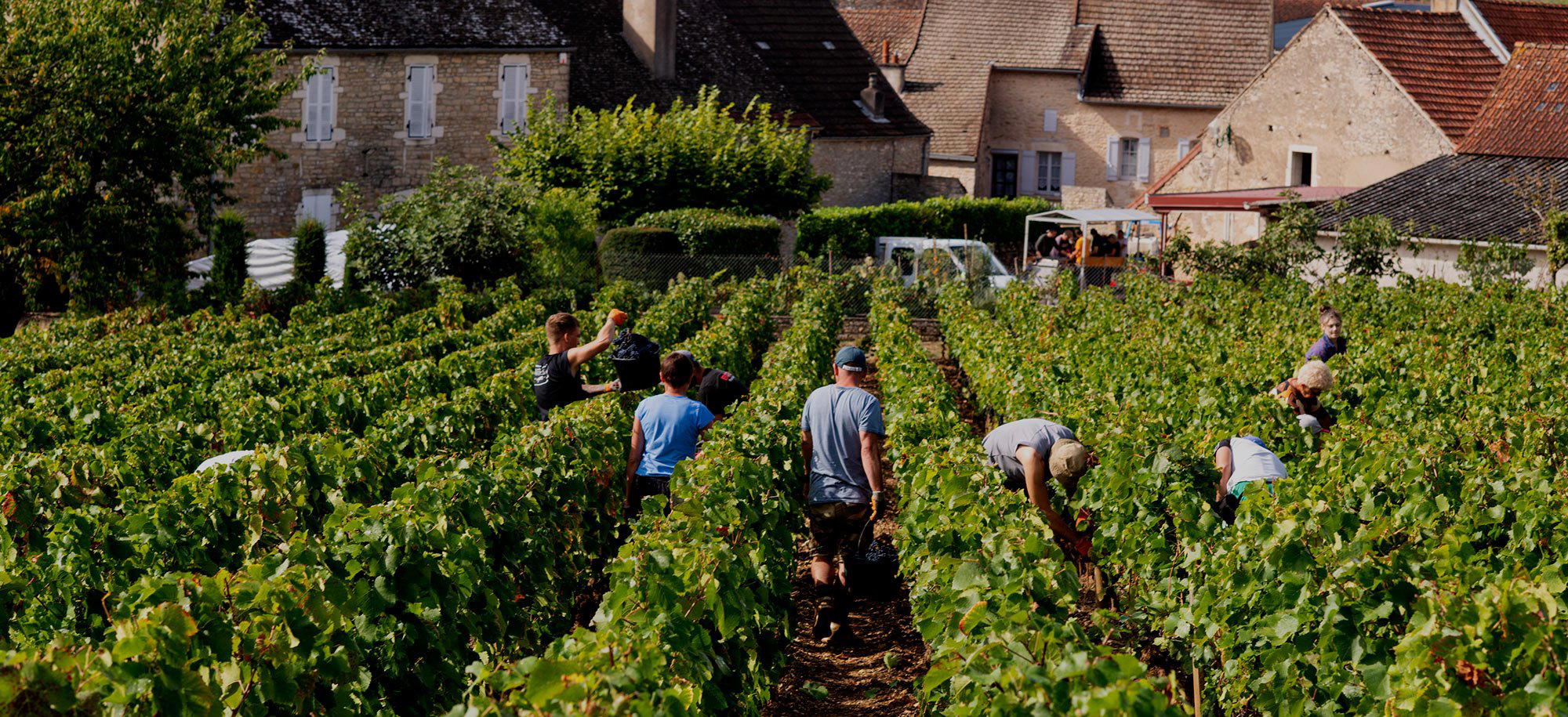
Wineries in Meursault
Browse all →
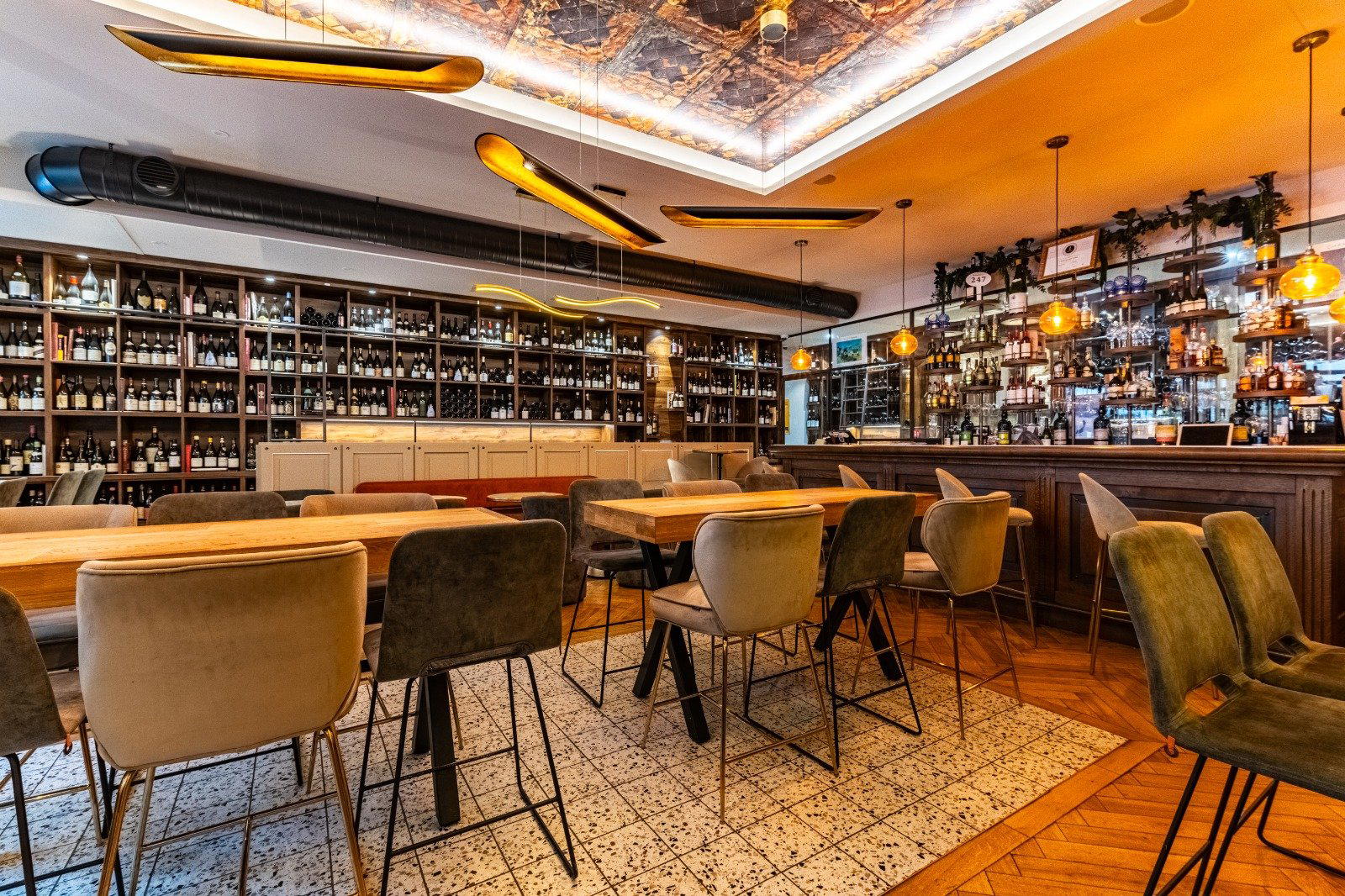
Bars in Meursault
Browse all →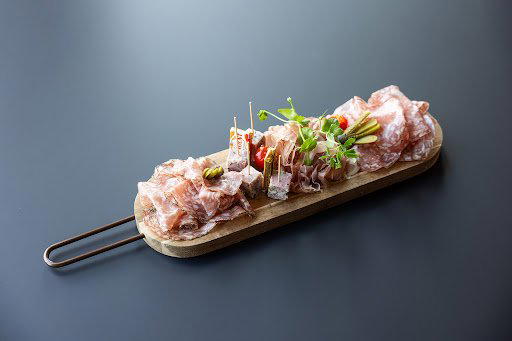
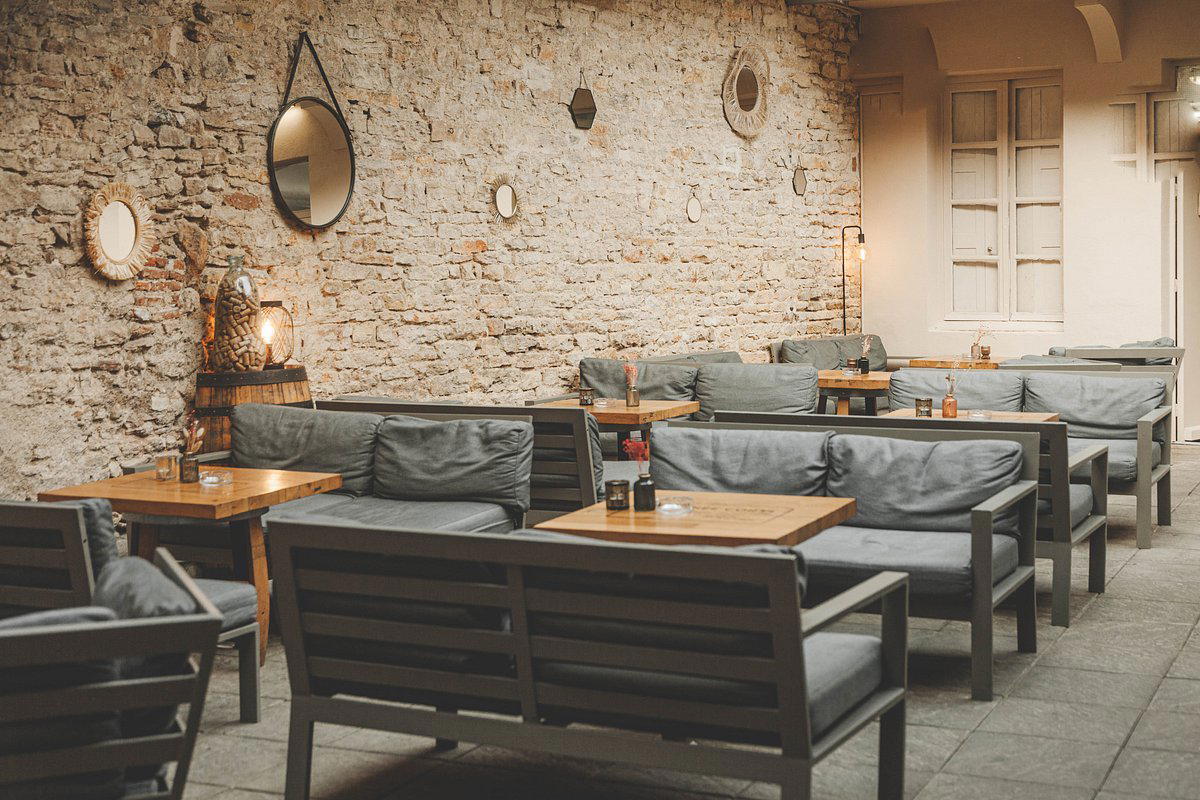
Restaurants in Meursault
Browse all →
Details
- Classic
- Elegant
- Sophisticated
- Rustic
- Intimate
- Wine Education
- Special Occasion
- Solo Exploration
- Cave Tasting
- Barrel Room
- Vineyard Tour
- Historic Building
- Organic
- Biodynamic
- Vineyard
- Chardonnay
- Pinot Noir
- Still White
- Still Red
- Cave Tasting
- Private Tasting
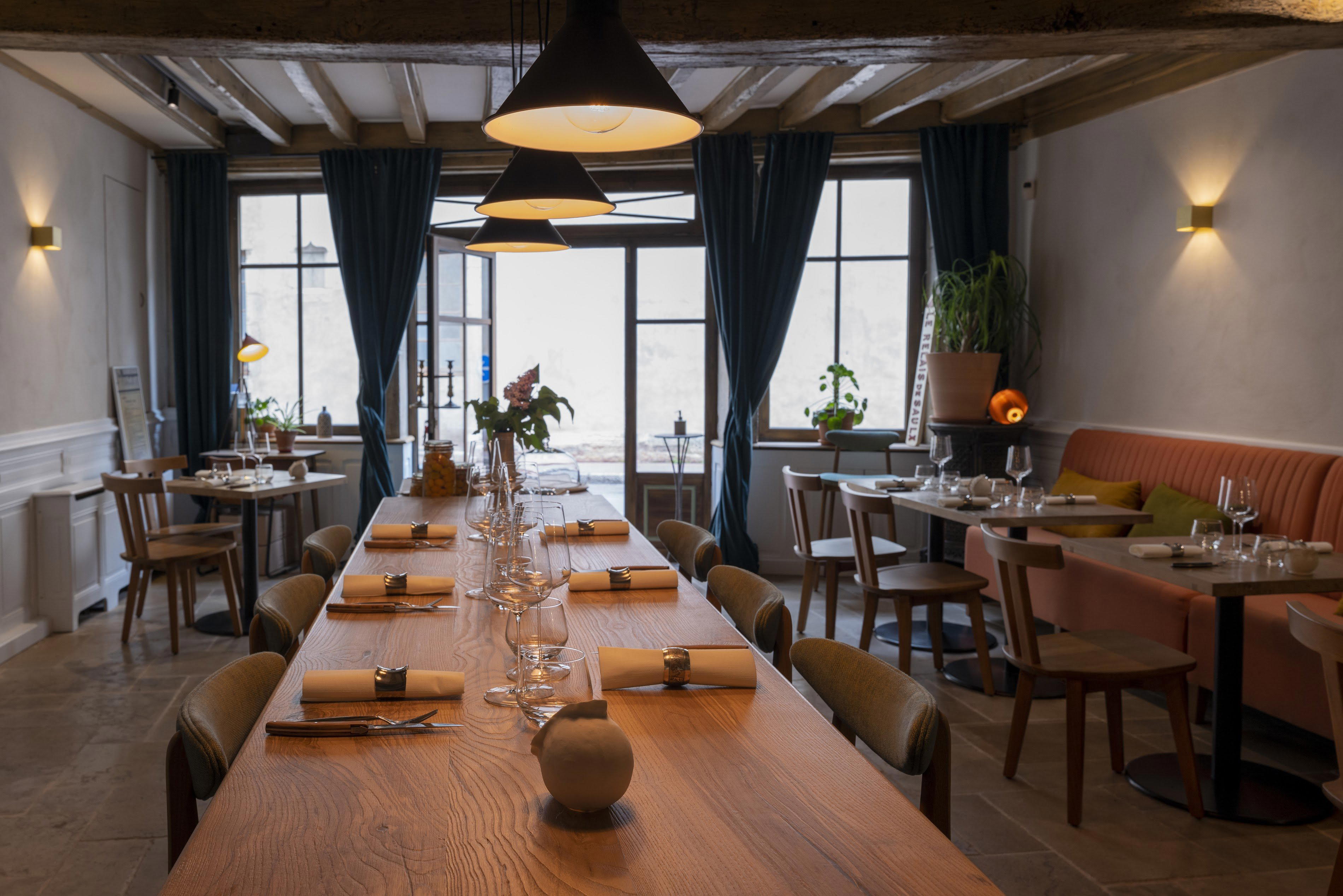
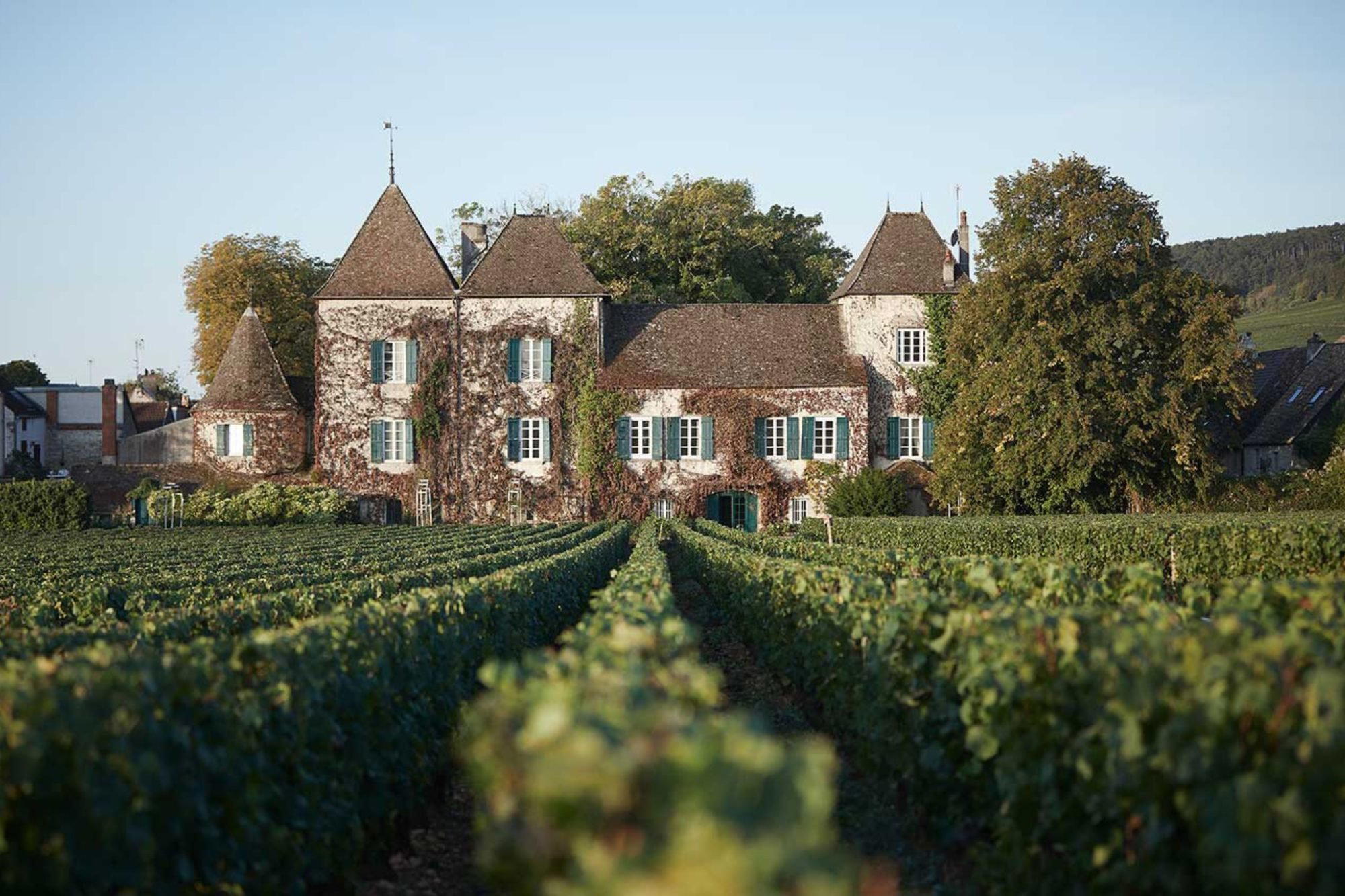
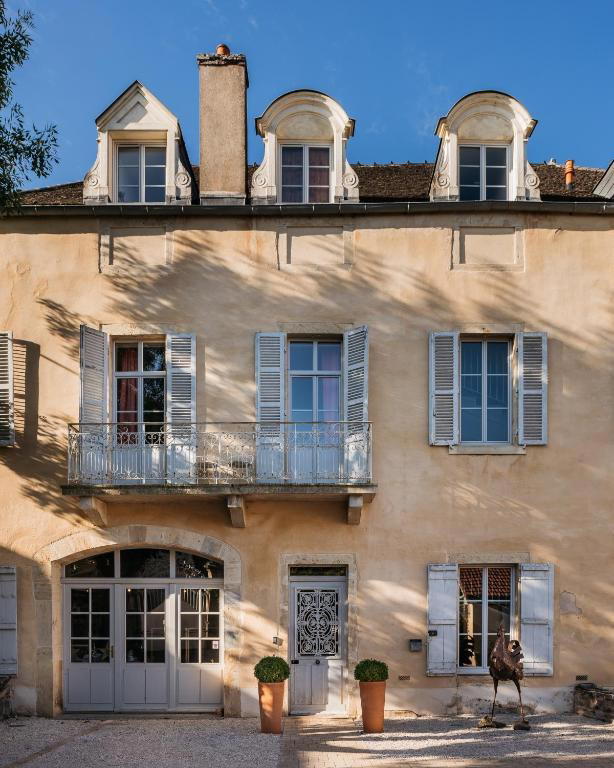
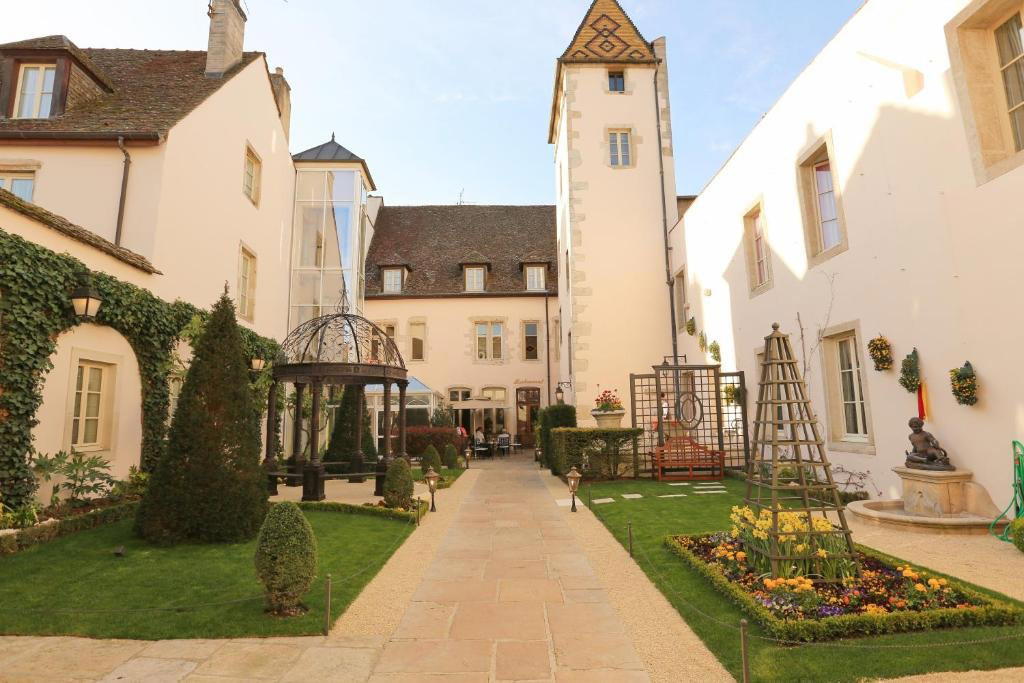
Classic and elegant historic setting with cold cellars fostering slow fermentations, evoking timeless Burgundian sophistication and minerality.