Domaine Bruno Clair


Michelin 2 Grapes · Falstaff Winery - Listed
Domaine Bruno Clair has shaped Marsannay's identity since its first vintage in 1979, operating across some of Burgundy's most geologically varied terroirs under winemaker Philippe Brun.

Pearl is the En Primeur Club membership app — saves, bookings, and concierge access live there. Same editors, same standards.
- Address
- 5 Rue du Vieux Collège, 21160 Marsannay-la-Côte
- Phone
- +33 3 80 52 28 95
- Website
- brunoclair.com
- Directions
- Get directions
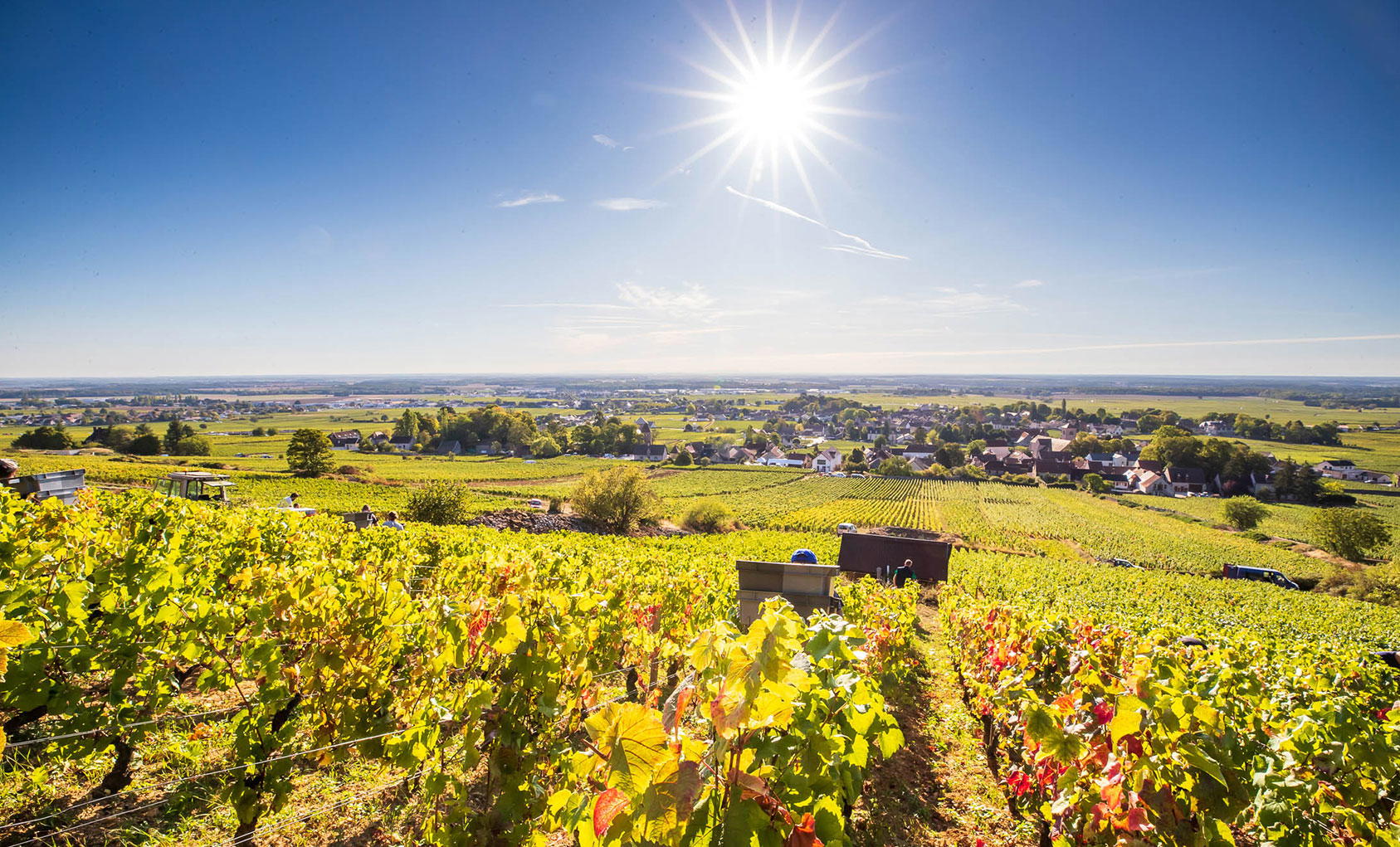
Where the Côte de Nuits Begins
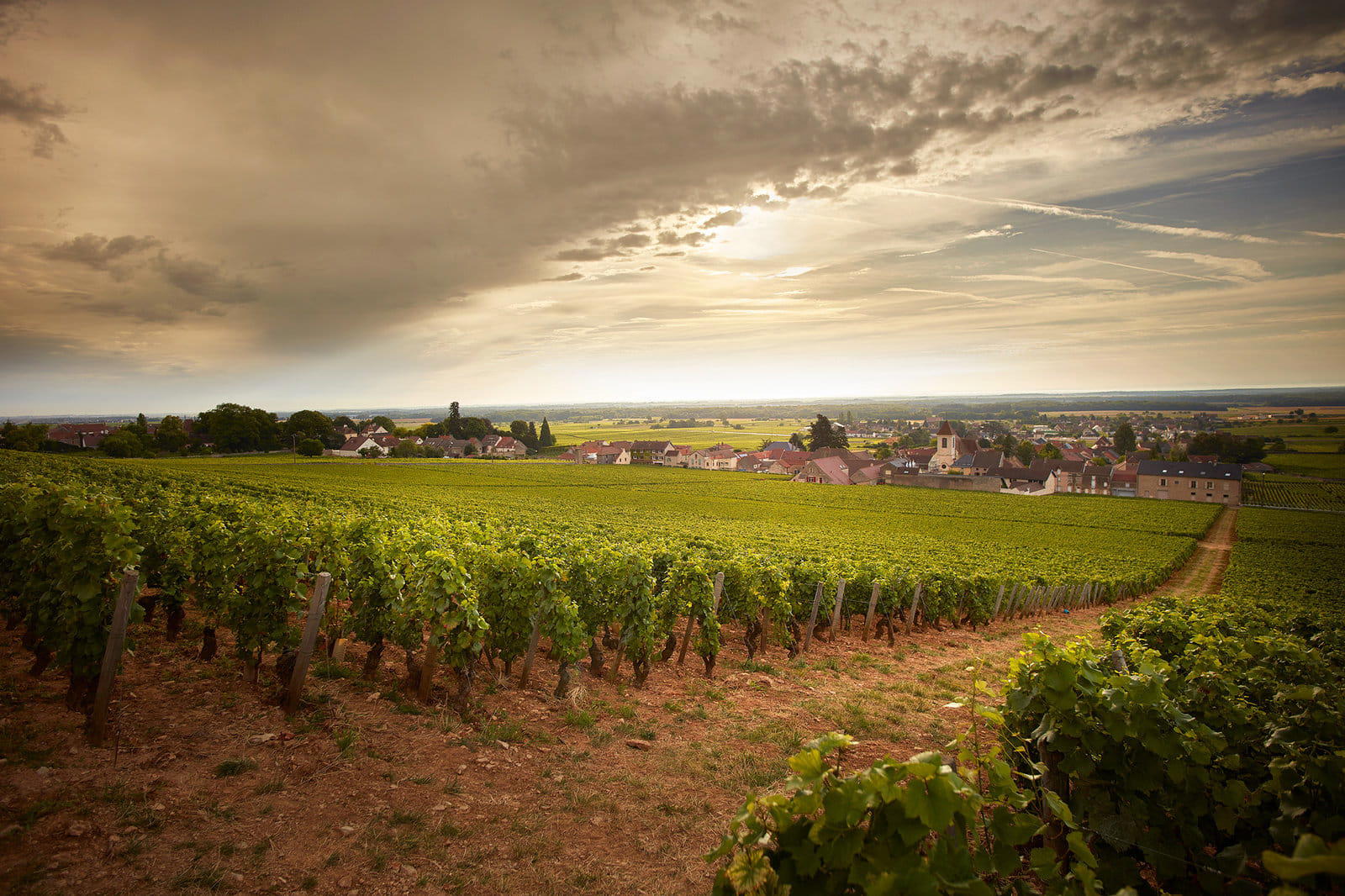
Marsannay-la-Côte occupies an awkward position in the Burgundian hierarchy. Sitting at the northern tip of the Côte de Nuits, it lacks the grand cru cache of Gevrey-Chambertin to its south, and for decades critics treated it as a transitional zone rather than a destination. That framing has shifted. A small group of producers has spent the last quarter-century demonstrating that Marsannay's limestone-clay soils, combined with a slightly cooler microclimate than the mid-Côte, produce wines with their own structural logic rather than a diluted version of their neighbours'. Domaine Bruno Clair, established with its first vintage in 1979 and headquartered at 5 Rue du Vieux Collège, sits at the centre of that argument. For readers planning a visit to the northern Côte, our full Marsannay-la-Côte guide maps the broader producer landscape.
Terroir Before Appellation
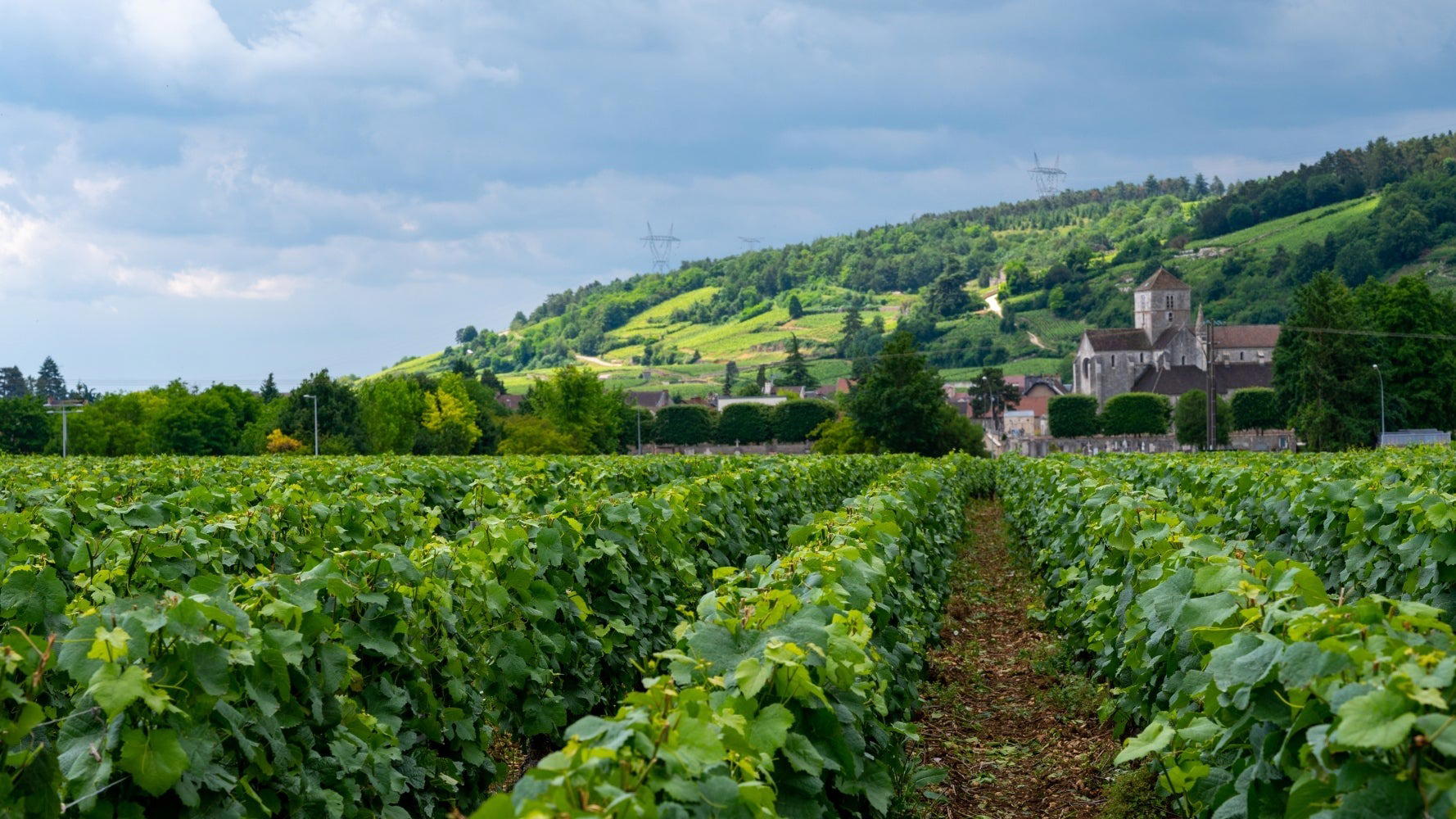
Burgundy's internal logic has always prioritised place over producer, but the hierarchy of named places is not fixed. Marsannay received village appellation status only in 1987, a relatively recent recognition that formalised what serious growers had already understood: the soils along this stretch of the Côte respond to Pinot Noir and Chardonnay with a specificity that justifies parcel-level attention. The geology here is a patchwork of Bajocian and Bathonian limestone interspersed with clay-rich bands, and the resulting wines tend toward firmer structure and slower development than those from the more celebrated limestone-dominated slopes of Chambolle-Musigny or Vosne-Romanée.
What distinguishes the Marsannay terroir discussion from that of appellations further south is the sheer range of soil types compressed into a short north-south corridor. Producers working multiple parcels across this corridor, as Domaine Bruno Clair does, are effectively managing a portfolio of micro-expressions rather than a single unified terroir signal. Winemaker Philippe Brun's responsibility at the domaine is partly geological translation: reading what each parcel delivers in a given year and making decisions in the cellar that honour those differences rather than homogenise them.
For a useful point of comparison outside Burgundy, Alsace producers like Albert Boxler in Niedermorschwihr operate with a similar parcel-level discipline across varied terroirs, translating geological complexity into a range of bottlings that reward side-by-side tasting.
The 1979 Foundation and What It Signals
A first vintage of 1979 places Domaine Bruno Clair in a specific Burgundian generation, one that predates the négociant reform era and the wave of younger producers who re-evaluated inherited practices from the 1990s onward. Domaines that have been bottling under their own label since the late 1970s carry a particular kind of authority: they have vintage history across decades of climatic variation, and their stylistic choices have been tested against a wider range of growing seasons than newer operations. That longitudinal record matters to serious collectors in ways that recent critical scores alone cannot replicate.
The Côte de Nuits has produced some of its most compelling results in cooler, more structured years, and a domaine with archives stretching back to 1979 has direct experience with a range of conditions that contemporary producers can only read about. This depth of institutional memory informs how winemakers approach decisions in marginal vintages, and it is part of what separates producers in the prestige tier from those still building their reference points.
Positioning Within the Prestige Tier
It puts Domaine Bruno Clair in a competitive set defined not by appellation prestige alone but by a combination of terroir fidelity, historical consistency, and winemaking intelligence. Across Burgundy, that tier includes producers from appellations well above Marsannay in the official hierarchy, which makes the domaine's inclusion a statement about execution rather than inherited geography.
Broader Burgundy prestige tier operates with allocation logic: the most sought-after domaines in the region sell primarily through mailing lists and established négociant relationships, with limited exposure to the open market. Comparable producers in recognised French appellations, from Château Bastor-Lamontagne in Preignac to Château Branaire Ducru in Saint-Julien, each operate with their own access structures that reward advance engagement.
Marsannay Rosé and the Broader Range
Any serious account of Marsannay as a wine address has to address its rosé. The appellation produces one of the few French rosés to hold a recognised village appellation designation, a historical distinction that sets it apart from most of France's rosé production, including the better-known but appellatively simpler output of producers like Château d'Esclans in Provence. Marsannay rosé made from Pinot Noir carries structural complexity and vinous depth that positions it closer to a light red than to the Provençal model.
The range of appellations available to a domaine operating across the northern Côte de Nuits extends into Gevrey-Chambertin and potentially further south, and the parcels held or sourced will define the price and prestige spread of the portfolio. For comparable range-building approaches across different French regions, Château Clinet in Pomerol and Château Cantemerle in the Haut-Médoc each demonstrate how a clearly defined estate position can anchor a portfolio that addresses multiple price points without diluting the flagship identity.
Visiting the Domaine
Marsannay-la-Côte is the northern entry point of the Route des Grands Crus, the D122 that runs south through Gevrey-Chambertin, Morey-Saint-Denis, and Chambolle-Musigny toward Nuits-Saint-Georges. The domaine's address at 5 Rue du Vieux Collège places it in the village centre, accessible by car from Dijon in under fifteen minutes. For visitors arriving from further afield, Dijon's TGV connection to Paris Gare de Lyon takes approximately ninety minutes, making a day trip from Paris feasible, though an overnight stay in Dijon or the village itself allows for a more considered visit to multiple producers.
Domaines at this level of recognition receive significant inbound interest, and walk-in visits without prior arrangement are generally less productive than scheduled appointments. The 2025 award recognition makes this a year when planning ahead carries more weight than usual.
For readers building a broader itinerary across French wine regions, our coverage includes producers at comparable prestige levels from Sauternes to the Médoc: Château d'Arche in Sauternes, Château Batailley in Pauillac, Château Dauzac in Labarde, Château Bélair-Monange in Saint-Émilion, and Château Boyd-Cantenac in Cantenac. For those extending to spirits or other categories, Chartreuse in Voiron, Aberlour, and Accendo Cellars in St. Helena each represent distinct benchmarks in their respective categories.
Side-by-Side Snapshot
Comparable venues nearby, for context on price, style, and recognition.
| Venue | Cuisine | Price | Awards | Notes |
|---|---|---|---|---|
| Domaine Bruno ClairThis venue — the venue you are viewing | Pinot Noir, Chardonnay | Not listed | Michelin 2 Grapes · Falstaff Winery - Listed | Not listed |
| Domaine Robert Chevillon | Pinot Noir, Chardonnay | Not listed | Not listed | Nuits-Saint-Georges |
| Domaine Michel Lafarge | Pinot Noir, Chardonnay | Not listed | Michelin 1 Grape · Falstaff Winery - Listed | Volnay |
| Domaine Anne Gros | Pinot Noir, Chardonnay | $150–200 | Falstaff Winery - 4 Stars | Vosne-Romanée |
| Maison Louis Jadot | Pinot Noir, Chardonnay | $50–100 | Michelin 1 Grape · Falstaff Winery - 3 Stars | Beaune |
| Domaine Rougeot Père et Fils | Chardonnay, Pinot Noir | Not listed | Not listed | Meursault |
Recognition history
Dated appearances from independent guides and award organizations, with the underlying list record or original source where available.
Michelin 2 Grapes
Michelin · 2026 Michelin 2 Grapes - Burgundy
Falstaff Winery - Listed
Falstaff
Continue exploring
More in Marsannay-la-Côte
Wineries in Marsannay-la-Côte
Browse all →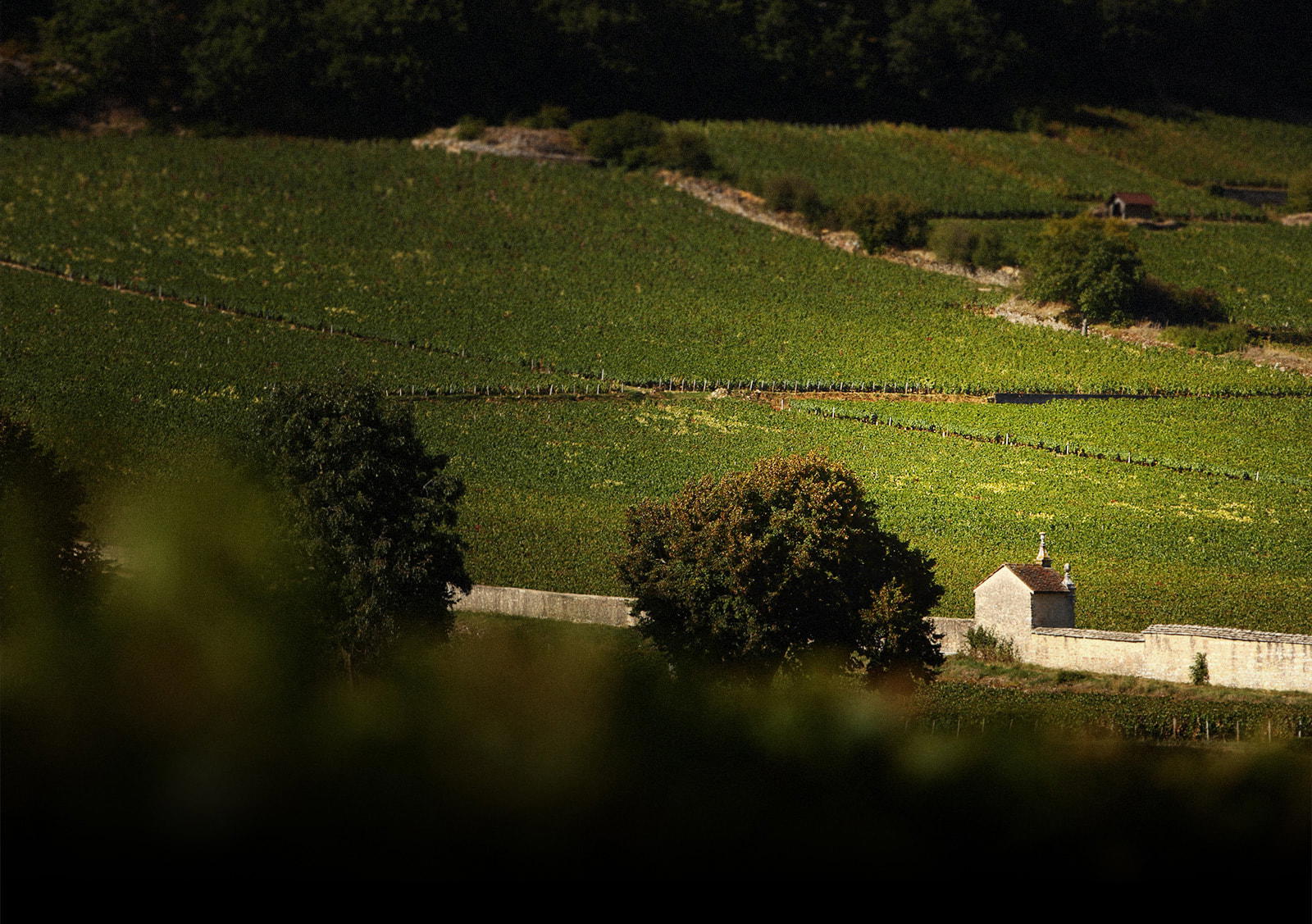
Bars in Marsannay-la-Côte
Browse all →
Restaurants in Marsannay-la-Côte
Browse all →
Details
- Elegant
- Classic
- Rustic
- Wine Education
- Special Occasion
- Vineyard Tour
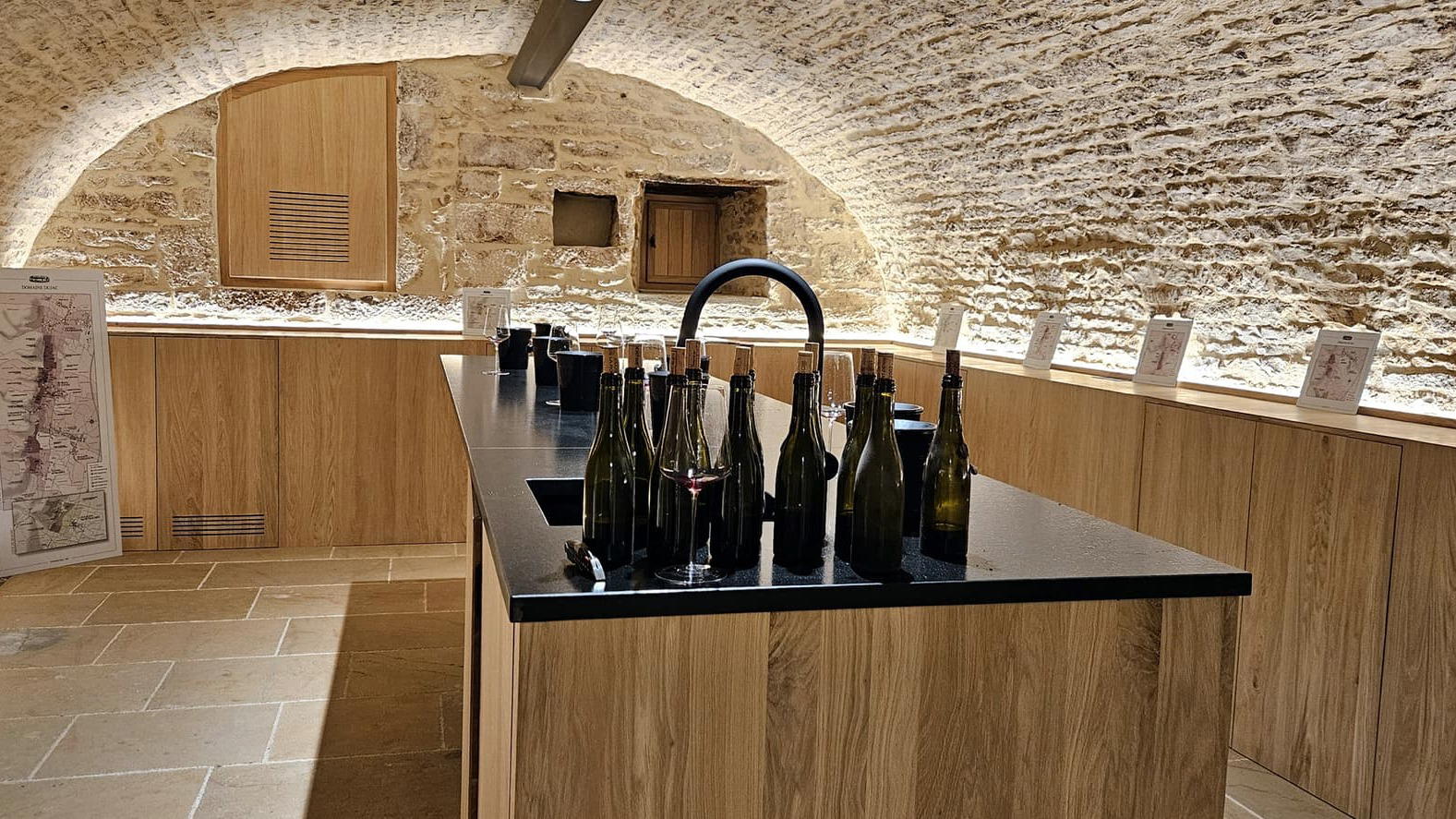
- Cave Tasting
- Sustainable
- Vineyard
- Pinot Noir
- Chardonnay
- Still Red
- Still White
- Estate Tasting
Refined and elegant with emphasis on finesse, minerality, and balance reflecting Burgundian terroir purity.