Alain Gras

Michelin Main Selection
Saint-Romain rewards drinkers who care less about grand cru hierarchy and more about altitude, limestone and village-level precision. Alain Gras works in that register: a small family-run Côte de Beaune domaine founded in 1979, focused on Chardonnay, Pinot Noir and Aligoté from Saint-Romain, Auxey-Duresses and Meursault, with Michelin Guide Burgundy Main Selection wine-estate distinction.

Pearl is the En Primeur Club membership app — saves, bookings, and concierge access live there. Same editors, same standards.
- Address
- 5 Rue sous la Velle, 21190 Saint-Romain, France
- Phone
- +33 3 80 21 27 83
- Website
- domaine-alain-gras.com
- Directions
- Get directions
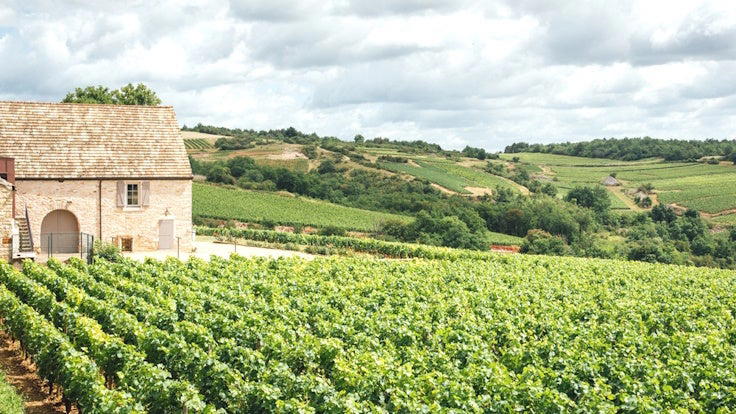
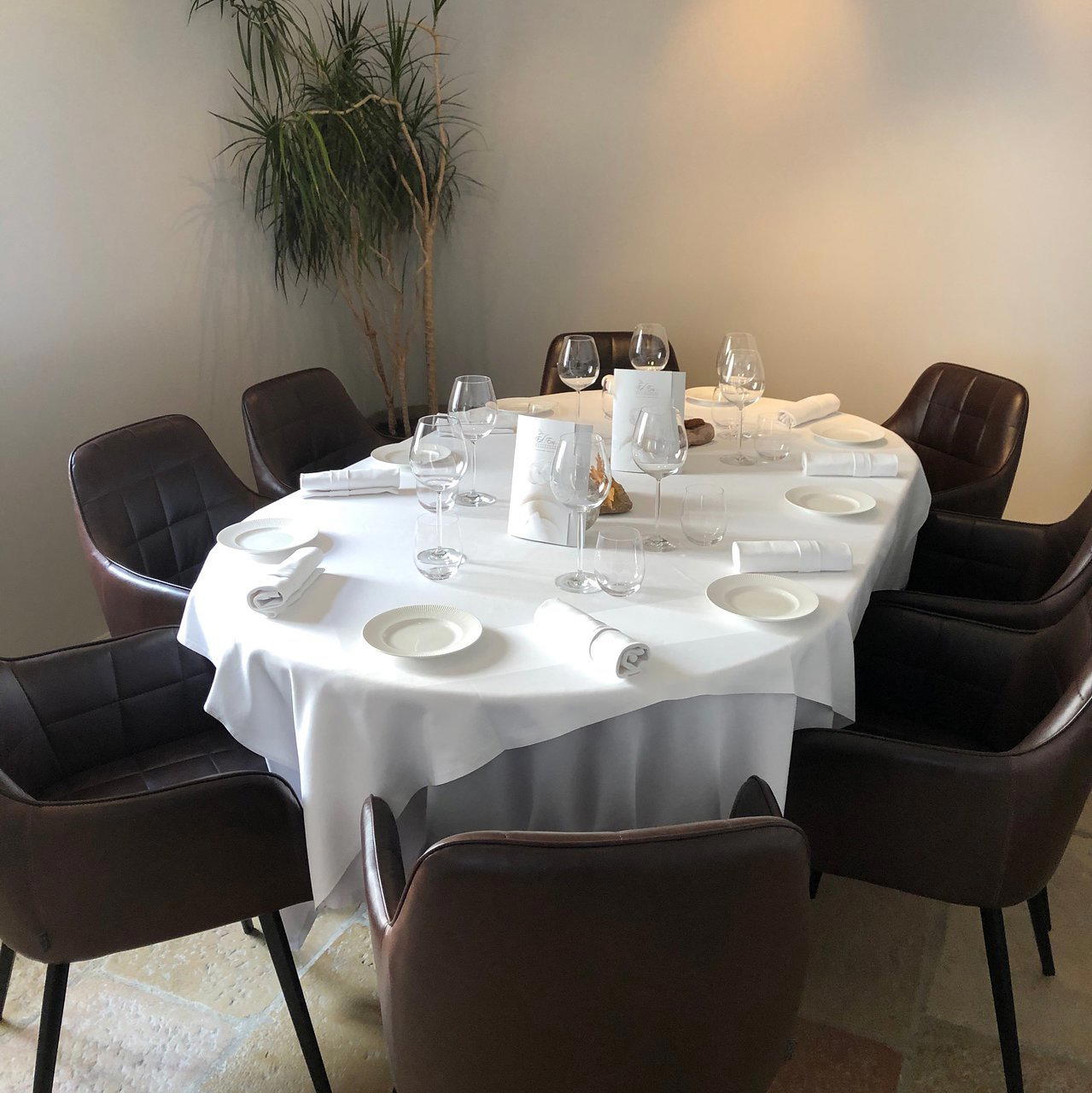
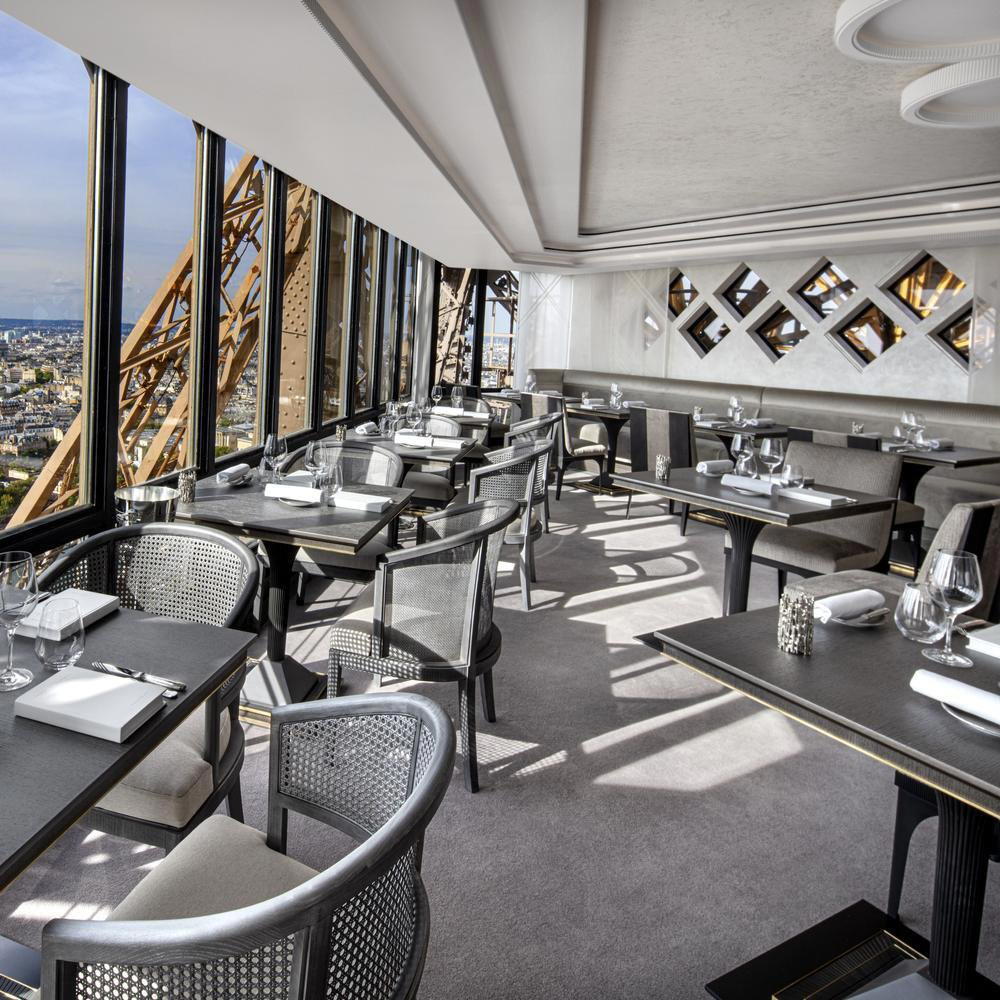
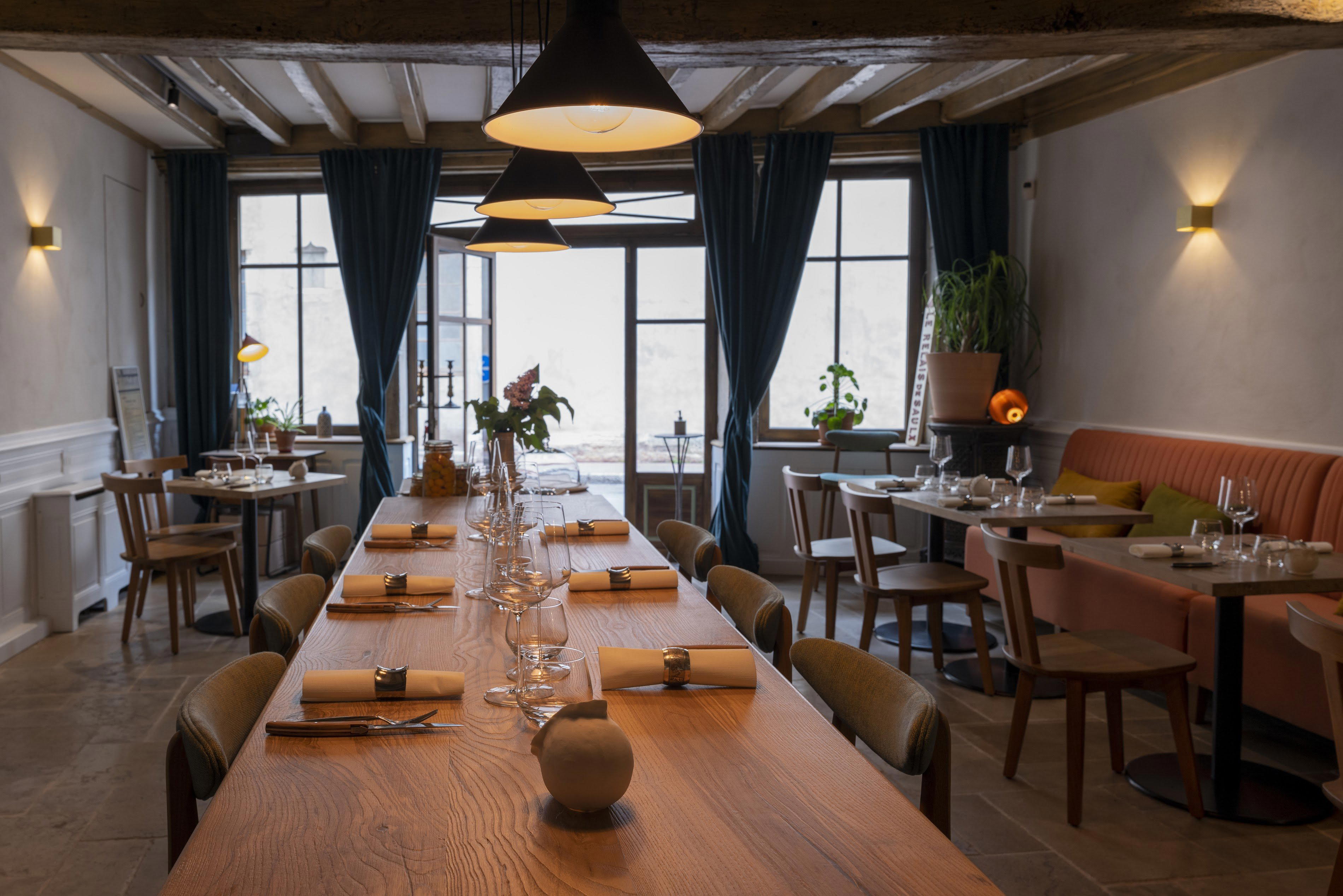
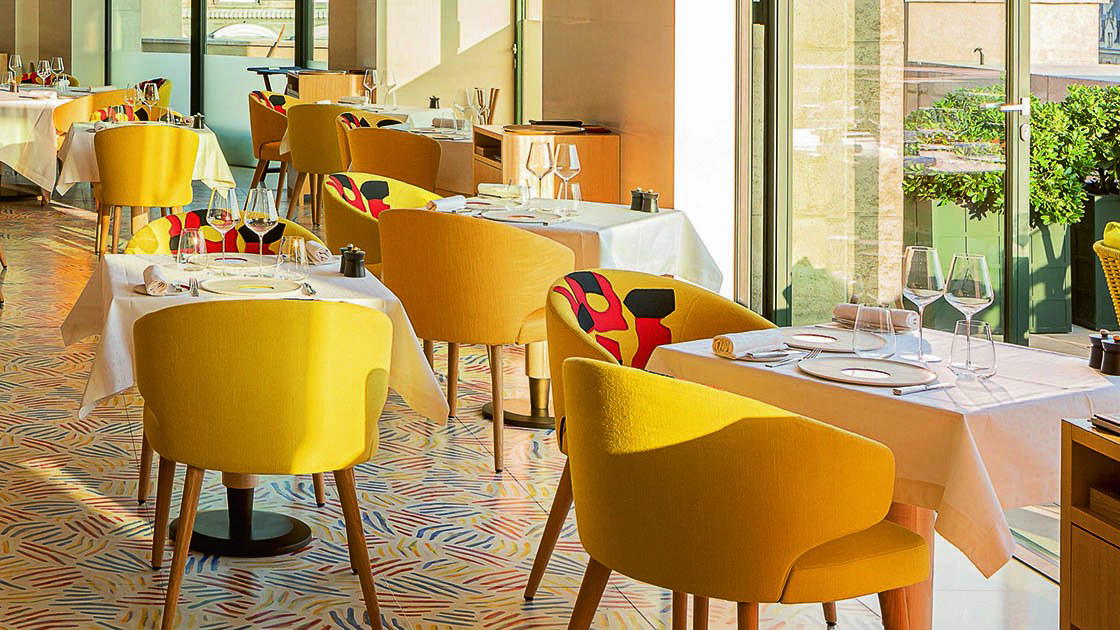
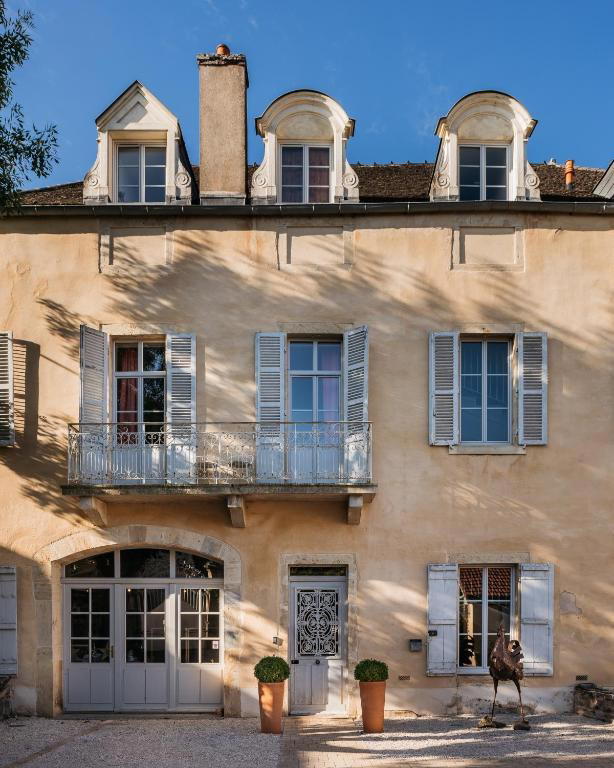
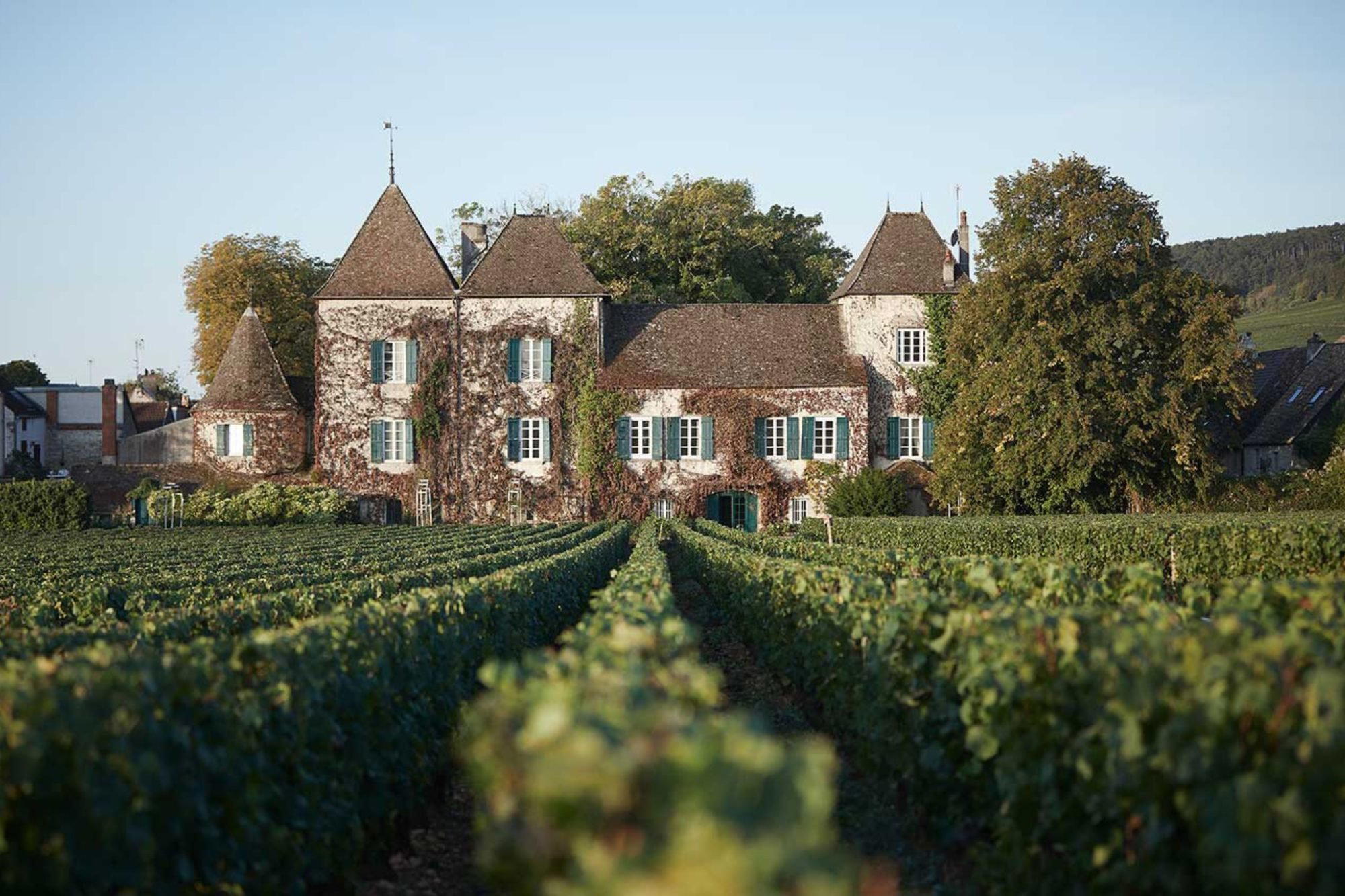
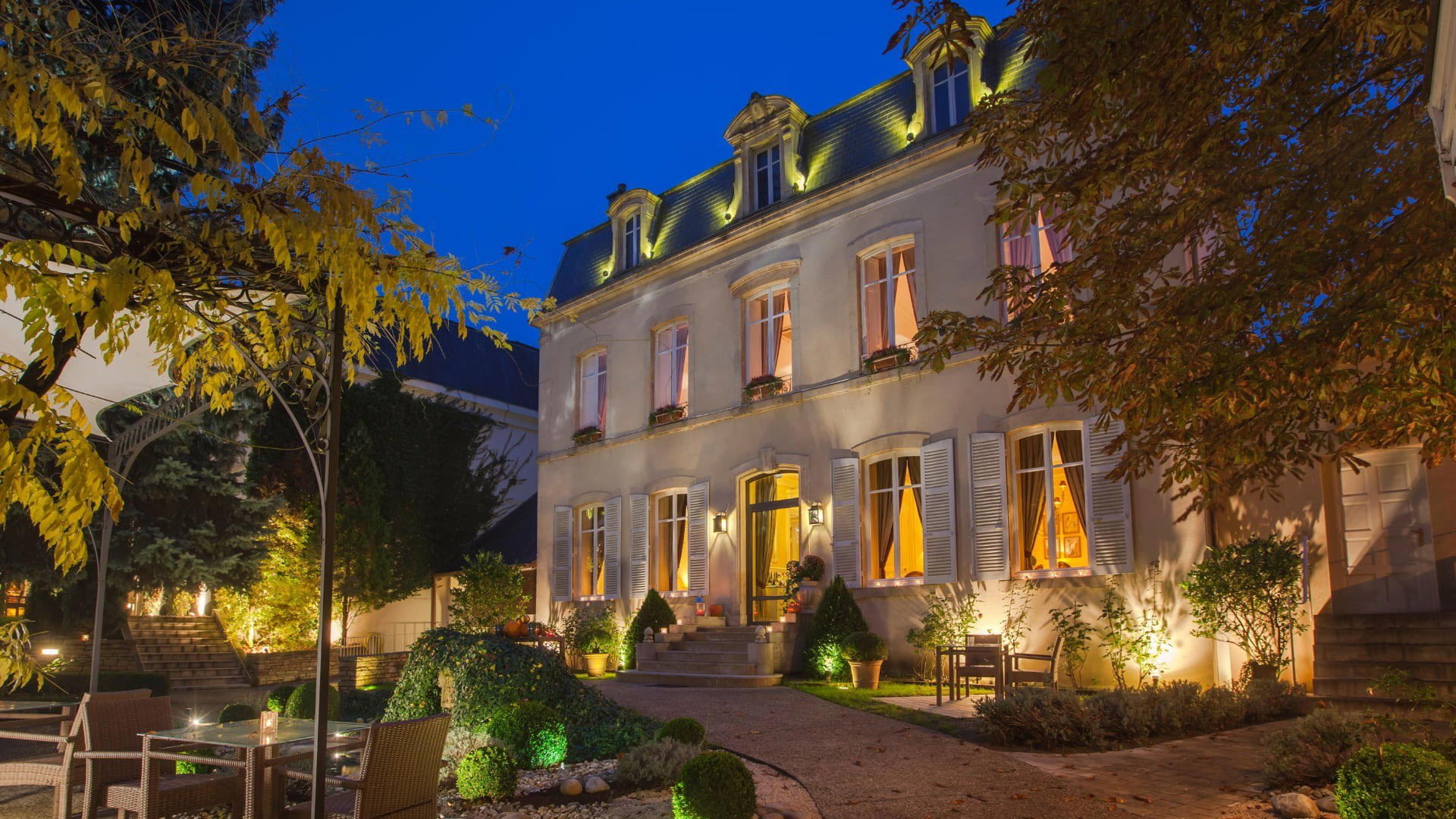
Alain Gras in Saint-Romain is best framed as a Burgundy wine estate rather than as a restaurant-style destination. The picture is focused and restrained: a family-run estate atmosphere, a quiet village setting, and wines centered on Chardonnay and Pinot Noir from the hills of Saint-Romain. The appeal is not spectacle, but a classic, scenic and elegant sense of place tied to terroir and traditional winemaking. In that sense, the estate reads as a place where the surrounding village and its slopes matter as much as any single hospitality detail, and where the wine identity is best understood through Burgundy’s familiar language of grape variety, site and restraint.
The estate is listed at a $$$ price level and carries a Michelin Guide Burgundy Main Selection wine-estate distinction. That recognition is useful as a trust signal, but the more important grounded point is the estate’s identity: mineral-driven Chardonnay and Pinot Noir presented through a Saint-Romain lens, with a rustic-elegant Burgundy character rather than a highly formal hospitality premise. It suggests a venue whose relevance comes from its rootedness and clarity, not from a need to overstate what is offered beyond the confirmed facts.
Altitude, limestone and the Saint-Romain argument
Saint-Romain gives Alain Gras its essential context. The facts point to wines from the hills of the village, with Chardonnay and Pinot Noir described in elegant, mineral-driven terms. Rather than relying on claims about individual parcels, production methods or visitor formats, the safest reading is also the clearest one: Alain Gras represents a traditional Burgundy estate atmosphere shaped by terroir and village setting. The emphasis on altitude, limestone and hillside identity helps explain why the wines are discussed in terms of freshness, minerality and elegance, while still keeping the description within the confirmed frame.
For drinkers, that means the estate should be understood through Saint-Romain’s quiet identity. The focus is on Burgundy varieties, a family-run feel and a scenic rural environment. The page does not verify specific bottlings, cellar techniques, founding dates, vineyard area, tasting arrangements or tour details, so those should not be treated as confirmed planning information. This restraint matters, because it keeps the venue’s appeal anchored in what can actually be supported: place, grape varieties, style and atmosphere.
What can be said with confidence is that Alain Gras fits a classic Burgundy profile: Chardonnay and Pinot Noir, a mineral-driven style, and a village-rooted estate character. Its value for travelers or collectors is in the Saint-Romain perspective rather than in any promise of a particular format, itinerary or service. Readers should approach it as a reference for how this village can express Burgundy in a calm, traditional and landscape-led way.
Where Alain Gras sits among Burgundy domaines
Alain Gras can be considered alongside other Burgundy names such as Domaine Agnès Paquet, Domaine Henri & Gilles Buisson, Domaine Rougeot Père et Fils, Domaine d'Auvenay and Lafouge. These comparisons are useful for understanding the broader regional conversation around Burgundy estates, but Alain Gras should remain the focus here: a Saint-Romain address with a family-run, terroir-centered identity. The point of comparison is not to flatten these domaines into the same experience, but to place Alain Gras within the wider Burgundy habit of reading estates through village, grape and site.
Its position is direct. Alain Gras is not presented here through claims about production scale, individual vineyard holdings or hospitality programming. Instead, the grounded case rests on its Saint-Romain setting, its Chardonnay and Pinot Noir, its mineral-driven Burgundy style and its Michelin Guide Burgundy Main Selection wine-estate distinction. That combination gives the page enough substance without needing unsupported detail, and it keeps the estate’s profile clean and credible.
For a Saint-Romain-focused itinerary, Alain Gras is best approached as part of a slower look at the village and its wine culture. It belongs in an itinerary built around understanding place, not simply checking off famous labels or seeking elaborate destination amenities.
How to place it in a wider France wine itinerary
Within a wider Burgundy or France wine trip, Alain Gras offers a clear Saint-Romain reference point. It represents a quiet village estate atmosphere, traditional winemaking values and Chardonnay and Pinot Noir from the hills of Saint-Romain. That makes it most relevant for travelers who want a grounded sense of place rather than a page built on claims about services or amenities. In a broader route, its role is to add a village-specific Burgundy note: restrained, scenic, family-run and tied to the mineral character associated here with the local wines.
The broader lesson is simple: Alain Gras is a Burgundy estate to understand through terroir, family-run character and village context. Those are the durable elements of the listing, and they are also the safest way to read its appeal.
The editorial case for Alain Gras is precise: consider it for Saint-Romain interpreted through a classic Burgundy estate atmosphere. The strongest fit is for readers who value mineral-driven Chardonnay, Pinot Noir, traditional winemaking and a quiet village setting, with only confirmed details used as the basis for planning. That careful framing keeps expectations realistic while still recognizing why the estate matters within a Burgundy-focused guide.
A Quick Peer Check
Comparable venues by cuisine and price in the same metro.
| Venue | Awards |
|---|---|
| Alain GrasThis venue — the venue you are viewing | Michelin Main Selection |
| Domaine d'Auvenay | Michelin 3 Grapes |
| Domaine Henri & Gilles Buisson | Michelin 1 Grape · Falstaff Winery - Listed |
Recognition history
Dated appearances from independent guides and award organizations, with the underlying list record or original source where available.
Michelin Main Selection
Michelin · 2026 Michelin Grape Main Selection - Burgundy
Continue exploring
More in Saint-Romain
Wineries in Saint-Romain
Browse all →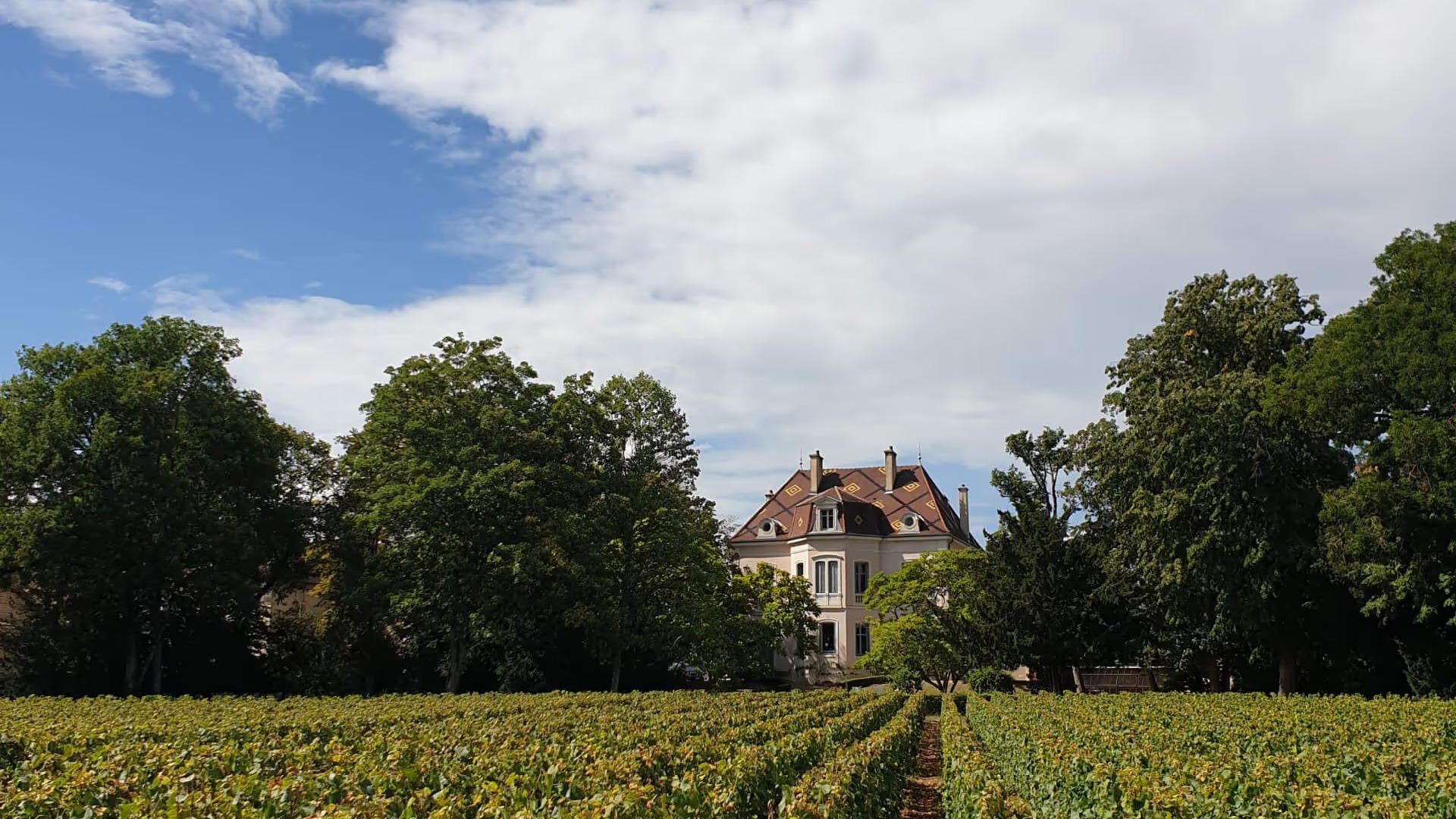
Bars in Saint-Romain
Browse all →
Restaurants in Saint-Romain
Browse all →
Details
- Classic
- Scenic
- Elegant
- Rustic
- Intimate
- Romantic Getaway
- Group Outing
- Wine Education
- Special Occasion
- Solo Exploration
- Estate Grounds
- Vineyard Tour
- Private Tasting
- Historic Building
- Sustainable
- Vineyard
- Mountain
- Chardonnay
- Pinot Noir
- Aligoté
- Still White
- Still Red
- Estate Tasting
- Barrel Tasting
- Vineyard Visit
- French
Family-run Burgundy estate atmosphere with a focus on terroir and traditional winemaking, offering elegant, mineral-driven Chardonnay and Pinot Noir from the hills of Saint-Romain in a quiet village setting.