Domaine Yvon Clerget belongs to the serious end of Volnay: a small Côte de Beaune family domaine revived in 2015 under Thibaud Clerget, with Pinot Noir at the center and a small Chardonnay presence from Meursault. The draw is terroir translation rather than cellar theatrics, across under 6 hectares spanning Volnay, Pommard, Clos Vougeot and Meursault.

Pearl is the En Primeur Club membership app — saves, bookings, and concierge access live there. Same editors, same standards.
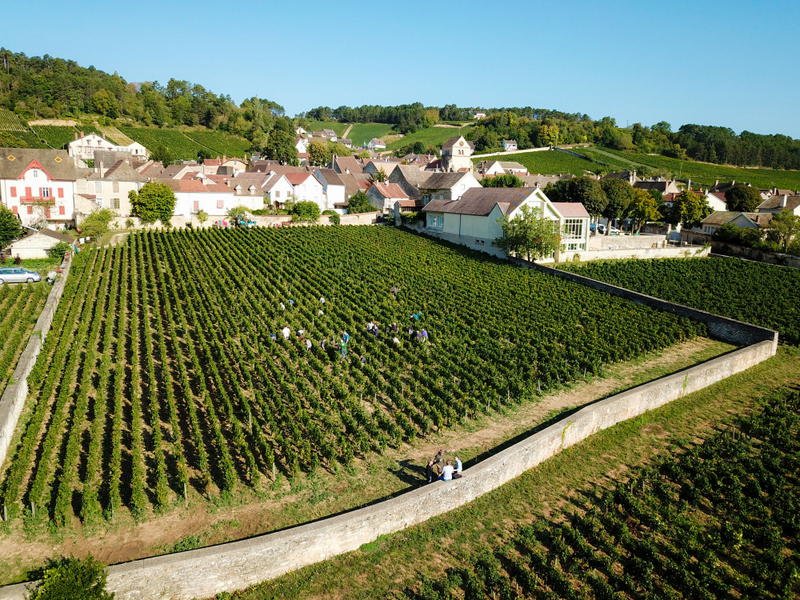
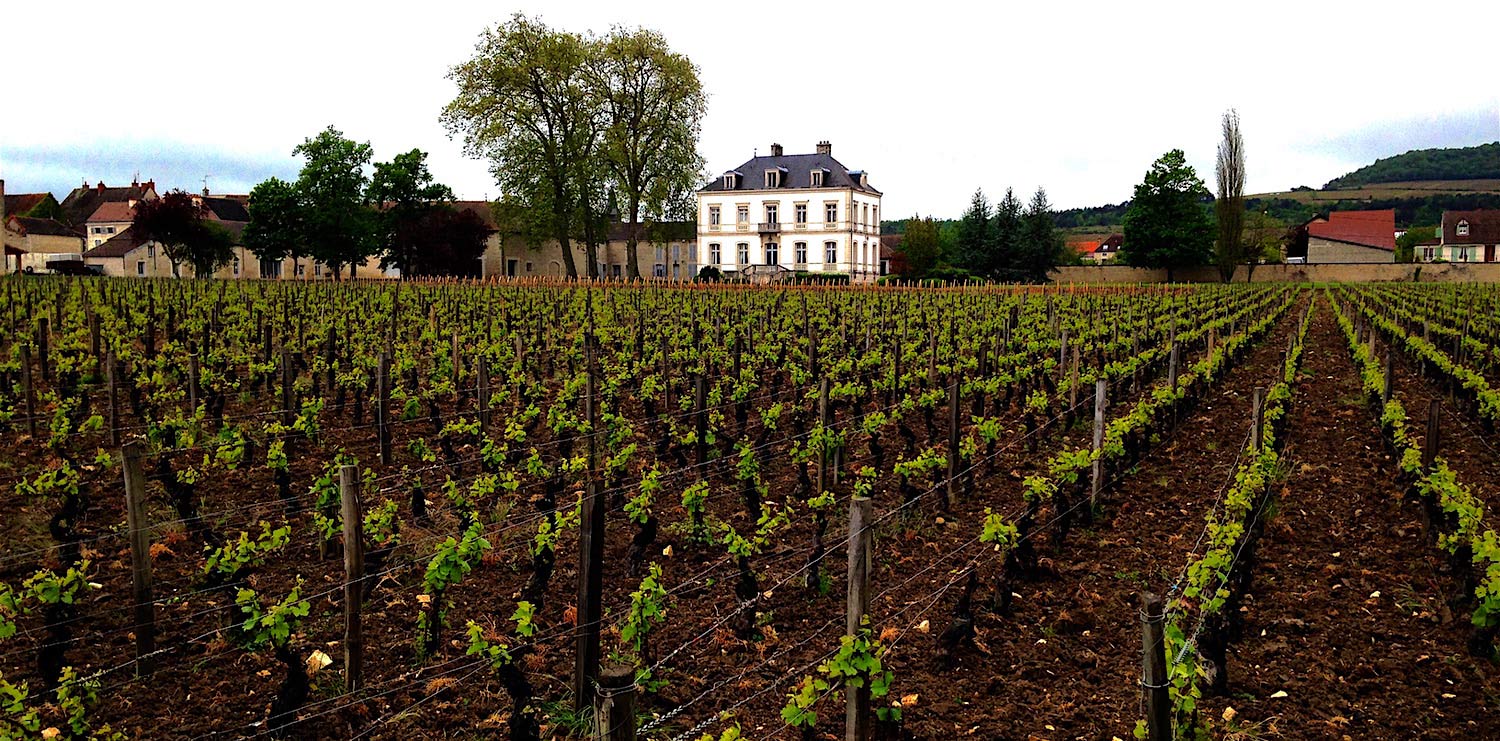
Volnay rewards a slower eye. The village does not announce Burgundy through spectacle; it works through slope, stone and the small differences that give Burgundy its sense of place. Domaine Yvon Clerget fits that register: a historic Burgundy family domaine in Volnay, set in a classic, hidden building, with a reputation centered on elegant, pure and terroir-driven Volnay and Pommard wines. It is the kind of address that sits naturally within the quieter side of the Côte de Beaune, where the point is not a theatrical arrival but a more careful reading of origin, family continuity and vineyard character.
The appeal here is the combination of heritage and renewal. Domaine Yvon Clerget is described as a historic family domaine reborn under a young winemaker, with emphasis on careful vineyard work and minimal-intervention cellar practices. For visitors and collectors, that makes the domaine less about spectacle and more about the clarity of its wines and the way Volnay and Pommard can express Burgundy through a terroir-driven lens. The word “reborn” matters in this context because it suggests energy without severing the connection to family history; the domaine is presented as both rooted and alert, with its identity tied to the vineyards rather than to a polished hospitality concept.
Volnay, Pommard and a small domaine's terroir focus
The core argument for the wines is geographical. Domaine Yvon Clerget is associated with Volnay and Pommard, with its appeal lying in a terroir-focused lens rather than in a broad visitor concept or entertainment-led experience. In Burgundy, that distinction is important: the conversation often begins with place, and here the frame is narrowed to wines whose value is understood through village identity, vineyard attention and the contrasts that can emerge from neighboring appellations.
What can be stated is simpler and still meaningful: the winery is valued for pure, elegant wines shaped by vineyard attention and restrained cellar work. That purity should be read as an editorial through-line rather than a technical promise. The available description points toward wines that aim to transmit site and fruit without being dominated by overt winemaking signatures, a position that fits naturally with Volnay’s reputation for refinement and with Pommard’s more structured associations.
That restraint is central to how to read the domaine. It is a Volnay address for drinkers who care about Burgundy’s quiet differences and the way place can shape a wine’s identity. The attraction is not that everything is explained in advance, but that the domaine’s stated emphasis gives the wines a clear interpretive path: look first to the vineyard, then to the family domaine behind it, and only after that to the cellar choices that help preserve the line between the two.
Cellar choices that keep the vineyard in front
The winery is described through minimal-intervention cellar practices, with the vineyard kept at the center of the wines’ identity. Rather than relying on a heavily polished or standardized style, the profile points toward purity, elegance and terroir expression. In practical terms, this means the domaine is best discussed through intention and sensibility: careful work outside, a measured hand inside, and a desire for the finished wines to feel connected to their origins.
No confirmed public details are provided here for exact élevage, oak percentages, whole-cluster use, fermentation methods or cuvée-by-cuvée techniques. Those specifics should be checked directly with the domaine before being used to plan a purchase or tasting. That caution is especially important in Burgundy, where small differences in cellar approach can matter greatly and where assumptions can easily overtake what is actually verified.
What remains clear is the guiding idea: vineyard work and a light cellar touch are part of the domaine’s identity, helping place its Volnay and Pommard wines in a classic, site-driven Burgundy frame. The absence of technical detail here does not weaken the main point; it simply keeps the description honest. The reliable takeaway is the domaine’s stated orientation toward elegance, purity and terroir rather than toward a recipe of winemaking particulars.
How to place it in a Volnay itinerary
This is a historic Burgundy family domaine in Volnay, best understood as a focused wine stop rather than a general dining or hospitality venue. The setting is classic and discreet, and the strongest reason to seek it out is an interest in elegant, terroir-driven Burgundy wines. Visitors should think of it within the rhythm of Volnay itself: modest façades, compact streets, and a wine culture where seriousness is often expressed quietly rather than through display.
For a broader village frame, pair the winery with other dining and wine experiences in Volnay in general terms. When comparing options, keep the focus on the winery itself and on the wider Volnay context rather than assuming services, visitor formats or tasting arrangements. Its role in an itinerary is therefore quite specific: a point of reference for those following the thread of family domaines, careful vineyard work and the nuanced relationship between Volnay, Pommard and the Burgundy idea of place.
At a Glance
- Classic
- Elegant
- Well Known
- Wine Education
- Special Occasion
- Solo Exploration
- Romantic Getaway
- Estate Grounds
- Historic Building
- Private Tasting
- Sustainable
- Vineyard
- Volnay AOC
- Pinot Noir
- Chardonnay
- Still Red
- Still White
- Private Tasting
- Barrel Tasting
Historic Burgundy family domaine reborn under a young winemaker, with a focus on vineyard work and minimal-intervention cellar practices that yield elegant, pure, terroir-driven Volnay and Pommard wines.