Domaine Louis Boillot
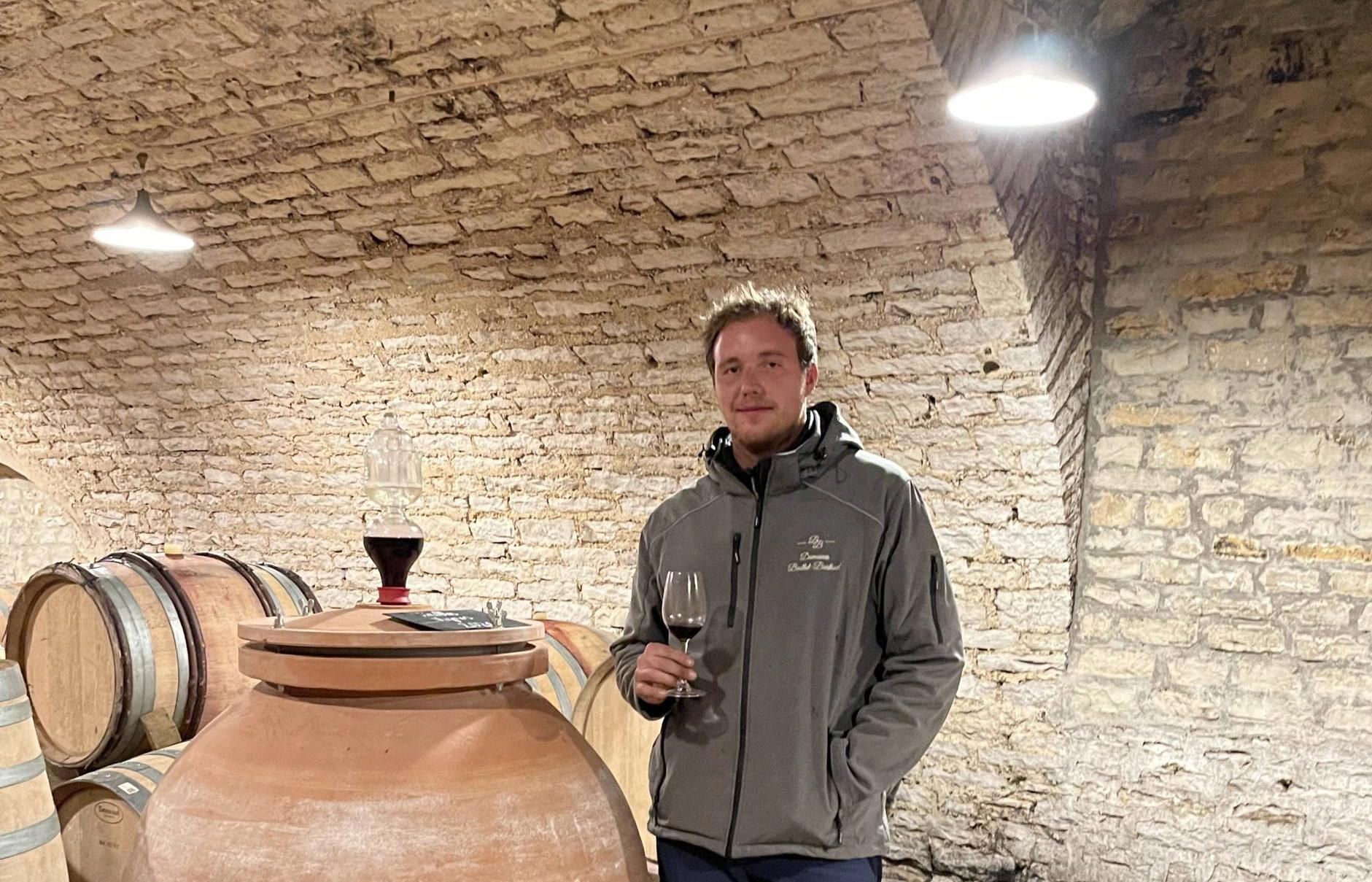
Clément Boillot has run Domaine Louis Boillot since 2007. Middle-tier Chambolle-Musigny producer, tiered distribution, 60% négociant allocation.
Pearl is the En Primeur Club membership app — saves, bookings, and concierge access live there. Same editors, same standards.

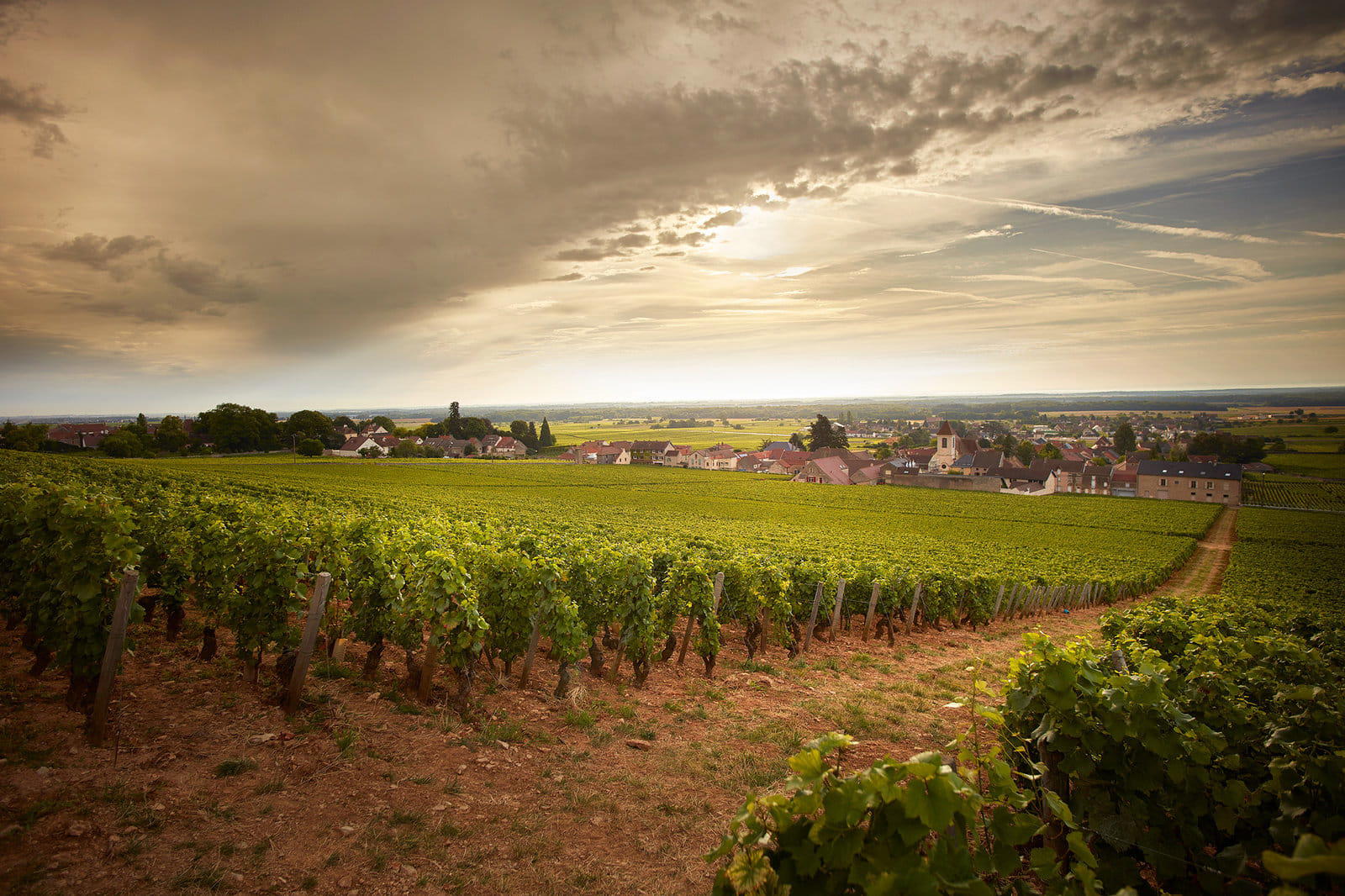
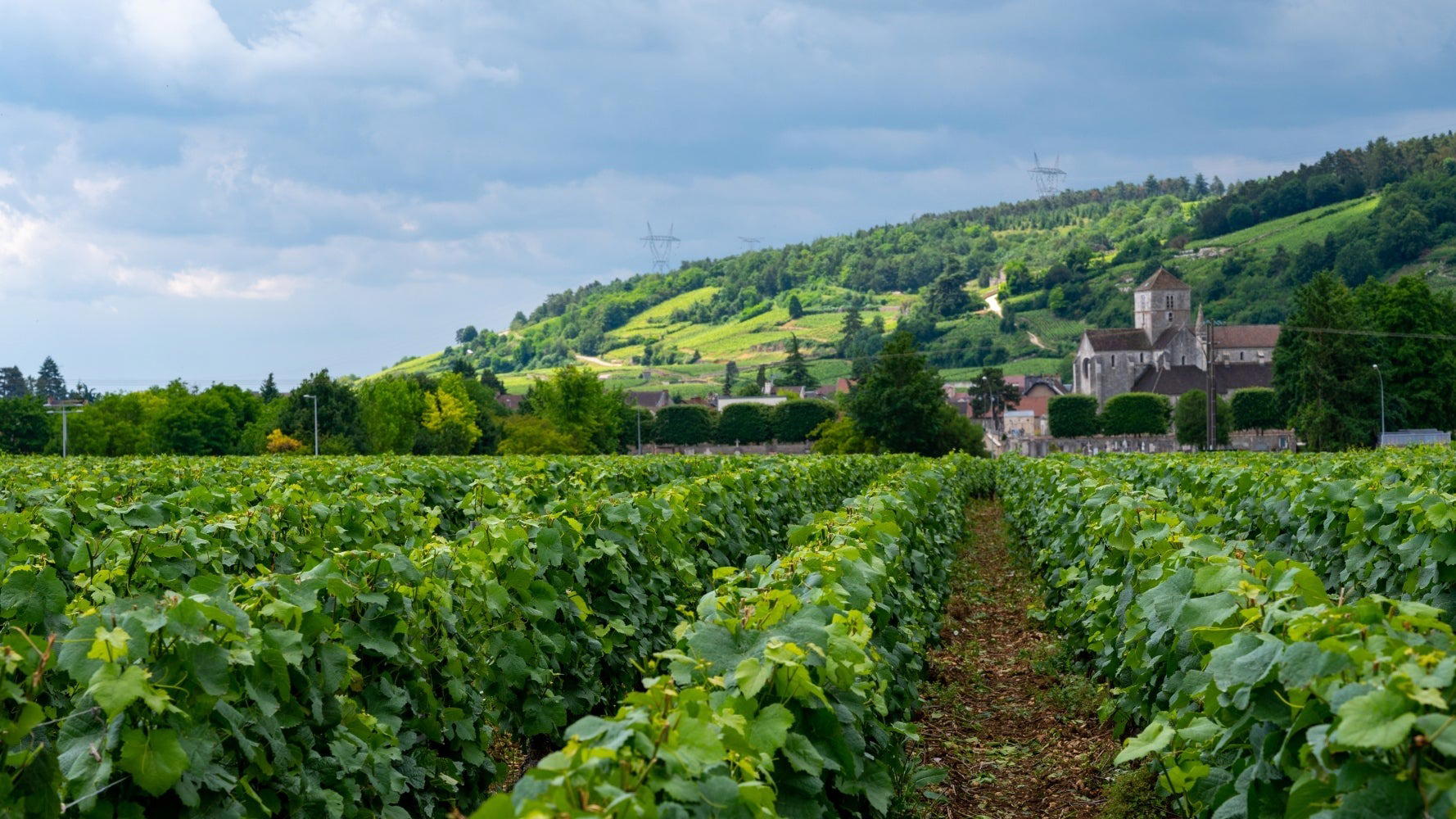
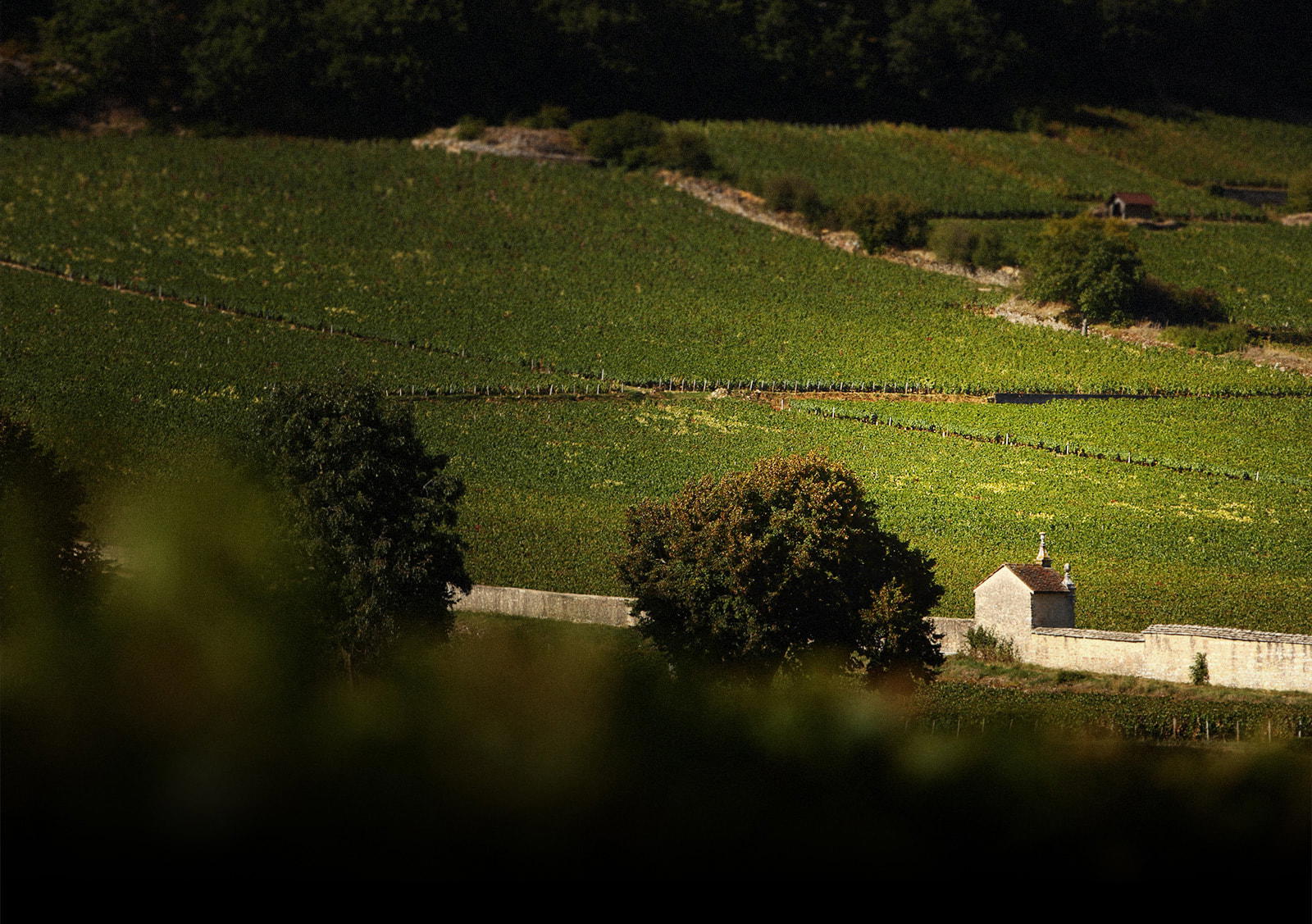
Chambolle-Musigny sits at the structural centre of the Côte de Nuits, where the limestone bedrock thins over iron-rich marl and the gradient steepens just enough to pull frost off the midslope parcels in April. The appellation's reputation rests on a textural paradox, wines that show both structural length and an almost translucent mid-palate, and the technical challenge for any producer working the commune is to hold that balance without collapsing into either dilution or extraction. Domaine Louis Boillot, under the direction of Clément Boillot since the mid-2000s, works inside the modern Burgundian school that emerged in the 1990s around lower new-oak percentages, longer pre-fermentation cold soaks, and restrained extraction protocols, but pushes the phenolic ripeness window later into September than the Chambolle baseline and holds back the bottling date by an additional four to six months relative to peers working the same parcels.
The domaine itself was founded in 2002 when Louis Boillot split the holdings of Domaine Lucien Boillot with his brother. The estate's structure reflects the bifurcated ownership patterns common to post-phylloxera Burgundy: small holdings across multiple appellations rather than a single contiguous climat, with the largest single parcel a 0.35-hectare plot in Chambolle-Musigny Premier Cru Les Charmes. Clément Boillot, Louis's grandson, took full operational control in 2007 after a decade of staged transition and has held the cellar since, working roughly 6.5 hectares across fifteen named parcels. The estate produces approximately 25,000 bottles annually, split between village-level Chambolle-Musigny (roughly 40% of total production), Premier Cru parcels in Chambolle, Gevrey, and Pommard (roughly 50%), and a single Grand Cru holding in Musigny (0.07 hectares, roughly 300 bottles per vintage when declassified fruit is excluded). The Musigny parcel sits in the southern sector of the climat, adjacent to Domaine Jacques-Frédéric Mugnier's holding and upslope from Domaine Georges Roumier, and was acquired in 2002, relatively late inside the modern domaine timeline, when Grand Cru parcels in Musigny had already moved beyond the reach of most independent producers.
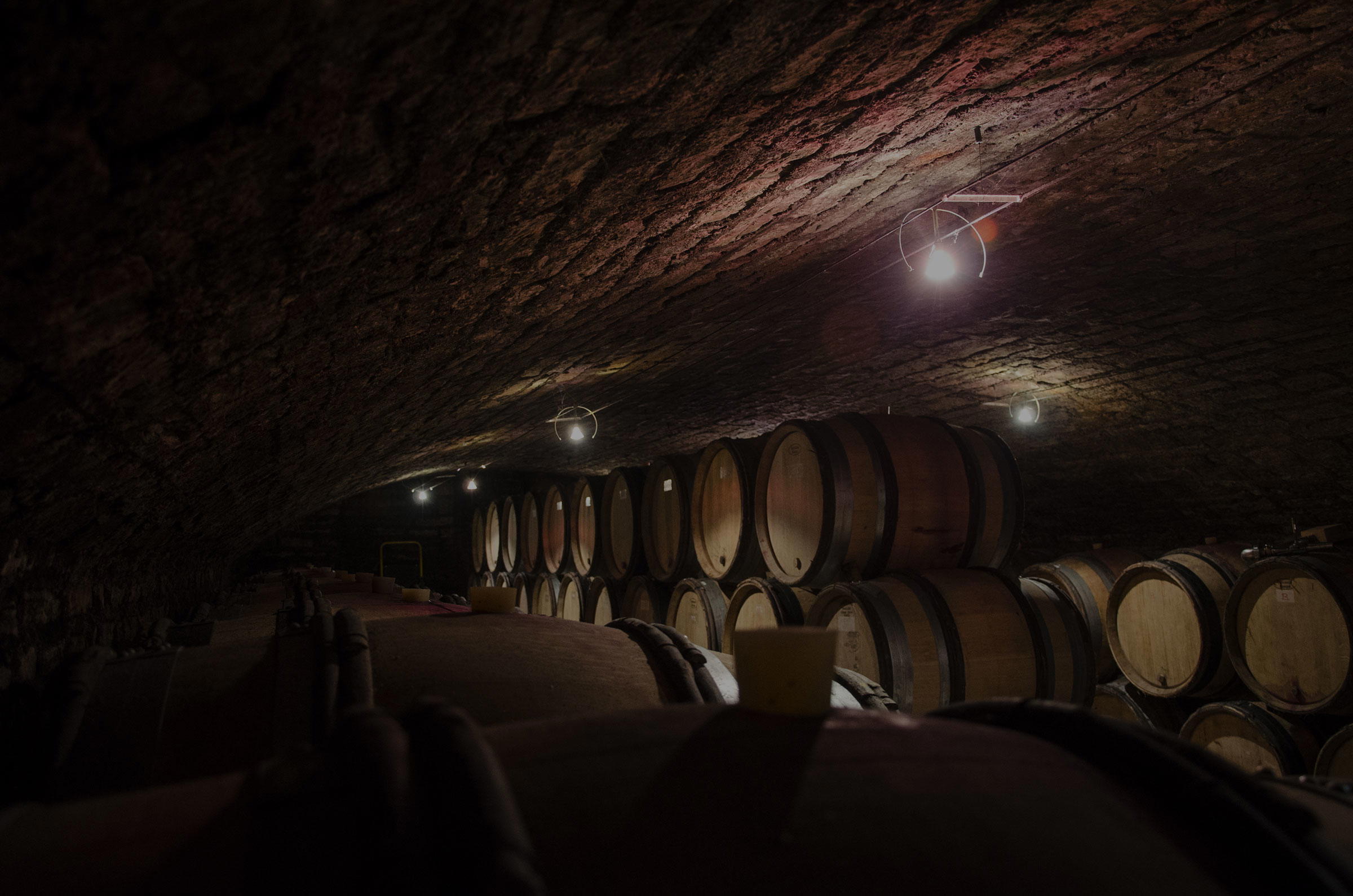
Clément Boillot's winemaking protocol reflects the post-Rousseau generation of Côte de Nuits producers who came of age in the 2000s, after the high-extraction, high-new-oak era of the 1980s and early 1990s had given way to a cooler, less interventionist style. Fruit is hand-harvested at a target Baumé reading roughly half a degree higher than the Chambolle appellation average, typically 13.0% to 13.5% potential alcohol at harvest, compared to the village baseline of 12.5% to 13.0%, and undergoes a five-to-seven-day cold soak at 10°C to 12°C before spontaneous fermentation begins. Fermentation proceeds in open-top wooden vats with a twice-daily pigeage for the first seven to ten days, then a single daily remontage as the cap begins to sink. Total maceration time runs 18 to 22 days, slightly longer than the Chambolle norm of 15 to 18 days, and pressing occurs at a relatively low force to avoid hard-seed tannin extraction. The wine is then racked into barrel, 25% to 35% new oak for village-level cuvées, 35% to 50% new for Premier Cru, and 50% to 60% new for the Musigny bottling, and undergoes malolactic fermentation in barrel over the winter. Elevage lasts 16 to 18 months for village and Premier Cru wines, with a single racking at 12 months, and 18 to 20 months for the Grand Cru. Bottling occurs without fining and with a light crossflow filtration, typically in late spring or early summer two years after harvest.
The resulting wines sit structurally between the high-tension, almost austere style associated with Domaine Ghislaine Barthod and the richer, more immediate style of Domaine Comte Georges de Vogüé's village-level bottlings. Boillot's village Chambolle-Musigny shows more mid-palate density than Barthod's and more phenolic grip than Vogüé's, with tannins that read as ripe rather than green but that do not soften into accessibility until the wine reaches six to eight years post-vintage. The Premier Cru Les Charmes, the domaine's largest holding and the most-cited bottling in trade reviews, shows a similar structural profile but with greater length and a more pronounced saline finish, typical of the Charmes parcel's position at the southern edge of the appellation where the limestone cap thins and the iron content rises. The Musigny, when tasted young, reads as closed and tannic relative to the more immediately expressive Musigny bottlings from Domaine Jacques-Frédéric Mugnier and Domaine Leroy, and critical consensus places it in the second tier of Musigny producers, behind the benchmark holdings of Domaine de la Romanée-Conti, Mugnier, Leroy, and Domaine Georges Roumier, but ahead of the more variable mid-tier producers working smaller parcels in the climat.
Trade pricing for Domaine Louis Boillot reflects its position inside the Chambolle-Musigny peer set. The village-level Chambolle-Musigny releases at approximately €45 to €55 per bottle ex-cellar, roughly 20% above the appellation average but below the premium commanded by Barthod (€60 to €70) and well below Vogüé's village bottling (€80 to €100). Premier Cru parcels release at €80 to €120, depending on the climat, with Les Charmes at the upper end of that range. The Musigny, when it is released to the open market rather than held back for allocation, prices at €400 to €500 ex-cellar, roughly half the release price of Mugnier's Musigny (€800 to €1,000) and a quarter of the Domaine de la Romanée-Conti Musigny (€1,800 to €2,200), reflecting both the smaller critical reputation and the lower secondary-market demand. The domaine operates a traditional Burgundian allocation system, with roughly 60% of annual production sold through long-standing négociant relationships (primarily to Becky Wasserman's Le Serène portfolio and to a smaller degree through Bourguignons in Paris) and the remaining 40% sold directly to private clients and restaurants on the domaine's mailing list. The mailing list is not closed but operates on a vintage-by-vintage invitation basis, and new clients are typically required to purchase across the portfolio rather than cherry-picking the Grand Cru or top Premier Cru bottlings.
Clément Boillot's technical approach inside the cellar reflects the influence of the Domaine de la Pousse d'Or style that his grandfather Louis brought to the domaine at its founding, but with modifications introduced in the 2000s as the Burgundian conversation around extraction and oak shifted. The pre-fermentation cold soak, now standard across the Côte de Nuits, was adopted at Domaine Louis Boillot in 2005, relatively late inside the regional timeline; Domaine Dujac and Domaine Georges Roumier had been practicing cold soaks since the mid-1990s, and Domaine de la Romanée-Conti since 1999. The reduction in new-oak percentage across the portfolio occurred more gradually, starting in 2008 and reaching the current 25%-to-60% range by 2012, as barrel costs rose and critical preference shifted toward more restrained oak signatures. The decision to push harvest dates later, however, is a more recent and more controversial choice, beginning around 2015 and becoming consistent across the portfolio by 2018. The rationale, as Boillot has stated in trade interviews, is to capture fuller phenolic ripeness in the skins and seeds without relying on longer maceration times, which tend to extract harder tannins from Pinot Noir when the fruit is harvested earlier. The trade-off is higher alcohol levels; recent vintages have been bottled at 13.5% to 14.0% ABV for village and Premier Cru wines, compared to the historical Chambolle range of 12.5% to 13.0%, and a richer, more structured profile that divides critical opinion. Advocates argue that the wines show better balance and longer aging potential; critics contend that the domaine is moving away from the traditional Chambolle typicity of finesse and transparency toward a more generic modern Burgundian style.
The domaine's vineyard work follows organic principles but is not certified, a common position among small Burgundian producers who farm organically in practice but avoid the certification process due to the administrative burden and the risk of losing an entire vintage to mildew or oidium in a difficult year. Clément Boillot uses no synthetic herbicides or pesticides, relies on copper and sulfur sprays for fungal pressure, and plows the rows manually with a horse-drawn plow in the steeper parcels. Yields are controlled through green harvest in July, targeting 35 to 40 hectoliters per hectare for village-level wines and 30 to 35 hectoliters per hectare for Premier Cru and Grand Cru, slightly below the appellation maximums but above the ultra-low yields (25 to 30 hectoliters per hectare) practiced by the most quality-focused producers in the region. The vines themselves range in age from 25 to 70 years, with the oldest parcels in Gevrey-Chambertin Premier Cru Les Corbeaux and Chambolle-Musigny Premier Cru Les Charmes, and replanting occurs on a rolling basis as individual vines die or decline in productivity.
Domaine Louis Boillot's position inside the Chambolle-Musigny peer set is that of a technically solid, mid-tier producer working at a high level of consistency but without the critical acclaim or the historical prestige of the top-tier domaines in the appellation. The wines are not allocated to the degree that makes them inaccessible; a significant portion of each vintage reaches the open market through standard distribution channels, but neither are they overlooked by serious collectors or sommeliers sourcing for Burgundy-focused lists. The domaine occupies a similar niche to Domaine Felettig, Domaine Cécile Tremblay, and Domaine Dugat-Py: producers whose wines are recognised as benchmark examples of their respective appellations but who do not command the secondary-market premiums or the allocation scarcity of the twenty or so iconic houses that define the Burgundian fine-wine trade. For trade buyers, Domaine Louis Boillot represents a reliable source of well-made Chambolle-Musigny at a price point roughly 30% to 50% below the top tier, with the understanding that the wines will require cellaring and will not offer the immediate expressiveness or the critical scores that drive luxury-segment demand.
Access and Trade Structure
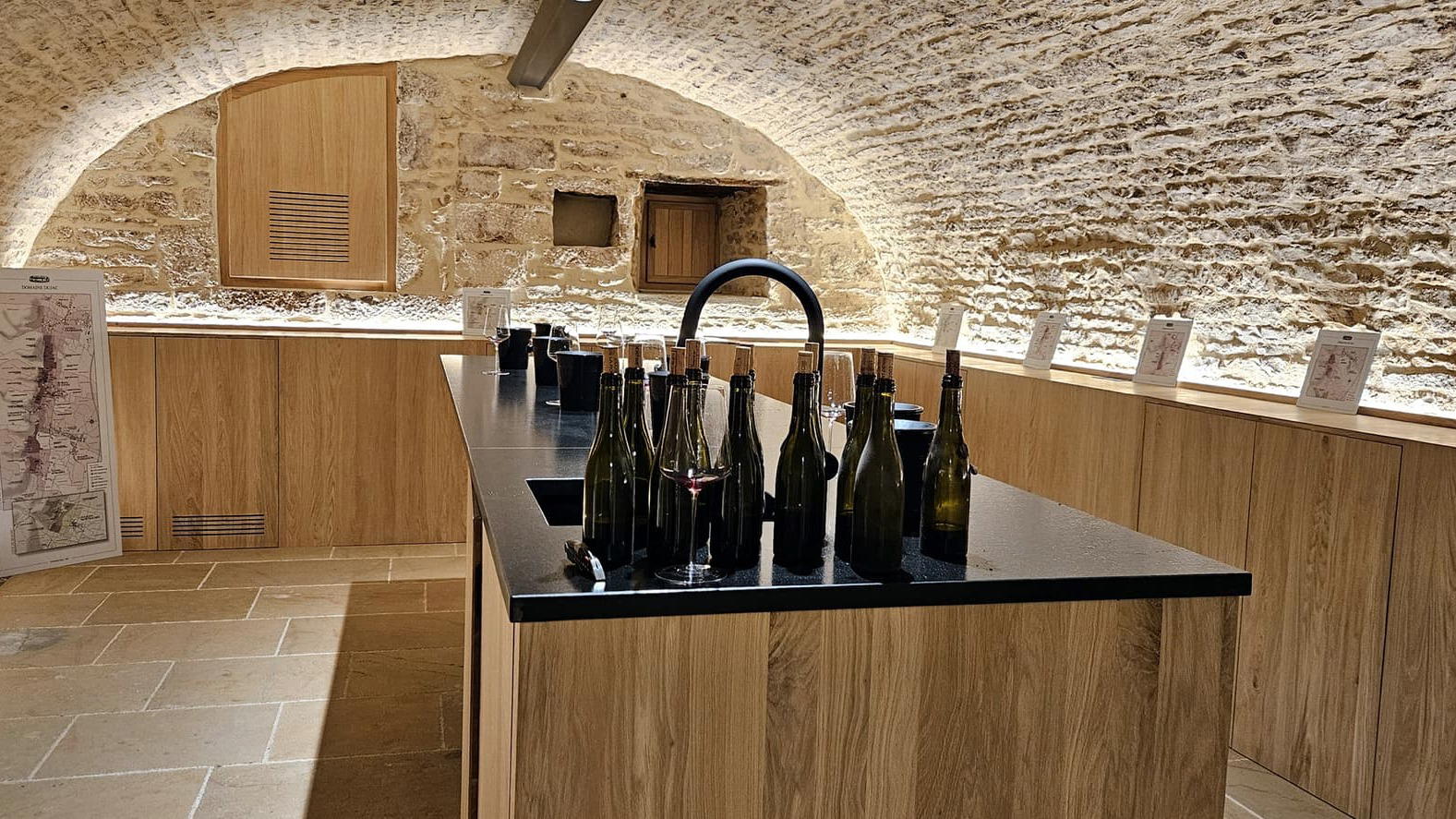
Domaine Louis Boillot operates a tiered distribution model typical of small Burgundian estates. Approximately 60% of annual production flows through two primary négociant channels: Becky Wasserman's Le Serène portfolio, which handles North American and select European markets, and Bourguignons, a Paris-based distributor focused on domestic French clients and high-end restaurants. The remaining 40% is sold directly from the domaine, split between a private mailing list (roughly 25% of total production) and direct cellar-door sales to walk-in clients and trade buyers visiting Chambolle-Musigny (roughly 15%). The mailing list is not formally closed but operates on an invitation-only basis, with Clément Boillot offering spots to clients who have purchased across multiple vintages and who commit to buying a mixed case rather than selecting only the Grand Cru or top Premier Cru bottlings. Mailing-list clients receive an annual allocation offer in late spring, typically two years post-harvest, with delivery occurring in early summer. Pricing is ex-cellar and excludes VAT, duties, and shipping; clients are responsible for arranging transport or for picking up the wine at the domaine. Cellar-door sales occur on a walk-in basis during standard business hours (Monday through Friday, 9:00 to 12:00 and 14:00 to 17:00, closed weekends and French public holidays), and quantities are limited to two bottles per parcel per client to prevent resale arbitrage. The domaine does not operate a formal tasting room, but trade buyers and mailing-list clients can arrange barrel tastings by appointment during the spring following harvest.
Frequently Asked Questions
Where does Domaine Louis Boillot sit in the peer set?
Domaine Louis Boillot occupies the middle tier of Chambolle-Musigny producers, positioned between the appellation's benchmark estates (Domaine Georges Roumier, Domaine Jacques-Frédéric Mugnier, Domaine Comte Georges de Vogüé) and the larger-volume cooperative and négociant bottlings. The wines show more phenolic density and require longer cellaring than the more immediately accessible village bottlings from Domaine Ghislaine Barthod, but they lack the critical acclaim and the secondary-market demand of the top-tier holdings. Trade pricing reflects this position: the domaine's village Chambolle-Musigny releases at €45 to €55 ex-cellar, roughly 20% above the appellation average but 30% to 50% below the premium commanded by Roumier, Mugnier, and Vogüé. The Musigny Grand Cru, when released to the open market, prices at €400 to €500, half the cost of Mugnier's Musigny and a quarter of Domaine de la Romanée-Conti's, reflecting the smaller parcel size (0.07 hectares) and the lower critical scores in trade publications. For sommeliers sourcing Chambolle-Musigny for a restaurant list, Domaine Louis Boillot offers a reliable mid-tier option with consistent quality and reasonable availability, but it will not carry the name recognition or the cellar-worthiness of the top tier.
Who has been at the pass, on the floor, or in the cellar at Domaine Louis Boillot?
Clément Boillot has been the sole winemaker at Domaine Louis Boillot since 2007, when he took full operational control following a decade-long transition period under his grandfather Louis Boillot. Louis Boillot founded the estate in 2002 when he split the holdings of Domaine Lucien Boillot with his brother, after a long tenure as winemaker at Domaine de la Pousse d'Or in Volnay, and he shaped the domaine's early style around the restrained, elegant profile that defined Pousse d'Or's Volnay bottlings in the 1970s and 1980s. Clément began working harvests at the domaine in the late 1990s while studying enology at the University of Dijon, and he gradually assumed cellar responsibilities through the 2000s, introducing the pre-fermentation cold soak in 2005 and reducing new-oak percentages starting in 2008. The transition was formalised in 2007 when Louis retired, and Clément has been the sole decision-maker in the cellar since. The domaine employs two full-time cellar workers and hires seasonal labour for harvest, but Clément handles all winemaking decisions, barrel selection, and blending. There is no head sommelier or front-of-house figure; the domaine operates as a production-only estate with no formal hospitality program, and client-facing interactions are handled by Clément and his administrative assistant.
Continue exploring
More in Chambolle-Musigny
Wineries in Chambolle-Musigny
Browse all →Restaurants in Chambolle-Musigny
Browse all →At a Glance
- Classic
- Quiet
- Sophisticated
- Wine Education
- Special Occasion
- Solo Exploration
- Private Tasting
- Historic Building
- Vineyard
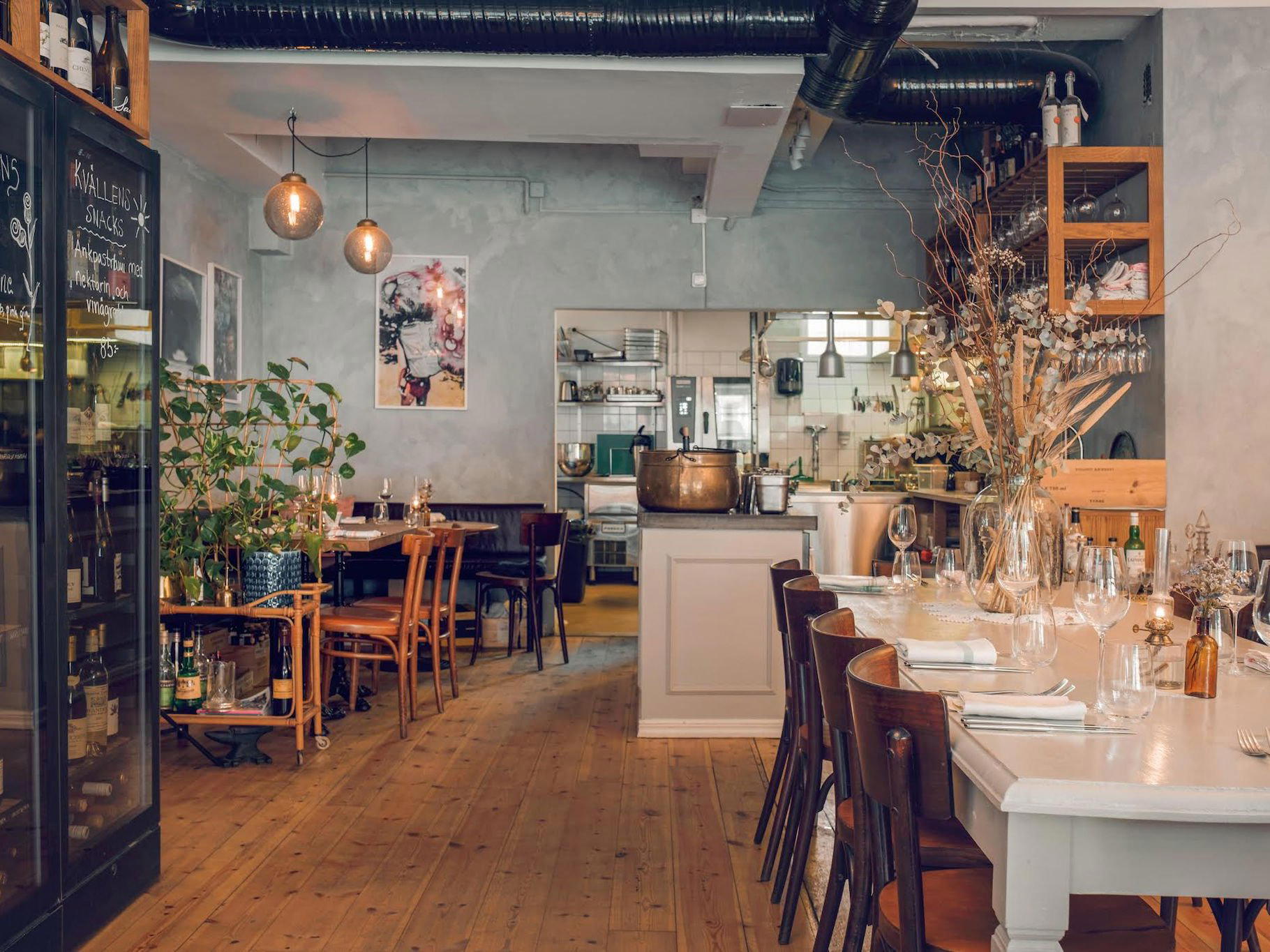
Classic, restrained Burgundy producer atmosphere with a focus on tradition and minimal intervention; the wines are described as balanced, harmonious, and nuanced.