Domaine Jacques Carillon

Michelin Main Selection
Domaine Jacques Carillon sits at a quiet address in Puligny-Montrachet, producing Chardonnay from one of Burgundy's most closely studied appellations. Visiting requires advance planning and a tolerance for the particular rhythms of small Burgundian estate culture.

Pearl is the En Primeur Club membership app — saves, bookings, and concierge access live there. Same editors, same standards.
- Address
- 1 Imp. Drouhin, 21190 Puligny-Montrachet
- Phone
- +33 3 80 21 01 30
- Website
- jacques-carillon.com
- Directions
- Get directions
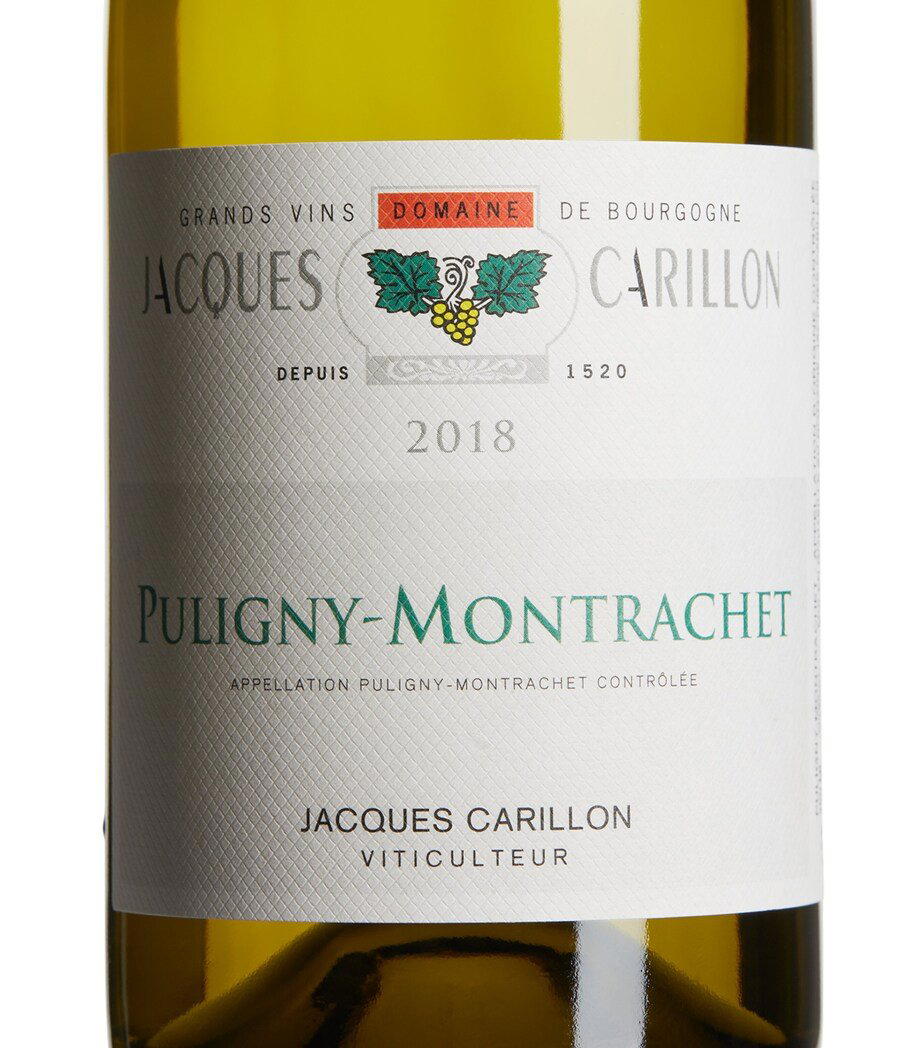
The Ground Beneath the Vines
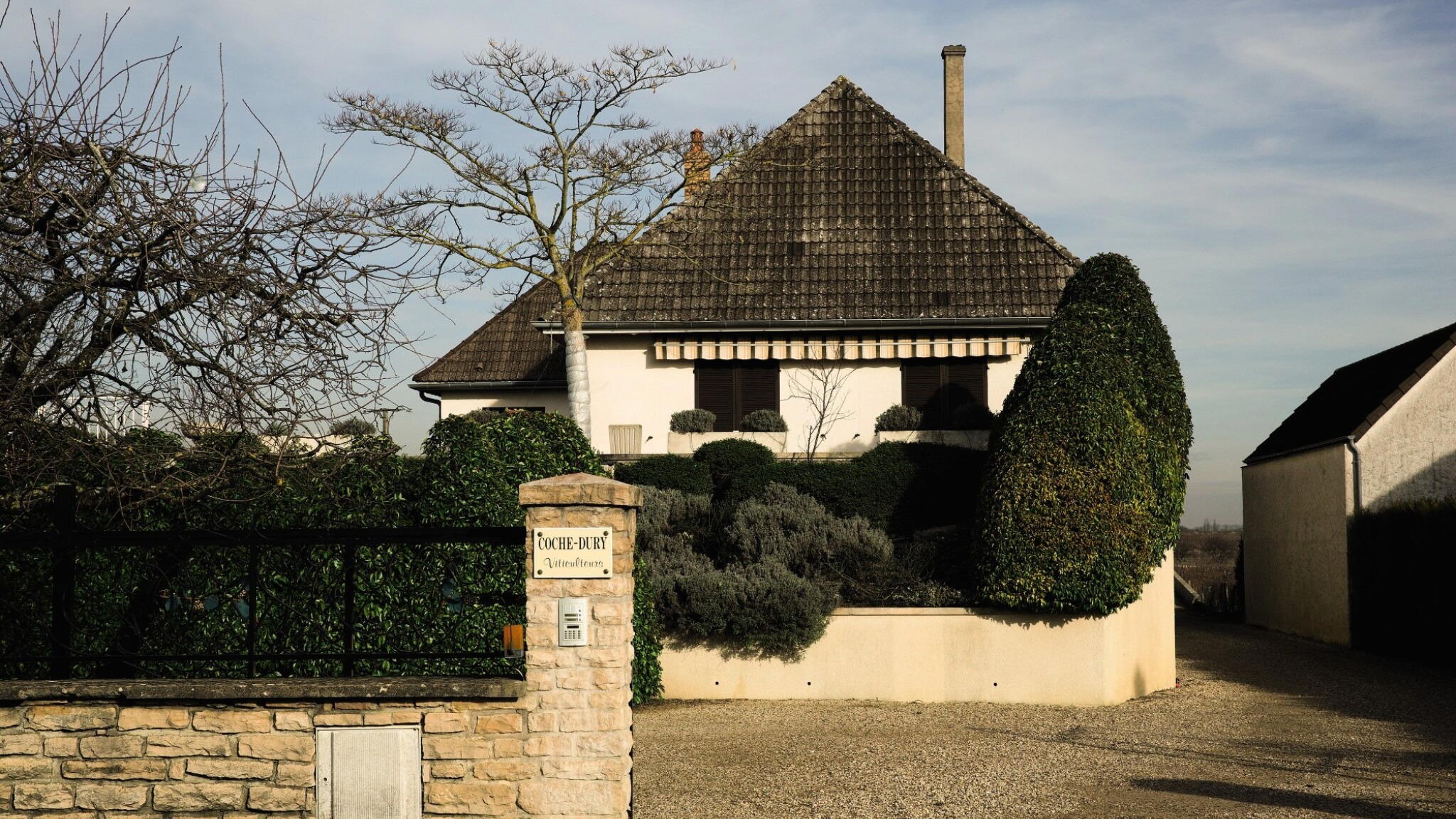
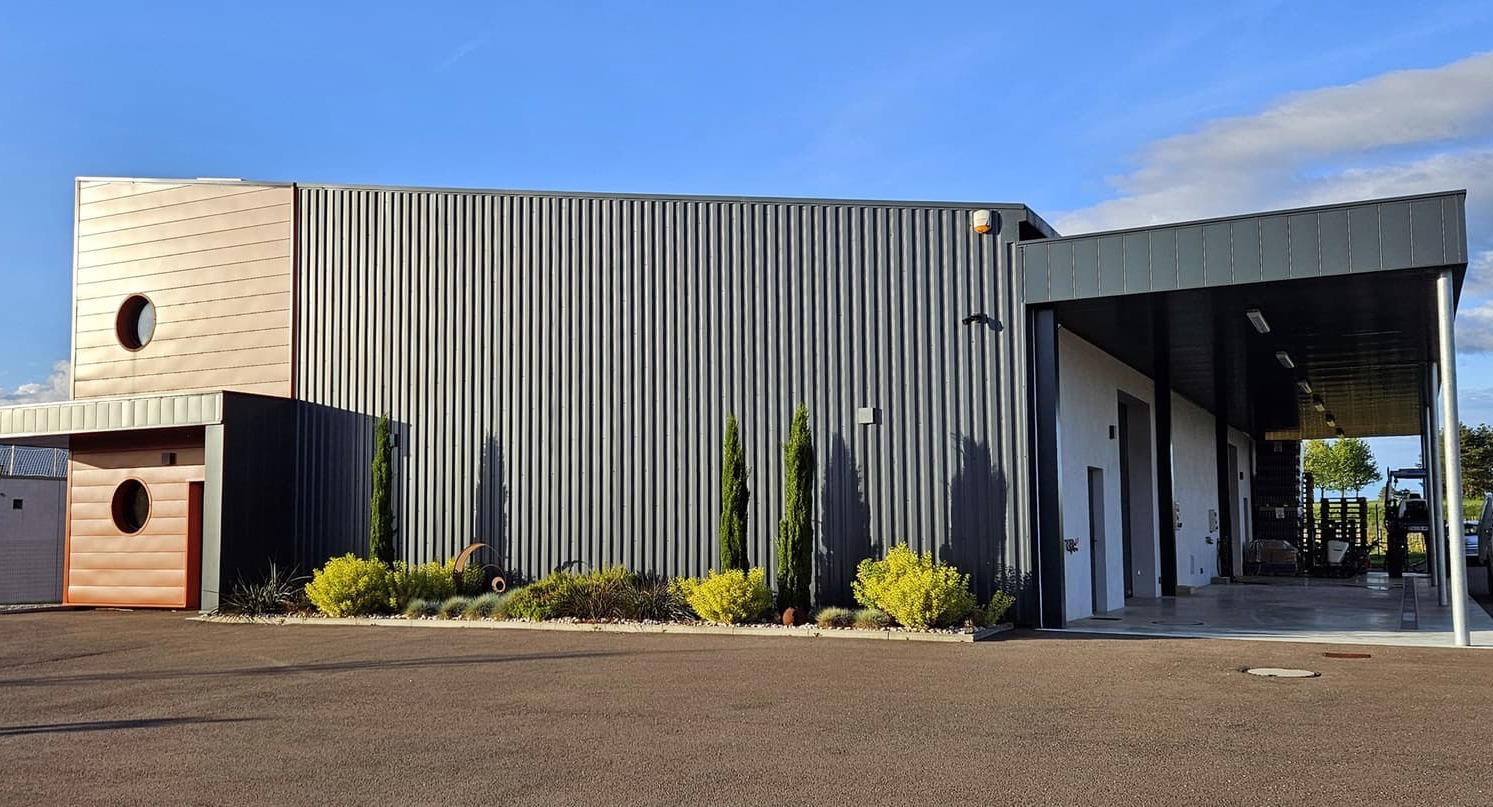
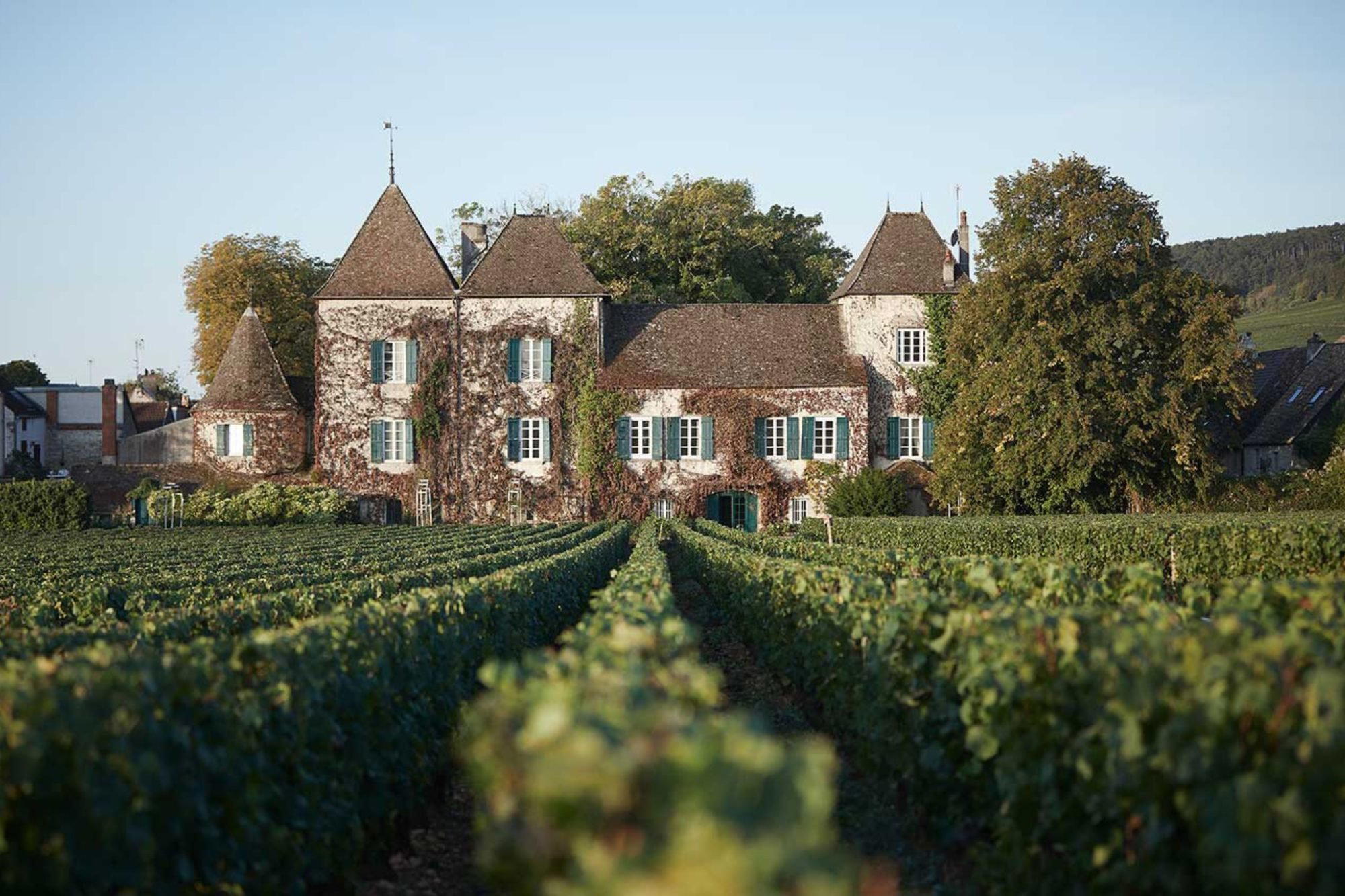
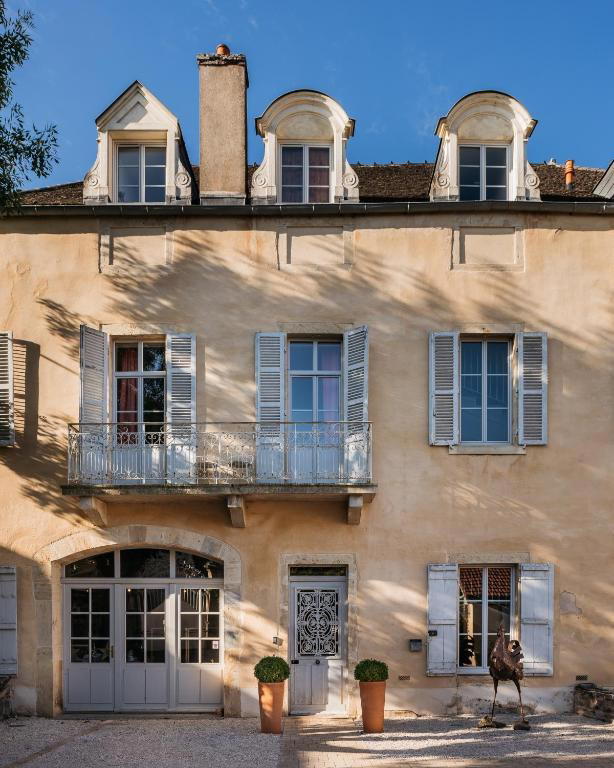
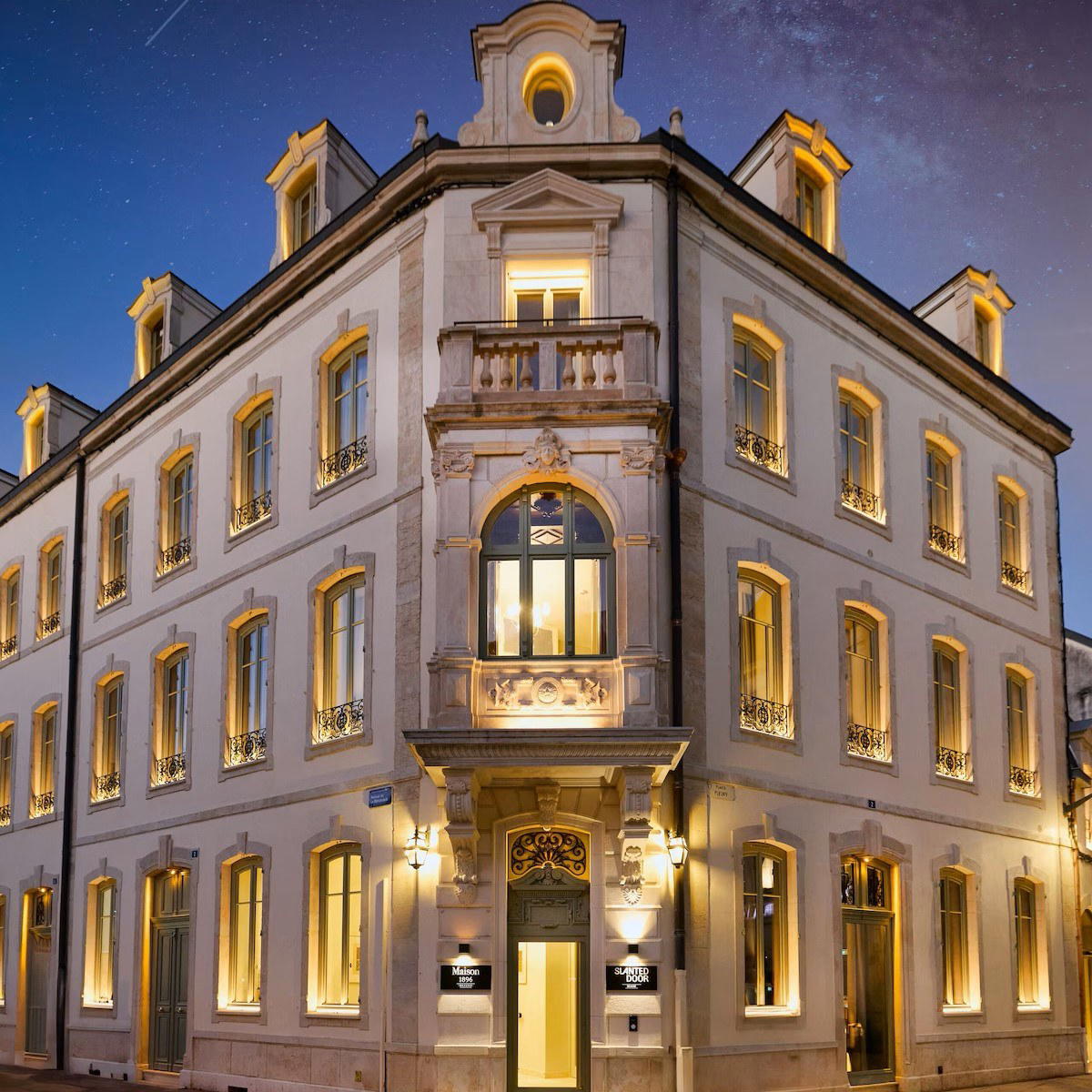
Puligny-Montrachet announces itself quietly. The village sits low in the Côte de Beaune, its stone walls and compressed laneways giving little indication that the slopes directly above contain some of the most scrutinised vineyard land on earth. Domaine Jacques Carillon occupies a discreet address on Impasse Drouhin, a short passage that opens onto the working core of the village rather than any tourist-facing promenade. This is producer country in the plainest sense: the architecture is functional, the gates are often closed, and the wines are the only spectacle on offer.
That physical restraint is consistent with how the top tier of Puligny operates. The village's leading domaines do not compete for visibility on the high street. They compete through parcel selection, cellar discipline, and the slow accumulation of reputation across vintages. Domaine Jacques Carillon.enprimeurclub.com/wineries/domaine-etienne-sauzet-puligny-montrachet-winery">Domaine Etienne Sauzet, Domaine Paul Pernot et ses Fils, and Chapelle de Blagny.
Terrain as the Primary Argument
In Puligny-Montrachet, winemaking philosophy matters less than the starting point. The Côte de Beaune's limestone-rich soils, particularly the Kimmeridgian and Bathonian substrates that run through the premier and grand cru parcels above the village, produce a structural tension in Chardonnay that winemakers in other regions spend considerable effort trying to approximate. The interplay of chalk, clay, and gradient exposure creates wines with an acidity architecture that ages differently from anything produced further south in the Mâconnais or further north in Chablis.
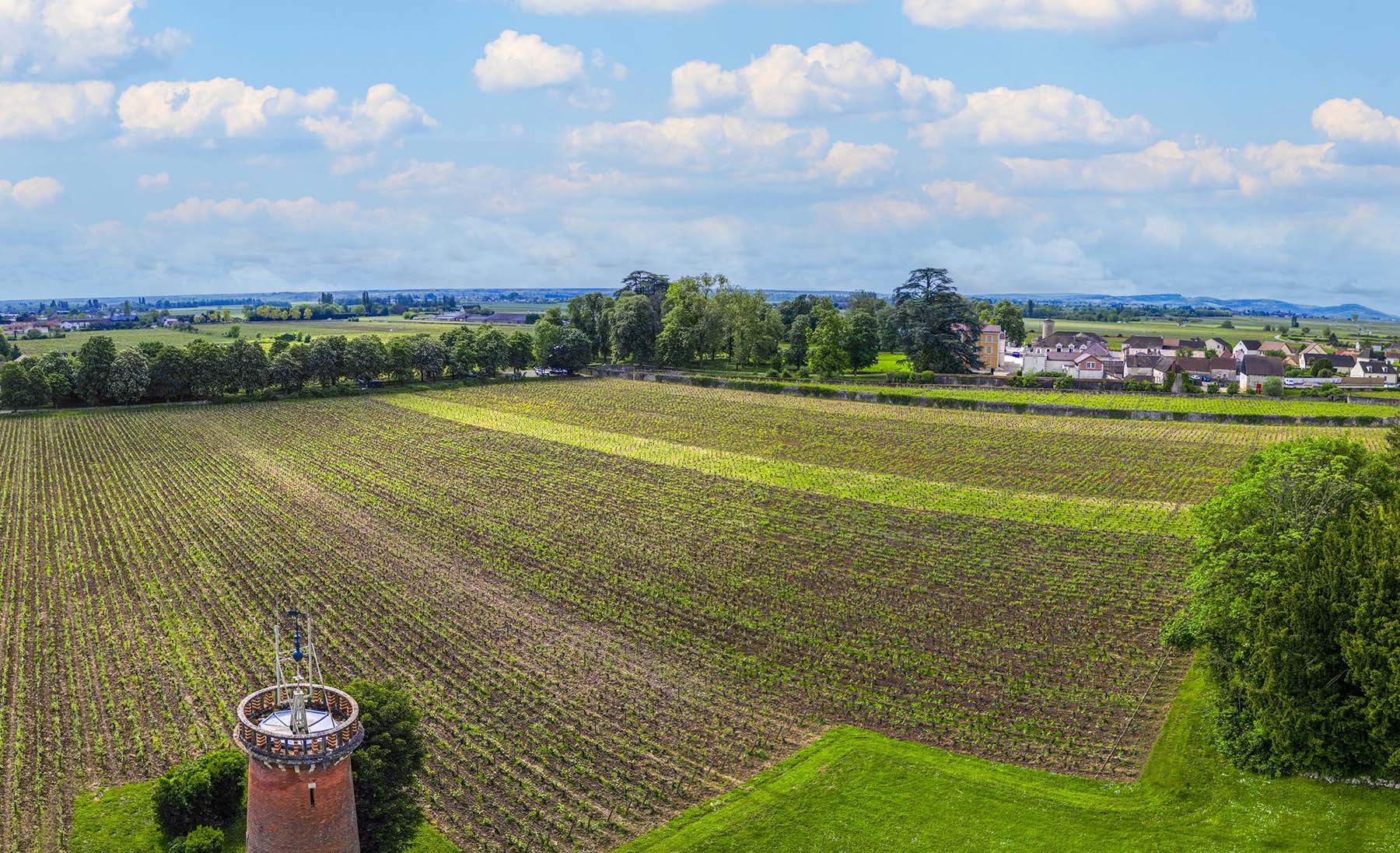
Puligny sits at the epicentre of this. The grand cru belt, Le Montrachet, Chevalier-Montrachet, Bâtard-Montrachet, and Bienvenues-Bâtard-Montrachet, runs along the commune boundary shared with Chassagne. Premier cru plots fan out across the slope above and around the village: Les Combettes, Les Pucelles, Les Folatières, Champ Canet. Each carries a recognisable personality shaped by gradient, aspect, and the fine variations in soil depth that distinguish one row from the next. This is why provenance matters so acutely here, and why visitors to estates like Domaine Jacques Carillon are, functionally, visiting the land as much as the producer.
The domaine's position within the village is part of its context. The Carillon family name has long been associated with Puligny at a generational level. The split that created Domaine François Carillon as a separate entity is itself a chapter in how Burgundian estates evolve across family lines, a pattern repeated across the Côte d'Or wherever succession decisions intersect with parcel inheritance. Understanding that the two domaines now operate independently, with their own cellar approaches and parcel access, is part of reading the village's current producer map accurately.
How Puligny's Upper Tier Works
The dynamics of access at domaines in this tier follow a logic that differs from most wine regions. Allocation is not simply a function of price: it is the product of relationship history, import relationships in key markets, and a domaine's decisions about how much wine to sell direct versus through négociant or broker channels. For a visitor arriving without an existing relationship, the process of tasting or purchasing at a domaine like Domaine Jacques Carillon is genuinely uncertain. Appointments are standard practice. Walk-in visits are rarely productive. The wines, when available, do not sit in retail bins waiting to be discovered.
This is consistent with how the appellation's leading names operate as a category. Domaine Jean-Noël Gagnard, working from the Chassagne side of the shared grand cru belt, operates under similar constraints. The allocation pressure across both communes has intensified over the past decade as global demand for Côte de Beaune white Burgundy has outpaced supply. Producers with premier cru and grand cru parcel access have not needed to market themselves; the wines find buyers before they find shelves.
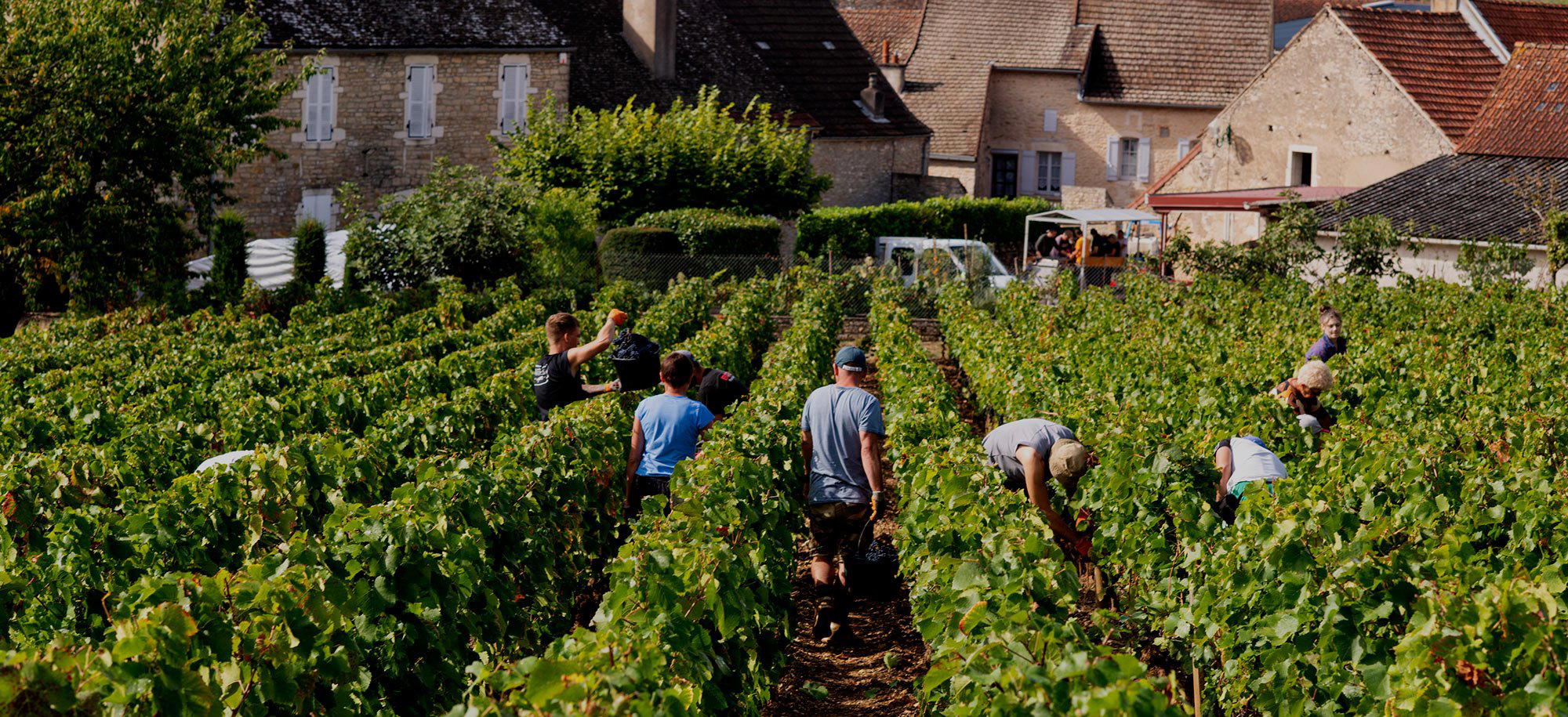
Visitors planning around the harvest season (broadly September through early October, varying by vintage and parcel) should be aware that domaines are often at their least accessible during the harvest itself. The weeks immediately following, when fermentations are underway, can be similarly restricted. Spring, once the wines have settled post-malolactic, often provides a more workable window for those seeking to taste from barrel or recent bottle, though again, this requires prior arrangement rather than assumption.
Placing the Domaine in the Wider Burgundy Frame
Puligny-Montrachet producers compete within a reference system that extends well beyond the village. Pearl-level recognition in 2025 positions Domaine Jacques Carillon within the tier of estates that serious collectors track across vintages, and that sommeliers in major markets allocate time and budget to sourcing. This is a different competitive set from producers in other French appellations earning equivalent recognition. A 2-star prestige award in Puligny implies a baseline of parcel quality and cellar consistency that the appellation's geology makes unusually legible in the glass.
For comparative purposes within Burgundy's broader white wine map: the kind of tension and mineral register that defines leading Puligny occupies a different register from, say, Alsace producers working with richer varietal expression. Albert Boxler in Niedermorschwihr represents a distinct tradition where aromatic intensity and site specificity coexist differently with residual sugar and bottle age. Puligny's register is cooler, more reductive in youth, and frequently demands five to ten years before it opens fully, depending on the appellation level and vintage conditions.
Beyond Burgundy, the framing shifts further still. Comparing Domaine Jacques Carillon's position to, say, Accendo Cellars in St. Helena illustrates how differently prestige Chardonnay is positioned in Napa versus the Côte de Beaune: the production model, the access dynamic, the price discovery mechanism, and the drinking window all operate on entirely different axes. The French appellation system provides a publicly legible hierarchy that Napa's brand-driven model does not replicate. For the buyer, this means that knowing a wine's origin in Puligny is half the credential before a single bottle is opened.
Planning a Visit
Domaine Jacques Carillon is located at 1 Impasse Drouhin in the village of Puligny-Montrachet, which sits between Meursault to the north and Chassagne-Montrachet to the south along the D974. The village is easily reached from Beaune by car, approximately twelve kilometres south, and from Dijon in under an hour. Attempting to visit without advance contact is unlikely to result in a productive outcome and should not be the default approach.
For those building a broader Puligny itinerary, the village rewards a half-day minimum, with time allocated to walking the road that runs above the village along the premier cru slope, a direct encounter with the gradient and vine age that contextualises any tasting far better than a cellar conversation alone. Our full Puligny-Montrachet guide covers additional producers, practical logistics, and how to sequence visits across the commune and its neighbours.
A Lean Comparison
Comparable venues nearby, for context on price, style, and recognition.
| Venue | Cuisine | Awards | Notes |
|---|---|---|---|
| Domaine Jacques CarillonThis venue — the venue you are viewing | Puligny-Montrachet, Chardonnay | Michelin Main Selection | Not listed |
| Domaine Paul Pernot et ses Fils | Puligny-Montrachet, Chardonnay | Not listed | Not listed |
| Domaine Jean-Noël Gagnard | Not listed | Falstaff Winery - Listed | Chassagne-Montrachet, Chardonnay, Pinot Noir |
| Domaine Etienne Sauzet | Puligny-Montrachet, Chardonnay | Michelin 2 Grapes · Falstaff Winery - Listed | Not listed |
| Domaine François Carillon | Puligny-Montrachet, Chardonnay, Aligoté | Falstaff Winery - Listed | Not listed |
| Chapelle de Blagny | Hameau de Blagny, Chardonnay, Pinot Noir | Not listed | Not listed |
Recognition history
Dated appearances from independent guides and award organizations, with the underlying list record or original source where available.
Michelin Main Selection
Michelin · 2026 Michelin Grape Main Selection - Burgundy
Continue exploring
More in Puligny-Montrachet
Wineries in Puligny-Montrachet
Browse all →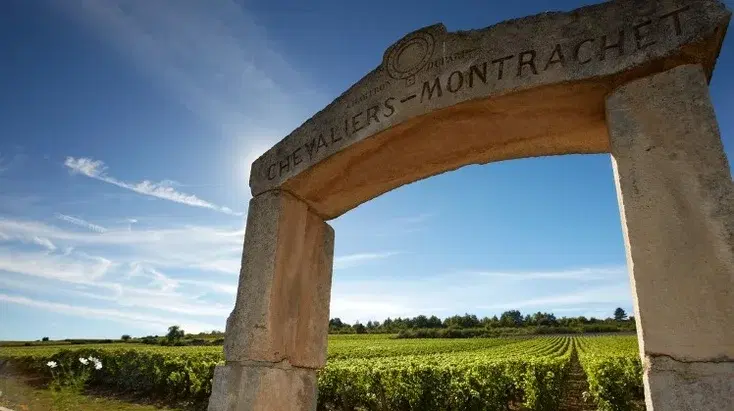
Bars in Puligny-Montrachet
Browse all →
Restaurants in Puligny-Montrachet
Browse all →
Details
- Elegant
- Classic
- Quiet
- Intimate
- Wine Education
- Special Occasion
- Solo Exploration
- Cave Tasting
- Vineyard Tour
- Vineyard
- Chardonnay
- Still White
- Barrel Tasting
Understated and classic with taut minerality and reticent elegance.