Domaine Jacques-Frédéric Mugnier


Michelin 2 Grapes · Falstaff Winery - Listed
Domaine Jacques-Frédéric Mugnier sits in Premeaux-Prissey with a history reaching back to a first vintage in 1870 and Frédéric Mugnier as winemaker. The draw is terroir more than theatre: Burgundy drinkers come for the way site, season, and cellar restraint can register in the glass rather than for a hospitality spectacle.

Pearl is the En Primeur Club membership app — saves, bookings, and concierge access live there. Same editors, same standards.
- Address
- Clos de la Maréchale, 21700 Premeaux-Prissey
- Phone
- +33380628539
- Website
- mugnier.fr
- Directions
- Get directions
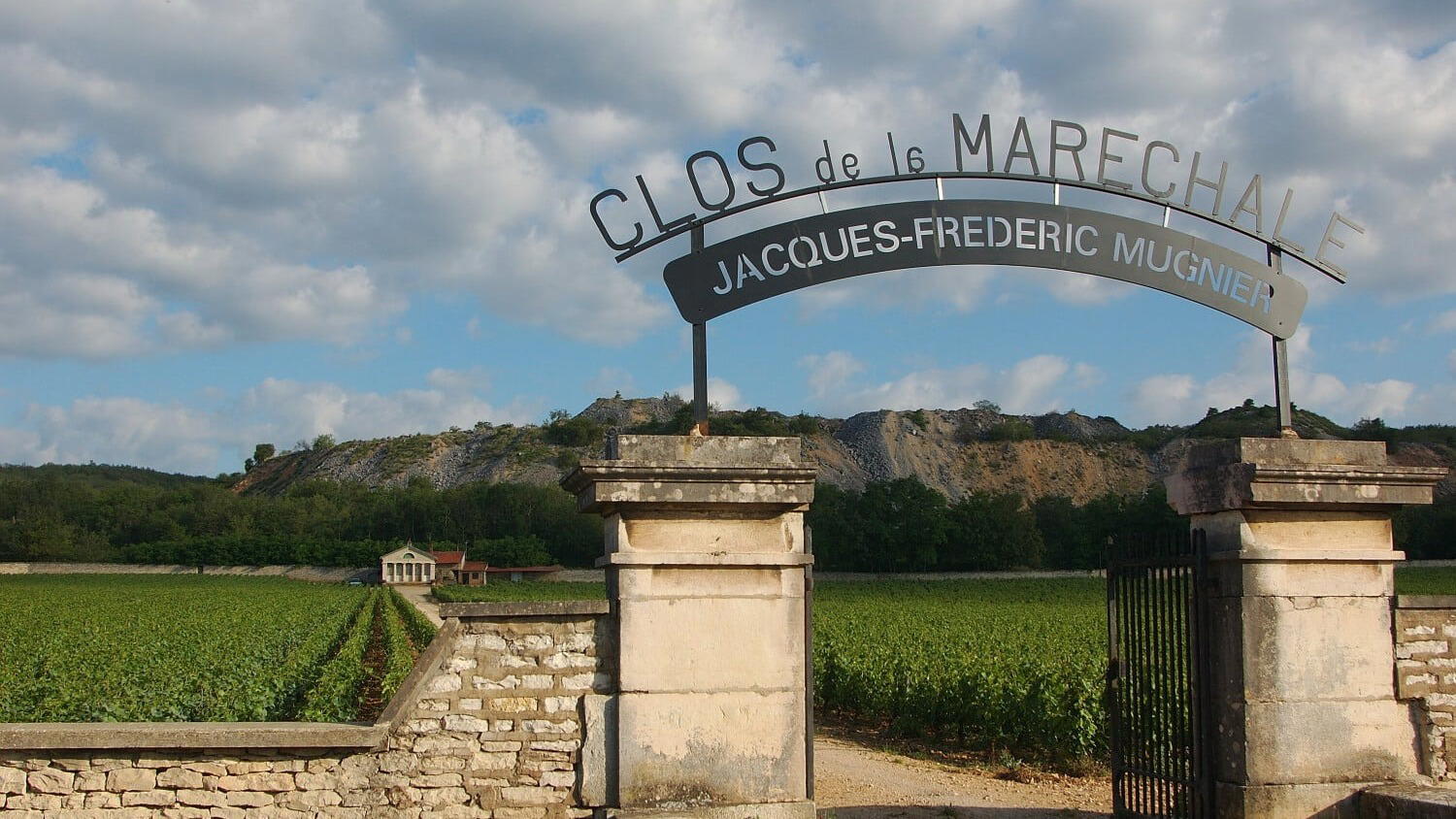
Domaine Jacques-Frédéric Mugnier is a venue in Premeaux-Prissey associated with Frédéric Mugnier. With limited verified public detail available here, the most useful way to approach the venue is through what can be stated clearly: its place is Premeaux-Prissey, its dress code is smart casual, and its recognition includes 5 Star Prestige for 2025.
For travellers planning around Domaine Jacques-Frédéric Mugnier, the emphasis should stay on verified essentials rather than invented visitor details. Treat it as a recognised Premeaux-Prissey reference point and confirm practical arrangements directly before planning a visit.
Premeaux-Prissey context for Domaine Jacques-Frédéric Mugnier
Domaine Jacques-Frédéric Mugnier belongs in a Premeaux-Prissey itinerary for visitors who want to understand the area through named venues rather than generic travel stops. The verified profile is concise, but it is still enough to place the venue in a premium planning context.
The confirmed recognition, 5 Star Prestige for 2025, gives Domaine Jacques-Frédéric Mugnier a clear point of distinction without requiring unsupported claims about specific offerings, access, or service style. The safest reading is direct: this is a recognised Premeaux-Prissey venue, and any detailed visit planning should be checked directly.
Premeaux-Prissey also rewards comparison within a focused field. Domaine de la Vougeraie and Domaine Jérôme Chezeaux are useful reference points for visitors building a considered route. Other names such as Domaine Camille Thiriet, Domaine de l'Arlot, Domaine Prieuré Roch, and Domaine Jacques-Frédéric Mugnier can also help frame a broader comparison without turning the planning into a generic checklist.
The venue is for travellers who value verified essentials
The useful distinction is between confirmed information and assumptions. For Domaine Jacques-Frédéric Mugnier, the verified essentials are deliberately spare: Frédéric Mugnier is the named chef/owner, the dress code is smart casual, the venue is in Premeaux-Prissey, and it has 5 Star Prestige recognition for 2025.
That makes Domaine Jacques-Frédéric Mugnier a better fit for detail-oriented travellers than for visitors looking for a page full of promised amenities. The right expectation is to plan carefully and rely on direct confirmation for logistics.
Recognition also shapes expectations. 5 Star Prestige for 2025 places the venue in a premium context, but the award should not be stretched into unsupported claims about format, availability, or the character of a visit. The grounded conclusion is simple: Domaine Jacques-Frédéric Mugnier is a recognised Premeaux-Prissey venue associated with Frédéric Mugnier.
How to frame a Premeaux-Prissey trip around serious venues
A strong Premeaux-Prissey itinerary should stay focused. Use the city as the anchor, then widen the route only where the comparison is useful. Domaine Jacques-Frédéric Mugnier can be considered alongside other named venues, while dining, lodging, and other local planning should be checked through current sources before travel. For travellers building a wider day rather than relying on unverified assumptions, our full Premeaux-Prissey experiences guide keeps the planning anchored in the city.
For comparison, keep the list disciplined. Domaine Camille Thiriet, Domaine Jérôme Chezeaux, Domaine Prieuré Roch, Domaine de l'Arlot, and Domaine de la Vougeraie are natural names to consider in a broader context, while other Premeaux-Prissey dining or travel options can be treated generically unless their details are confirmed separately.
The editorial verdict is simple: Domaine Jacques-Frédéric Mugnier is not a place to describe with invented specifics. It belongs on an itinerary when the traveller values a recognised Premeaux-Prissey venue, knows the name Frédéric Mugnier, and is willing to confirm practical details directly.
Fast Comparison
Comparable venues by cuisine and price in the same metro.
| Venue | Cuisine | Awards |
|---|---|---|
| Domaine Jacques-Frédéric MugnierThis venue — the venue you are viewing | This venue | Michelin 2 Grapes · Falstaff Winery - Listed |
| Domaine de la Vougeraie | Not listed | Falstaff Winery - Listed |
| Domaine Jérôme Chezeaux | Not listed | Falstaff Winery - Listed |
Recognition history
Dated appearances from independent guides and award organizations, with the underlying list record or original source where available.
Michelin 2 Grapes
Michelin · 2026 Michelin 2 Grapes - Burgundy
Falstaff Winery - Listed
Falstaff
Continue exploring
More in Premeaux-Prissey
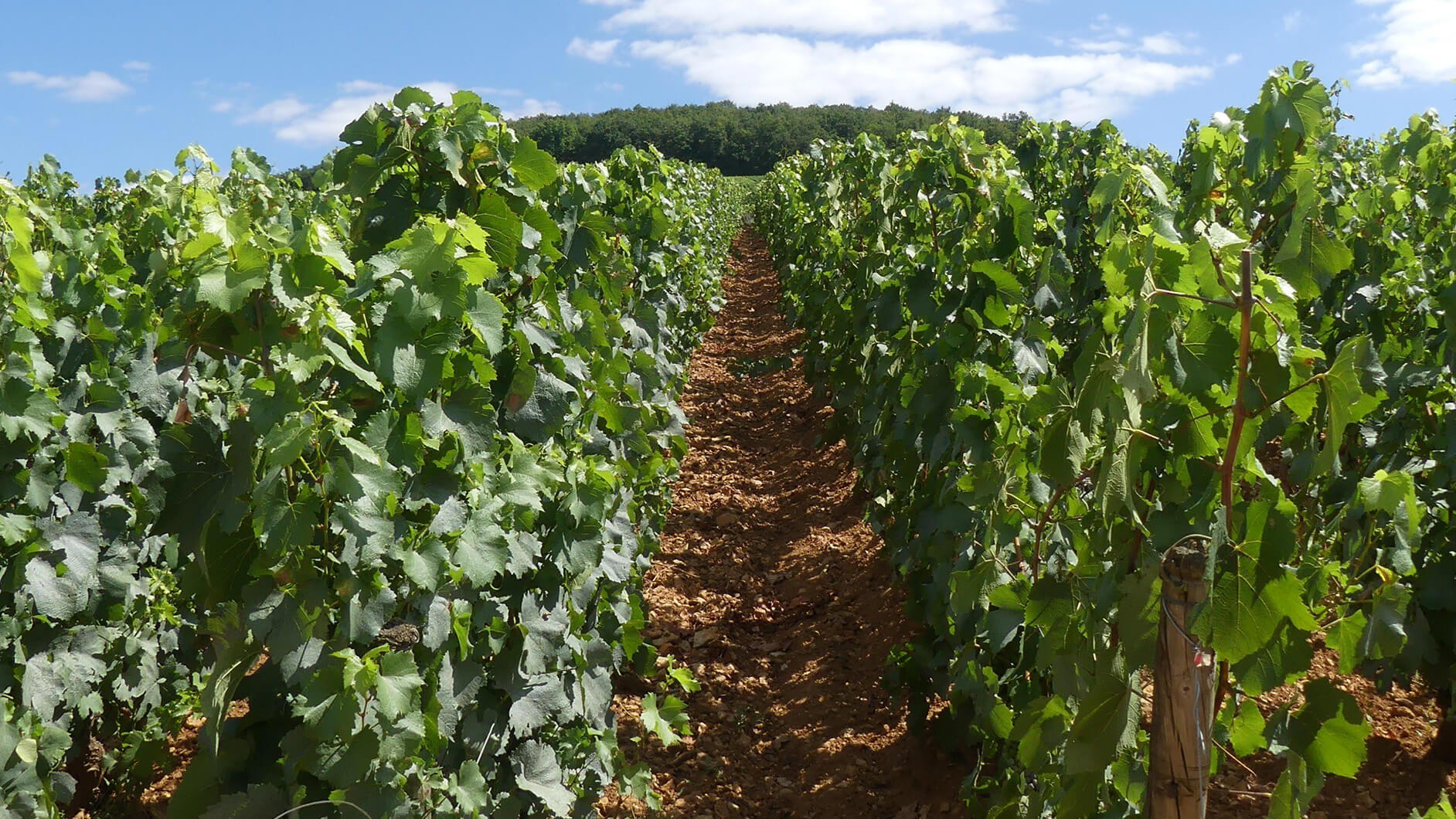
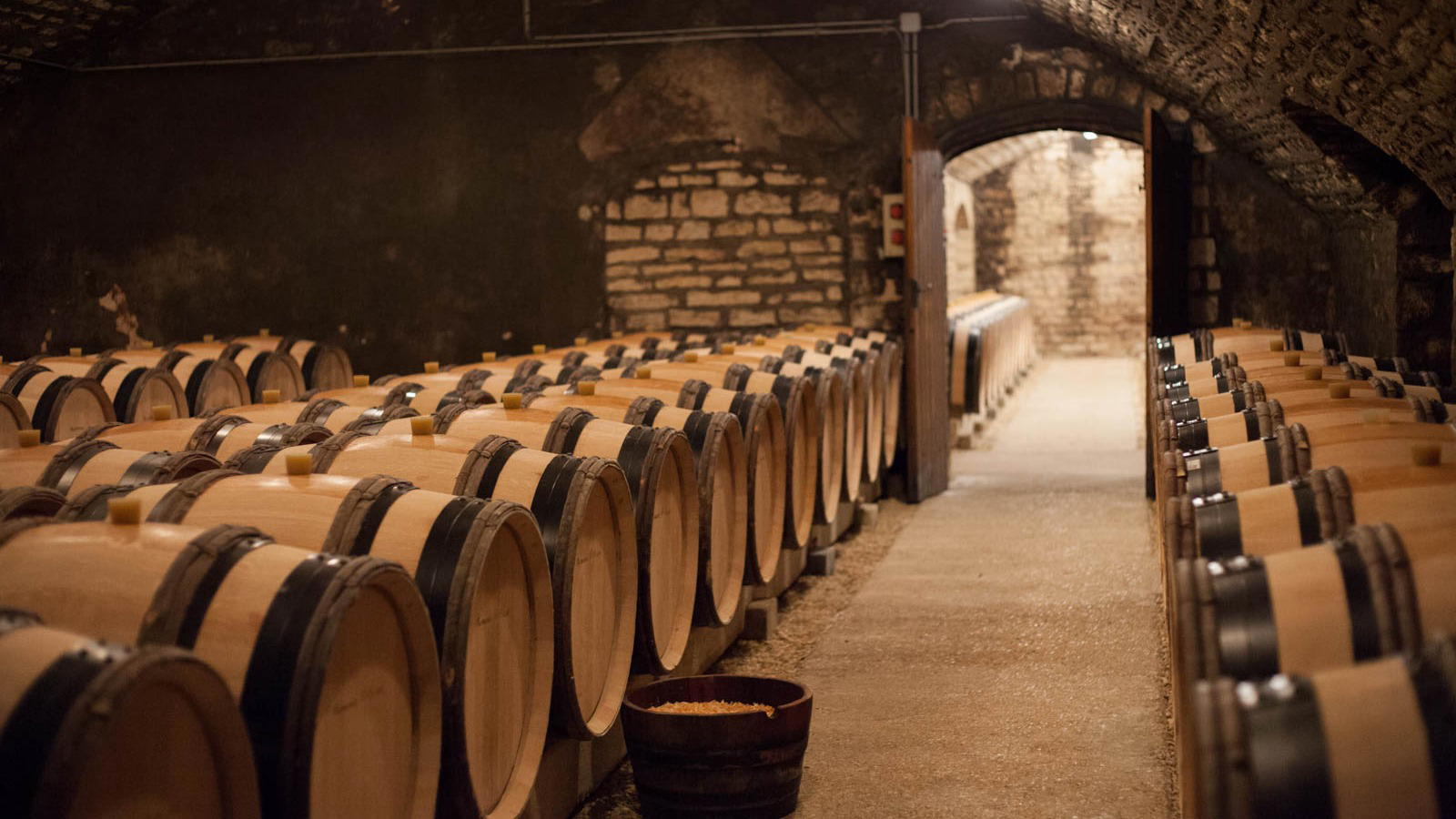
Wineries in Premeaux-Prissey
Browse all →
Bars in Premeaux-Prissey
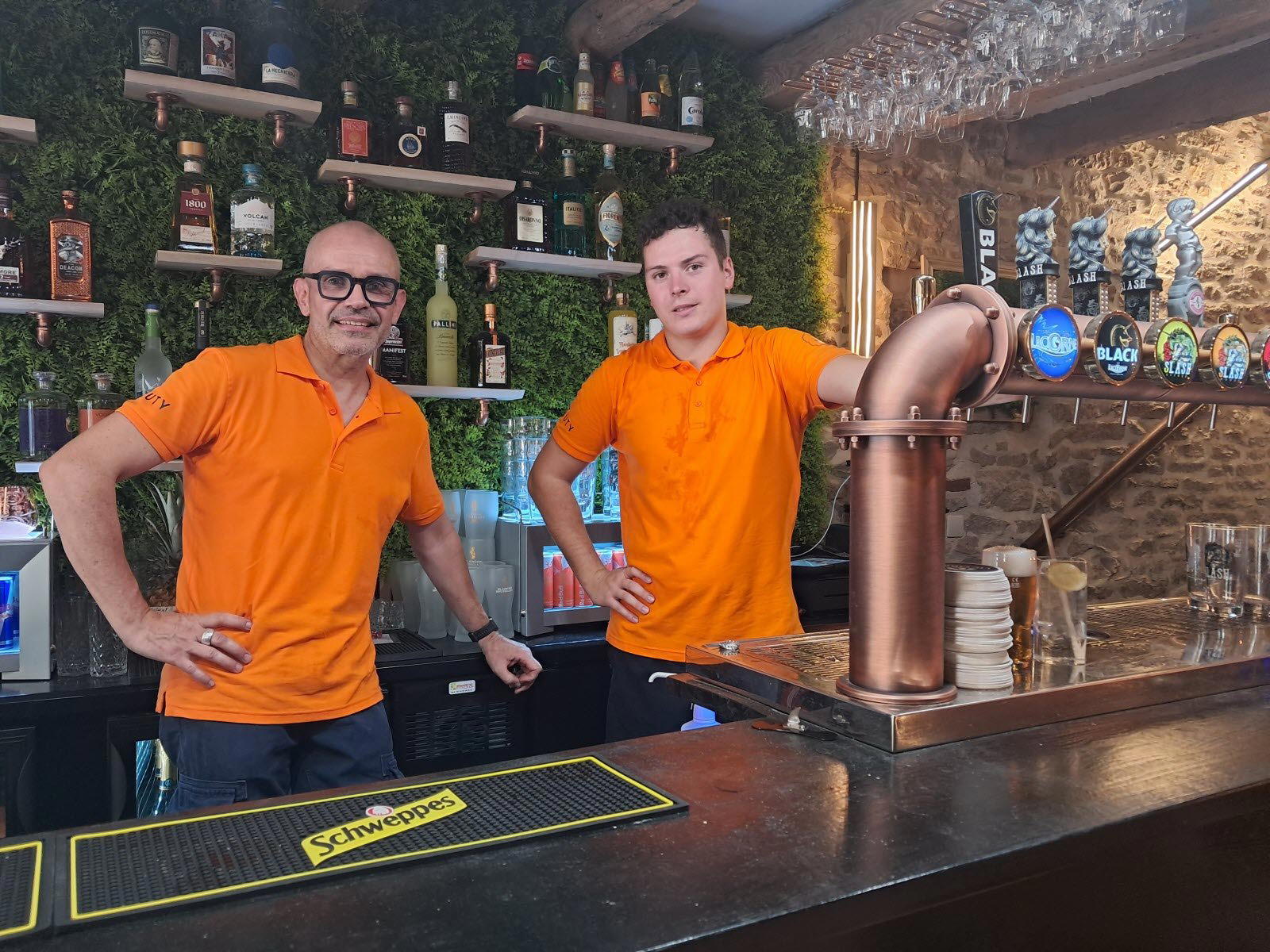
Browse all →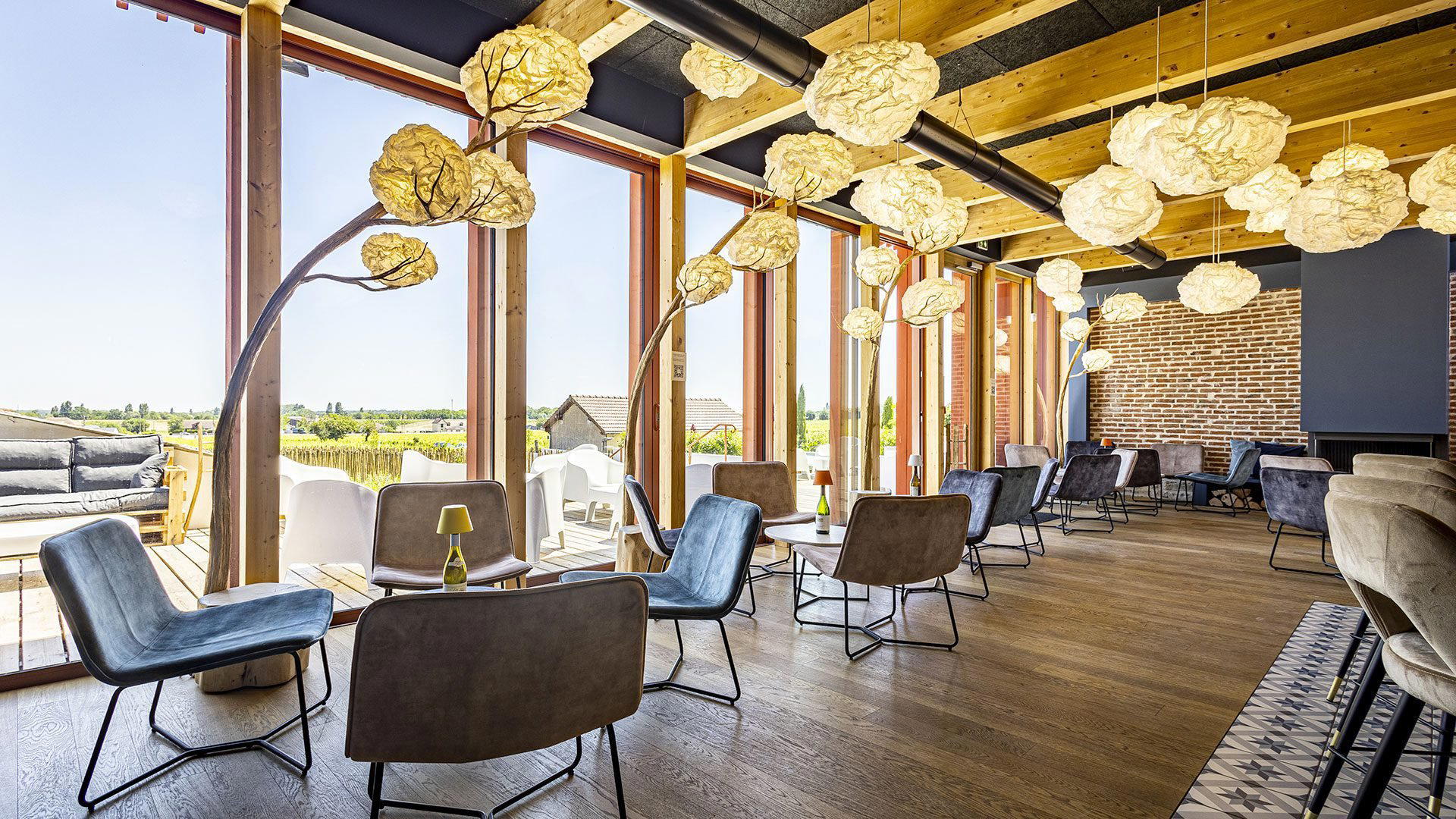
Restaurants in Premeaux-Prissey
Browse all →
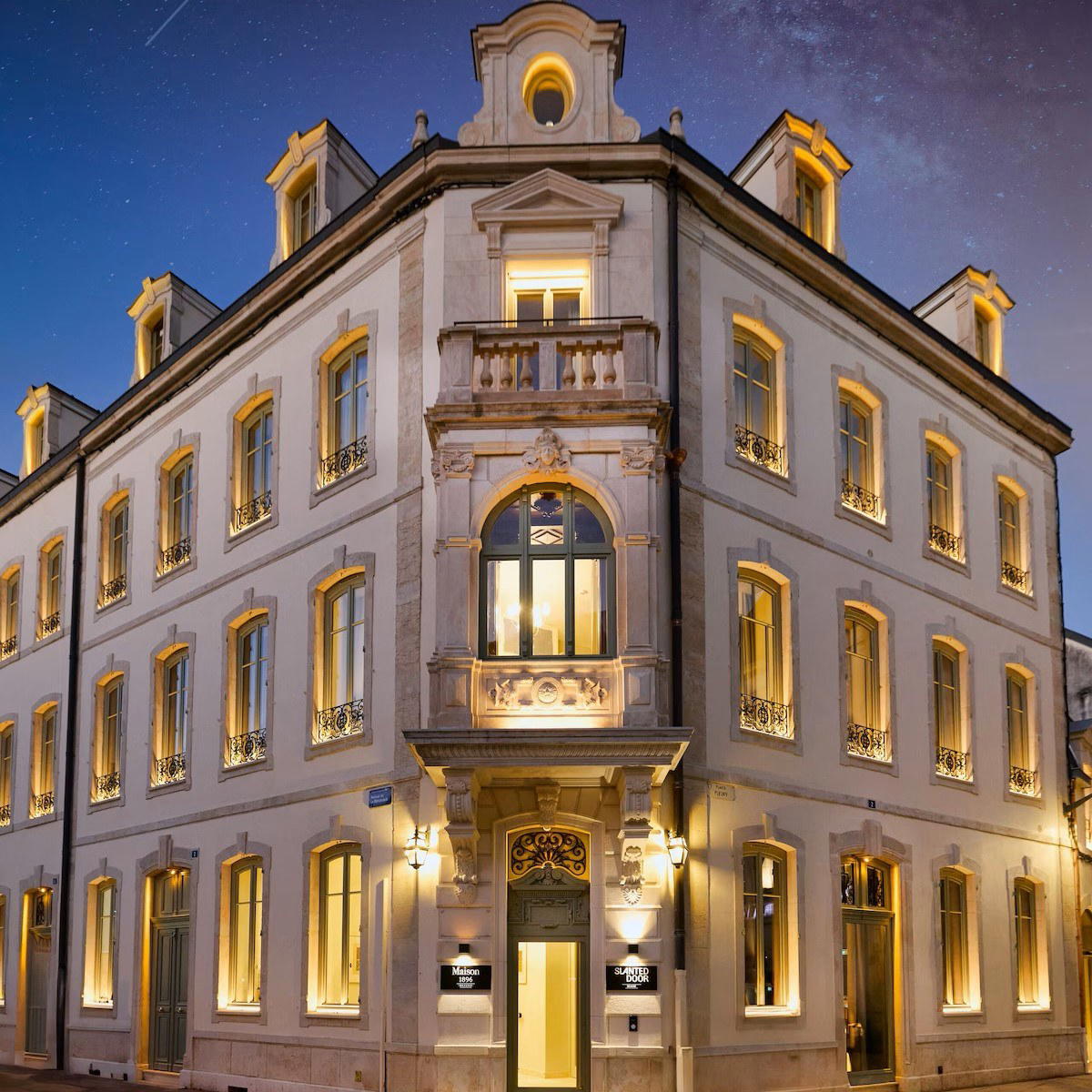
Details
- Elegant
- Classic
- Sophisticated
- Intimate
- Wine Education
- Special Occasion
- Solo Exploration
- Vineyard Tour
- Cave Tasting
- Historic Building
- Estate Grounds
- Sustainable
- Vineyard
- Pinot Noir
- Chardonnay
- Still Red
- Cave Tasting
- Private Tasting
- French
- English
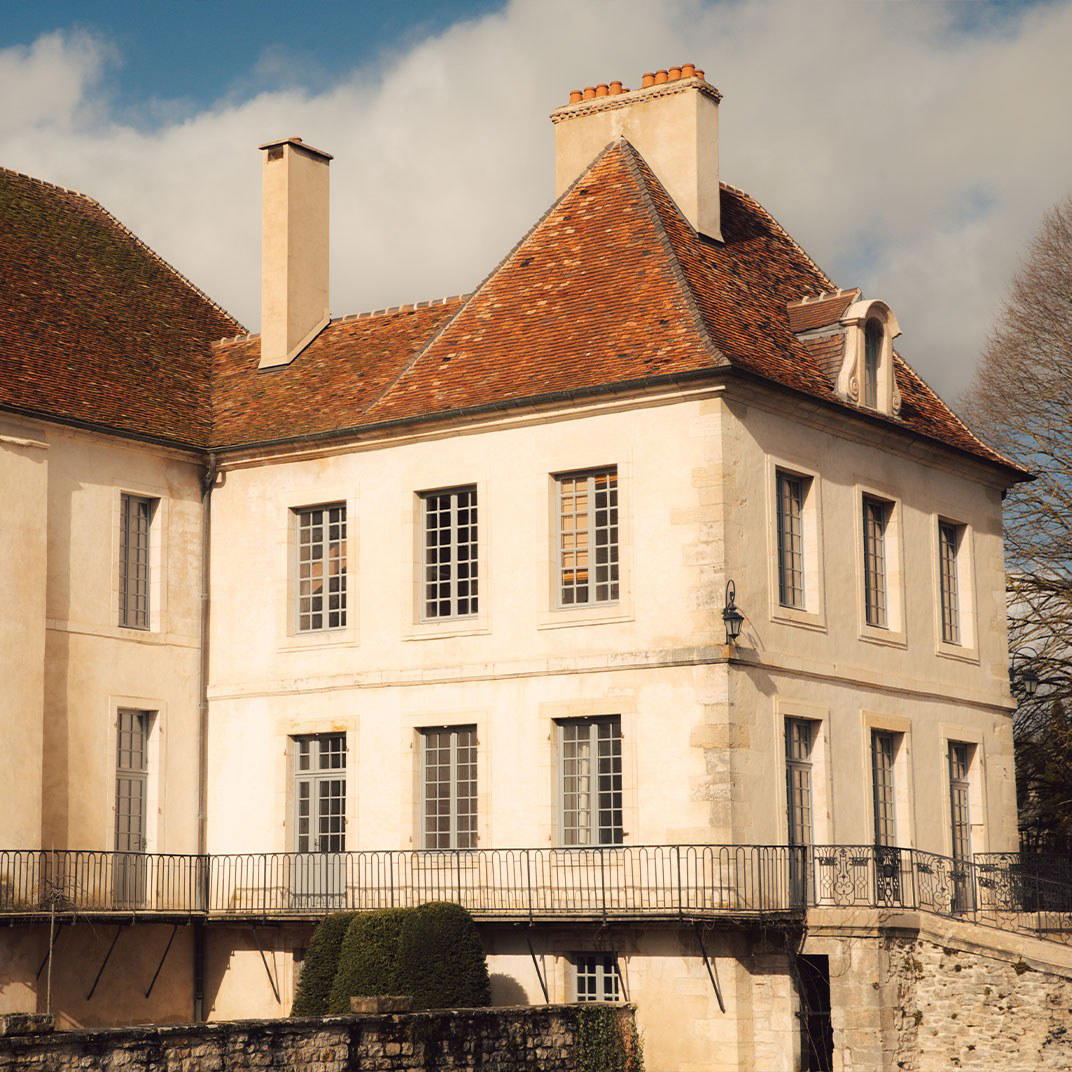
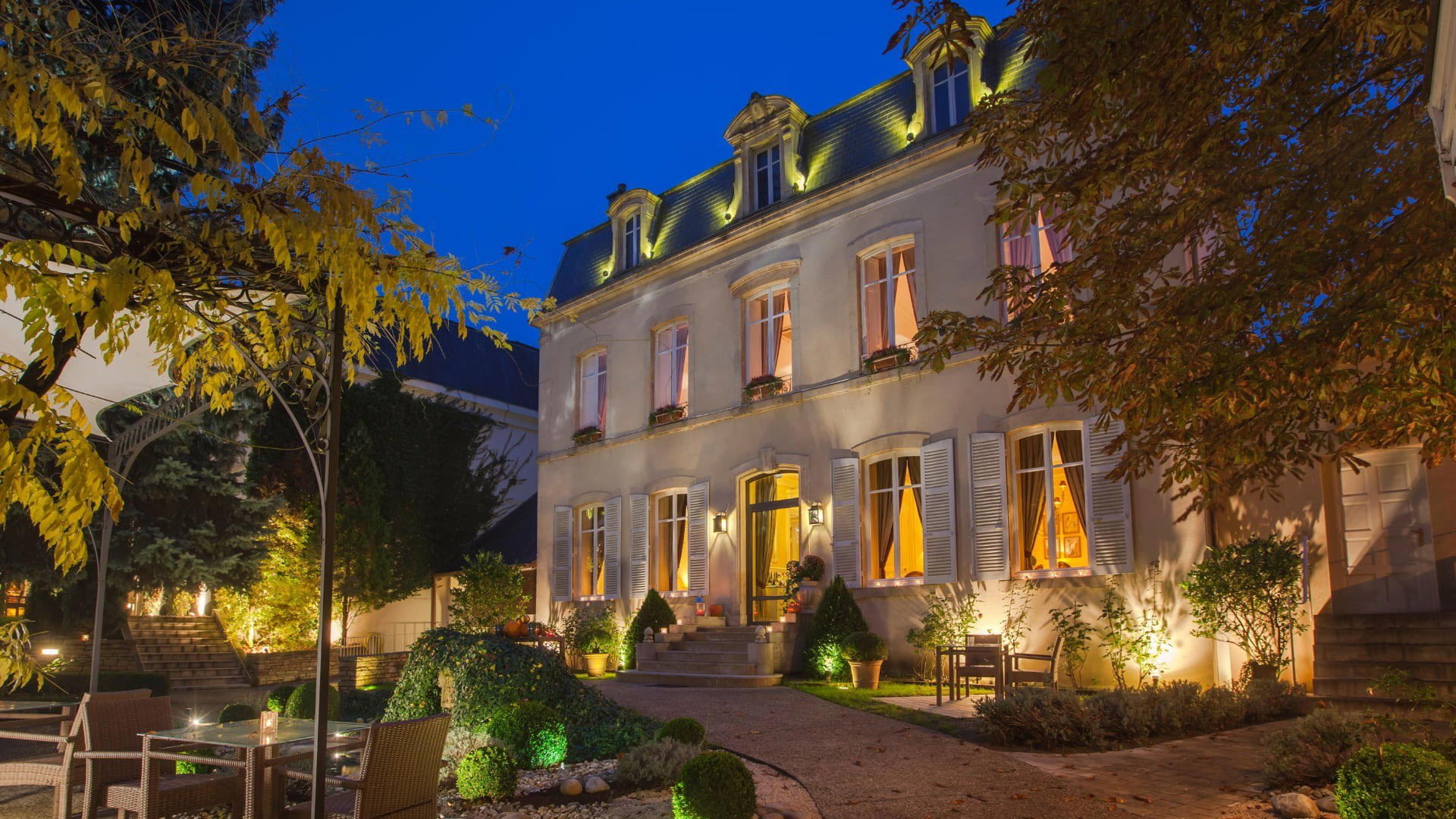
Elegant and serene historic chateau setting with a focus on purity, precision, and graceful wines.