Skip to Main Content
← Collection
Meursault, France

Ballot-Millot

Michelin

Charles Ballot's Meursault premier cru Perrières and village-level whites follow the Meursault extended-lees, measured-oxidative school.

Pearl is the En Primeur Club membership app — saves, bookings, and concierge access live there. Same editors, same standards.

Plan your visit on PearlPlan Your Visit
Address
Meursault, France
Saves & bookings on Pearl
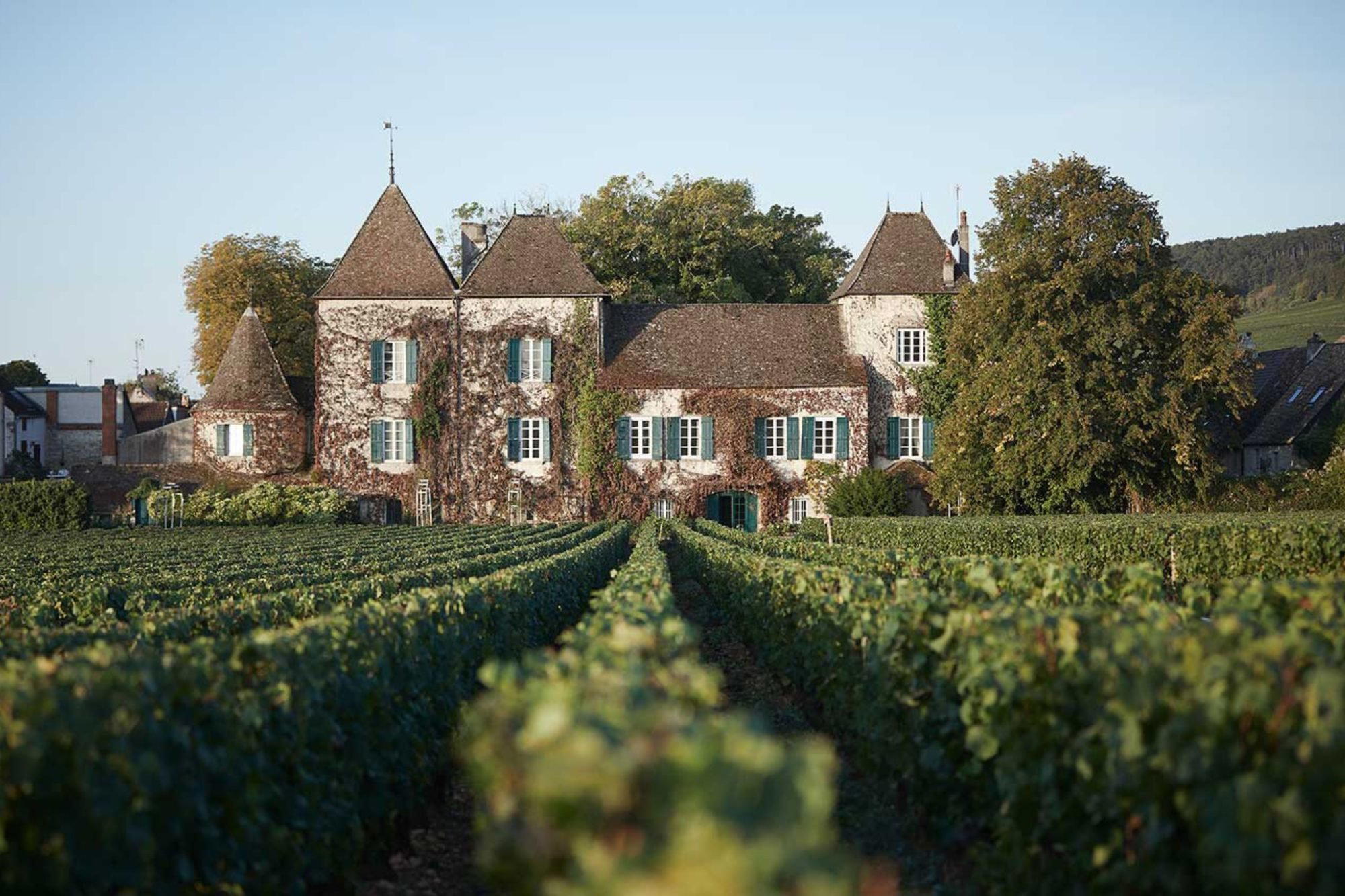
Ballot-Millot winery in Meursault, France
About

The grand cru and premier cru white Burgundy architecture built by the Meursault-Puligny axis during the twentieth century rests on a small number of family domaines that held vineyard holdings through phylloxera, the world wars, and the mid-century cooperative consolidation. Domaine Ballot-Millot operates inside that transmission, working parcels in Meursault, Puligny-Montrachet, and Pommard. Charles Ballot, the current winemaker, represents the fourth generation of the domaine and works a classically structured élevage program—extended lees contact, judicious oak, minimal racking—that sits within the Meursault school of restrained oxidative handling rather than the reductive Puligny model. The domaine holds approximately 10 hectares across the Côte de Beaune, with the majority planted to Chardonnay in Meursault premier cru parcels including Perrières, Genevrières, and Charmes. The holdings also include village-level Meursault, Puligny-Montrachet premier cru Les Combettes, and red parcels in Pommard premier cru Les Pézerolles and Volnay Santenots. Annual production sits at roughly 4,500 cases across the portfolio, with the premier cru whites accounting for approximately 60 percent of total output.

Vineyard Holdings and Terroir Position

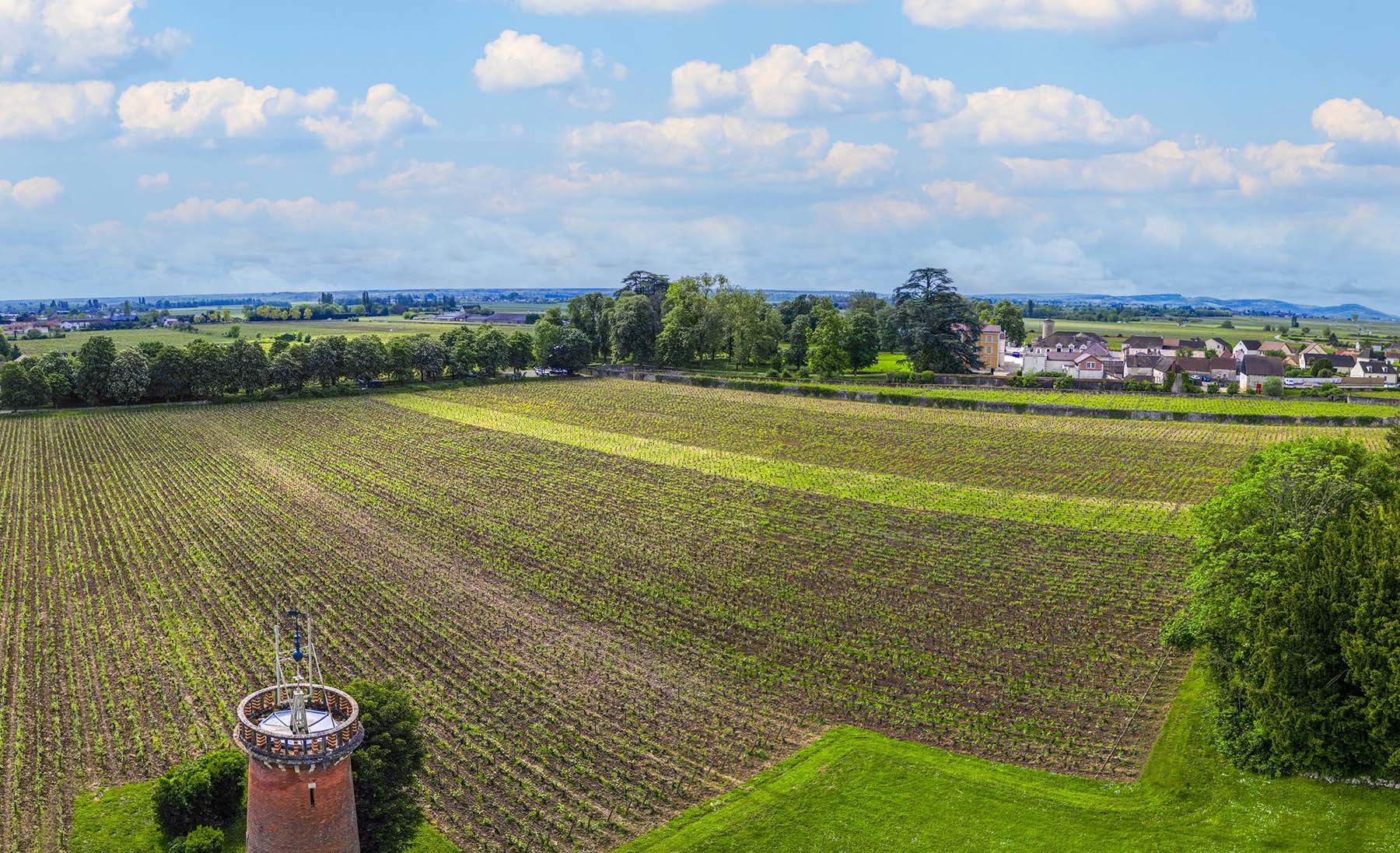
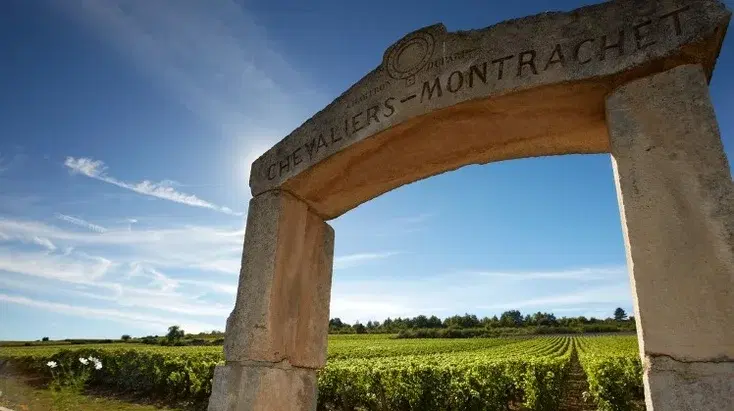
Meursault premier cru Perrières is the reference parcel for the domaine and for the village itself, a limestone-dense, mid-slope site in the southern sector of Meursault's premier cru band, directly adjacent to the Puligny-Montrachet border. The Ballot holdings in Perrières span 0.72 hectares, planted in the early 1970s on 161-49C rootstock. Perrières has historically been considered the most structured and age-worthy of the Meursault premier crus, sitting closer in tension and mineral architecture to Puligny-Montrachet Les Pucelles than to the rounder, richer profile of Genevrières or Charmes. The domaine's second most important parcel is Meursault premier cru Genevrières, a 0.48-hectare holding planted in 1965. Genevrières sits on slightly deeper soil with more clay than Perrières, yielding a fuller, more opulent style that has become the commercial signature of Meursault premier cru in export markets. The third parcel, Meursault premier cru Charmes, occupies 0.31 hectares planted in 1980 and sits at the northern edge of the premier cru zone, where the slope flattens and the soil carries more alluvial influence. Village Meursault is drawn from three parcels totaling 2.1 hectares, located in the Meix Chavaux, Vireuils, and Narvaux lieux-dits. The Puligny-Montrachet premier cru Les Combettes holding is small, 0.19 hectares, but significant within the domaine's technical range, as Combettes sits on the Meursault side of the border and carries more weight and less tension than the higher-elevation Puligny sites, functioning as a bridge between the two village styles.

On the red side, the domaine works 1.2 hectares of Pommard premier cru Les Pézerolles, a mid-slope site in the southern sector of Pommard with moderate iron content and a reputation for producing reds that sit between the density of Rugiens and the finesse of Epenots. The Volnay Santenots parcel spans 0.84 hectares and is technically part of Meursault but carries the Volnay appellation under AOC law due to its red grape plantings, a quirk of Burgundy's cadastral system. Santenots is widely considered the most structured and tannic of the Volnay premier crus, closer in profile to Pommard than to the rest of the Volnay lineup. The domaine also produces a small quantity of Bourgogne Rouge from younger-vine fruit and declassified lots.

Winemaking Protocol and Élevage Regime

Charles Ballot's winemaking program follows the Meursault school of measured oxidative handling and extended lees aging. Whole-cluster pressing is standard for all whites, with a light sulfur addition at press to protect against premature oxidation during settling. Musts settle for 18 to 24 hours at cellar temperature before racking to barrel. Fermentation occurs in barrel with native yeasts, typically beginning within 48 hours of racking and running for 14 to 21 days depending on cellar temperature and vintage conditions. The domaine does not practice cold-soaking or pre-fermentation maceration on whites, treating the press juice as the sole aromatic and structural input. Malolactic fermentation is encouraged and typically completes by late winter or early spring. The élevage regime runs 12 months for village wines, 14 to 16 months for premier crus, with the Perrières and Genevrières parcels typically receiving the longest aging. Oak is sourced from Tonnellerie François Frères and Tonnellerie Rousseau, with new oak percentages held to 20 to 25 percent for premier crus and 10 to 15 percent for village wines. The domaine racks once during élevage, typically in late spring after malolactic completion, and bottles without fining or filtration in most vintages.

The red wine protocol follows a similar philosophy of minimal intervention and measured extraction. Whole-cluster inclusion varies by vintage and site, ranging from 30 percent in warm years to 60 percent in cooler vintages. Cold maceration runs three to five days at 12 to 14°C before fermentation, which is initiated with native yeasts and allowed to rise to 30 to 32°C at peak. Total maceration time runs 18 to 24 days, with post-fermentation maceration held to no more than five days to avoid excessive tannin extraction. Élevage for reds runs 16 to 18 months in barrel, with new oak percentages of 25 to 30 percent for premier crus and 15 percent for Bourgogne Rouge. The domaine does not practice pigeage during fermentation, relying instead on pump-overs twice daily during the active phase and once daily during post-fermentation maceration.

Lineage and Domaine Succession

The Ballot family has worked vines in Meursault since the late nineteenth century. The holdings were expanded through marriage in the 1920s when the Ballot line merged with the Millot family, bringing additional parcels in Meursault and Pommard into the domaine. The current name, Ballot-Millot, reflects that union. Charles Ballot assumed winemaking responsibilities in 1991 after working harvest and cellar duties under his father, Henri Ballot, through the 1980s. Charles did not pursue formal enology training at the University of Dijon or Beaune, instead learning the craft inside the family cellar and through informal exchanges with neighboring domaines including Domaine Coche-Dury, Domaine des Comtes Lafon, and Domaine Roulot. The influence of the Coche-Dury oxidative handling style is legible in the Ballot-Millot élevage regime, though Charles has not adopted the extreme reductive handling that defines Coche-Dury's village wines. The domaine does not participate in the négoce system and does not sell fruit or juice to external bottlers. All production is estate-bottled and sold through a combination of direct allocation to private clients, export distribution in the United States and Northern Europe, and limited placement on restaurant lists in France and abroad.

Peer Set and Market Position

Domaine Ballot-Millot sits inside the second tier of Meursault producers in terms of critical recognition and market pricing, below the allocation-dominated domaines such as Coche-Dury, Comtes Lafon, and Roulot, but above the cooperative-affiliated and larger-production estates. The closest peers in technical approach and holdings are Domaine Pierre Morey, Domaine François Mikulski, and Domaine Jean-Philippe Fichet, all family-run operations working premier cru parcels in Meursault and Puligny with similar production volumes and élevage regimes. Ballot-Millot's Perrières bottling is frequently compared to the Perrières from Domaine Roulot and Domaine Coche-Dury, though the Ballot interpretation sits closer to the Roulot style of restrained oak and linear minerality than to the richer, more opulent Coche model. The Genevrières bottling is the most commercially accessible of the domaine's premier crus and competes directly with Genevrières from Domaine Vincent Girardin, Domaine François Jobard, and Camille & Guillaume Boillot, where the Ballot version tends to show more restraint and less oak influence than the Girardin and Boillot bottlings. The domaine's village Meursault is priced at the higher end of the village tier, reflecting the inclusion of fruit from well-sited lieux-dits and the extended élevage program.

Relative to the broader Burgundy wine region market, Domaine Ballot-Millot operates in the middle band of white Burgundy pricing and availability. Premier cru releases are easier to source than allocations from the top-tier domaines but require advance ordering through established distribution channels. The domaine does not sell through online retail platforms and maintains a small mailing list for direct sales in France. Export distribution in the United States is handled by a small number of importers focused on traditional Burgundy estates, with the majority of volume placed in New York, California, and Illinois. The domaine's red wines, particularly the Pommard premier cru Les Pézerolles, are less well-known than the whites but offer strong value within the Côte de Beaune red market, where the Pézerolles bottling is priced below the premier cru releases from Domaine de Courcel, Domaine de Montille, and Domaine Parent but above village-level Pommard from larger producers.

Access and Allocation

Domaine Ballot-Millot operates a limited direct-sales program for private clients and allocates the majority of production through established importers and négociants. The domaine does not maintain a tasting room or receive walk-in visitors. Appointments for cellar visits are available by advance request and are typically granted to trade buyers, sommeliers, and collectors with established purchasing relationships. The allocation list is managed by Charles Ballot and his wife, who handle client communication and order fulfillment. New clients are added to the allocation list on a case-by-case basis, with priority given to buyers who commit to purchasing across the full portfolio rather than cherry-picking premier cru parcels. The domaine releases wines approximately 18 months after harvest, with spring releases typical for the prior vintage's whites and reds. Allocation quantities per client are modest, typically one to three bottles per premier cru parcel for private buyers, with case quantities available to trade accounts. The domaine does not participate in en primeur sales and does not offer futures allocations. All wines are sold as bottled stock.

For trade buyers and sommeliers seeking access, the most reliable path is through the domaine's U.S. and European importers, who receive the majority of production and manage restaurant and retail placement. The domaine's wines appear on a small number of Michelin-starred wine lists in France, including lists in Paris, Lyon, and Burgundy, and on select lists in New York, San Francisco, and London. Retail availability is concentrated in specialist wine shops that focus on grower Burgundy, with limited placement in larger retail chains. The domaine does not sell through auction houses or secondary-market platforms, though older vintages occasionally appear at auction through private consignors. For context within the broader Meursault lineup, visitors to the village can explore our full Meursault wineries guide, and the surrounding region offers additional resources including our full Meursault restaurants guide, our full Meursault hotels guide, our full Meursault bars guide, and our full Meursault experiences guide.

Comparative Context Within Côte de Beaune White Production

The Côte de Beaune white wine tradition is divided into two broad stylistic schools: the Meursault school, characterized by extended lees aging, measured oxidative handling, and fuller body; and the Puligny-Chassagne school, characterized by reductive handling, earlier bottling, and higher-tension minerality. Domaine Ballot-Millot works inside the Meursault school but does not push the oxidative program as far as the most traditional Meursault producers, including Domaine des Comtes Lafon and Domaine Guy Roulot in their village wines. The domaine's premier cru releases show more restraint and less overt richness than the benchmark Meursault bottlings from those houses, sitting closer in profile to the leaner, more mineral-driven style of Domaine Anne Boisson and Domaine Arnaud Ente. Within the broader Burgundy white landscape, the domaine's work can be positioned against the northern Côte de Beaune producers in Beaune and Corton-Charlemagne, where the tension and mineral architecture are higher, and against the southern Côte de Beaune producers in Chassagne-Montrachet, where the wines carry more weight and less oxidative influence. The domaine's Puligny-Montrachet premier cru Les Combettes serves as a useful bridge within the portfolio, showing more weight than typical Puligny premier crus such as Les Folatières or Clavoillon but less tension than the higher-elevation sites like Les Pucelles or Le Cailleret.

For reference against the canonical white Burgundy domaines, Domaine Ballot-Millot's Perrières sits in technical proximity to the Perrières from Coche-Dury and Roulot but at a significantly lower market price, typically 40 to 50 percent below the Coche release price and 20 to 30 percent below the Roulot price at initial release. The domaine's village Meursault competes with village bottlings from Domaine François Jobard, Domaine Jean-Marc Roulot, and Domaine Pierre Morey, where the Ballot version is priced at the mid-to-high end of the village tier and shows more élevage complexity than the entry-level village wines from larger producers. The domaine's Genevrières, as noted above, is the most commercially accessible premier cru and is frequently recommended as an entry point for buyers seeking classic Meursault premier cru character without the allocation constraints of the top-tier domaines. The Charmes premier cru, while less well-known, offers strong value within the Meursault premier cru market and is particularly suited to near-term drinking, as the lower acidity and softer structure make it less age-worthy than Perrières or Genevrières.

At a Glance
Vibe
  • Classic
  • Elegant
  • Quiet
  • Hidden Gem
Best For
  • Wine Education
  • Solo Exploration
  • Romantic Getaway
Sourcing
  • Organic
Views
  • Vineyard
Noise LevelQuiet
CapacitySmall

Family-run Burgundian domaine with a classic, traditional feel, emphasizing precision and terroir expression from old vines on chalky Côte de Beaune soils.[4][7][10]

Additional Properties
AVAMeursault AOC
VarietalsChardonnay, Pinot Noir, Aligoté
Wine Stylesstill_white, still_red
Wine ClubNo
DTC ShippingNo