
Michelin 1 Grape
Henri Germain is a small family domaine in Meursault with a restrained Burgundy vocabulary: Chardonnay first, Pinot Noir in smaller measure, and cellar work shaped around organic farming and low-intervention winemaking. Its Michelin Guide Burgundy 1 Grape distinction places it among the village producers to know for classic Côte de Beaune terroir expression rather than polished visitor-center theatre.

Pearl is the En Primeur Club membership app — saves, bookings, and concierge access live there. Same editors, same standards.
- Address
- 2 bis Rue du Moulin Judas, 21190 Meursault, France
- Phone
- +33 3 80 21 22 04
- Directions
- Get directions
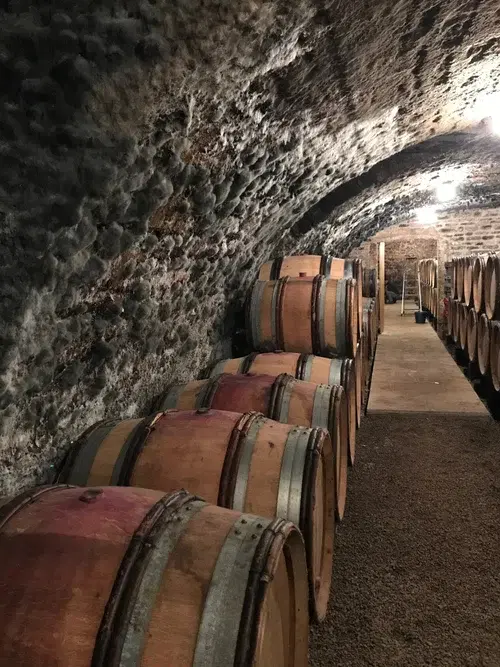
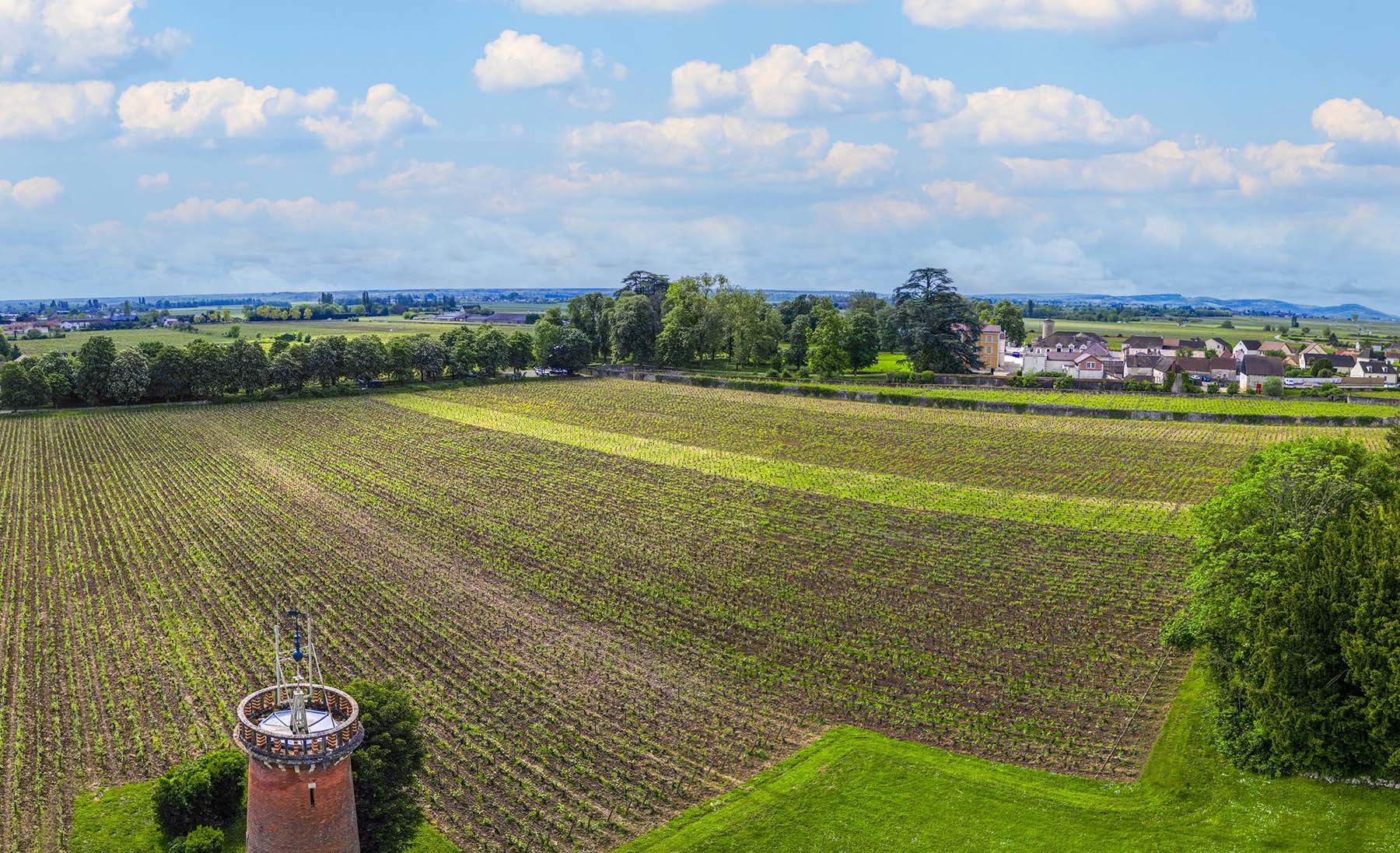
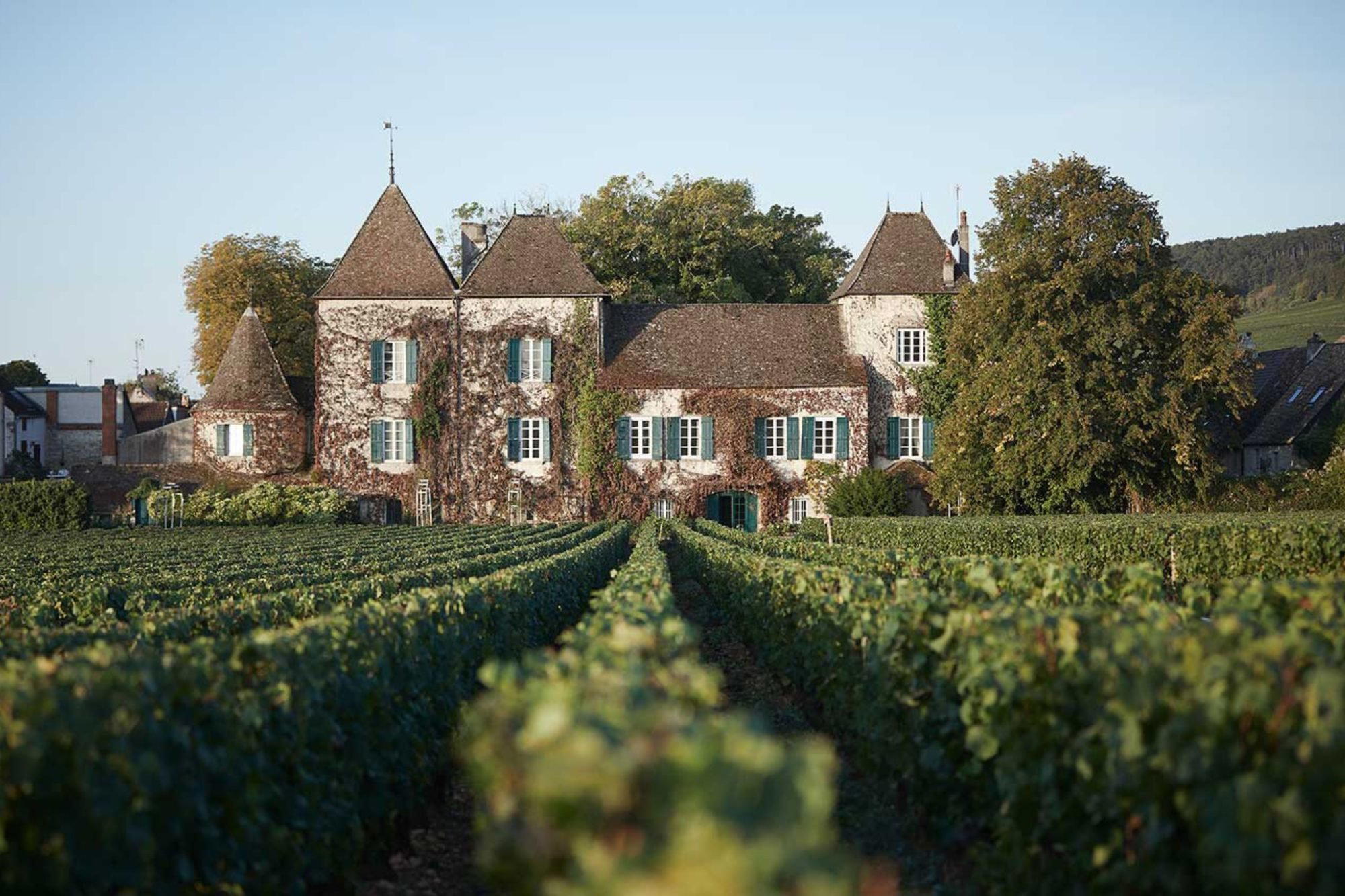
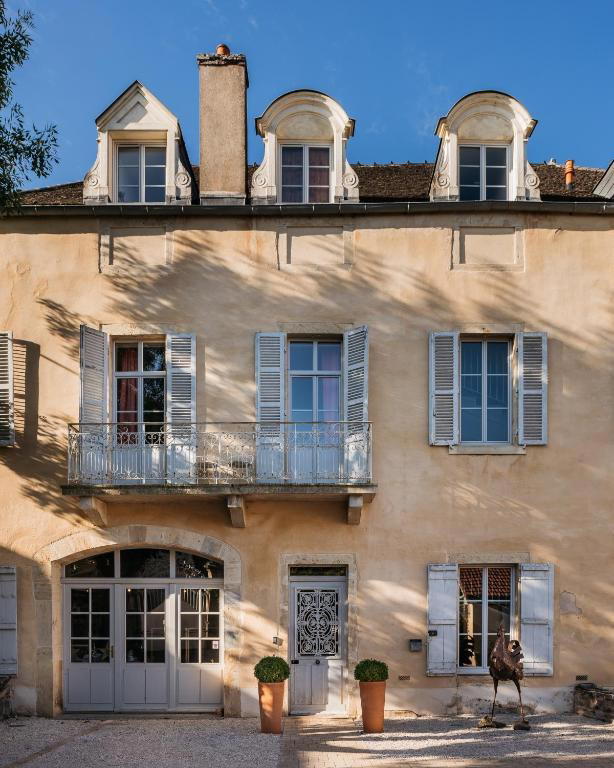
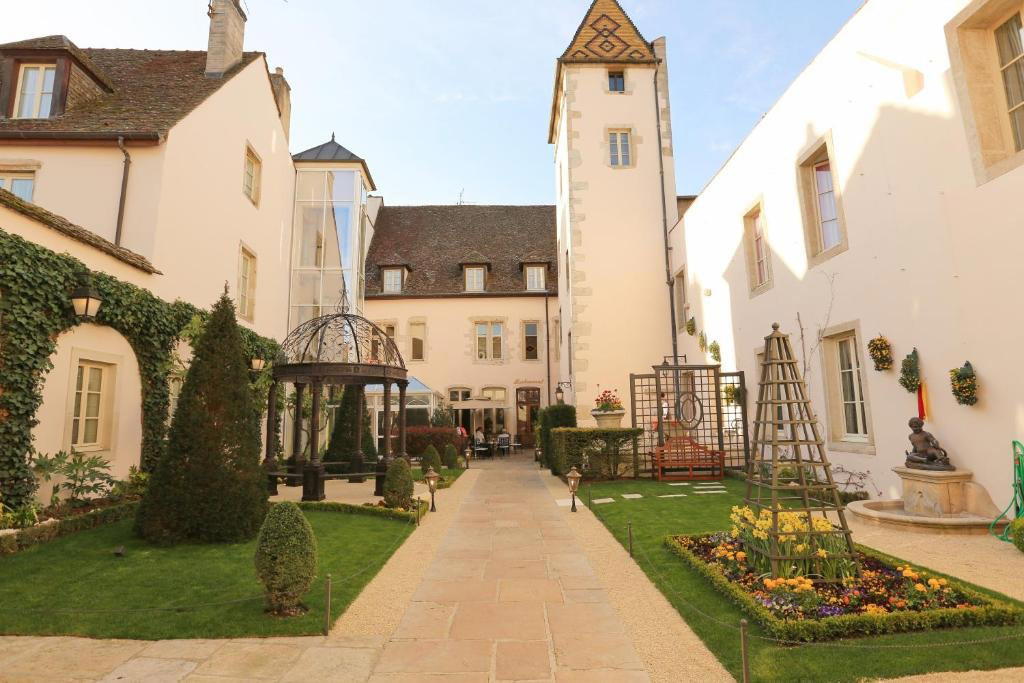
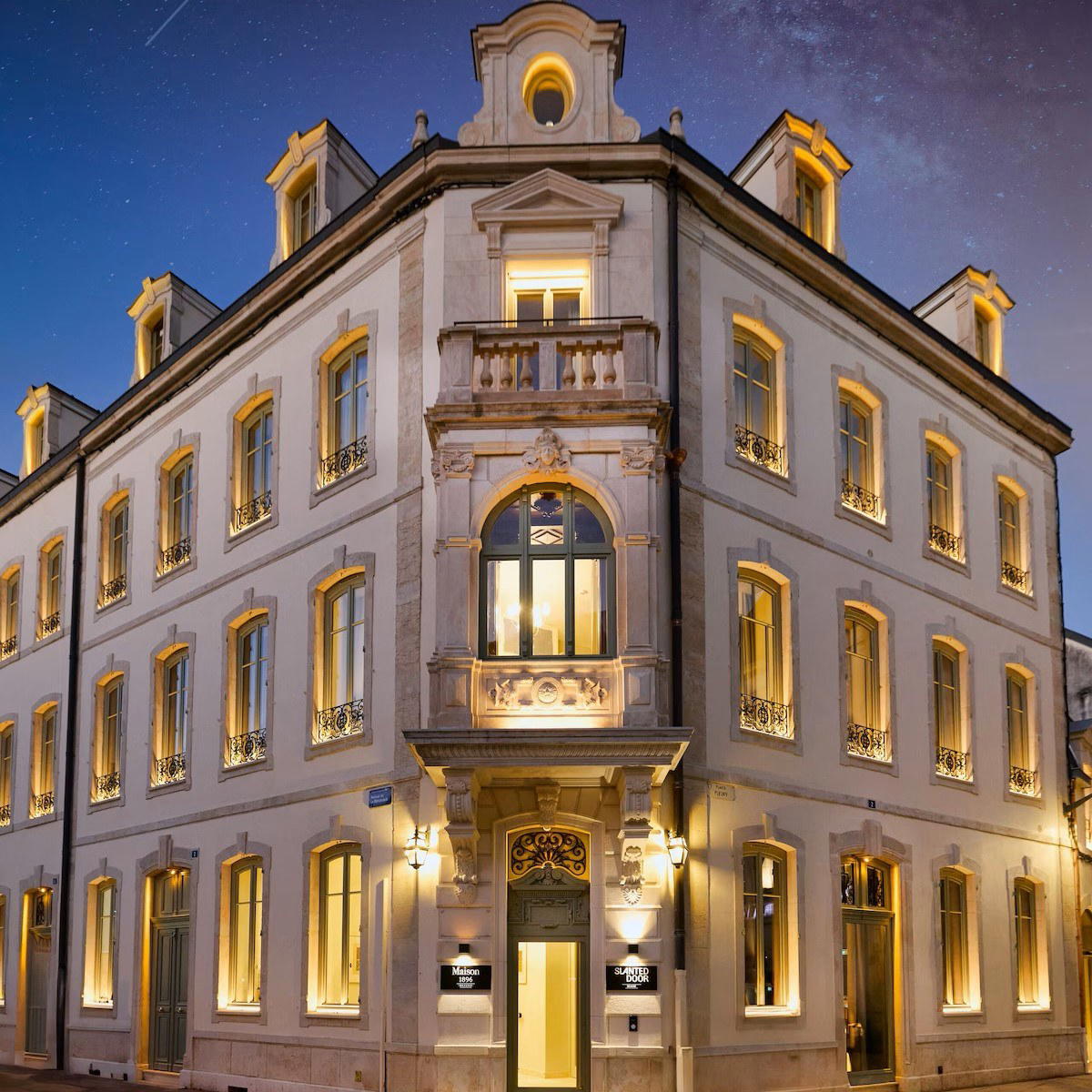
Meursault rewards a slower eye. The village is not built around spectacle; its serious wine addresses often feel more like working agricultural properties than visitor attractions, with stone, cellar doors, and the quiet rhythm of vineyard traffic setting the tone. Henri Germain belongs to that register.
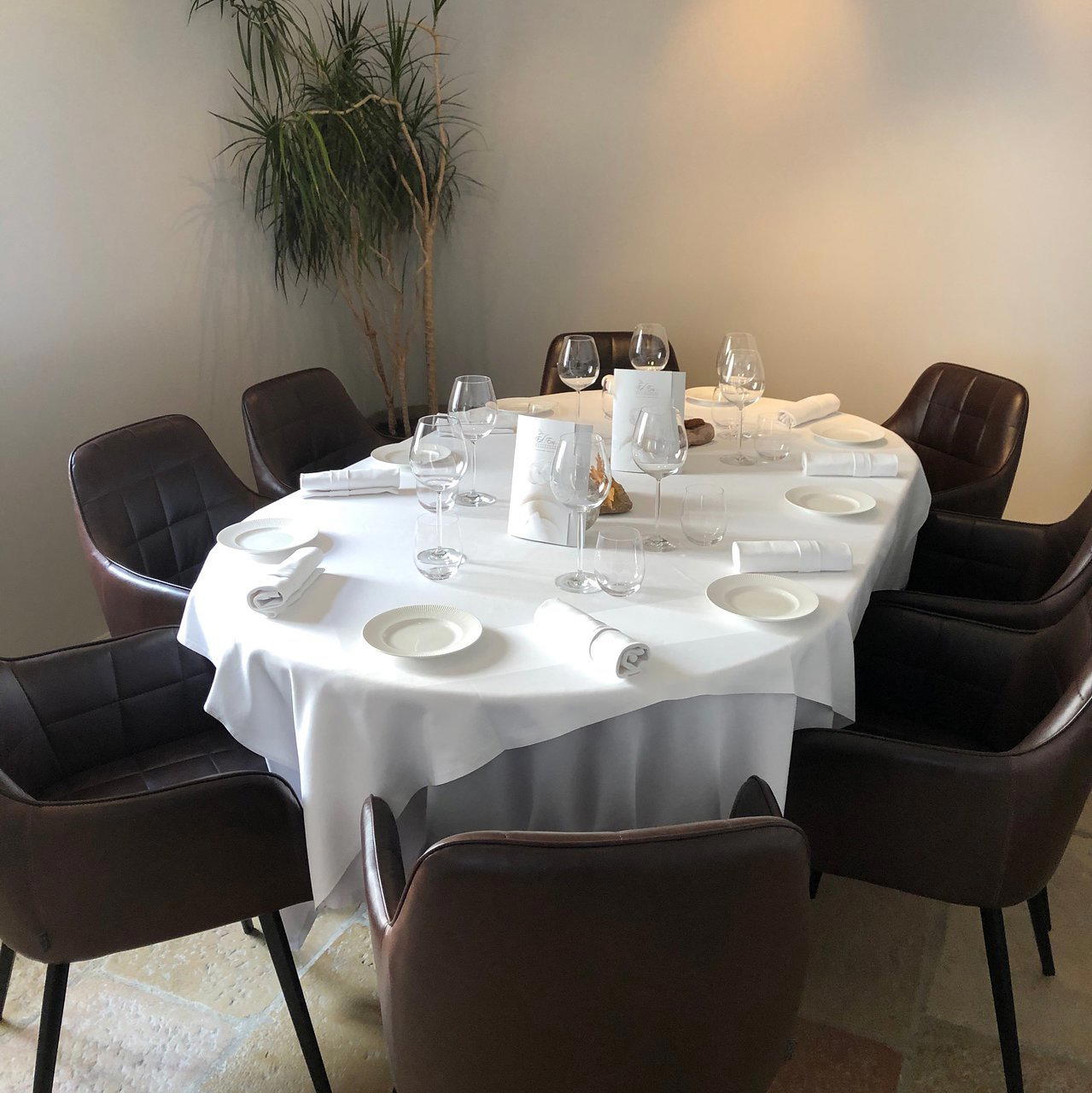
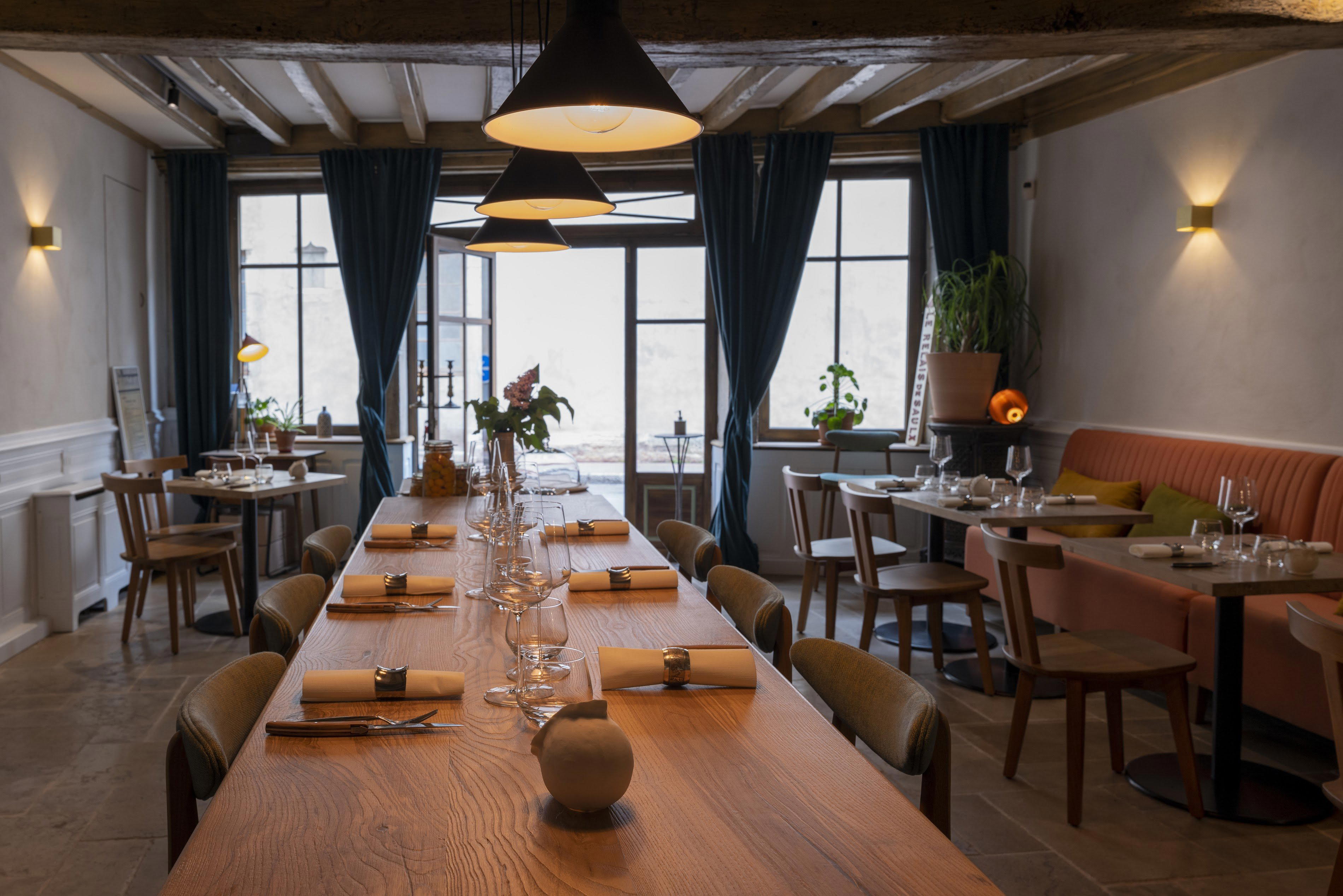
That framing is important because the strongest guidance here is atmospheric rather than logistical. Henri Germain is described as classic, quiet, intimate, rustic, and something of a. The appeal is not a theatrical hospitality format or a list of public-facing amenities; it is the more restrained idea of Burgundy: a family domaine whose reputation rests on Meursault, terroir expression, and a low-intervention sensibility. For visitors or collectors, the draw is therefore less about spectacle and more about the tone of the place.
Meursault in a restrained key: Chardonnay, limestone, and time on lees
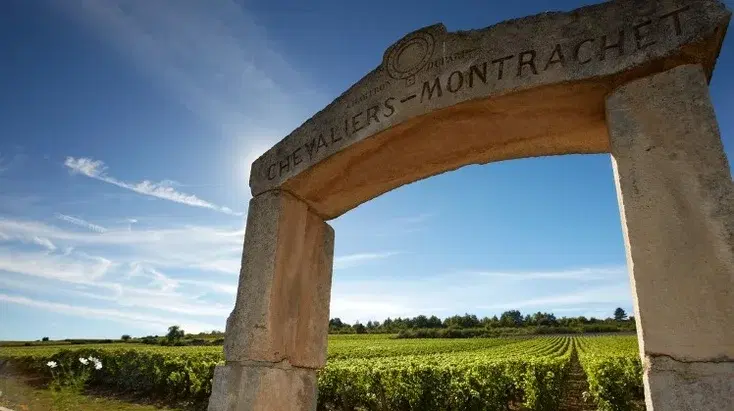
Meursault is one of Burgundy’s reference points for serious white wine, but the village should not be reduced to richness alone. The more compelling reading of Meursault is balance: breadth without heaviness, depth without showiness, and a sense that site matters more than surface polish. Henri Germain fits that restrained, classic register. The description emphasizes precise, terroir-driven Meursault, which is the most useful lens for understanding why the domaine matters.
Because the confirmed information is limited, it is better not to overstate specifics about vineyard holdings, cellar technique, grape breakdown, or production scale. What can be said with confidence is that Henri Germain presents itself through a traditional Burgundian vocabulary: family continuity, quiet confidence, and wines tied closely to place. That makes it especially relevant for drinkers who value Burgundy’s quieter signals, proportion, restraint, and the sense that the wine is intended to express origin rather than a stylized house image.
This is also why Henri Germain should not be framed as a broad tourism stop with a fully documented visitor program unless current information is checked directly. The honest way to position the domaine is as a serious Meursault name with a classic, intimate feel, not as a venue defined by hospitality details.
A working family domaine rather than a polished tasting-room circuit
The strongest confirmed impression of Henri Germain is of a working Burgundian family domaine, not a polished commercial showcase. That distinction matters in Meursault, where the most memorable addresses often communicate through restraint. A quiet cellar-door atmosphere, rustic character, and a hidden-gem quality can be more meaningful than a large visitor infrastructure, especially for travelers who already know why Meursault’s identity is worth seeking out.
The Michelin Guide Burgundy 1 Grape wine-estate distinction provides a external marker. It should be treated as a useful recognition rather than the whole story. The more important point is that the distinction aligns with the domaine’s confirmed profile: traditional, restrained, and terroir-focused. Henri Germain is not best presented as an awards-driven destination; it is better presented as a classic Meursault domaine whose appeal lies in precision and understatement.
Comparisons can help readers place the domaine, provided they are kept natural and not overextended. Domaine des Comtes Lafon and Domaine Pierre Morey are useful reference points for a Meursault conversation about Burgundy classicism and site expression. Domaine Rougeot Père et Fils, Domaine Jobard-Morey, and Domaine Marthe Henry also help frame the range of nearby and regional producer identities that appeal to drinkers seeking a more focused Burgundy experience. Henri Germain belongs in that context as a restrained, premium address where the draw is not scale but quiet seriousness.
How to frame a Meursault itinerary around serious wine, food, and village pace
A wine-focused day in Meursault works well when the schedule is kept narrow. The village rewards time, and Henri Germain is the kind of address that should be approached with that slower rhythm in mind. Rather than building an itinerary around quantity, the better approach is to leave room for context: the village itself, other Meursault dining, and the broader Côte de Beaune landscape. Where visit details matter, travelers should verify arrangements directly through current official channels rather than relying on assumptions.
For a premium guide, the safest and most useful recommendation is also the simplest: prioritize Henri Germain if you are drawn to traditional Burgundy, a quiet family-domaine feel, and Meursault expressed with restraint. The price indicator is $$$$, so it belongs in the higher-end tier of planning. That does not mean the experience should be described with invented luxury cues; the personality is classic, intimate, rustic, and low-key rather than glossy.
The editorial reason to keep Henri Germain on a serious Meursault shortlist is clear. It represents the less theatrical side of premium Burgundy, where the appeal is precision, terroir focus, and a restrained domaine identity. In a region increasingly shaped by reputation and scarcity, that kind of quiet classicism remains one of Meursault’s most persuasive forms of luxury.
Fast Comparison
Comparable venues by cuisine and price in the same metro.
| Venue | Awards |
|---|---|
| Henri GermainThis venue — the venue you are viewing | Michelin 1 Grape |
| Domaine des Comtes Lafon | Michelin 2 Grapes · Falstaff Winery - Listed |
| Domaine Pierre Morey | Michelin Main Selection · Falstaff Winery - Listed |
| Domaine Jobard-Morey | Michelin Main Selection · Falstaff Winery - Listed |
Recognition history
Dated appearances from independent guides and award organizations, with the underlying list record or original source where available.
Michelin 1 Grape
Michelin · 2026 Michelin 1 Grape - Burgundy
Continue exploring
More in Meursault
Wineries in Meursault
Browse all →
Bars in Meursault
Browse all →
Restaurants in Meursault
Browse all →
Details
- Classic
- Quiet
- Intimate
- Rustic
- Wine Education
- Solo Exploration
- Romantic Getaway
- Private Tasting
- Historic Building
- Organic
- Biodynamic
- Sustainable
- Chardonnay
- Pinot Noir
- Still White
- Still Red
- Private
- Cellar
Traditional, low-intervention Burgundian family domaine focused on precise, terroir-driven Meursault with a restrained, classic feel rather than a flashy visitor-center experience.