Skip to Main Content
← Collection
Mercurey, France

Domaine Bruno Lorenzon

Bruno Lorenzon farms premier cru Mercurey parcels inside the Côte Chalonnaise Pinot Noir tradition. Estate-bottled, low new-oak regime.

Pearl is the En Primeur Club membership app — saves, bookings, and concierge access live there. Same editors, same standards.

Plan your visit on PearlPlan Your Visit
Address
14 Rue du Réu, 71640 Mercurey, France
Phone
+33 3 85 45 13 51
Saves & bookings on Pearl
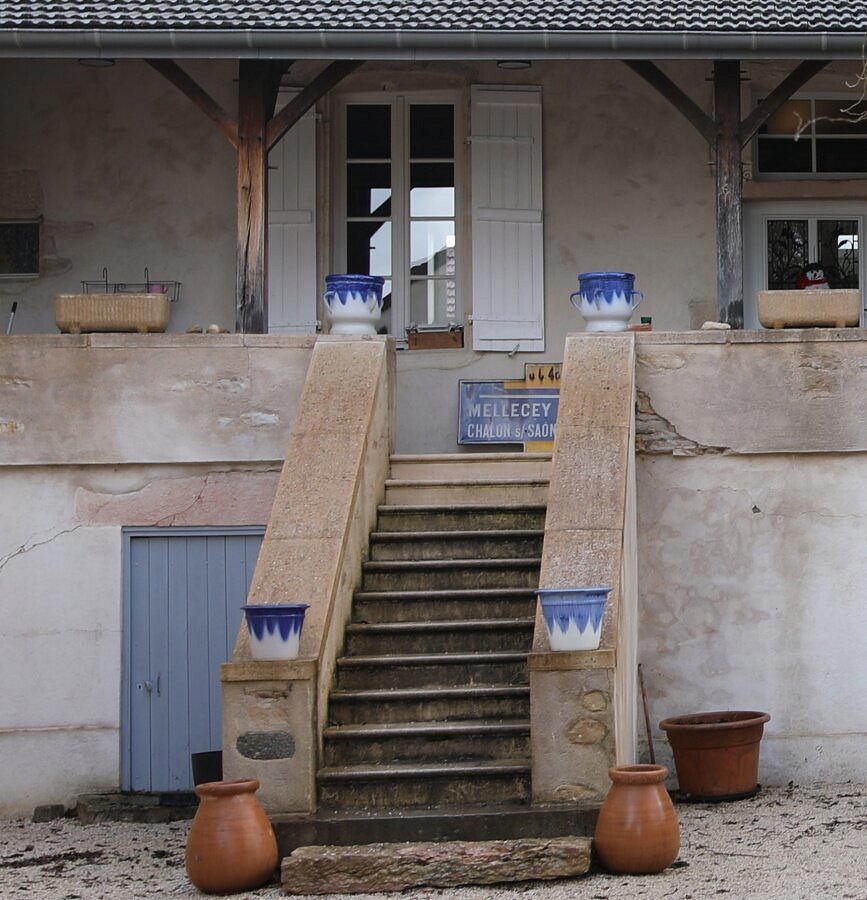
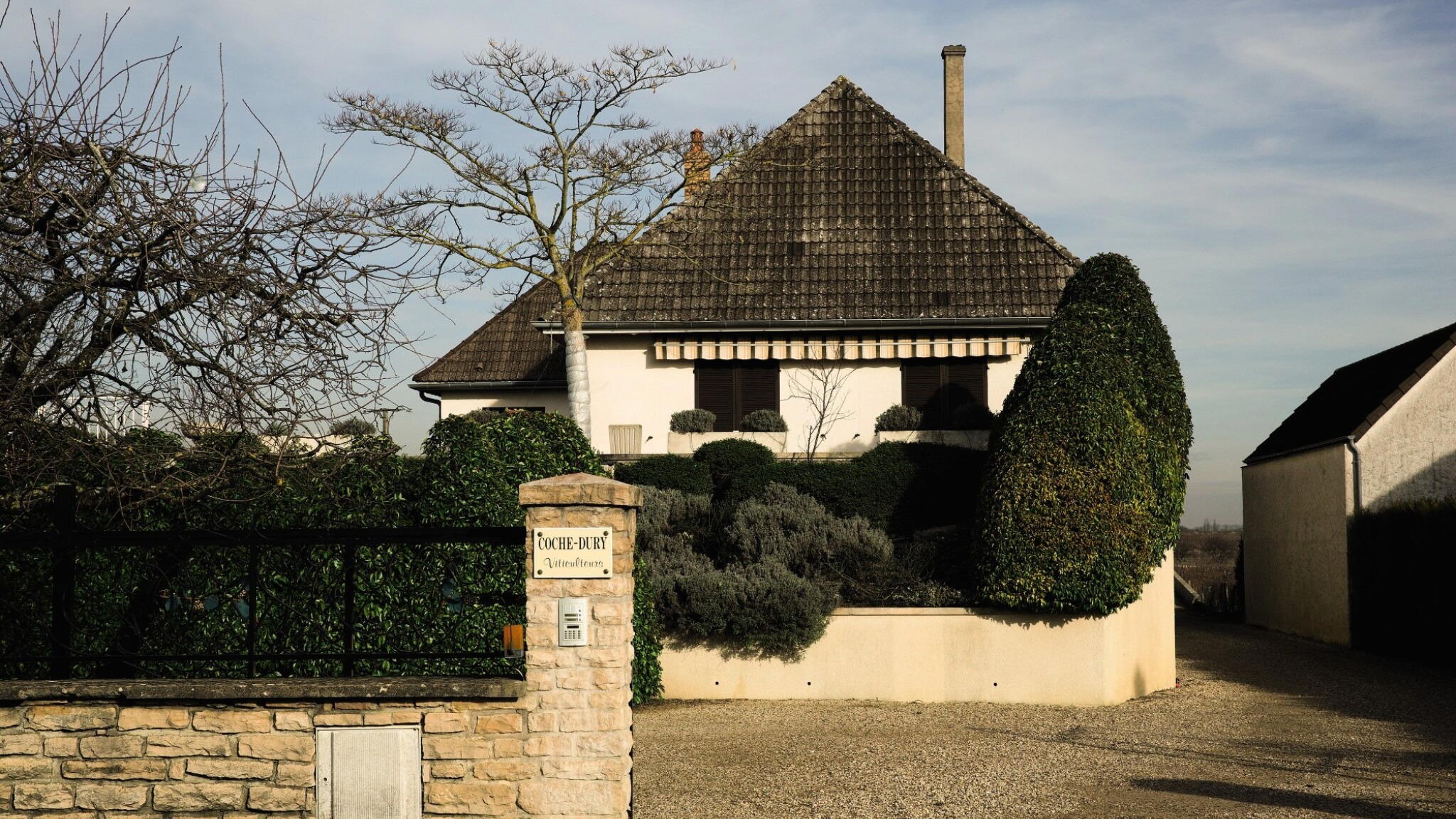
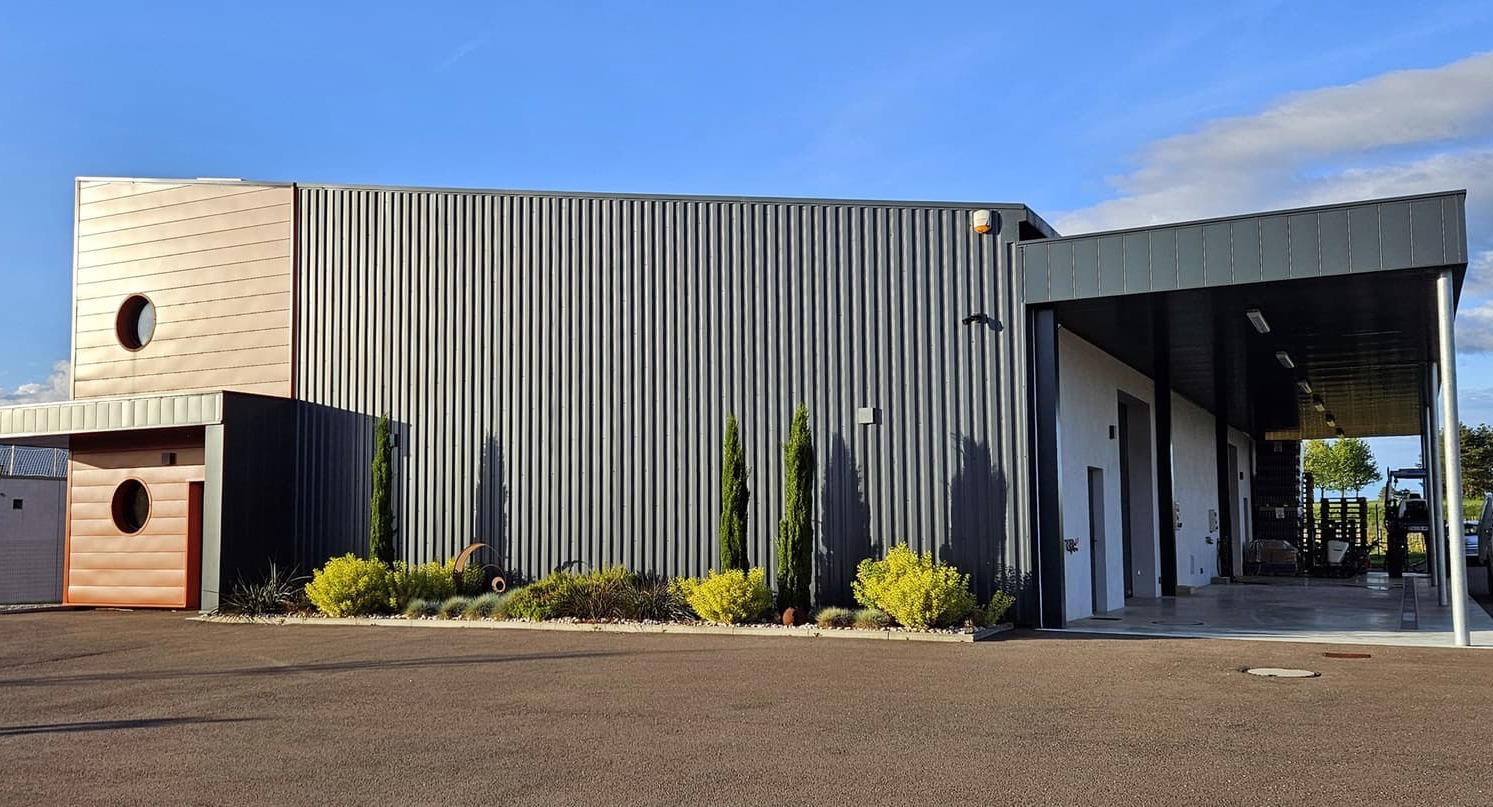
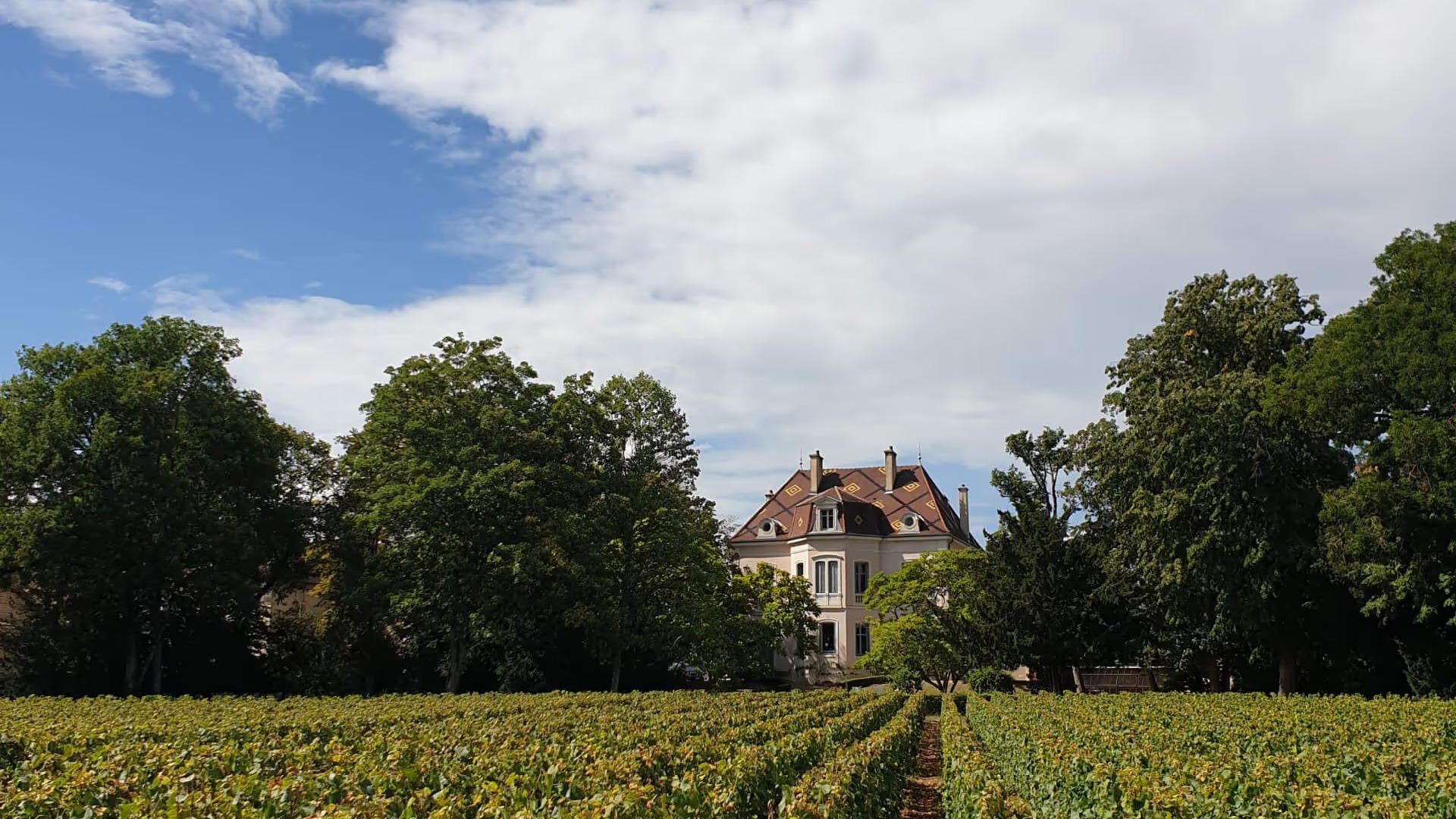
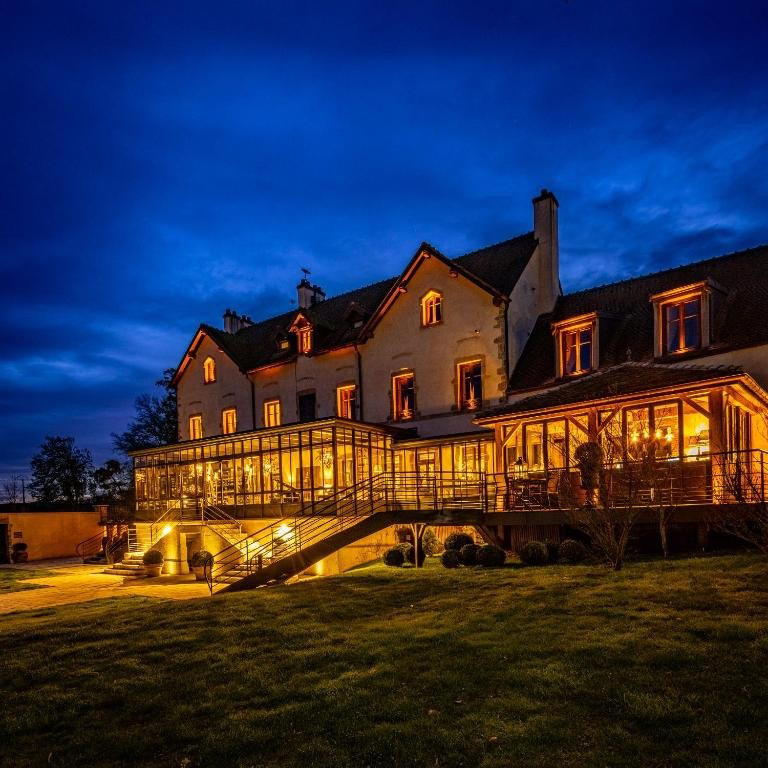
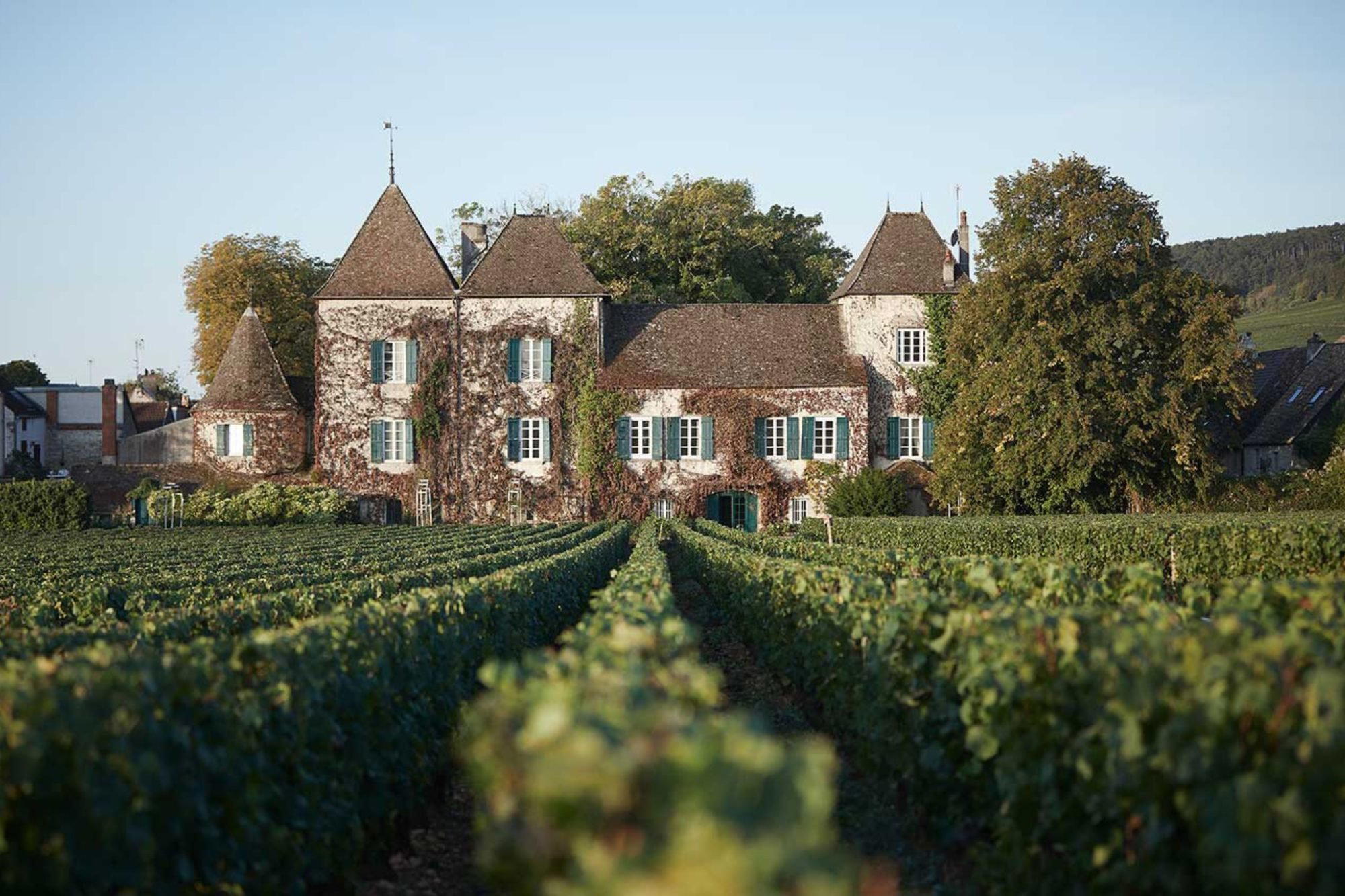
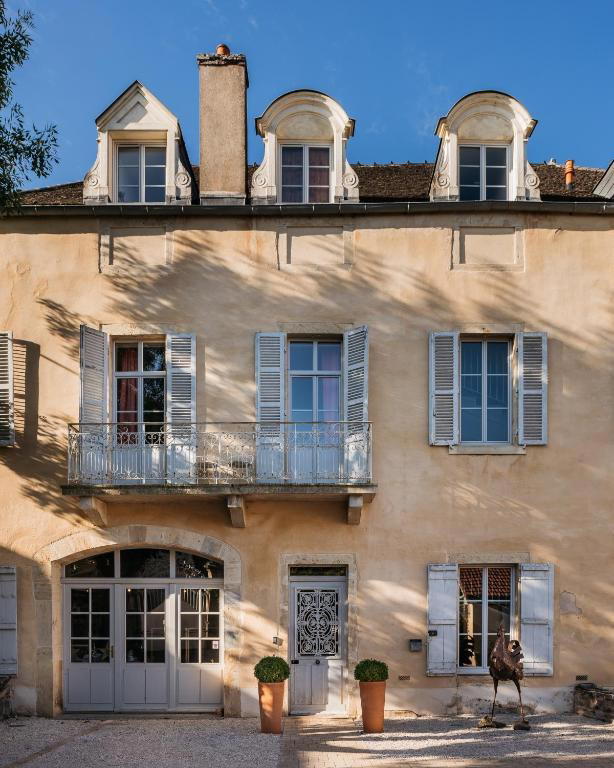
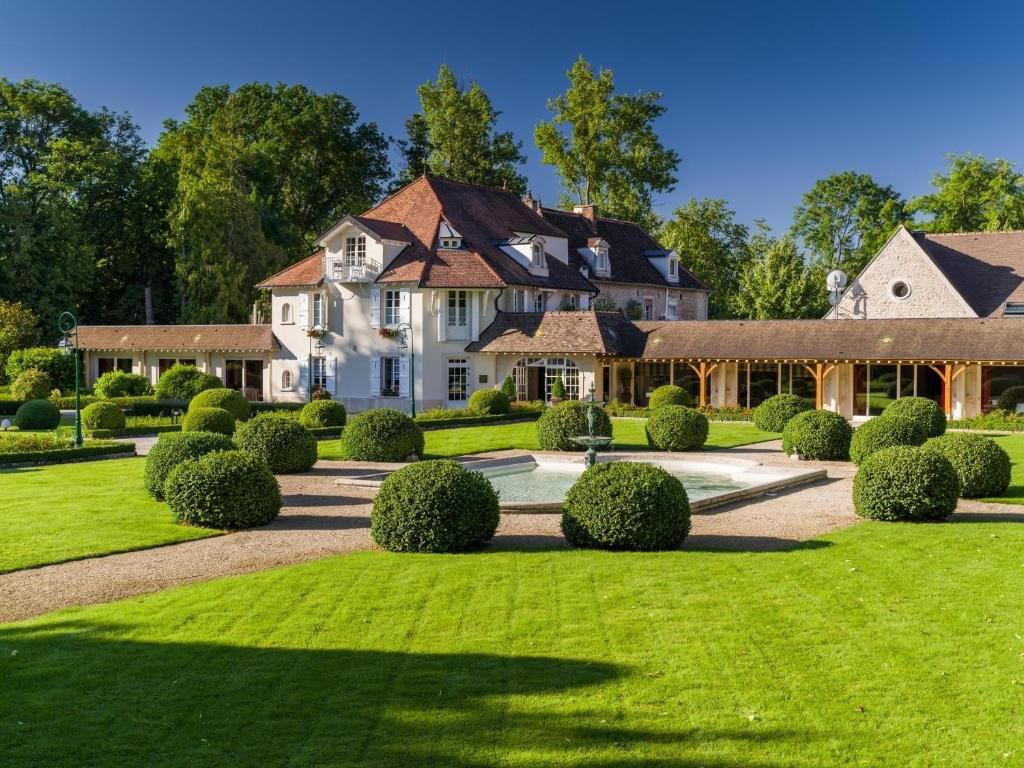
Domaine Bruno Lorenzon winery in Mercurey, France
About

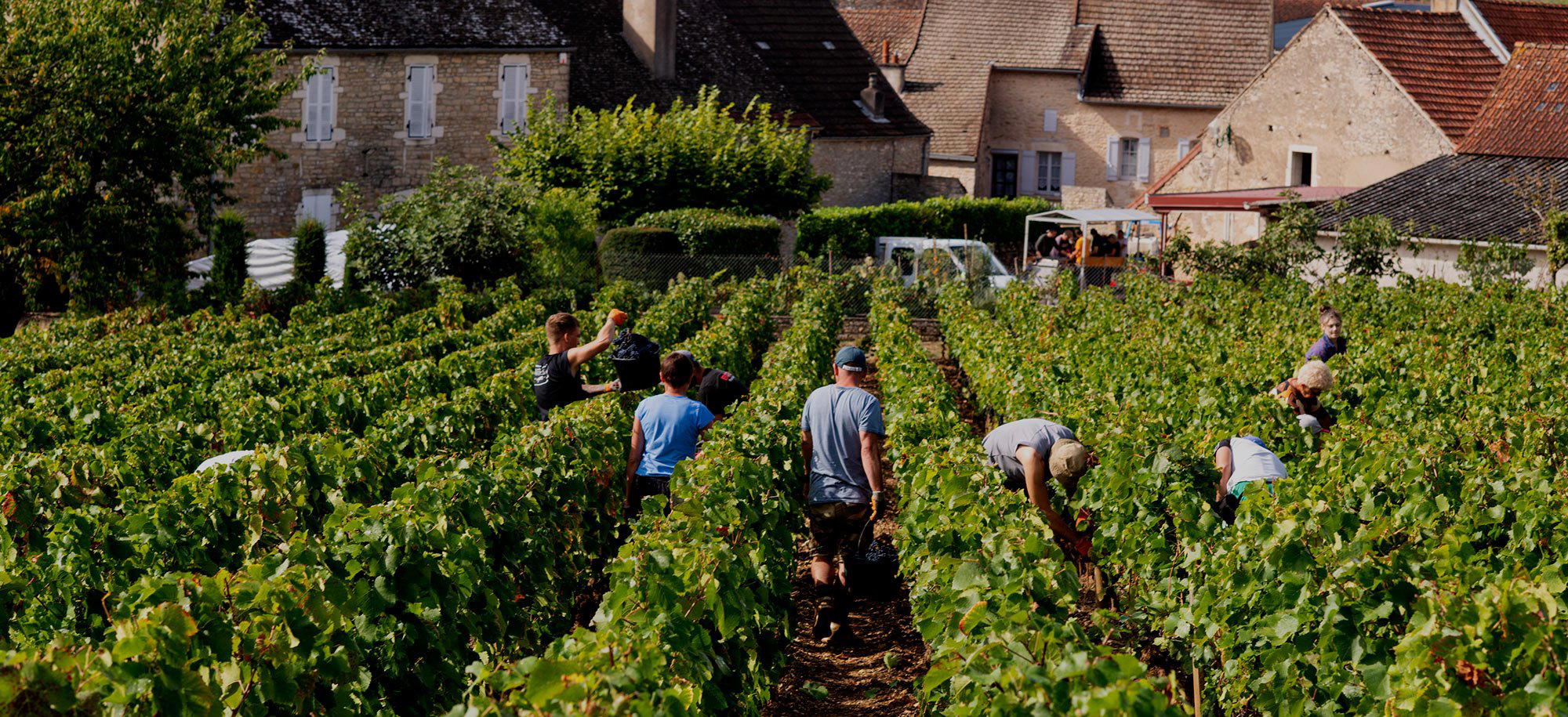
Mercurey sits inside the Côte Chalonnaise, the Burgundian zone south of the Côte de Beaune where the red-wine tradition is carried by Pinot Noir on limestone-marl soils that lack the escarpment drama of the Côte d'Or but retain a working kinship with the structure and aging curve of the more famous northern appellations. Domaine Bruno Lorenzon operates inside this lineage, a small family holding in Mercurey working inside the traditional Burgundian domaine model, where the winemaker owns the vines, farms the parcels, and bottles under estate label. Bruno Lorenzon himself represents a generational transmission typical of the Côte Chalonnaise: the estate has been family-run for multiple generations, with Bruno Lorenzon taking the cellar in the late twentieth century and continuing the practice of parcel-specific bottlings from Mercurey's premier cru vineyard sites. The domaine works inside the classic Burgundian red-wine protocol, hand-harvested Pinot Noir, whole-cluster fermentation or partial whole-cluster depending on vintage and parcel, aging in oak barrels with a proportion of new wood that typically runs lower than the Côte de Beaune standard (15 to 25 percent new oak is common in Mercurey versus 30 to 50 percent in Volnay or Pommard), and bottling without fining or filtration where the vintage permits. The resulting wines sit inside the middle band of Burgundian red-wine structure: more depth and aging potential than Côte Chalonnaise village-level bottlings, less concentration and price than Côte de Beaune premier cru, and a useful reference point for understanding what Pinot Noir does on Mercurey limestone when farmed and vinified inside the traditional low-intervention protocol.

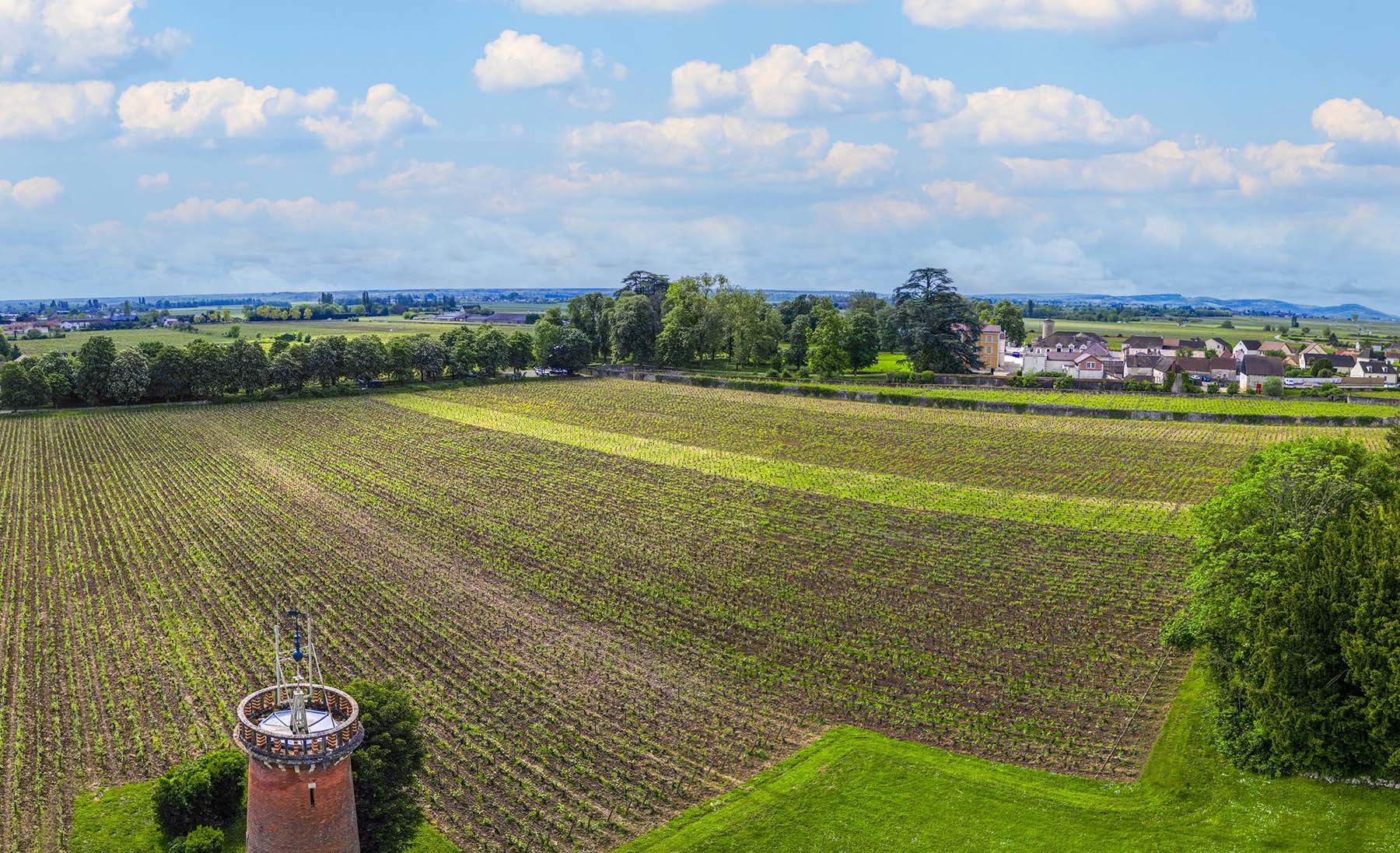
Mercurey itself is the largest appellation in the Côte Chalonnaise by vineyard area, with approximately 650 hectares under vine and a premier cru system that covers 32 named climats. The appellation's red-wine tradition is older and more documented than its white-wine tradition, roughly 90 percent of Mercurey production is Pinot Noir, and the limestone-marl soils that dominate the appellation's east-facing slopes produce reds with a structure that sits between the lighter Côte de Beaune villages (Auxey-Duresses, Saint-Romain) and the denser premier cru sites of Volnay or Pommard. Bruno Lorenzon farms parcels across multiple Mercurey premier cru sites, including holdings in Les Champs Martin, Les Combins, and Les Vasées, each of which carries a distinct soil profile and exposition. Les Champs Martin, for example, sits on shallow limestone with high clay content and produces reds with more tannin structure and aging curve than the lighter soils of Les Vasées; Les Combins sits mid-slope with deeper marl and produces wines with more immediate fruit expression. The domaine bottles each parcel separately, a practice that mirrors the Côte d'Or premier cru model but remains less common in the Côte Chalonnaise, where many producers blend premier cru fruit into a single cuvée to smooth out vintage variation and parcel-specific tannin profiles.

Bruno Lorenzon's winemaking sits inside the low-intervention Burgundian tradition that has become the baseline for serious domaine production across the region since the 1990s. Fermentation occurs in open-top wood vats with indigenous yeast, no temperature control beyond the ambient cellar temperature, and a cuvaison (maceration period) that typically runs 18 to 25 days depending on vintage tannin extraction. Whole-cluster inclusion varies by parcel and by vintage: in cooler years with underripe stems, the fruit is destemmed; in warmer years with lignified stems, whole-cluster fermentation runs as high as 30 to 50 percent of the total volume. This decision-making protocol mirrors the approach of producers like Dominique Lafon in Meursault and Christophe Roumier in Chambolle-Musigny, where whole-cluster inclusion is treated as a vintage-specific tool rather than as a house style. Aging occurs in French oak barrels, with the proportion of new oak held deliberately lower than the Côte de Beaune standard, Bruno Lorenzon typically runs 15 to 20 percent new oak across the premier cru cuvées, with the remainder in one- to three-year-old barrels. The resulting wines show less obvious oak influence than Volnay or Pommard premier cru at the same age, with the structure coming from the fruit tannin and the limestone minerality rather than from toast or vanilla extraction. Bottling occurs after 12 to 16 months in barrel, without fining and without filtration where the vintage permits, and the wines are released approximately 18 months after harvest, a timeline that sits inside the standard Burgundian domaine model.

The domaine's production scale is small even by Burgundian standards, with total annual production estimated at 2,000 to 3,000 cases across all cuvées. This places Bruno Lorenzon inside the lower tier of the Côte Chalonnaise production hierarchy: larger than the smallest grower-producers who bottle only a few hundred cases per year, but significantly smaller than the cooperative-scale producers and négociant houses that dominate Mercurey's volume output. The majority of the domaine's production is allocated to importers and distributors in France, Belgium, and the United States, with limited availability on the open retail market. Access to the domaine's wines outside of direct allocation requires either a relationship with a specialist Burgundy importer or purchasing through secondary-market channels, where Mercurey premier cru from serious producers typically trades at 30 to 50 euros per bottle for recent vintages, a price point that sits well below Côte de Beaune premier cru (which starts at 60 to 80 euros) but above generic Bourgogne Rouge or Côte Chalonnaise village-level bottlings (which trade at 15 to 25 euros). The domaine does not operate a tasting room open to walk-in visitors, and cellar visits are available only by advance appointment, typically arranged through the domaine's importers or through specialist wine-tour operators who maintain relationships with small Burgundian producers.

Bruno Lorenzon's position inside the Mercurey peer set is defined by the domaine's commitment to parcel-specific bottlings and to the traditional low-intervention protocol that has become the standard among serious Burgundian grower-producers. The domaine sits inside the same technical lane as producers like Domaine Faiveley (which bottles premier cru Mercurey from estate holdings as part of a larger Côte d'Or and Côte Chalonnaise portfolio), Domaine Michel Juillot (a larger Mercurey estate with more extensive premier cru holdings and a longer history of single-parcel bottlings), and Domaine François Raquillet (a smaller Mercurey producer working inside the same low-intervention protocol with a similar focus on whole-cluster fermentation and minimal new oak). The comparison to these producers is useful for understanding where Bruno Lorenzon sits inside the Mercurey landscape: the domaine's production scale and parcel-specific approach align closely with François Raquillet, while the structure and aging curve of the wines sit closer to Michel Juillot's more traditional style than to Faiveley's slightly more modern extraction and oak regime. Bruno Lorenzon's wines are less widely distributed than those of either Juillot or Faiveley, which limits the domaine's visibility in international markets but also means that the wines are less subject to speculative pricing and allocation pressure.

The domaine's premier cru holdings in Les Champs Martin are particularly notable inside the Mercurey appellation, as this climat is widely regarded as one of the leading sites for structured, age-worthy reds. Les Champs Martin sits on the mid-slope of Mercurey's eastern escarpment, with shallow limestone soils over hard rock and a south-southeast exposition that provides strong sunlight penetration during the growing season. The resulting wines show more tannin structure and more mineral backbone than Mercurey premier cru from sites with deeper marl or more clay content, and they age on a longer curve, typically reaching a secondary development phase at 8 to 12 years post-vintage, where softer Mercurey premier cru sites peak at 5 to 8 years. Bruno Lorenzon's Les Champs Martin cuvée is vinified with partial whole-cluster fermentation in most vintages, aged in 20 to 25 percent new oak, and bottled without fining or filtration. The wine's structure sits inside the upper band of Mercurey premier cru, closer to the tannin density and aging curve of Côte de Beaune village-level reds (Auxey-Duresses, Chorey-lès-Beaune) than to the lighter, earlier-drinking style of Côte Chalonnaise village-level Pinot Noir. The Les Champs Martin cuvée is the domaine's flagship bottling and is typically priced 10 to 15 euros above the domaine's other premier cru cuvées, reflecting both the parcel's reputation and the wine's longer aging potential.

Bruno Lorenzon's Les Combins and Les Vasées cuvées represent the domaine's work inside Mercurey's softer, more immediately accessible premier cru sites. Les Combins sits mid-slope with deeper marl soils and produces wines with more red-fruit expression and less tannin structure than Les Champs Martin, making it a useful point of entry into the domaine's range for drinkers who prefer earlier-drinking Burgundian reds. Les Vasées sits lower on the slope with sandier soils and produces wines with the lightest structure of the domaine's premier cru bottlings, typically reaching peak drinkability at 5 to 7 years post-vintage. Both cuvées are vinified with less whole-cluster inclusion than Les Champs Martin, typically 0 to 20 percent depending on vintage, and aged in 10 to 15 percent new oak, with the remainder in neutral barrels. The resulting wines show the classic Mercurey profile: red cherry, earth, limestone minerality, moderate tannin, and a finish that sits inside the medium-length band typical of Côte Chalonnaise premier cru. These cuvées are priced at the lower end of the domaine's range and are easier to find on allocation lists, as they represent a larger proportion of the domaine's total production than the flagship Les Champs Martin bottling.

The domaine's village-level Mercurey Rouge cuvée is blended from younger vines and from parcels that do not qualify for premier cru status, and it represents the domaine's entry point for drinkers new to the range. The wine is vinified in the same open-top wood vats as the premier cru cuvées, with indigenous yeast and no temperature control, but it is aged entirely in neutral oak with no new wood, and the cuvaison is typically shorter (14 to 18 days versus 18 to 25 days for the premier cru bottlings). The resulting wine is lighter in structure and earlier-drinking than the premier cru cuvées, with peak drinkability at 3 to 5 years post-vintage, and it is priced at 20 to 25 euros per bottle on allocation, a price point that sits inside the standard range for village-level Mercurey from serious domaine producers. The village-level cuvée is useful as a reference point for understanding the baseline Mercurey Pinot Noir profile before moving up to the premier cru sites, and it is often the most widely available of the domaine's bottlings on allocation lists.

Access to Domaine Bruno Lorenzon's wines outside of direct importer allocation is limited, as the domaine does not maintain a significant inventory for direct sales and does not operate an online retail platform. The domaine's importers in the United States include specialist Burgundy distributors who focus on small grower-producers, and the wines are typically available only through restaurants and retail accounts that maintain allocation relationships with those distributors. On the secondary market, Bruno Lorenzon's premier cru bottlings trade at prices that sit inside the middle band of the Mercurey premier cru peer set: recent vintages of Les Champs Martin trade at 40 to 50 euros per bottle, while Les Combins and Les Vasées trade at 30 to 40 euros per bottle, and the village-level Mercurey Rouge trades at 20 to 25 euros per bottle. These prices reflect the domaine's small production scale and its reputation inside the specialist Burgundy market, but they remain well below the pricing of Côte de Beaune premier cru from comparable producers, making Bruno Lorenzon's wines a useful reference point for drinkers seeking structured, age-worthy Burgundian reds without the price premium of the Côte d'Or appellations.

At a Glance
Vibe
  • Classic
  • Scenic
  • Elegant
  • Intimate
  • Hidden Gem
  • Rustic
Best For
  • Wine Education
  • Solo Exploration
  • Romantic Getaway
  • Group Outing
  • Special Occasion
Experience
  • Estate Grounds
  • Private Tasting
  • Historic Building
Sourcing
  • Organic
  • Biodynamic
  • Sustainable
Views
  • Vineyard
Noise LevelQuiet
CapacitySmall

Small, highly focused grower-estate in Mercurey with an artisanal, precision-driven atmosphere; the domaine emphasizes purity, meticulous vineyard work, and low-intervention winemaking, giving visits a serious, terroir-centric and intimate feel.[7][8][26]

Additional Properties
AVAMercurey AOC
VarietalsPinot Noir, Chardonnay
Wine Stylesstill_red, still_white
Wine ClubNo
DTC ShippingYes