

Michelin 1 Grape · Falstaff Winery - Listed
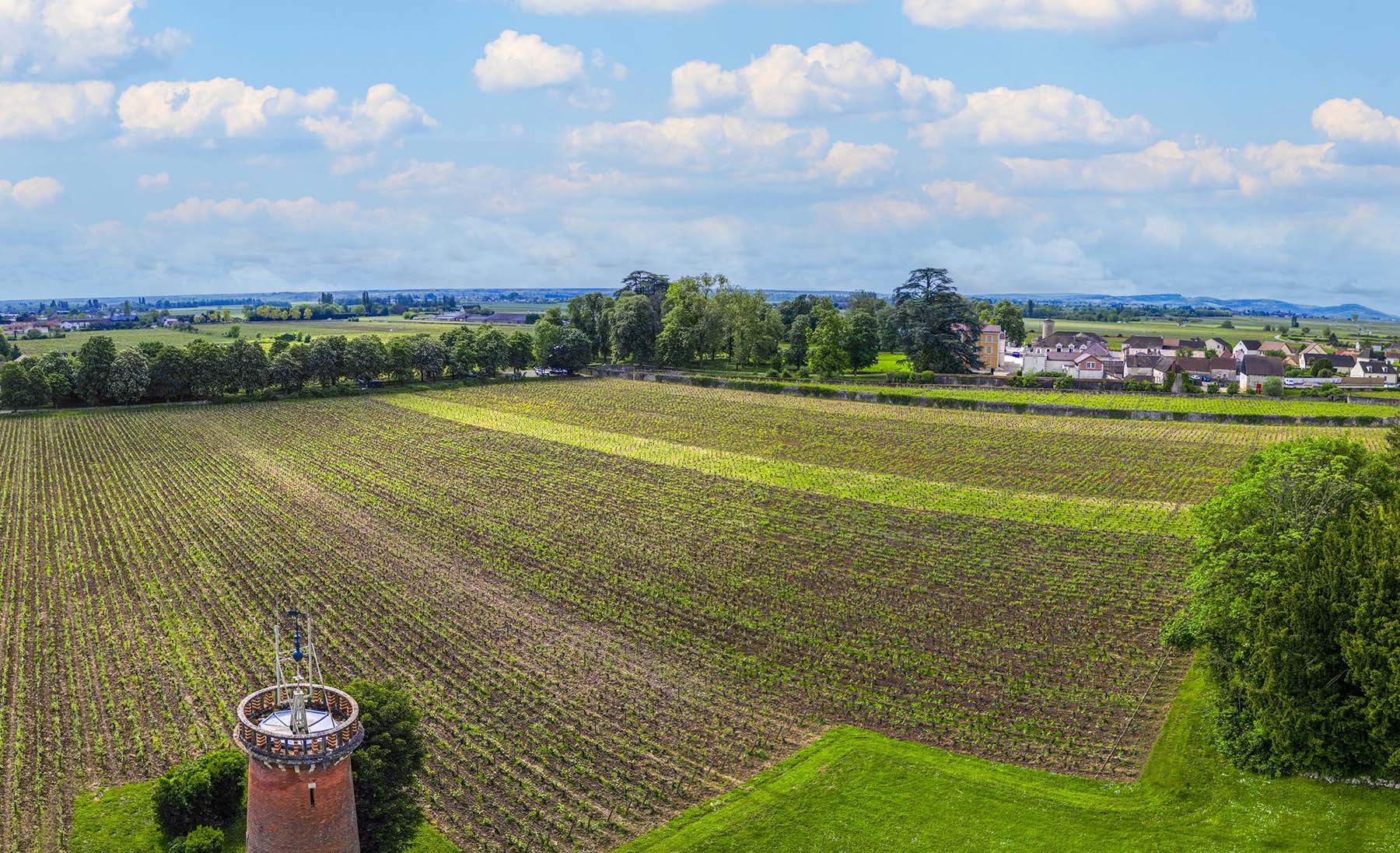
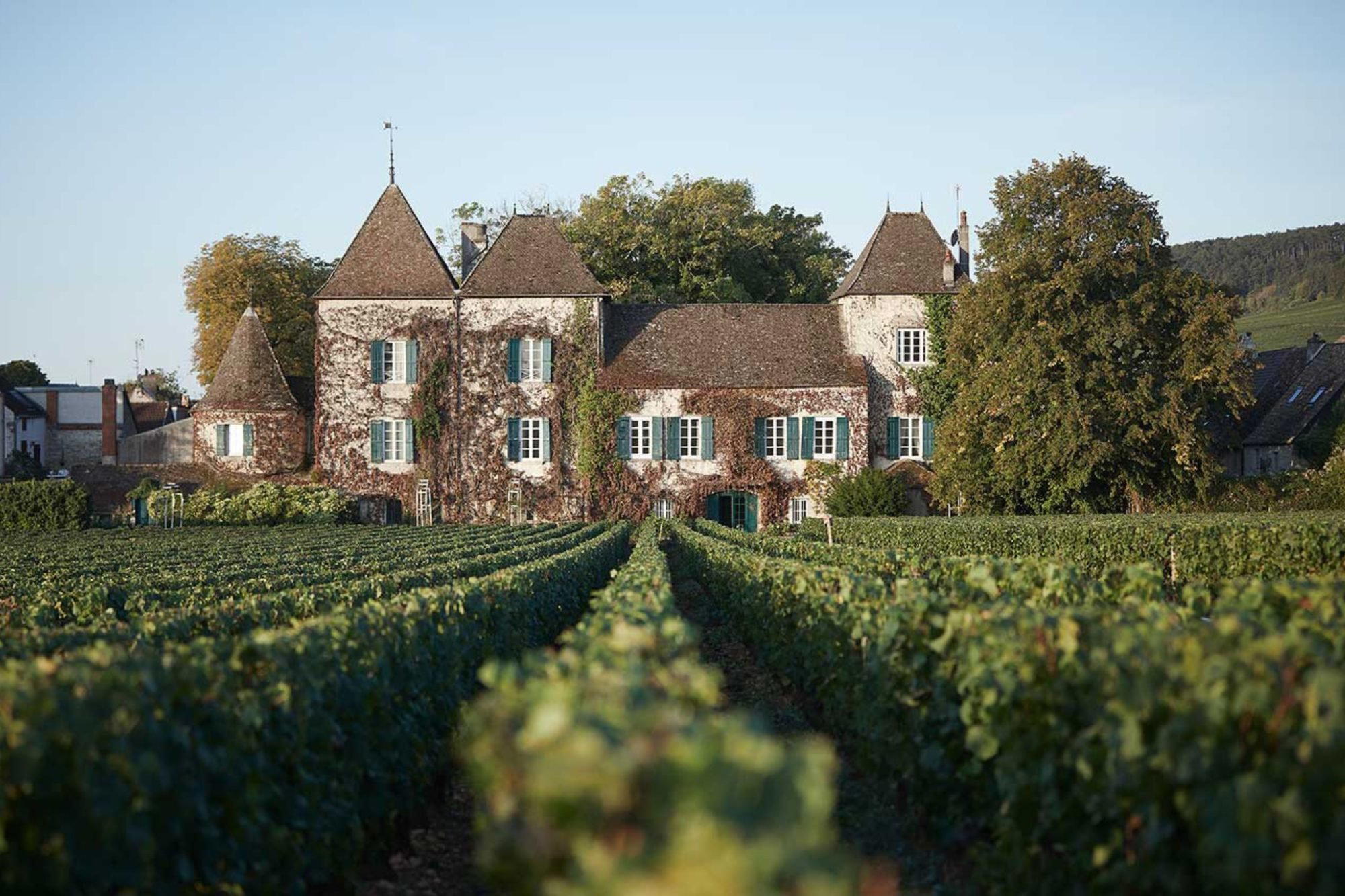
Domaine Marquis d'Angerville is among Volnay's most historically grounded estates. Situated on the Rue de Mont in the village centre, the domaine represents the Côte de Beaune's argument for Pinot Noir at its most precisely structured. Visits here are measured against the full weight of that reputation.

Pearl is the En Primeur Club membership app — saves, bookings, and concierge access live there. Same editors, same standards.
- Address
- 4 Rue de Mont, 21190 Volnay
- Phone
- +33 3 80 21 61 75
- Website
- domainedangerville.fr
- Directions
- Get directions
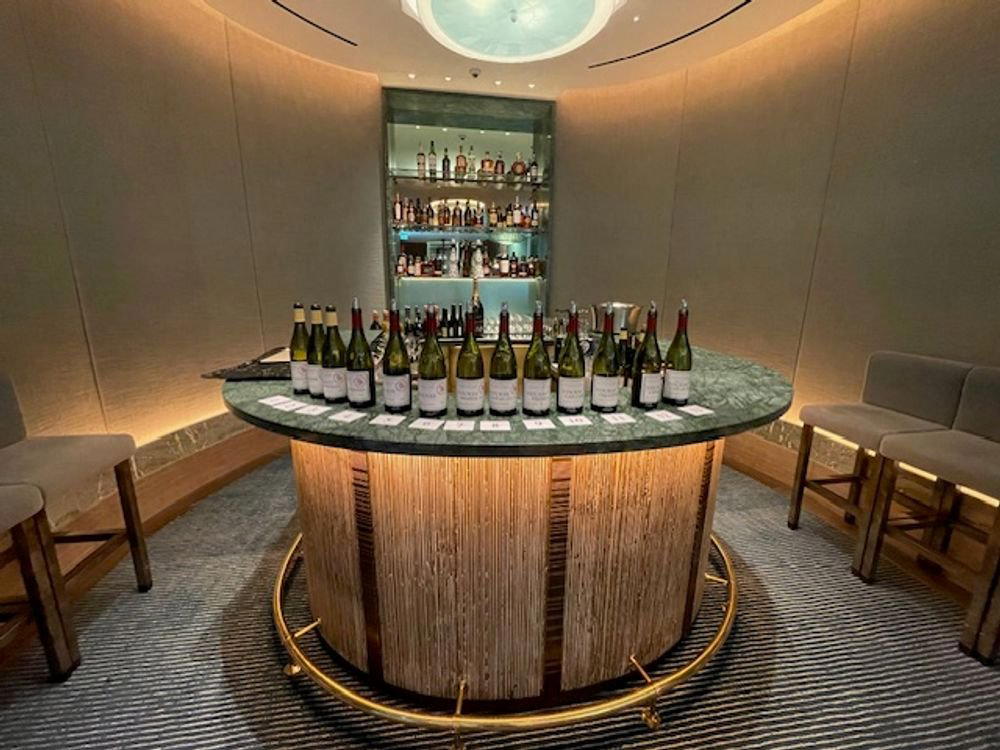
The Weight of Volnay
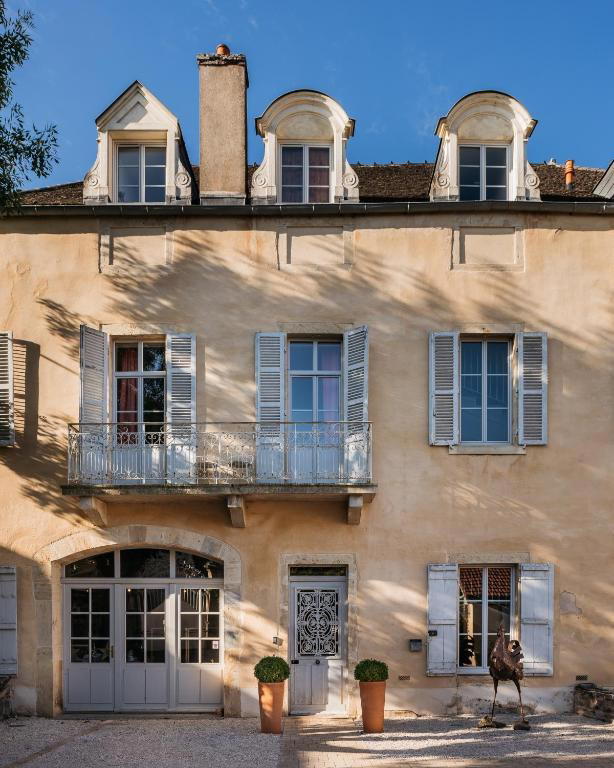
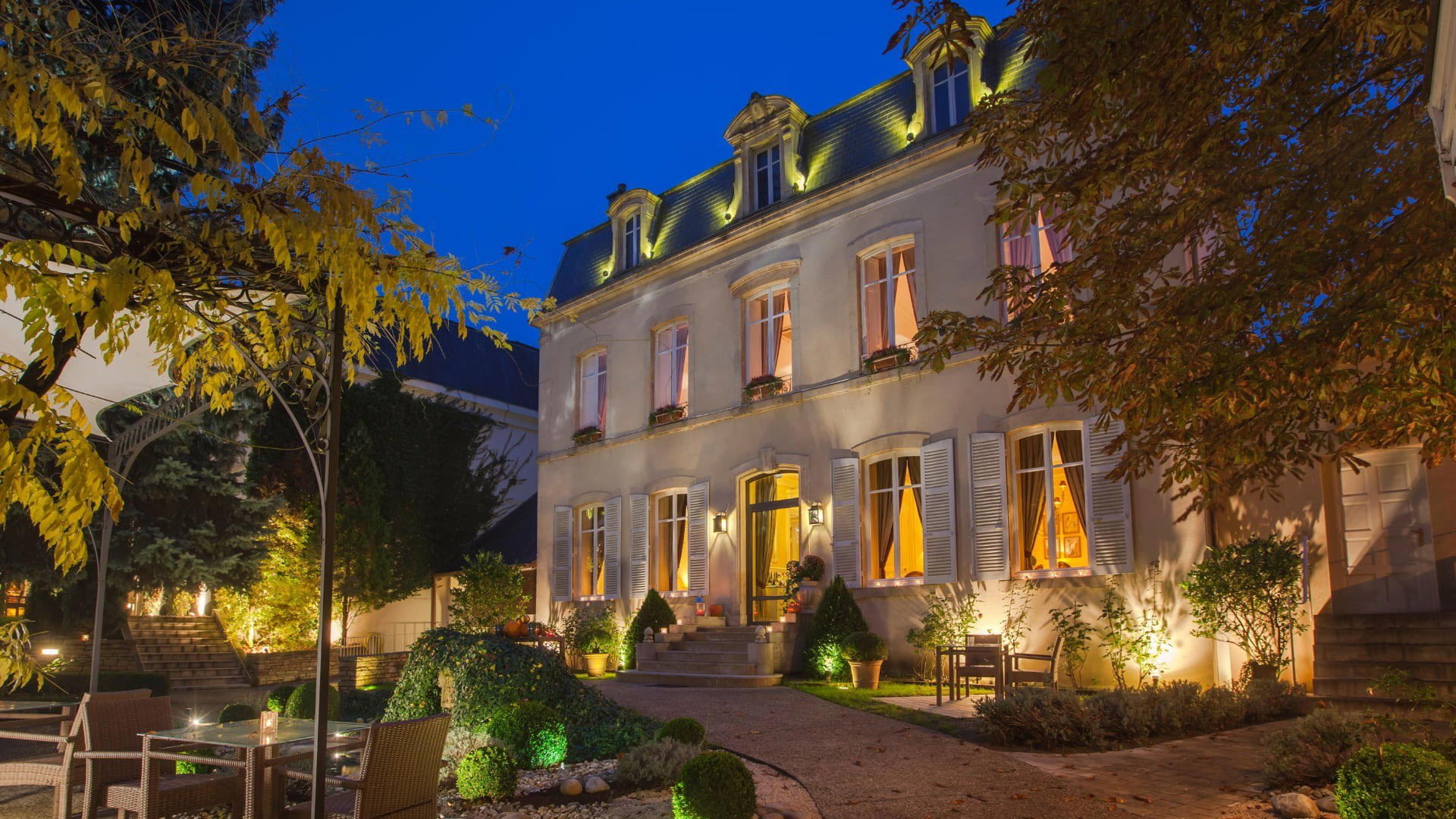
The village of Volnay sits on a narrow limestone ridge above the Côte de Beaune, its lanes tight enough that you park at the edge and walk in. The estates announce themselves quietly: stone walls, iron gates, occasionally a nameplate. Domaine Marquis d'Angerville, at 4 Rue de Mont, follows that pattern. There is no grand entrance architecture competing for attention. What the address signals instead is continuity, the kind that Burgundy uses as its primary credential, and which Volnay has historically traded on more than almost any other village appellation on the Côte.
Volnay's reputation among serious collectors has always rested on a particular argument: that Pinot Noir from this limestone-clay terroir expresses a combination of floral lift and structural precision that the more southerly villages, with their heavier soils, cannot replicate in the same way. Visiting the village's estates means engaging with that argument in concrete terms, glass by glass, parcel by parcel. The domaines clustered here, including Domaine de la Pousse d'Or, Domaine de Montille, Domaine Michel Lafarge, and Domaine Thomas Bouley, each hold different parcels across the premier cru map, and the differences between them are the point of coming here at all.
What the 2025 Rating Tells You
In the context of Volnay, that placing carries specific weight. The village does not have a large pool of estates at this recognition level, and a Prestige designation here implies consistent performance across multiple vintages and cuvées rather than a single breakout wine.
To put it in comparative terms: across France, estates operating at this tier, whether in Burgundy, Alsace like Albert Boxler in Niedermorschwihr, or further south, are those where the tasting experience is structured around deliberate editorial choices about what to show and how.
The Tasting Experience in Volnay's Context
Tastings at premier cru Volnay estates operate differently from the more visitor-oriented formats you encounter in Beaune or along the tourist circuit further north. The Côte de Beaune's serious domaines, particularly those with collector-level allocations and long mailing lists, tend to receive trade, press, and serious private buyers rather than walk-in tourism. That shapes the format: you are typically tasting from barrel or recently bottled wine in a functional cellar or reception room, guided by someone with deep technical knowledge of each parcel.
At an estate of this standing, the tasting is anchored by its premier cru holdings. Volnay's premier cru map is detailed, with individual climat names carrying significant price and quality differentiation even within the village. Understanding which parcels an estate holds, and how each one reads across a vintage, is the actual content of a serious visit. The wines are not presented as a linear flight from simple to complex; the hierarchy built into Burgundy's appellation system means the structure of the tasting reflects the structure of the terroir.
Visitors who have spent time at comparable estates on the Côte, whether in Pommard to the south or Meursault nearby, will find Volnay's register distinct. The tannin structure here is finer, the aromatic profile leaning more toward violets and red cherry than darker fruit profiles, and the acidity tends to be better preserved across aging. These are not generalisations: they are the arguments the appellation makes, and a visit to an estate at this level is where those arguments are made with precision.
Planning a Visit
Volnay sits roughly midway along the Côte de Beaune, accessible from Beaune in around fifteen minutes by car. The village is not served by tourist infrastructure at the level of Beaune itself, which means visiting the domaines here requires a degree of pre-planning. Estates at the Prestige tier do not reliably accept unannounced arrivals; the standard approach is to contact the domaine in advance and arrange a tasting appointment, ideally several weeks ahead during peak season, which runs from late spring through harvest in October.
The tasting calendar in Burgundy is shaped by the agricultural cycle. Harvest period typically means reduced availability at the cellar door, while the weeks either side of harvest, particularly September and November, often offer the most engaged visits when the winemaking team's attention is most concentrated. For buyers considering allocation access, demonstrating interest through a formal visit remains one of the routes that estates at this level recognise.
For a broader orientation to the village and its producers, our full Volnay guide maps the key estates and explains how the premier cru parcels relate to each other across the hillside.
Volnay in the Wider Burgundy Conversation
Burgundy's premium identity has become more segmented over the past decade. The Côte de Nuits attracts the majority of international collector attention through the grand cru appellations of Gevrey-Chambertin, Chambolle-Musigny, and Vosne-Romanée. The Côte de Beaune, by contrast, is where Pinot Noir in village and premier cru format competes most directly on precision rather than scale, and where white Burgundy from Meursault, Puligny, and Chassagne anchors a different kind of conversation entirely.
Within that framework, Volnay's argument is a specific one: premier cru red Burgundy at a quality ceiling defined by terroir rather than appellation hierarchy, priced below the Côte de Nuits grand cru tier but performing at a level that makes the gap feel meaningful. Estates holding leading premier cru parcels here, and carrying recognition at the Pearl Prestige level, are positioned in that conversation as reference points rather than entry points.
Comparisons outside Burgundy are instructive. The parallel is not about style; it is about the structural position an estate occupies in its own appellation's logic.
For visitors whose interest spans multiple French wine regions, the contrast between Volnay's delicacy and the richer, more textured profiles found at estates like Château Bastor-Lamontagne in Preignac or the structured weight of Château Batailley in Pauillac underscores how specifically regional Burgundy's character is.
Where It Fits
Comparable venues nearby, for context on price, style, and recognition.
| Venue | Cuisine | Price | Awards | Notes |
|---|---|---|---|---|
| Domaine Marquis d'AngervilleThis venue — the venue you are viewing | Pinot Noir, Chardonnay | Not listed | Michelin 1 Grape · Falstaff Winery - Listed | Not listed |
| Domaine Thomas Bouley | Pinot Noir, Chardonnay | Not listed | Michelin 3 Grapes · Falstaff Winery - Listed | Volnay |
| Domaine de la Pousse d'Or | Pinot Noir, Chardonnay | Not listed | Falstaff Winery - Listed | Volnay |
| Domaine de Montille | Pinot Noir, Chardonnay | $50–100 | Michelin 1 Grape | Volnay |
| Domaine Michel Lafarge | Pinot Noir, Chardonnay | Not listed | Michelin 1 Grape · Falstaff Winery - Listed | Volnay |
| Domaine Jacques-Frédéric Mugnier | Pinot Noir, Chardonnay | Not listed | Michelin 2 Grapes · Falstaff Winery - Listed | Chambolle-Musigny |
Recognition history
Dated appearances from independent guides and award organizations, with the underlying list record or original source where available.
Michelin 1 Grape
Michelin · 2026 Michelin 1 Grape - Burgundy
Falstaff Winery - Listed
Falstaff
Continue exploring
More in Volnay
Wineries in Volnay
Browse all →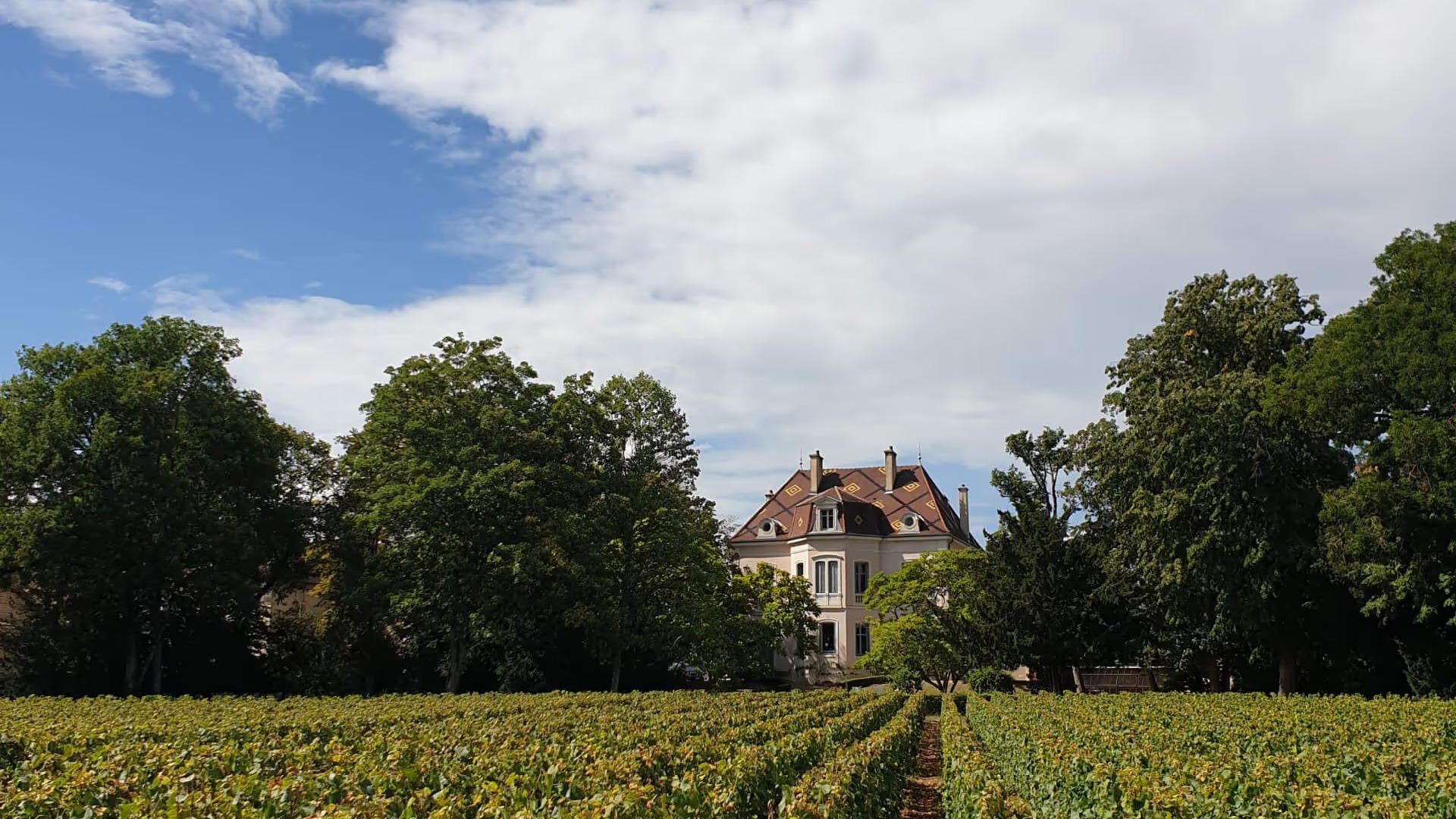
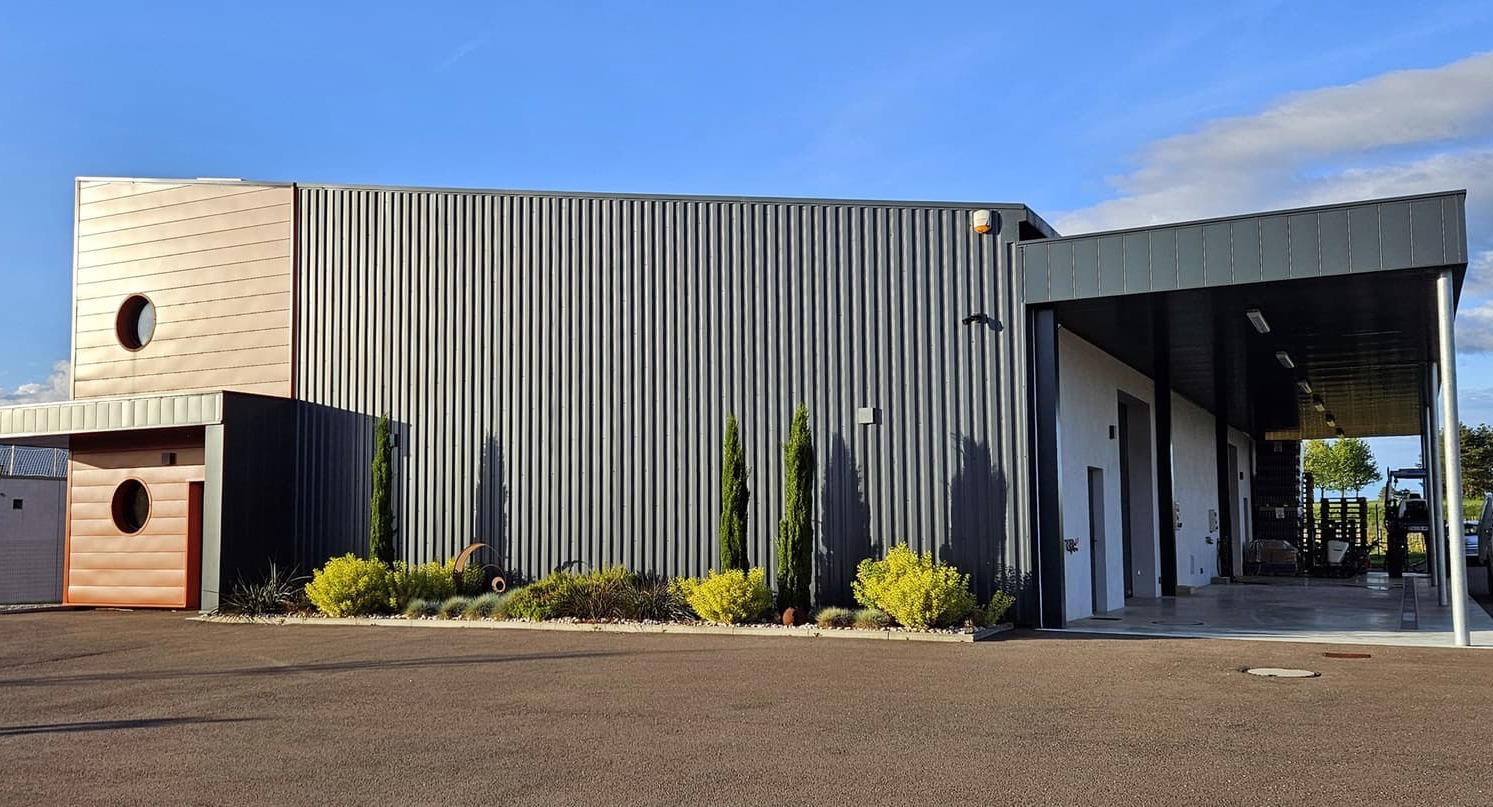
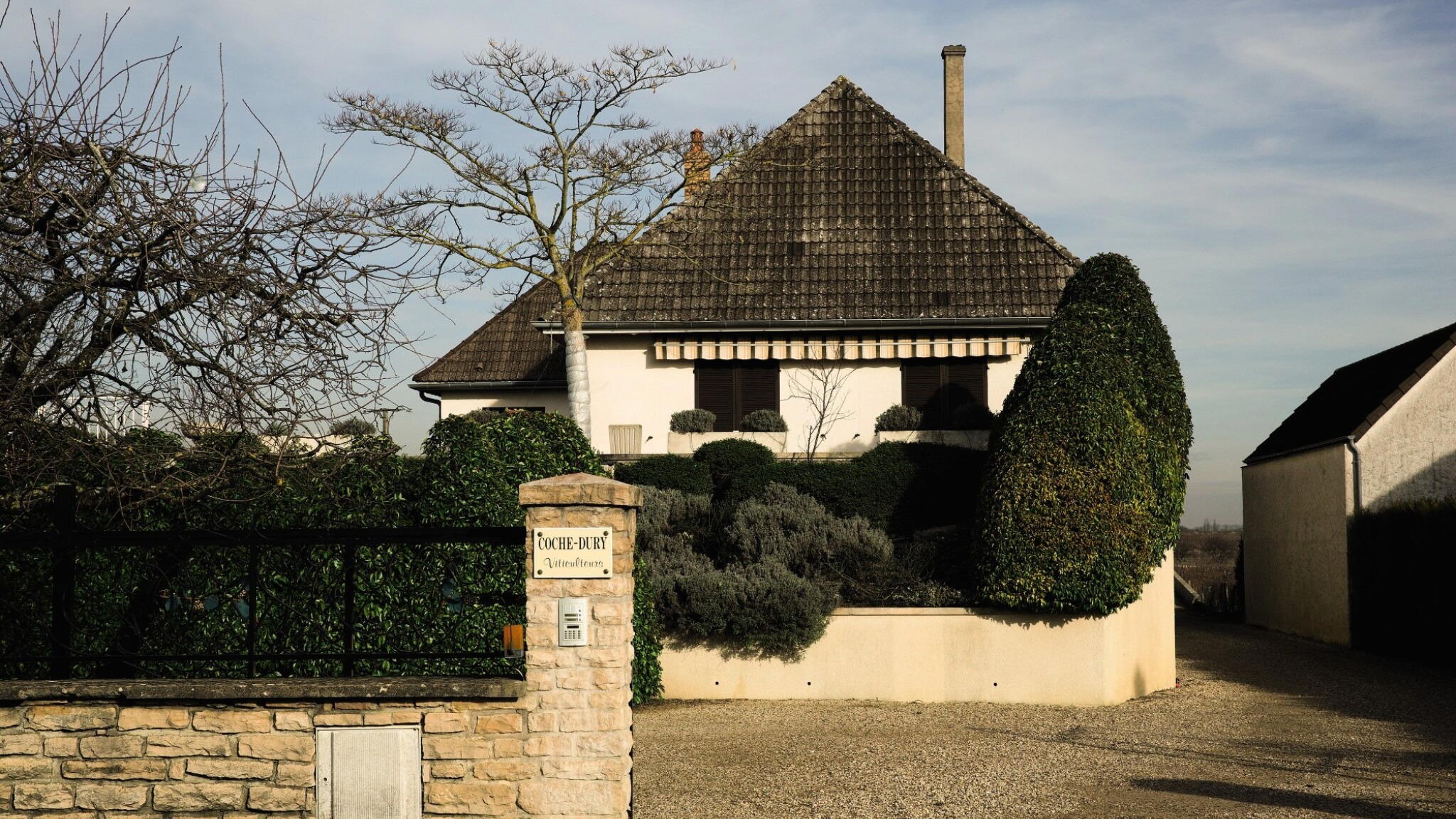
Bars in Volnay
Browse all →
Restaurants in Volnay
Browse all →
Details
- Elegant
- Classic
- Sophisticated
- Rustic
- Wine Education
- Special Occasion
- Vineyard Tour
- Cave Tasting
- Historic Building
- Biodynamic
- Vineyard
- Pinot Noir
- Chardonnay
- Gamay
- Still Red
- Cave Tasting
Graceful and balanced with spherical freshness, reflecting minimalist winemaking and biodynamic practices in a historic estate setting.