Domaine Méo-Camuzet


Michelin 1 Grape · Falstaff Winery - 4 Stars
Domaine Méo-Camuzet has shaped the identity of Vosne-Romanée since its first vintage in 1929, operating across some of the Côte de Nuits' most consequential parcels under the stewardship of Jean-Nicolas Méo and Christian Faurois.

Pearl is the En Primeur Club membership app — saves, bookings, and concierge access live there. Same editors, same standards.
- Address
- 11 Rue des Grands Crus, 21700 Vosne-Romanée
- Phone
- +33 3 80 61 55 55
- Website
- meo-camuzet.com
- Directions
- Get directions
Where the Côte de Nuits Announces Itself
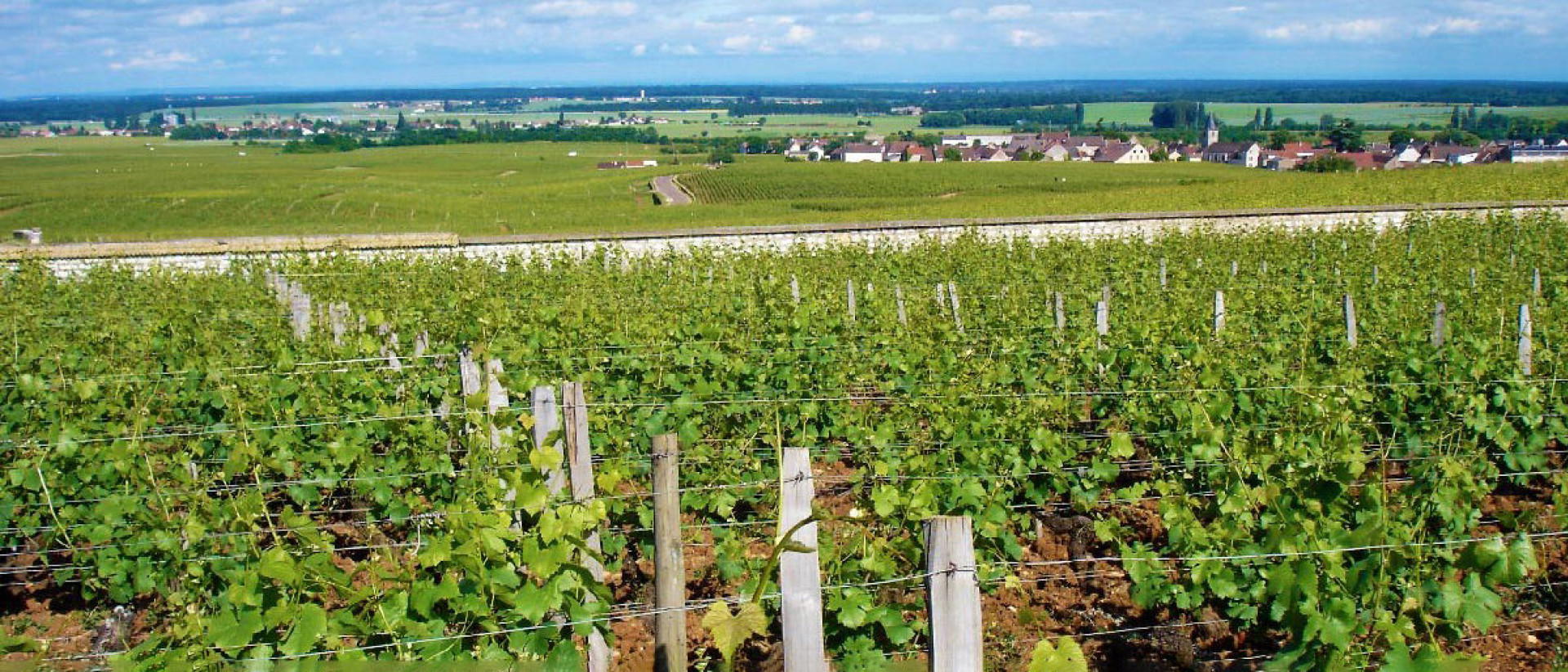
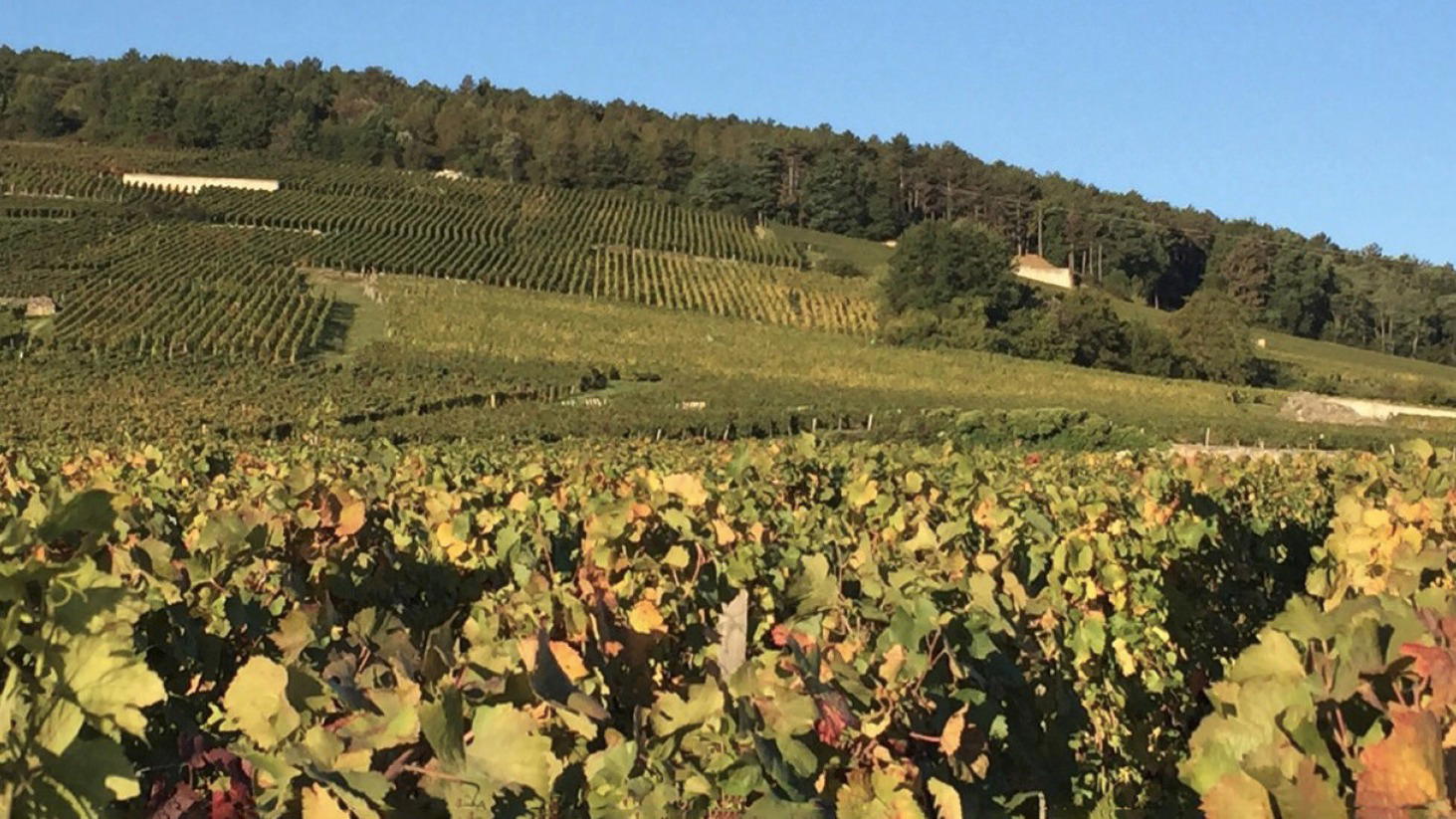
The road into Vosne-Romanée from Nuits-Saint-Georges offers little drama at first. The village is quiet, low, and unhurried, its architecture modest against the scale of what grows behind it on the slope. Then the vineyard signs begin to appear: Richebourg, Grands Échezeaux, Clos de Vougeot, La Tâche. The addresses accumulate like credentials, and by the time you reach the Rue des Grands Crus, you are in the heart of the appellation that has defined how the world thinks about Pinot Noir. At number 11, Domaine Méo-Camuzet occupies a place in that street not by coincidence but by history, with a lineage reaching back to 1929 and holdings that map directly onto Burgundy's most competitive sub-appellations.
Vosne-Romanée is a village of roughly 500 inhabitants and an outsized share of the world's most scrutinised wine. The concentration of premier and grand cru parcels within its communal boundaries is without precedent in Burgundy, and arguably in the wider wine world. Producers here are not evaluated in isolation but against one another and against the appellation's own internal hierarchy. See our full Vosne-Romanée restaurants guide for broader orientation across the appellation's producers and dining options.
The Vineyard Address as Editorial Argument
In Burgundy, a domaine's identity is inseparable from its parcel holdings. The village-level appellation map is a public document, but the specific parcels within it, and who farms them, constitutes a more private and more contested ledger. Méo-Camuzet's holdings span from village Vosne-Romanée through premier cru sites including Cros Parantoux, one of the most written-about single parcels in the appellation, up to grand crus in Richebourg and Clos de Vougeot. That vertical spread from village to grand cru gives the domaine a range that functions as a comparative tool: each tier of the portfolio illuminates the others, and the house style can be traced across price and classification simultaneously.
That style, under Jean-Nicolas Méo and Christian Faurois, has been associated with a more classical orientation in recent decades, moving away from the heavier extraction and new-oak programmes that characterised parts of the appellation in the 1990s. The approach places Méo-Camuzet closer in philosophy to the lighter-footed school that now defines Burgundy's critical consensus, though the domaine arrived at that position through its own trajectory rather than through trend-following. Peers in the village working within a broadly comparable register include Domaine Jean Grivot, Domaine Bizot, and Domaine Cécile Tremblay, each of whom brings a distinct parcel profile and stylistic position to the same appellation address.
Cros Parantoux and the Weight of a Single Parcel
No single site in the Méo-Camuzet portfolio carries more critical attention than Cros Parantoux, a premier cru parcel on the upper slope above Vosne-Romanée that spent most of the twentieth century as scrubland before Henri Jayer cleared and replanted it. The association with Jayer, who farmed it under a métayage arrangement with the Méo family for decades, remains one of the most discussed chapters in Burgundy's recent history. After Jayer's retirement in the 1990s, the parcel came fully under Méo-Camuzet's control, and the wines it produces now trade at prices that reflect both vineyard quality and the site's documented provenance. The auction market for back-vintages from this parcel is among the most active for any premier cru address in the Côte de Nuits.
That historical weight gives Cros Parantoux an unusual position: it is technically classified below the grand crus in the official appellation hierarchy, yet secondary market pricing and critical attention frequently place it alongside them. The parcel's elevation and aspect, combined with its relatively low yields and old vine density, are the structural reasons most often cited. For collectors approaching the domaine's allocation, this is typically the reference point, though availability is limited and distribution follows established importer relationships.
The Allocation System and What It Means for Access
Burgundy's allocation model operates on loyalty and longevity. Leading domaines in Vosne-Romanée do not advertise availability in the conventional sense; access is routed through importers and négociants who have maintained relationships over years or decades. Méo-Camuzet follows this pattern. The domaine's wines reach most markets through a distribution network rather than direct retail, which means that the practical planning question for any serious buyer is importer identification within their home market, not domaine-level booking or appointment management.
Within Vosne-Romanée's producer tier, the 2025 cohort recognised at this level represents a narrow group, and Méo-Camuzet's inclusion reflects the domaine's sustained position rather than a single exceptional year.
Comparison with neighbouring appellations adds useful perspective on what the Vosne-Romanée address means for pricing and allocation depth. Producers elsewhere in Burgundy, such as Domaine René Engel or Domaine d'Eugénie, which now farms the former Engel parcels, operate within the same village geography and face equivalent allocation constraints. The concentration of demand in this small area is a structural fact of the appellation, not a marketing position.
Timing, Vintages, and When to Approach
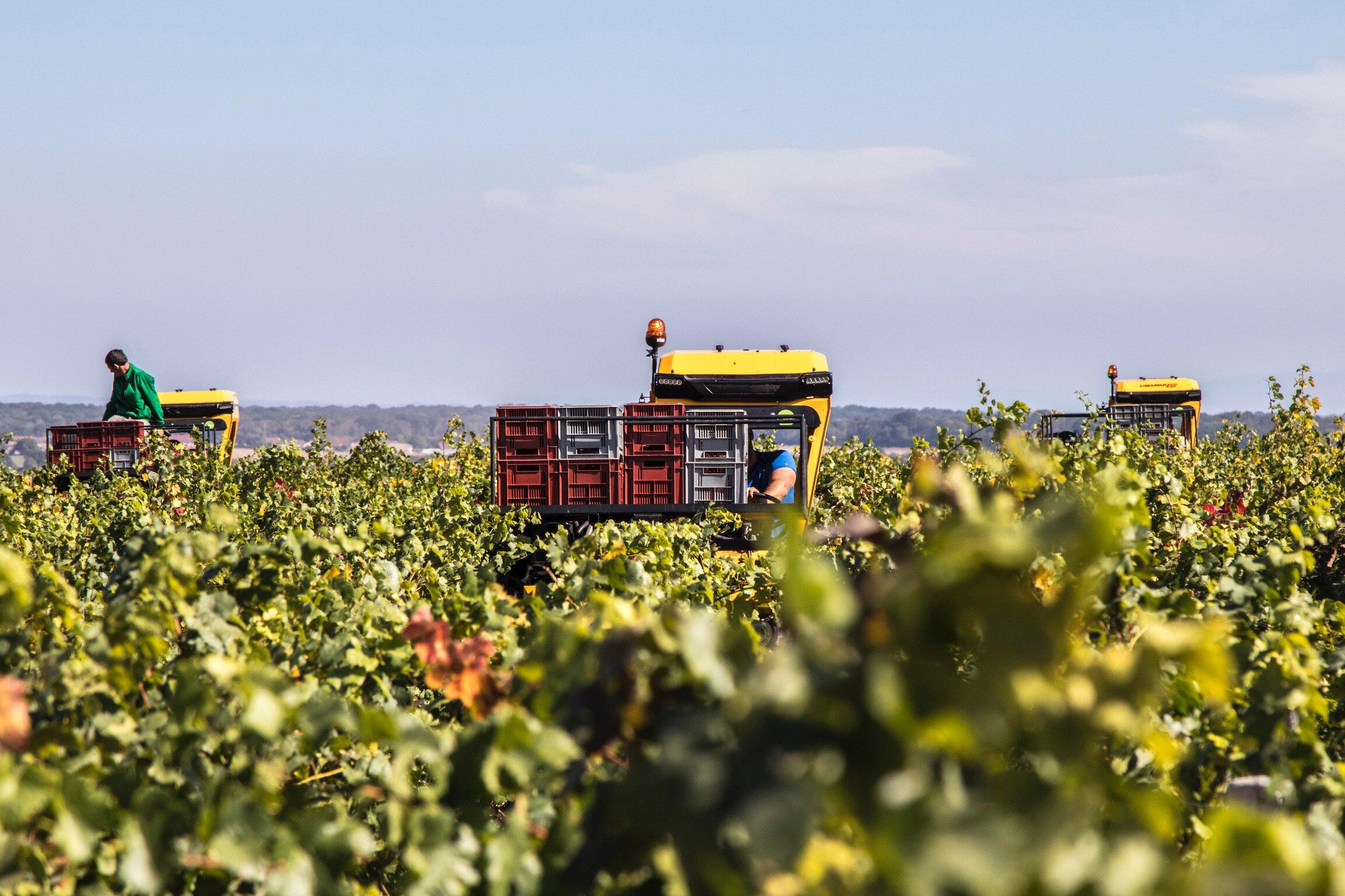
Burgundy's seasonal rhythm is legible from the vineyard calendar rather than from any single producer's schedule. The appellation's harvest typically runs from mid-September into early October, and the months that follow, through winter and into the spring release window, represent the conventional buying period for those seeking allocation of the current vintage. For Méo-Camuzet, as with most domaines at this tier, the release timing is controlled by importers rather than by the domaine itself, which means that buyers in different markets may encounter the same vintage at different points in the calendar year.
Older vintages from the domaine, particularly those from the late 1990s and 2000s, are now primarily accessible through auction. The 1999 and 2005 vintages are regularly cited in sale catalogues as reference points for the domaine's grand and premier cru tiers, and provenance documentation for these bottles, given the parcel histories involved, tends to be treated with particular seriousness by specialist auction houses.
Vosne-Romanée in the Wider Burgundy Picture
Burgundy's premium tier is a large category when viewed from outside, but internally it fractures into specific villages, specific parcels, and specific producers who are not easily substitutable. Vosne-Romanée is the densest concentration of that specificity. The village's dominance in the critical literature and the secondary market is documented rather than asserted: it accounts for a disproportionate share of the highest prices achieved at Burgundy auction, and its producers appear consistently in the allocation lists maintained by the world's leading wine programmes.
The domaine's relationship with Henri Jayer, the subsequent transition to direct control of the Jayer-associated parcels, and the stylistic evolution under the current stewardship of Jean-Nicolas Méo and Christian Faurois constitute a documented arc that connects pre-war Burgundy to the appellation's present competitive reality.
For context on how other French regions approach prestige production with comparable rigour, the contrast with Albert Boxler in Niedermorschwihr is instructive on the Alsace model, while Bordeaux's classification system, represented by producers such as Château Batailley in Pauillac, Château Bélair-Monange in Saint-Émilion, Château Branaire-Ducru in St-Julien, and Château Boyd-Cantenac in Cantenac, operates from a fundamentally different classification logic. Burgundy's parcel-level fragmentation makes Méo-Camuzet's holding of multiple premier and grand cru sites within a single domaine a structural advantage that no classification revision can replicate. Additional reference points beyond France include Accendo Cellars in St. Helena and Château Bastor-Lamontagne in Preignac, both operating within premium allocation frameworks shaped by scarcity and collector demand, as does Chartreuse in Voiron within its own category. Aberlour in Aberlour provides a useful parallel in single-malt Scotch, where provenance and age statements function analogously to Burgundy's appellation hierarchy.
City Peers
Comparable venues nearby, for context on price, style, and recognition.
| Venue | Cuisine | Awards | Notes |
|---|---|---|---|
| Domaine Méo-CamuzetThis venue — the venue you are viewing | Pinot Noir, Chardonnay | Michelin 1 Grape · Falstaff Winery - 4 Stars | Not listed |
| Domaine Rene Engel | Pinot Noir | Not listed | Vosne-Romanée |
| Domaine d'Eugénie | Pinot Noir, Chardonnay | Falstaff Winery - Listed | Vosne-Romanée |
| Domaine du Comte Liger-Belair | Pinot Noir, Chardonnay | Falstaff Winery - Listed | Vosne-Romanée |
| Domaine Cecile Tremblay | Pinot Noir | Michelin 3 Grapes · Falstaff Winery - Listed | Vosne-Romanée |
| Domaine Sylvain Cathiard | Pinot Noir, Gamay | Michelin 1 Grape | Vosne-Romanée |
Recognition history
Dated appearances from independent guides and award organizations, with the underlying list record or original source where available.
Michelin 1 Grape
Michelin · 2026 Michelin 1 Grape - Burgundy
Falstaff Winery - 4 Stars
Falstaff
Continue exploring
More in Vosne-Romanée
Wineries in Vosne-Romanée
Browse all →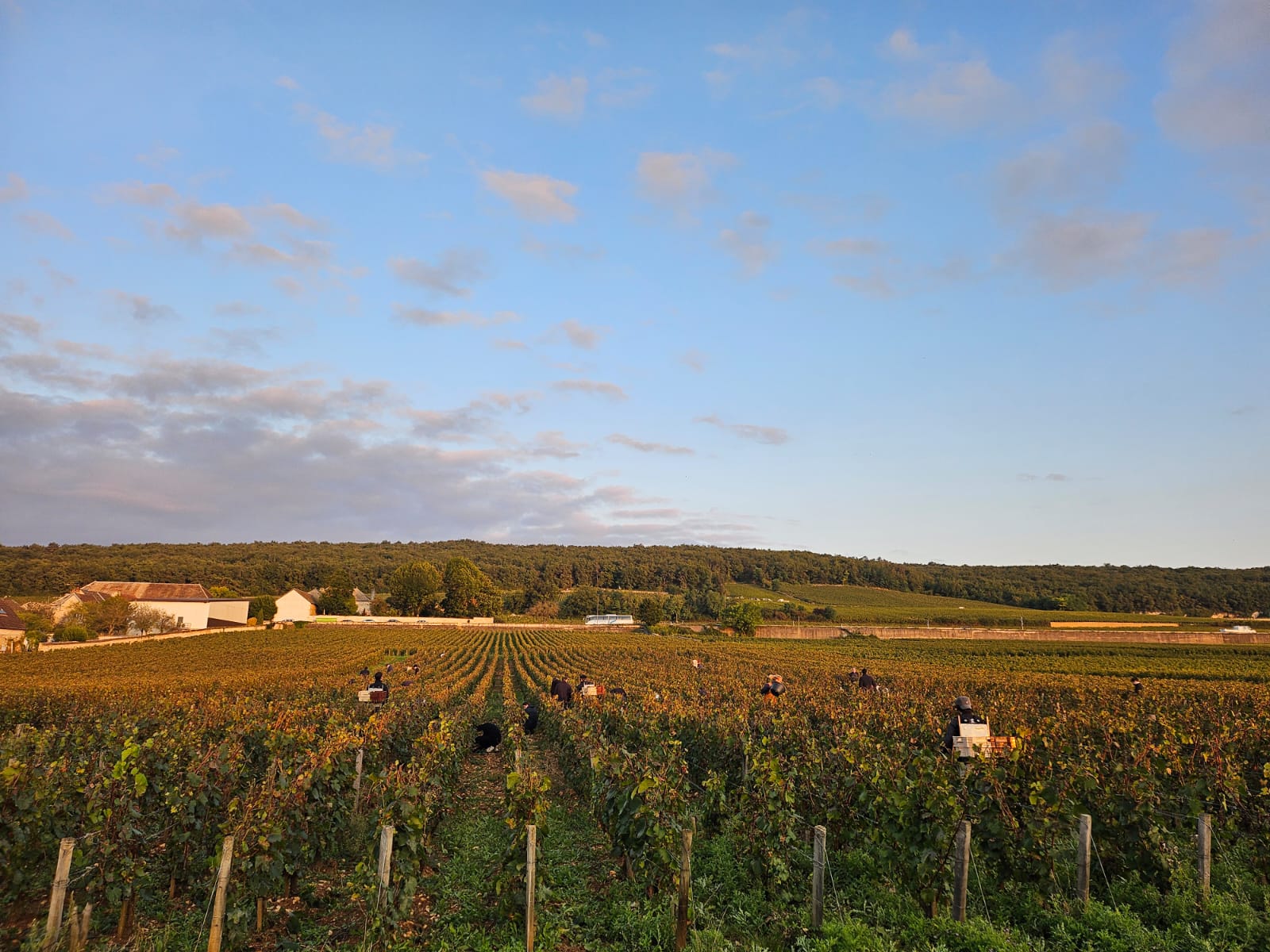
Bars in Vosne-Romanée
Browse all →
Restaurants in Vosne-Romanée
Browse all →
Details
- Elegant
- Classic
- Sophisticated
- Rustic
- Wine Education
- Special Occasion
- Vineyard Tour
- Cave Tasting
- Organic
- Vineyard
- Pinot Noir
- Chardonnay
- Still Red
- Cave Tasting
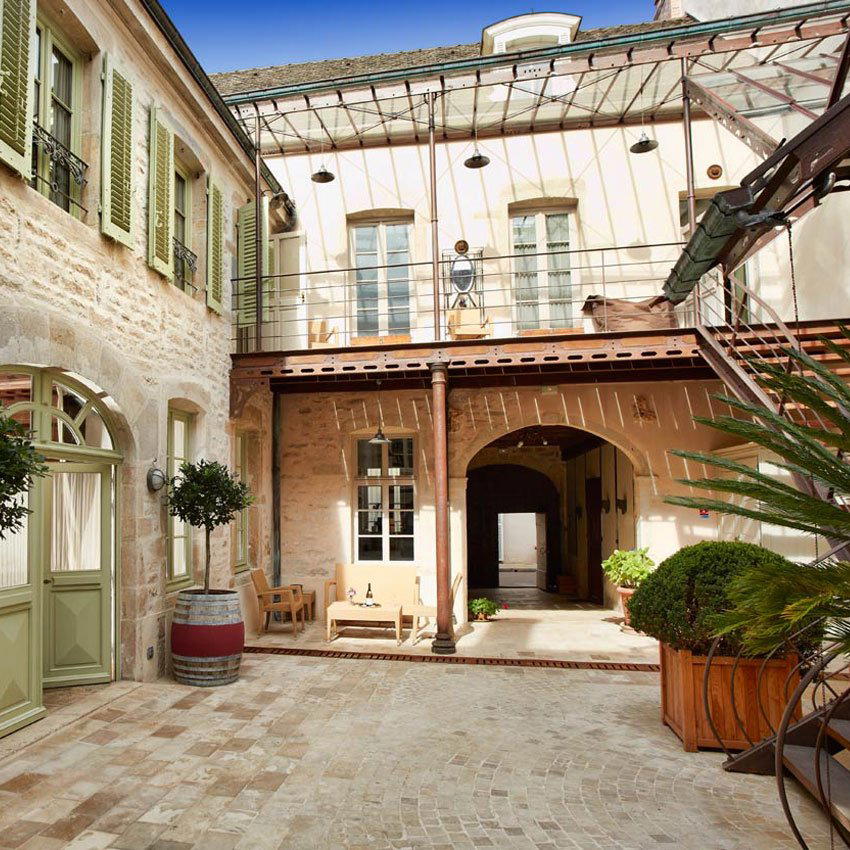
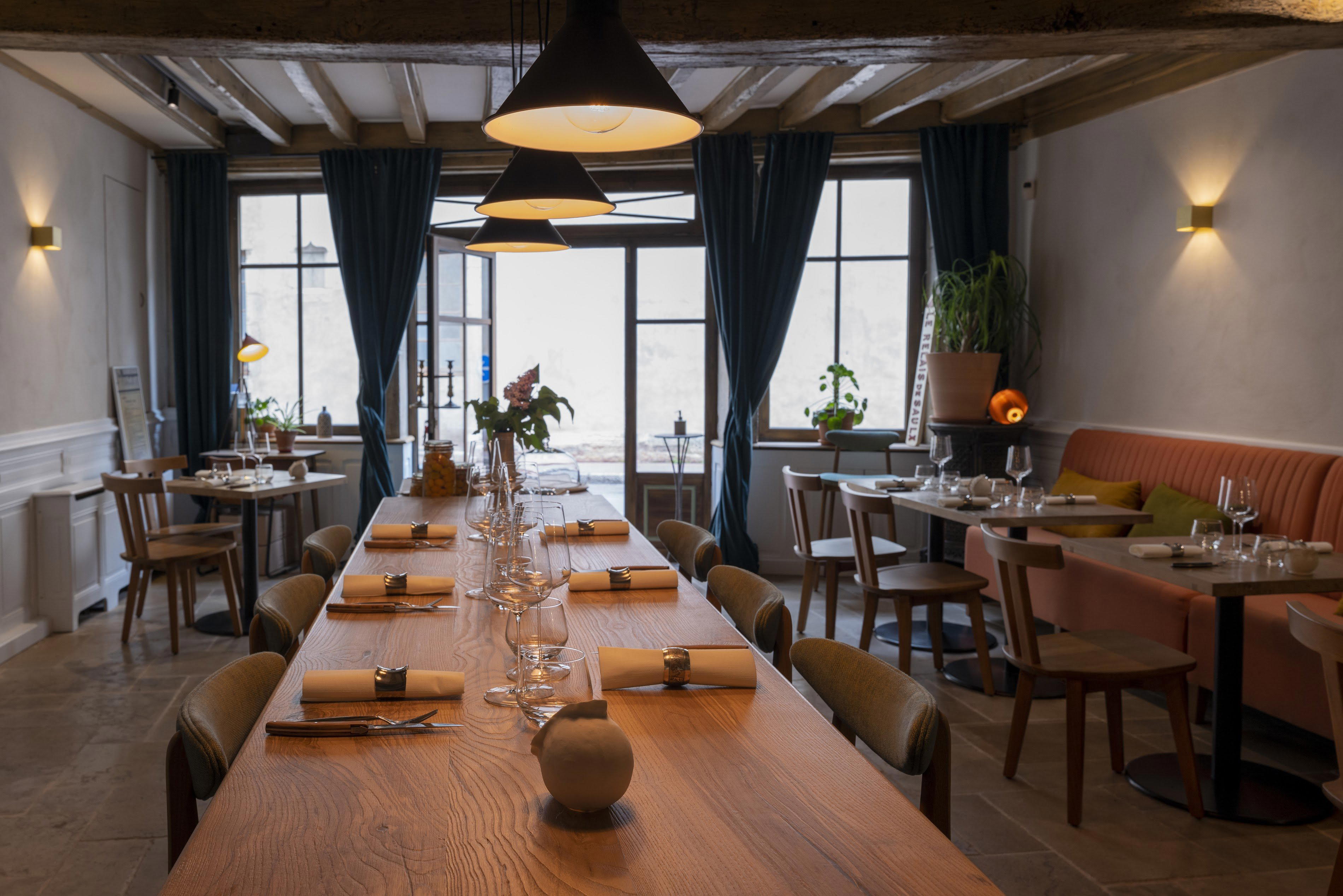
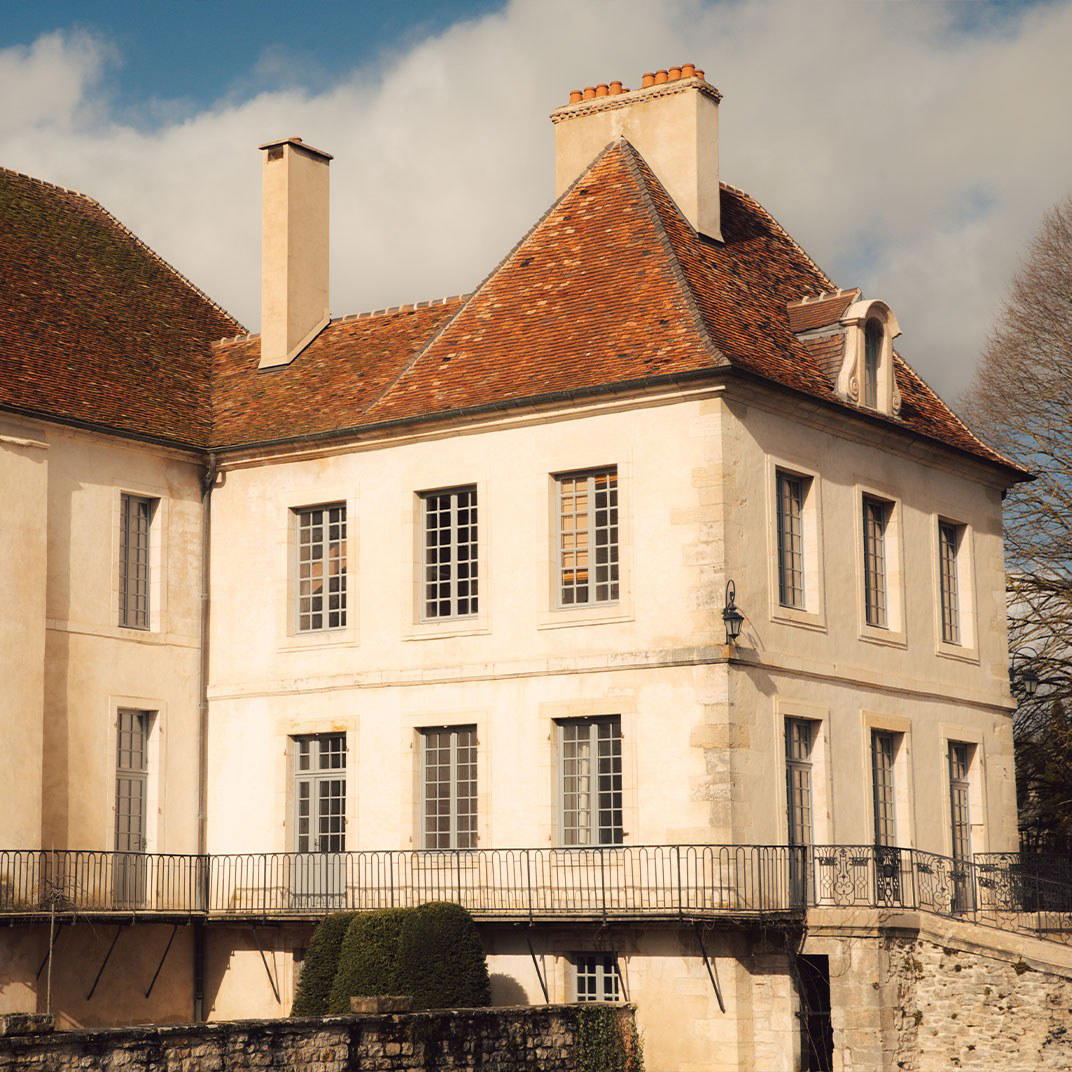
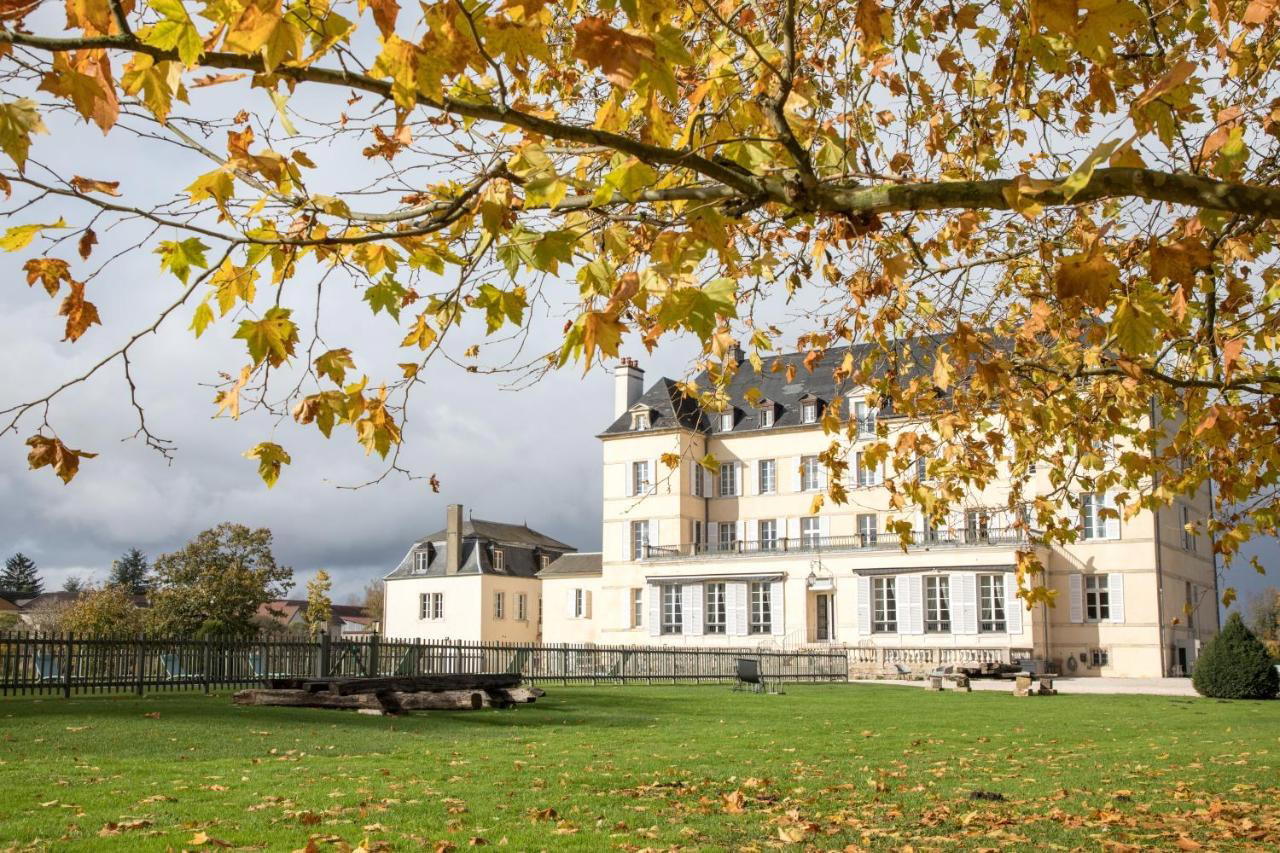
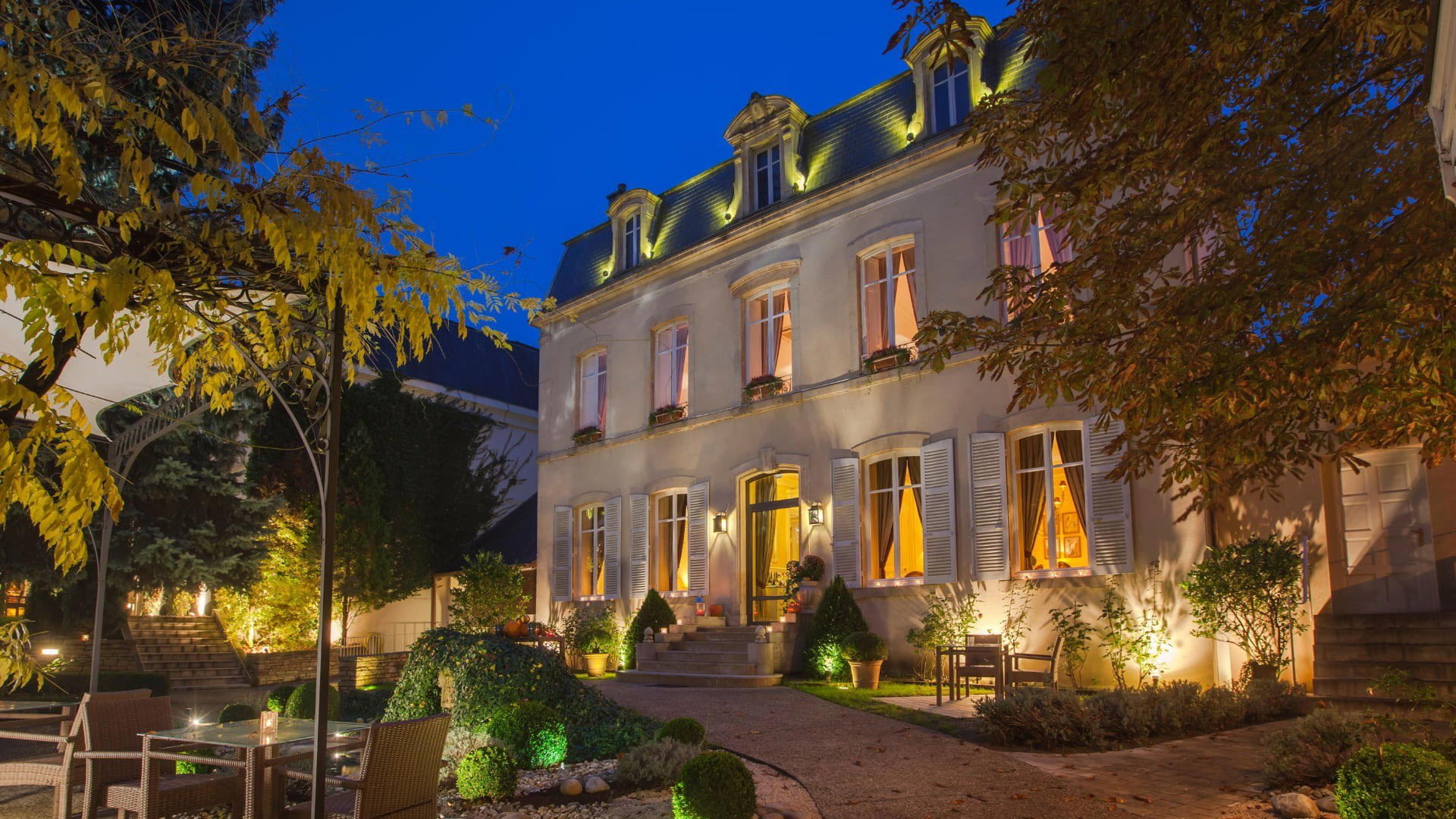
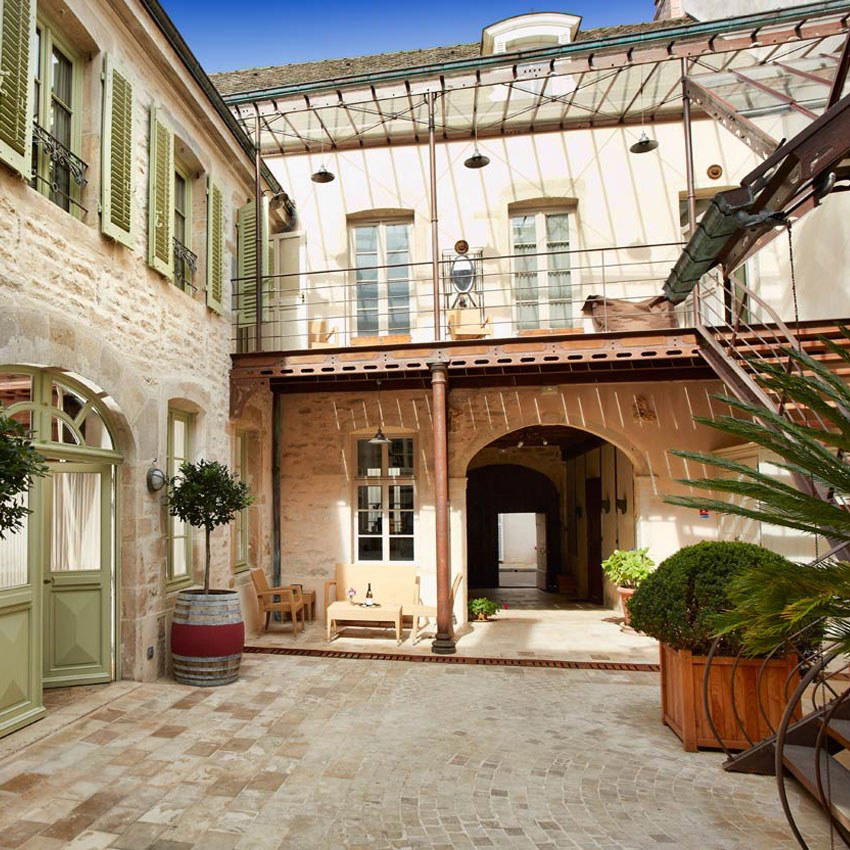
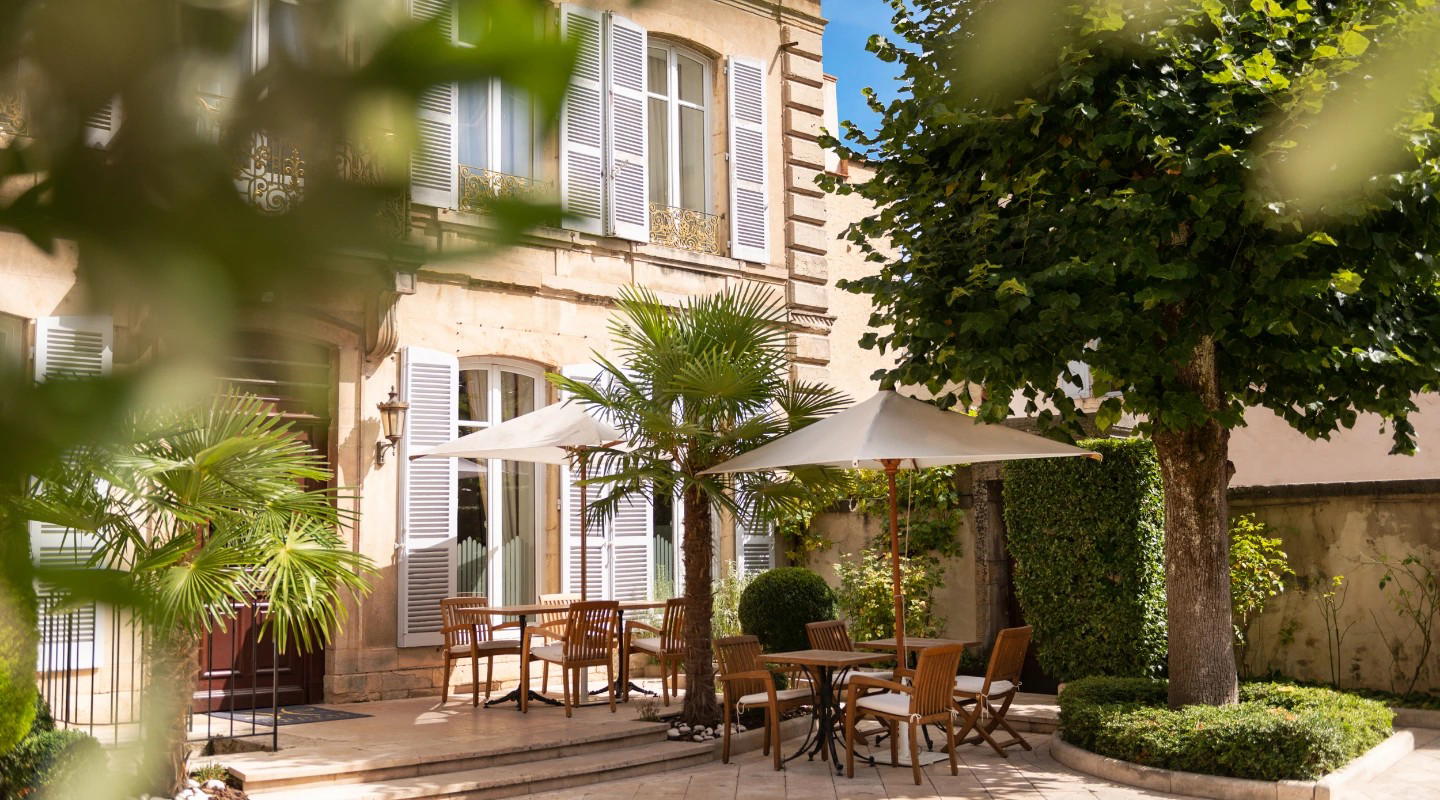
Classic and elegant winery atmosphere focused on terroir expression in a historic Burgundy estate.