
Michelin 2 Grapes
Domaine des Croix is a small Beaune domaine focused on Pinot Noir and Chardonnay from Beaune, Savigny-lès-Beaune, Aloxe-Corton, Saint-Romain, Corton and Corton-Charlemagne. Founded in 2005 and led by David Croix, it belongs to the quieter side of Burgundy: low-volume, terroir-led, organically farmed, and more interested in parcel character than cellar theatrics.

Pearl is the En Primeur Club membership app — saves, bookings, and concierge access live there. Same editors, same standards.
- Address
- 2 Rue Colbert, 21200 Beaune, France
- Phone
- +33 3 80 22 41 81
- Directions
- Get directions
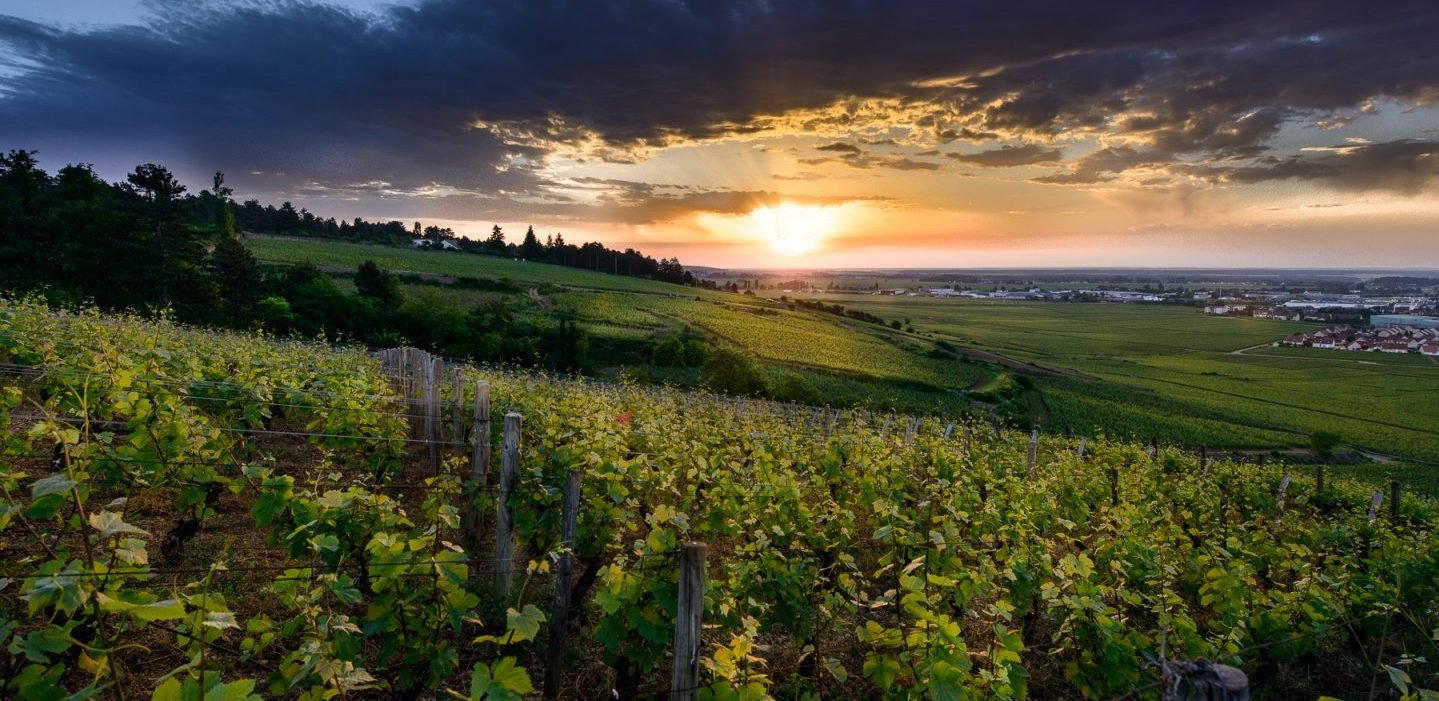
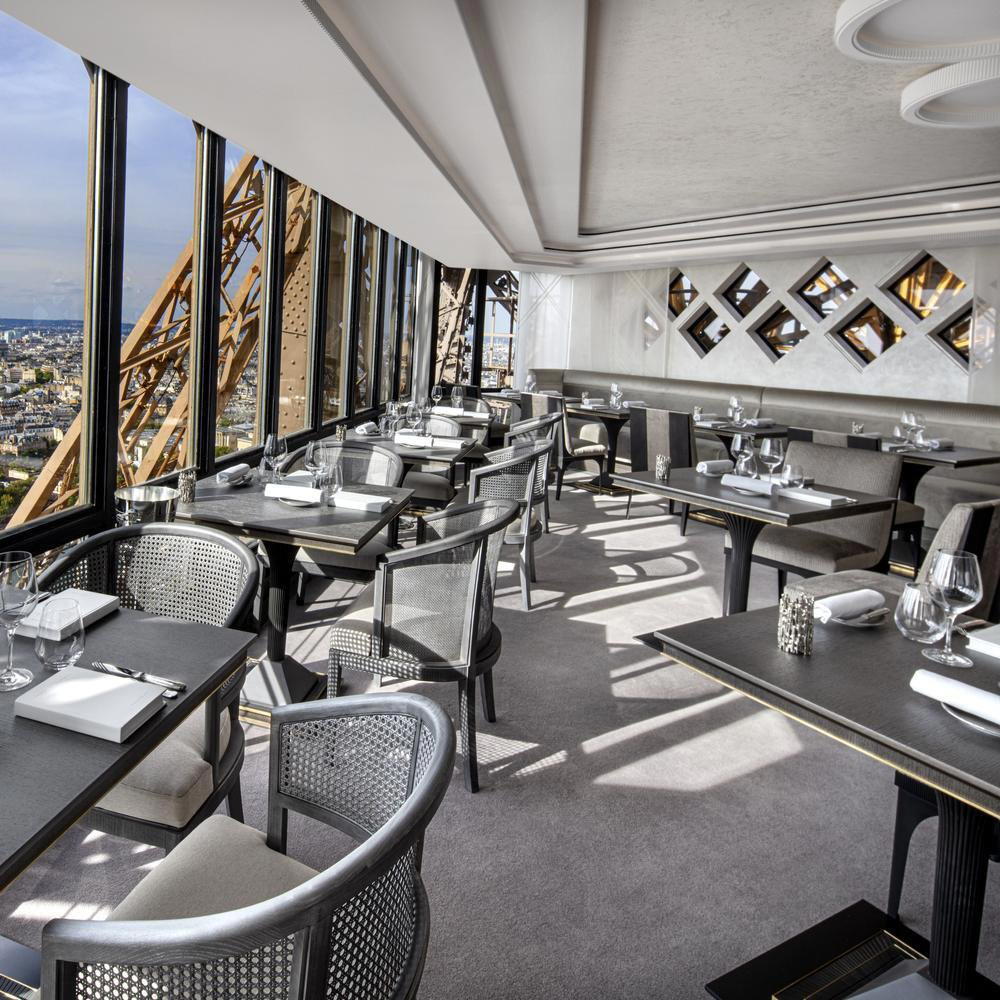
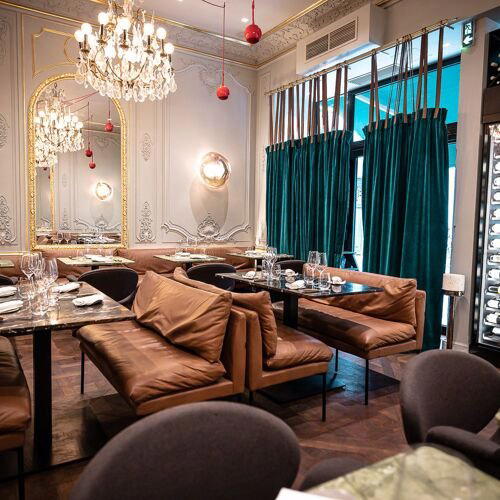
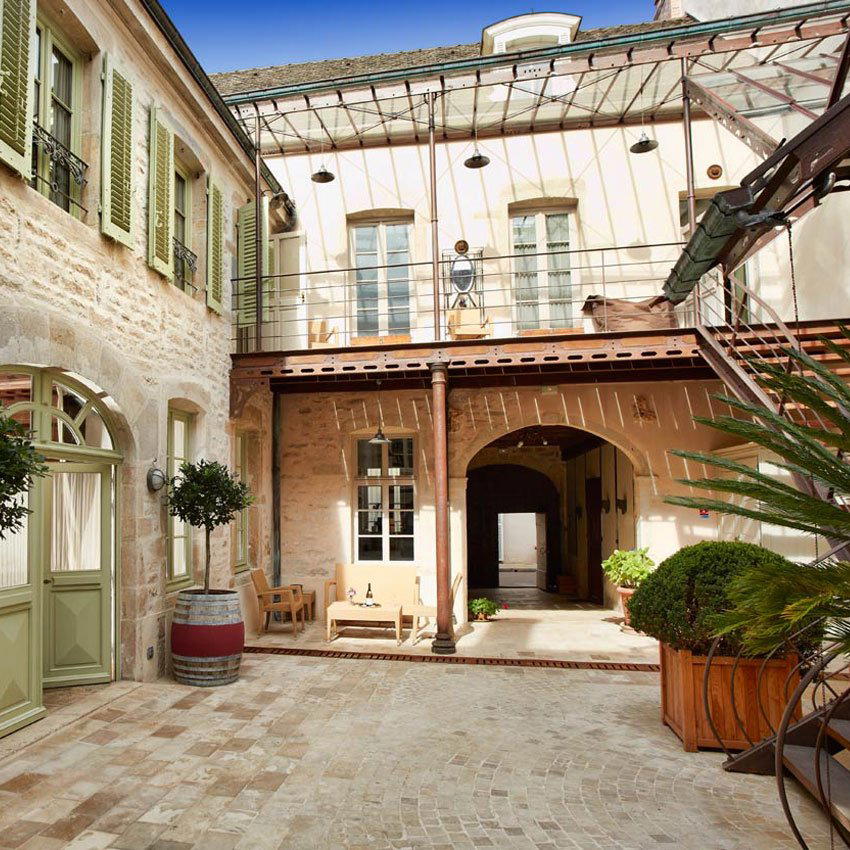
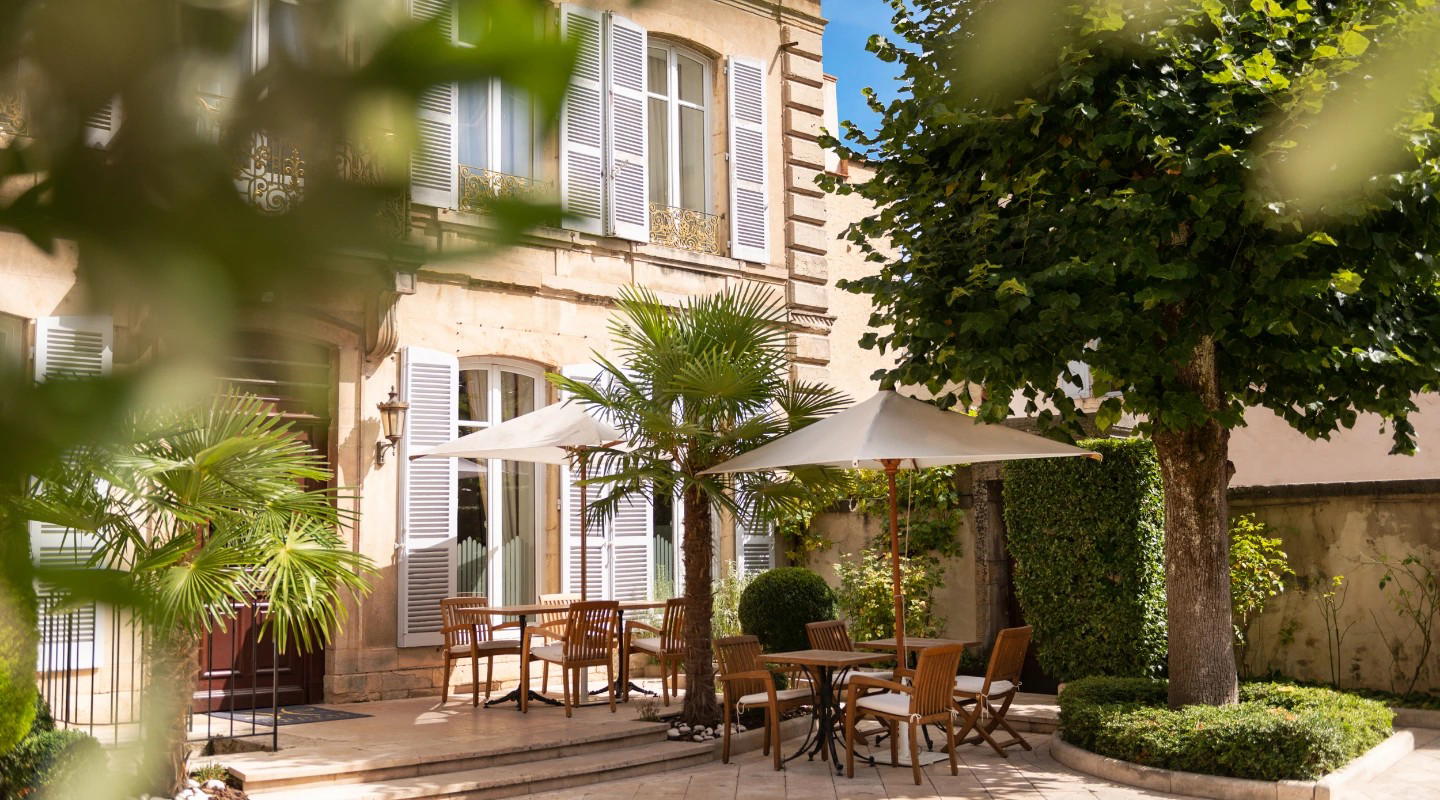
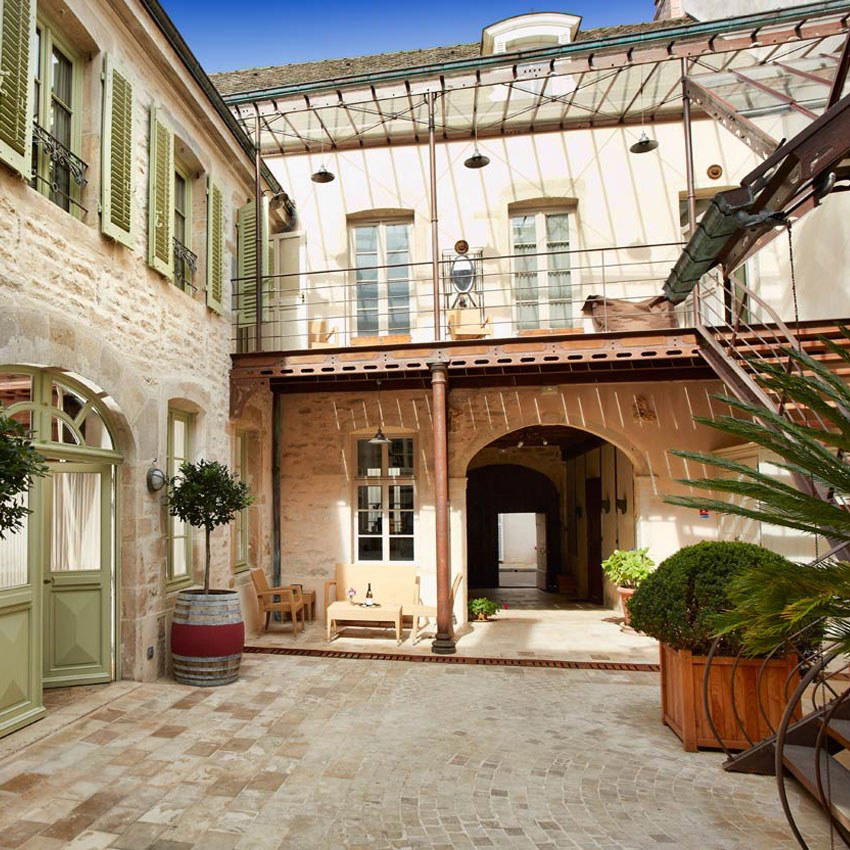
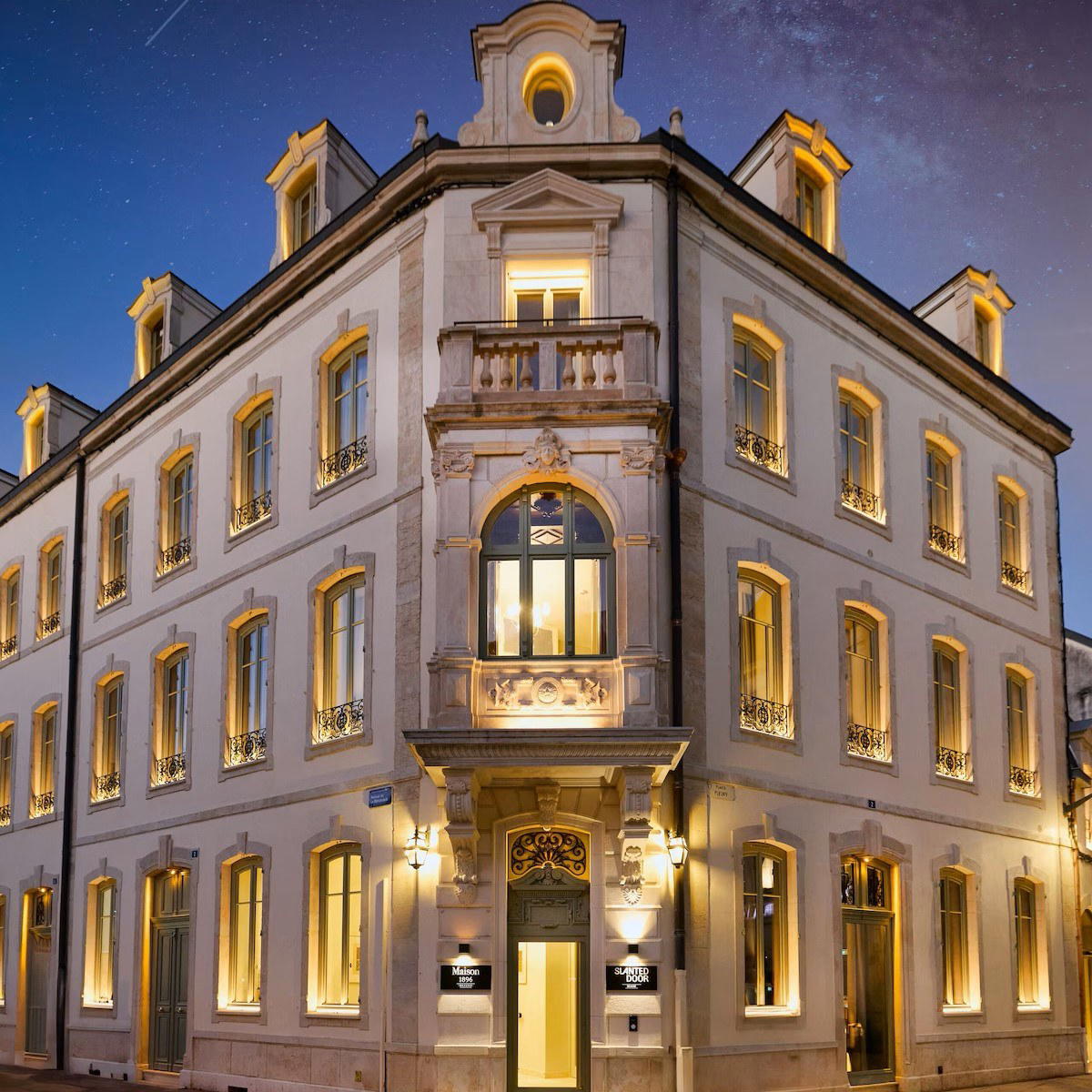
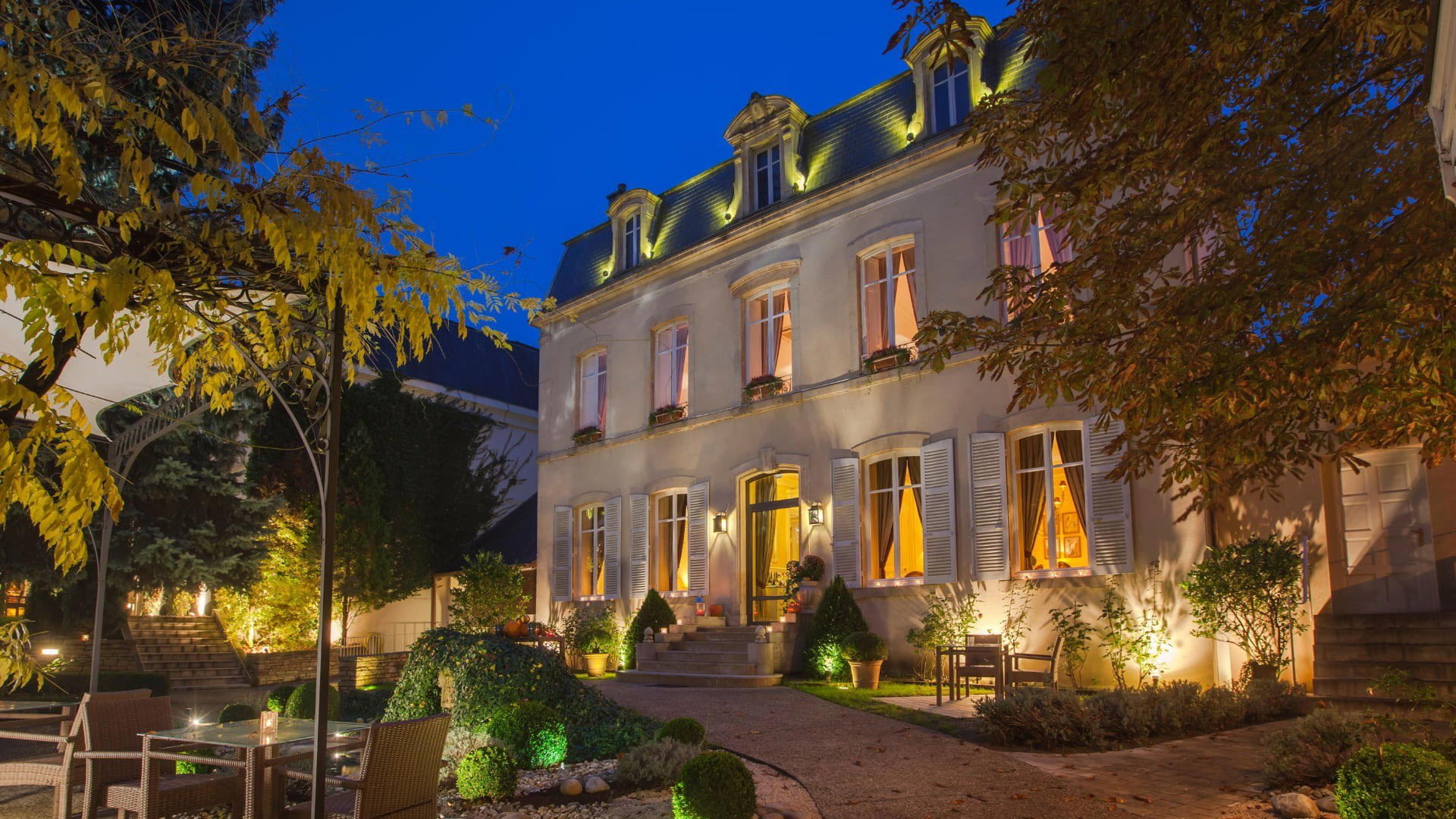
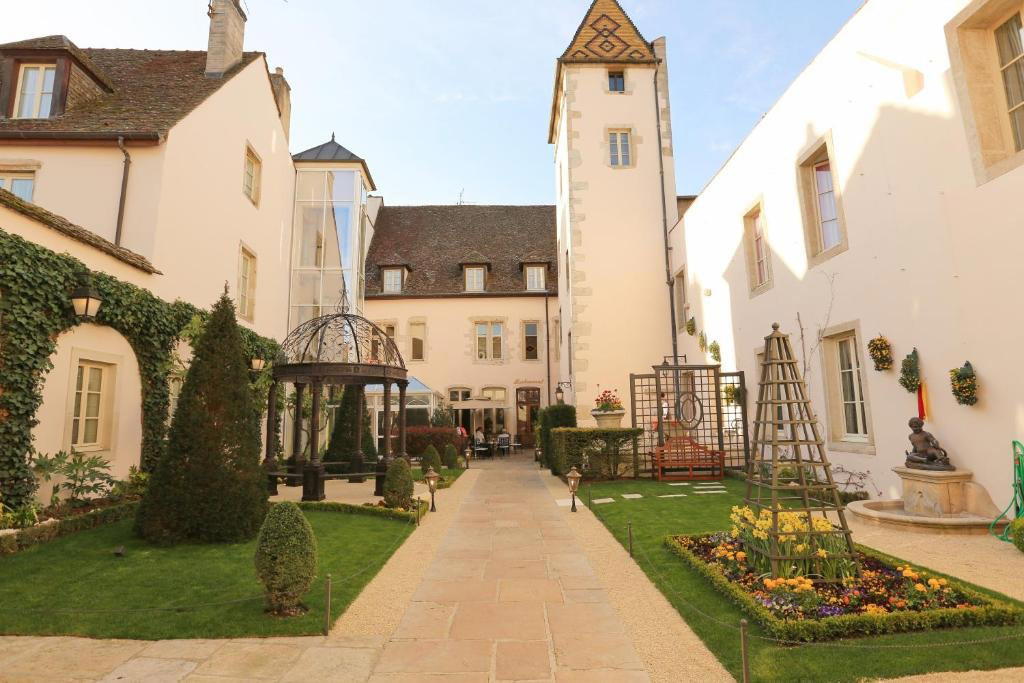
Central Beaune has a particular wine quiet: cellar doors, stone walls, working courtyards and the sense that serious business happens below street level rather than in a flashy visitor spectacle. Domaine des Croix fits that register: a small, low-pressure urban domaine tasting room in central Beaune, with an intimate, cellar-like atmosphere and a focus on thoughtful exploration of terroir-driven Burgundy. In a city where wine visitors can choose between larger historic houses and more discreet domaine settings, that quieter character is the essential point.
The story here should not be overstated. The picture is concise: Domaine des Croix is in Beaune, sits in the $$$ price tier, and is recognised by the Michelin Guide Burgundy with a 2 Grapes wine-estate distinction. Its appeal rests on a classic, elegant, restrained atmosphere rather than a high-gloss tourism model. For travellers comparing Beaune wine addresses, that makes it a more contemplative stop than a broad entertainment-led experience.
Beaune's quieter argument: terroir detail over spectacle
In Burgundy, hierarchy can easily dominate the conversation. Famous villages, historic houses and acclaimed labels often absorb attention, while Beaune can be treated simply as a base for exploring the wider region. Domaine des Croix gives visitors a reason to slow down inside Beaune itself. The emphasis is not on spectacle, but on careful attention to terroir-driven Burgundy in a setting that feels intimate and cellar-like.
That distinction matters. A tasting room can be impressive because it is grand, busy and highly programmed; Domaine des Croix is better understood through a different lens. The character is small, quiet, elegant and low-pressure. Rather than promising a theatrical visitor circuit, the venue is best framed as a focused urban domaine tasting room for people who want to listen, compare and think about Burgundy with minimal distraction.
The Michelin Guide Burgundy 2 Grapes wine-estate distinction is a useful external marker, but it should not become the whole story. The stronger reason to pay attention is the combination of Beaune location, terroir focus and restrained atmosphere. Travellers who want another nearby option with a more established house identity might also consider Domaine Bouchard Père et Fils or Domaine Louis Jadot. Those looking to keep exploring Burgundy through smaller or differently framed addresses may also compare Domaine Clos de la Chapelle, Maison Albert Bichot or Maison Benjamin Leroux.
A restrained Beaune tasting-room mood
Domaine des Croix is not best described through unsupported claims about vineyard size, ownership history, cellar technique, seating count, lunch service or a detailed visitor format. Those specifics are not part of the available information and should not be treated as facts. What can be stated clearly is the tone: small, low-pressure, central Beaune, and oriented toward thoughtful exploration of Burgundy terroir.
That tone shapes expectations. This is not the venue to choose if the priority is a flashy hospitality setting, a long list of amenities or a social tasting-bar atmosphere. The appeal is quieter: a classic and elegant environment where the focus remains on the wines and the Burgundy context rather than on performance. For some visitors, that restraint is exactly the luxury. It leaves room for concentration and for a more serious conversation about place.
The $$$ price level also helps position Domaine des Croix. It signals a premium experience rather than a casual bargain stop, but it does not by itself define the visit. The better guidepost is intent: come here if you want a calm Beaune tasting-room experience anchored in terroir-driven Burgundy. If your itinerary is built around comparing different expressions of Burgundy hospitality, Domaine des Croix represents the intimate, understated side of the city’s wine landscape.
Confirm current arrangements directly before planning around a visit. The safest way to treat Domaine des Croix is as a serious, small-scale Beaune wine address whose confirmed strengths are atmosphere, location, price tier and Michelin Guide Burgundy recognition.
Who should prioritise this Beaune address
Domaine des Croix is a strong fit for travellers who value quiet over spectacle and who want Burgundy presented through a terroir-focused lens. It is especially well suited to visitors who already know they prefer intimate wine settings: low pressure, classic, elegant and somewhat hidden in feel. The venue’s central Beaune location also makes it easy to place within a wider Beaune wine itinerary without turning it into a checklist stop.
It is less suited to travellers seeking a broad attraction with confirmed dining, entertainment or a highly publicised hospitality programme. None of those details are here, and building expectations around them would misrepresent the venue. Instead, think of Domaine des Croix as a compact, serious Beaune tasting-room option: premium in price, restrained in mood, and recognised by Michelin Guide Burgundy with 2 Grapes.
Within Beaune, the best comparison is not between better and worse, but between different kinds of wine experiences. Larger names such as Domaine Bouchard Père et Fils, Domaine Louis Jadot and Maison Albert Bichot may suit travellers looking for a different scale or house identity. Domaine des Croix is the quieter counterpoint: small, cellar-like, low-pressure and grounded in the patient language of Burgundy terroir.
Snapshot
Comparable venues by cuisine and price in the same metro.
| Venue | Awards |
|---|---|
| Domaine des CroixThis venue — the venue you are viewing | Michelin 2 Grapes |
| Maison Albert Bichot | Michelin Main Selection · Falstaff Winery - Listed |
| Domaine Bouchard Père et Fils | Michelin Main Selection · Falstaff Winery - 3 Stars |
| Maison Benjamin Leroux | Michelin 1 Grape · Falstaff Winery - Listed |
| Domaine Clos de la Chapelle | Falstaff Winery - Listed |
Recognition history
Dated appearances from independent guides and award organizations, with the underlying list record or original source where available.
Michelin 2 Grapes
Michelin · 2026 Michelin 2 Grapes - Burgundy
Continue exploring
More in Beaune
Wineries in Beaune
Browse all →
Bars in Beaune
Browse all →
Restaurants in Beaune
Browse all →
Details
- Quiet
- Elegant
- Classic
- Intimate
- Sophisticated
- Wine Education
- Romantic Getaway
- Solo Exploration
- Group Outing
- Special Occasion
- Estate Grounds
- Private Tasting
- Organic
- Sustainable
Small, low-pressure urban domaine tasting room in central Beaune, focused on thoughtful exploration of terroir-driven Burgundy rather than a flashy tourist experience, with an intimate, cellar-like atmosphere.