
Michelin Main Selection
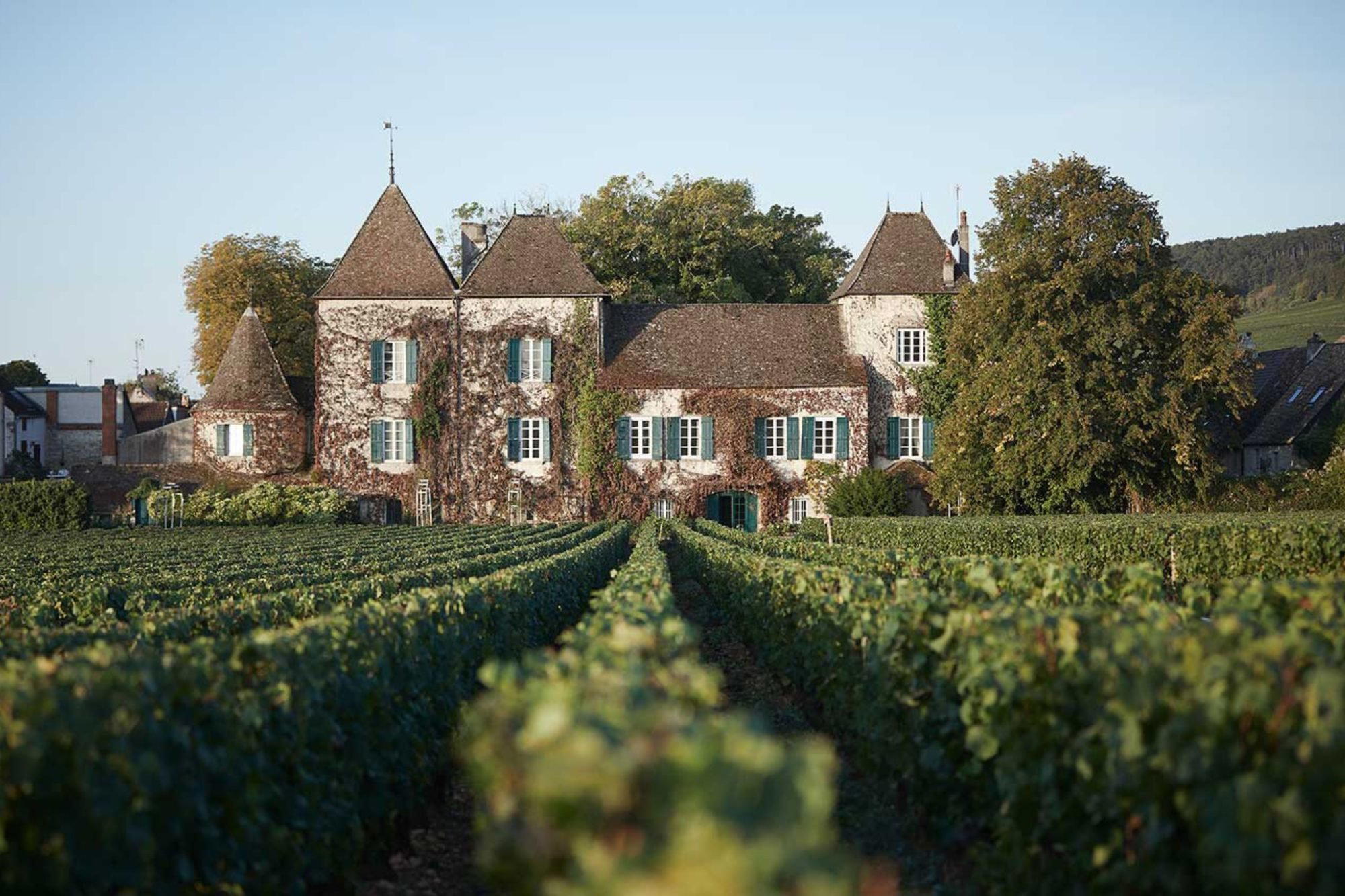
Maxime Cottenceau is a small Montagny domaine in France’s Côte Chalonnaise, founded in 2018 and focused on organically farmed Chardonnay, with Aligoté and Pinot Noir in the margins. The draw is terroir clarity rather than cellar-door theatre: hand-harvesting, long barrel élevage and a Michelin Guide Burgundy Main Selection wine-estate distinction place it among the new addresses reshaping expectations for Montagny.

Pearl is the En Primeur Club membership app — saves, bookings, and concierge access live there. Same editors, same standards.
- Address
- Montagny, France
- Directions
- Get directions
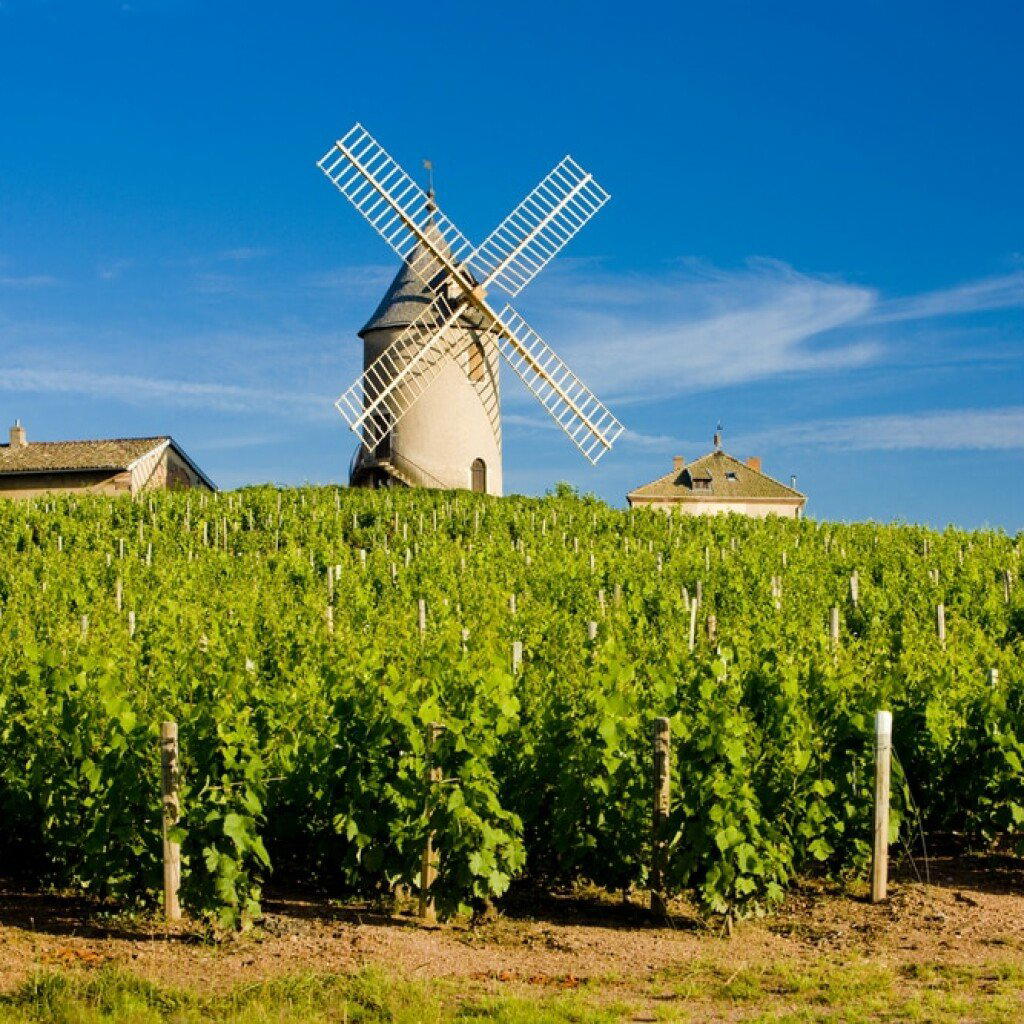
Maxime Cottenceau in Montagny is a small, next-generation Côte Chalonnaise domaine whose identity rests on focused, artisanal work rather than spectacle. It is the kind of wine address that makes most sense when approached with attention to method: the farming, the picking, the élevage and the resulting sense of precision all matter more than any decorative story around the visit.
Montagny through a new-generation lens
Maxime Cottenceau sits in Montagny and is best understood as a small Burgundy domaine with a precise, understated point of view. The picture is of a serious estate shaped by careful vineyard and cellar choices, not by scale or theatrical presentation. In that sense, its character aligns with a more contemporary way of reading Burgundy: looking closely at the practical decisions behind the wines and understanding how those decisions shape the impression in the glass.
The core facts are concise: hand-harvesting, long barrel élevage and natural, organic-leaning farming are central to the domaine’s identity. Together, those choices support Burgundies described as precise and textured, with a serious but quietly understated feel. Hand-harvesting points toward selectivity and direct attention in the vineyard; long barrel élevage suggests patience in the cellar and a willingness to let texture develop over time. The organic-leaning farming direction gives the domaine a clear philosophical frame without needing to turn that philosophy into a performance.
Its appeal is the combination of small-domaine scale, artisanal restraint and a next-generation Côte Chalonnaise sensibility. For visitors, that means the interest lies less in grand gestures and more in the discipline of the work itself: a compact estate identity, a clear Montagny setting and a style that privilege definition, feel and seriousness over obvious display.
Why the cellar work matters more than the romance
Burgundy writing often overplays the romance of the grower. Here, the more grounded point is the estate’s emphasis on hand-harvesting and long barrel élevage. Those are meaningful choices for a small domaine because they speak to patience, selection and an interest in texture rather than speed or volume. They also help explain why the domaine is best discussed through craft and intention: the work described is practical, cumulative and deliberately unflashy.
The farming direction is also part of the identity: natural, organic-leaning work gives the domaine a contemporary but not showy profile. Recognition from the Michelin Guide Burgundy Main Selection wine-estate distinction adds a useful external signal for visitors trying to identify serious small Burgundy estates. It should not replace the visitor’s own judgment, but it does help place Maxime Cottenceau within a field of domaines where seriousness may be expressed quietly, through method rather than marketing language.
What should not be assumed is equally important. Travelers should treat Maxime Cottenceau as a focused wine estate in Montagny and confirm practical visit details directly before planning around it. That is especially important for small-domaines, where the experience can depend on timing, availability and the realities of vineyard and cellar work. The safest approach is to regard the domaine as a serious wine stop first, then organize the rest of the day around confirmed logistics rather than expectations built from general Burgundy romance.
How to place it within a French wine itinerary
For travelers building a wider French wine route, Maxime Cottenceau belongs in the category of small domaines that reward specificity. It is a Montagny stop for visitors interested in a focused Côte Chalonnaise perspective: hand-harvested work, long élevage, organic-leaning farming and precise, textured Burgundy. That specificity is the point. The domaine is not best understood as a generic Burgundy detour, but as a concise expression of a particular working approach in Montagny.
The broader point is not that every French wine stop offers the same experience, but that wine travel increasingly rewards visitors who look beyond the most famous names. Montagny can be part of that lesson when the focus is on small-scale farming choices, cellar patience and a quieter, more understated expression of Burgundy. In a French itinerary built around contrast, a domaine like this can balance larger names or more obvious destinations by bringing attention back to scale, discipline and the relationship between vineyard work and cellar time.
The decision case for Maxime Cottenceau is tight: choose it when the purpose of the visit is to understand a serious, artisanal Montagny domaine through strengths rather than amenities or unconfirmed programming. Other dining and travel options in Montagny can frame the rest of the day, but the estate itself is best approached as a focused wine stop. Go for the clarity of the proposition: a small Côte Chalonnaise domaine, a natural and organic-leaning farming identity, hand-harvested work, long barrel élevage and wines described through precision, texture and quiet seriousness.
Recognition history
Dated appearances from independent guides and award organizations, with the underlying list record or original source where available.
Michelin Main Selection
Michelin · 2026 Michelin Grape Main Selection - Burgundy
Continue exploring
More in Montagny
Wineries in Montagny
Browse all →
Bars in Montagny
Browse all →
Restaurants in Montagny
Browse all →
Details
- Classic
- Rustic
- Intimate
- Sophisticated
- Solo Exploration
- Wine Education
- Romantic Getaway
- Special Occasion
- Estate Grounds
- Vineyard Tour
- Private Tasting
- Organic
- Vineyard
- Chardonnay
- Aligoté
- Pinot Noir
- Still White
- Still Red
- Estate Tasting
- Barrel Tasting
- Vineyard Visit
- French
A small, next-generation Côte Chalonnaise domaine with a focused, artisanal feel; hand-harvesting, long barrel élevage and natural, organic-leaning farming create precise, textured Burgundies that feel both serious and quietly understated.