Harlan Estate

Falstaff Winery - Listed
Harlan Estate is one of Napa Valley's most allocation-driven Cabernet houses, producing its first vintage in 1990 and. Under winemaker Cory Empting, the Oakville property operates on a scale and selectivity that places it firmly in Napa's upper allocation tier. Access is managed through a private mailing list, making direct visits and bottle acquisition equally deliberate exercises.

Pearl is the En Primeur Club membership app — saves, bookings, and concierge access live there. Same editors, same standards.
- Address
- 1551 Oakville Grade, Oakville, CA 94562, United States
- Phone
- (707) 944-1441
- Website
- harlanestate.com
- Directions
- Get directions
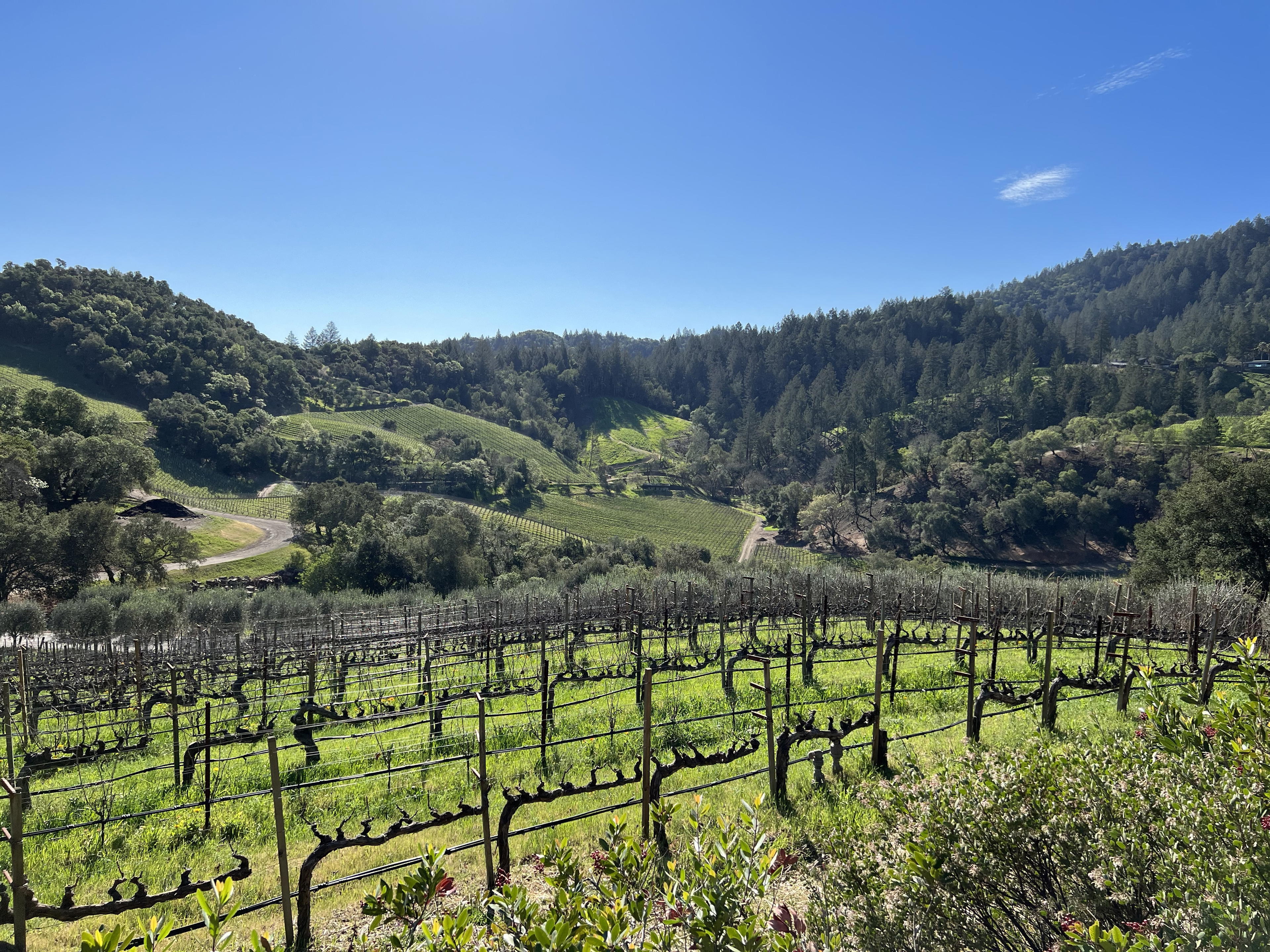
Where Napa's Allocation Tier Begins
The Oakville Grade is one of those Napa routes where the elevation change does something clarifying to the air. By the time you reach 1551, the valley floor has dropped away, and the sense of remove from the broader wine tourism circuit is palpable. This is deliberate geography. Harlan Estate has never positioned itself within the tasting-room economy that defines much of Napa's visitor experience. Access here operates through a mailing list, placing it alongside a small cohort of Napa houses where the bottle finds the buyer rather than the other way around. For collectors who have spent years on allocation lists at properties like Accendo Cellars in St. Helena or tracked the limited-release model at Blackbird Vineyards, the operating logic here will be familiar, though Harlan sits at a different scale of prestige and price expectation.
The Weight of a First Vintage
Napa's upper allocation tier is largely defined by estates that committed early to a single vision and held it. That early vintage history matters because it anchors the estate's cellar depth in a way that newer producers cannot replicate. When collectors discuss Harlan, they are frequently discussing bottles that are decades old, not last year's release. This depth separates the estate from properties that have pursued prestige more recently, including technically accomplished houses like Alpha Omega Winery in Rutherford, which operates at a different point on the Napa age-and-archive spectrum.
Vertical depth of this kind changes how a winery functions as a subject for collectors. The conversation is no longer only about the current release but about how the wine evolves across two or three decades of bottle age. Harlan's Cabernet-dominant blend is built for that kind of longevity, and the estate's reputation rests substantially on the evidence that earlier vintages have provided in that regard.
Cory Empting and the Continuity Question
In Napa's leading allocation houses, winemaker transitions are watched closely because the house style at this price and prestige tier is not an abstract concept but a specific sensory expectation that collectors have paid significantly to rely on. Cory Empting holds the winemaker role at Harlan Estate, a position that carries both the creative responsibility for new vintages and the custodial responsibility of maintaining continuity with a legacy that goes back more than three decades. Estates operating at this level, whether in Oakville or further south toward the Carneros region where Artesa Vineyards and Winery works in a very different register, face the same structural challenge: the winemaker serves the wine's established identity as much as their own.
This constraint is also, in a sense, what gives the role its weight. Empting works within a framework defined by vertical consistency, which means that decisions about extraction, aging, and blending ratios carry implications that extend backward across the archive and forward into the estate's long-term credibility with a collector base that tracks micro-variations vintage by vintage.
This kind of rating is not primarily about any single vintage but about the estate's consistency and standing across time. For readers building a mental map of Napa's upper tier, the rating functions as a peer-set marker: Harlan sits alongside a small number of houses where scarcity, vertical depth, and secondary-market price premiums converge.
For comparison, properties like Ashes and Diamonds Winery pursue a different kind of prestige, rooted in a mid-century Napa aesthetic and a deliberately different market positioning. Neither approach is wrong, but they serve collectors with different priorities.
The Oakville Terroir Context
Oakville as an appellation is Napa's most concentrated site of high-premium Cabernet production. The combination of well-drained benchland soils, reliable heat accumulation, and diurnal temperature variation has produced a cluster of estates whose wines occupy the best of the secondary market in a way that few other Napa sub-appellations can match. Harlan's hillside position above the valley floor introduces additional complexity: higher elevation generally means cooler growing conditions, longer hang time, and finer-grained tannin structure relative to valley-floor sites. This is terrain that rewards patience in the cellar and patience in the glass, which aligns with Harlan's long-aging profile.
Collectors who have spent time with Napa's broader geographic range, from the coastal-influenced Pinot programs at producers like Adelsheim Vineyard in Newberg to the warm-climate Syrah focus at Alban Vineyards in Arroyo Grande, will recognize that Harlan's Oakville hillside context produces a fundamentally different kind of wine. The estate is not trying to express range. It is trying to express one site, at one quality threshold, with as much precision as the vintage allows.
Allocation Access and the Planning Reality
Getting onto the Harlan Estate mailing list is not a process with a guaranteed timeline. The estate manages its release quantities carefully, and new allocations depend on existing list movement. For those approaching Napa's top tier for the first time, it is worth understanding that this model differs fundamentally from the appointment-tasting structure used by many of Napa's other destination producers. Properties like Darioush Winery or Clos Selene Winery offer structured visit experiences that Harlan does not replicate in the same public-facing way. For those pursuing bottles through the secondary market, auction houses and specialist retailers are the more reliable route for access to back vintages, with the understanding that pricing at this tier reflects the estate's standing accordingly.
Harlan Estate's address is 1551 Oakville Grade, Oakville, CA 94562. Given the private nature of the estate's operations, visitors should make contact through official channels before planning any trip. The broader Oakville area connects easily to the rest of the Napa Valley, and those building a longer itinerary around the region's leading producers will find useful context in our full Napa guide, which covers the full range of the valley's dining and wine experiences. Collectors drawn to Napa's premium Cabernet houses might also consider properties operating in adjacent styles, including Alexander Valley Vineyards in Geyserville or, for a Central Coast counterpoint, Adelaida Vineyards in Paso Robles and Andrew Murray Vineyards in Los Olivos.
A Minimal comparable set
Comparable venues nearby, for context on price, style, and recognition.
| Venue | Cuisine | Price | Awards | Notes |
|---|---|---|---|---|
| Harlan EstateThis venue — the venue you are viewing | Oakville, Cabernet Sauvignon, Merlot | $200–300 | Falstaff Winery - Listed | Not listed |
| Hundred Acre | Not listed | $150–200 | Not listed | St. Helena, Cabernet Sauvignon, Cabernet Franc |
| Seven Stones Estate | Not listed | Not listed | Not listed | St. Helena, Cabernet Sauvignon, Cabernet Franc |
| The Vice | Not listed | Not listed | Not listed | St. Helena, Cabernet Sauvignon, Pinot Noir |
| Kenzo Estate | Not listed | $50–100 | Not listed | Monticello Road, Cabernet Sauvignon, Merlot |
| Lewis Cellars | Not listed | $100–150 | Not listed | Stags Leap District, Cabernet Sauvignon, Chardonnay |
Recognition history
Dated appearances from independent guides and award organizations, with the underlying list record or original source where available.
Falstaff Winery - Listed
Falstaff
Continue exploring
More in Napa
Wineries in Napa
Browse all →
Bars in Napa
Browse all →
Restaurants in Napa
Browse all →
Details
- Elegant
- Scenic
- Sophisticated
- Classic
- Wine Education
- Special Occasion
- Romantic Getaway
- Barrel Room
- Estate Grounds
- Panoramic View
- Private Tasting
- Vineyard Tour
- Sustainable
- Dry Farmed
- Organic
- Vineyard
- Mountain
- Cabernet Sauvignon
- Merlot
- Cabernet Franc
- Petit Verdot
- Still Red
- Private Tasting
- Barrel Room Tasting
- English
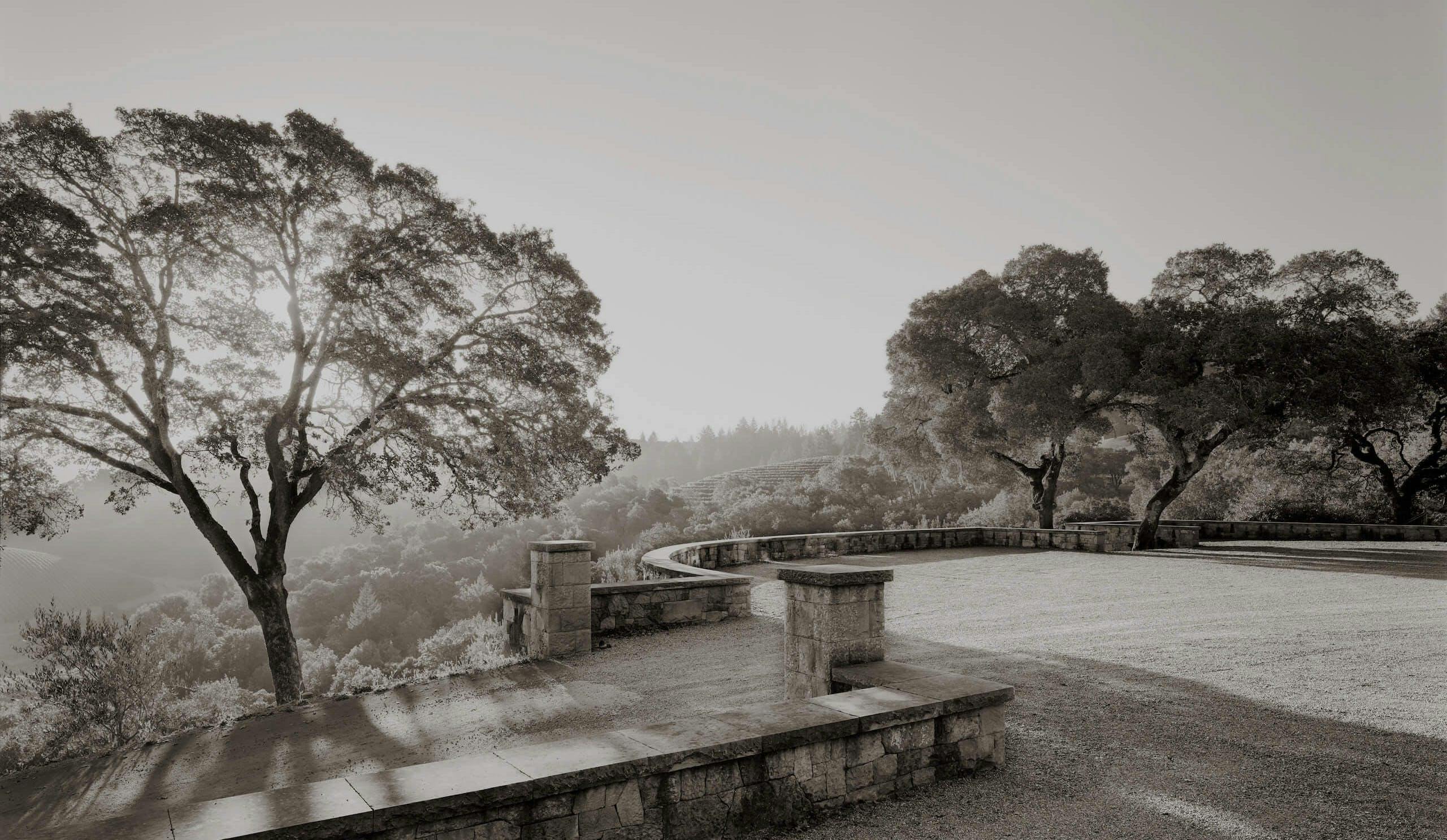
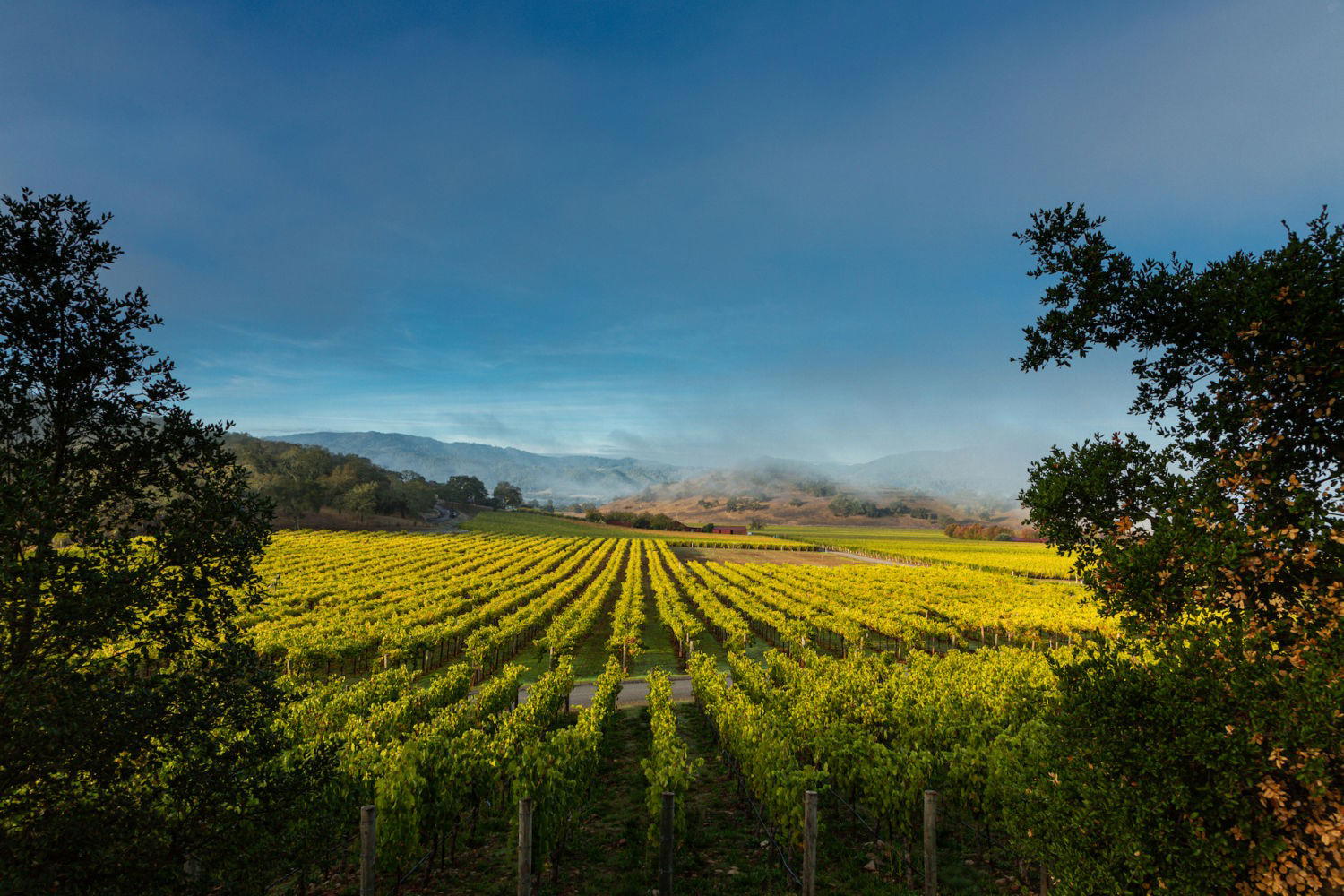
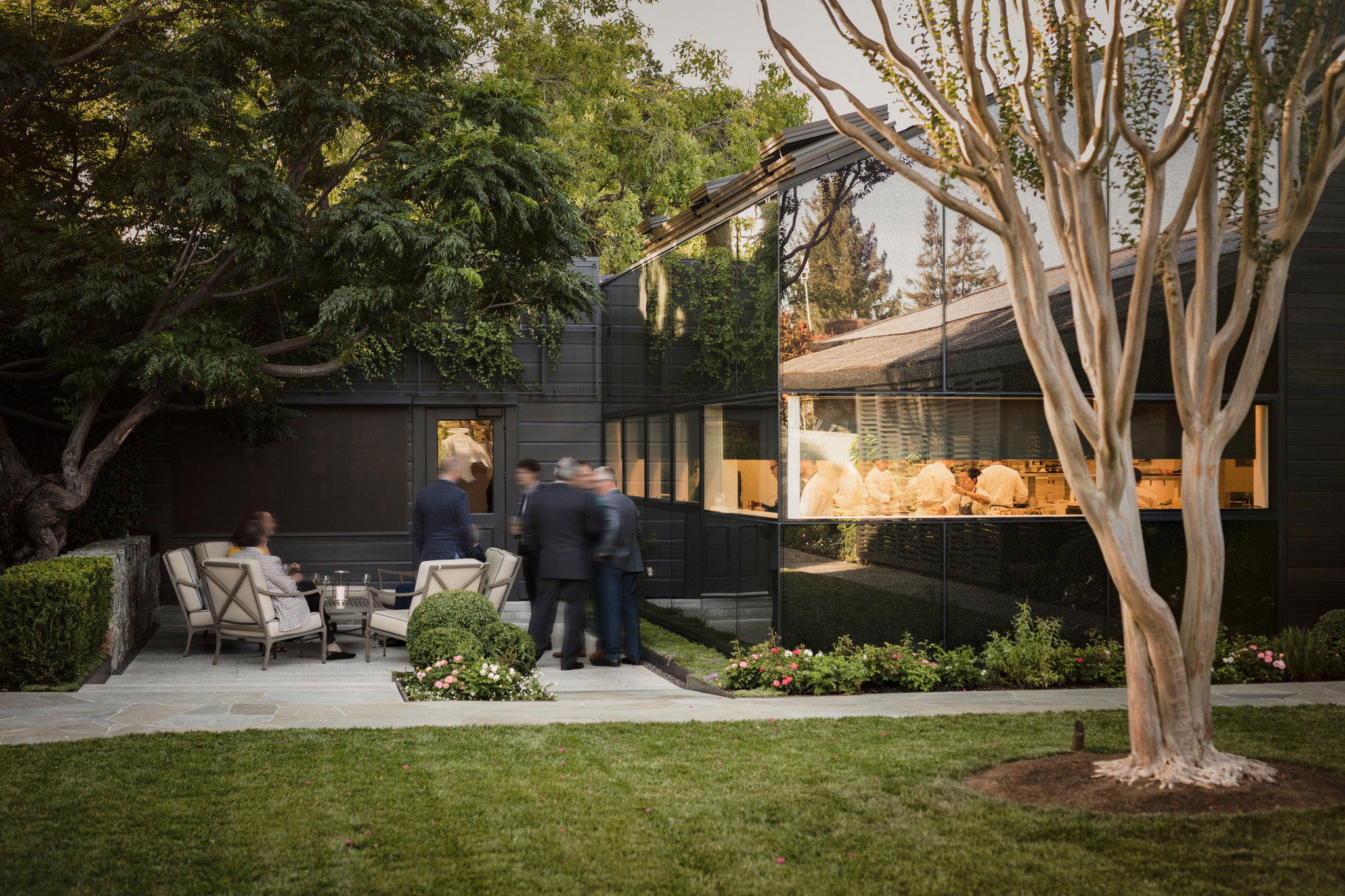
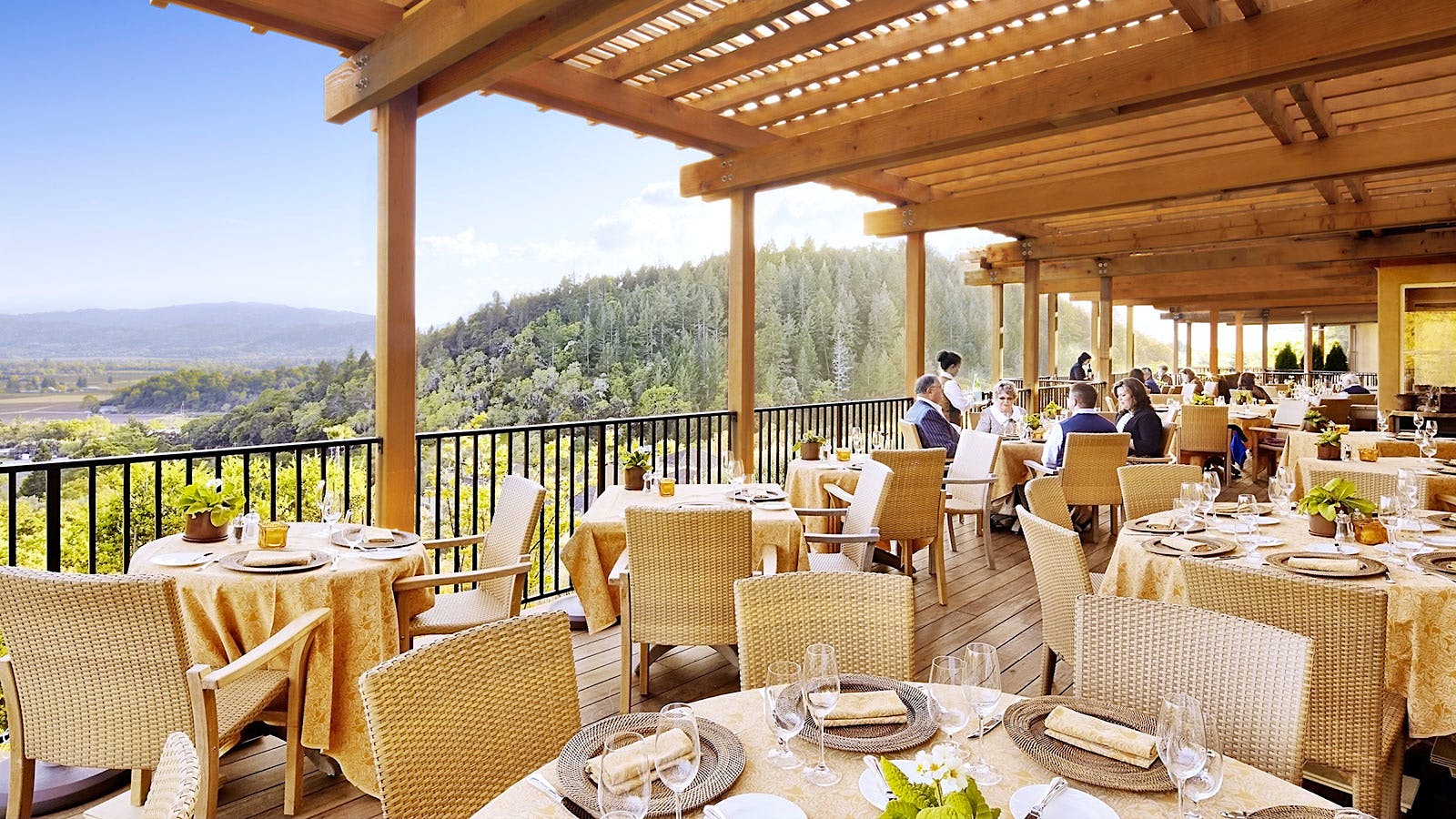
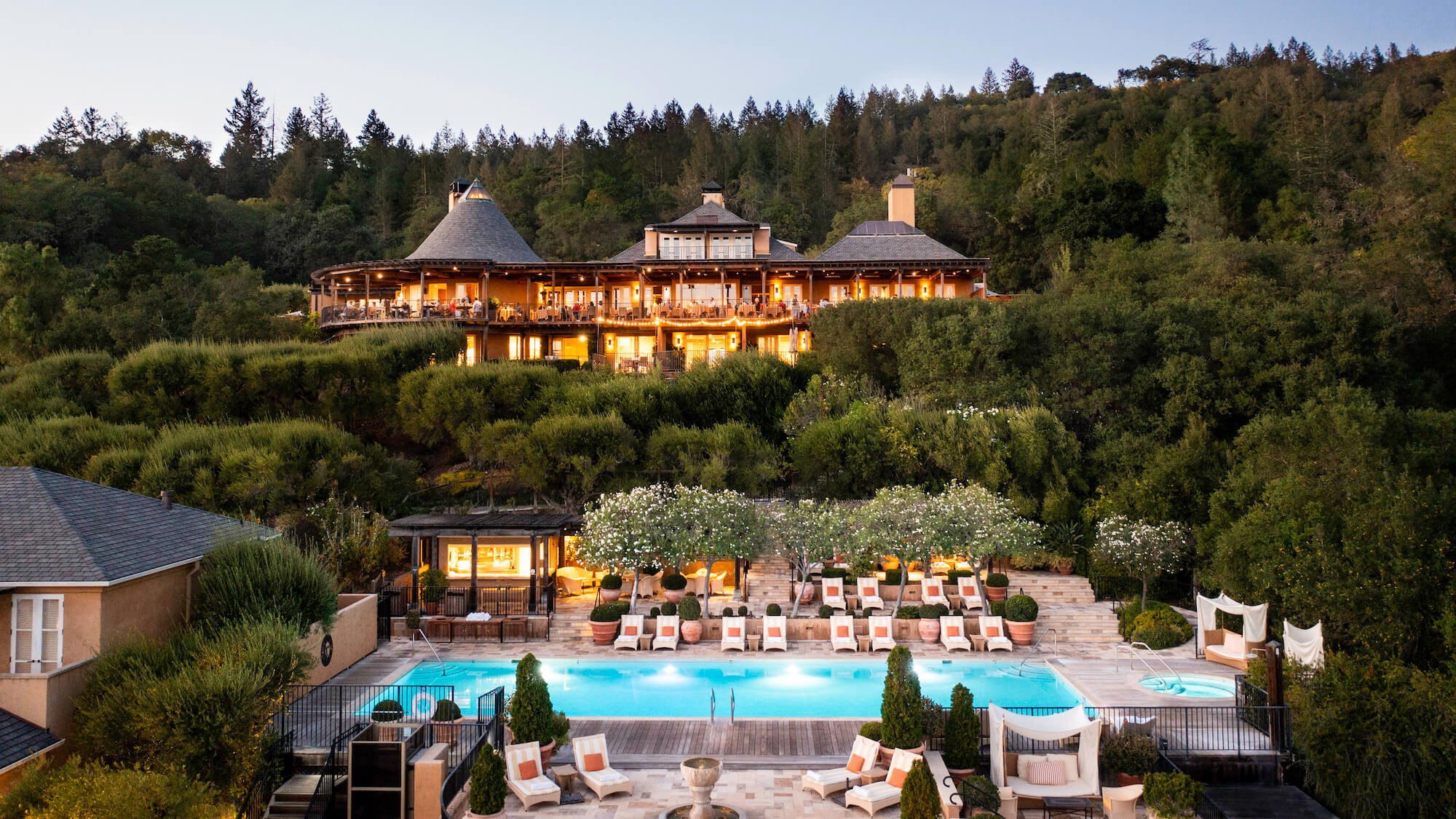
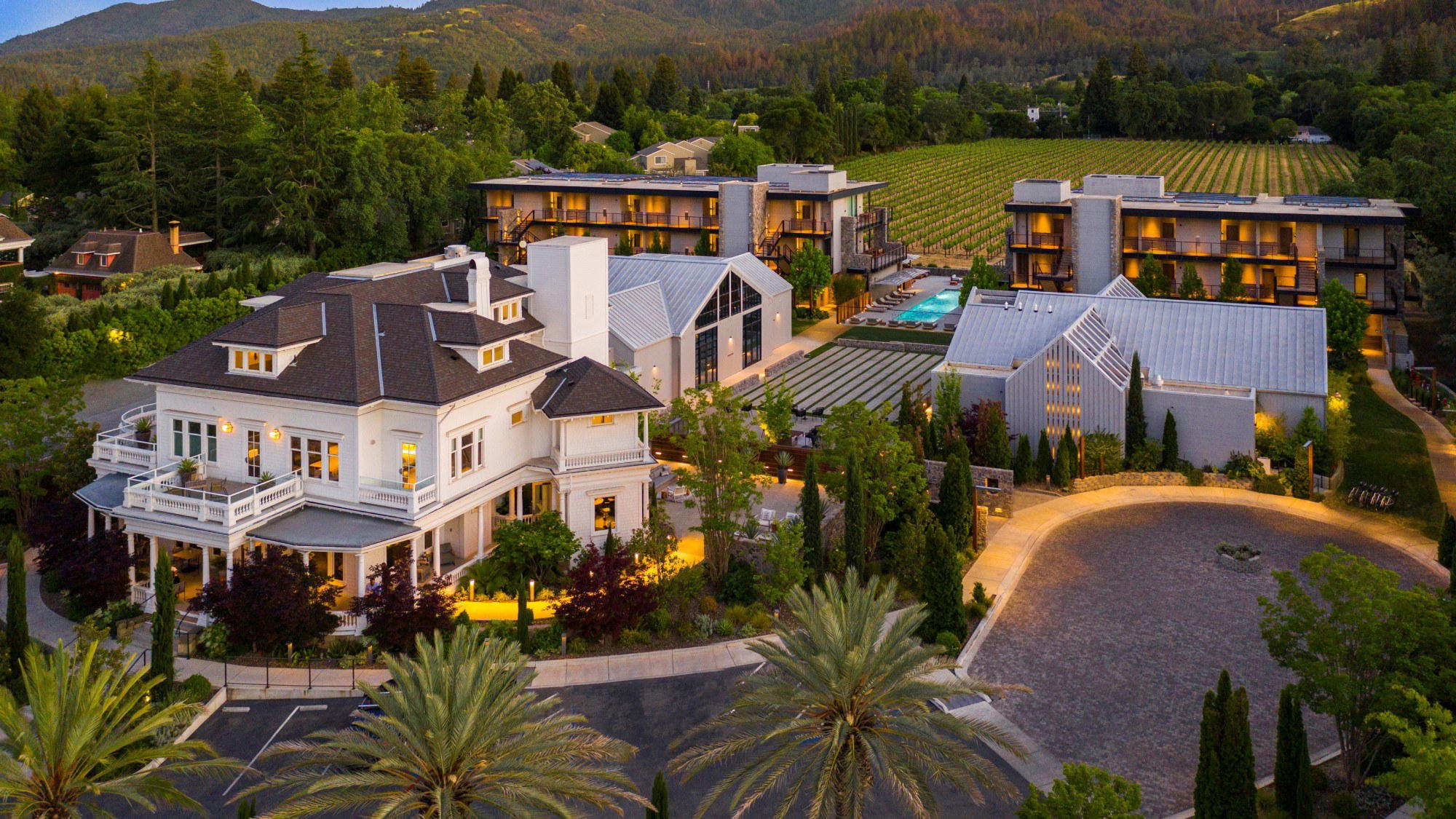
Unassuming yet refined winery set among native oaks on a knoll, with stone terraces offering dramatic vistas of steep terraced vines, fog layers, and Mount St. Helena in the distance; interior emphasizes cleanliness and aesthetics with perfectly aligned barrels and seamless blend of function and form.