
Falstaff Winery - 5 Stars
One of Haro's founding bodegas, La Rioja Alta has shaped the town's identity as the capital of traditional Rioja winemaking for well over a century. Its cellars on Avenida Vizcaya sit within walking distance of the famous Barrio de la Estación cluster, positioning it alongside Muga, CVNE, and López de Heredia as a cornerstone of the old-guard Rioja canon.

Pearl is the En Primeur Club membership app — saves, bookings, and concierge access live there. Same editors, same standards.
- Address
- Av. Vizcaya, 8, 26200 Haro, La Rioja
- Phone
- +34 941 31 03 46
- Website
- riojalta.com
- Directions
- Get directions
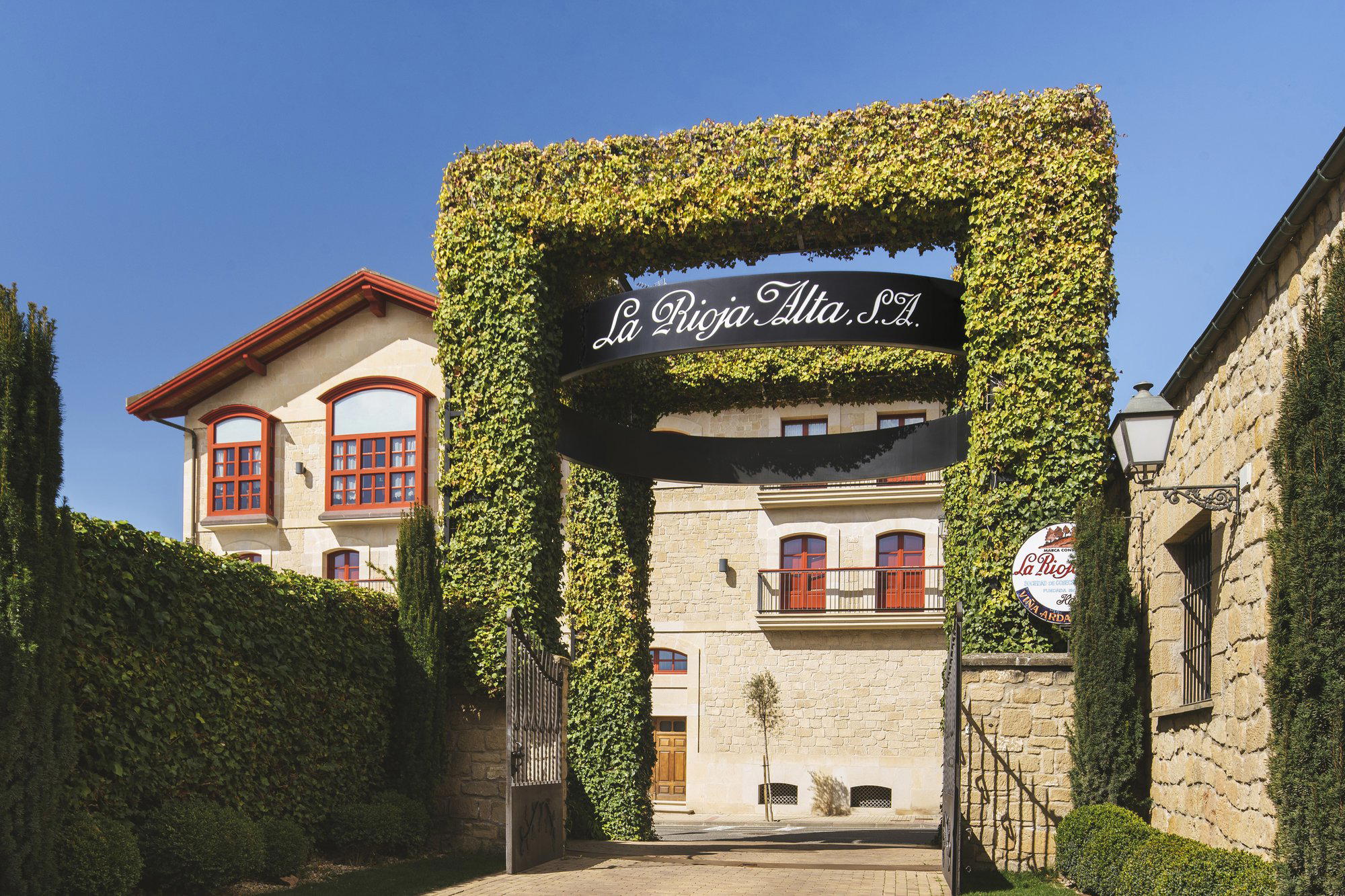
Where Traditional Rioja Takes Its Longest View
Approach the Barrio de la Estación in Haro on a clear morning and the logic of the neighbourhood becomes immediately apparent. The old railway line brought barrels and buyers; the bodegas grew up around it, their stone facades and barrel-vaulted cellars oriented toward transit and trade rather than tourist spectacle. La Rioja Alta, at Avenida Vizcaya 8, is part of that original infrastructure. It does not present itself as a visitor attraction in the contemporary sense. What you encounter instead is a working winery whose architecture, scale, and operational tempo reflect more than a century of Tempranillo production in one of Spain's most consequential wine towns.
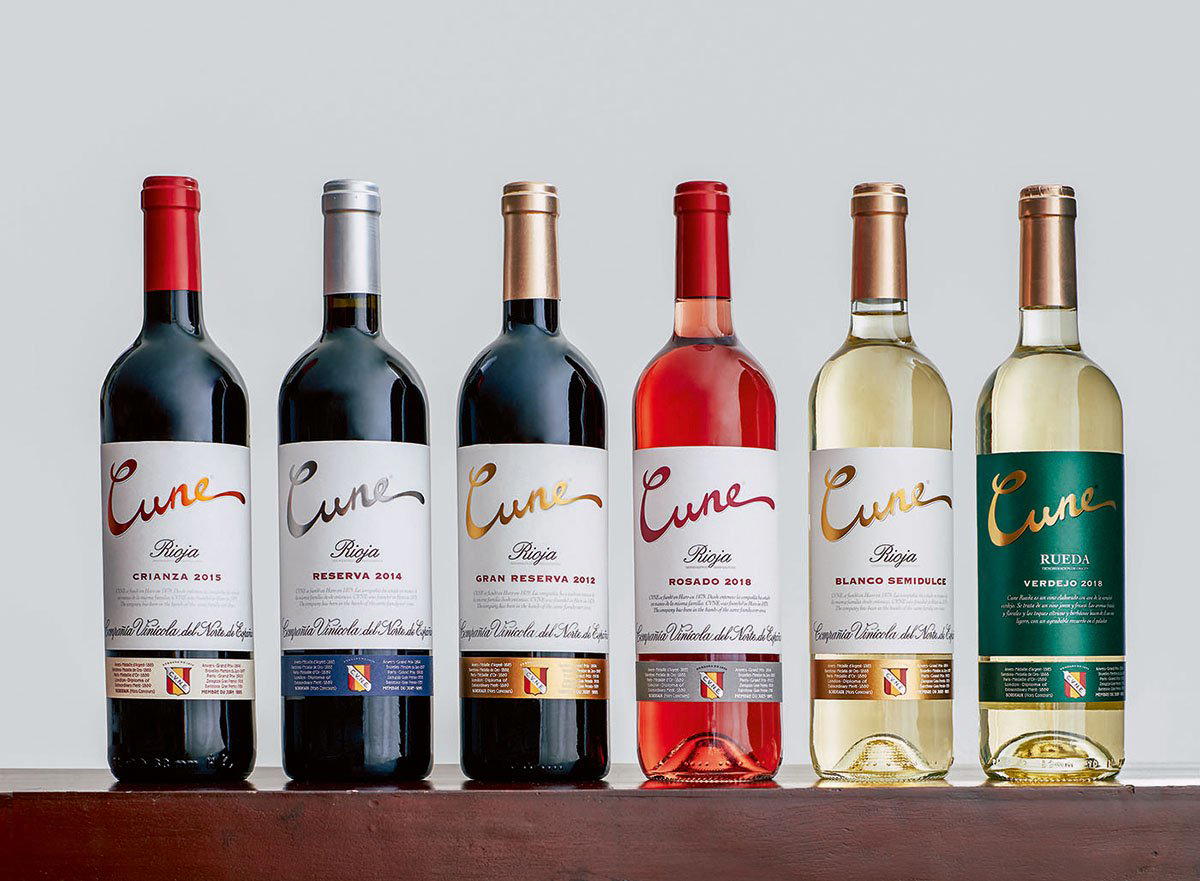
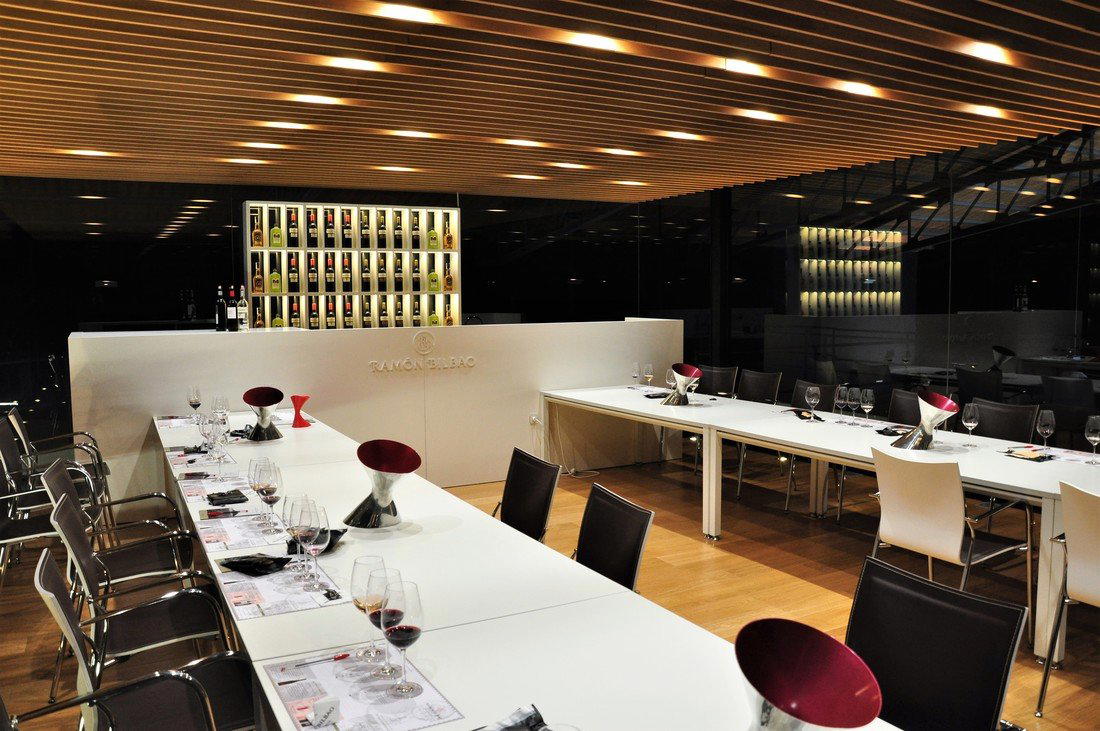
The Barrio de la Estación cluster is what makes Haro genuinely different from other Rioja Alta destinations. Within a few hundred metres, you have Bodegas Muga, CVNE (Cune), López de Heredia (Viña Tondonia), Bodegas Roda, and Ramón Bilbao all operating as distinct production houses with their own house styles, cellar programmes, and visitor formats. La Rioja Alta sits inside this competitive set as one of the original members, founded in 1890 by a consortium of Basque and Riojan families who understood early that pooling resources around railway access was a sound commercial model. That founding logic still shapes how the bodega operates: volume and consistency across multiple label tiers, with long barrel ageing as the non-negotiable house commitment.
The Tasting Room Format and What It Signals
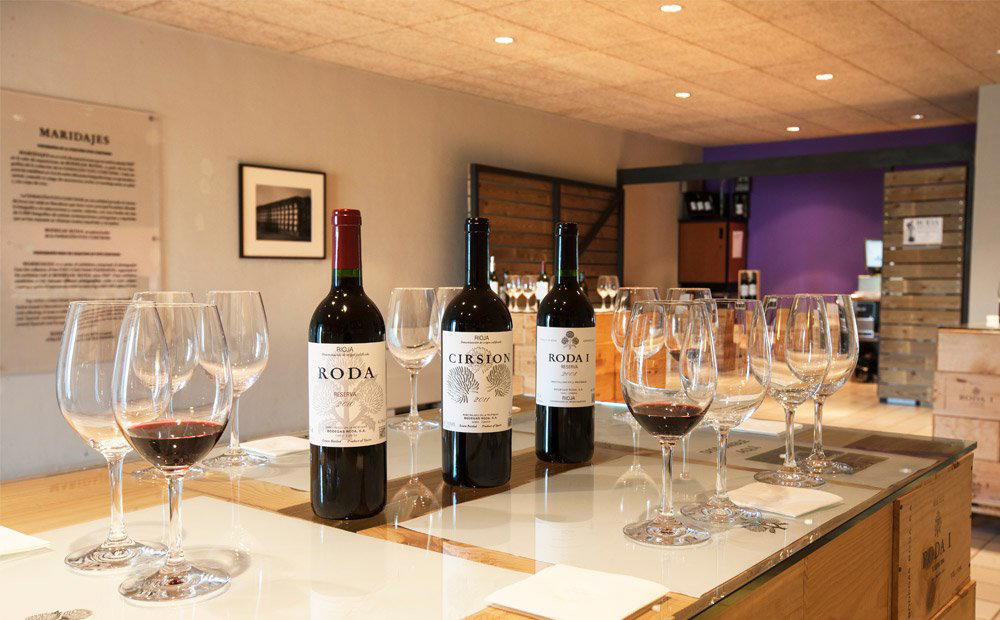
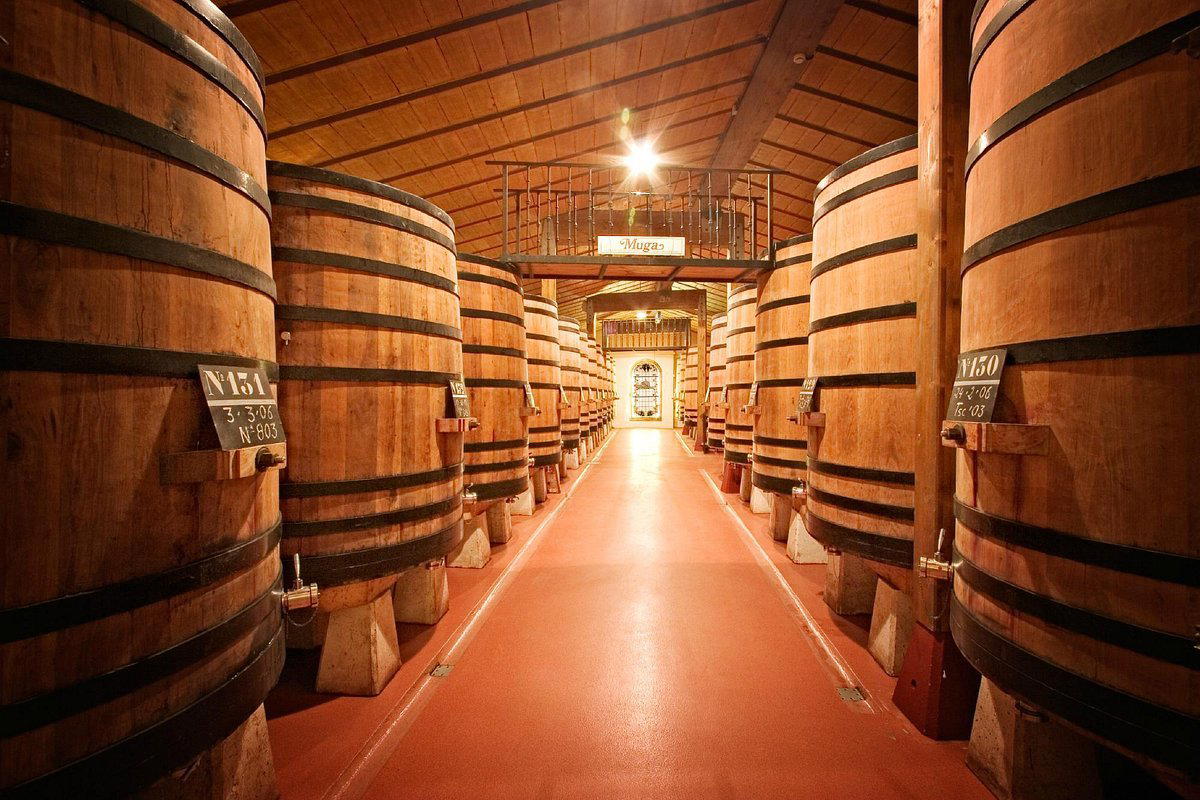
Tasting experiences at traditional Rioja bodegas tend to follow a particular grammar. The visit begins in the cellar, where the scale of the barrel inventory makes the ageing philosophy tangible before a single glass is poured. At La Rioja Alta, that inventory runs into tens of thousands of barrels, primarily American oak, which defines the vanilla and coconut register that separates classic Rioja from the darker, more European-oak-driven profiles now common across Spain's newer prestige appellations. The sensory contrast between the cool cellar air, the faint acetaldehyde trace, and the progression of vintages in the glass is what a visit here is designed to deliver.
Rioja's classification system rewards patience in a way few other Spanish appellations match. Crianza, Reserva, and Gran Reserva designations carry minimum barrel and bottle ageing requirements that are legally enforced, not merely aspirational. La Rioja Alta's commitment to the Reserva and Gran Reserva tiers means the wines presented in a tasting room session typically carry ten or more years of combined ageing before the visitor encounters them. That is the structural argument for booking a visit here rather than simply purchasing at retail: the house style is leading understood through comparative vertical tasting, where the shift from Reserva structure to Gran Reserva integration is audible in the glass across successive pours.
Across the wider Spanish premium winery canon, this places the bodega in comparable company to properties such as Bodegas Protos in Peñafiel, Emilio Moro in Pesquera de Duero, and Marqués de Cáceres in Cenicero. Each of those operates on similar heritage credentials and tiered production logic, though their appellation contexts differ significantly. Within Rioja itself, the comparison set is the Barrio de la Estación neighbours: López de Heredia offers the most oxidative, time-extended style; Muga uses a higher proportion of barrel-fermented white; CVNE covers the widest commercial range; and La Rioja Alta sits in the middle ground, prioritising structural precision and long-term cellaring potential over novelty.
Haro as the Reference Point for Classic Rioja
Wine tourism in Spain has expanded substantially since the early 2000s, with appellations from Priorat to Ribera del Duero building visitor infrastructure around prestige positioning. Haro remains the most concentrated single-town expression of this, specifically because the Barrio de la Estación cluster allows a visitor to spend a full day comparing house styles without changing postcodes. The town itself is compact, with a medieval centre fifteen minutes' walk from the winery district. Logistically, Haro is most accessible by car from Logroño (roughly forty kilometres east on the A-12) or by regional train from Bilbao, which takes just over an hour. Booking cellar visits in advance is advisable during the summer months and harvest period, when the Barrio de la Estación bodegas collectively draw significant visitor numbers.
For context on how the broader Spanish fine wine circuit connects to Haro, properties like Clos Mogador in Gratallops, Codorníu in Sant Sadurní d'Anoia, and Lustau in Jerez de la Frontera each represent distinct regional traditions that reward the same comparative attention a Haro visit encourages. Marqués de Griñón (Dominio de Valdepusa) in Malpica de Tajo represents an entirely different model, a single-estate Vino de Pago outside any DO cluster, which illustrates how differently Spanish premium wine geography can be organised outside the Rioja model. For those building a broader cellar knowledge, all these properties reward direct visits for the same reason La Rioja Alta does: the wines are most legible in context.
Planning a Visit
The bodega's address at Avenida Vizcaya 8 places it at the western edge of the Barrio de la Estación, with street-level signage that is discreet by design. Guided cellar tours are the standard format, typically conducted in Spanish and English, and combine a walk through the ageing nave with a structured tasting. Visitors intending to pair the bodega visit with broader Haro exploration should consult our full Haro guide, which covers the town's restaurants, other bodegas, and the leading sequence for a single-day or multi-day visit.
For those comparing heritage Spanish producers at an international scale, the range extends well beyond Iberia: Aberlour in Aberlour and Accendo Cellars in St. Helena both represent the same principle of long institutional commitment to a single production site, even if the product categories are entirely different. The common thread is that visits to these properties are most valuable when the visitor arrives with some existing framework for comparison, since the point of the experience is not novelty but depth.
Frequently Asked Questions
- What is the signature bottle at La Rioja Alta? The house's Gran Reserva releases are the wines most closely associated with its reputation, particularly the 904 and 890 labels, which are named after the barrel lots used in specific vintage blends. Both are long-aged Tempranillo-dominant wines from the Rioja Alta subzone, produced only in years the house judges suitable for extended cellaring.
- What is the main draw of La Rioja Alta? The bodega's position within the Barrio de la Estación cluster is the primary draw: it allows visitors to engage with classic Rioja in its most concentrated form, with direct comparison against neighbouring houses including Muga, CVNE, and López de Heredia all feasible within a single visit to Haro.
- Should I book La Rioja Alta in advance? If visiting between June and October, advance booking is advisable. The Barrio de la Estación bodegas collectively attract high visitor volumes during summer and harvest periods, and cellar tour groups are typically capped. Contact via the winery's official website is the standard booking route; phone and online booking details are best confirmed directly with the bodega before travel.
Where It Fits
Comparable venues nearby, for context on price, style, and recognition.
| Venue | Cuisine | Price | Awards | Notes |
|---|---|---|---|---|
| La Rioja AltaThis venue — the venue you are viewing | Tempranillo, Garnacha | Not listed | Falstaff Winery - 5 Stars | Not listed |
| CVNE (Cune) | Tempranillo, Viura | Not listed | Not listed | Barrio de la Estación |
| Ramón Bilbao | Tempranillo, Garnacha | Not listed | Falstaff Winery - 3 Stars | Haro |
| Bodegas Roda | Tempranillo, Graciano | $50–100 | Falstaff Winery - 4 Stars | Barrio de la Estación |
| Bodegas Muga | Tempranillo, Garnacha | Not listed | World's 50 Best #53 · Falstaff Winery - 4 Stars | Barrio de la Estación |
| López de Heredia (Viña Tondonia) | Tempranillo, Garnacha | Not listed | World's 50 Best #3 · Falstaff Winery - 5 Stars | Barrio de la Estación |
Recognition history
Dated appearances from independent guides and award organizations, with the underlying list record or original source where available.
Falstaff Winery - 5 Stars
Falstaff
Details
- Classic
- Historic
- Elegant
- Rustic
- Wine Education
- Special Occasion
- Historic Building
- Barrel Room
- Sustainable
- Vineyard
- Tempranillo
- Garnacha
- Graciano
- Mazuelo
- Still Red
- Private Tasting
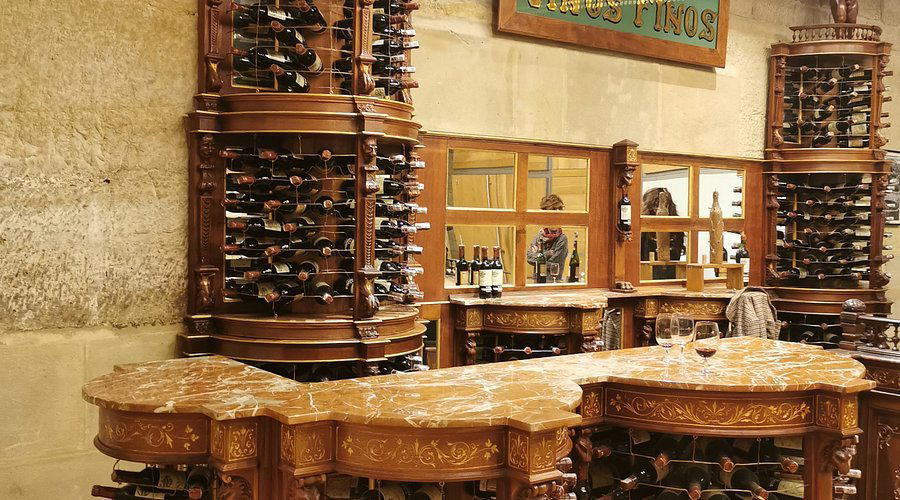
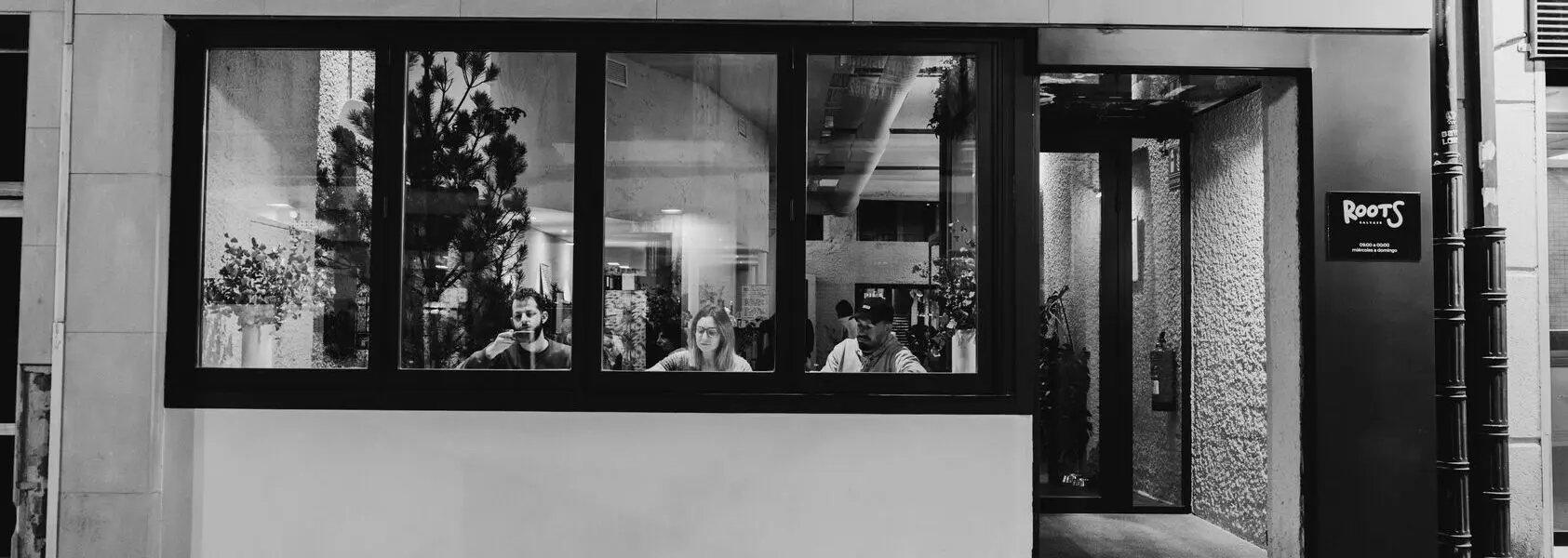
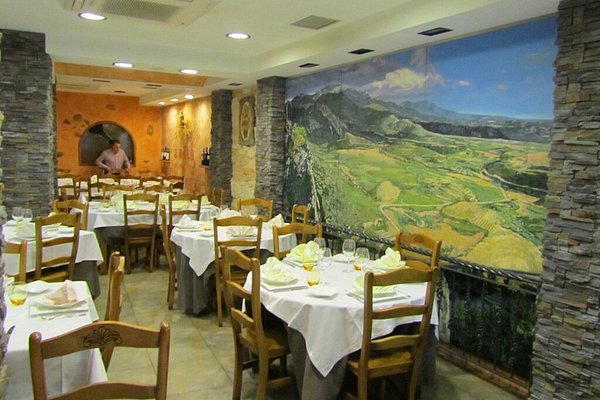
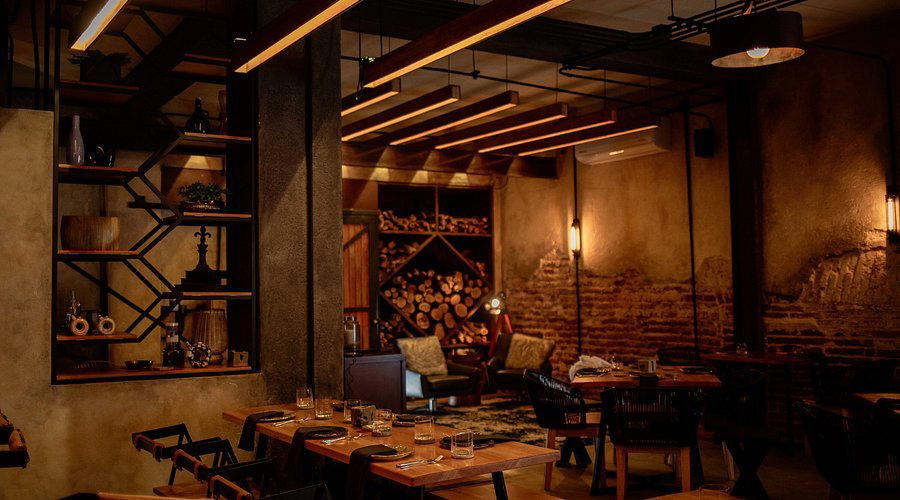
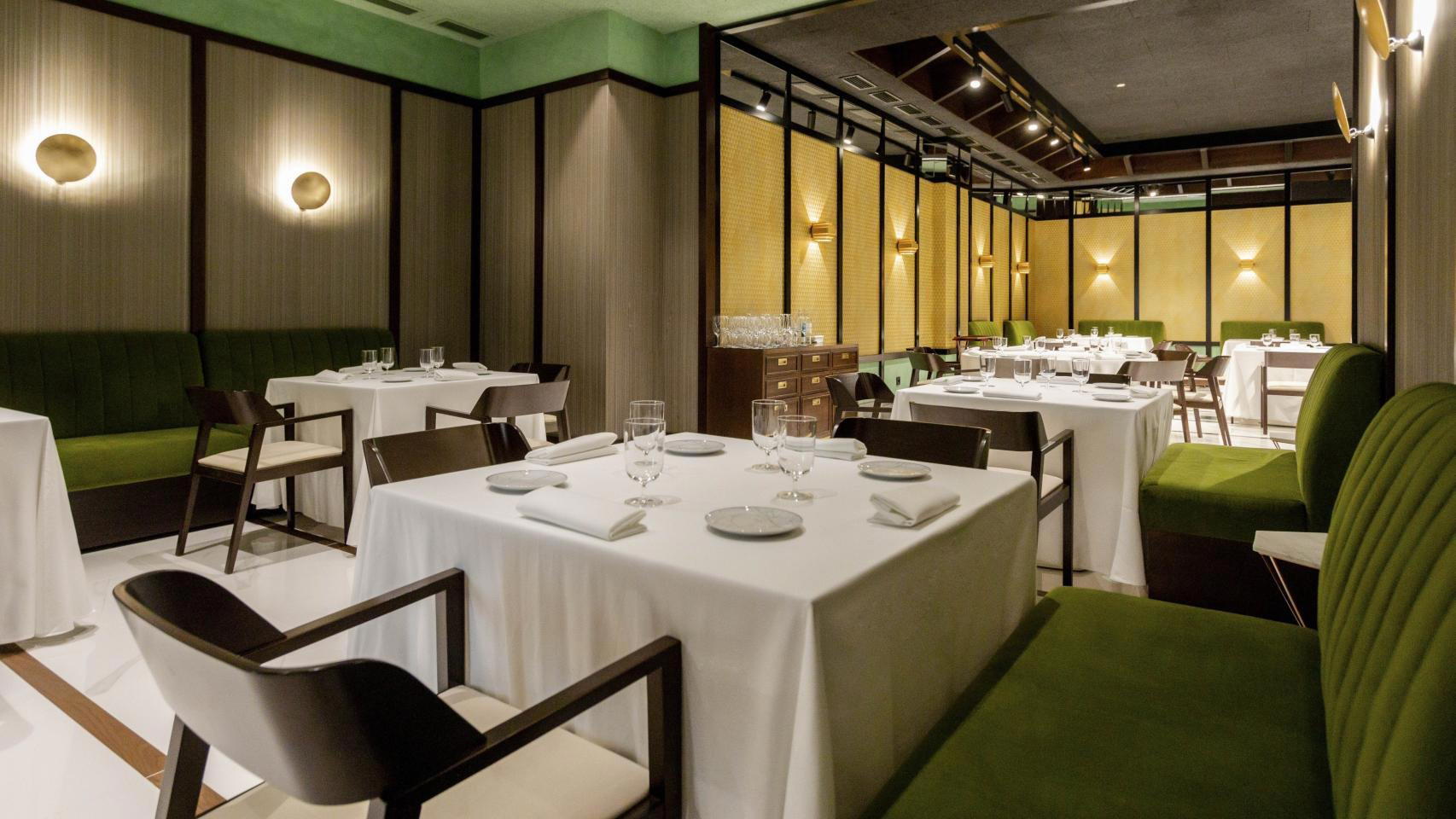
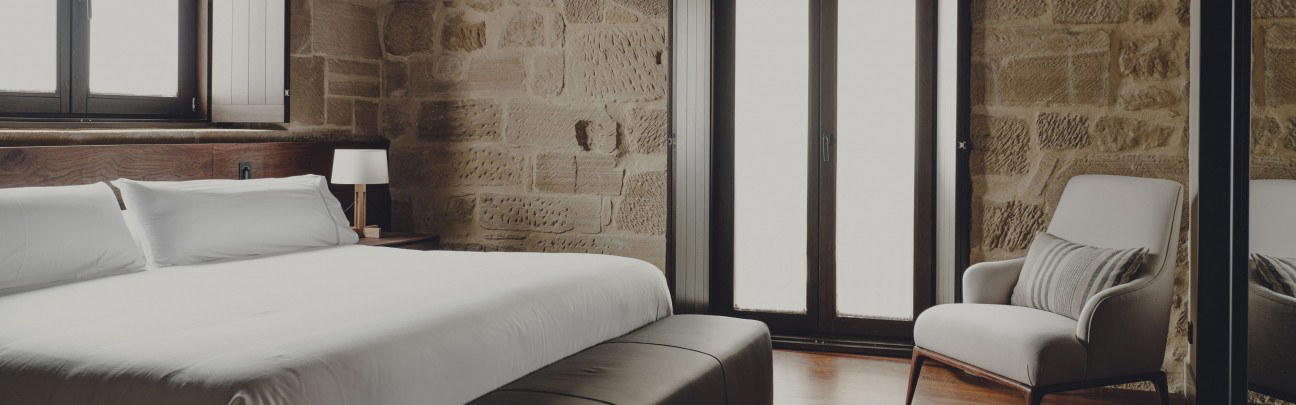
Traditional atmosphere with historic cellars filled with massive oak casks, evoking timeless elegance and artisanal winemaking.