Herdade do Esporão





Michelin 1 Star · World's 50 Best #69 · La Liste Top Restaurants
Herdade do Esporão sits in the Alentejo plains outside Reguengos de Monsaraz, where organic viticulture and a landscape of schist and granite shape wines that read as direct expressions of the region.

Pearl is the En Primeur Club membership app — saves, bookings, and concierge access live there. Same editors, same standards.
- Address
- Herdade do Esporão, Edifício Enoturismo, 7200-999
- Phone
- +351 266 509 280
- Website
- esporao.com
- Directions
- Get directions
- Booking
- Book on TheFork
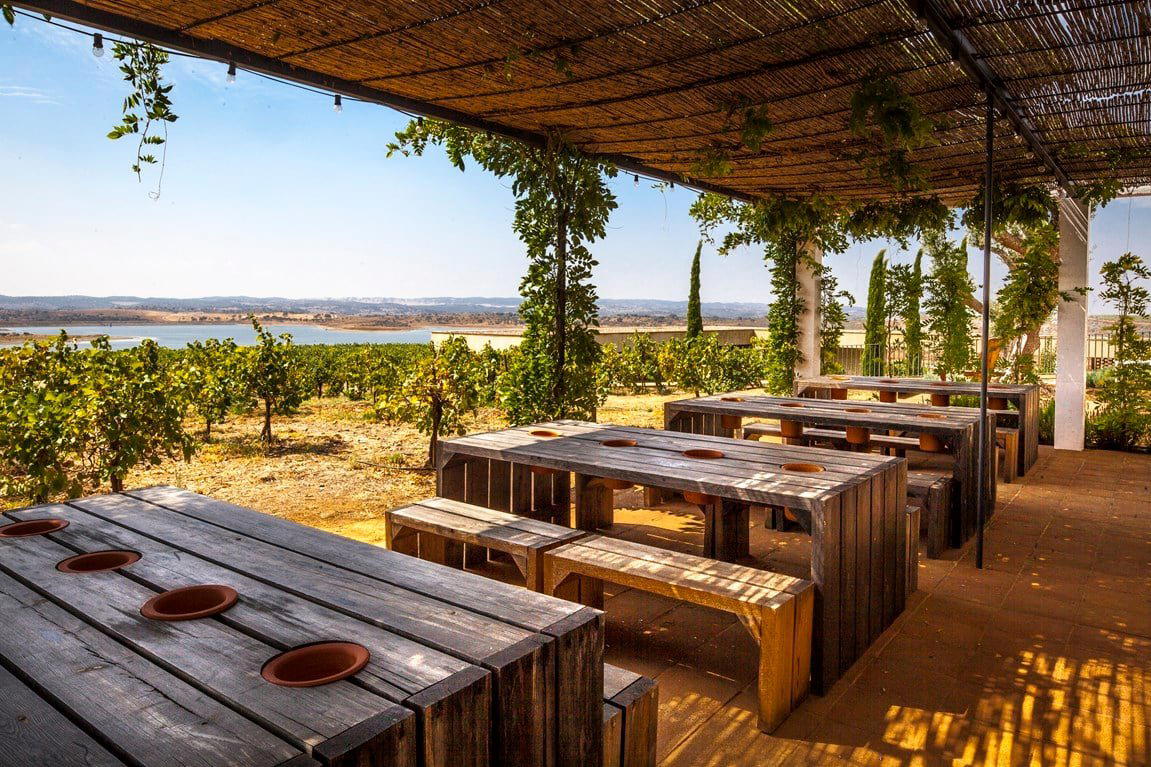
Where the Alentejo Begins to Make Sense
Approach Herdade do Esporão across the open plains east of Évora and the land does most of the explaining before you arrive. The terrain here, rolling and largely treeless except for cork oaks and umbrella pines, sits under some of the most intense sun in continental Portugal. The soil is thin and schistic in places, granitic in others, and the diurnal temperature swings between baking days and cool nights are wide enough to preserve acidity in grapes that might otherwise read as overripe. This is the Alentejo's core logic: an extreme environment that demands restraint from the winemaker and rewards it with wines of unusual concentration and freshness simultaneously.
The estate sits near Reguengos de Monsaraz, a sub-appellation within the broader Alentejo DOC that has established a distinct reputation among Portugal's southern wine regions. Reguengos benefits from the proximity of the Alqueva reservoir, which moderates summer temperatures marginally and supports organic farming through reduced disease pressure. Esporão's vineyards here are certified organic, a choice that, in this climate, reflects both environmental commitment and a specific winemaking position: the goal is to let the soil and season speak without intervention.
That rating positions Esporão alongside a peer group that includes estate wineries with serious enotourism infrastructure, verifiable organic or biodynamic practice, and a wine programme credible enough to attract international attention. Within Portugal's southern wine corridor, that peer group is smaller than the number of wineries operating in Alentejo might suggest; most Alentejo production remains cooperative or volume-oriented, and estate-led, terroir-focused operations occupy a distinct bracket.
For context on how Esporão sits relative to other well-regarded Portuguese wineries, Adega Cartuxa (Fundação Eugénio de Almeida) in Évora and Adega Cooperativa de Borba in Borba represent different models operating in the same region: one foundation-backed with a focus on heritage varietals, one cooperative-scale with a broad production base. Esporão's position is neither; it occupies the estate-scale, export-serious, tourism-equipped tier that has become the benchmark for international visitors seeking to understand Alentejo wine at depth.
Terroir as the Primary Text
Alentejo's dominant red varietals, Aragonez (Tempranillo), Trincadeira, Alicante Bouschet, and Touriga Nacional, respond differently to the Reguengos terroir than they do elsewhere in the region. The schist around Esporão's core vineyards forces vine roots deep, reducing yields and concentrating phenolics. The result in structural terms is wines with firm tannin architecture and dark fruit profiles, but with an acidity that the altitude and cool nights sustain through harvest. White production here, using Antão Vaz and Arinto, benefits from the same diurnal range and tends toward textural wines with mineral length rather than the broad, tropical-fruit profiles associated with warmer, lower-altitude Alentejo sites.
This is not a region where terroir expression is subtle or contested in the way it might be in Burgundy or the northern Douro. The Alentejo declares itself loudly in the glass: the heat, the schist, the stress-farmed vine. What distinguishes estate-level producers like Esporão from commodity Alentejo is the management of that loudness, the question of how much extraction to pursue, when to harvest, how much oak to apply. These are the decisions that separate a wine that reads as Alentejo in a general sense from one that reads as a specific vineyard in a specific year.
For comparison points further afield in Portugal's wine geography, Quinta do Vallado in Peso da Régua and Quinta do Bomfim in Pinhão illustrate how Douro estate producers handle a different but equally extreme terroir. Quinta do Seixo (Sandeman) in Tabuaço adds a third Douro reference point, useful for visitors moving between Portugal's major wine corridors. The contrast between Douro schist and Alentejo schist, similar geology producing markedly different wines due to climate, altitude, and varietal choice, is one of the more instructive exercises in Portuguese wine education.
The Enotourism Infrastructure
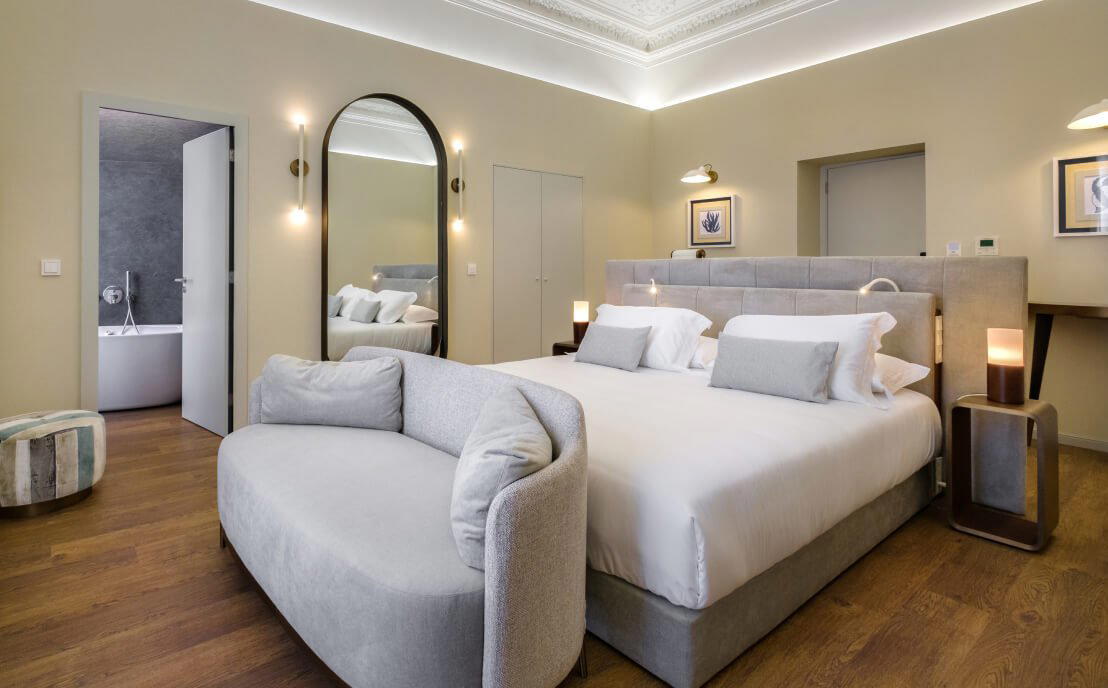
Southern Portugal's enotourism offer has developed unevenly. Some estates provide excellent wine and minimal visitor infrastructure; others have invested in reception facilities, restaurants, and guided experiences without the wine quality to justify the visit on its own terms. Esporão belongs to the category that takes both seriously. The estate's enotourism building provides a dedicated base for visitors, and the vineyard and winery tour programme is structured around the organic farming practice and winemaking approach rather than a generic production overview.
Visiting from Évora, the nearest city with significant accommodation stock, takes roughly 45 minutes by car. Reguengos de Monsaraz itself is a small market town without the tourist infrastructure of Évora, which means Esporão operates in relative isolation from Portugal's standard wine tourism circuit. That isolation is part of the point: the estate is most meaningfully visited as a destination rather than a stop, ideally in combination with the medieval hilltop village of Monsaraz, visible from much of the estate's land and among the most atmospheric settings in the Alentejo interior.
For visitors building a broader Portuguese wine itinerary, the contrast between Esporão's Alentejo model and producers in other regions is worth mapping in advance. Bacalhôa Vinhos in Azeitão operates closer to Lisbon in the Setúbal peninsula, with a very different climate and varietal profile. Adega Regional de Colares in Colares represents one of Portugal's most geographically specific appellations, with ungrafted Ramisco vines in Atlantic-facing sand dunes. Aliança Vinhos in Sangalhos and Casa de Santar in Nelas anchor the Bairrada and Dão regions respectively, both cooler and greener than the Alentejo south. For island comparisons, Blandy's Wine Lodge in Funchal and Henriques & Henriques in Câmara de Lobos cover Madeira's fortified tradition, while Churchill's in Vila Nova de Gaia addresses Port. For those extending well beyond Portugal, Aberlour in Aberlour and Accendo Cellars in St. Helena mark different points on the global premium producer map.
Our full Reguengos de Monsaraz restaurants guide covers the wider area for those planning an overnight or multi-day visit to the region.
Planning a Visit
Spring and autumn are the most productive times to visit. Summer temperatures in the Alentejo interior regularly exceed 40°C, which affects both the comfort of outdoor vineyard walks and the character of the visit itself; the landscape in July and August is parched and intensely lit, a valid experience in its own right but not the easiest introduction to the estate. Harvest, running through September into early October depending on varietal and year, adds activity and context to a visit. Advance booking for tours is advisable given the estate's profile and the limited visitor capacity relative to demand.
At-a-Glance Comparison
Comparable venues nearby, for context on price, style, and recognition.
| Venue | Cuisine | Price | Awards | Notes |
|---|---|---|---|---|
| Herdade do EsporãoThis venue — the venue you are viewing | Aragonez, Trincadeira | $20–30 | Michelin 1 Star · World's 50 Best #69 | Not listed |
| Quinta do Vallado | Touriga Nacional, Touriga Franca | Not listed | World's 50 Best #84 · Falstaff Winery - Listed | Peso da Régua |
| Quinta Nova de Nossa Senhora do Carmo | Touriga Nacional, Touriga Franca | $50–100 | World's 50 Best #74 · Falstaff Winery - Listed | Covas do Douro |
| Taylor's Port | Touriga Nacional, Touriga Francesa | $30–50 | World's 50 Best #85 · Falstaff Winery - Listed | Vila Nova de Gaia |
| Quinta do Seixo (Sandeman), Douro Valley | Touriga Nacional, Tinta Roriz | $30–50 | World's 50 Best #62 | Cima Corgo |
| Quinta do Carmo | Aragonez, Trincadeira | $30–50 | Falstaff Winery - Listed | Glória |
Recognition history
Dated appearances from independent guides and award organizations, with the underlying list record or original source where available.
Michelin 1 Star
Michelin
World's 50 Best Vineyards #69
World's 50 Best
La Liste Top Restaurants
La Liste
Falstaff Winery - Listed
Falstaff
The Best Chef One Knife
The Best Chef
Full recognition history (7 entries)
Michelin 1 Star
Michelin
Michelin 1 Star
Michelin
Continue exploring
More in Reguengos de Monsaraz
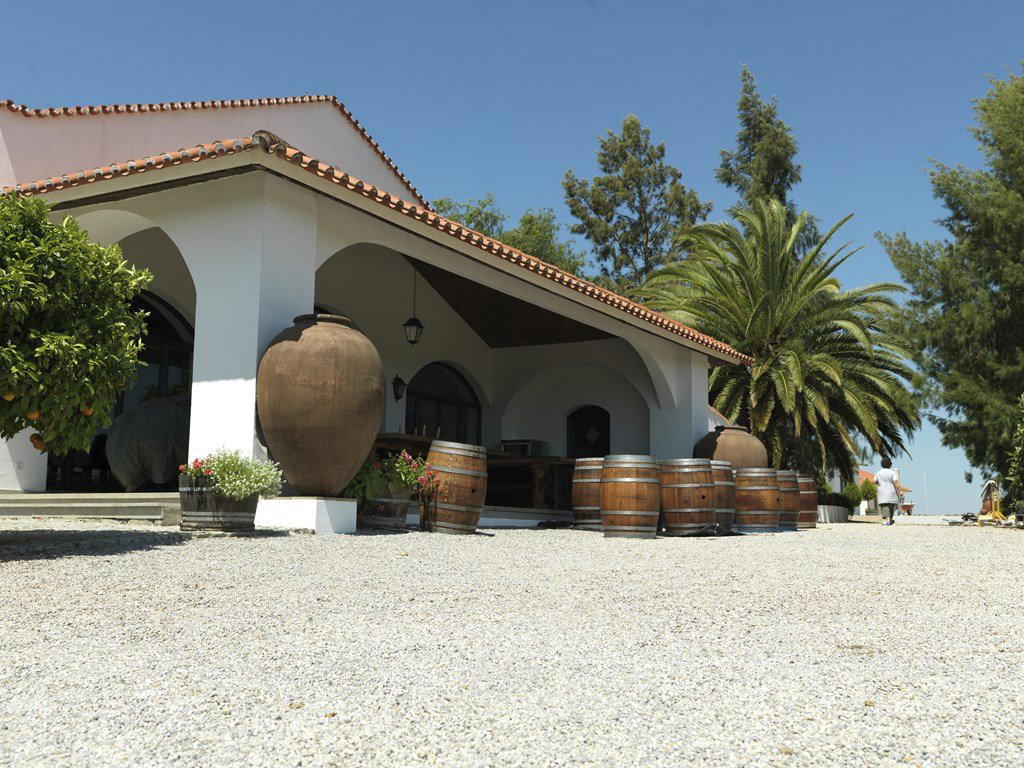
Wineries in Reguengos de Monsaraz
Browse all →
Bars in Reguengos de Monsaraz
Browse all →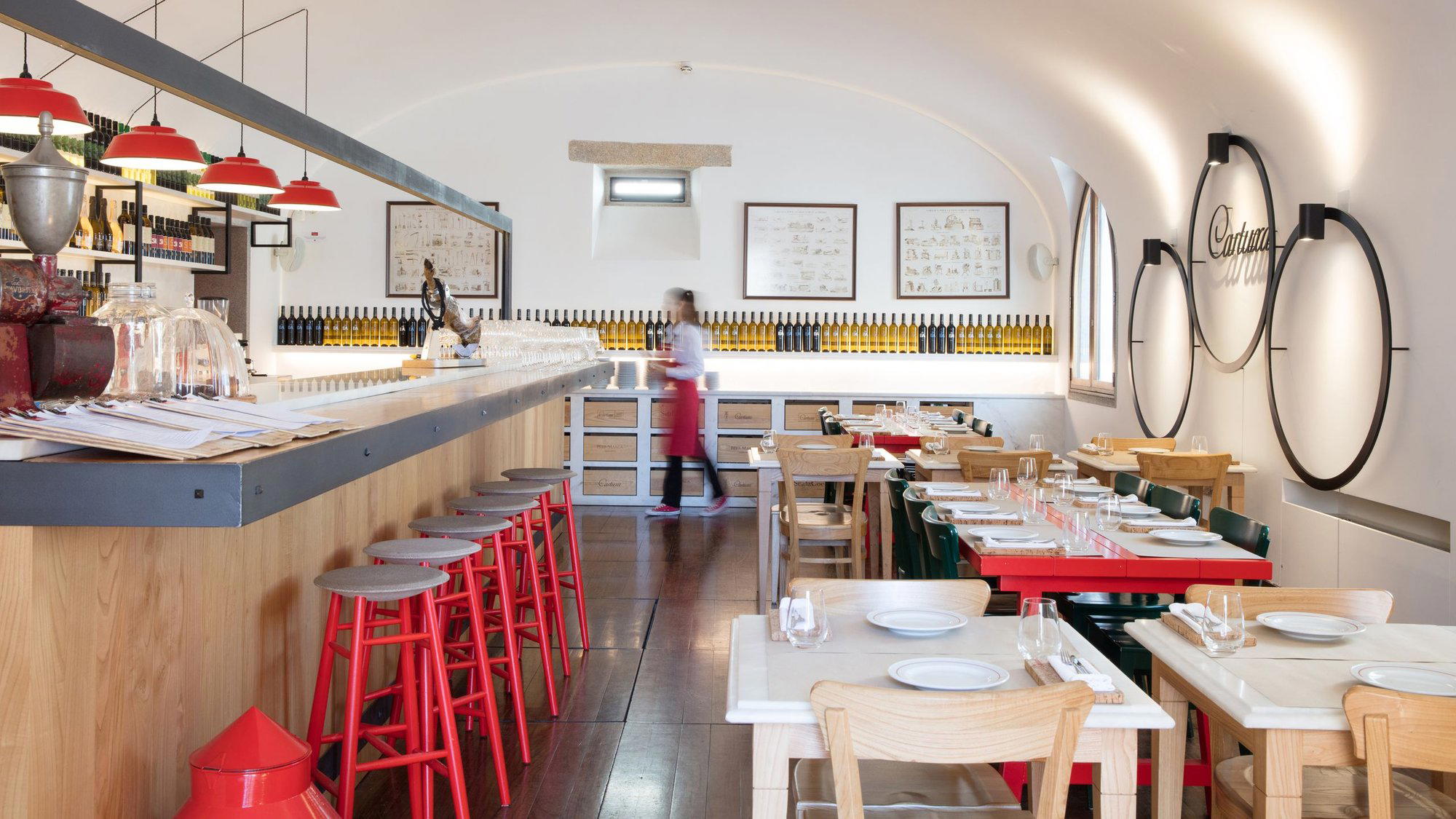
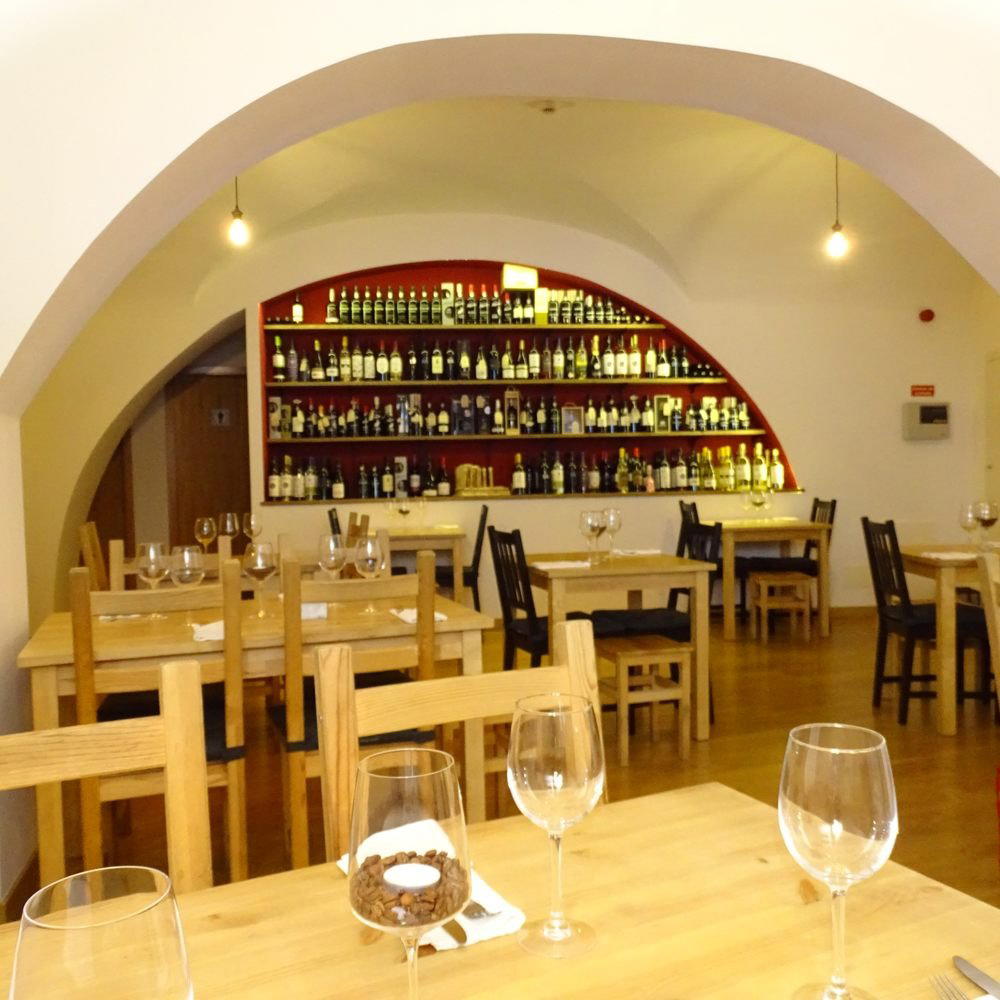
Restaurants in Reguengos de Monsaraz
Browse all →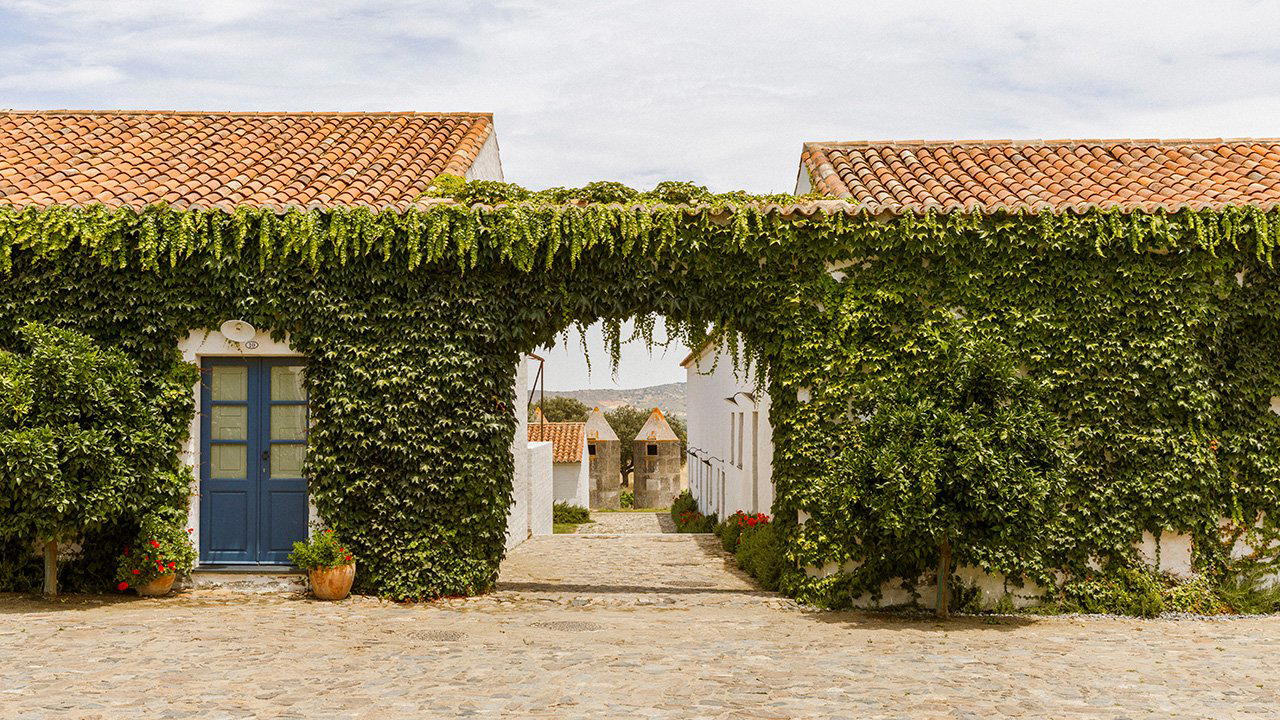
Details
- Rustic
- Scenic
- Elegant
- Classic
- Sophisticated
- Wine Education
- Group Outing
- Solo Exploration
- Special Occasion
- Vineyard Tour
- Estate Grounds
- Historic Building
- Panoramic View
- Organic
- Vineyard
- Aragonez
- Trincadeira
- Touriga Nacional
- Antão Vaz
- Roupeiro
- Alicante Bouschet
- Syrah
- Still Red
- Still White
- Still Rosé
- Amphora
- Wine Bar
- Private Tasting
- English
- Portuguese
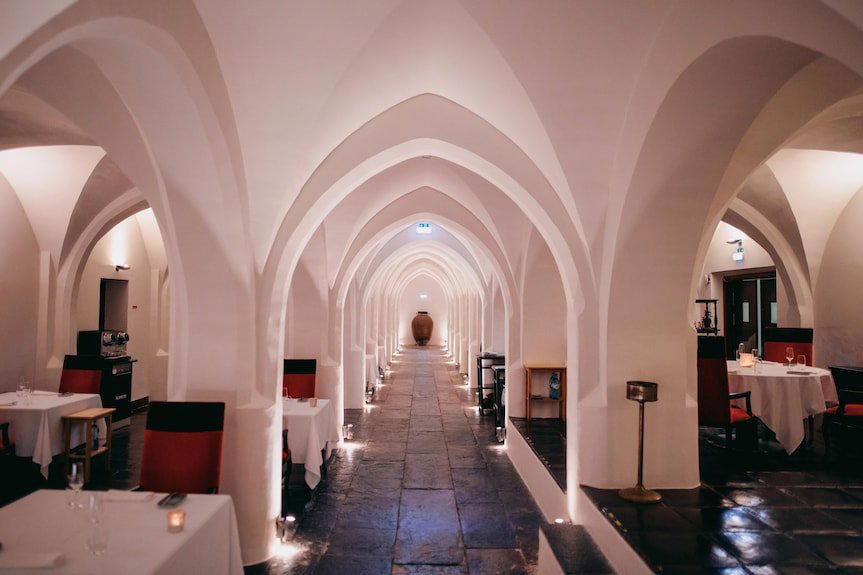
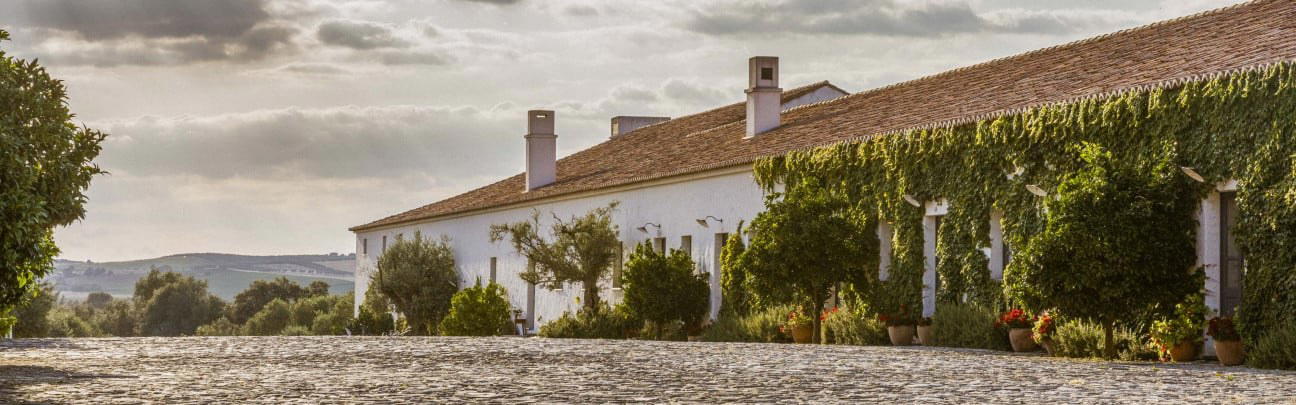
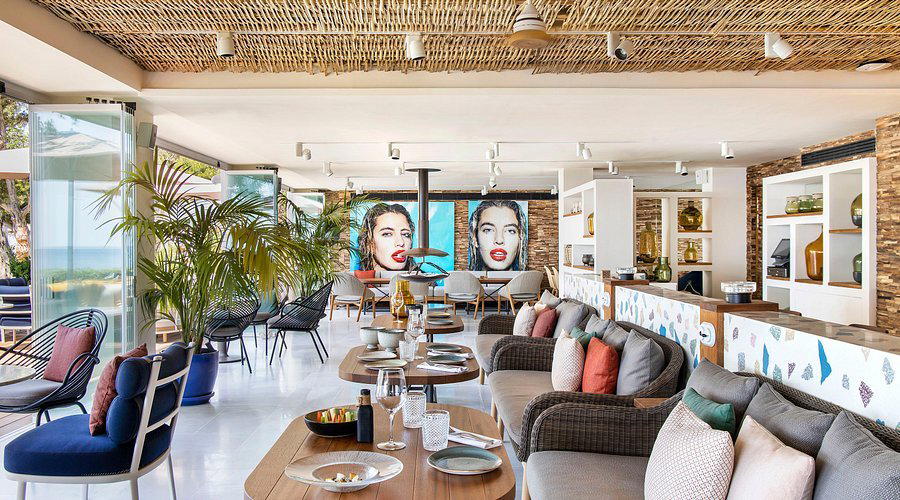
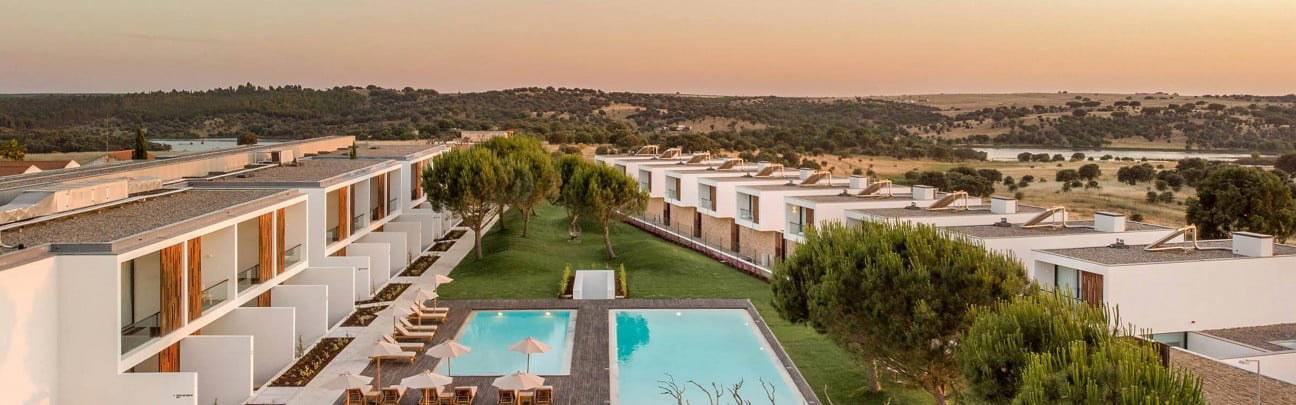
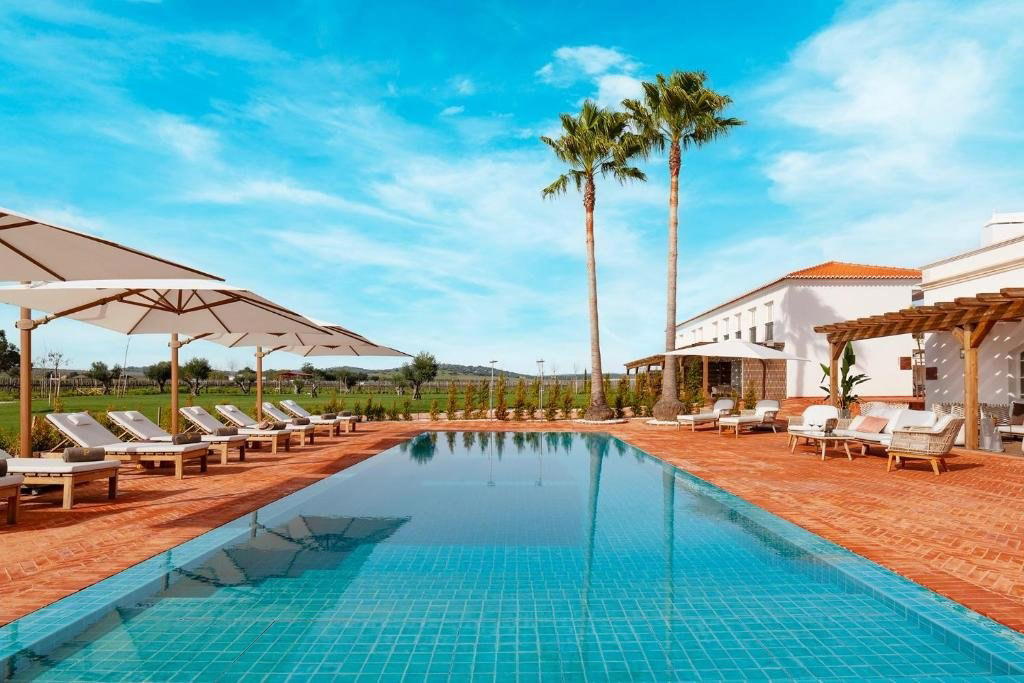
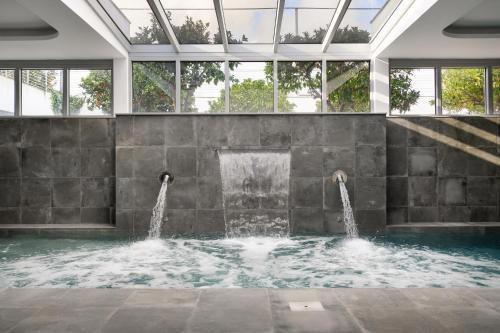
Rustic yet elegant atmosphere blending historic monuments with modern winery facilities amid expansive vineyards and olive groves.