Vega Sicilia

Falstaff Winery - 5 Stars
Vega Sicilia sits at the northern edge of Ribera del Duero's most demanding terrain, where continental extremes and poor calcareous soils push Tempranillo toward the long, slow ripening that defines the estate's signature wines..

Pearl is the En Primeur Club membership app — saves, bookings, and concierge access live there. Same editors, same standards.
- Address
- 47359 Vega Sicilia, Valladolid
- Phone
- +34 983 68 01 47
- Website
- temposvegasicilia.com
- Directions
- Get directions
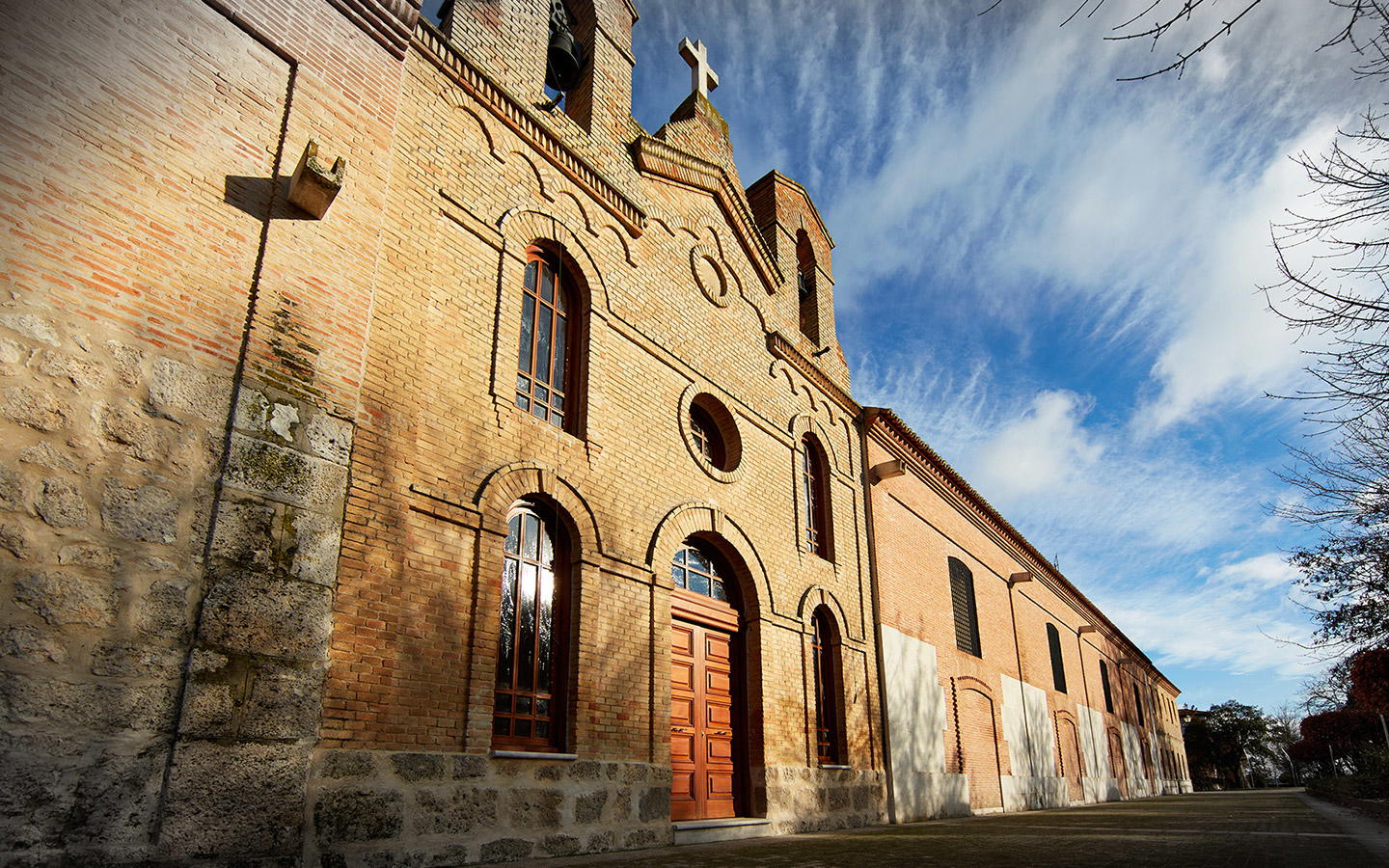
Where the Duero Shapes the Wine
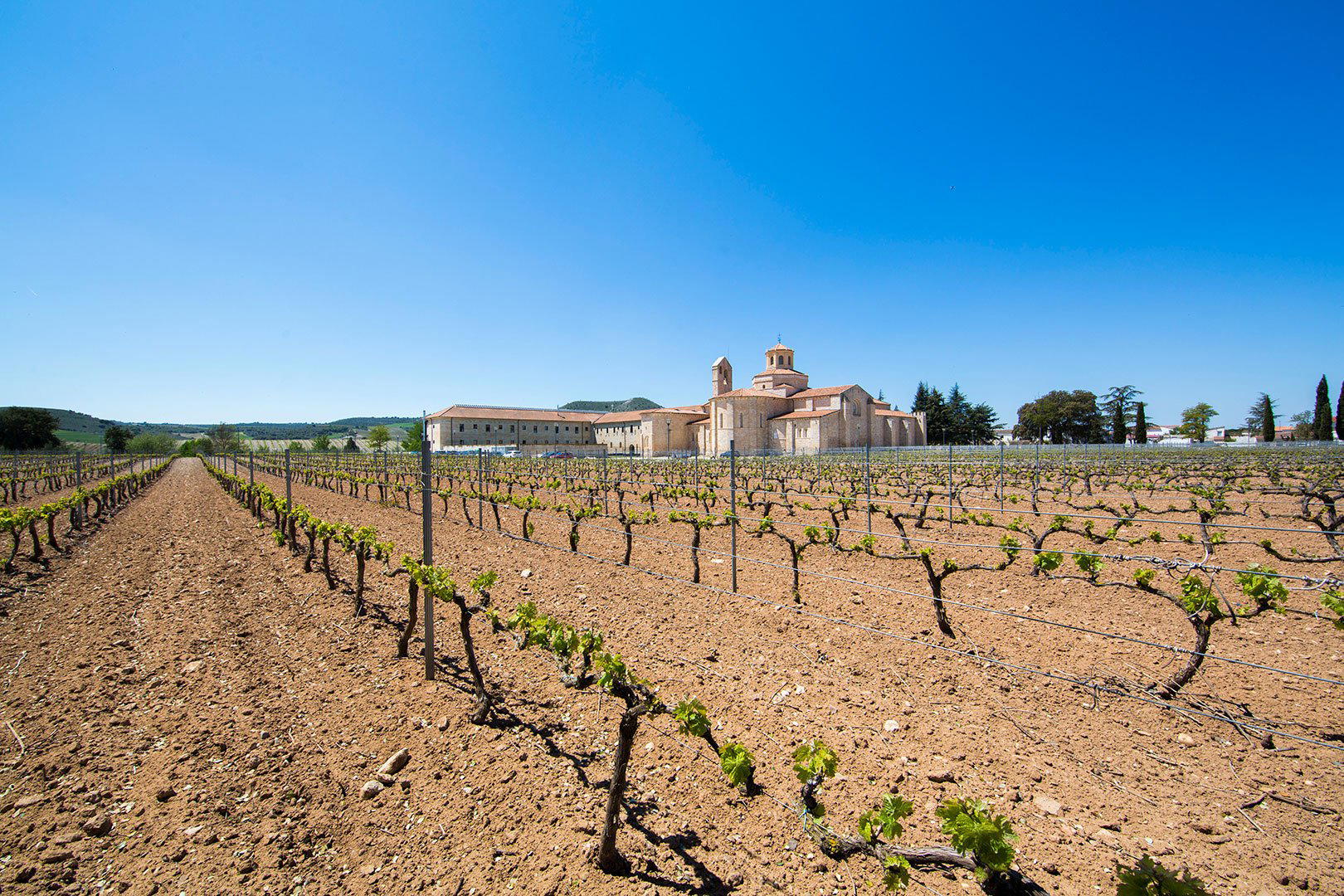
The plateau above Valbuena de Duero sits at roughly 700 to 750 metres, where winters are severe enough to kill unprepared vines and summers deliver a heat that breaks abruptly in late August. That climatic violence is not incidental to Vega Sicilia's wines: it is their structural backbone. Ribera del Duero's Tempranillo, called Tinto Fino locally, develops thick skins under these conditions, accumulating phenolic depth that rewards the kind of extended ageing the estate has practised for well over a century. The land here does not simply provide a backdrop; it dictates terms. See our full Valbuena de Duero restaurants guide for broader context on the appellation's geography.
The calcareous clay soils of the estate's oldest plots restrict vigour, concentrating the vine's energy into fewer, smaller berries. That stress mechanism, well-documented in the agronomic literature of Bordeaux and Burgundy, is equally operative here on the high Castilian meseta. The result, across multiple vintages, is a concentration of flavour that allows Vega Sicilia's flagship Unico to spend years in barrel and bottle before release without losing freshness. Few estates anywhere operate on this timeline voluntarily; most have abandoned extended barrel ageing in favour of earlier commercial returns. Vega Sicilia's retention of the model is itself a data point about the estate's confidence in what the terroir provides.
Ribera del Duero's Upper Tier: Where Vega Sicilia Sits
Ribera del Duero has evolved from a largely anonymous bulk-wine region in the mid-twentieth century into one of Spain's two or three most prestigious appellations. Within that appellation, a small cohort of estates operates at a price and prestige level that places them in conversation with classified Bordeaux rather than with regional peers.
For comparison within the Duero corridor, Emilio Moro in Pesquera de Duero and Arzuaga Navarro in Quintanilla de Onésimo represent serious, well-regarded producers working the same appellation, but at a different price and allocation level. Abadía Retuerta in Sardón de Duero, just upstream, operates a luxury hotel alongside its winery and draws a different visitor profile. Vega Sicilia does not court the casual visitor; access to the estate has historically been controlled, and the wines circulate through a network of long-established private clients and specialist merchants rather than through general distribution. That scarcity is structural, not theatrical. Demand has consistently exceeded supply for Unico over several decades.
Elsewhere in Spain, the estates closest in prestige architecture are Clos Mogador in Gratallops, which operates in Priorat with a similarly terroir-focused identity, and the Ribera cult producer Pingus, whose single-vineyard Psi and Pingus bottlings draw comparable secondary-market attention. Beyond the peninsula, estates like Accendo Cellars in St. Helena operate in the same allocation-based, prestige-tier model, where the wine reaches buyers through relationship rather than retail shelf.
The Terroir Case: Soil, Altitude, and the Continental Clock
What separates Ribera del Duero from Rioja as a terroir for Tempranillo is largely thermal: the Duero plateau's altitude imposes a diurnal temperature swing that Rioja's more sheltered, lower-altitude vineyards do not experience at the same intensity. Hot days build sugar and phenolic ripeness; cold nights preserve acidity and aromatic complexity. That combination produces wines with both structure and freshness, which is precisely what extended ageing requires. Without sufficient acidity, a wine aged for a decade in barrel would be flat and oxidised. With it, the oak integration proceeds more gracefully and the wine emerges with something still to say.
Vega Sicilia's estate plots also include old vines, some of which carry Bordeaux varieties alongside Tinto Fino, a legacy of nineteenth-century plantings that introduced Cabernet Sauvignon, Merlot, and Malbec to the estate. That diversity remains part of the Unico blend, giving it a structural complexity that straight Tinto Fino wines from younger plantings rarely achieve. It is one reason why comparisons to Bordeaux, while imperfect, are not entirely misplaced: the blending logic, the barrel ageing philosophy, and the allocation model all carry echoes of the Médoc's classified system, filtered through a century of Castilian practice.
For context on how different Spanish appellations express their terroir through distinct grape and blending strategies, the contrast with CVNE in Haro or Marqués de Cáceres in Cenicero, both working within Rioja's softer topographic envelope, is instructive. Bodegas Protos in Peñafiel, closer geographically within Ribera, represents the appellation's more accessible commercial register. Lustau in Jerez de la Frontera and Codorníu in Sant Sadurní d'Anoia demonstrate how differently the peninsula's other wine cultures have developed under their own climatic and soil regimes.
What the Estate Produces and Why It Matters
The estate's portfolio has historically centred on two wines: Unico, which receives the longest ageing and is released only in vintages deemed sufficient (some years see no Unico release at all), and Valbuena 5, a younger, more approachable expression from the same vineyards, released at five years. This tiered model, where the same raw material is channelled into different ageing trajectories, reflects a serious terroir philosophy: the land consistently produces fruit capable of long development, but not every vintage warrants the full Unico programme. The discipline to withhold a release when the standard is not met is rare in commercial winemaking anywhere.
There is also Alión, produced from a separate estate within Ribera del Duero and released under different conditions, and Pintia, from the Toro appellation further west, where Tinta de Toro provides a different expression of the same Tempranillo variety. Together these form a portfolio that maps the Castilian meseta's range rather than concentrating on a single commercial formula.
For visitors interested in how other Spanish producers have approached prestige-tier positioning through architectural or experiential investment, Bodegas Ysios in Laguardia, Bodegas Vivanco in Valle de Mena, and Marqués de Griñón in Malpica de Tajo each represent a different answer to the same question of how a Spanish estate communicates its position to the international market.
Planning a Visit: What to Know Before You Travel
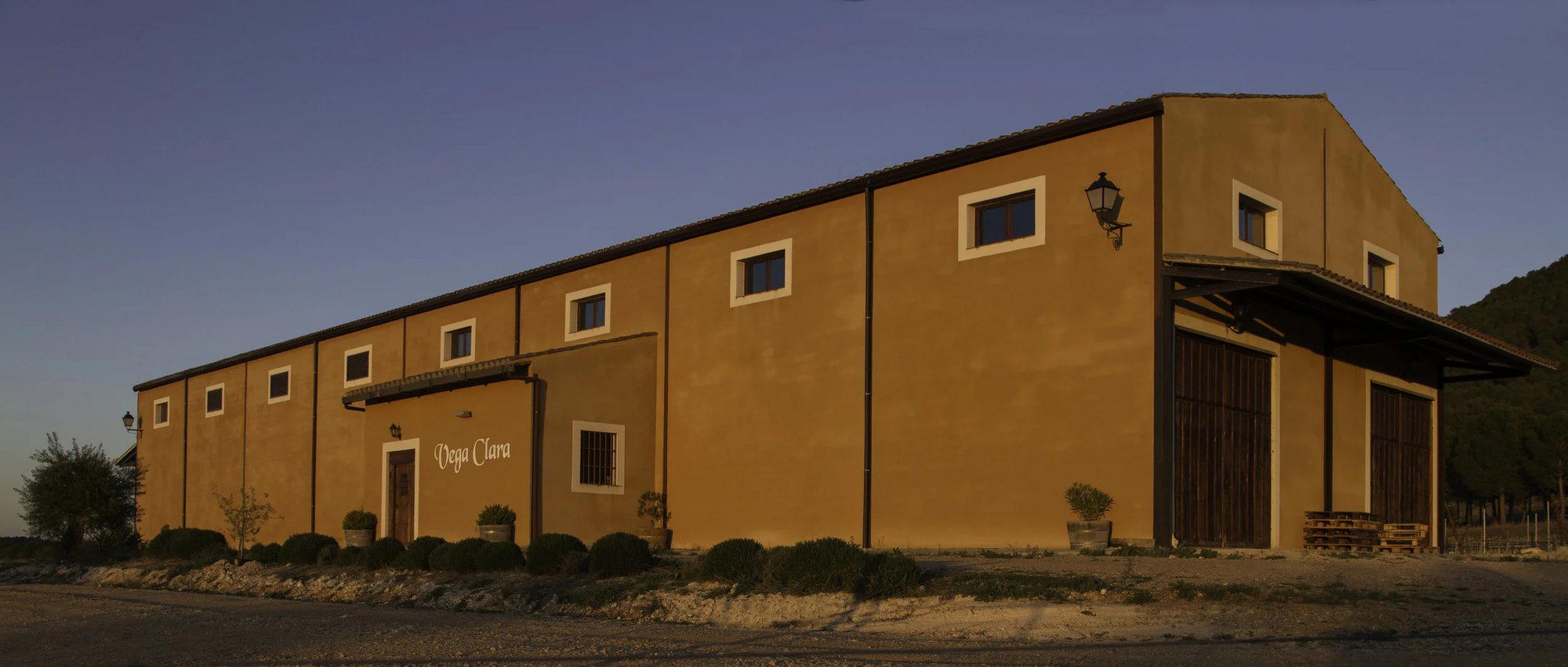
Vega Sicilia is located at 47359 Vega Sicilia, Valladolid, in the municipality of Valbuena de Duero, roughly an hour's drive from Valladolid city and accessible from Madrid in under two hours by road. The estate has not historically operated as an open visitor destination in the way that, say, larger Rioja houses or the Cava producers of Sant Sadurní do. Access has been restricted to arranged visits for trade, press, and established clients. Travellers intending to visit should plan well in advance and approach through official channels; there is no walk-in tasting room model here.
The surrounding Ribera del Duero corridor, running from Peñafiel in the east toward Sardón de Duero in the west, offers several alternatives for those building a multi-estate visit. The town of Peñafiel, with its dramatic hilltop castle and wine museum housed within it, provides useful regional context. Autumn harvest visits, typically September into October, offer the most atmospheric window into the working winery season across the appellation. Summer visits are climatically demanding given the plateau's heat, while spring can be late and cold at this altitude. Accommodation options in the immediate area are limited; Valladolid city provides the most practical base for multi-day itineraries.
A Quick Peer Check
Comparable venues nearby, for context on price, style, and recognition.
| Venue | Cuisine | Price | Awards | Notes |
|---|---|---|---|---|
| Vega SiciliaThis venue — the venue you are viewing | Tempranillo, Cabernet Sauvignon | Not listed | Falstaff Winery - 5 Stars | Not listed |
| Pingus | Tempranillo, Garnacha | Not listed | Falstaff Winery - 5 Stars | Quintanilla de Onésimo |
| Tinto Pesquera (Alejandro Fernández) | Tempranillo | Not listed | Falstaff Winery - 3 Stars | Pesquera de Duero |
| Destilería Ánima | Winery | Not listed | Not listed | Córdoba |
| Fernet Capri Distillery | Winery | Not listed | Not listed | Córdoba |
| Campo Viejo | Tempranillo, Garnacha | $30–50 | Falstaff Winery - 1 Stars | Logroño |
Recognition history
Dated appearances from independent guides and award organizations, with the underlying list record or original source where available.
Falstaff Winery - 5 Stars
Falstaff
Continue exploring
More in Valbuena de Duero
Wineries in Valbuena de Duero
Browse all →
Bars in Valbuena de Duero
Browse all →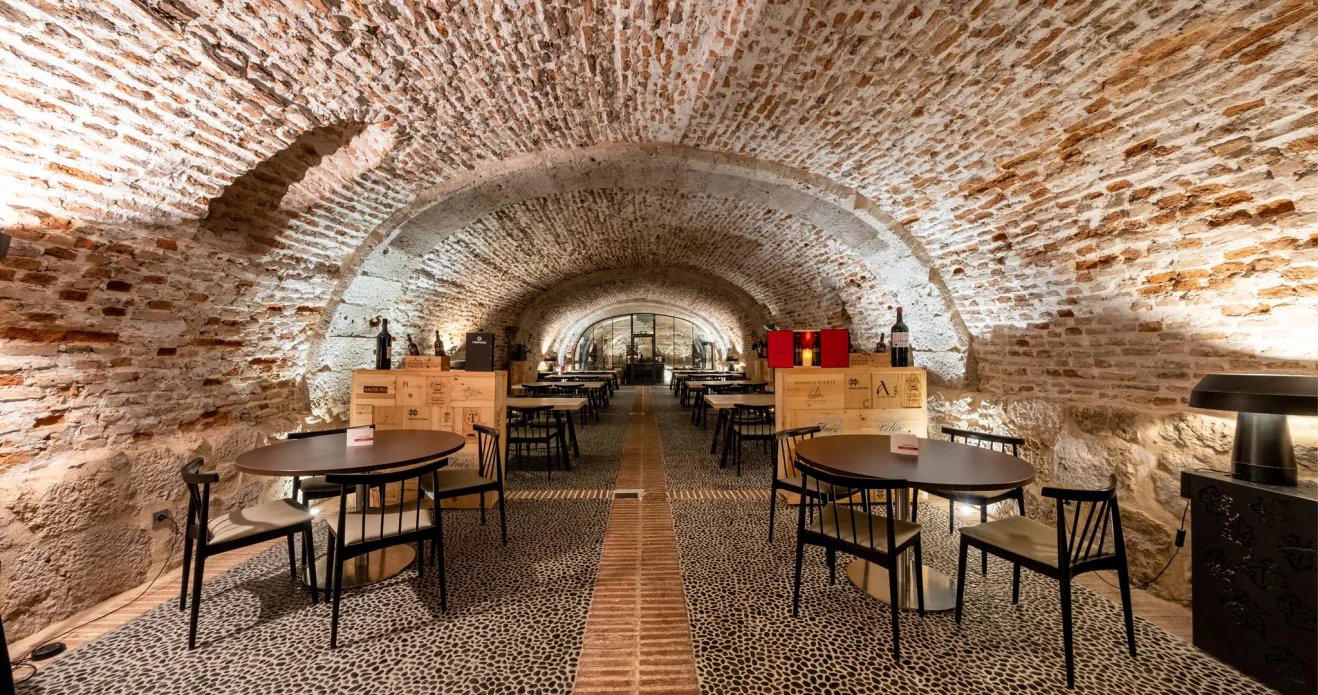
Restaurants in Valbuena de Duero
Browse all →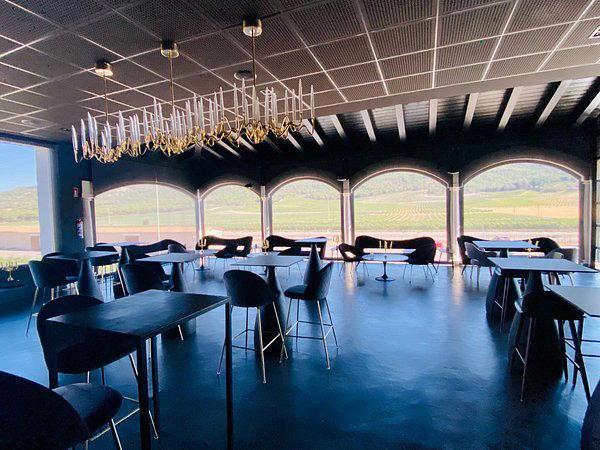
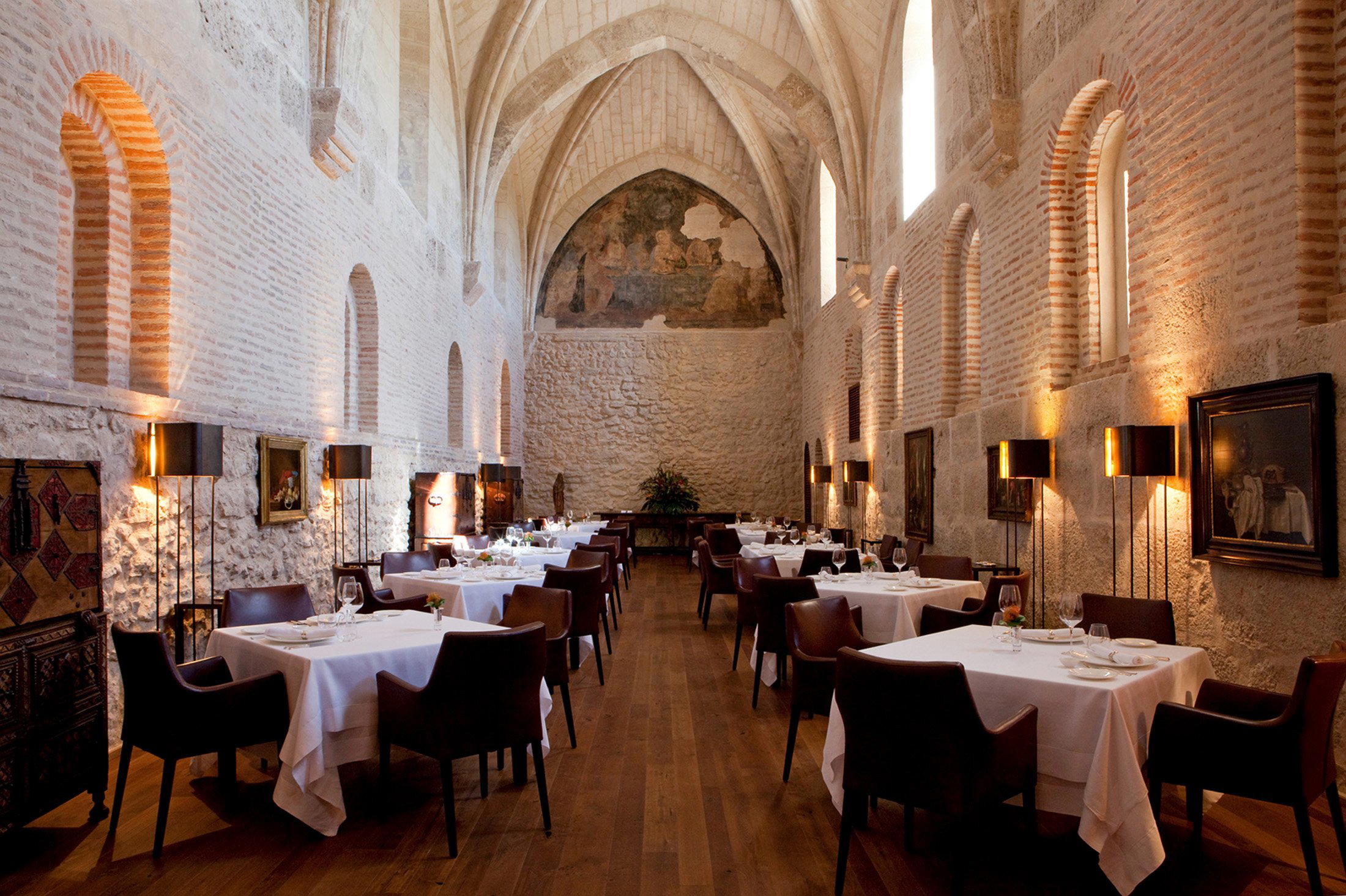
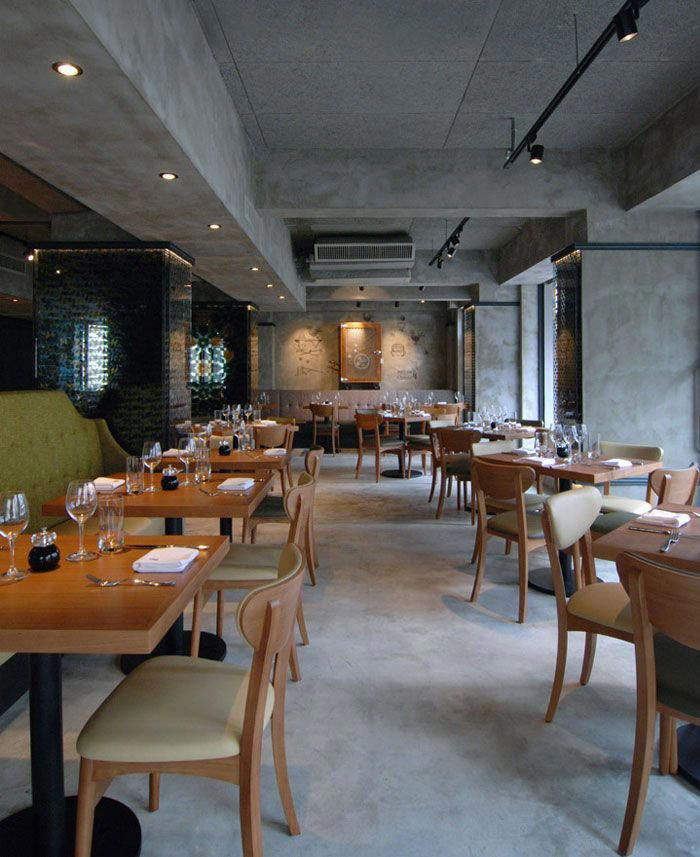
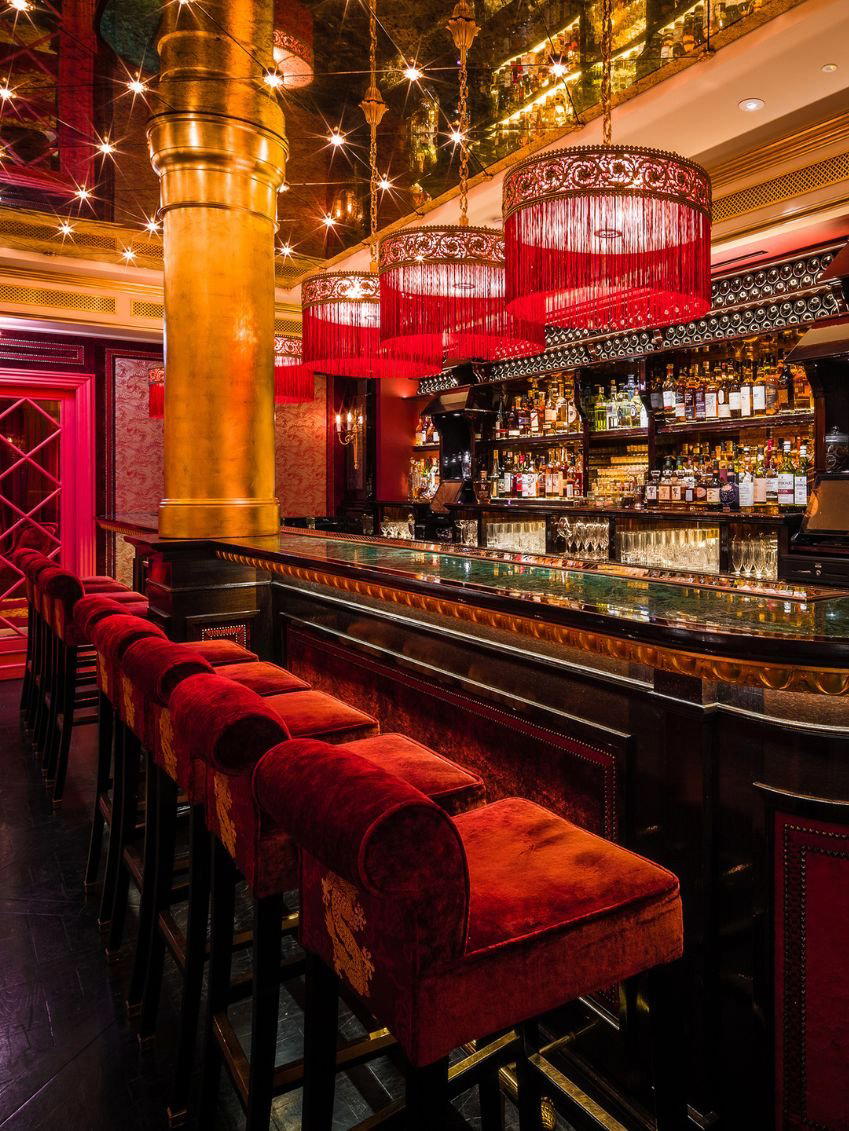
Details
- Well Known
- Elegant
- Classic
- Rustic
- Wine Education
- Special Occasion
- Vineyard Tour
- Barrel Room
- Historic Building
- Vineyard
- Tempranillo
- Cabernet Sauvignon
- Merlot
- Malbec
- Still Red
- Private Tasting
- Winemaker: official source · checked
Sophisticated and historic atmosphere in an well-known estate with meticulous aging cellars.