Biondi-Santi Tenuta Greppo

Falstaff Winery - 5 Stars
The estate that defined Brunello di Montalcino. For anyone tracking the origins of Italy's most age-worthy red wines, this address is the primary source.

Pearl is the En Primeur Club membership app, where members save venues, book tables and use the concierge.
The Ground Where Brunello Began
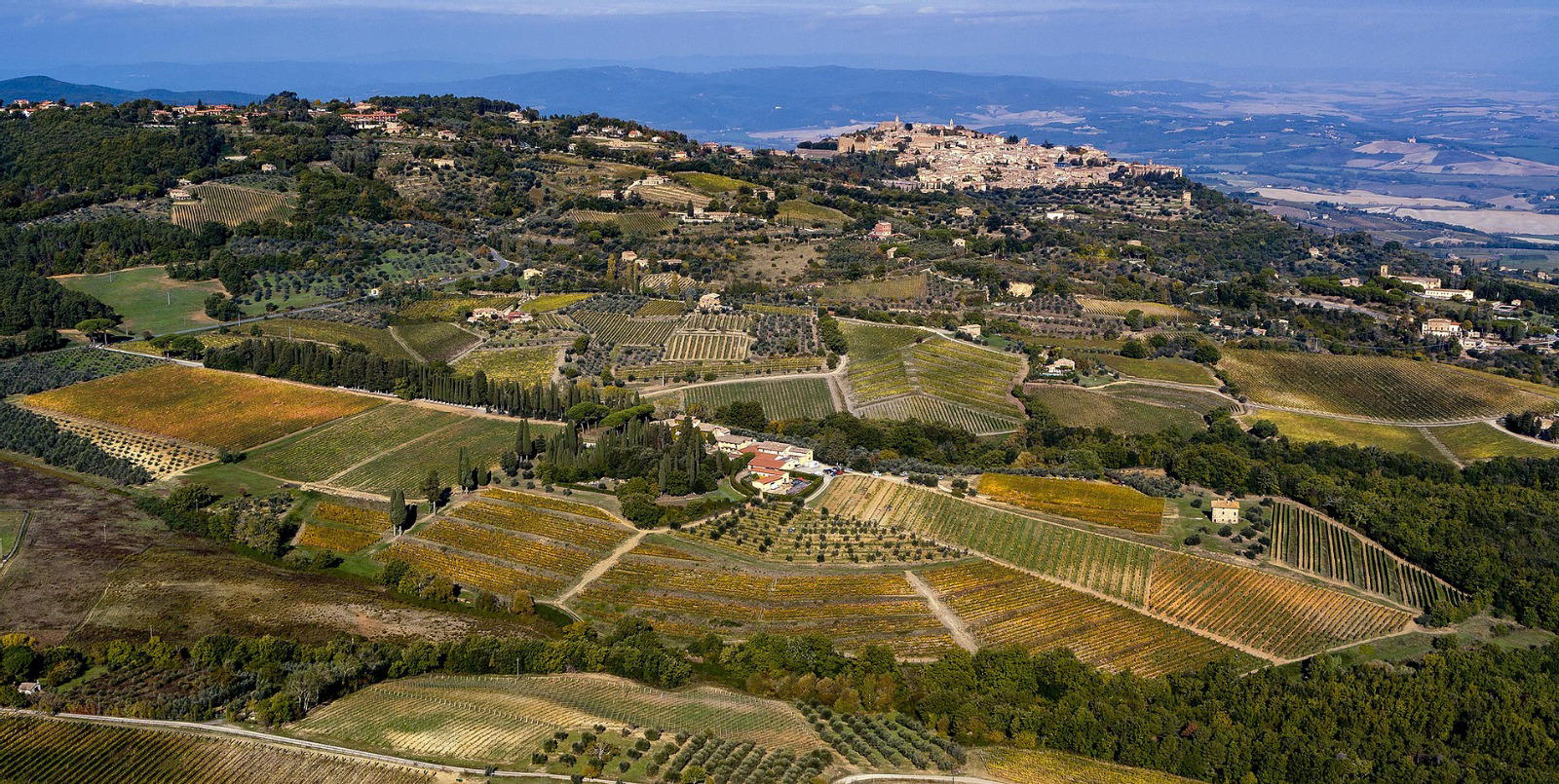
The hills south of Siena have been producing wine for centuries, but the story of Brunello di Montalcino as a recognised, age-worthy category traces back to a single estate on a single slope: Tenuta Greppo, the Biondi-Santi property at Villa Greppo, 183, outside Montalcino. Other producers have since built the appellation into one of Italy's most scrutinised wine zones, with names like Altesino, Il Poggione, Argiano, and Casanova di Neri all pulling critical attention. But Greppo sits apart from that peer group, not by virtue of recent scores or modern investment, but because the first commercially documented Brunello vintage dates to 1888, when the estate was already defining what Sangiovese Grosso could become in this corner of Tuscany.
That chronological distance from the rest of the appellation is not nostalgia. It changes the tasting experience. Visiting Tenuta Greppo means engaging with a property where the oldest Riserva bottles in the cellar are measured in decades, not years, and where the benchmark for comparison is the estate's own archive rather than a competitor's current release.
The Tasting Room and What a Visit Demands
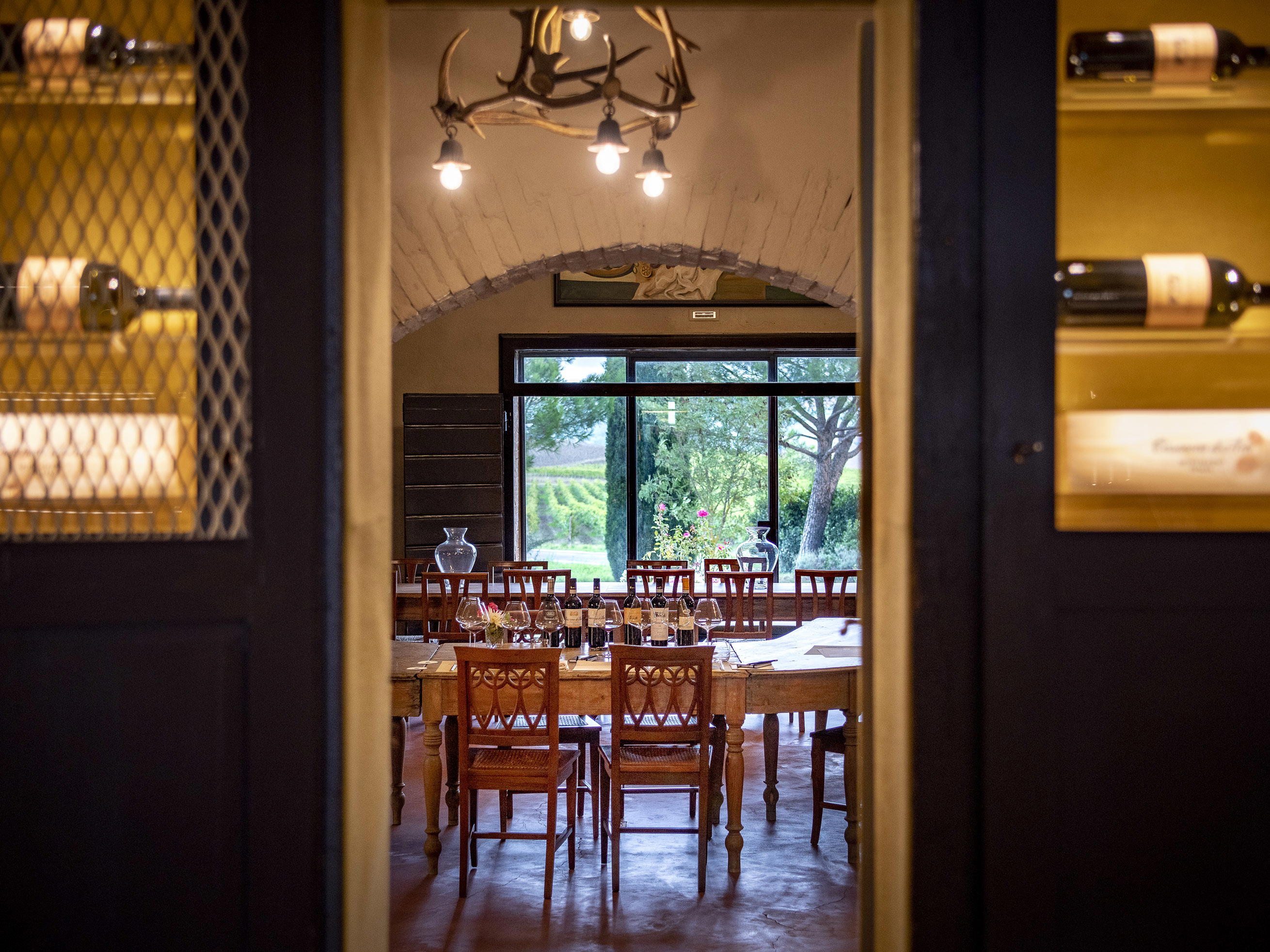
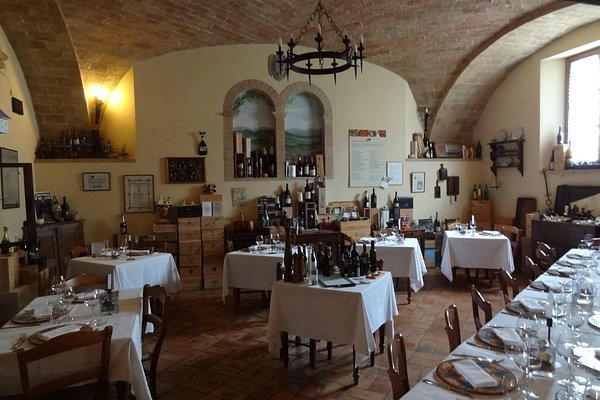
Italy's premium wine estates have split broadly between two formats in recent years: the hospitality-first model, where visitor infrastructure is designed to move guests through quickly and pleasantly, and the appointment-led model, where the cellar experience is structured around the wines themselves rather than around throughput. Tenuta Greppo belongs firmly to the second category. The estate does not operate as a public-facing tasting venue with walk-in hours. Visits are conducted by appointment, and that appointment structure shapes everything that follows.
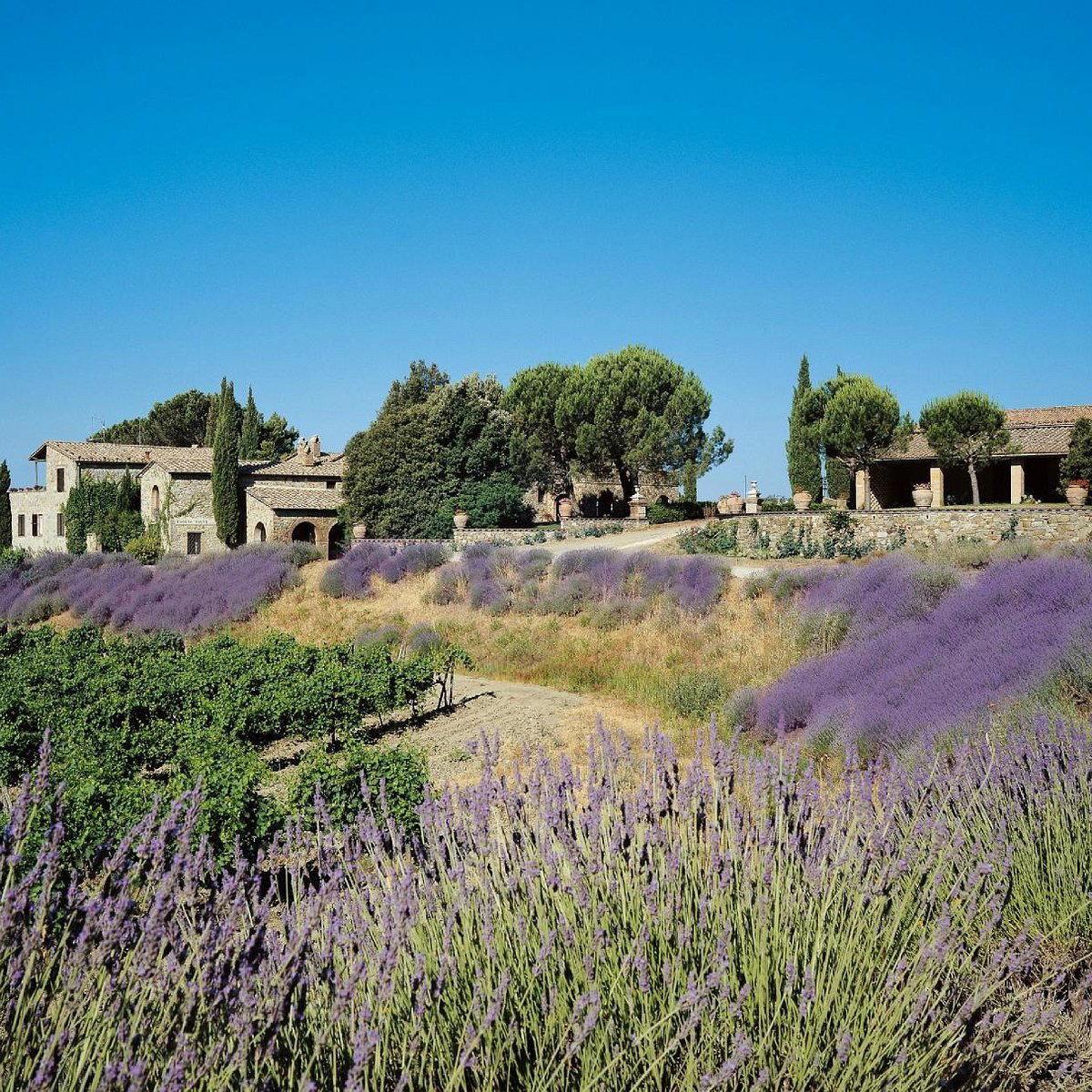
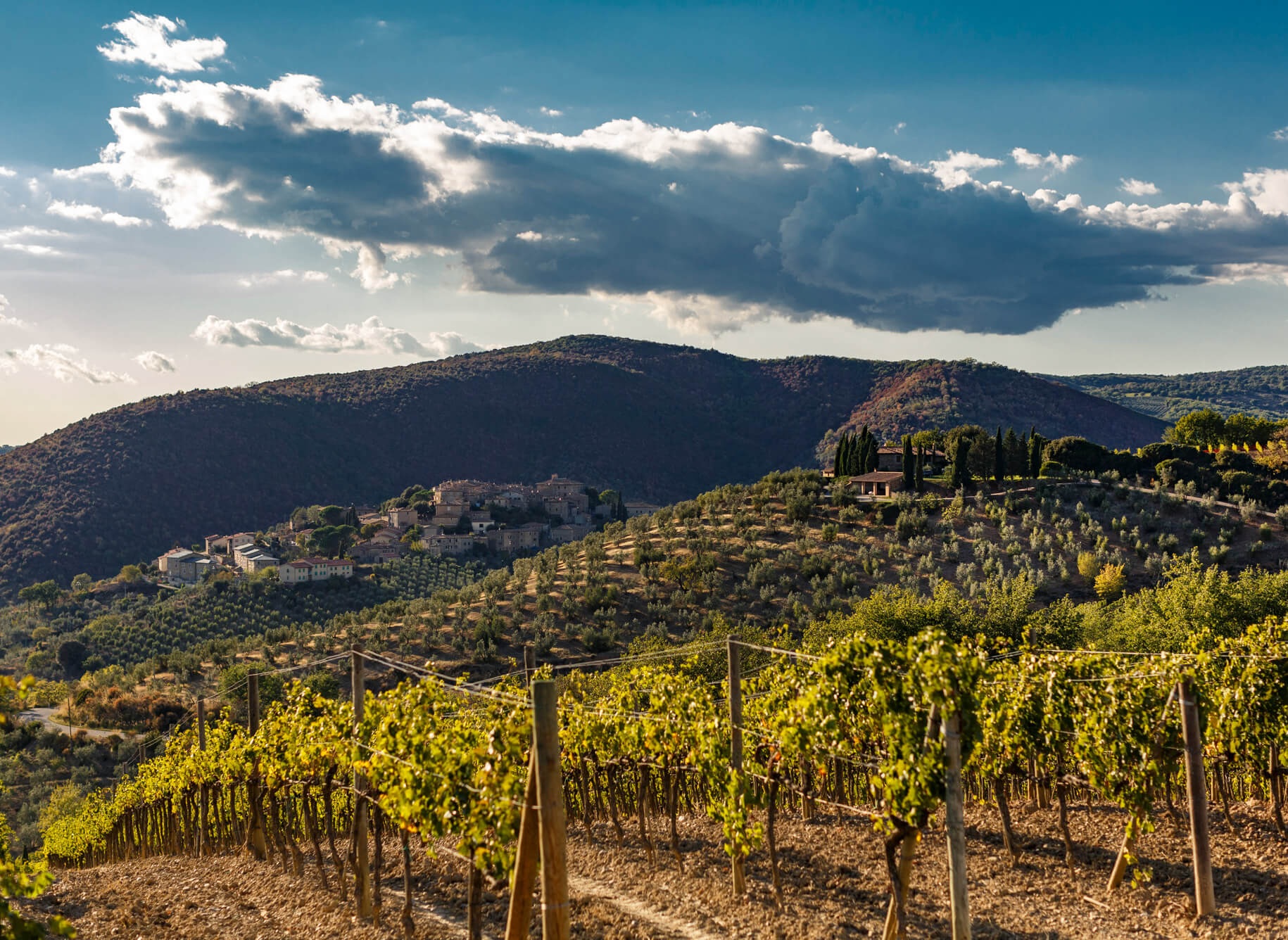
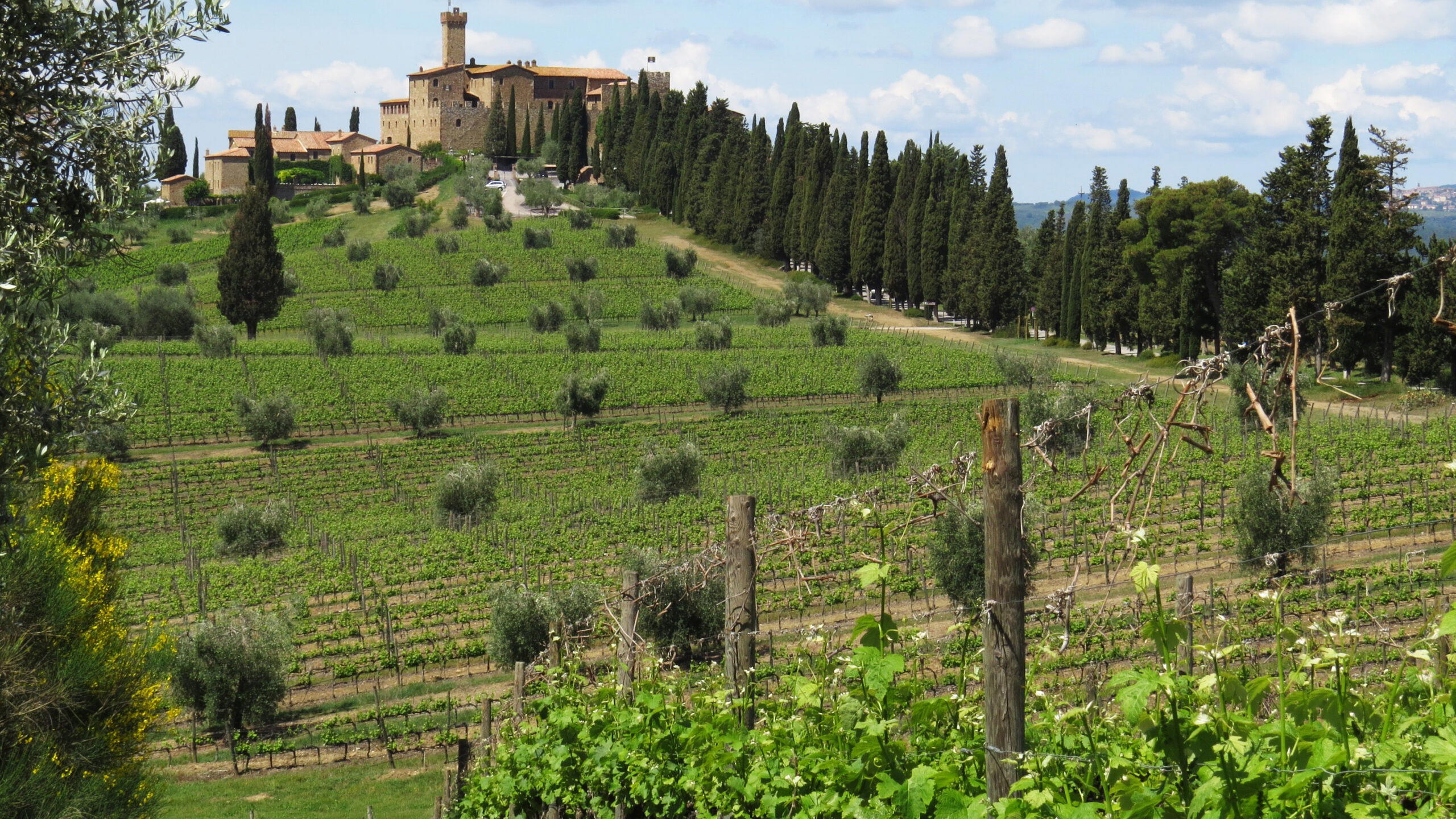
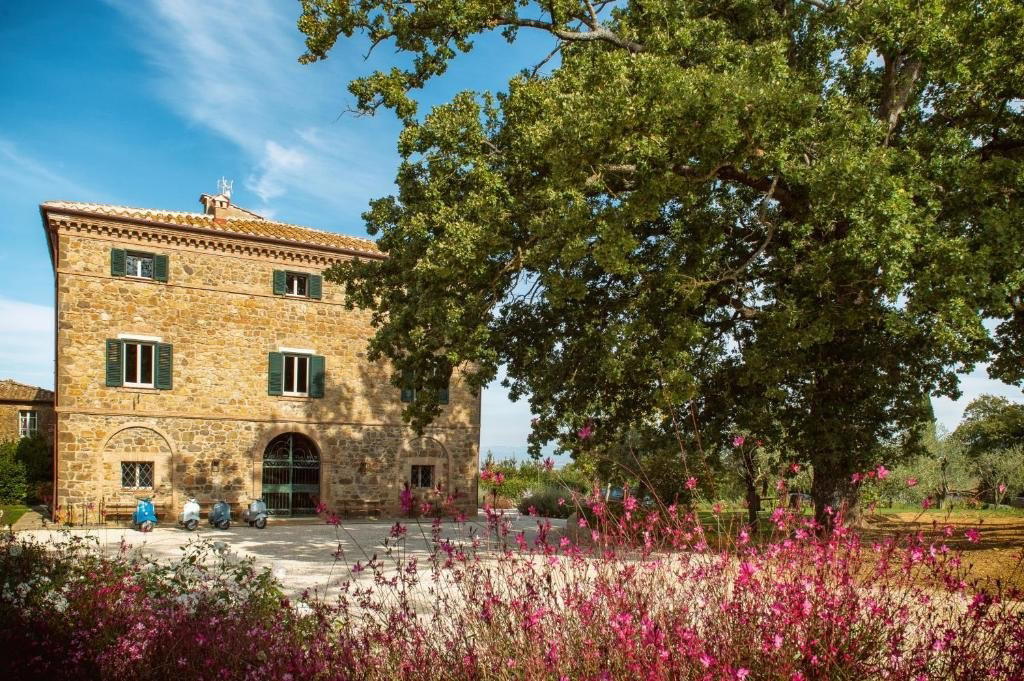
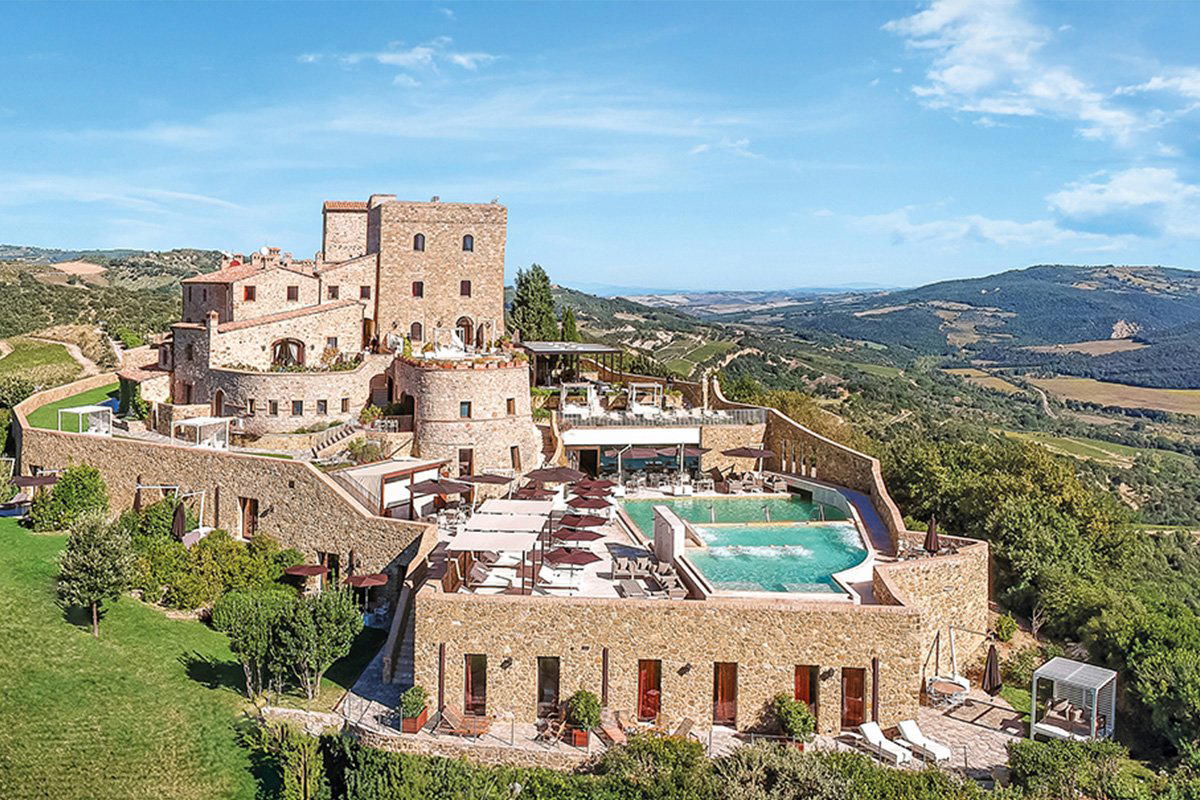
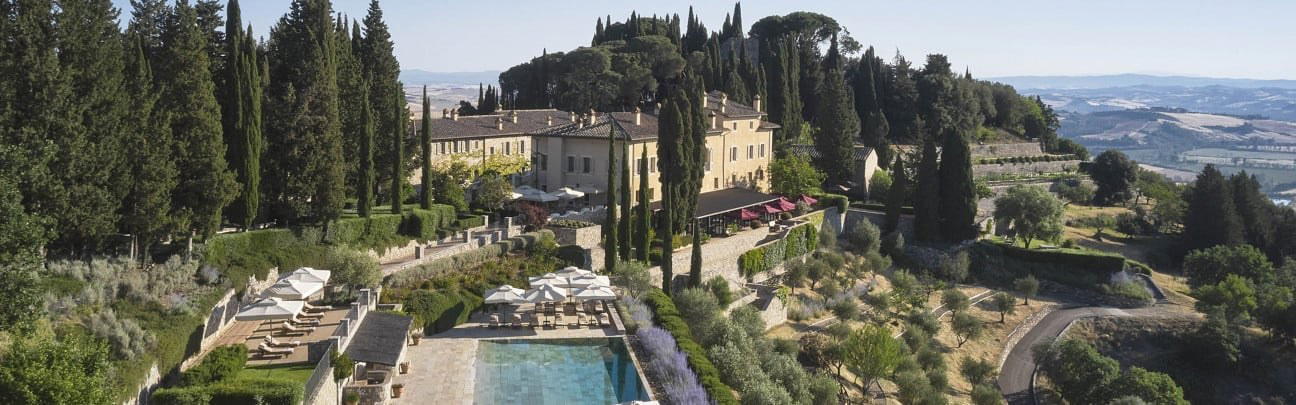
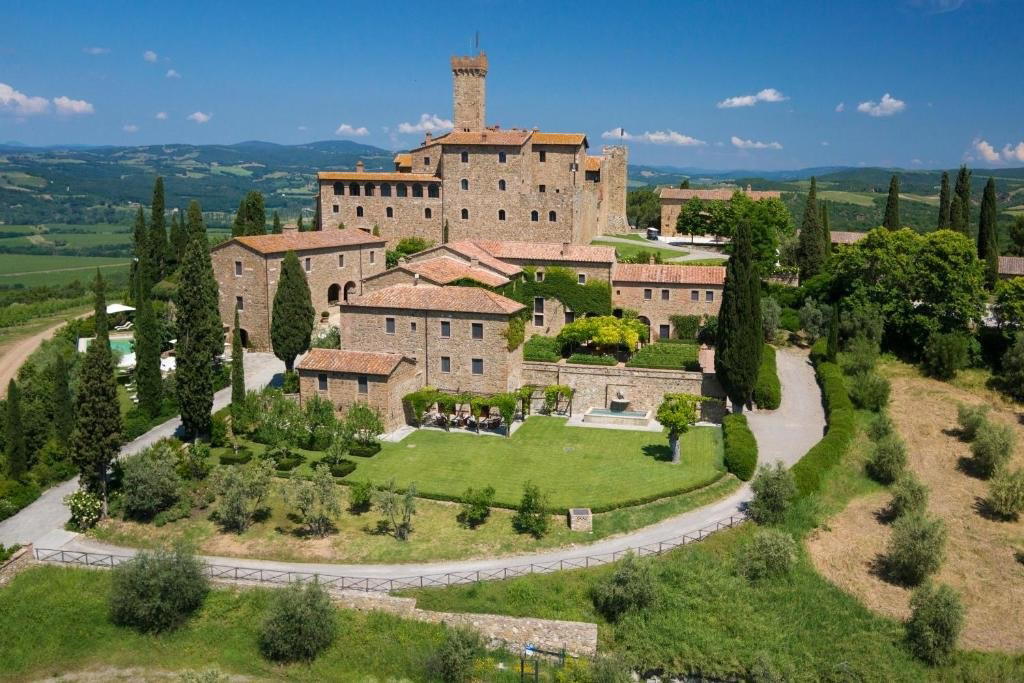
The physical approach to Villa Greppo reinforces the register. The estate sits within the broader Montalcino production zone, on the kind of gently refined terrain that characterises the appellation's most distinguished plots. The architecture of the villa is functional Tuscan farmhouse rather than curated agritourism: stone, age, and the kind of patina that comes from genuine continuous use rather than restoration-for-effect. It signals where the priority lies. This is a working estate first, a visitor destination second.
Under winemaker Federico Radi, who took responsibility for production after the EPI Group acquisition of the estate, the technical program has maintained the long maceration and extended aging protocols associated with the property's historical style. Brunello in this register requires patience from the producer and from the drinker. Tasting from barrel or from early-release bottles at Greppo is a different exercise from tasting a ready-to-drink wine at a contemporary producer. The wines are structured for decades, not for immediate accessibility, and the tasting format reflects that: this is not a setting where quick impressions are the point.
How Tenuta Greppo Sits Inside the Montalcino Pecking Order
The Brunello appellation contains roughly 250 producers, operating across a range of scales, styles, and price tiers. At the upper end, a cluster of estates competes for critical allocation attention and collector interest. L'Enoteca Banfi represents the large-scale international model. Smaller estates with strong critical profiles occupy the middle tier. Tenuta Greppo sits above that normal hierarchy, not because its recent scores necessarily outperform peers on every vintage, but because its position as originator of the Brunello category gives it a reference-point status that is structurally different from any comparative ranking.
This is a pattern visible in other Italian appellations. Aldo Conterno in Monforte d'Alba occupies an analogous position in Barolo: a historic address whose authority derives partly from age and partly from sustained quality. The equivalent in Franciacorta is something like Ca' del Bosco in Erbusco, where the founding generation's role in defining a category creates a reputational floor that remains regardless of vintage-to-vintage competition. Across Italian fine wine more broadly, estates that hold founding status in their appellation tend to price and position against that historical standing rather than against immediate peers, and Tenuta Greppo is the clearest example of that dynamic in Tuscany.
For collectors visiting Montalcino with a focused itinerary, the sequence matters. Tasting at Greppo first establishes the historical baseline; tasting subsequently at estates like Argiano or Il Poggione allows a more grounded reading of how the appellation has evolved. Our full Montalcino guide maps that sequence in detail.
Planning a Visit to Tenuta Greppo
Montalcino is reachable from Siena in roughly an hour by car, and most visitors base themselves in Siena or Florence for wider Tuscan itineraries. The town of Montalcino itself sits above the estate on the southern Sienese hills, and Villa Greppo is found on the road below town. Because Tenuta Greppo operates on an appointment model rather than set public hours, contact in advance is essential. No walk-in access is available, and the estate's limited public infrastructure means that planning well ahead, particularly during the harvest period in autumn or the Benvenuto Brunello event windows in late winter, is the only reliable approach. Those same seasonal peaks are when the estate is most active and when spontaneous visits are least likely to succeed.
For visitors building a broader Italian fine wine trip, the Montalcino leg fits naturally with producers across other Tuscan zones. Castello di Volpaia in Radda in Chianti offers a counterpoint in the Chianti Classico zone, roughly ninety minutes north by road. Further afield, Lungarotti in Torgiano anchors the Umbrian side of the central Italian wine corridor. Those planning itineraries that cross into northern Italian production should also note Ca' del Bosco in Erbusco and Aldo Conterno in Monforte d'Alba as producers whose historical authority within their respective appellations is closest in kind to Biondi-Santi's position in Brunello.
Where It Fits
Comparable venues nearby, for context on price, style, and recognition.
| Venue | Cuisine | Price | Awards | Notes |
|---|---|---|---|---|
| Biondi-Santi Tenuta GreppoThis venue (the venue you are viewing) | Sangiovese | Not listed | Falstaff Winery - 5 Stars | Not listed |
| Valdicava Az Agr | Sangiovese | Not listed | Falstaff Winery - Listed | Montalcino |
| Poggio di Sotto | Sangiovese | Not listed | Falstaff Winery - 5 Stars | Castelnuovo dell’Abate |
| Altesino | Sangiovese, Trebbiano Toscano | $50–100 | Falstaff Winery - 4 Stars | Montalcino |
| Cerbaiona | Sangiovese Grosso, Sangiovese | Not listed | Falstaff Winery - Listed | Cerbaia contrada |
| Il Poggione | Sangiovese | $50–100 | Falstaff Winery - 4 Stars | Sant'Angelo in Colle |
Recognition history
Dated appearances from independent guides and award organizations, with the underlying list record or original source where available.
Falstaff Winery - 5 Stars
Falstaff
Continue exploring
More in Montalcino
Wineries in Montalcino
All wineries in Montalcino →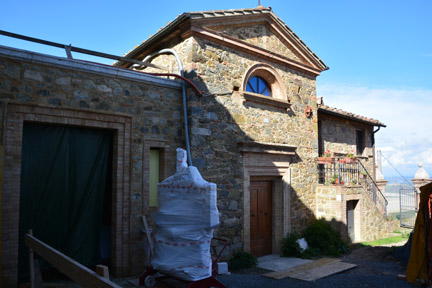
Bars in Montalcino
All bars in Montalcino →

Restaurants in Montalcino
All restaurants in Montalcino →
Details
- Classic
- Well Known
- Elegant
- Rustic
- Wine Education
- Special Occasion
- Solo Exploration
- Vineyard Tour
- Historic Building
- Panoramic View
- Vineyard
- Mountain
- Sangiovese
- Still Red
- Estate Tasting
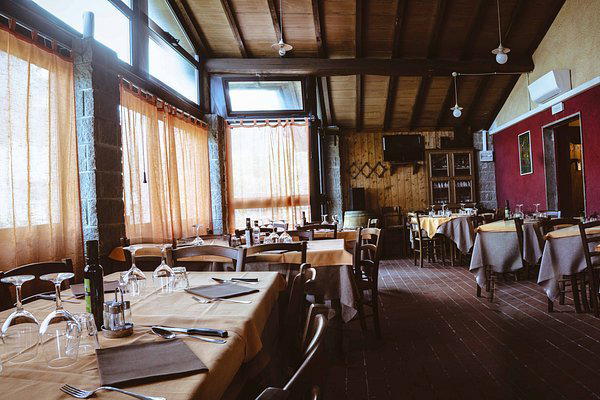
Timeless and elegant historic estate with rustic charm, surrounded by ancient vineyards at high altitude.