Gaja


World's 50 Best #36 · Falstaff Winery - 5 Stars
Gaja sits at Via Torino, 5 in the village of Barbaresco, Piedmont, and ranks among the most recognised Nebbiolo producers in Italy. Winemaker Angelo Gaja shaped the estate's modern identity through a combination of single-vineyard discipline and international ambition.

Pearl is the En Primeur Club membership app, where members save venues, book tables and use the concierge.
Barbaresco's Benchmark and What It Tells You About Piedmont
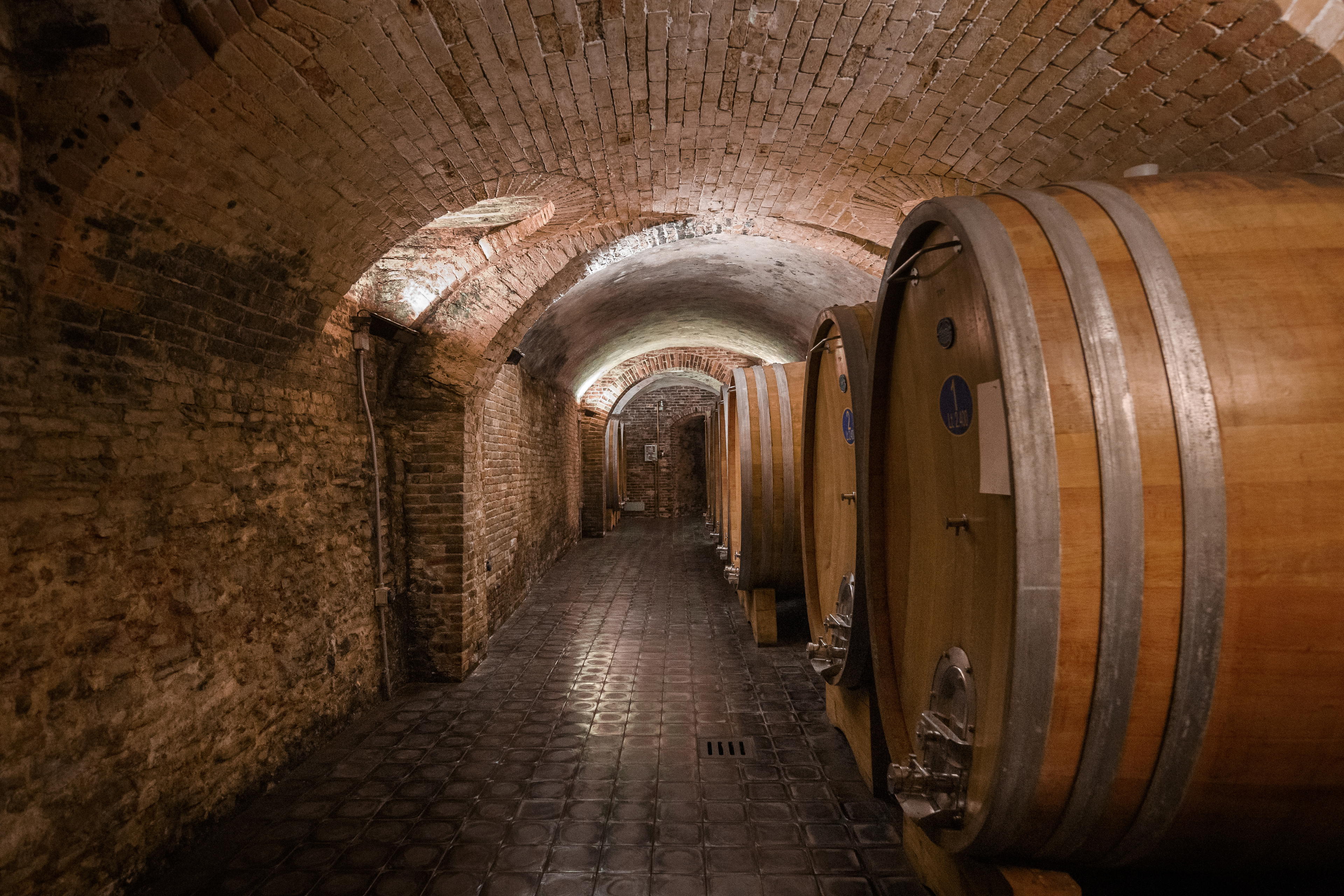
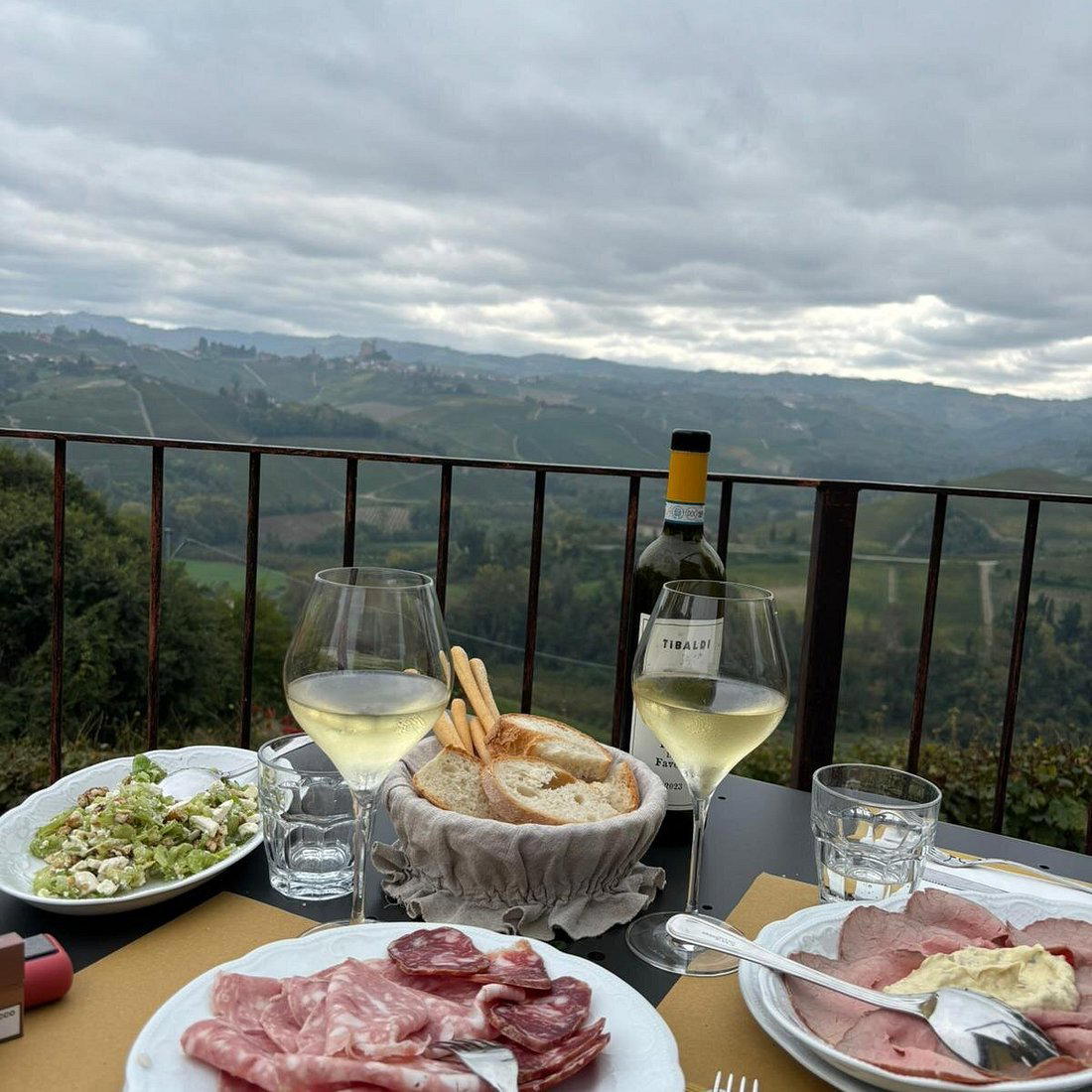
The village of Barbaresco is small enough that its central road, Via Torino, doubles as both address and landmark. Arriving here, you are not in a wine tourism corridor engineered for visitors, you are in a working agricultural commune in the Langhe hills where the rhythms of the growing season still govern everything else. It is in this context that Gaja, at Via Torino, 5, operates: not as a showpiece built for consumption, but as a production estate whose reputation was built outward from this specific patch of Piedmont. That distinction matters when you are calibrating your expectations for the visit.
Piedmont's premium wine identity rests on Nebbiolo, a grape that demands patience from both grower and drinker. The wines it produces in Barbaresco, legally required to age a minimum of two years, at least nine months in oak, are structurally demanding in youth, capable of significant complexity over decades, and deeply tied to the particular soils of the Langhe. Gaja sits at the upper end of this tradition, with an approach to single-vineyard expression that helped define how international wine audiences came to understand Barbaresco as a category distinct from its neighbour, Barolo.
Angelo Gaja and the Winemaker's Role in Shaping a Region
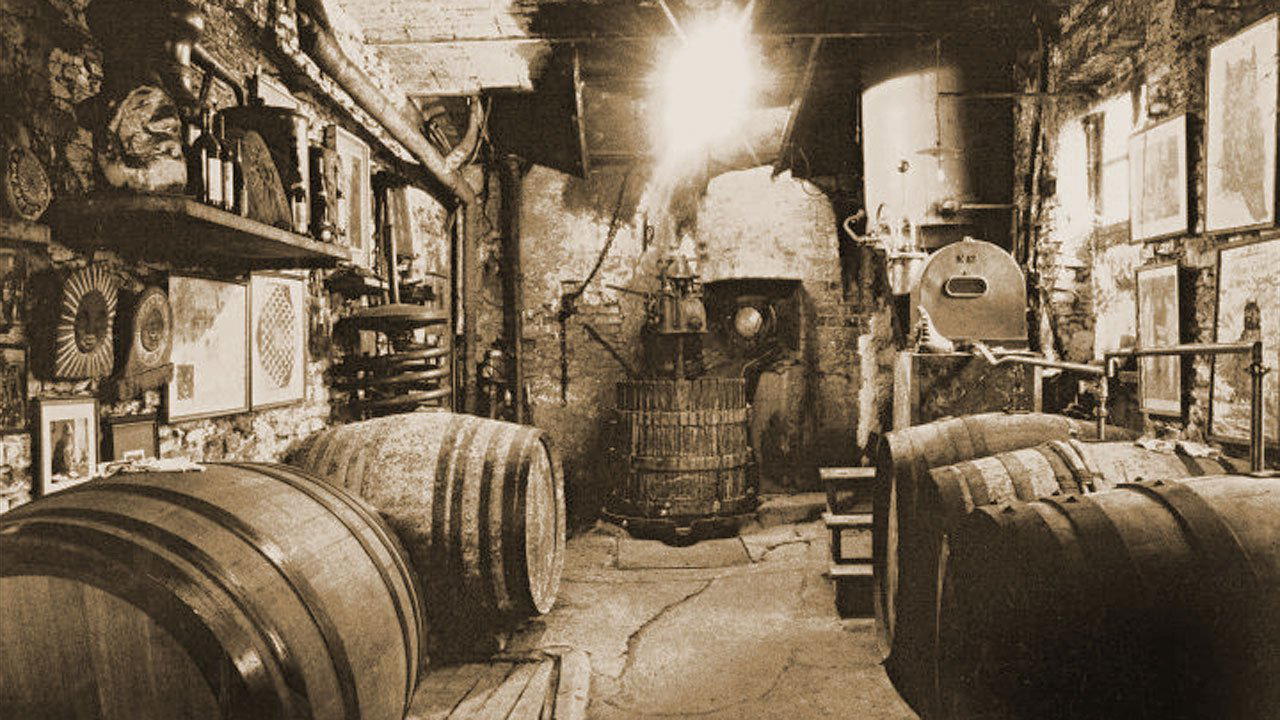
In Piedmont's wine hierarchy, few individual winemakers are as closely identified with their appellation as Angelo Gaja is with Barbaresco. His influence on the region is not merely biographical, it is structural. During the 1970s and 1980s, when Burgundy's single-vineyard model was the reference point for premium wine production globally, Gaja applied similar logic to Piedmont: isolate specific sites, bottle them separately, and price them against international peers rather than local convention. The individual vineyard designations that followed, Sorì San Lorenzo, Sorì Tildìn, Costa Russi, became the framework through which collectors and critics learned to read Barbaresco as a geography of distinct terroirs rather than a single denominazione.
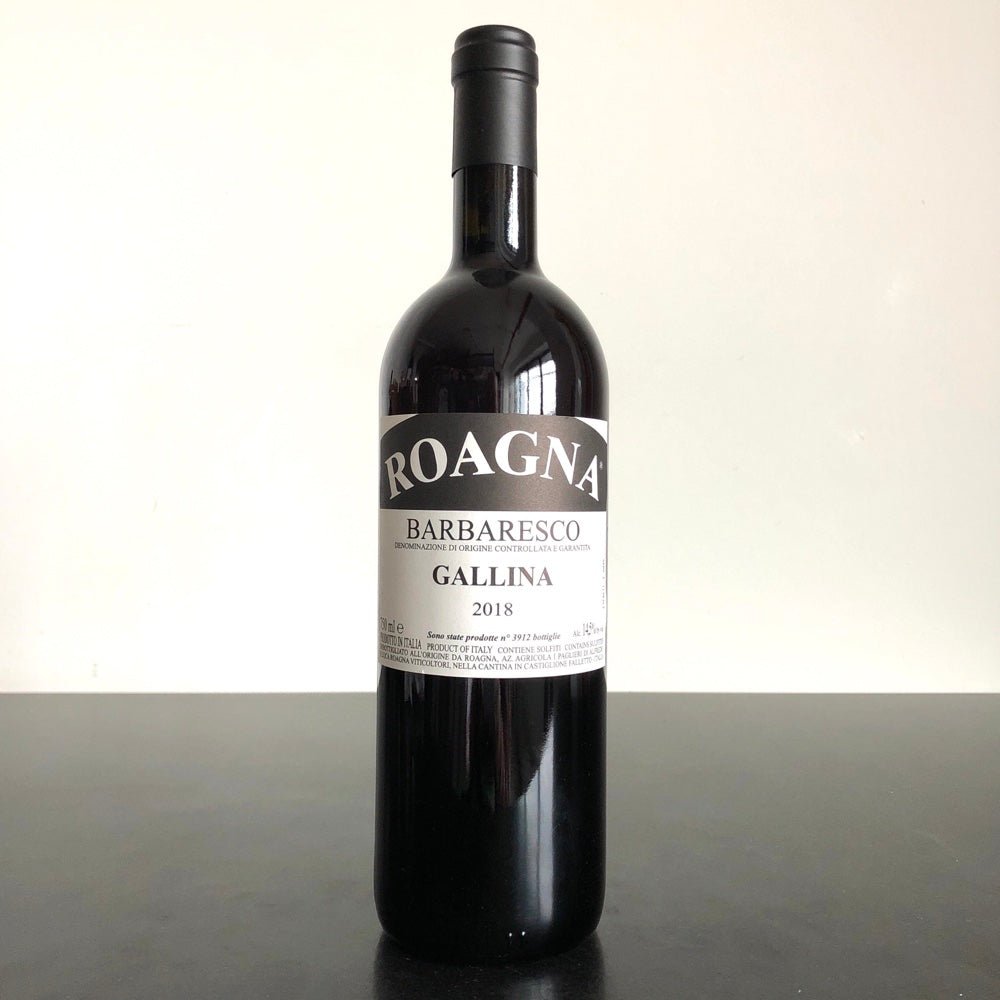
This approach positioned Gaja outside the cooperative tradition that defines much of Barbaresco's production. Produttori del Barbaresco, the commune's historic cooperative, represents a different philosophy: collective stewardship of appellation identity, with individual cru wines that speak to the same vineyards from a different organisational model. Roagna, further toward the artisan end of the spectrum, represents yet another strand: extended maceration, older wood, and wines that prioritise structural longevity over early accessibility. Gaja sits between these poles, technically rigorous, internationally oriented, and priced at the top of the appellation's market.
The decision in the late 1990s to declassify the three principal single-vineyard wines from Barbaresco DOCG to Langhe DOC, in order to incorporate a percentage of Barbera, attracted significant attention in the Italian wine press. It was a commercial and philosophical statement: that the estate's standards of quality were not confined to appellation rules, and that blending across varieties, if it improved the wine, was worth the classification cost. That decision reflects an autonomy of conviction that has characterised Angelo Gaja's approach across his career.
The Estate in Its Regional Context
For comparison, the World's Leading Vineyards ranking draws on wine professional and enthusiast panels globally, and placement in the top 50 in 2020 placed Gaja alongside estates from Burgundy, Napa, and Rioja rather than within a purely Italian competitive set. That is the peer group against which the estate now operates.
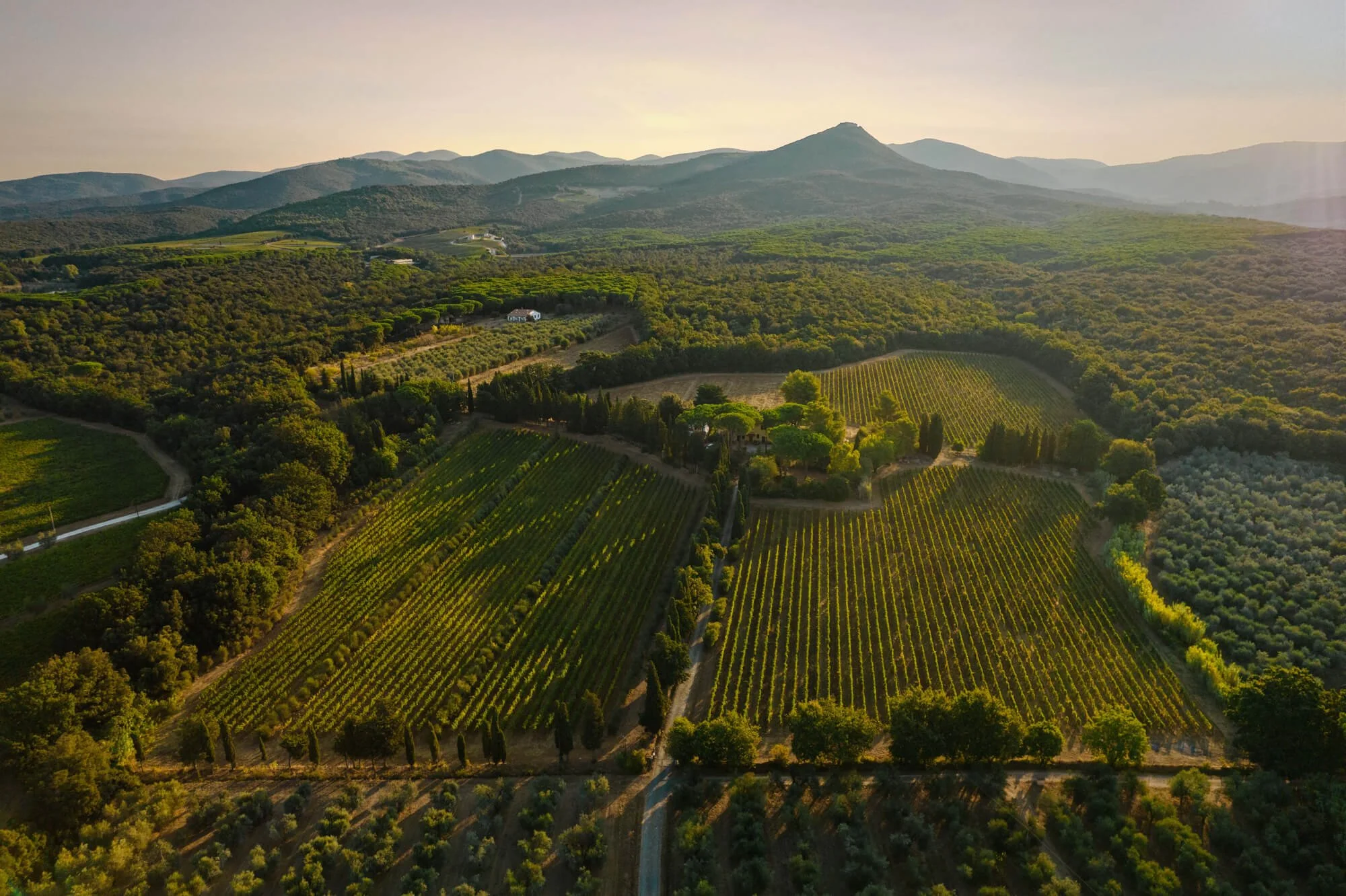
Within Piedmont specifically, the estate's geographic reach has expanded beyond Barbaresco. Gaja has operated in Barolo since the 1988 vintage through the acquisition of vineyards in Serralunga d'Alba, and expanded into Tuscany with properties in Bolgheri and Montalcino. This multi-appellation model places it alongside producers such as Aldo Conterno in Monforte d'Alba, who remained focused on Barolo, and contrasts with the Barbaresco-only discipline of Produttori. The strategic choice to diversify across appellations reflects a view of Italian fine wine as a portfolio category rather than a single-place identity, a position that has divided critics but proved commercially durable.
Elsewhere in Italy's premium wine geography, comparable ambition-at-scale can be found at Ca' del Bosco in Erbusco in Franciacorta, or at Lungarotti in Torgiano in Umbria, estates where a single family or winemaker reshaped regional identity over multiple decades. The pattern is consistent: long-horizon thinking, early investment in quality signals, and eventual positioning against international rather than purely regional benchmarks.
Visiting Barbaresco: Practical Orientation
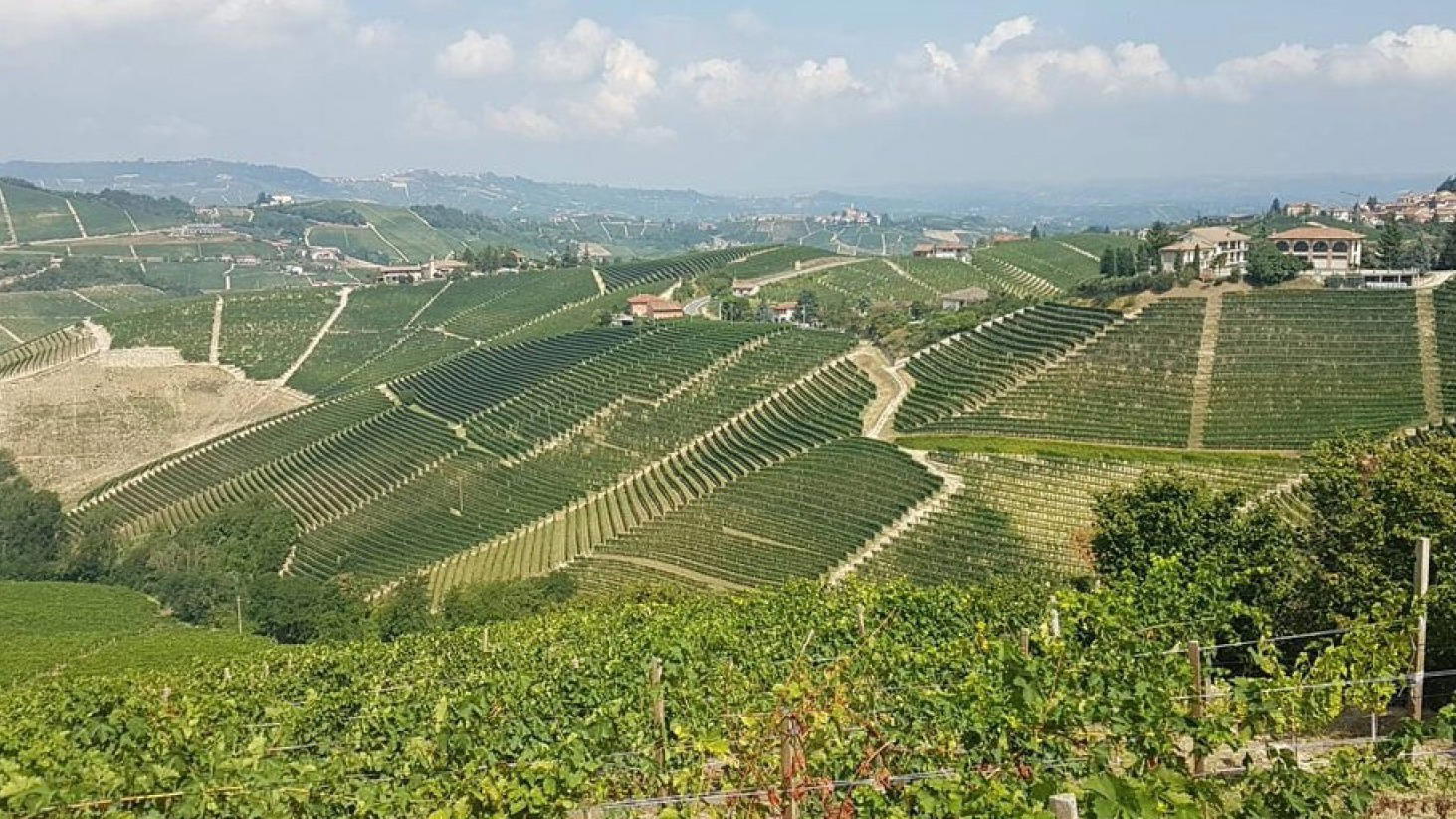
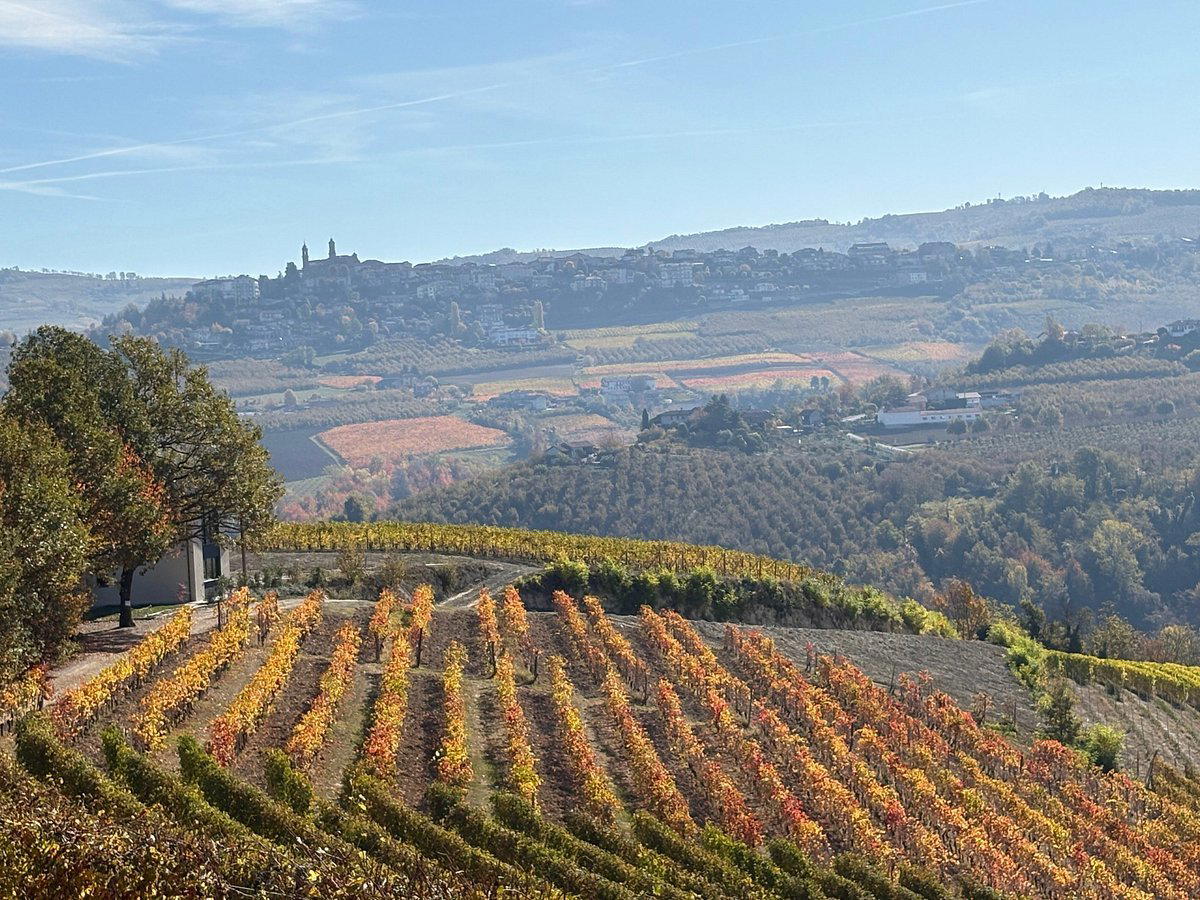
Barbaresco is accessible from Alba, roughly six kilometres to the southwest, which serves as the practical base for visitors to the Langhe. The village itself is compact, a church tower, a handful of producers, and the terraced vineyards of the Rabajà, Asili, and Ovello crus spreading across the hillsides. Visiting Gaja requires advance planning: the estate is not a drop-in cellar door, and appointments should be arranged well ahead of your travel dates.
For those building a broader Barbaresco itinerary, the village rewards close attention to its producers beyond the headline names. Roagna and Produttori del Barbaresco offer contrasting perspectives on the same terroir and are worth scheduling alongside a Gaja visit to triangulate your understanding of how the appellation expresses differently under different hands. The nearby village of Neive, home to Distilleria Romano Levi, adds another dimension to a Langhe day if grappa is part of your interest. The broader Piedmont circuit can extend to Engine Gin in the immediate area for those interested in the region's artisan spirits alongside its wine.
Further afield, visitors exploring northern Italy's full premium drinks geography might consider extending to Nonino Distillery in Pavia di Udine for grappa, or Distilleria Marzadro in Nogaredo in Trentino. Those building a broader Italian wine tour might add Castello di Volpaia in Radda in Chianti or L'Enoteca Banfi in Montalcino to round out a Tuscany leg. For those whose itinerary passes through Milan, Campari represents a different category of Italian drinks heritage entirely. Our full Barbaresco guide covers the village's wider producer network and dining context in detail.
Price and Positioning
Comparable venues nearby, for context on price, style, and recognition.
| Venue | Cuisine | Price | Awards | Notes |
|---|---|---|---|---|
| GajaThis venue (the venue you are viewing) | Barbaresco, Nebbiolo, Barbera | $150–200 | World's 50 Best #36 · Falstaff Winery - 5 Stars | Not listed |
| Roagna | Barbaresco, Nebbiolo, Dolcetto | Not listed | Not listed | Not listed |
| Produttori del Barbaresco | Barbaresco, Nebbiolo | Not listed | Falstaff Winery - Listed | Not listed |
| Ceretto | Langhe, Nebbiolo, Arneis | $50–100 | World's 50 Best #19 · Falstaff Winery - 5 Stars | Not listed |
| Castello Banfi | Not listed | $500+ | World's 50 Best #61 · Relais Chateaux Award | Montalcino, Sangiovese, Cabernet Sauvignon |
Recognition history
Dated appearances from independent guides and award organizations, with the underlying list record or original source where available.
World's 50 Best Vineyards #36
World's 50 Best
Falstaff Winery - 5 Stars
Falstaff

.jpg)
Continue exploring
More in Barbaresco
Wineries in Barbaresco
All wineries in Barbaresco →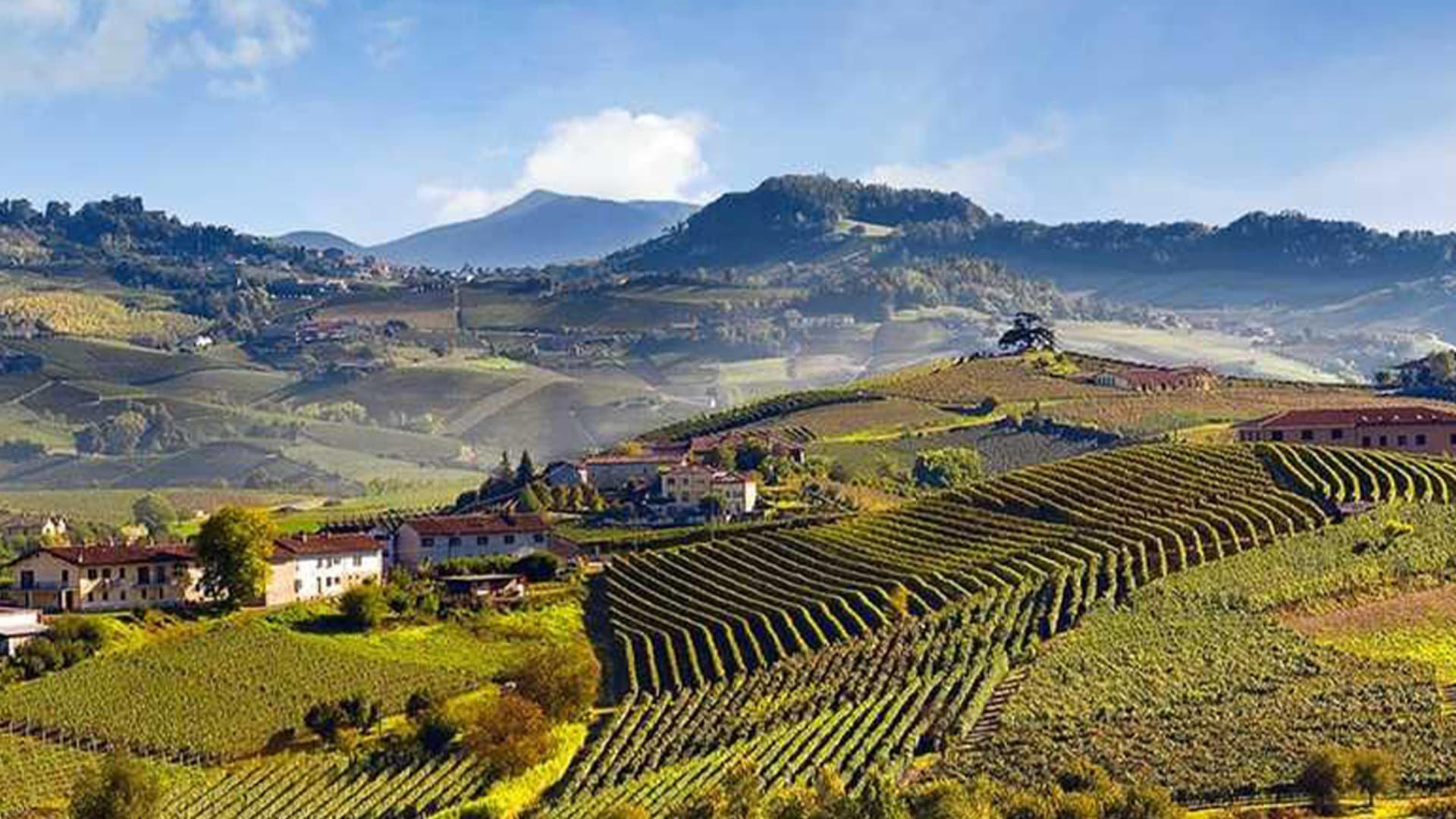
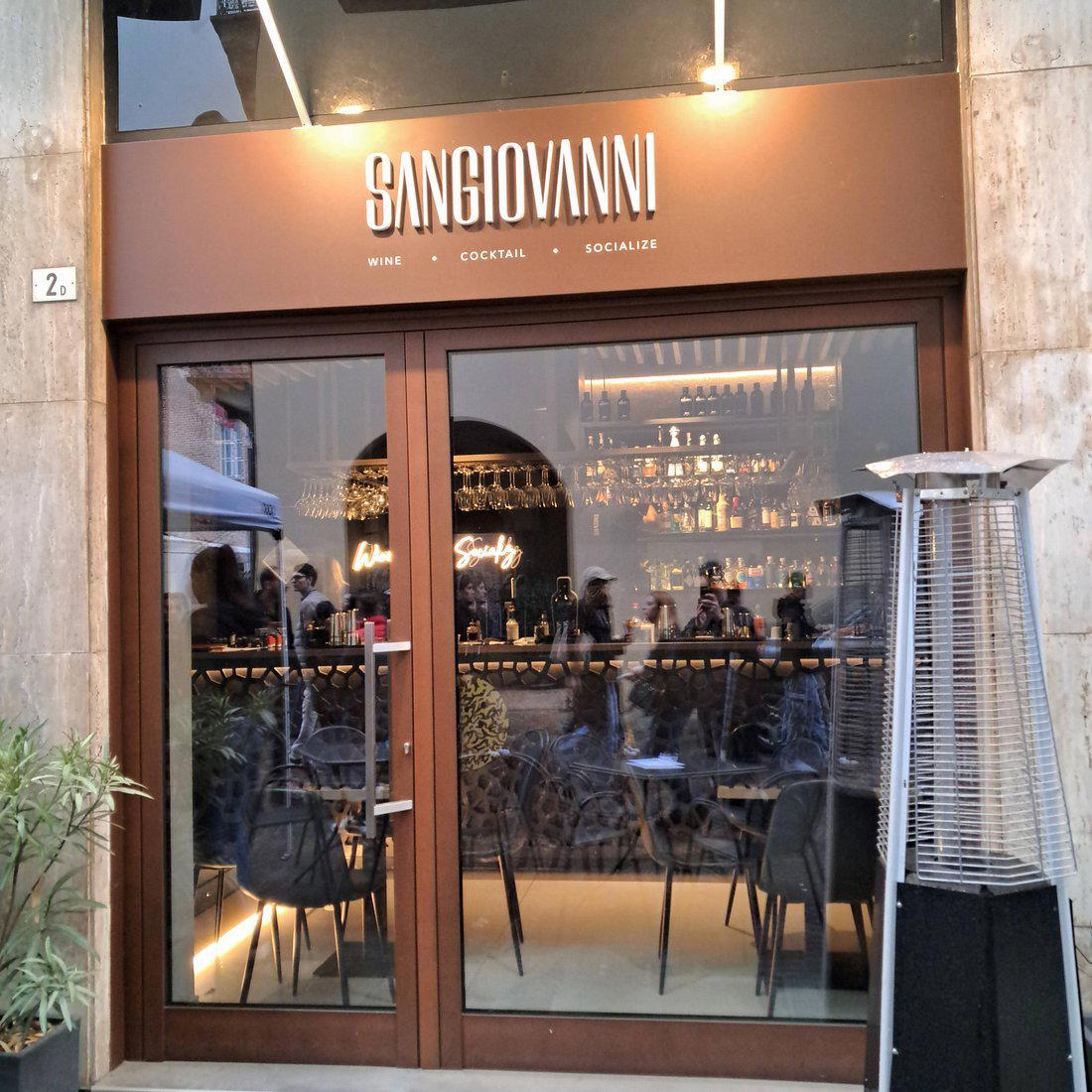
Bars in Barbaresco
All bars in Barbaresco →
Details
- Elegant
- Classic
- Well Known
- Sophisticated
- Wine Education
- Special Occasion
- Romantic Getaway
- Celebration
- Vineyard Tour
- Barrel Room
- Estate Grounds
- Historic Building
- Private Tasting
- Sustainable
- Vineyard
- Nebbiolo
- Barbera
- Cabernet Sauvignon
- Chardonnay
- Sauvignon Blanc
- Merlot
- Cabernet Franc
- Still Red
- Still White
- Private Tasting
- Barrel Room Tasting
- Vineyard Tour
- Italian
- English
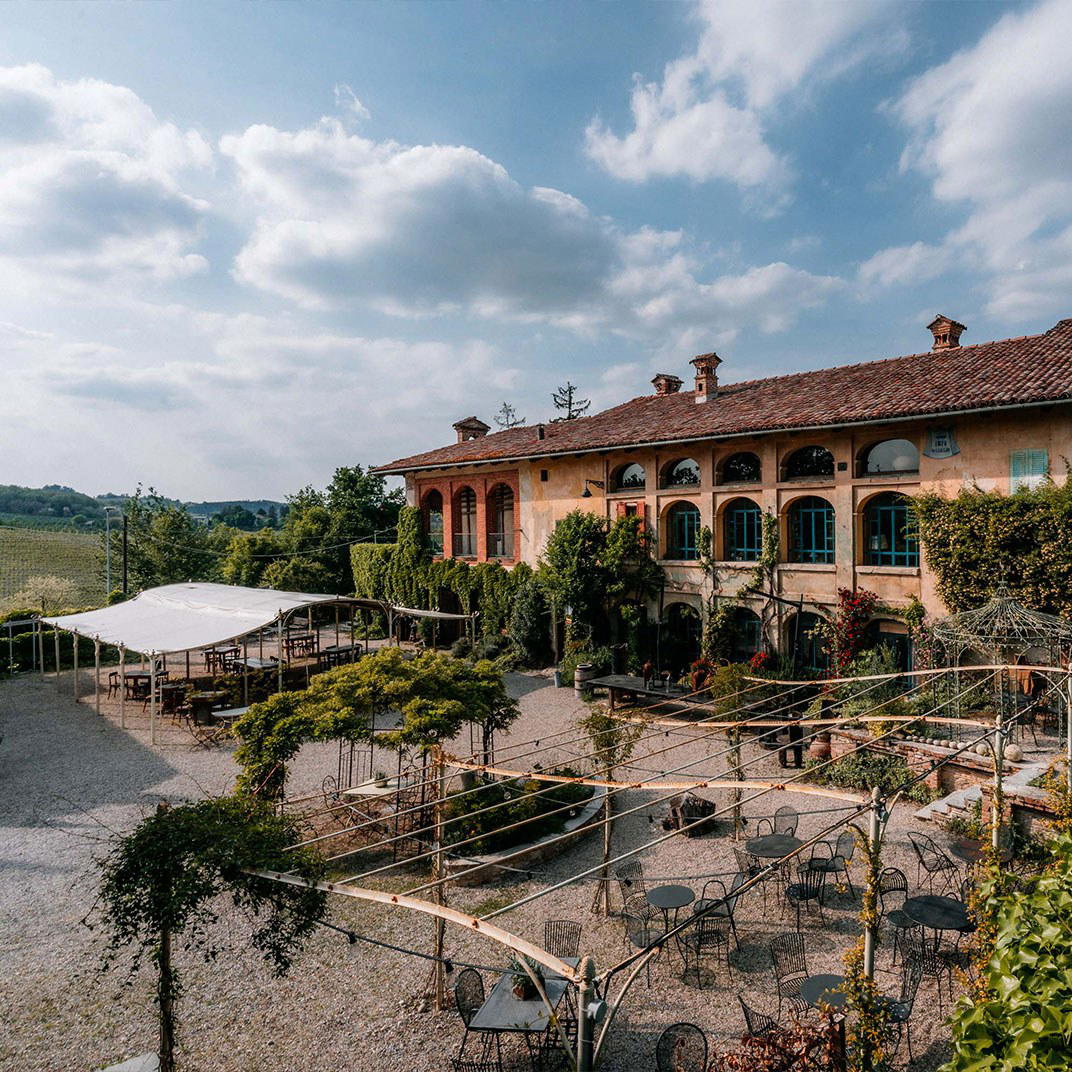
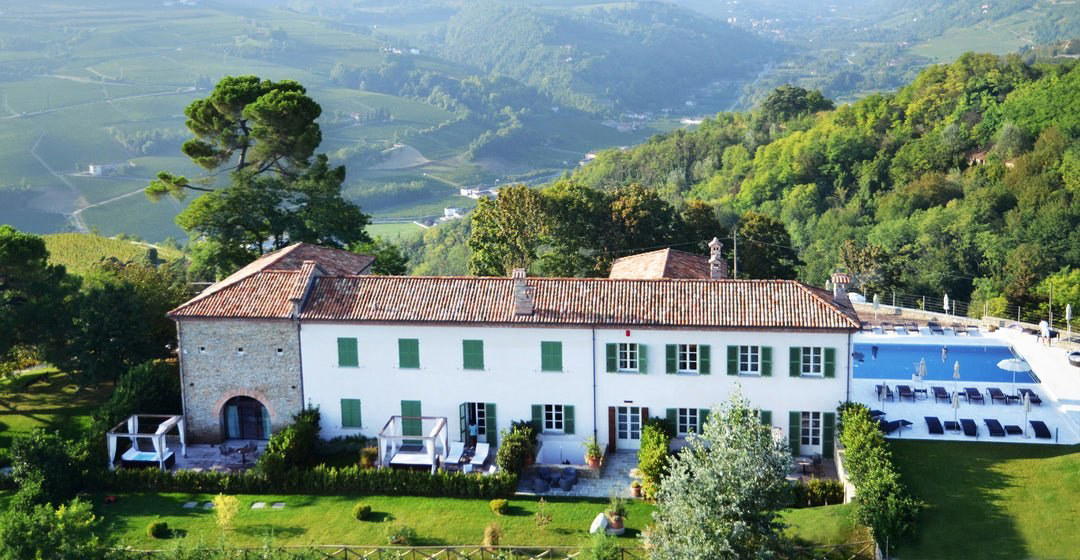
Historic estate with traditional Piedmont charm, blending centuries-old winemaking heritage with modern innovation in a refined, terroir-focused setting.