Champagne Salon

Champagne Salon belongs to the austere end of Le Mesnil-sur-Oger: Chardonnay from chalk, interpreted through long patience rather than breadth of range. Its identity is unusually narrow, anchored by a first vintage in 1921 and guided today by Didier Depond, which makes the house useful for understanding how one village can define a Champagne style.
Pearl is the En Primeur Club membership app — saves, bookings, and concierge access live there. Same editors, same standards.
- Address
- 5 Rue de la Brèche d'Oger, 51190 Le Mesnil-sur-Oger
- Phone
- +33 3 26 57 51 65
- Website
- champagne-salon.fr
- Directions
- Get directions
 Saves & bookings on Pearl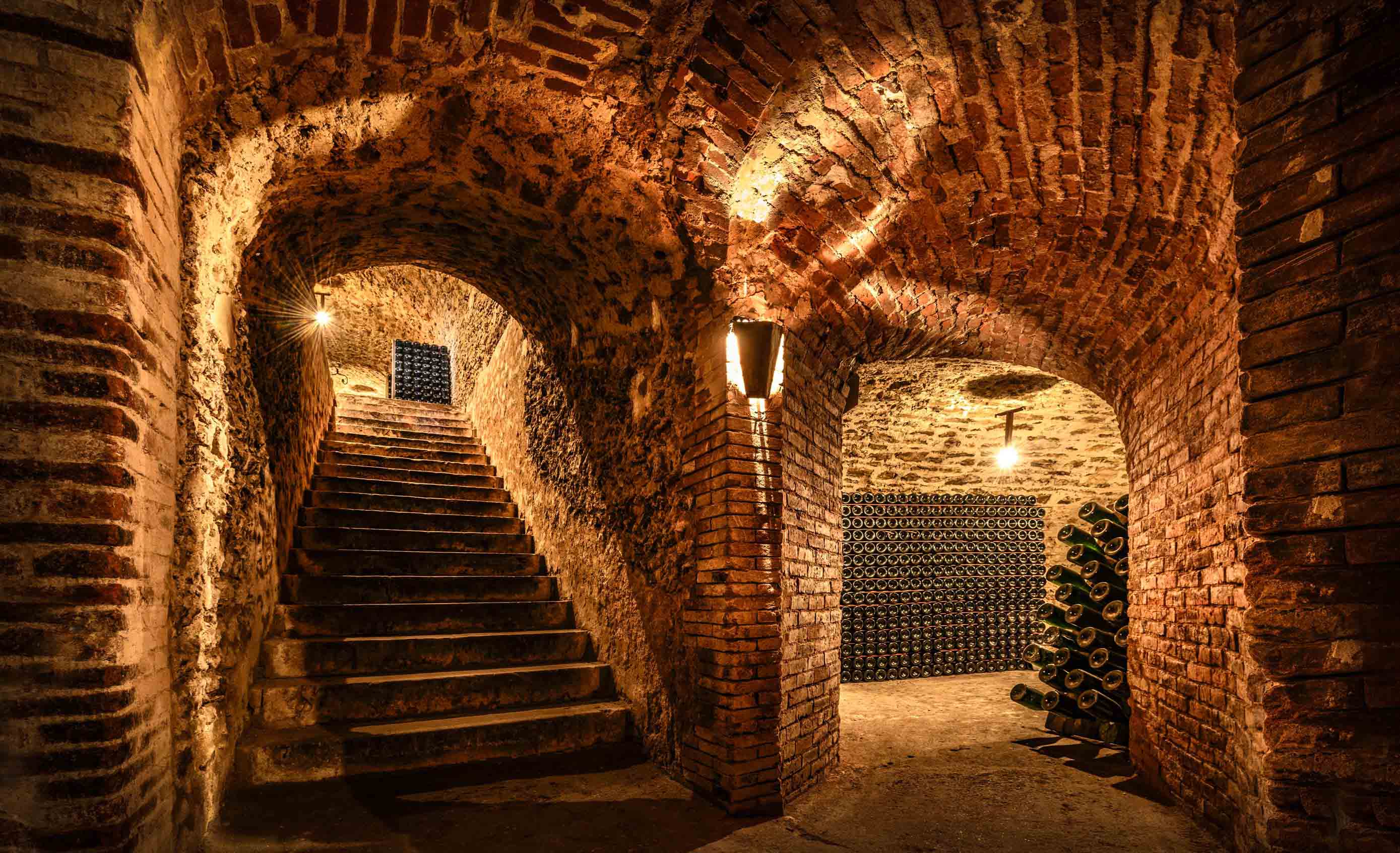
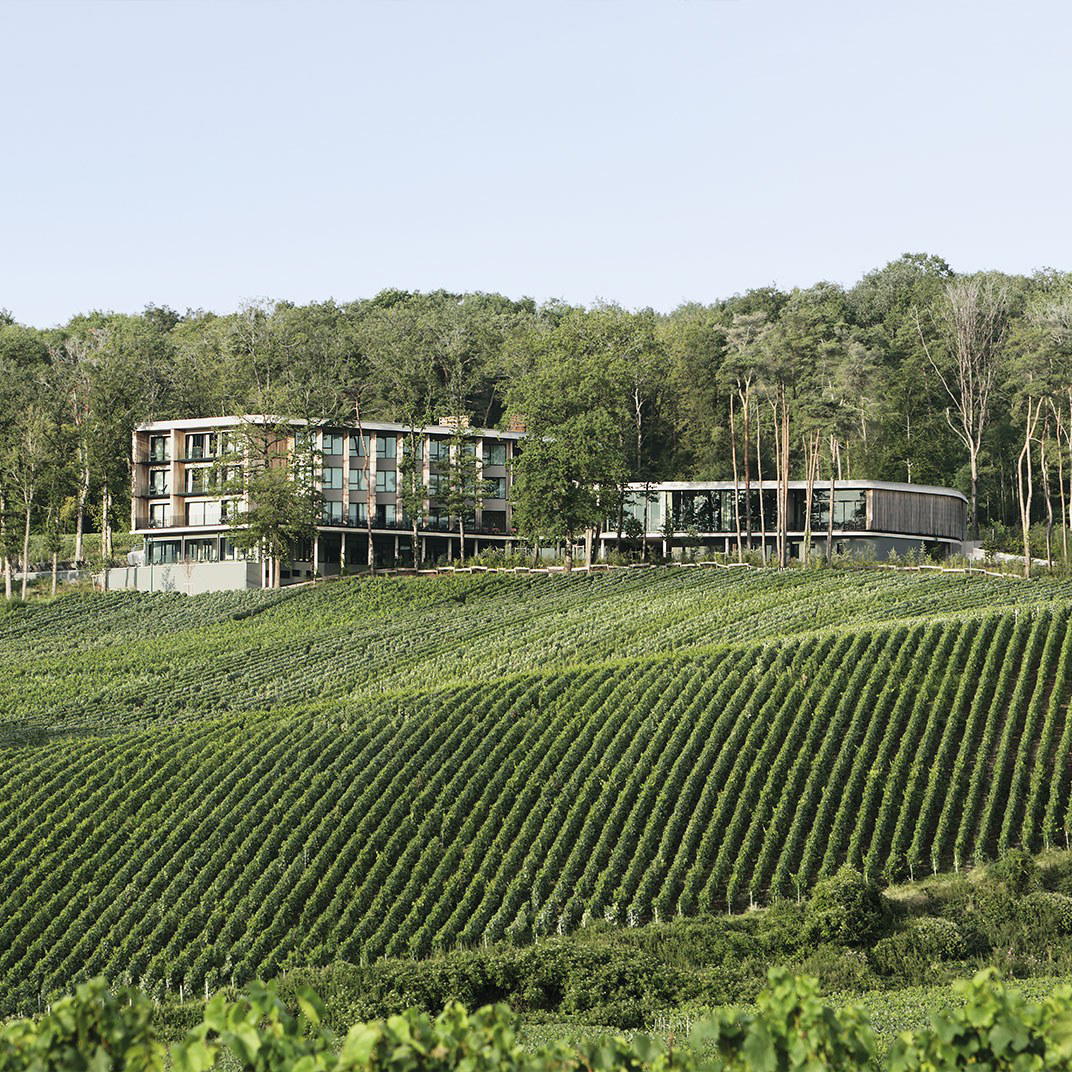
Le Mesnil-sur-Oger does not announce itself with grand urban theatre. The village reads in chalk, low stone, vineyard edges, and the clipped quiet of the Côte des Blancs, where Chardonnay is less a grape variety than a local grammar. Champagne Salon sits inside that grammar with unusual severity: one house, one village, one variety, and a reputation built around reduction rather than range.
That matters because Champagne is often discussed through blend and brand. The broader region excels at assembling villages, crus, and reserve wines into a house signature. Le Mesnil-sur-Oger points in another direction. Here, the conversation narrows to chalk soils, cool northern light, and acidity that can feel architectural when handled with patience. Salon is a useful lens for that tradition because its identity depends on specificity, not assortment.
Le Mesnil chalk, Chardonnay, and the discipline of a single idea
The Côte des Blancs has long been Champagne’s reference point for Chardonnay with line, tension, and ageability. Le Mesnil-sur-Oger sits at the sharper end of that spectrum, and the village’s prestige is tied to wines that can feel less fruity than mineral, less generous in youth than exacting. In that context, Salon’s narrow frame is not a branding flourish. It is a wager that one place can carry enough complexity on its own.
The first vintage dates to 1921, a useful marker because it places the house within a century-long argument about Champagne’s purpose. Is it a blended luxury object, or can it behave more like a site-specific wine? Salon has helped keep the second argument alive. The house does not need a sprawling portfolio to make the point; the limitation is the point.
That focus places it in conversation with other Le Mesnil names rather than with Champagne houses built on breadth. Delamotte gives the village a more accessible reference point, while Pierre Peters shows how grower Champagne can turn the same commune into a different kind of precision instrument. Nearby comparisons such as Agrapart & Fils in Avize, along with Jacques Selosse and Veuve Fourny & Fils, widen the frame: the Côte des Blancs is not one style, but a set of adjacent answers to chalk, Chardonnay, and time.
Why rarity changes the way the wine is read
Scarcity can distort wine criticism, especially in Champagne, where demand often turns allocation into mythology. Salon is better understood through constraint. A house with this degree of focus asks to be judged against exactness, longevity, and the ability of Le Mesnil fruit to remain articulate with age. The winemaker listed with the house is Didier Depond, and that continuity of stewardship supports a style discussion that is larger than personality.
The critical distinction is that Salon is not merely a luxury Champagne house from a famous village. It represents a small, severe category: Chardonnay-led Champagne where terroir expression is treated as the central claim. That makes it useful for drinkers who already understand the difference between Champagne as celebration and Champagne as wine. The latter category rewards patience, context, and comparison.
For readers building a regional map, Le Mesnil-sur-Oger should be read alongside surrounding villages rather than in isolation. A. Margaine in Villers-Marmery shows a different village register, Alfred Gratien in Épernay shifts the discussion toward a larger Champagne town, and Ayala in Aÿ brings the Montagne de Reims and Vallée de la Marne orbit closer to the glass. Those contrasts matter because Salon’s identity becomes clearer when set against Champagne’s broader habit of blending across places.
How to place Salon in a Le Mesnil itinerary
Le Mesnil-sur-Oger rewards a slow wine itinerary rather than a checklist approach. The strongest plan is to treat the village as a study in Chardonnay: one or two focused tastings, time in the vineyards, and enough space between appointments to let differences register. For the surrounding area, one useful starting point is our full Le Mesnil-sur-Oger wineries guide, with meals, stays, and evening plans handled separately through our full Le Mesnil-sur-Oger restaurants guide, our full Le Mesnil-sur-Oger hotels guide, our full Le Mesnil-sur-Oger bars guide, and our full Le Mesnil-sur-Oger experiences guide.
The wider cellar traveller may also want to build a cross-regional comparison. Albert Boxler in Niedermorschwihr brings Alsace into the conversation around site and varietal definition, while Augier in Aigre shifts the frame toward Cognac. Farther afield, 00 Wines in Carlton and 1310 Spirit of the Country Distillery in Sierning are not stylistic peers, but they underline a larger travel point: serious drinking itineraries work when the route is built around place-specific production rather than famous labels alone.
Champagne Salon makes the clearest sense for visitors who care about terroir as a disciplined idea. The appeal is not breadth, spectacle, or a catalogue of experiences. It is the chance to understand why one chalk village has become shorthand for a certain kind of Chardonnay: linear, age-minded, and resistant to easy charm.
Comparison Snapshot
Comparable venues by cuisine and price in the same metro.
| Venue | Cuisine |
|---|---|
| Champagne SalonThis venue — the venue you are viewing | This venue |
Recognition history
Dated appearances from independent guides and award organizations, with the underlying list record or original source where available.
Falstaff Winery - 5 Stars
Falstaff
Continue exploring
More in Le Mesnil-sur-Oger
Wineries in Le Mesnil-sur-Oger
Browse all →
Bars in Le Mesnil-sur-Oger
Browse all →
Restaurants in Le Mesnil-sur-Oger
Browse all →
At a Glance
- Elegant
- Sophisticated
- Well Known
- Intimate
- Classic
- Special Occasion
- Wine Education
- Cave Tasting
- Historic Building
- Vineyard
- Champagne Le Mesnil Sur Oger Grand Cru
- Chardonnay
- Sparkling
- Vertical Tasting
- Private Tasting
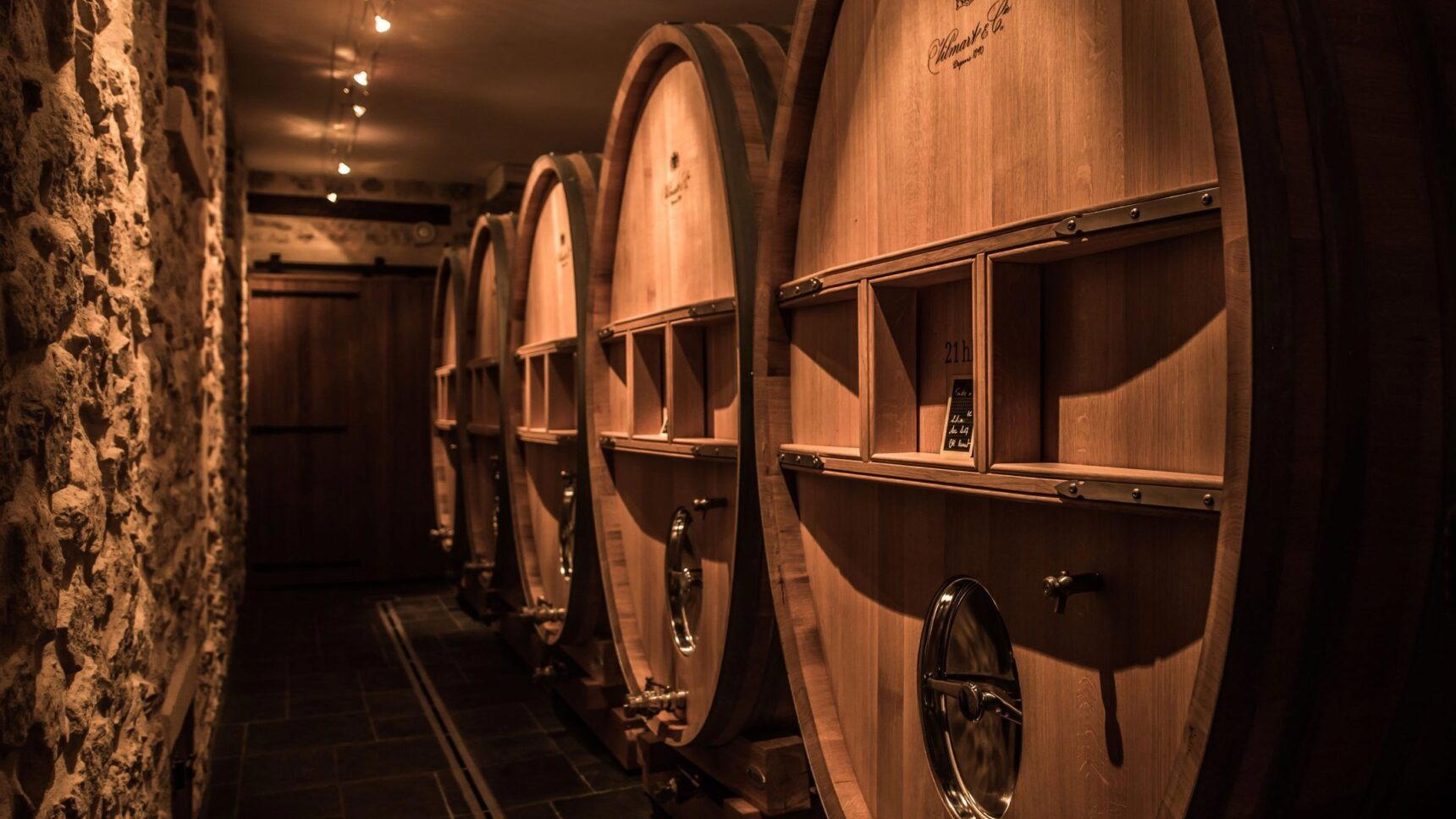
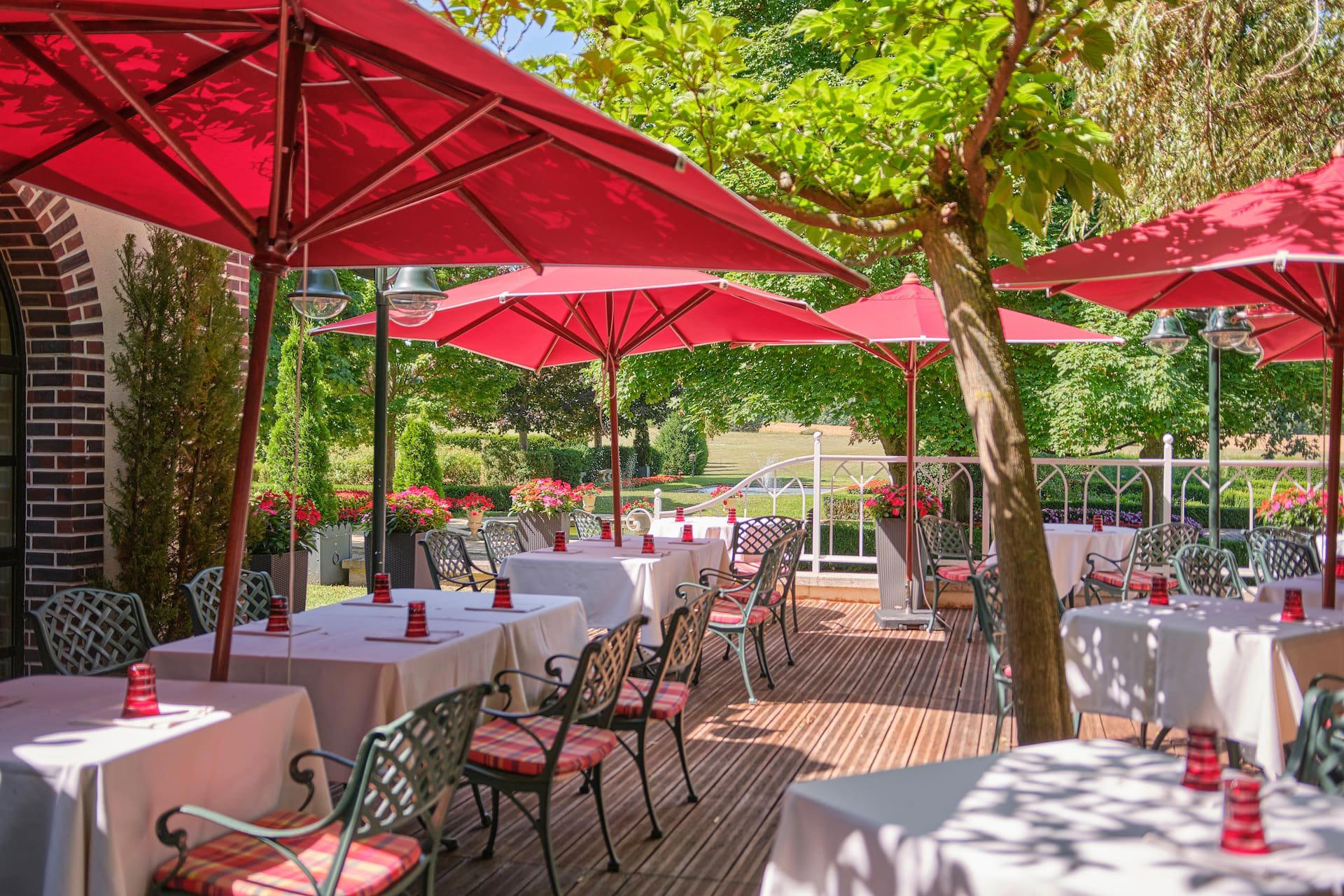
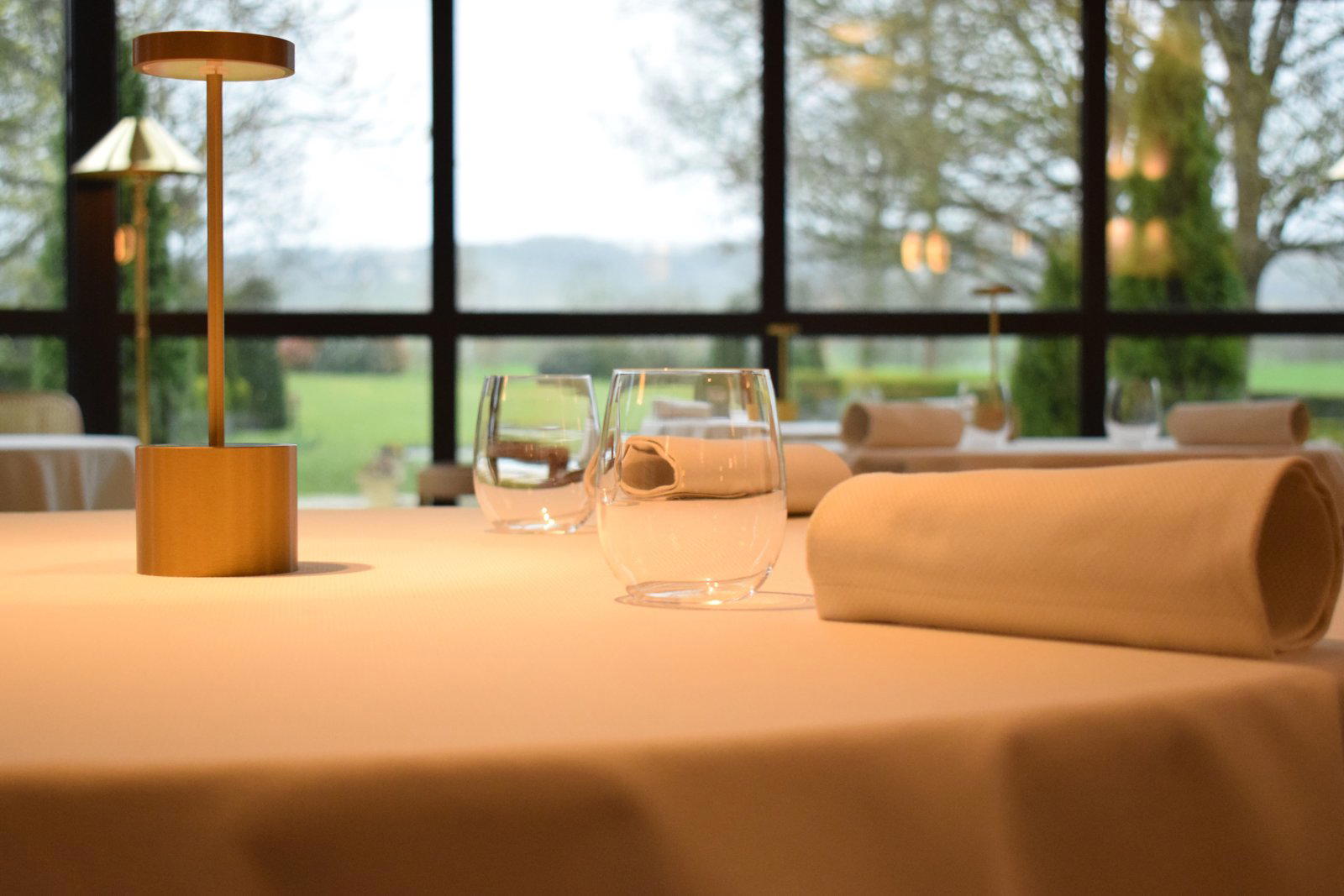
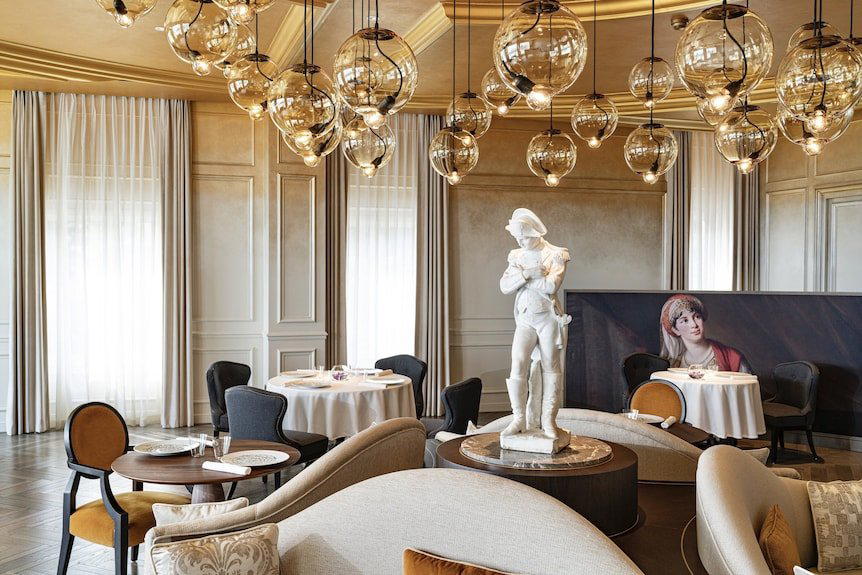
Intimate and historic cellar setting with a focus on precision, purity, and complexity from extended lees aging.