Scarecrow

Falstaff Winery - Listed
Scarecrow belongs to Napa’s Cabernet-centered collector culture, where provenance, vineyard identity, and allocation signals matter as much as tasting-room polish. With Celia Welch as winemaker and a first vintage in 2003, it reads less like a casual drop-in winery and more like a focused study of Napa Valley Cabernet through a tightly held label.

Pearl is the En Primeur Club membership app — saves, bookings, and concierge access live there. Same editors, same standards.
- Address
- 308 Soscol Ave STE A, Napa, CA 94559
- Website
- scarecrowwine.com
- Directions
- Get directions

Scarecrow in Napa is best approached as a premium venue with a concise verified profile rather than a place to describe through unconfirmed service details or invented visitor claims. The confirmed record identifies Celia Welch as chef/owner, notes a smart casual dress code, and includes 5 Star Prestige recognition for 2025. Beyond those points, planning should stay flexible and rely on the venue’s official channels for current arrangements.
That restraint matters. For EP Club purposes, the useful framing is not to overstate menus, appointment formats, production details, or tasting experiences, but to place Scarecrow carefully within a Napa itinerary using only the facts that are established.
Scarecrow’s confirmed profile is spare but notable. It is in Napa, it is associated with Celia Welch as chef/owner, and it carries 5 Star Prestige recognition in 2025. Those are the details travelers can treat as firm when deciding whether it belongs on a premium Napa plan.
The smart casual dress code gives one practical cue: visitors should plan for a polished but not formal presentation.
For a broader Napa itinerary, comparison can still help. Robert Mondavi Winery occupies a different kind of Napa reference point, while John Anthony Vineyards and Levendi Winery offer other wine-focused contexts. Scarecrow should be considered on its own verified terms rather than folded into claims about casual access, tasting formats, or hospitality programming that are not confirmed here.
Travelers can build around Scarecrow by keeping the day measured: confirm details directly, dress smart casual, and leave enough time for Napa meals or other wine-related stops without relying on unverified assumptions. The best planning approach is simple: use the confirmed recognition and leadership details as the anchor, then verify logistics before arrival.
The modern premium listing and the value of a restrained record
Scarecrow’s profile does not need embellishment to be useful. A venue in Napa with Celia Welch named as chef/owner and 5 Star Prestige recognition for 2025 already has enough verified identity to justify attention from travelers who follow premium Napa venues.
What should be avoided is adding unsupported specifics. The available verified data does not establish a founding year, price point, cuisine, menu structure, service style, seat count, phone number, street address, or visitor policy. It also does not confirm take-out, delivery, allergy accommodations, lunch service, or a particular beverage program. Those details may matter to planning, but they must be checked directly with the venue rather than inferred.
Within Napa, Scarecrow can be considered alongside venues such as Brown Estate Vineyards, John Anthony Vineyards, Levendi Winery, Robert Mondavi Winery, and Vermeil Wines, depending on the traveler’s priorities. Each should be evaluated through its own current information, not through broad assumptions about what a Napa visit includes.
Here, the editorial value is precision. Scarecrow’s confirmed facts point to a premium Napa venue with smart casual expectations and 2025 5 Star Prestige recognition. That is enough to make it relevant, while leaving practical details to direct confirmation.
How to place Scarecrow in a Napa itinerary
Scarecrow suits travelers who prefer careful planning over improvisation.
Napa works well as a base for premium itineraries because dining, lodging, wine, and evening plans can be arranged within the city and surrounding area. A Scarecrow-focused plan should start with confirmed details: the venue is in Napa, the dress code is smart casual, Celia Welch is chef/owner, and 5 Star Prestige recognition is recorded for 2025.
For travelers comparing options, Scarecrow can sit in a Napa plan with Brown Estate Vineyards, John Anthony Vineyards, Levendi Winery, Robert Mondavi Winery, or Vermeil Wines, depending on the style of day being built. The important point is not to assume that these venues share the same access, format, or visitor experience.
The verdict is direct. Scarecrow is a premium Napa venue with a concise but meaningful verified profile: Celia Welch, smart casual dress, and 5 Star Prestige recognition in 2025. Plan with that information, confirm all logistics directly, and avoid building the visit around unsupported claims.
In Context: Similar Options
Comparable venues by cuisine and price in the same metro.
| Venue | Cuisine | Price | Awards |
|---|---|---|---|
| ScarecrowThis venue — the venue you are viewing | This venue | Not listed | Falstaff Winery - Listed |
| Robert Mondavi Winery | Not listed | $200–300 | World's 50 Best #39 · Falstaff Winery - Listed |
Recognition history
Dated appearances from independent guides and award organizations, with the underlying list record or original source where available.
Falstaff Winery - Listed
Falstaff







Details
- Intimate
- Elegant
- Scenic
- Rustic
- Special Occasion
- Wine Education
- Vineyard Tour
- Estate Grounds
- Sustainable
- Dry Farmed
- Vineyard
- Cabernet Sauvignon
- Merlot
- Malbec
- Petit Verdot
- Still Red
- Private Tasting
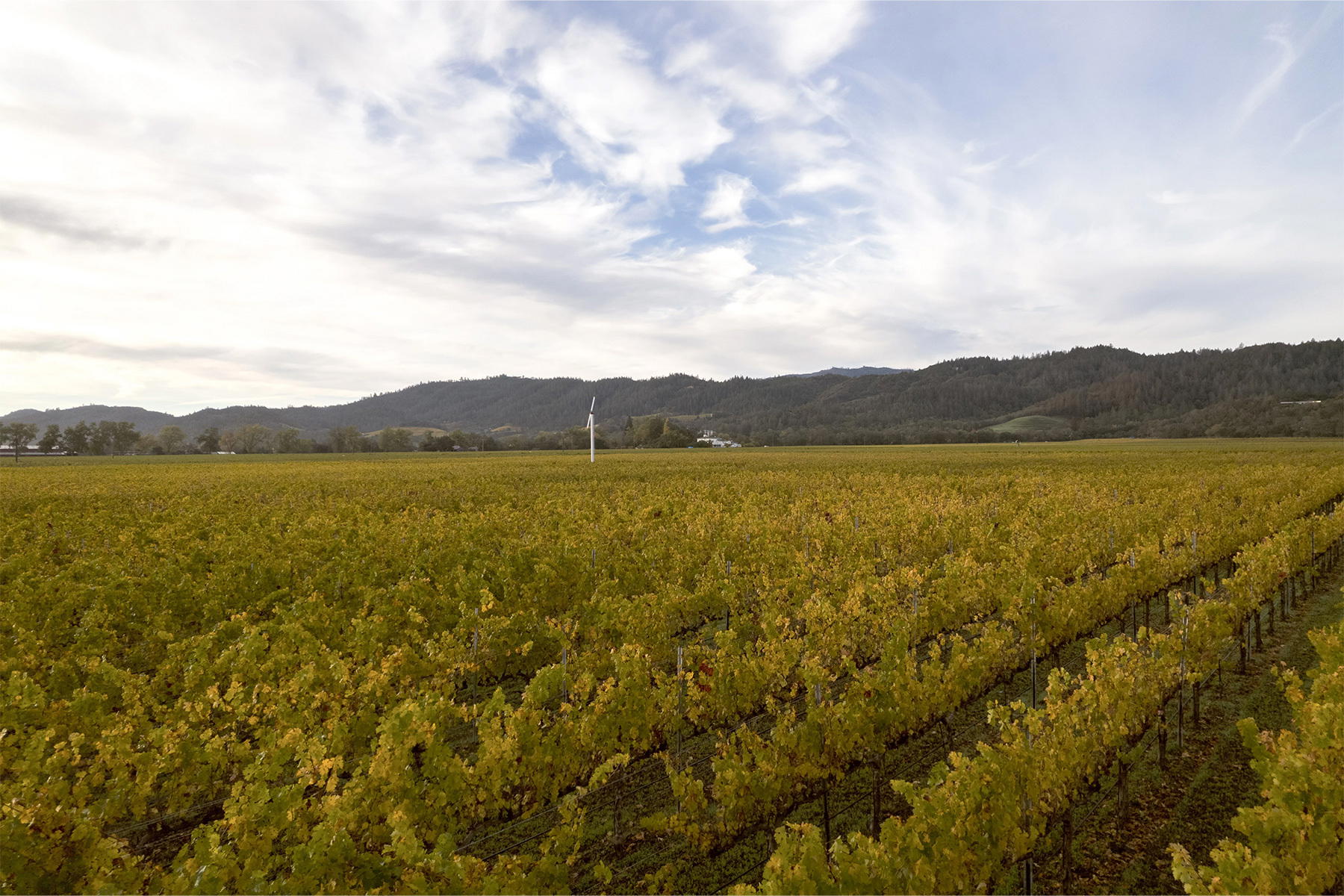
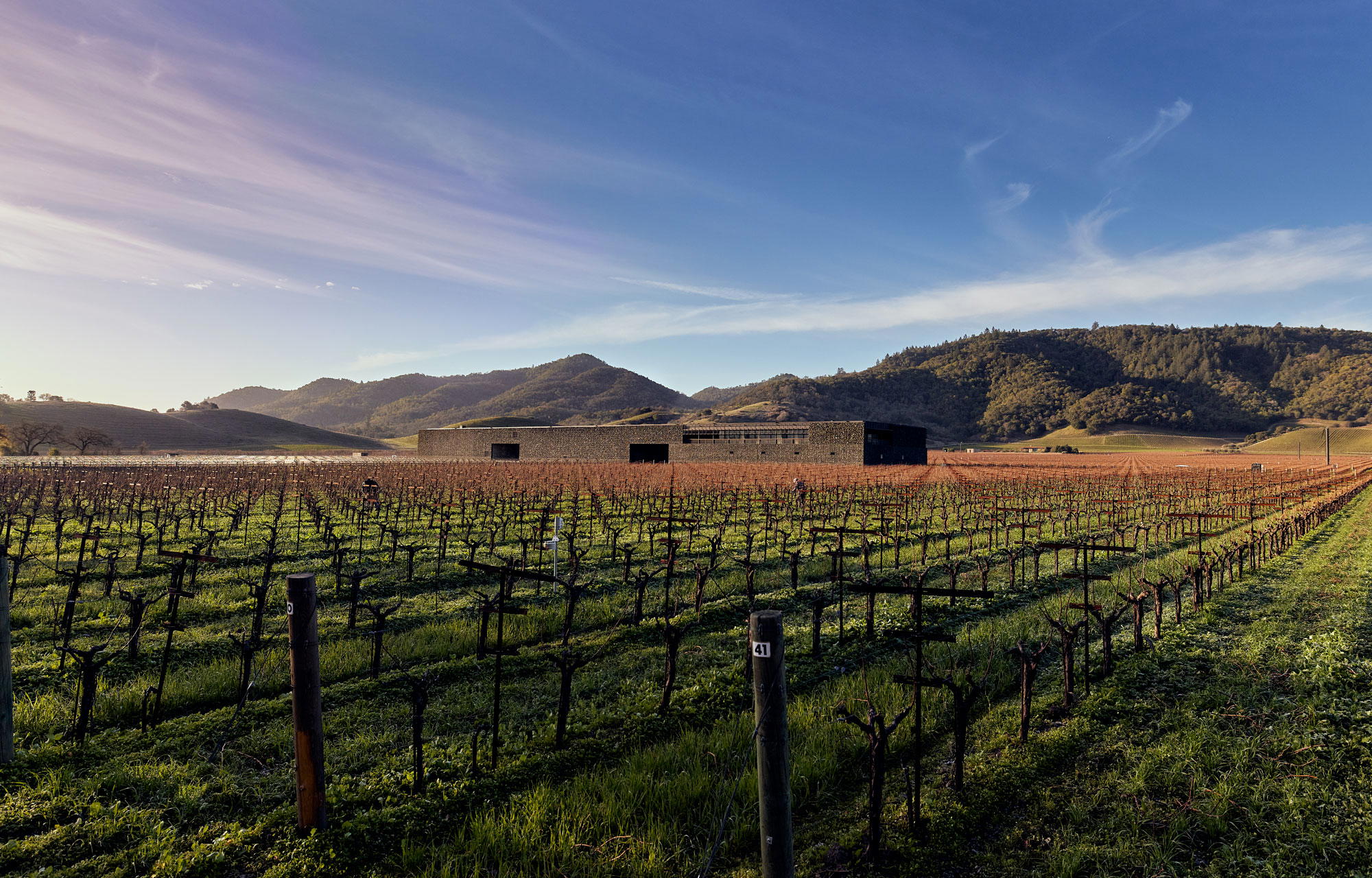
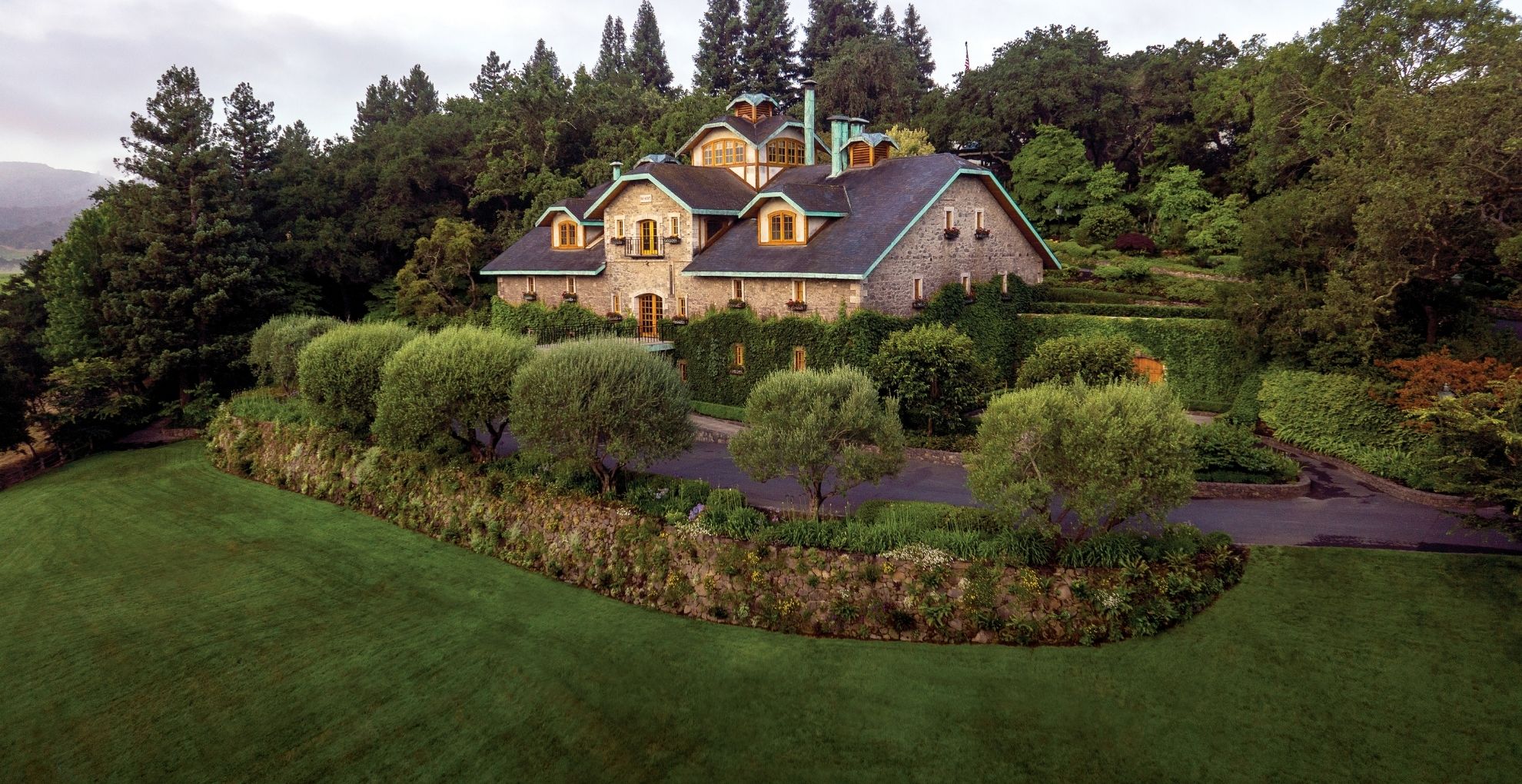
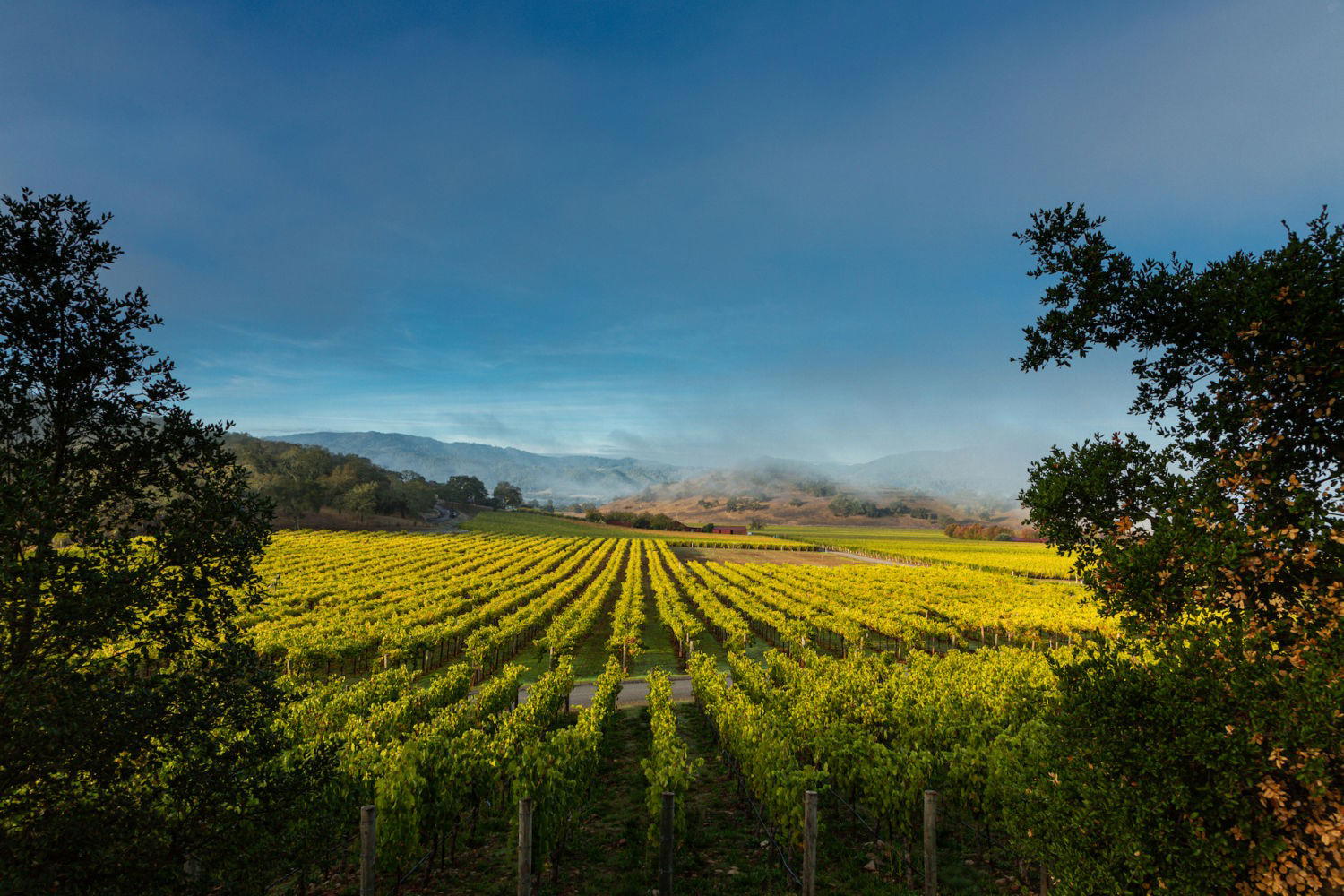
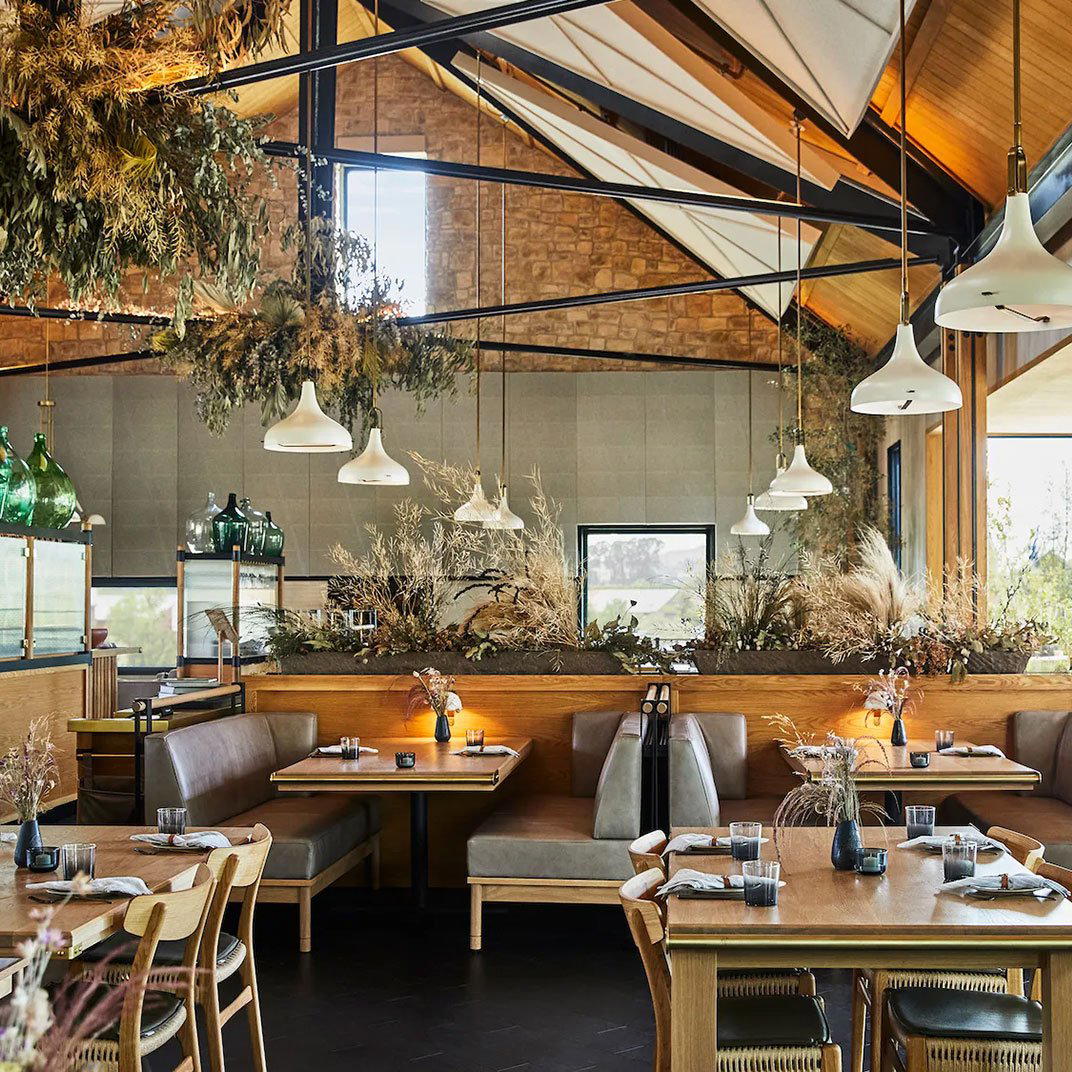
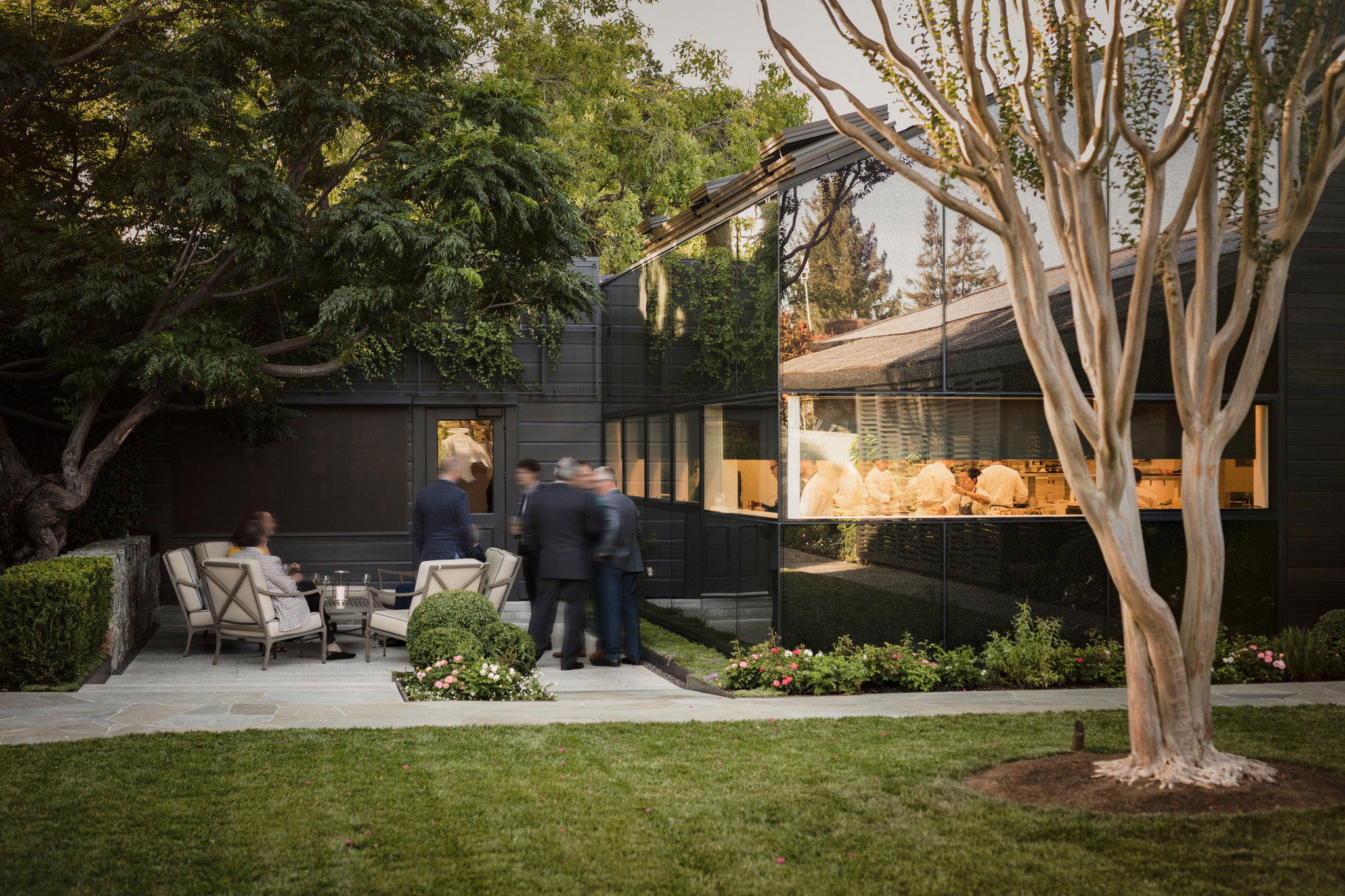
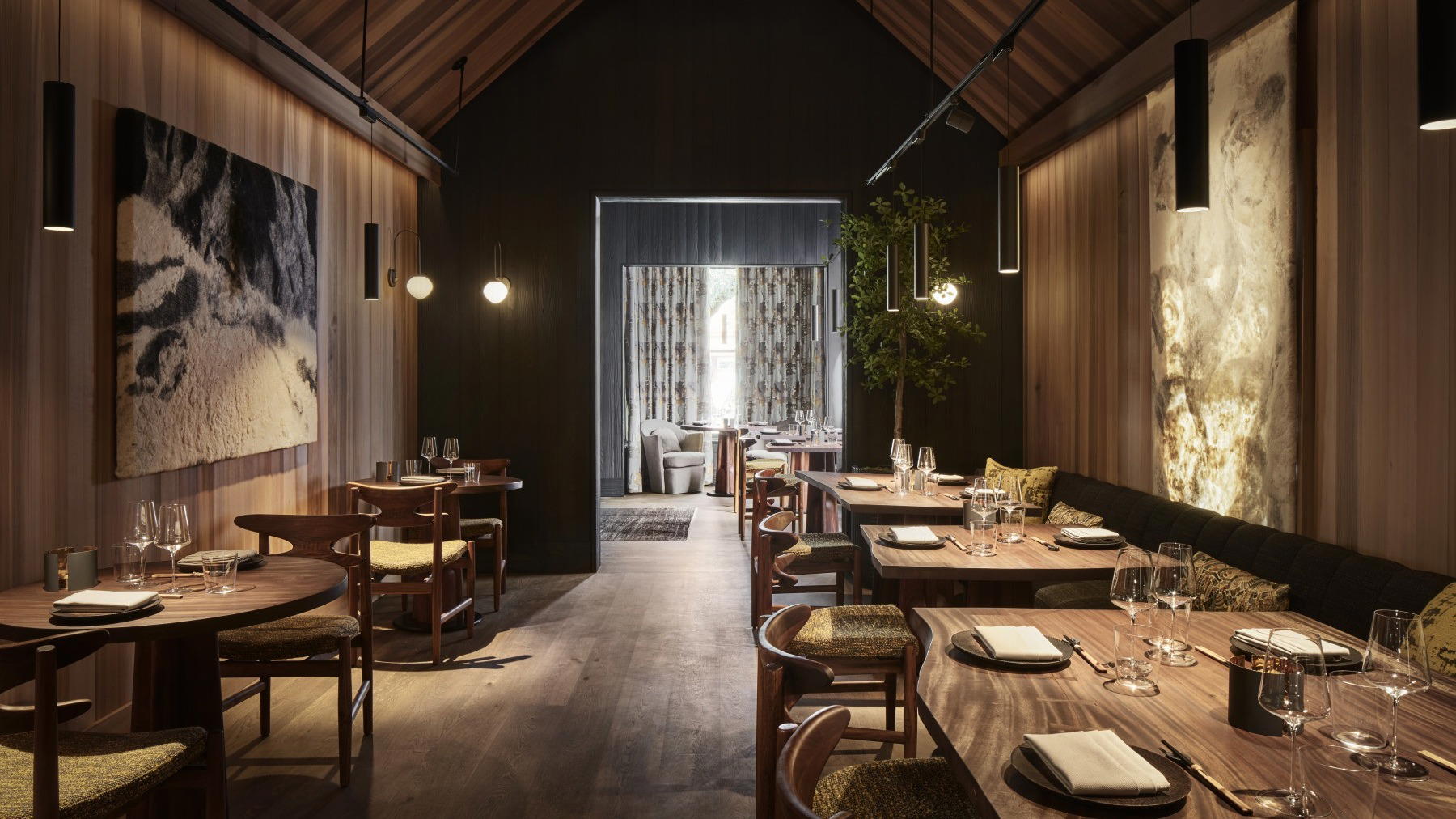
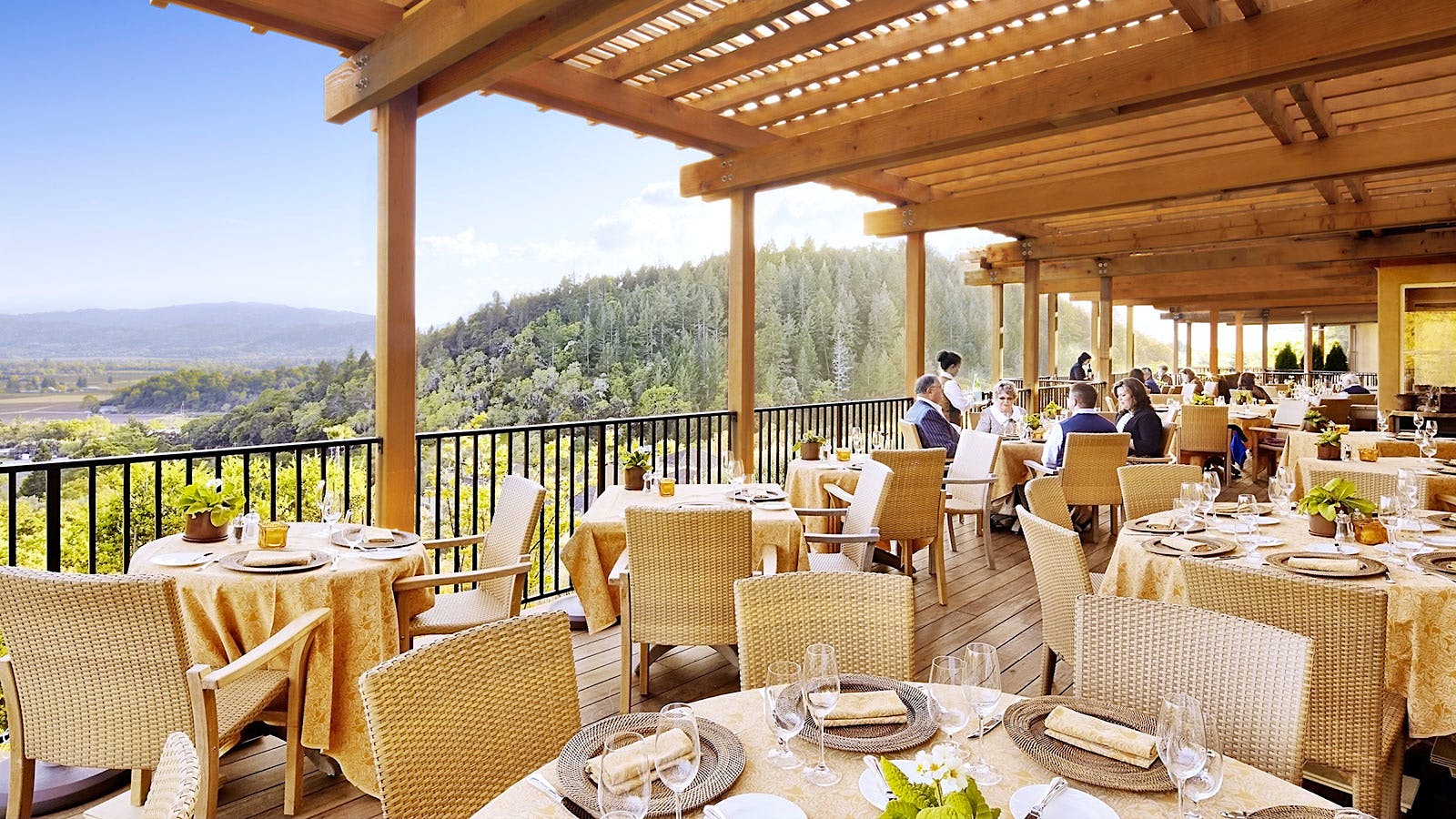
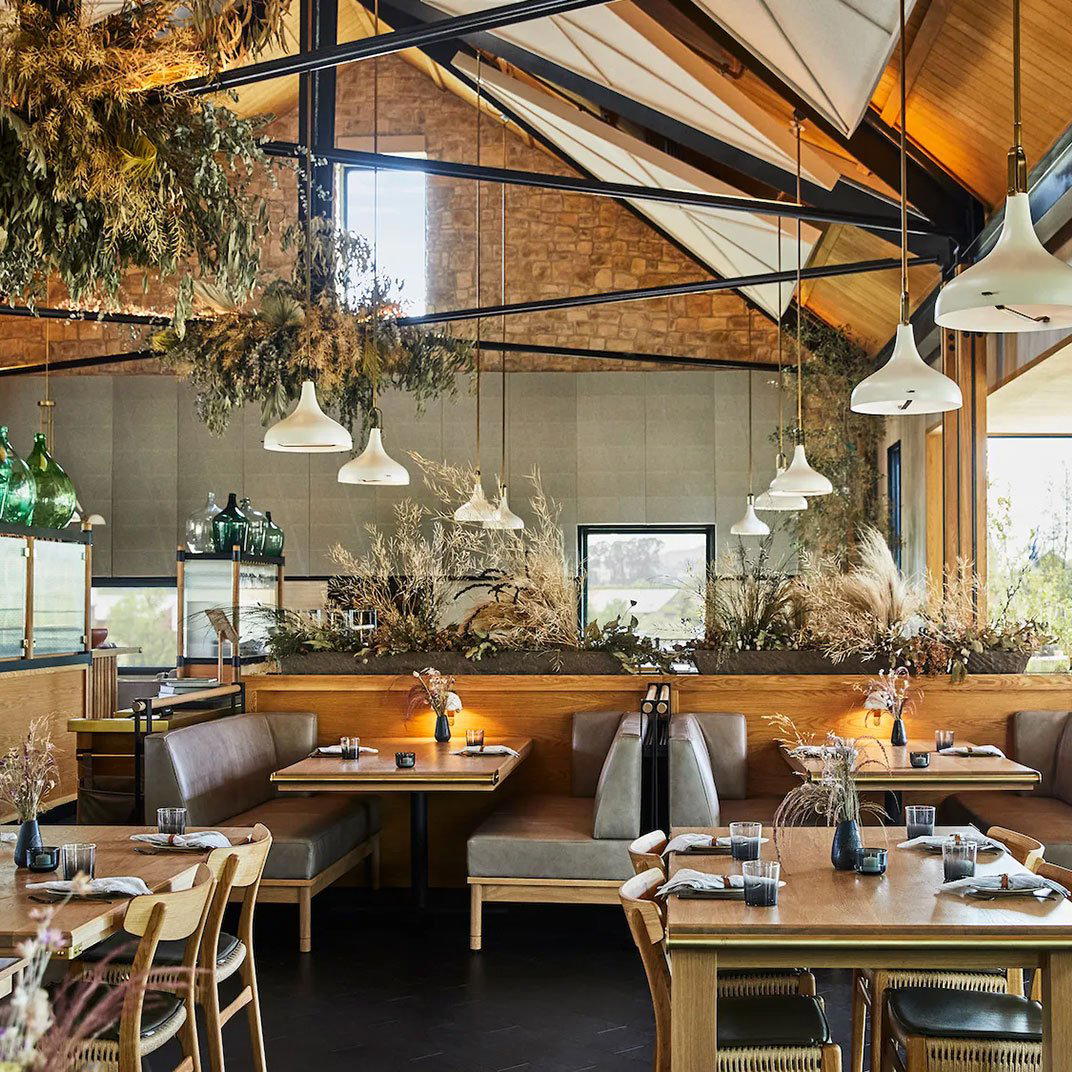
Serene and intimate setting amid historic old vines, offering a sacred and spiritual experience with elegant, refined atmosphere.