

Château Lafleur sits at the upper tier of Pomerol's tightly held estates, where a two-hectare footprint and an annual production measured in thousands rather than tens of thousands of bottles defines the competitive set.
Pearl is the En Primeur Club membership app — saves, bookings, and concierge access live there. Same editors, same standards.
- Address
- 4 Chem. de Chantecaille, 33500 Pomerol
- Phone
- +33 5 57 84 44 03
- Website
- chateaulafleur.fr
- Directions
- Get directions
 Saves & bookings on Pearl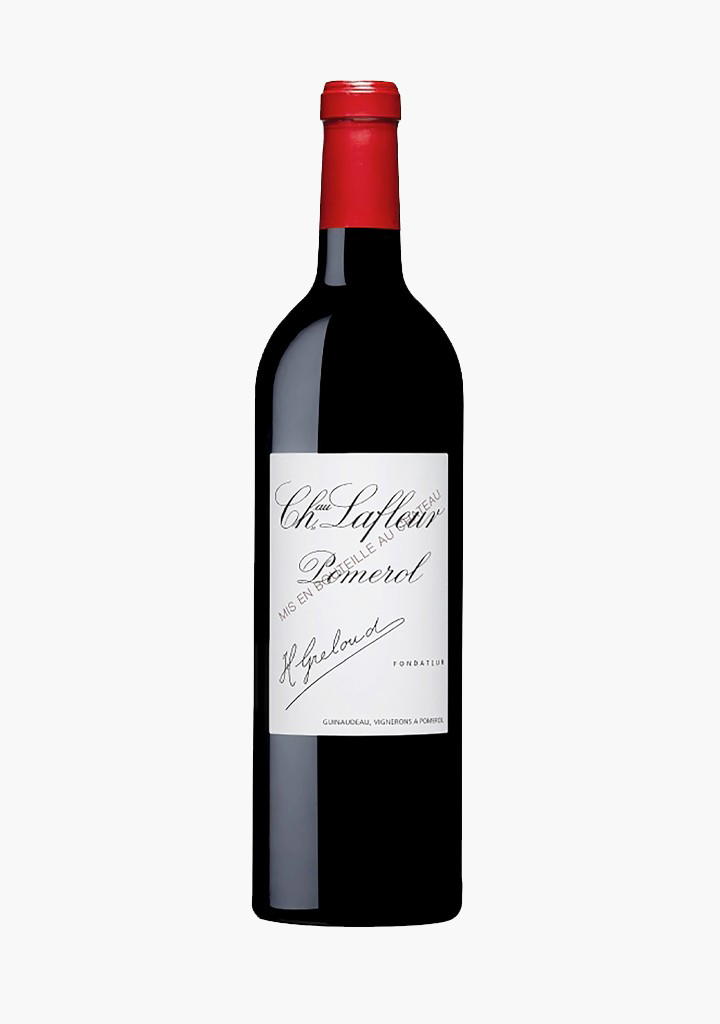
What the Cellar Decides
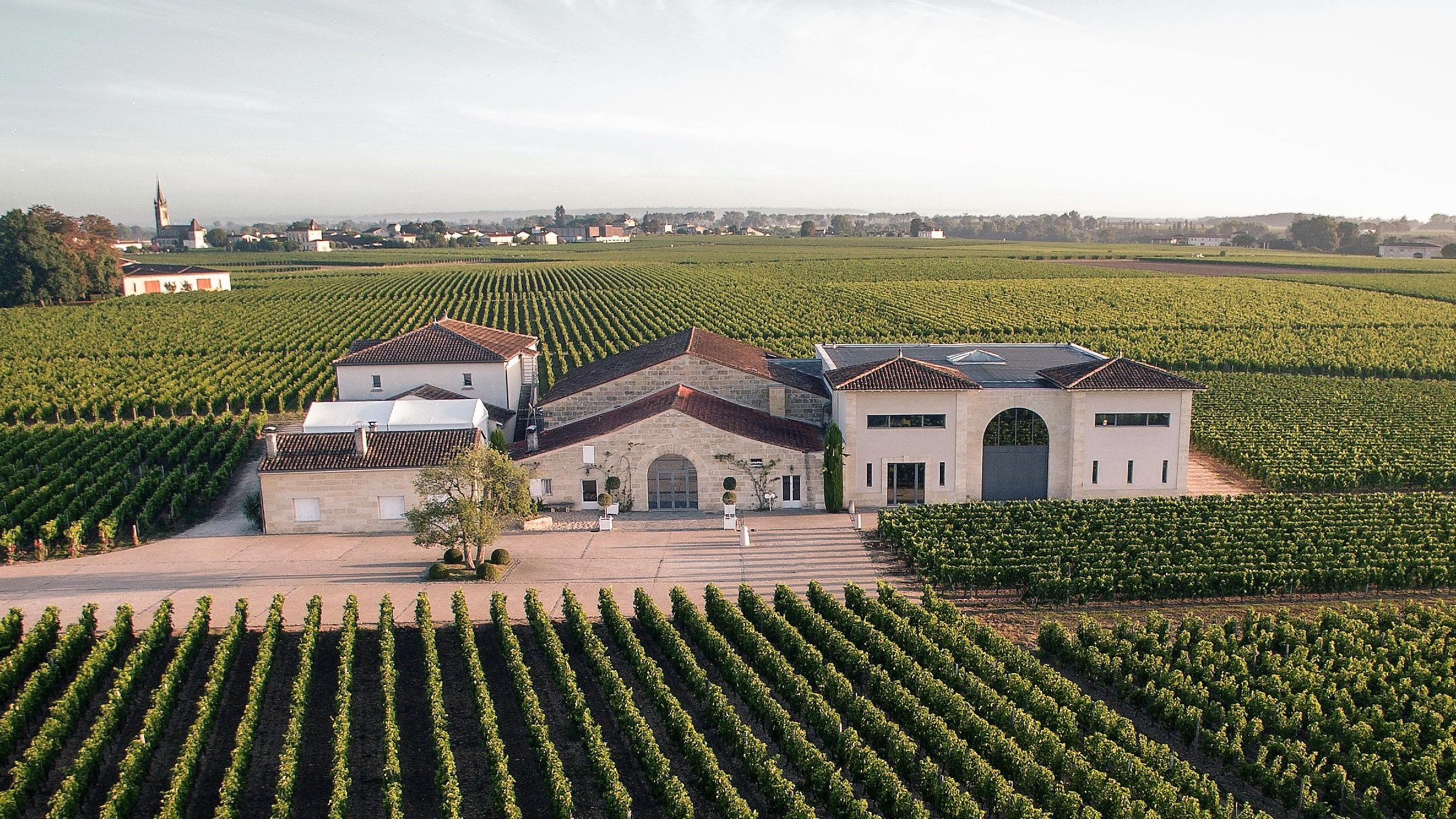
Pomerol does not announce itself. There is no grand château gateway, no visitor boulevard lined with signage. The appellation sits on a plateau of gravel and clay east of Libourne where the vineyards run together without obvious demarcation, and estates of four hectares can sit beside properties of forty. What separates the appellation's upper tier from its middle is rarely visible from the road. It lives in the cellar, in decisions made between harvest and bottling that define whether a wine enters the collector market or the restaurant list.
Château Lafleur, at 4 Chemin de Chantecaille, occupies that upper tier by a combination of scale and approach. The estate is small even by Pomerol's compressed standards, and its annual release is calibrated accordingly. That constraint is structural, not philosophical: small parcels produce limited volumes, and limited volumes sustain allocation demand across decades.
The Logic of Post-Harvest Decisions
Pomerol's cellar work operates under a specific constraint: the appellation's blends are dominated by Merlot, sometimes with Cabernet Franc providing structure and aromatic lift, and the decisions made after harvest determine how a given vintage will read against expectations. At the leading estates, barrel selection is not a single event but a running assessment that continues through the élevage period, with lots moving between classifications as the wine develops.
Omri Ram and Baptiste Guinaudeau hold the winemaking responsibilities at Château Lafleur. The Guinaudeau family name carries significant weight in Pomerol: Baptiste also oversees Grand Village across the Dordogne and has been closely associated with the appellation's more precise, less extracted house style that began gaining critical traction in the 2010s. That lineage places Lafleur's cellar decisions within a particular tradition, one that prizes tension and aging potential over early palatability. For an en primeur buyer, that distinction matters: wines built for long aging require patience but offer a different trajectory through the secondary market than those built for early consumption.
The aging programme at an estate like this reflects the Pomerol conviction that barrel time should develop rather than impose. The appellation's leading addresses have moved away from new oak percentages that dominated cellar practice in the late 1990s and early 2000s, a shift visible in the secondary market where bottles from that earlier era often read differently from current releases. For collectors comparing Lafleur against Château Clinet or Château Gazin, the distinction in cellar philosophy is as relevant as vintage conditions when assessing a specific bottle.
Pomerol's Allocation Tier
Pomerol sits outside the 1855 Classification entirely, which means its estates operate without the formal tier structure that governs Médoc marketing. The appellation's hierarchy has been established instead through critic scores, collector demand, and secondary market pricing over the past four decades. That process has produced a leading cohort where scarcity, consistent quality over vintages, and winemaker continuity carry more weight than any official designation.
Château Lafleur's position in that cohort is reflected in how it is accessed. Allocation at this level does not flow through general retail in any meaningful volume. The wine moves primarily through négociants and specialist merchants during the en primeur campaign, where buyers commit to pricing before bottling. For readers approaching the wine as a purchase rather than a cellar visit, the planning horizon is effectively set at two years minimum: en primeur release, barrel aging, bottling, and shipping before any physical bottle arrives. That timeline is consistent with the appellation's other prestige estates and with the practices at comparably positioned producers in neighbouring Saint-Emilion, such as Château Bélair-Monange.
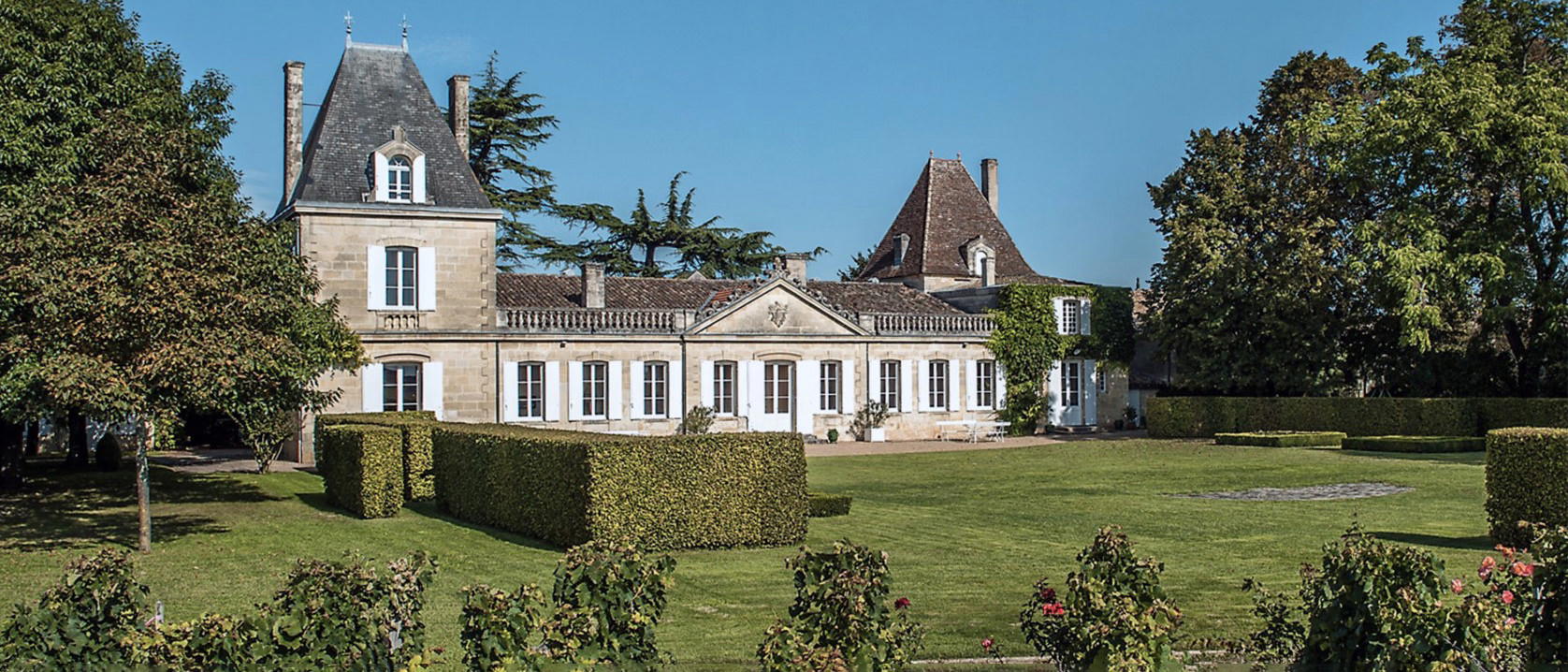
The physical address on the plateau means that visitors to the estate are engaging with a working property rather than a hospitality operation. Pomerol's leading estates do not maintain the tasting room infrastructure of, say, Napa Valley producers like Accendo Cellars, or the heritage visitor facilities of established spirits producers such as Aberlour. Access is typically arranged through trade contacts or by appointment, and the experience, when it occurs, centres on the cellar rather than a designed hospitality space. For the broader Pomerol area, our full Pomerol guide covers the context needed before any visit.
Where Lafleur Sits Against the Appellation
Pomerol's prestige tier is more compressed than any other major Bordeaux appellation. The distances between estates are measured in metres rather than kilometres, and the soil variation across those distances is the subject of ongoing debate among geologists and winemakers alike. Château Lafleur's parcel positioning on the plateau places it within the appellation's most contested ground, where clay content and gravel depth vary block by block.
In competitive set terms, the estate operates alongside Château Le Gay and the other small high-reputation addresses that command allocation-driven pricing. That peer group is small in volume but significant in the collector market's attention. The contrast with larger-volume Bordeaux appellations is instructive: in Pauillac, estates like Château Batailley operate at a scale that allows broader distribution; in Pomerol's upper tier, the inverse relationship between size and price holds more consistently than almost anywhere else in France.
For readers who follow allocation-driven winemaking across French appellations, the comparison extends beyond Bordeaux. Alsace producers like Albert Boxler operate under similarly tight production constraints, and the market logic of scarcity combined with critical recognition maps across regions even when the wine styles diverge entirely. At the production scale occupied by Château Lafleur, vintages that attract strong scores create sustained secondary market momentum that benefits both early buyers and those who hold through the aging curve.
Planning a Visit or Purchase
The practical reality of engaging with Château Lafleur depends heavily on whether the goal is acquisition or cellar visit. For en primeur buyers, the campaign window in spring, typically April through June following harvest, is the primary access point. Merchants who hold direct allocations from Pomerol's leading estates are the relevant channel; generalist wine retailers rarely carry meaningful volumes at this level.
For those planning a visit to Pomerol itself, the estate's address on Chemin de Chantecaille is accessible from Libourne, which connects to Bordeaux by train in under thirty minutes. The appellation's small scale means that a day covering several estates, including neighbours at L'Eglise Clinet or the larger operation at Gazin, is logistically achievable if appointments are confirmed in advance. Harvest season in late September and early October compresses cellar access as winemakers focus on reception and sorting, so spring visits, when barrel samples are being assessed during the en primeur period, tend to allow more meaningful engagement with the wine at its developmental stage. For context on comparable French appellations and production philosophies, estates such as Château Bastor-Lamontagne in Preignac, Château Boyd-Cantenac in Cantenac, or Château Branaire Ducru in Saint-Julien offer reference points across Bordeaux's appellation range, while Chartreuse in Voiron illustrates how heritage French producers outside wine maintain similarly controlled production and distribution models.
Recognition history
Dated appearances from independent guides and award organizations, with the underlying list record or original source where available.
Falstaff Winery - 5 Stars
Falstaff
Michelin 3 Grapes
Michelin
Continue exploring
More in Pomerol
Wineries in Pomerol
Browse all →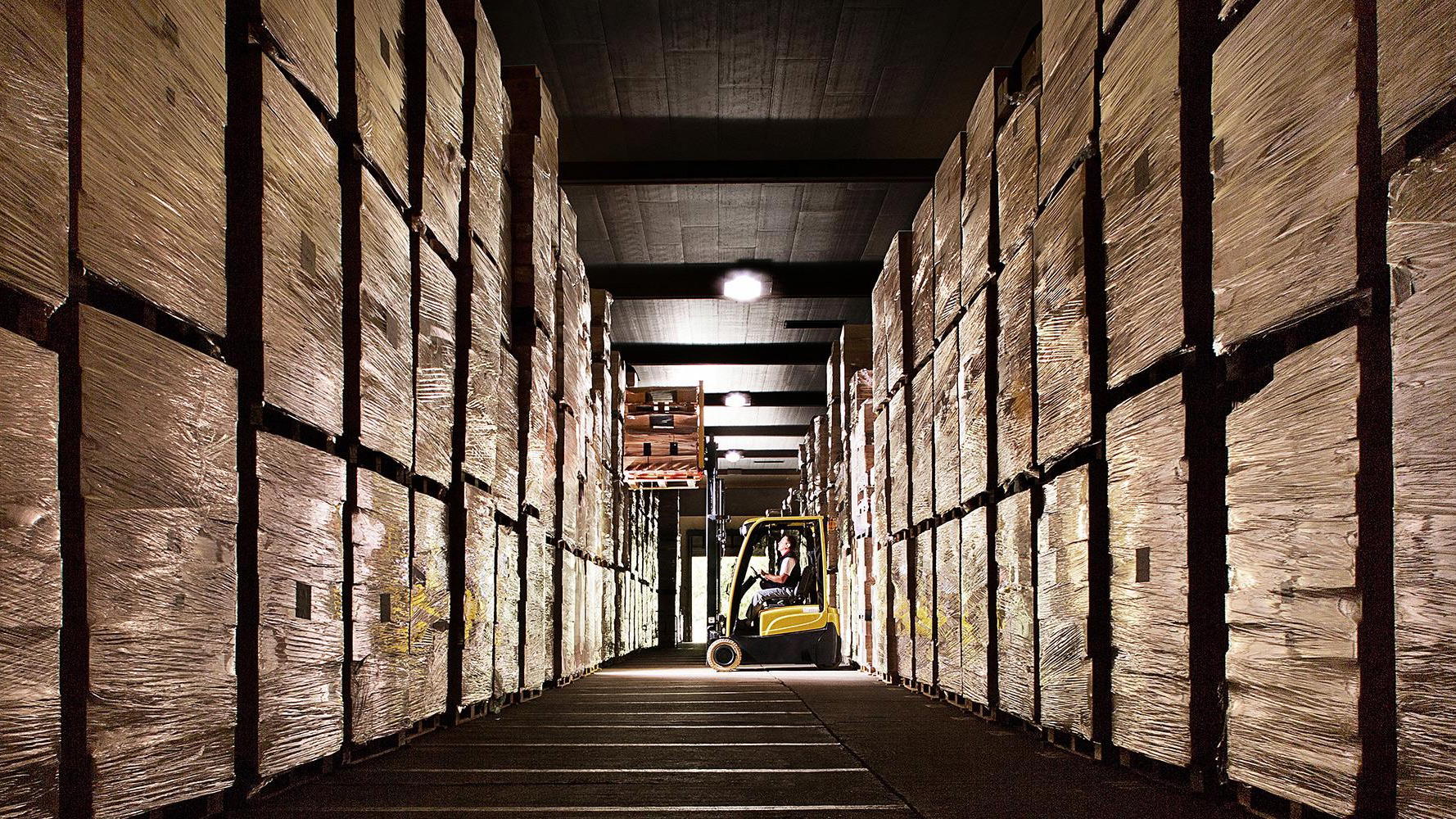
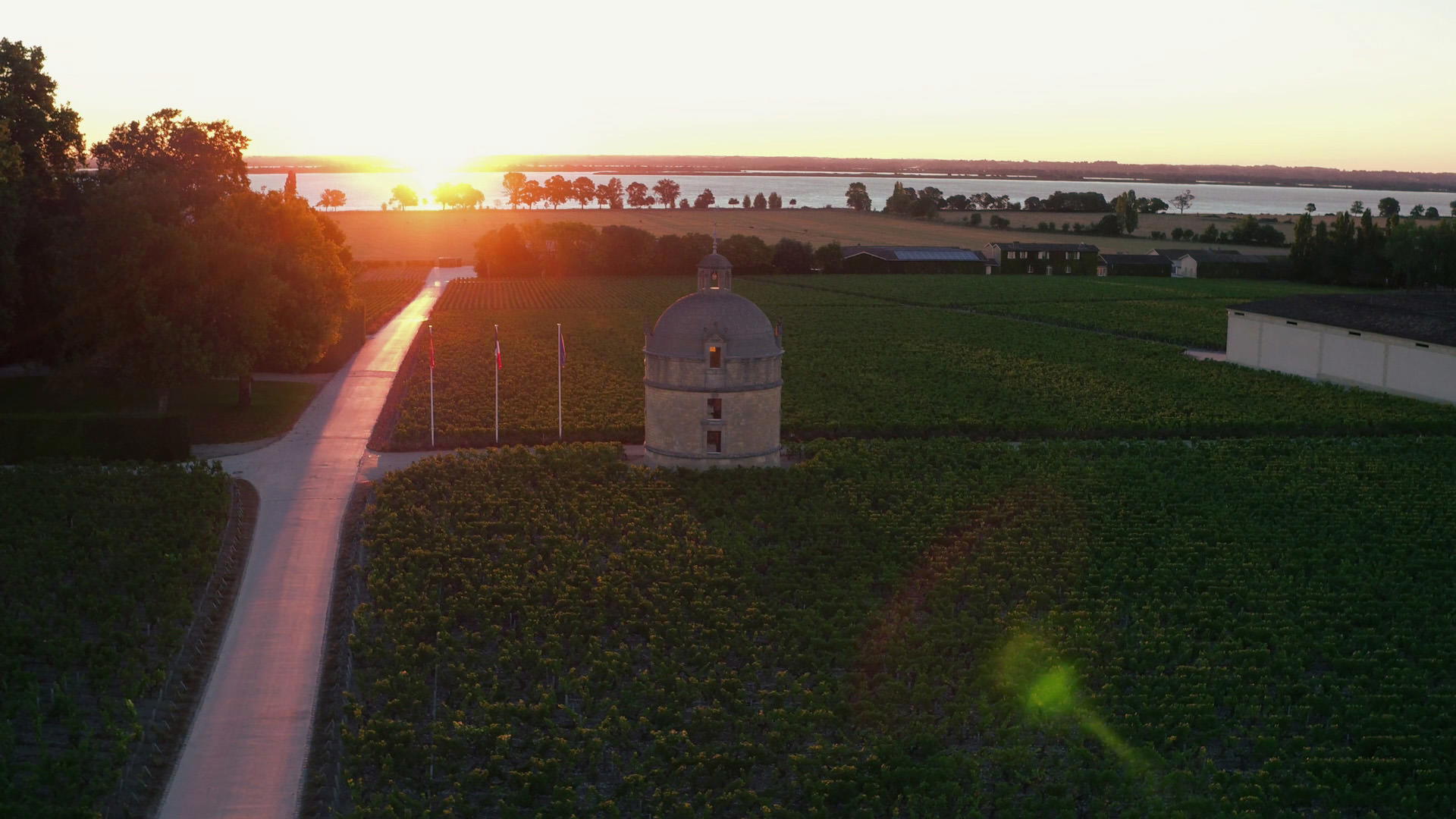
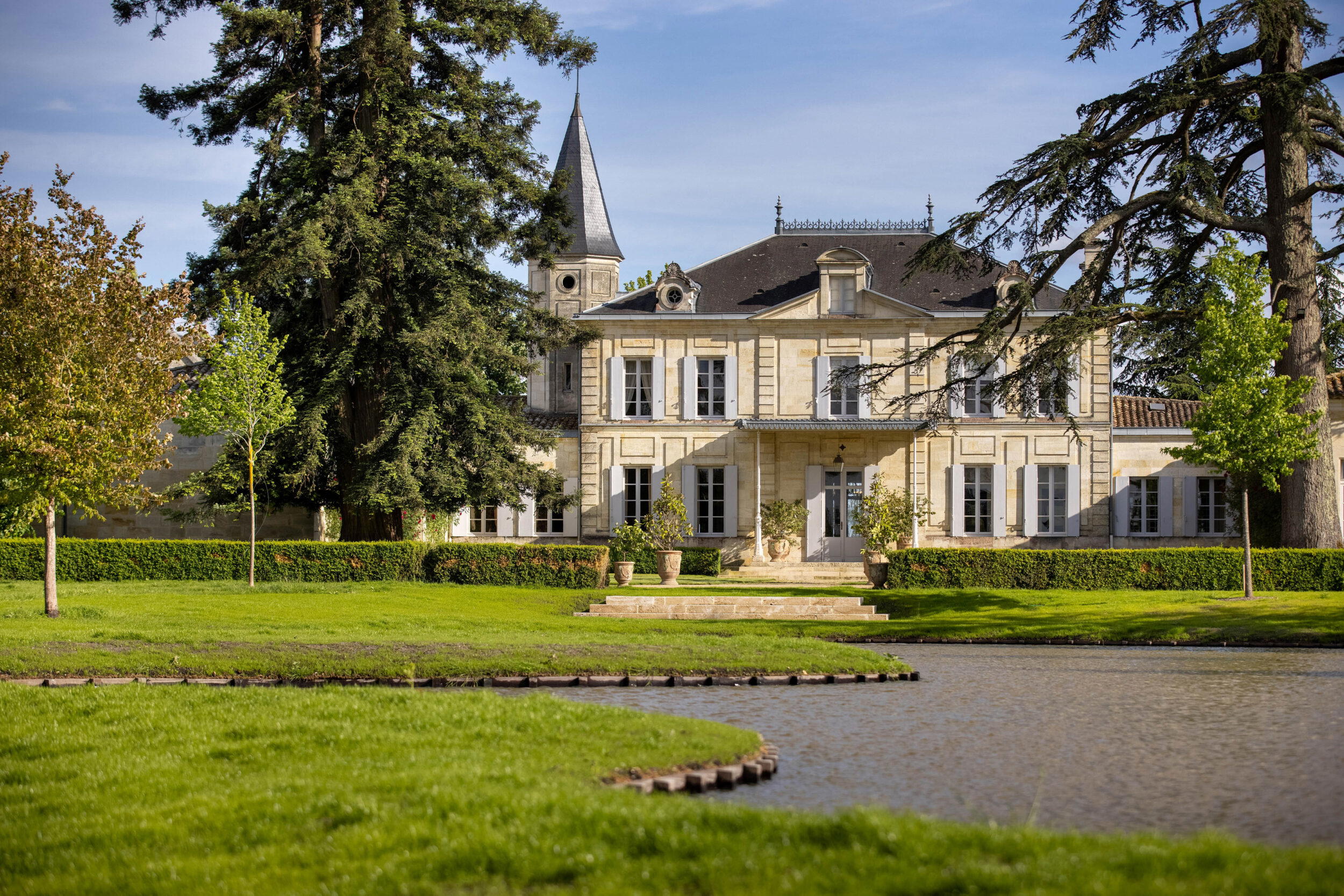
Bars in Pomerol
Browse all →

Restaurants in Pomerol
Browse all →
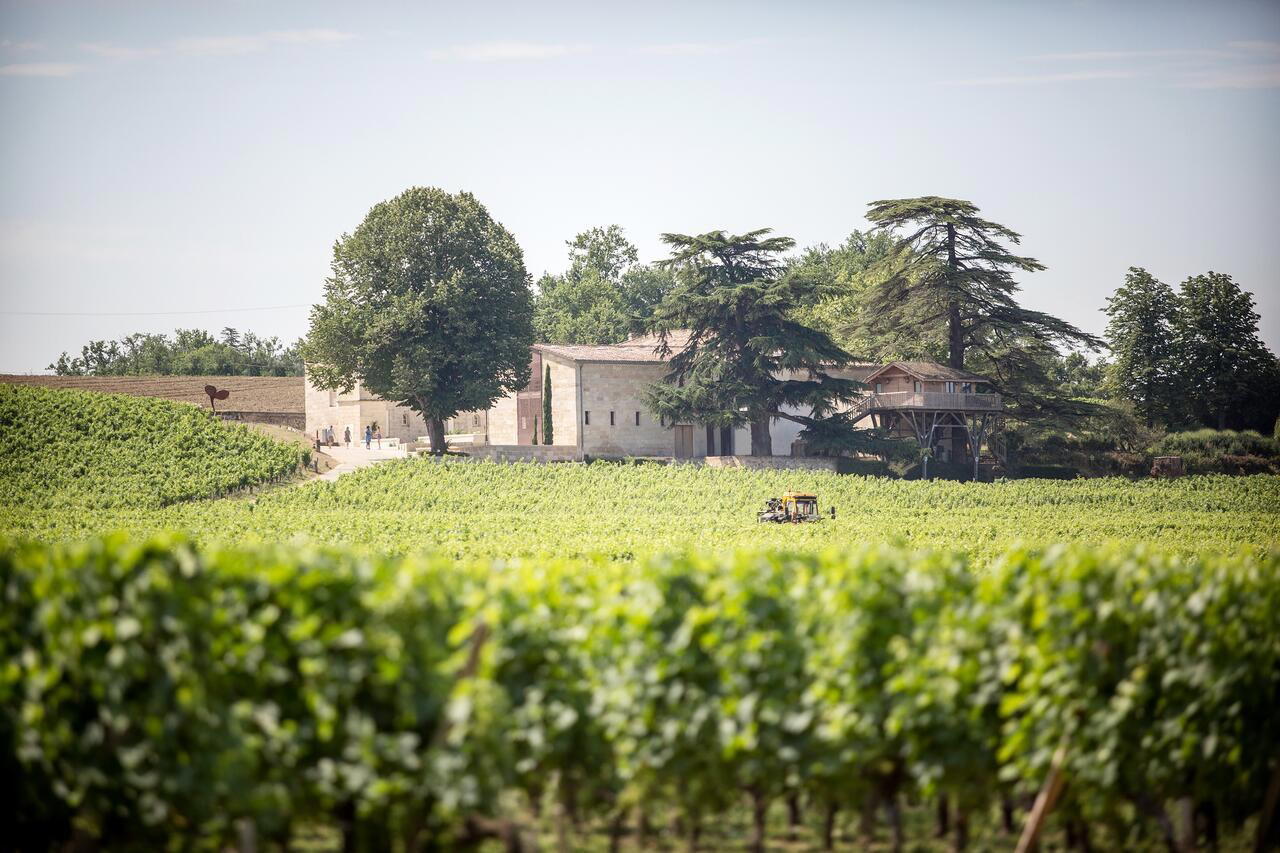
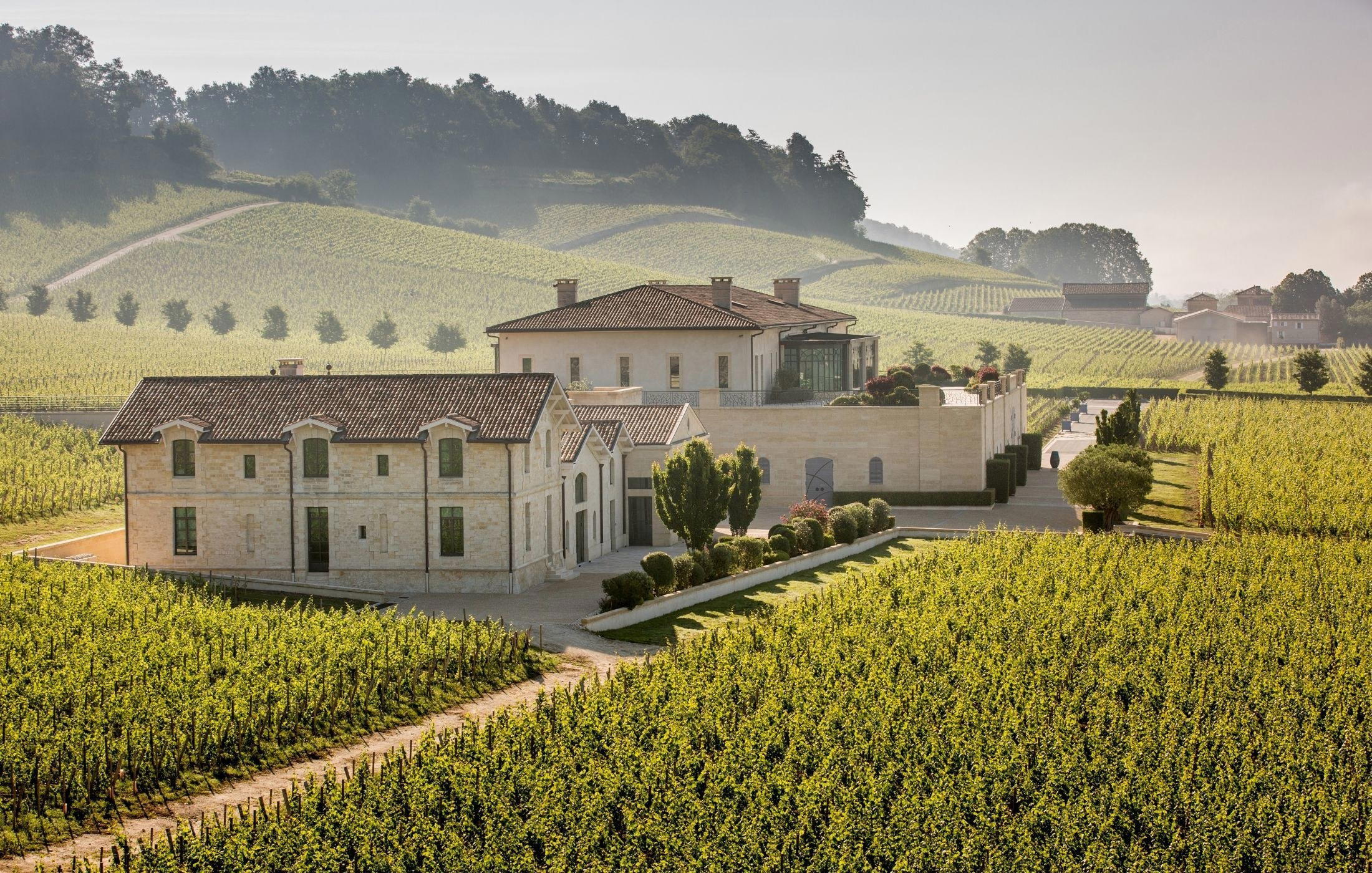
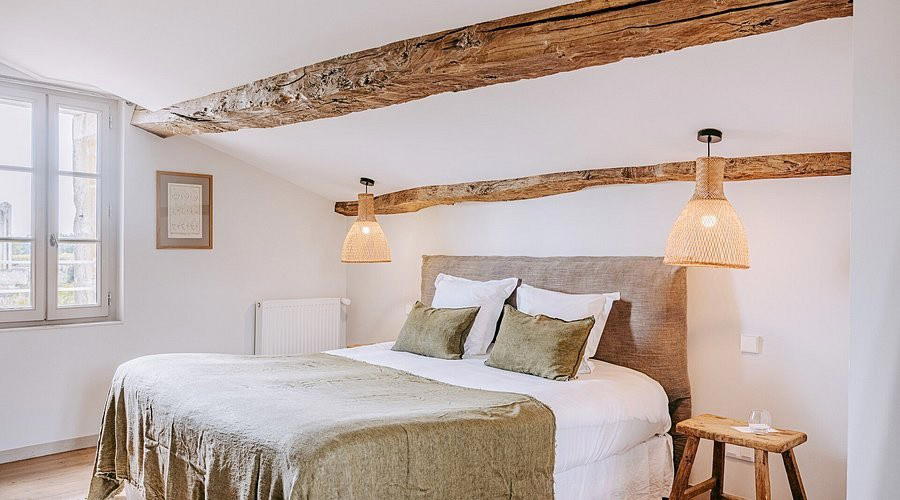
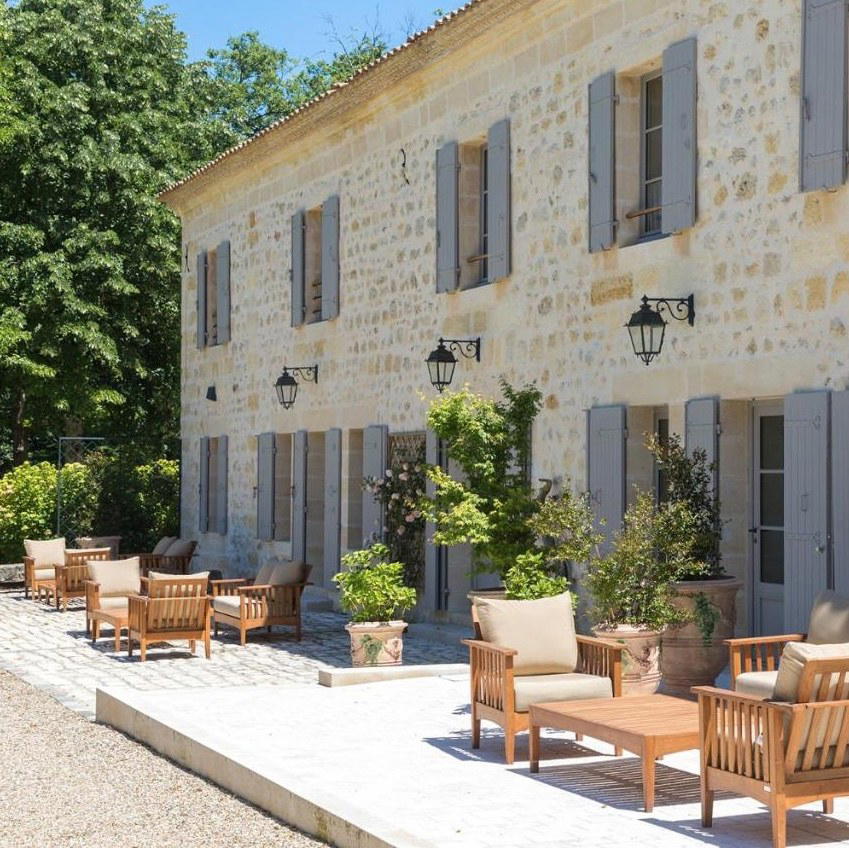
At a Glance
- Elegant
- Classic
- Intimate
- Well Known
- Sophisticated
- Special Occasion
- Wine Education
- Vineyard Tour
- Cave Tasting
- Estate Grounds
- Sustainable
- Vineyard
- Pomerol AOC
- Merlot
- Cabernet Franc
- Still Red
- Private Tasting
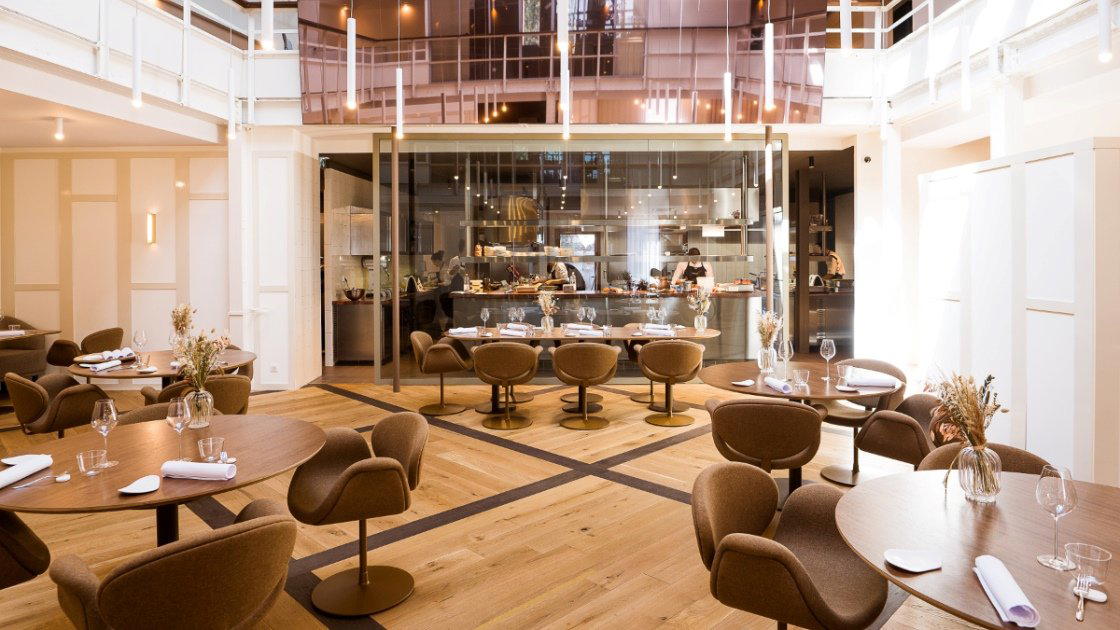
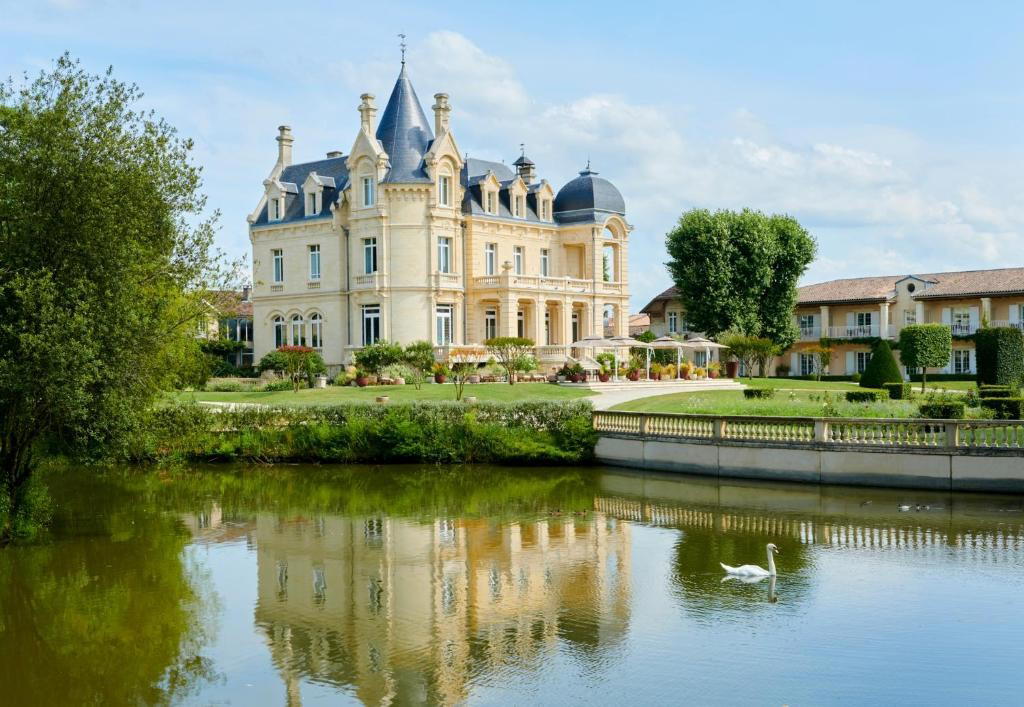
Understated manor house setting with a serene, historic atmosphere focused on tradition and quality.
Know Before You Go
- Getting there
- 4 Chem. de Chantecaille, 33500 Pomerol