

The property sits among the most established family-run quintas in the region, where winemaking and hospitality share the same address. Staying here places guests inside the working rhythms of one of Portugal's most respected wine estates.
Pearl is the En Primeur Club membership app — saves, bookings, and concierge access live there. Same editors, same standards.
- Address
- Quinta do Crasto, 5060-063
- Phone
- +351 254 920 020
- Website
- quintadocrasto.pt
- Directions
- Get directions
 Saves & bookings on Pearl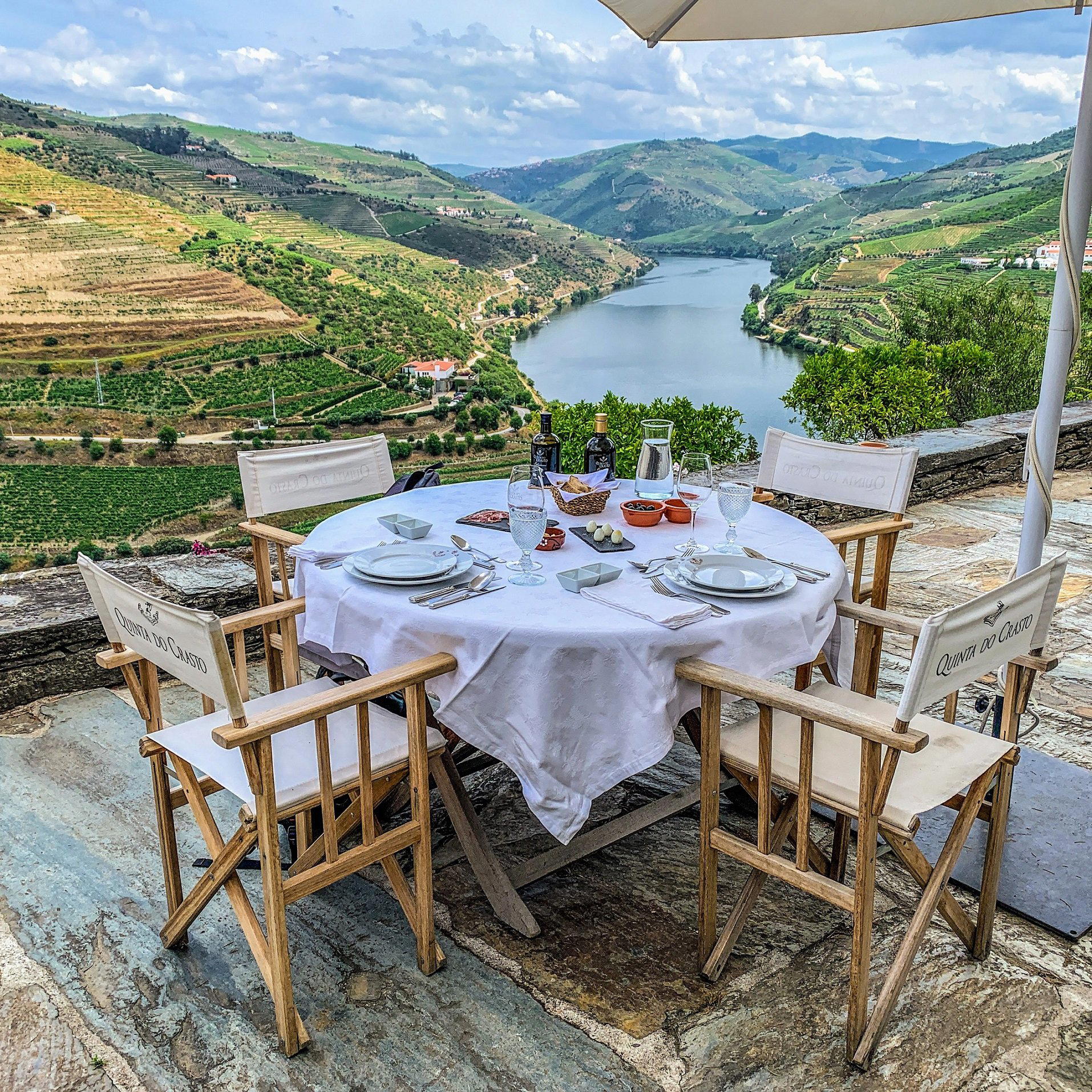
A Working Estate on the Douro's Upper Terraces
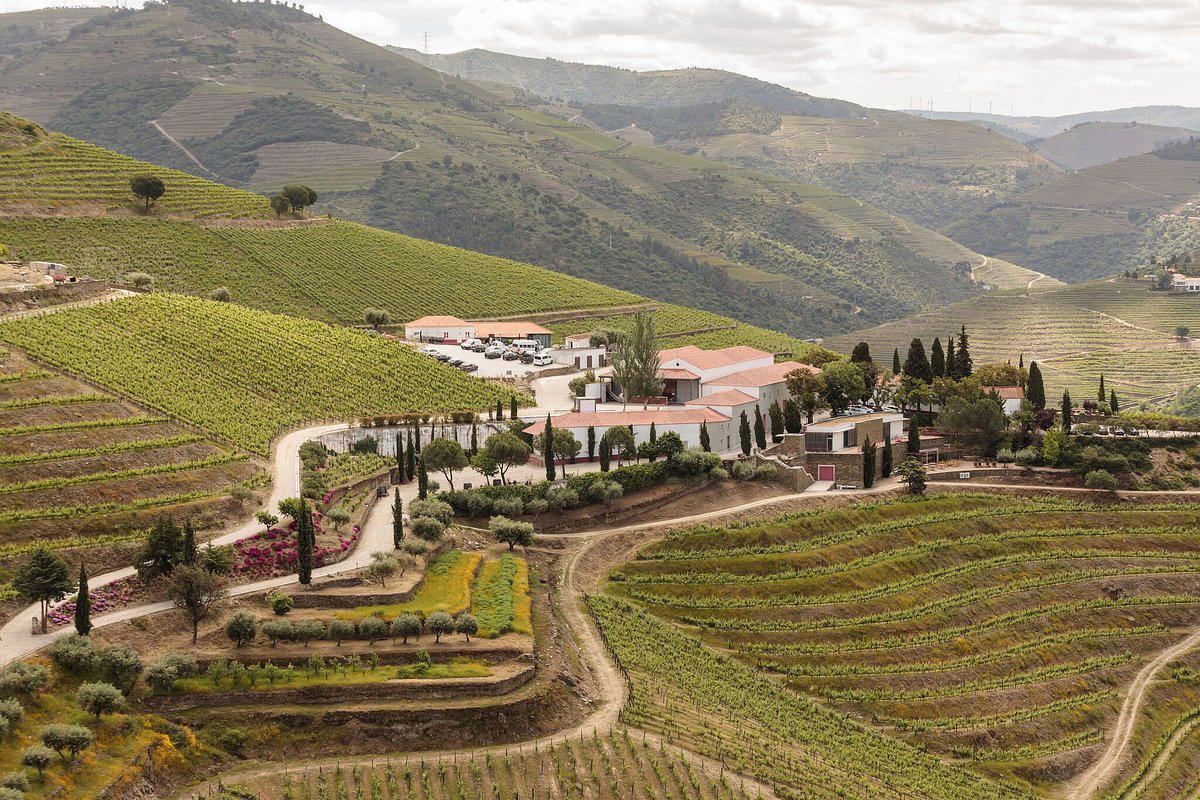
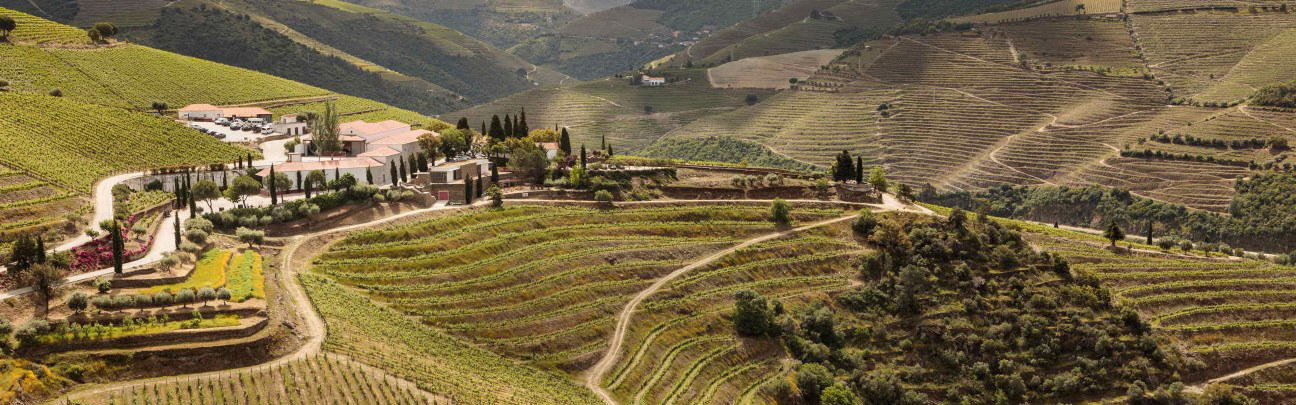
The Douro Valley divides, roughly, into quintas that produce wine and quintas that receive visitors. A smaller tier does both with equal seriousness, where the guest rooms overlook the same schist-terraced vineyards that supply the winery. Quinta do Crasto belongs to that tier. Located outside Sabrosa in the Douro Superior, the estate operates four guest suites and a winery on the same grounds, which means the morning view and the evening wine come from the same hillside. That compression of experience — terroir visible from the breakfast table — is the defining feature of this category of Douro accommodation, and Crasto delivers it without the resort infrastructure that has started to appear at larger valley operations.
The Douro has seen a pronounced shift in prestige hospitality over the past decade. International hotel groups have moved into the valley, attaching brand names to renovated manor houses and adding pools, spas, and structured programming. The counterweight to that trend is the family-owned quinta that keeps its room count deliberately low and its calendar tied to harvest rhythms rather than hotel-industry occupancy targets. At four suites, Quinta do Crasto sits firmly in that second category, closer in spirit to Quinta do Vallado in Peso da Régua or Quinta do Bomfim in Pinhão than to anything operating at scale.
Crasto's rating puts it in that company nationally, while remaining anchored to the Douro's specific character: schist soils, extreme heat in summer, and old-vine Touriga Nacional and Touriga Franca as the backbone of serious red wine production here.
The Estate as Winemaking Argument
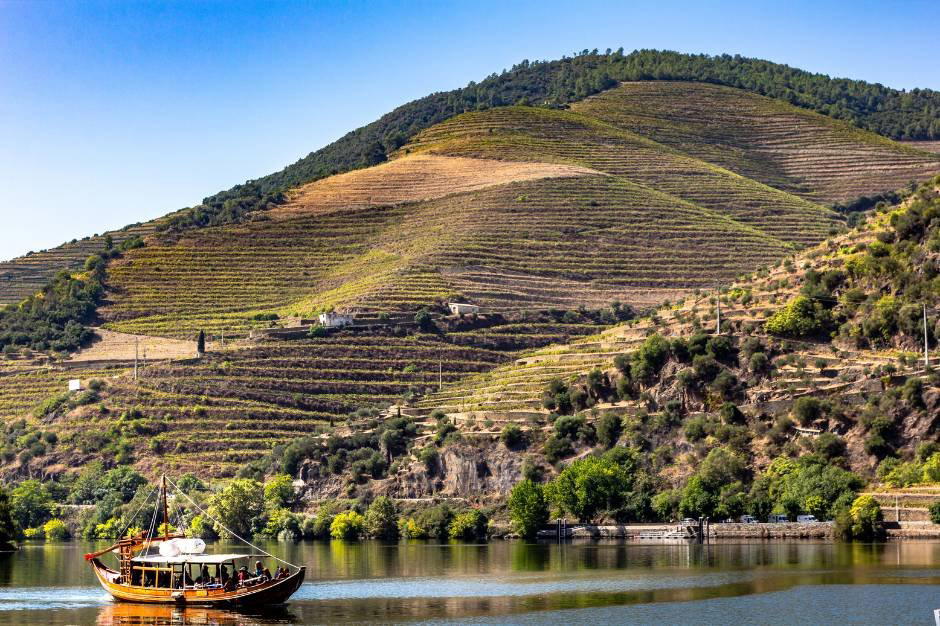
The editorial angle that makes Quinta do Crasto legible to a wine-serious visitor is the relationship between the place and the wine. The Douro's most credible estates argue through their terroir: the specific exposure, altitude, and vine age of their plots shape what ends up in the bottle more than any winery intervention does. Old-vine parcels in this part of the valley, farmed on steep terraces that resist mechanisation, produce fruit concentration that younger vineyards at lower altitudes cannot replicate. Staying at the quinta gives a visitor the context to understand that argument physically, the gradient of the terrain, the heat retained by the schist, the scale of manual labour involved, rather than reading about it in a technical note.
That kind of on-the-ground context separates estate stays in the Douro from tastings conducted at lodge operations downstream. At Churchill's in Vila Nova de Gaia or Blandy's Wine Lodge in Funchal, the product arrives at the tasting room already separated from the landscape that produced it. At a quinta like Crasto, the landscape is the entire point of the visit. The same principle holds at Quinta do Seixo in Tabuaço or Quinta do Infantado, a close Sabrosa neighbour, though each property expresses it differently.
The Four-Suite Format and What It Means in Practice
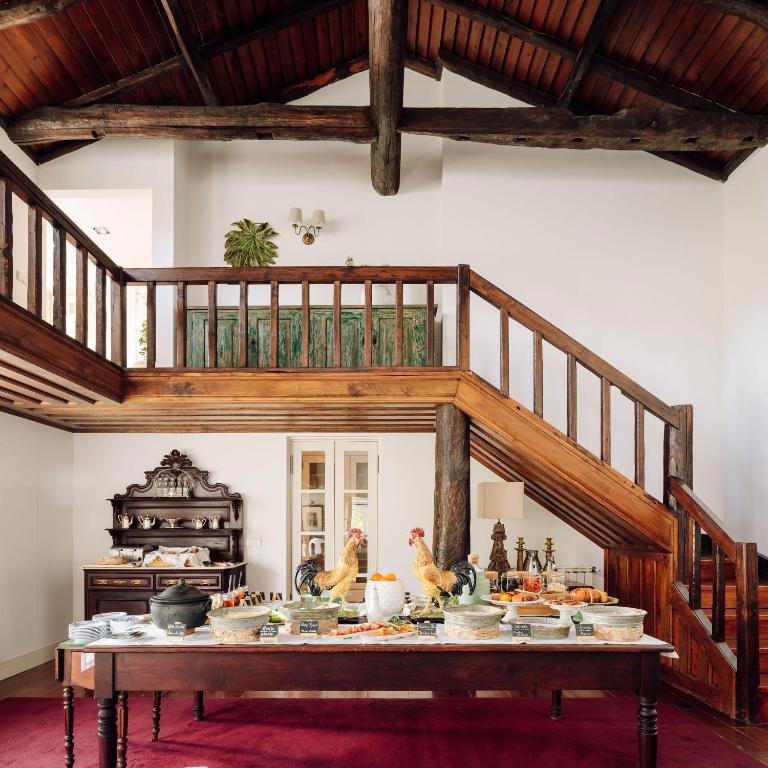
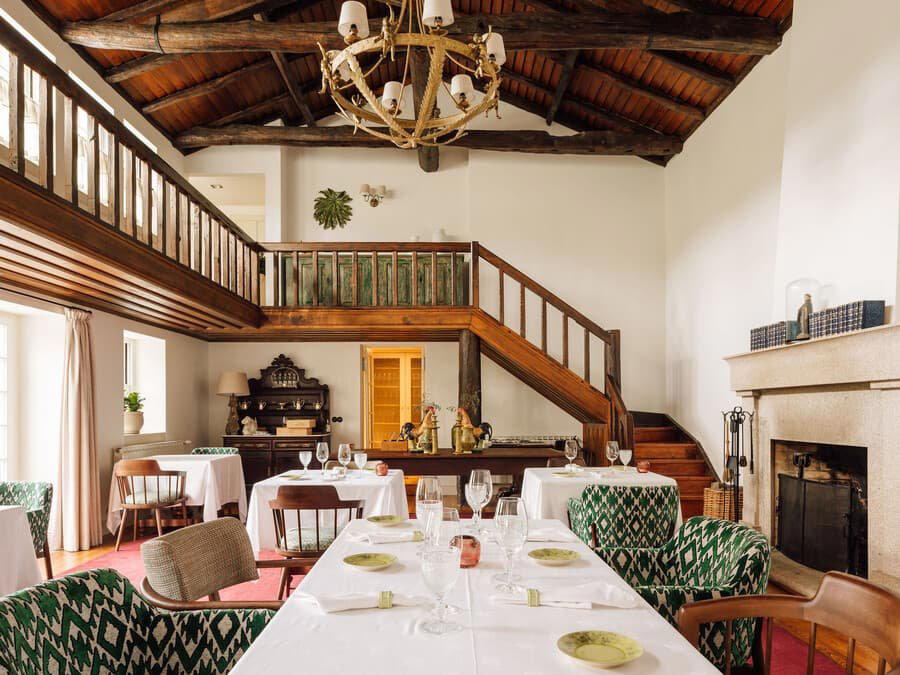
Running four suites rather than twelve or twenty is not a restraint born of circumstance, it is a structural choice that determines the entire quality of the stay. At that scale, the staff-to-guest ratio remains high without requiring hotel-scale back-of-house operations. The family's presence in the dining room at breakfast, noted in the property's own description, is not an amenity that can be replicated at a larger property: it is a direct consequence of keeping the room count small enough that shared space feels natural rather than choreographed.
For guests planning around harvest, the late-summer and autumn months compress Douro quinta life into its most concentrated form: the vineyards are active, the winery is operating, and the rhythms of the estate become visible in ways they are not in the quieter winter months. That timing consideration applies across the valley, at Quinta do Portal, also in Sabrosa, and at Bacalhôa Vinhos in Azeitão further south, but the Douro's harvest season is particularly dramatic given the terrain and the manual harvest methods that the steep terraces require.
Sabrosa and the Broader Douro Context
Sabrosa sits in the Douro Superior, east of Pinhão and at higher altitude than the valley's most visited central corridor. The municipality is associated with Fernando Magalhães, the circumnavigator, but for wine purposes it functions as a cluster of family-owned quintas occupying a zone where Douro red wine production reaches some of its most concentrated expressions. The area receives less visitor traffic than the train-connected towns closer to Régua, which means the road access is the trade-off for a quieter, more working-agricultural feel. For visitors arriving by car from Porto, the drive east along the N222 or via the A4 motorway delivers the full visual argument for the region before the destination is even reached.
Neighbouring estates in the Sabrosa area, including Quinta do Infantado and Quinta do Portal, form a loose peer group for multi-day itinerary planning. Visitors building a serious Douro itinerary can anchor at Crasto and reach both properties, along with the river-level experiences at Pinhão, within a sensible driving radius. For the broader Portuguese wine context, EP Club's coverage extends to Adega Regional de Colares, Adega Cooperativa de Borba, and beyond, for those building a national itinerary around regional wine character rather than a single appellation.
Planning a Stay
Quinta do Crasto operates four suites, which makes availability the primary booking consideration. The small scale means the property fills quickly during harvest season (typically September into October) and over Portuguese public holidays. Contact and booking details are best confirmed directly through current channels, as operational specifics at this scale of property are subject to seasonal adjustment. Our full Sabrosa restaurants guide covers the broader area for visitors planning meals and activities beyond the estate itself. International comparisons for this style of estate-integrated hospitality can be found at Aberlour in Aberlour or Accendo Cellars in St. Helena, though the Douro's physical scale and grape varieties produce a categorically different visitor experience.
Recognition history
Dated appearances from independent guides and award organizations, with the underlying list record or original source where available.
Falstaff Winery - Listed
Falstaff
World's 50 Best Best Vineyards #67
World's 50 Best
World's 50 Best Best Vineyards #15
World's 50 Best
World's 50 Best Best Vineyards #15
World's 50 Best
World's 50 Best Best Vineyards #8
World's 50 Best
World's 50 Best Best Vineyards #16
World's 50 Best
World's 50 Best Best Vineyards #8
World's 50 Best
World's 50 Best Best Vineyards #4
World's 50 Best
At a Glance
- Scenic
- Rustic
- Elegant
- Classic
- Wine Education
- Special Occasion
- Group Outing
- Vineyard Tour
- Barrel Room
- Estate Grounds
- Panoramic View
- Historic Building
- Sustainable
- Vineyard
- Mountain
- Douro DOC
- Touriga Nacional
- Touriga Franca
- Tinta Roriz
- Tinta Barroca
- Tinto Cão
- Still Red
- Still White
- Still Rosé
- Fortified
- Standard Tasting
- Private Tasting
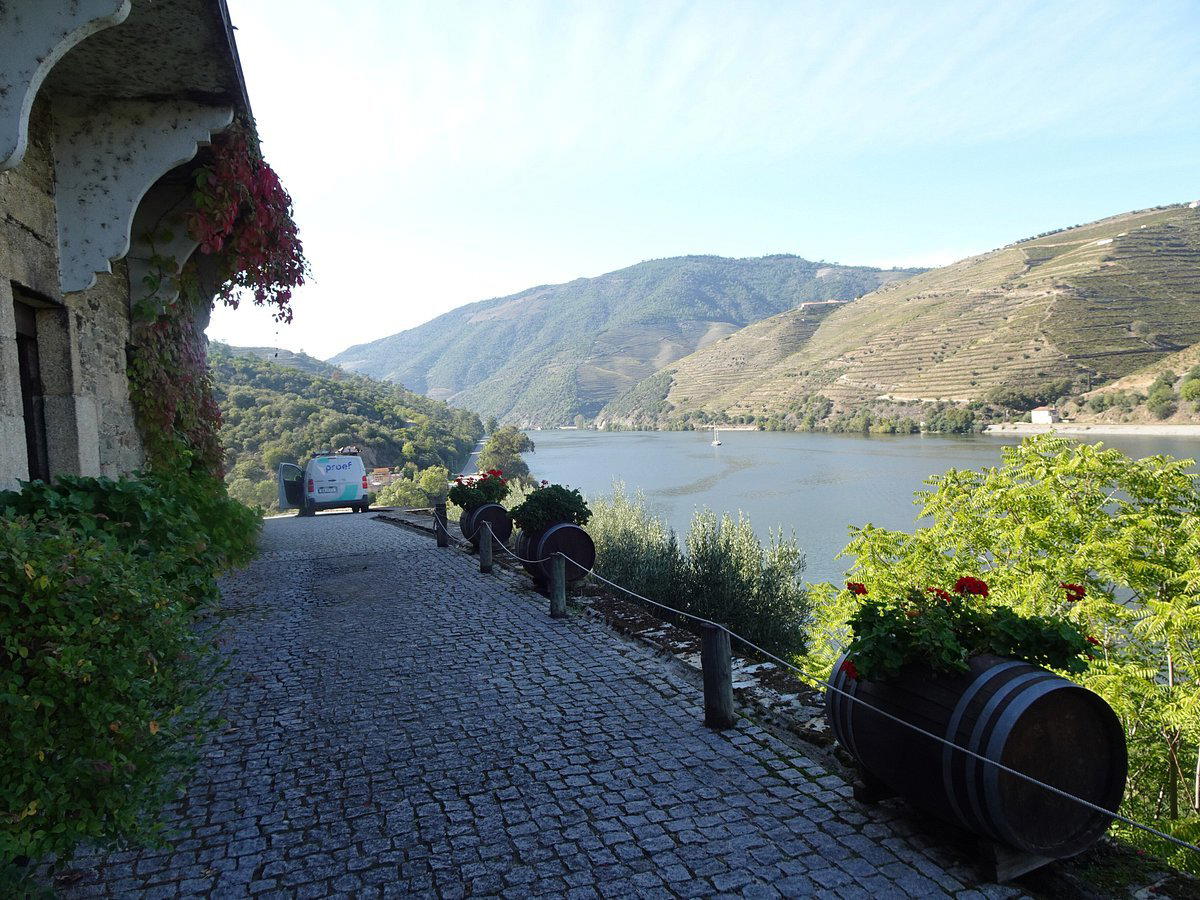
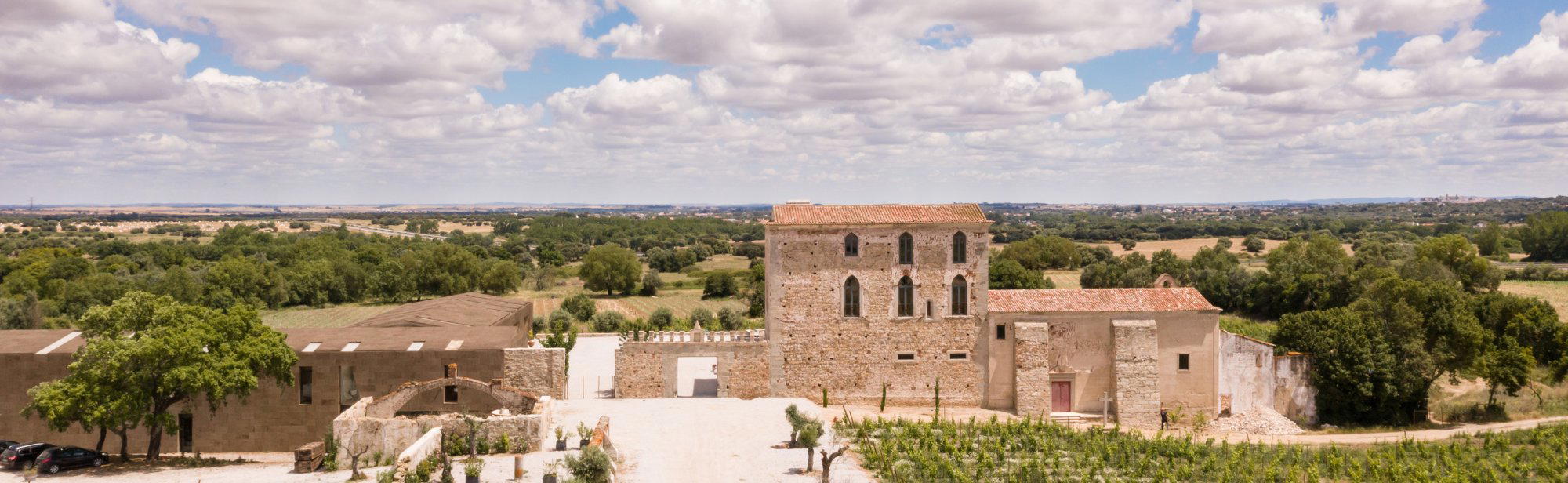
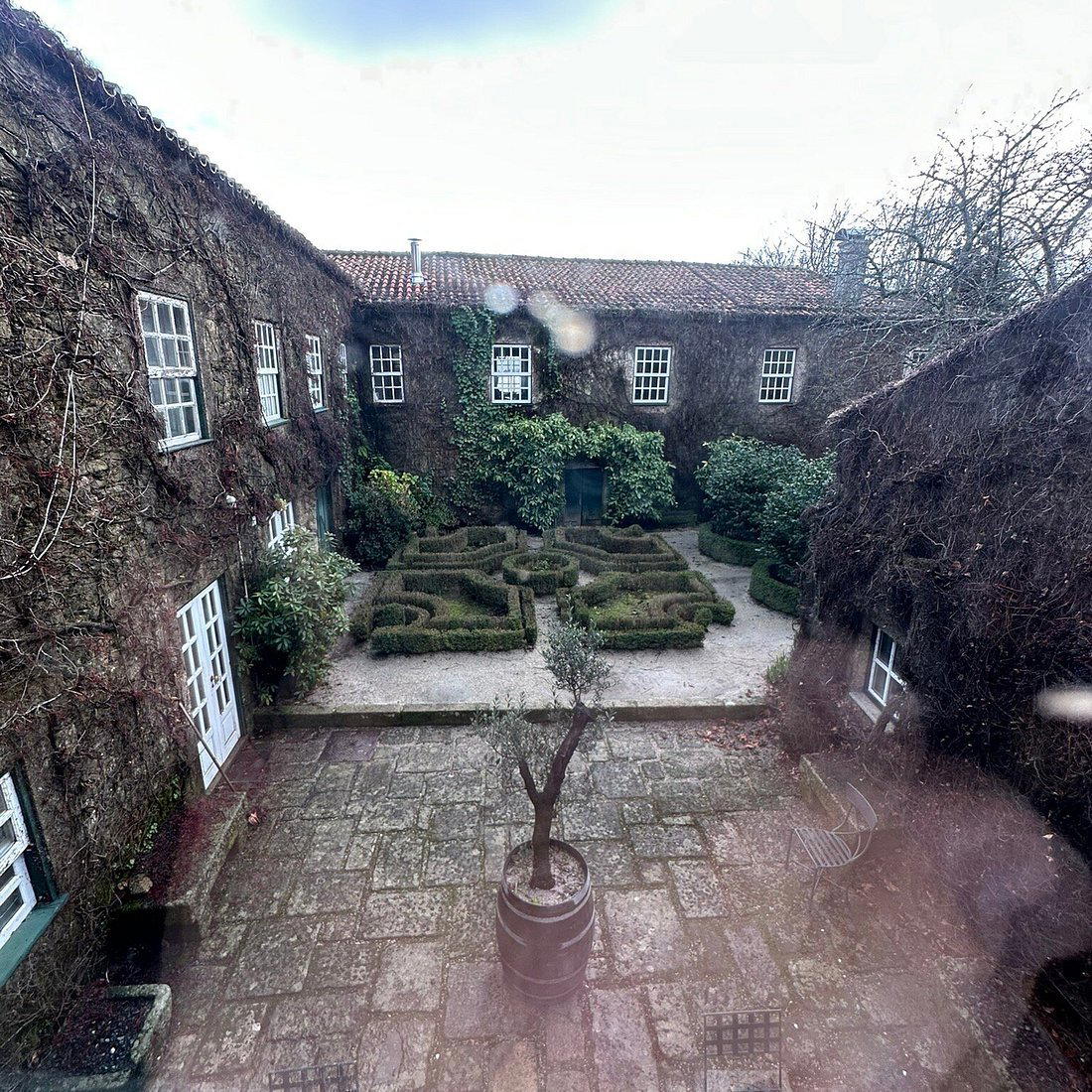
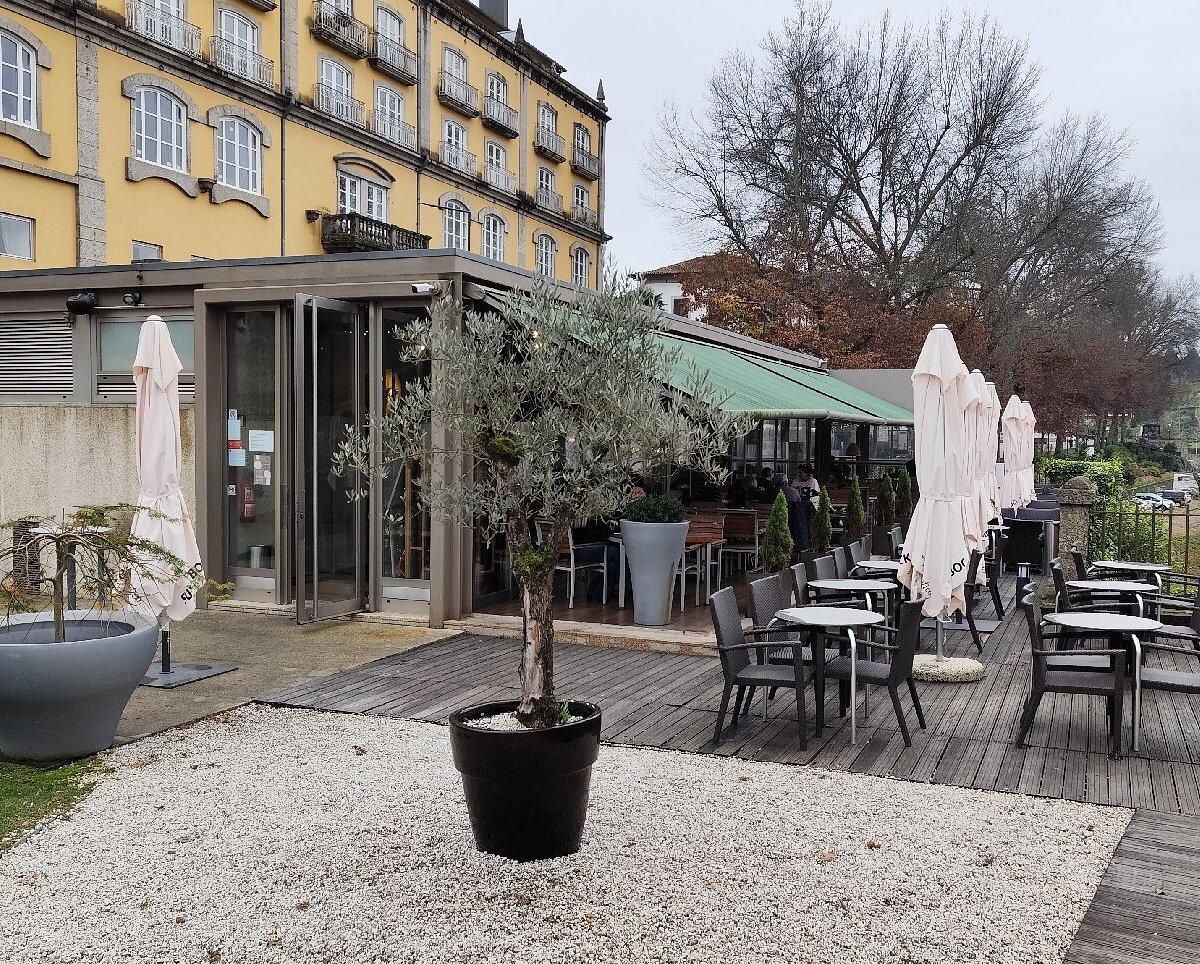
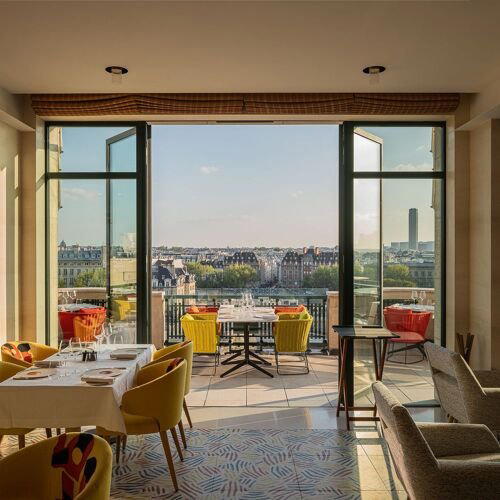
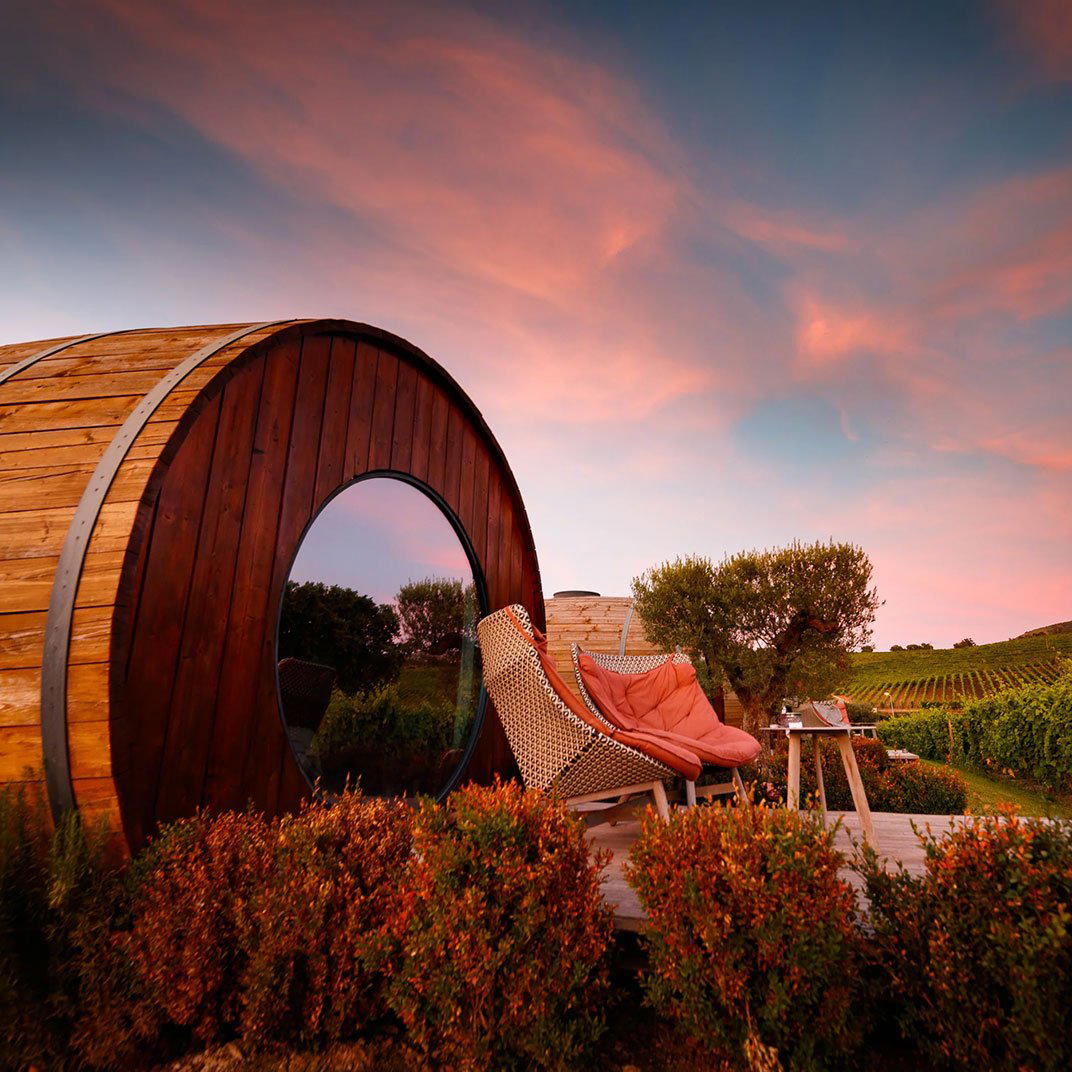
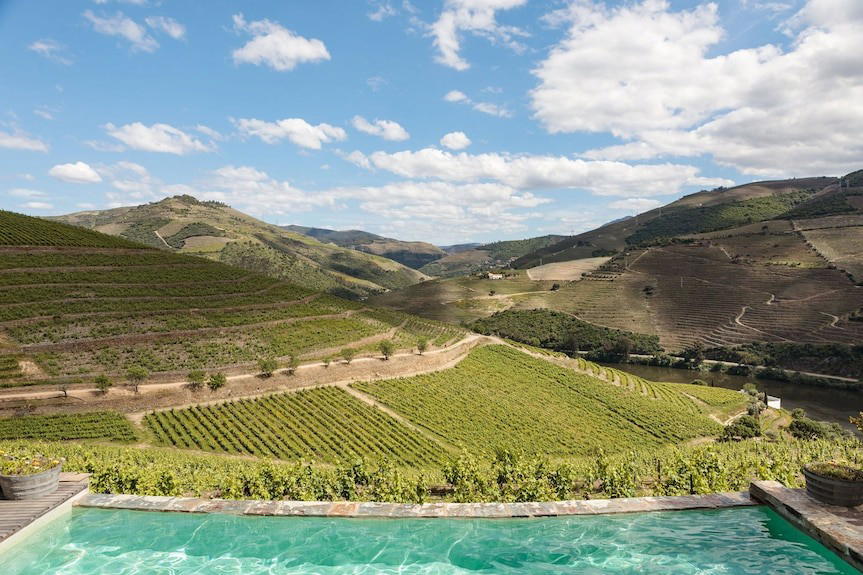
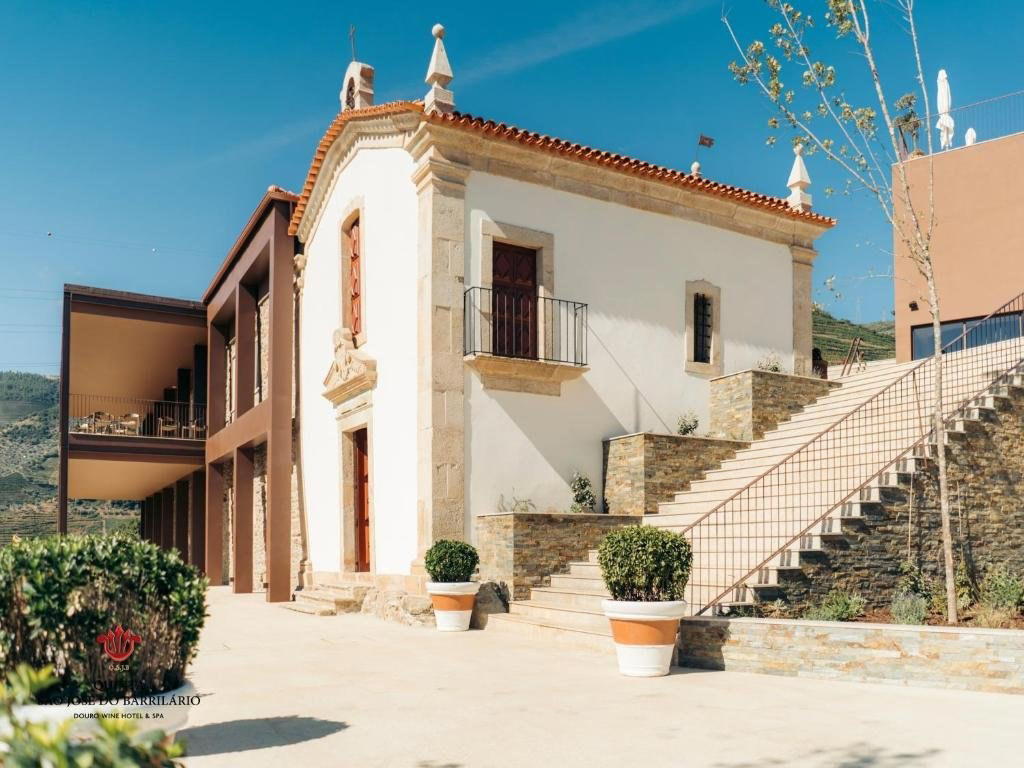
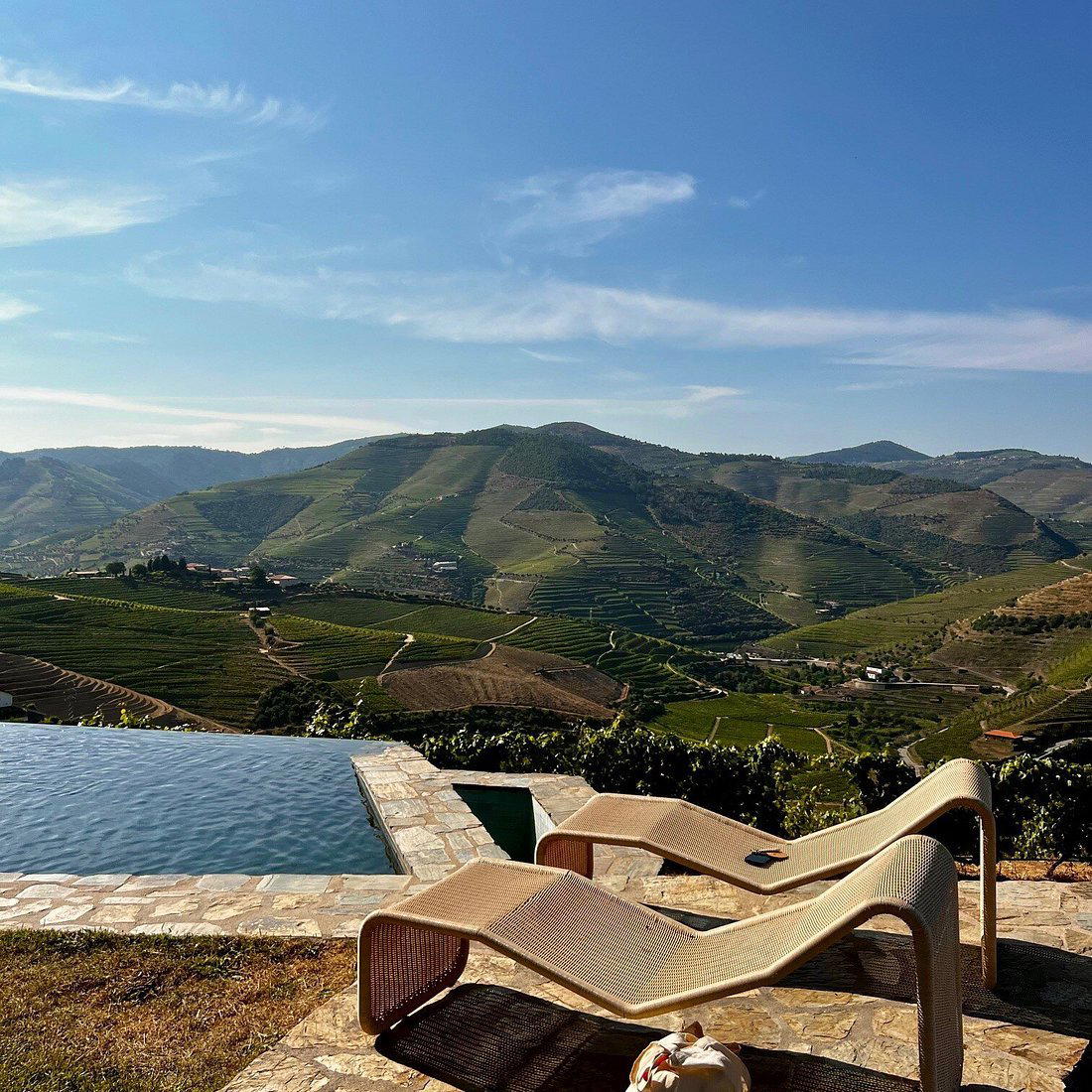
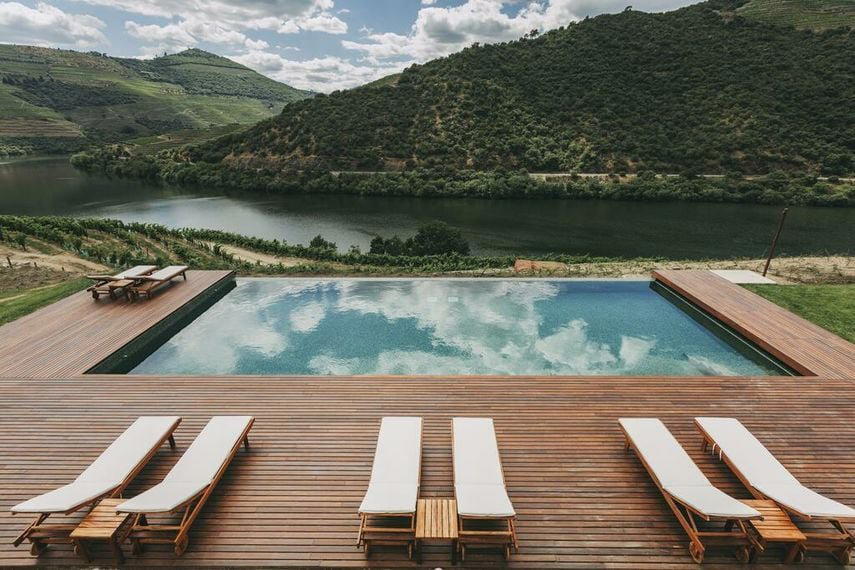
Idyllic riverside setting with panoramic Douro Valley views, blending historic architecture, traditional stone terraces, and modern winery facilities amid a serene, awe-inspiring landscape.
Know Before You Go
- Getting there
- Quinta do Crasto, 5060-063