Domaine Emmanuel Rouget

Working from Flagey-Echézeaux at the heart of the Côte de Nuits, Rouget's wines are allocation-only in most markets and trade at significant premiums on the secondary market.
Pearl is the En Primeur Club membership app — saves, bookings, and concierge access live there. Same editors, same standards.
- Address
- 18 Rte de Gilly, 21640 Flagey-Echézeaux
- Phone
- +33 3 80 62 86 61
- Website
- domaine-rouget.com
- Directions
- Get directions
 Saves & bookings on Pearl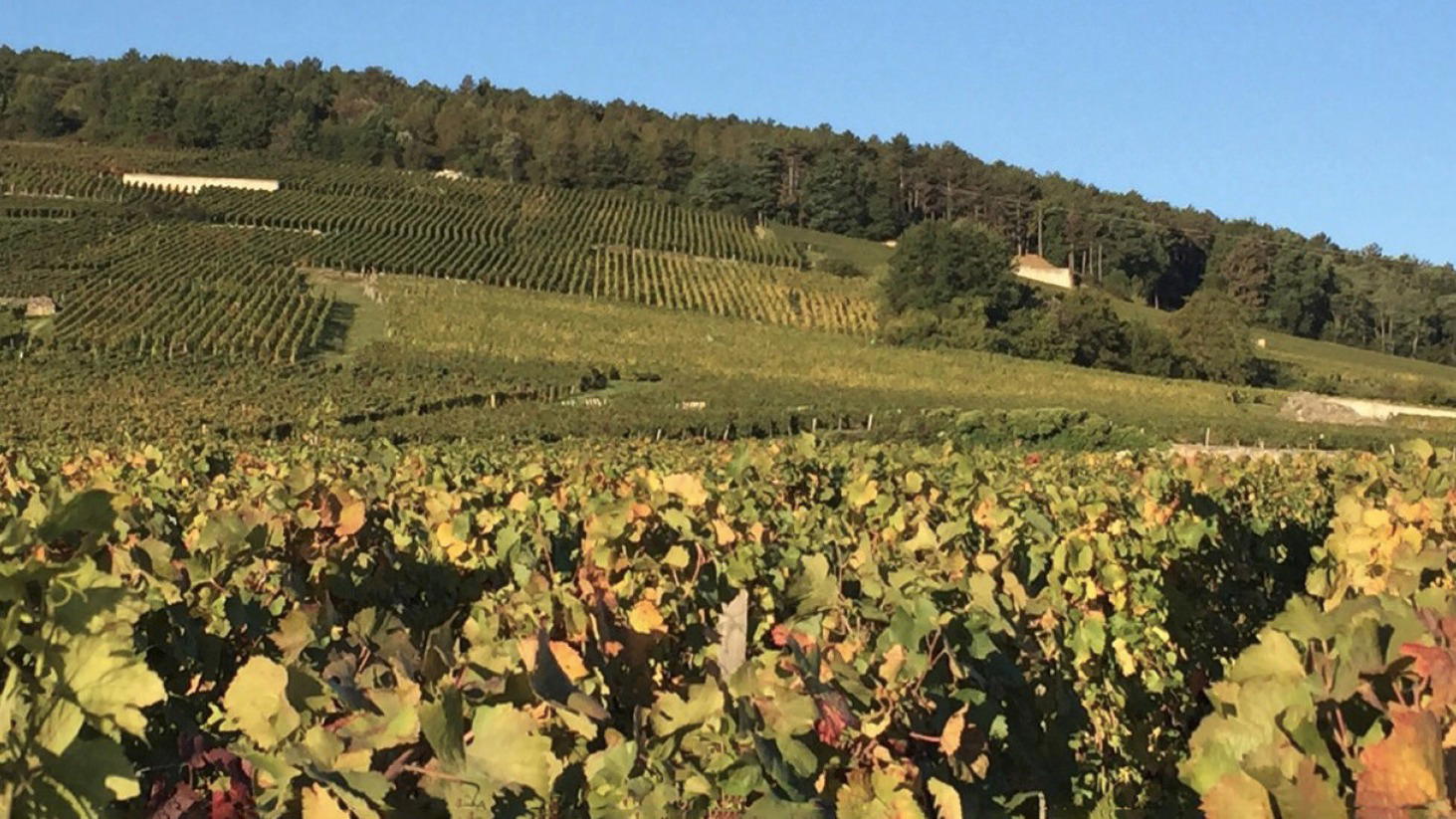
Where the Côte de Nuits Speaks Most Quietly
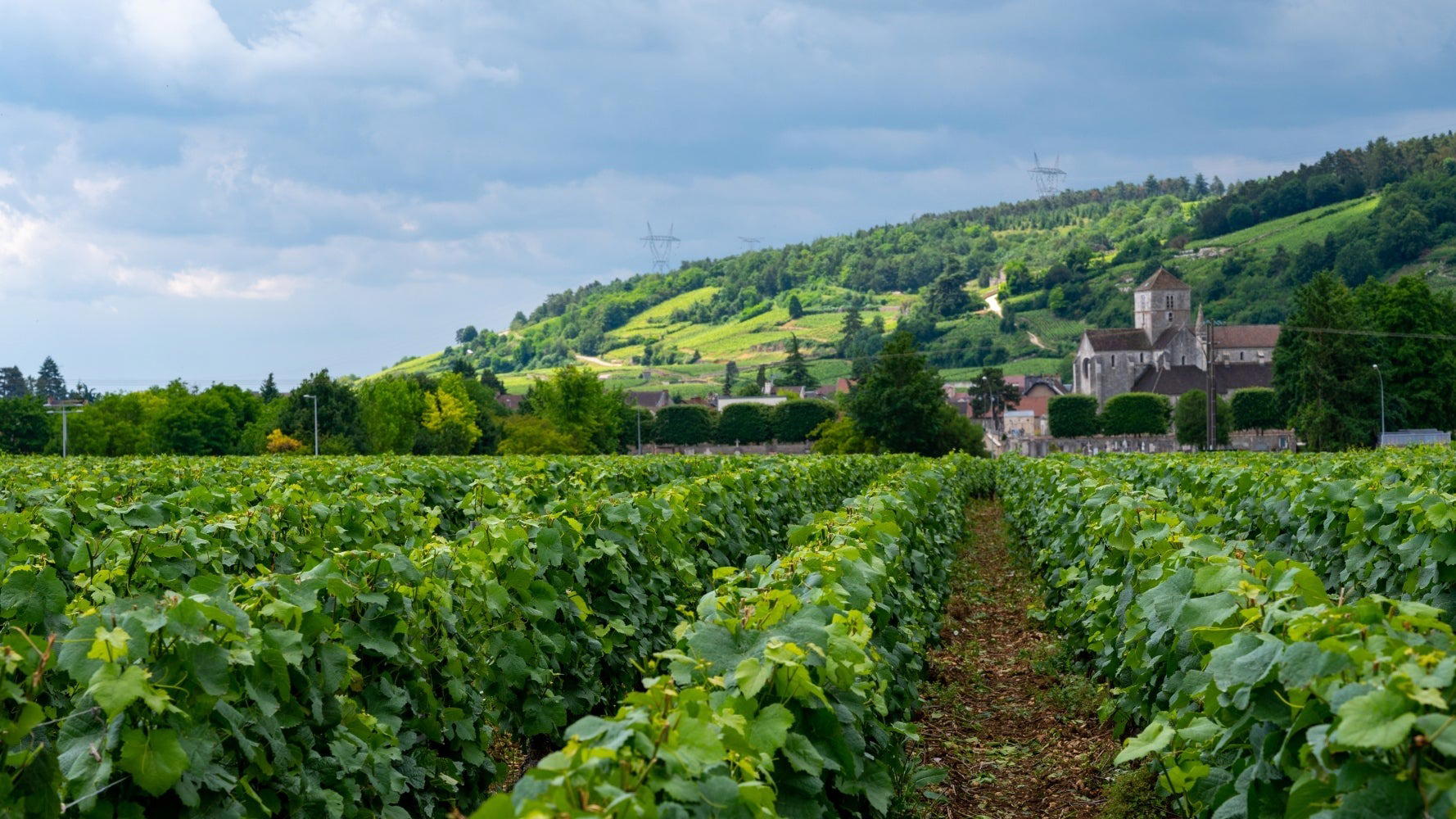
The village of Flagey-Echézeaux sits just off the main Route des Grands Crus, past Vougeot and before Vosne-Romanée proper, and the road through it is quiet enough that you notice the absence of signage. This is deliberate. The domaines that matter most in this corridor between the A31 autoroute and the Burgundy hills have rarely needed to announce themselves. Demand has always exceeded supply, and the address at 18 Route de Gilly is no exception. Domaine Emmanuel Rouget holds its place in this landscape not through volume or visibility but through the accumulated evidence of four decades of winemaking from particularly scrutinised plots in France.
That quiet confidence is characteristic of the Côte de Nuits at this level. The grands crus that run through Flagey and its neighbour Vosne-Romanée, Echézeaux, Grands Echézeaux, and the constellation of premier cru and village plots around them, were already famous before any living winemaker was born. What changes across generations is interpretation: how much extraction, how much new oak, how long in barrel, how the picking date responds to a given vintage's particular personality. Rouget's approach, developed since the first vintage in 1985, sits within a broader Burgundian tradition that prizes restraint and transparency over construction.
Terroir First: What the Land at Echézeaux Actually Tells You
Echézeaux as a grand cru is often misread. It covers a substantial area, around 37 hectares, and its geology is more varied than its single appellation name suggests. The leading parcels sit on well-drained limestone and marl soils at mid-slope, where the gradient slows the vine's vigour and focuses concentration into the fruit rather than the canopy. Further downslope, heavier soils produce wines with more body but less of the mineral edge that defines the appellation at its leading. Parcel selection and careful viticulture matter enormously here, which is why the same grand cru label can produce wines at different quality tiers depending on who is farming.
Vosne-Romanée, the village that effectively anchors the identity of this section of the Côte de Nuits, adds another register. Its premier crus occupy a narrow band of slope where the interaction between the Comblanchien limestone base and the thin layer of active topsoil produces a texture in the wine that is recognisable across producers: a silkiness that doesn't sacrifice structure. The comparison set here includes Henri Jayer, from whom Emmanuel Rouget inherited both vineyards and sensibility, and a handful of other small producers operating at allocation level in the same appellations.
Albert Boxler in Niedermorschwihr offers a useful parallel from Alsace: another small-production, family-run domaine where plot-level identity is the central argument. Or, for a contrast with Bordeaux's château model, where estate scale and blending philosophy operate on entirely different logic, see Château Branaire Ducru in St-Julien or Château Batailley in Pauillac.
The Jayer Connection and What It Means for the Wine
Emmanuel Rouget's association with Henri Jayer is well documented in Burgundy's public record. Jayer, who died in 2006, is regarded by collectors and critics as among the more influential Pinot Noir producers of the 20th century, credited with advancing low-intervention, terroir-focused methods at a time when the prevailing fashion in Burgundy ran toward heavier extraction and more industrial approaches. Rouget, his nephew, farmed Jayer's vineyards before formally taking them over and has continued working many of the same plots since his first vintage in 1985. That lineage carries weight in the collector market: bottles from this domaine regularly appear at auction alongside Jayer's own wines, and the Burgundy trade treats them as part of the same tradition.
Visits and purchases are by appointment only, and direct allocation through the domaine is one reliable route to current release. The secondary market applies a substantial premium. This is consistent with how allocation-tier Burgundy operates across the Côte de Nuits: domaines like Rouget, Méo-Camuzet, and a small number of others maintain tight distribution lists that rarely expand. Getting on those lists typically requires a relationship with a négociant, a specialist importer, or a wine merchant with long-standing Burgundy connections.
Flagey-Echézeaux as a Base for Understanding the Côte de Nuits
The practical base for exploring this section of the Côte de Nuits is either Beaune, roughly 25 kilometres to the south, or Nuits-Saint-Georges, closer at around 5 kilometres. From either, the Route des Grands Crus is accessible by car or bicycle, and the concentration of named plots visible from the road between Gevrey-Chambertin in the north and Beaune in the south is dense enough to justify a full day of unhurried exploration.
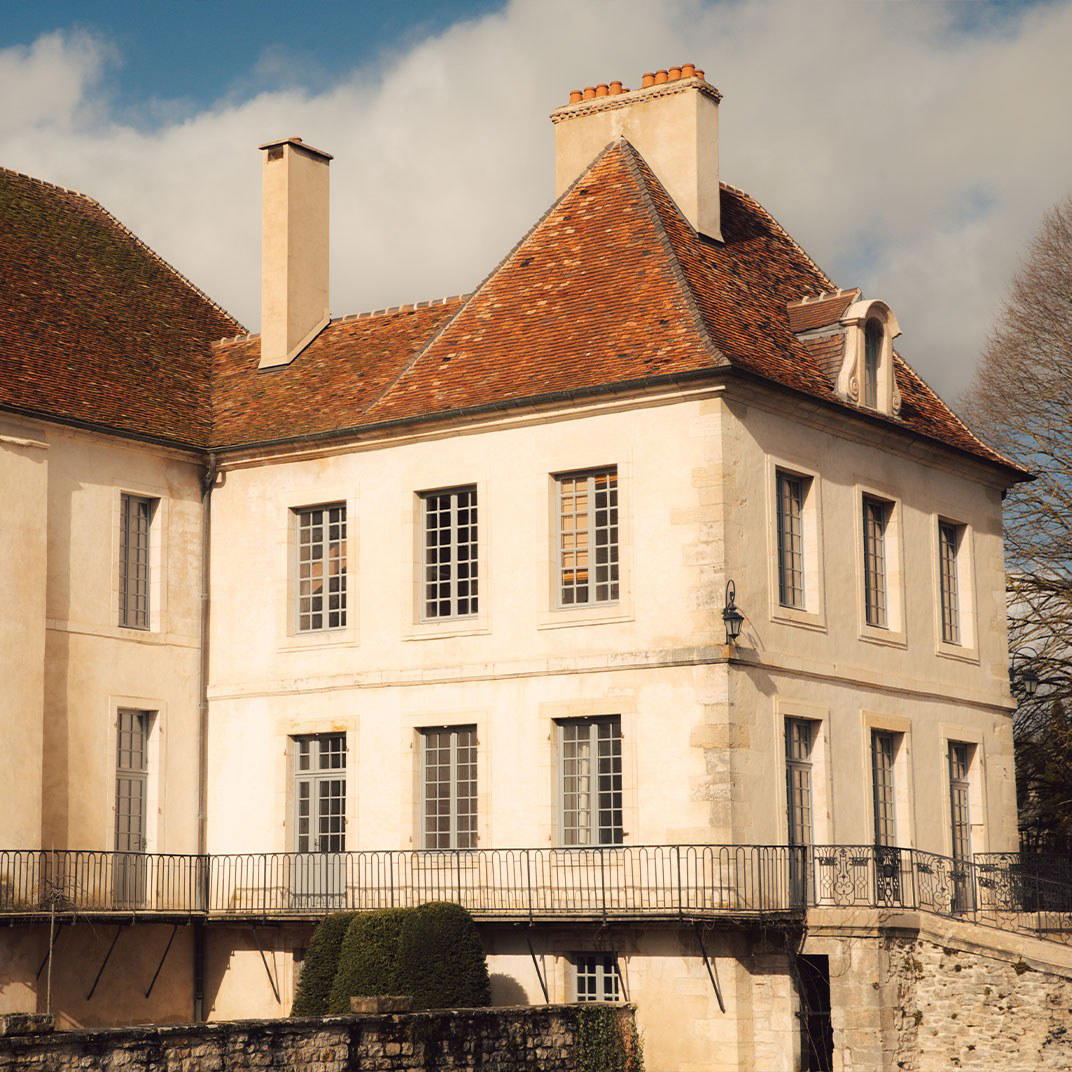
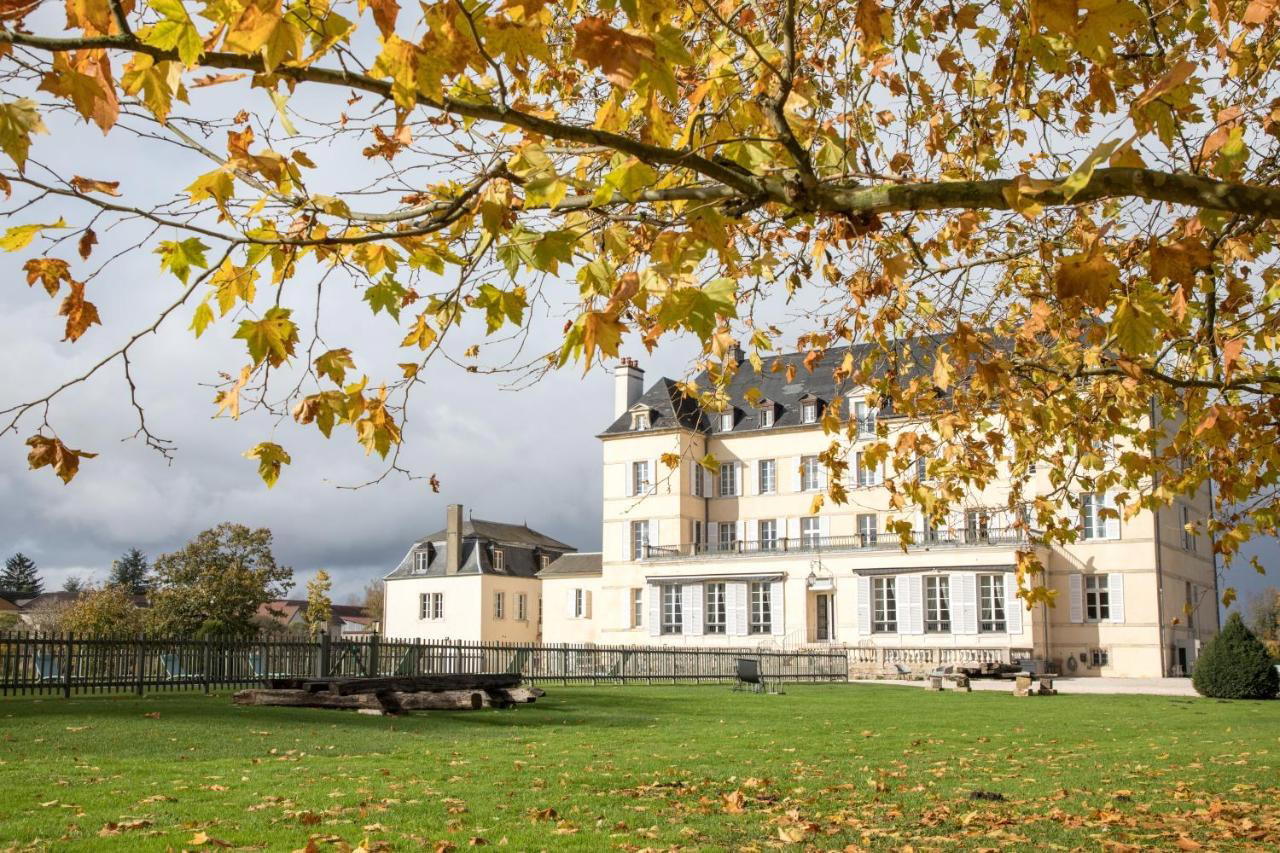
The domaine itself at 18 Route de Gilly is a working winery first. As with most small Burgundy producers at this level, visits are not walk-in affairs. Les Aligoteurs is worth noting as another Flagey-Echézeaux producer operating in the area. For cross-referencing across French appellations, the contrast between Burgundy's parcel-driven model and Bordeaux's estate-led approach is illustrated well by properties like Château Bélair-Monange in Saint-Emilion, Château Clinet in Pomerol, or Château Cantemerle in Haut-Médoc. Further afield, the allocation dynamics at Accendo Cellars in St. Helena offer a California parallel worth considering alongside Rouget for collectors building a cellar across regions.
For those who follow sweet wine alongside Burgundy red, Château Bastor-Lamontagne in Preignac, Château d'Arche in Sauternes, and Château d'Esclans in Courthézon round out a comparative picture of French fine wine geography. And for something further outside the wine category entirely, Chartreuse in Voiron and Aberlour in Aberlour illustrate how different the production logic becomes once you move from terroir-driven viticulture into spirits. Château Boyd-Cantenac in Cantenac completes the Bordeaux cross-reference set for Médoc classified growth comparisons.
A Quick Peer Check
Comparable venues nearby, for context on price, style, and recognition.
| Venue | Cuisine | Price | Notes |
|---|---|---|---|
| Domaine Emmanuel RougetThis venue — the venue you are viewing | Pinot Noir | $$$$ | Not listed |
| Les Aligoteurs | Aligoté | Not listed | Flagey-Echézeaux |
| Domaine Armand Rousseau | Pinot Noir | $$$$ | Gevrey-Chambertin |
| Domaine Ramonet | Chardonnay, Pinot Noir | $$$$ | Chassagne-Montrachet |
| Domaine Jean-Noël Gagnard | Chardonnay, Pinot Noir | $$$$ | Chassagne-Montrachet |
| Domaine de la Vougeraie | Pinot Noir, Chardonnay | $$$$ | Premeaux-Prissey |
Recognition history
Dated appearances from independent guides and award organizations, with the underlying list record or original source where available.
Falstaff Winery - Listed
Falstaff
Continue exploring
More in Flagey-Echézeaux
Wineries in Flagey-Echézeaux
Browse all →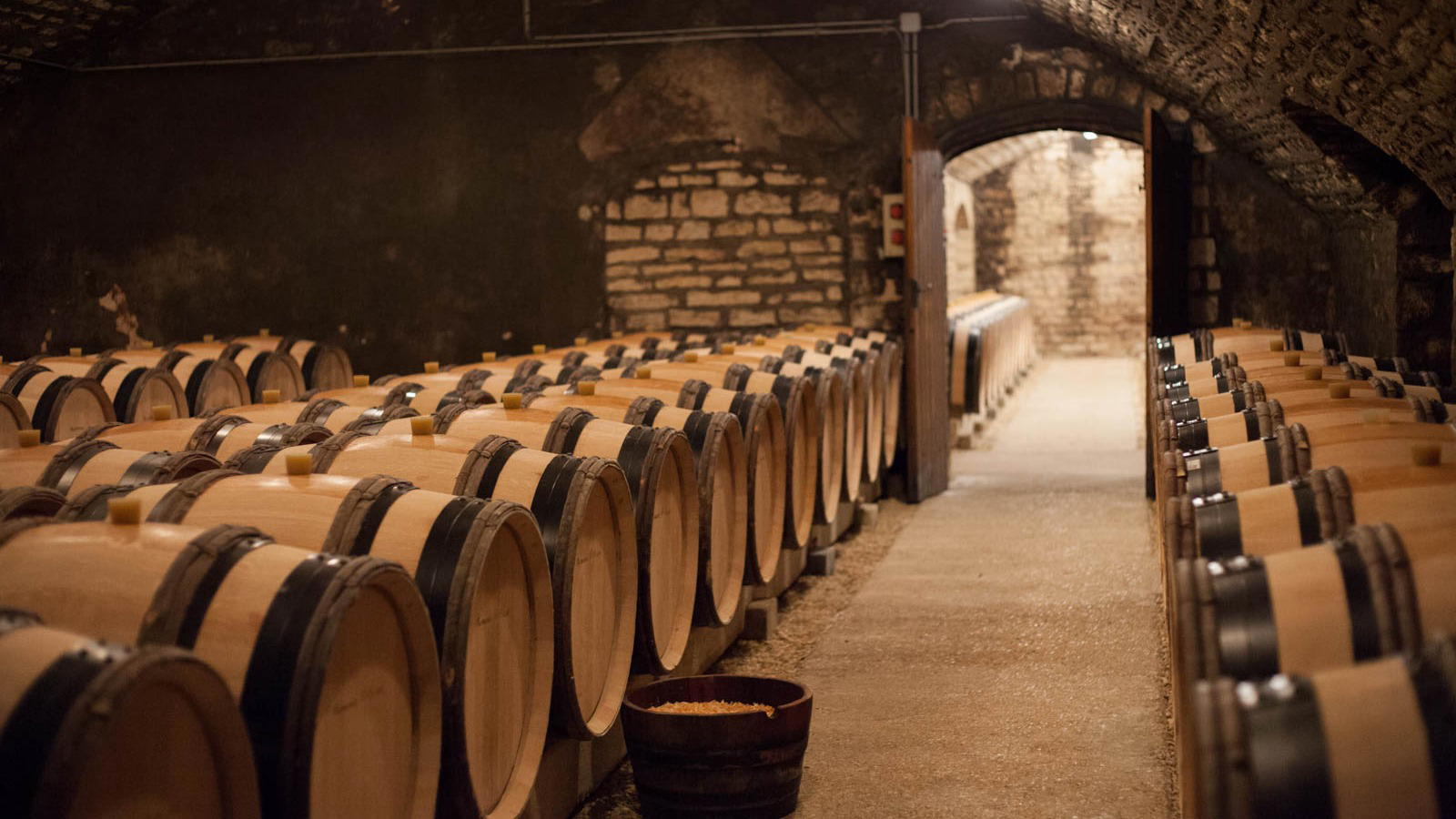
Bars in Flagey-Echézeaux
Browse all →
Restaurants in Flagey-Echézeaux
Browse all →
At a Glance
- Elegant
- Classic
- Rustic
- Intimate
- Sophisticated
- Wine Education
- Special Occasion
- Solo Exploration
- Vineyard Tour
- Cave Tasting
- Organic
- Vineyard
- Vosne Romanée AOC
- Pinot Noir
- Still Red
- Barrel Tasting
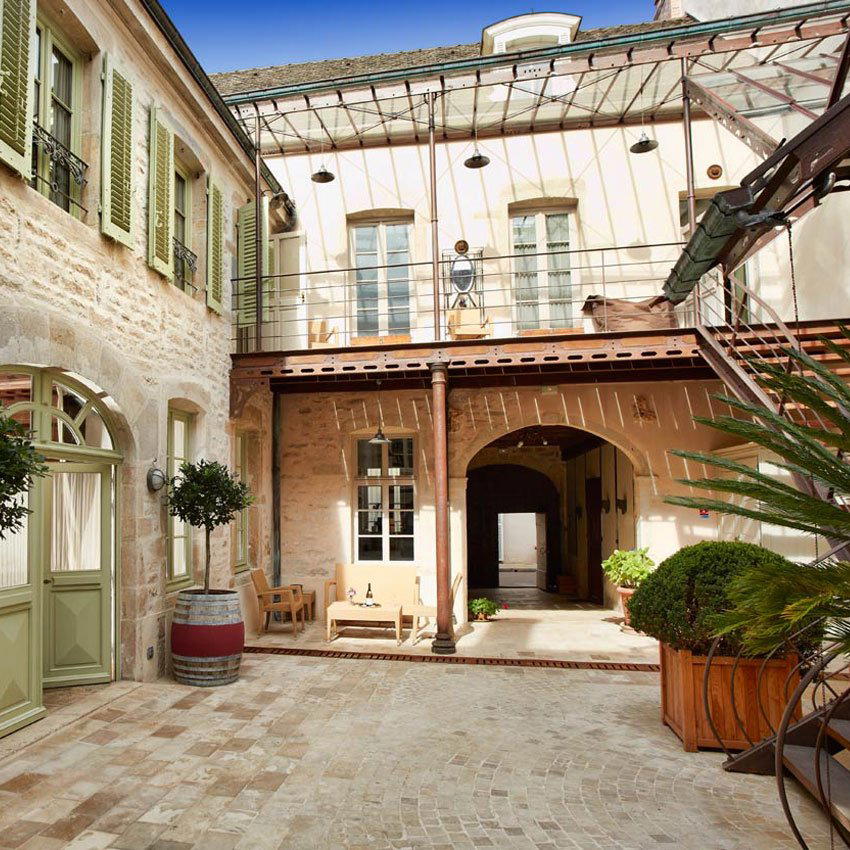
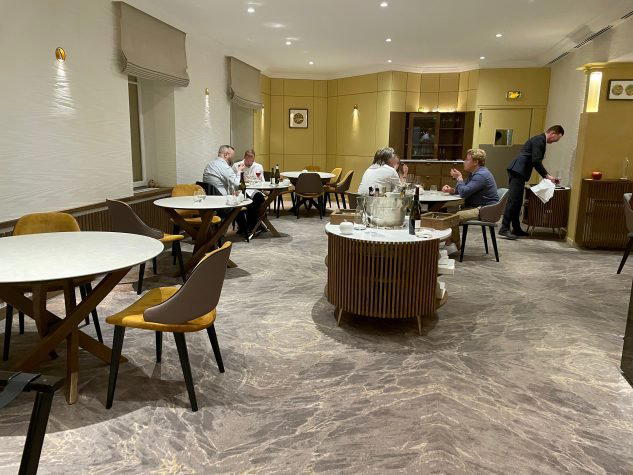
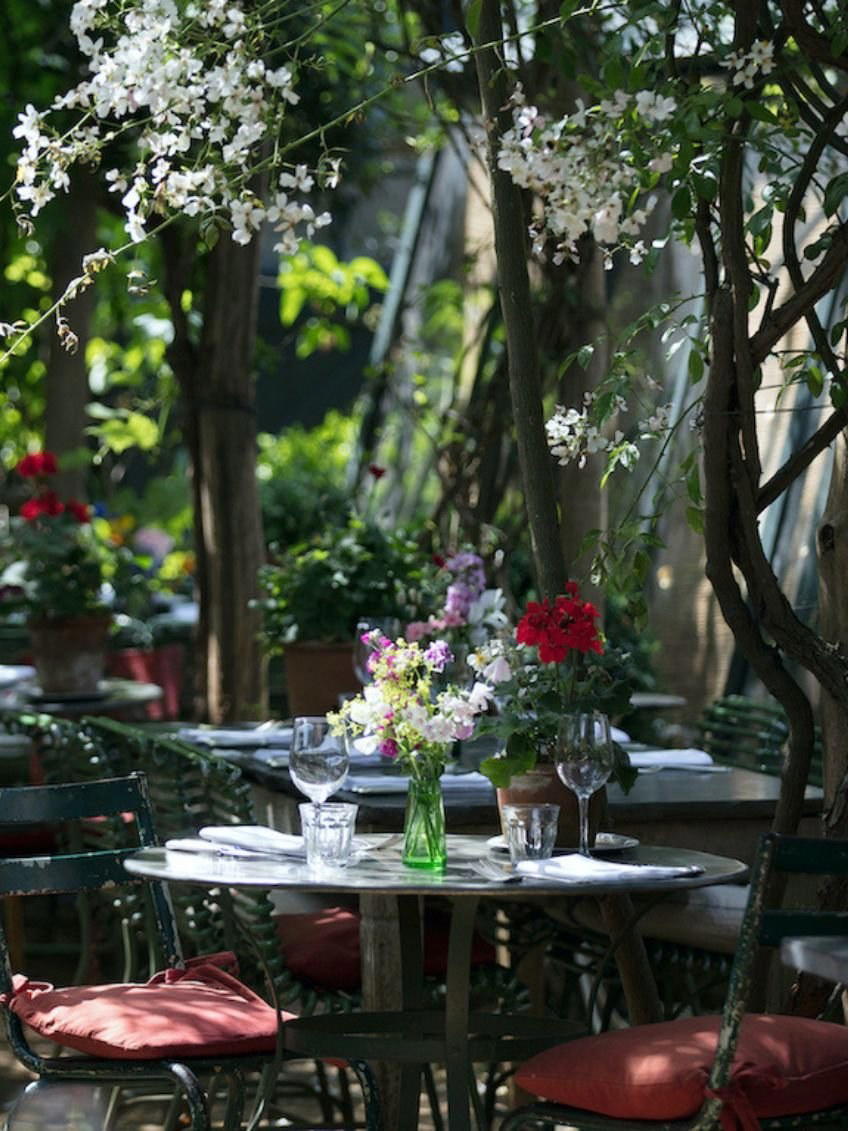
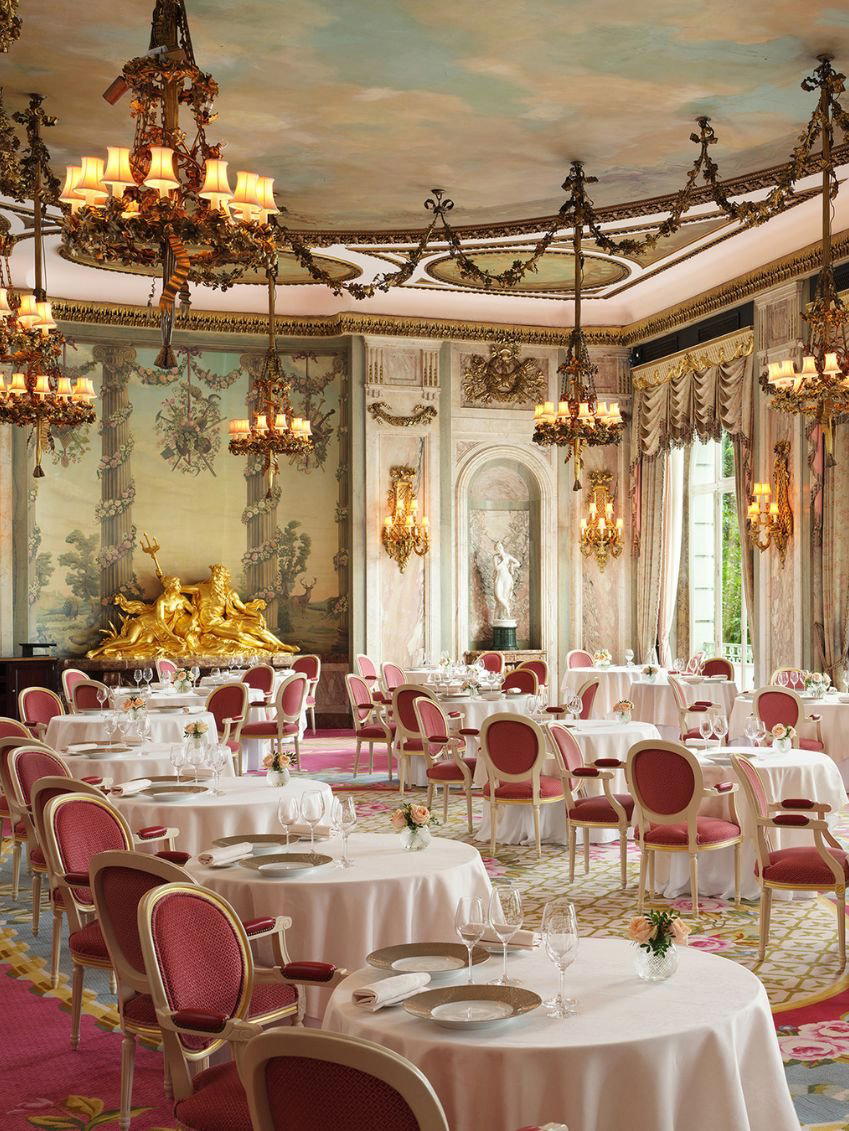
Refined and classic Burgundian atmosphere centered on meticulous winemaking tradition and terroir expression.