

Domäne Wachau is a wine estate in Dürnstein, Austria.
Pearl is the En Primeur Club membership app — saves, bookings, and concierge access live there. Same editors, same standards.
- Address
- Dürnstein 107, 3601 Dürnstein
- Phone
- +43 2711 371
- Website
- domaene-wachau.at
- Directions
- Get directions
 Saves & bookings on Pearl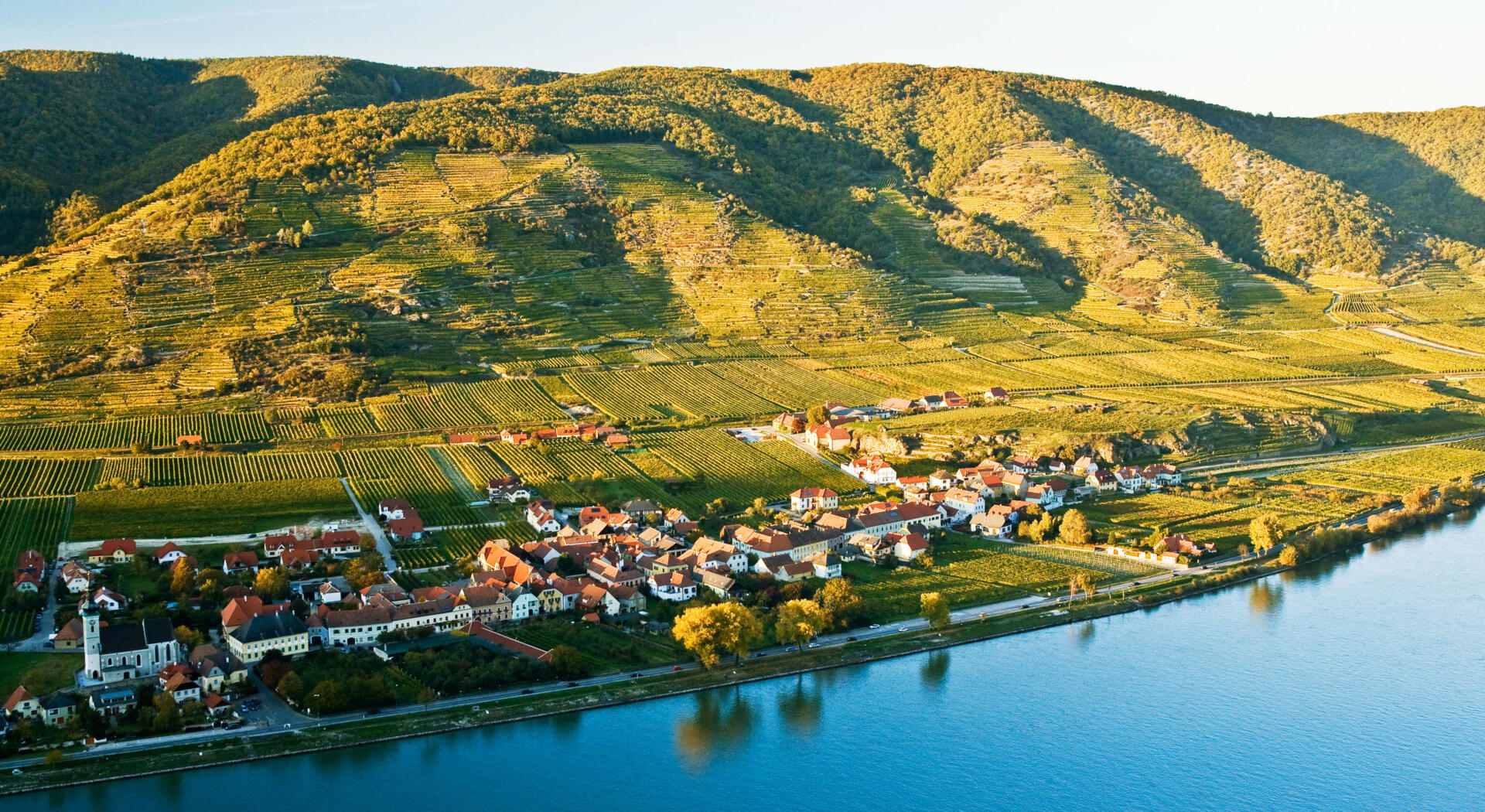
Where the Danube Bends and the Vines Begin
The approach to Dürnstein along the Danube's northern bank is one of the more arresting arrivals in Central European wine country. The river tightens, the valley walls rise sharply into loess and gneiss terraces, and the ruins of Kuenringer Castle appear above the village's blue-and-white tower. This is the Wachau at its most concentrated: a 36-kilometre strip of steep vineyard terrain that the UNESCO World Heritage designation of 2000 formalized what locals had known for centuries. Within that geography, Domäne Wachau sits at Dürnstein 107, a Baroque winery structure whose cellars descend three centuries into the hillside below it. The architecture speaks to continuity and place.
A Cooperative of Scale in a Region of Small Producers
The Wachau is not the natural home of large operations. Producers like Weingut Emmerich Knoll, Weingut Alzinger, and Weingut F. X. Pichler have built their reputations on small, precision-managed parcels and tightly allocated releases. Domäne Wachau occupies a different position in that comparable set. As a cooperative, one of the largest in the region, it aggregates fruit from member growers across the valley's most important sites, creating a breadth of range that no single-family estate could replicate. That scale is not a dilution of quality; it is a different argument about what a tasting experience can deliver. Where Knoll or Alzinger offers depth in a narrow house style, Domäne Wachau offers horizontal range across the valley's terrain. Visiting here is less like reading one chapter closely and more like reading the contents page of the entire book.
In a region with competitors of considerable individual prestige, that rating carries weight as comparative intelligence rather than isolated praise.
The Wachau Classification System and What It Means in Practice
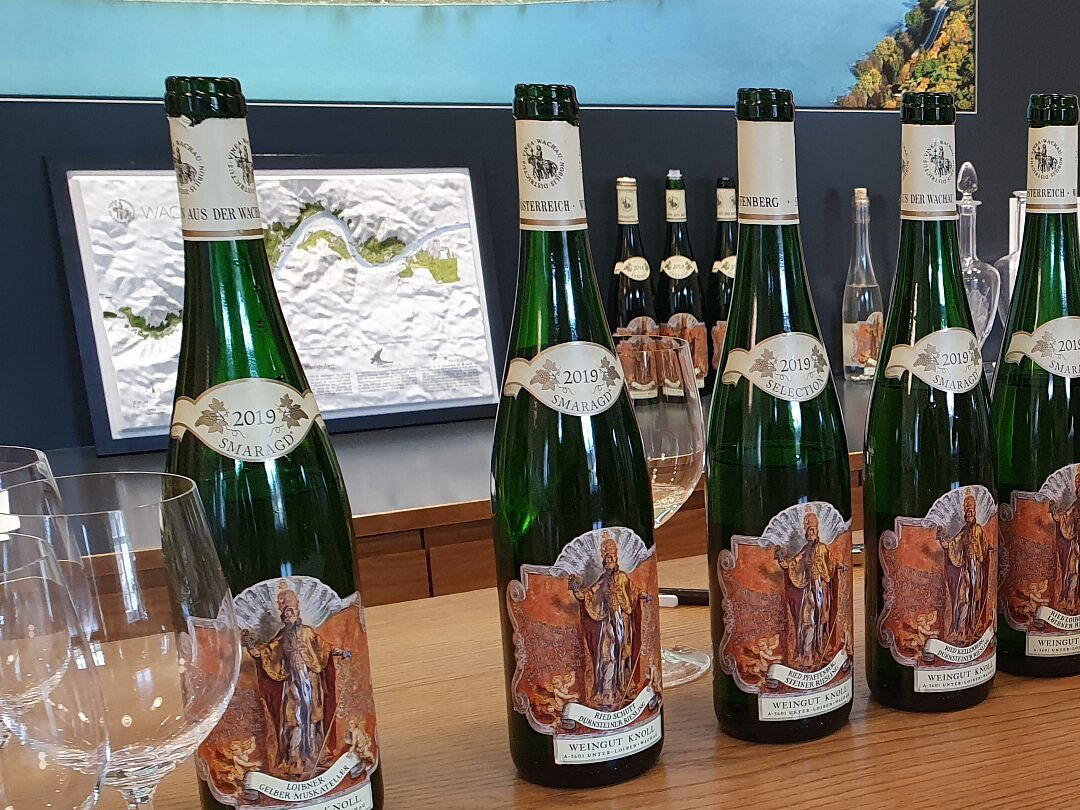
To understand what Domäne Wachau produces, you need the Vinea Wachau classification, the region's own quality hierarchy that predates European appellation law and remains a more precise local instrument. The three tiers, Steinfeder (the lightest, lowest-alcohol wines), Federspiel (the mid-weight category named for the falconer's lure), and Smaragd (named for a local green lizard and reserved for the richest, most concentrated wines), map directly onto the topography of the vineyards. Higher terraces, longer sun exposure, and the schist-and-gneiss soils of the upper slopes push grapes toward Smaragd; lower, loam-heavy parcels produce the lighter Steinfeder and Federspiel styles. A tasting across the winery's range is, in that sense, a vertical tour of the valley's physical structure as much as a wine flight.
Grüner Veltliner and Riesling dominate Wachau production as they do across Lower Austria's premium zones, but the expressions they take here are among the more site-specific in the country. The mineral tension that comes from primary rock soils, combined with the temperature differential between warm days and cold nights funnelled down the valley by the Pannonian-Alpine weather corridor, produces wines with a structural character that does not translate to any other Austrian sub-region. For visitors arriving from broader Austrian wine country, from Weingut Bründlmayer in Langenlois or producers further south toward the Styrian border like Weingut Wohlmuth in Kitzeck, the contrast in style and character is instructive rather than competitive.
The Cellars as Context
The 300-year-old cellars beneath the Baroque estate building are not a marketing backdrop. They are a functional working space whose age creates genuine conditions: stable, cool temperatures that allow extended ageing without mechanical intervention. In regions where provenance architecture has been demolished and replaced with functional concrete, cellars of this age and continuity are rare infrastructure. The tasting format at the winery uses these spaces as physical context, which shifts a standard wine visit into something closer to a site interpretation. You are not simply tasting wines in a cellar; you are tasting wines in the specific environment that shaped their production logic.
For visitors planning a Dürnstein visit, the estate's address at Dürnstein 107 places it within the village itself, accessible on foot from the historic centre. The village is compact and the riverside paths connect the major points of interest efficiently. Dürnstein sits within the larger Wachau wine route, making the estate a natural anchor for a longer itinerary that might include other valley producers before or after. Peak season in the Wachau runs from late spring through early autumn, when the steep terraces are actively managed and the light on the river is at its most considered. The harvest period in September and October brings its own rhythm of activity and is generally one instructive time to visit if understanding production rather than just tasting is the goal.
Within the Austrian Wine Ecosystem
The winery's cooperative model places it in a distinct structural category from the boutique estates that dominate critical attention in the Wachau and beyond. Across Austria, the premium independent producer is the typical unit of prestige: estates like Weingut Kracher in Illmitz for sweet wine, Weingut Pittnauer in Gols for natural-leaning reds in Burgenland, or Weingut Heinrich Hartl in Oberwaltersdorf for Thermenregion whites. The cooperative format is more common in volume-oriented zones than in prestige appellations, which makes the winery's position in one of Austria's most critically regarded regions structurally notable. It competes against individual estates not by matching their narrow focus but by offering breadth of range and the institutional knowledge that comes from managing member vineyards across the valley's full gradient of exposures and soil types.
For visitors who have previously explored other wine production formats, distilleries like Weingut Scheiblhofer Distillery in Andau or 1310 Spirit of the Country Distillery in Sierning, or international comparators like Accendo Cellars in St. Helena, the cooperative tasting format at the winery offers a useful contrast in how scale and collectivized viticulture operate within a tightly defined appellation.
Planning the Visit
Dürnstein is accessible by train from Vienna's Franz-Josefs-Bahnhof in approximately 90 minutes, with the Wachau railway line running along the river's southern bank and requiring a short ferry crossing at peak times. Alternatively, the B3 road along the northern bank connects directly to the village. For those building a broader Austrian wine itinerary, Dürnstein sits naturally alongside a Langenlois visit to the Kamptal, roughly 40 kilometres east. Dürnstein's valley producers and practical logistics are mapped in detail elsewhere. Given the cooperative's scale, tastings are generally more accessible than the allocation-managed appointments required at smaller prestige estates, a practical advantage for visitors who have not planned weeks in advance.
The Short List
Comparable venues nearby, for context on price, style, and recognition.
| Venue | Cuisine | Price |
|---|---|---|
| Domäne WachauThis venue — the venue you are viewing | Dürnstein, Grüner Veltliner, Riesling | $$$ |
| Weingut F. X. Pichler | Dürnstein, Grüner Veltliner, Riesling | $$$ |
| Weingut Emmerich Knoll | Unterloiben, Riesling, Grüner Veltliner | $$$ |
| Weingut Alzinger | Dürnstein, Grüner Veltliner, Riesling | $$$ |
| Familienweingut Tement | Ehrenhausen, Sauvignon Blanc, Morillon | $$$ |
| Schloss Gobelsburg (Weingut) | Langenlois, Grüner Veltliner, Riesling | $$$ |
Recognition history
Dated appearances from independent guides and award organizations, with the underlying list record or original source where available.
Falstaff Winery - 4 Stars
Falstaff
World's 50 Best Best Vineyards #68
World's 50 Best
World's 50 Best Best Vineyards #33
World's 50 Best
World's 50 Best Best Vineyards #14
World's 50 Best
World's 50 Best Best Vineyards #20
World's 50 Best
World's 50 Best Best Vineyards #22
World's 50 Best
World's 50 Best Best Vineyards #3
World's 50 Best
World's 50 Best Best Vineyards #19
World's 50 Best
Continue exploring
More in Dürnstein
Wineries in Dürnstein
Browse all →
Bars in Dürnstein
Browse all →
Restaurants in Dürnstein
Browse all →
At a Glance
- Scenic
- Classic
- Elegant
- Rustic
- Wine Education
- Special Occasion
- Group Outing
- Vineyard Tour
- Estate Grounds
- Terrace
- Historic Building
- Panoramic View
- Organic
- Sustainable
- Vineyard
- Waterfront
- Wachau DAC
- Grüner Veltliner
- Riesling
- Chardonnay
- Zweigelt
- Pinot Noir
- Neuburger
- Still White
- Single Vineyard Tasting
- Picnic
- Guided Tasting
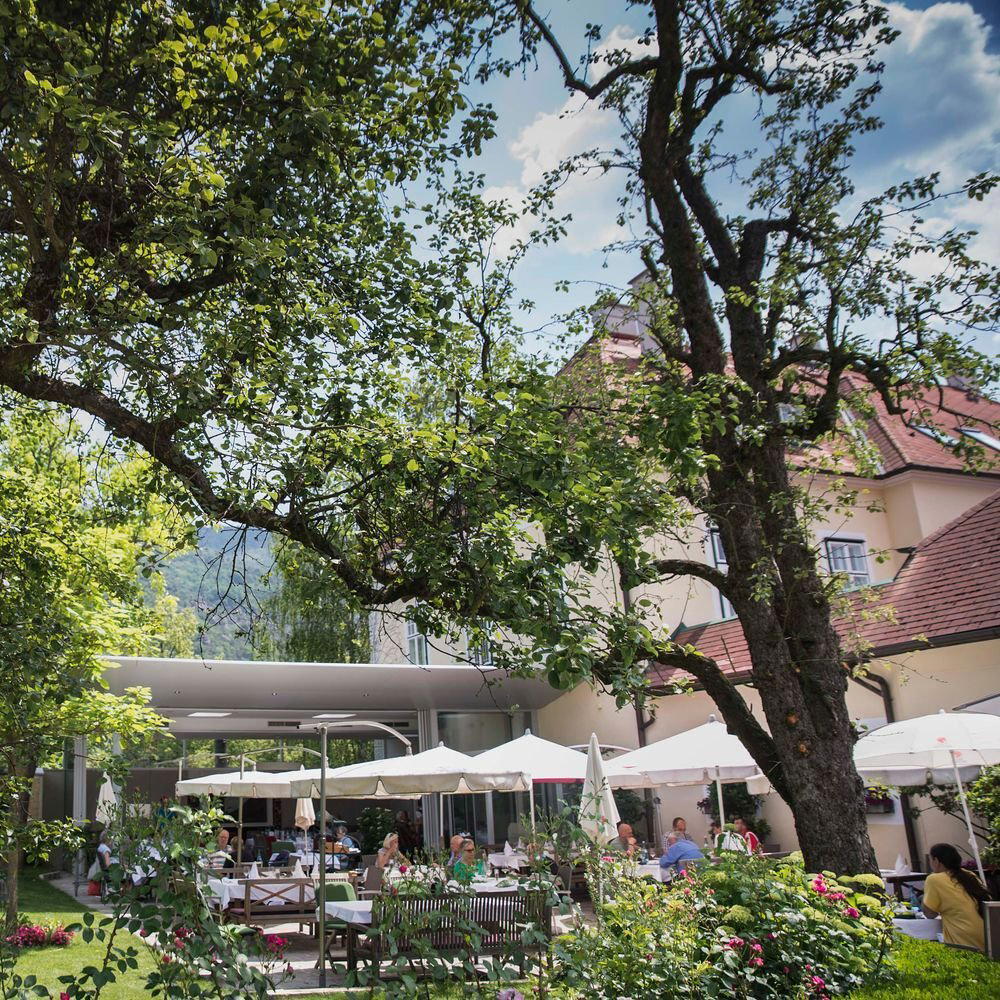
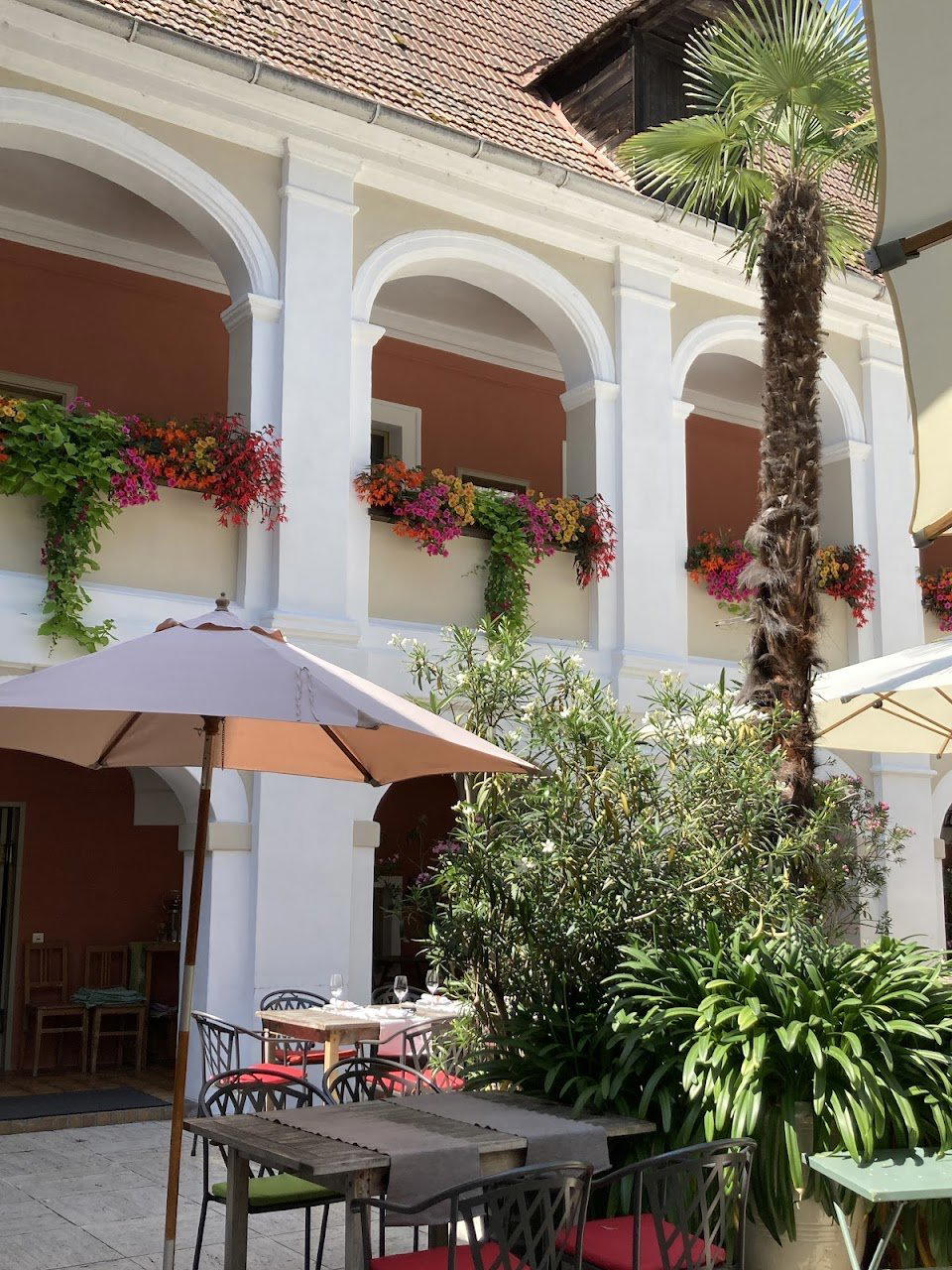
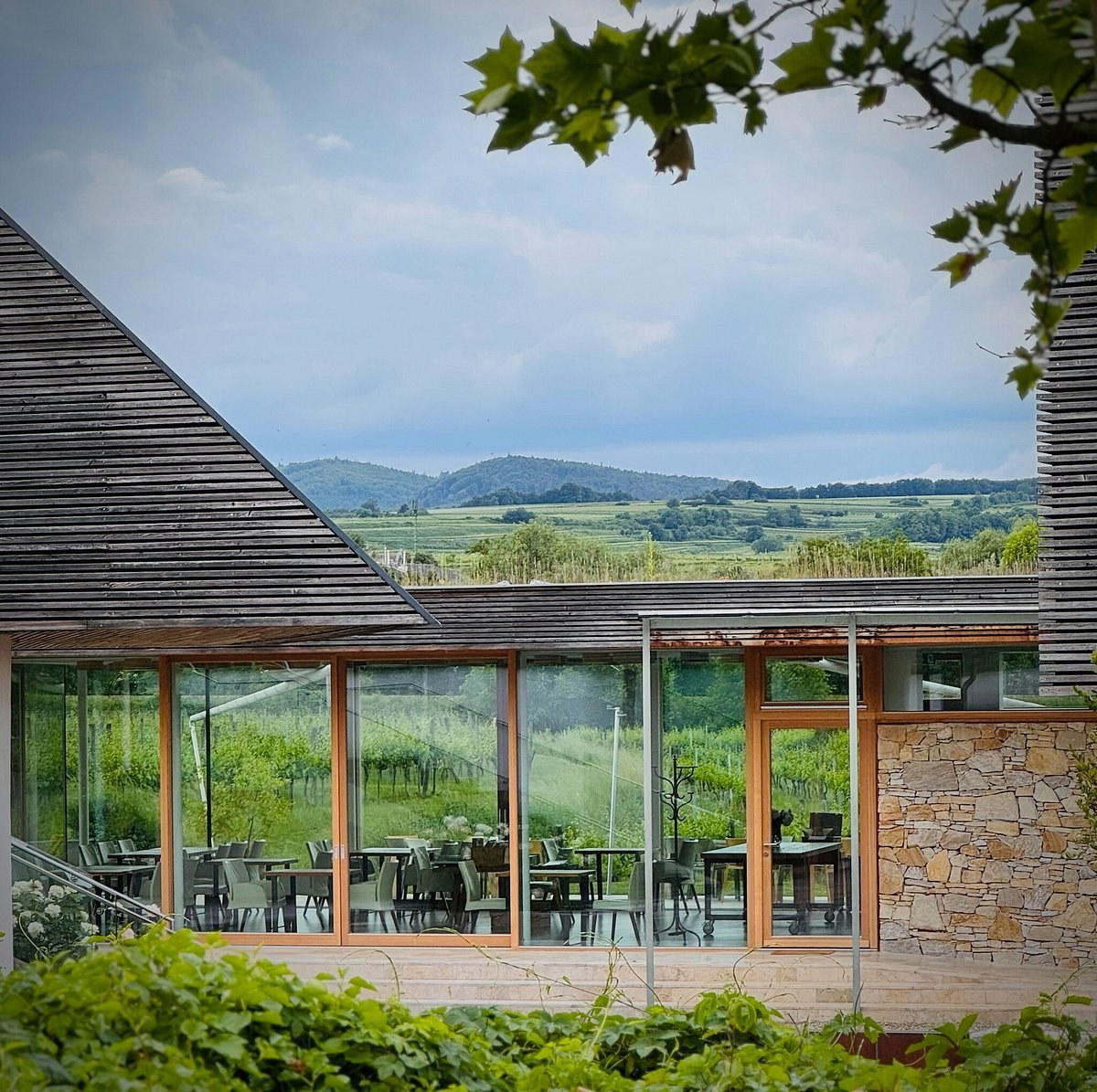
Historic baroque palace set in picturesque vineyard slopes with profound cellar atmosphere highlighting terroir-driven wines.