Clos Apalta (Casa Lapostolle)

World's 50 Best #65
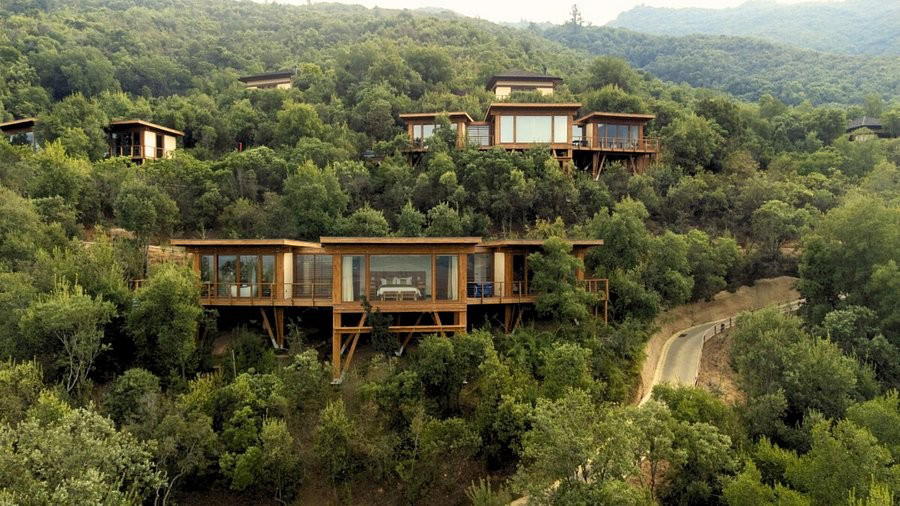
Clos Apalta is a gravitational winery in Chile's Colchagua Valley where architectural drama meets Old World restraint. Wooden staves emerge from native forest-covered hillside in a structure that functions as both winery and landscape feature.

Pearl is the En Primeur Club membership app — saves, bookings, and concierge access live there. Same editors, same standards.
- Address
- Fundo, 3130000 San José de Apalla, Santa Cruz, O'Higgins
- Website
- closapalta.com
- Directions
- Get directions
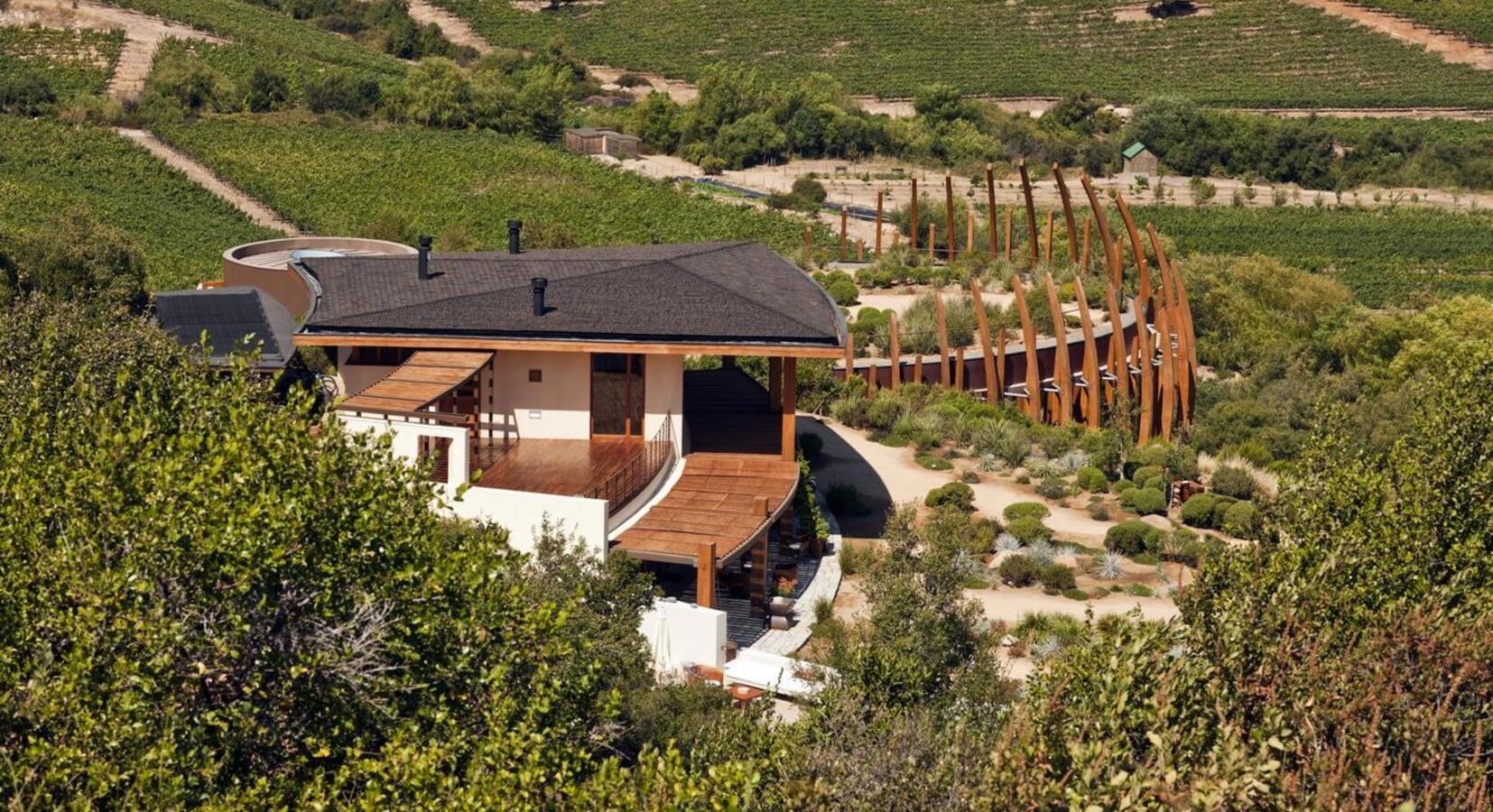
Where the Hillside Becomes the Winery
Approaching Clos Apalta, the first thing you register is not a building but a hillside that appears to breathe. Wooden staves rise from lush green slopes encased by native forest, their arrangement recalling the curved geometry of a wine barrel laid open to the sky. The architecture is not decorative: at Clos Apalta, the structure IS the winery, a gravitational facility built into the Colchagua Valley terrain so that grape must moves downward through the production stages by gravity alone, without mechanical pumping. That design decision reflects a broader philosophy that runs through Chile's most serious premium estates — that intervention reduction begins before the grape ever reaches a tank.
The Colchagua Valley, where Santa Cruz sits at its centre, has spent two decades consolidating its reputation as Chile's most coherent red-wine appellation. Where regions like Maipo built identity around proximity to Santiago and Cabernet Sauvignon's historical prestige, Colchagua's identity has formed around terroir expression, elevation diversity, and a willingness to pursue Old World structural discipline within a New World climate.
The Gravitational Logic
Gravitational wineries occupy a specific position in the global conversation about minimal-intervention viticulture. The argument is technical and measurable: mechanical pumping exposes wine to oxidation and physical stress during transfers; gravity allows movement through gentler, slower descent. The result, proponents argue, is greater aromatic precision and tighter structure in the finished wine. Burgundy adopted this logic early — many of its most respected domaines are hillside-embedded by historical accident as much as intention, but in Chile, building for gravity requires deliberate engineering from the ground up.
At Clos Apalta, that engineering is visible in the estate's vertical orientation. The hillside structure means fermentation vessels, barrel halls, and bottling lines descend in sequence from the vineyard reception point. Visitors who gain access to the production areas encounter a facility where the building's logic mirrors the winemaking logic, a coherence that is relatively rare even among estates that claim low-intervention credentials. For context, Viña Montes in the same valley also operates with gravitational principles at its Apalta facility, reflecting how seriously this appellation's leading producers have committed to process discipline.
Old World Framework, Chilean Address
The estate's dual allegiance to Old and New World tradition is not marketing language, it shapes measurable production decisions. Colchagua's climate offers warmth and sunlight intensity that Bordeaux and Burgundy cannot match, which naturally trends toward riper, higher-alcohol fruit profiles. The discipline required to work against that trend, to harvest earlier, to manage canopy for shade, to select parcels at altitude, is where Old World training becomes relevant. Estates in this valley that have consistently earned international recognition tend to be those that resisted the early-2000s Chilean tendency toward extraction-heavy, high-Parker-score wines and instead built for structure, acidity, and ageing potential.
That same tension plays out across Chile's premium wine geography. Viña Seña in Panquehue in the Aconcagua Valley represents a similar philosophy from a different appellation, a joint venture built explicitly around Bordeaux structural ideals applied to Chilean terroir. Viña De Martino in Isla de Maipo has pursued Old World-style field blends and low-intervention production from a Maipo base. Clos Apalta's position in Colchagua gives it access to the appellation's distinctive combination of Pacific influence, clay-rich soils, and Andean altitude gradients, a combination that, at this estate's production tier, produces wines calibrated for patience rather than immediacy.
Within the Santa Cruz cluster of premium wineries, Clos Apalta sits at the upper end by both architectural investment and production philosophy. Viña Viu Manent and Viña Apaltagua represent the broader Colchagua quality tier, well-regarded producers operating at accessible price points with strong domestic and export profiles. Clos Apalta operates in a narrower bracket where the architecture, the gravitational infrastructure, and the estate experience are all priced and managed to match a specific international visitor profile.
That distinction matters for planning. Colchagua's winery visits range from open, drop-in cellar doors at estates like Viña MontGras in Palmilla to structured, appointment-only experiences at prestige properties. Clos Apalta falls firmly in the latter category. The estate is not a casual stop on a wine route day trip; it functions as a destination visit that requires advance coordination. Visitors approaching via our full Santa Cruz restaurants guide will find the broader regional context useful for structuring a multi-day Colchagua itinerary where Clos Apalta anchors one full day.
Chilean Wine in a Wider Context
Colchagua's prestige tier is leading understood against Chile's full wine geography. In the Curicó Valley to the north, El Gobernador (Miguel Torres Chile) in Curicó represents the Spanish investment in Chilean terroir, a different ownership tradition but a shared commitment to estate-level quality. Further south, the San Fernando zone hosts Viña Casa Silva in San Fernando, one of the valley's older family estates with deep Colchagua roots. The common thread across these properties is a move away from bulk production toward estate identity, a shift that began in earnest in the 1990s and is now reflected in the architectural and viticultural investments visible at properties like Clos Apalta.
Beyond Colchagua, Chile's wine identity extends to northern appellations that most international visitors never reach. Viña Falernia in Vicuña in the Elqui Valley produces Syrah and Carménère at altitude extremes that represent a genuinely different expression of Chilean viticulture. Pisco Alto del Carmen Distillery in Huasco operates in an entirely different category, grape distillation rather than wine, but signals how Chile's northern valleys have developed their own premium identities independent of Colchagua's model. For comparative reference from other wine regions at the global prestige tier, Accendo Cellars in St. Helena in Napa Valley offers a useful parallel: a small-production estate with architectural intentionality and a production philosophy built around restraint rather than scale.
Planning a Visit
Clos Apalta's address places it in the San José de Apalta area outside Santa Cruz, a drive that takes visitors through the valley's most concentrated stretch of premium viticulture. Visitors pairing Clos Apalta with other Colchagua properties might also include Viña Undurraga in Talagante for historical context, or Viña Valdivieso in Lontué for a contrast in production scale. Those travelling from Santiago should account for a two-hour drive each way, which makes an overnight stay in Santa Cruz the more practical approach for any serious winery itinerary in this part of O'Higgins.
A Pricing-First Comparison
Comparable venues nearby, for context on price, style, and recognition.
| Venue | Cuisine | Price | Awards | Notes |
|---|---|---|---|---|
| Clos Apalta (Casa Lapostolle)This venue — the venue you are viewing | Not listed | Not listed | World's 50 Best #65 | Not listed |
| Viña Viu Manent | Santa Cruz, Malbec, Cabernet Sauvignon | Not listed | World's 50 Best #40 · Falstaff Winery - Listed | Not listed |
| Viña Montes | Apalta, Cabernet Sauvignon, Carmenère | $50–100 | World's 50 Best #10 · Falstaff Winery - Listed | Not listed |
| Viña VIK | Not listed | Not listed | World's 50 Best #1 · Falstaff Winery - Listed | Millahue, Cabernet Sauvignon, Cabernet Franc |
| Viña Errázuriz | Panquehue, Cabernet Sauvignon, Carmenère | Not listed | World's 50 Best #50 · Falstaff Winery - Listed | Not listed |
| Bodegas RE | Not listed | $30–50 | World's 50 Best #43 | Casablanca Valley, Cabernet Sauvignon, Carignan |
Recognition history
Dated appearances from independent guides and award organizations, with the underlying list record or original source where available.
World's 50 Best Vineyards #65
World's 50 Best
Full recognition history (6 entries)
World's 50 Best Vineyards #39
World's 50 Best
World's 50 Best Vineyards #18
World's 50 Best
World's 50 Best Vineyards #17
World's 50 Best
World's 50 Best Vineyards #27
World's 50 Best
World's 50 Best Vineyards #6
World's 50 Best
Continue exploring
More in Santa Cruz
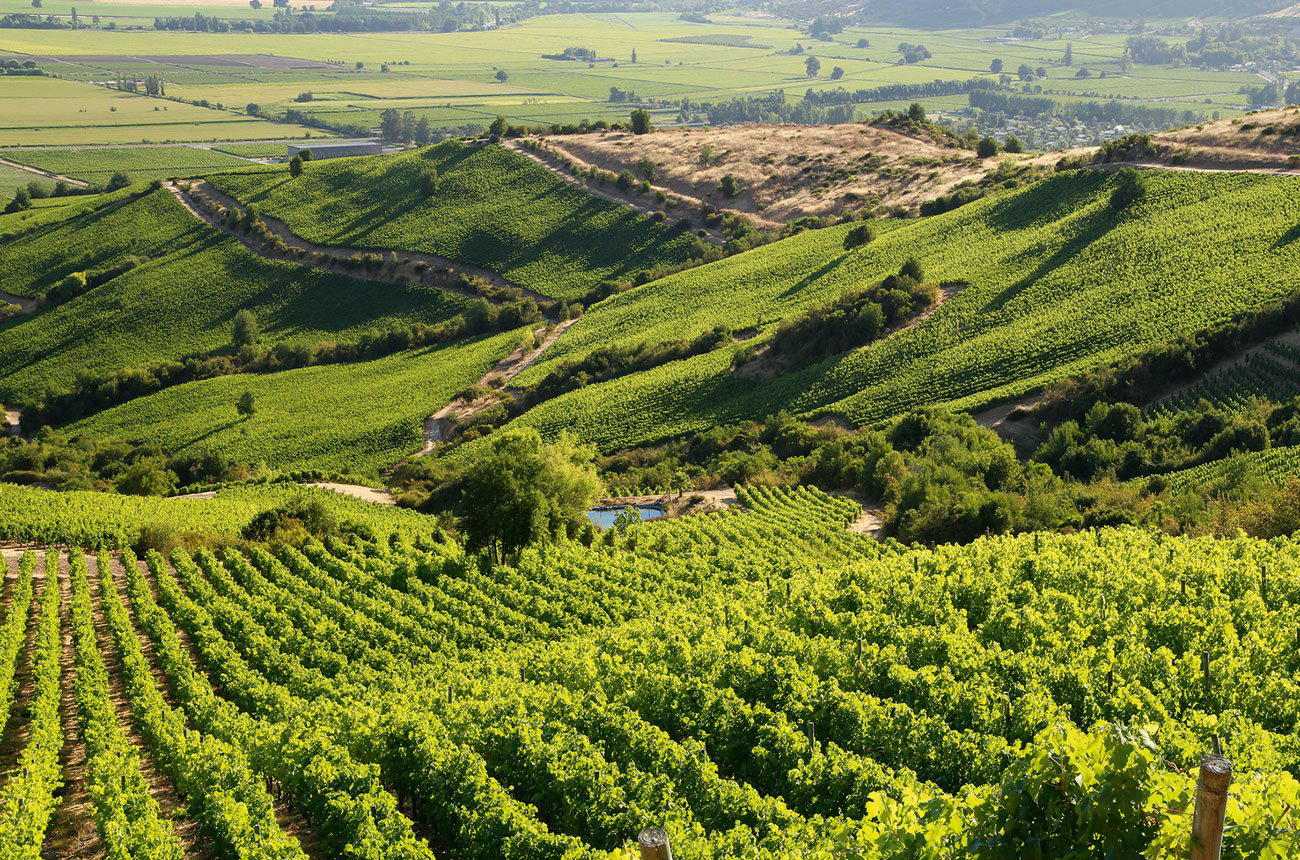
Wineries in Santa Cruz
Browse all →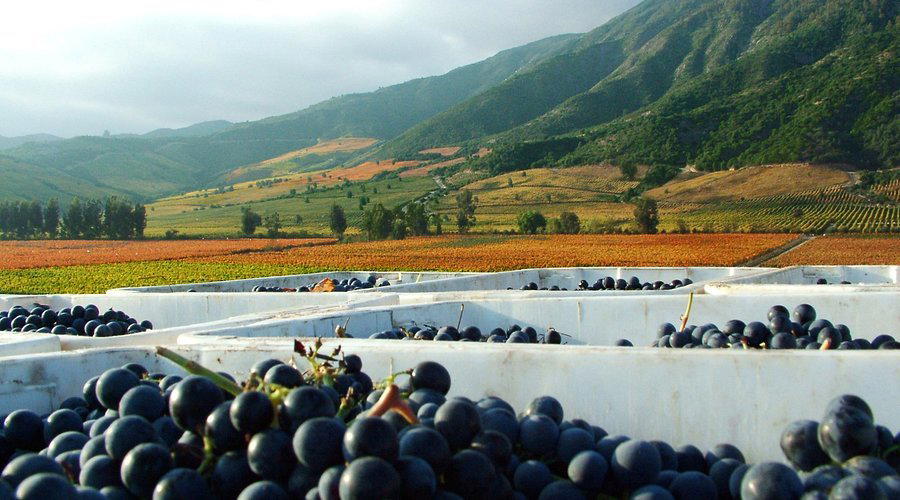

Restaurants in Santa Cruz
Browse all →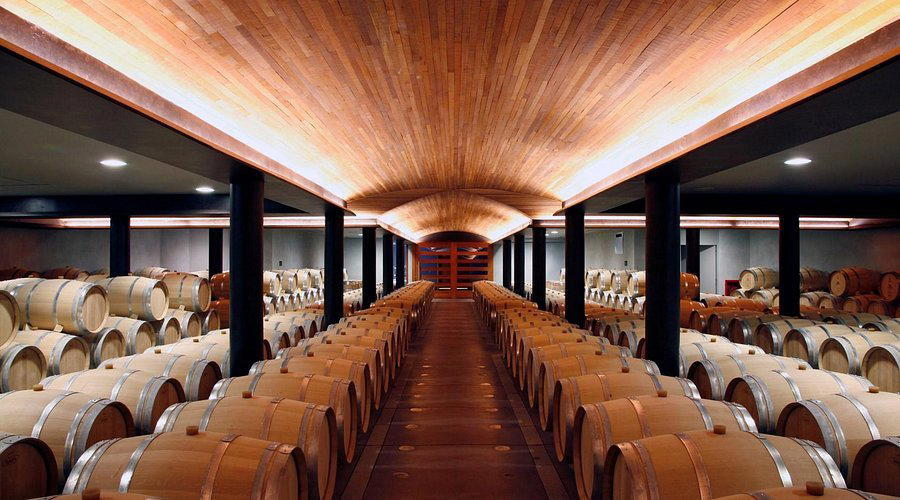

Details
- Elegant
- Scenic
- Well Known
- Sophisticated
- Wine Education
- Special Occasion
- Romantic Getaway
- Celebration
- Barrel Room
- Vineyard Tour
- Estate Grounds
- Panoramic View
- Historic Building
- Design Destination
- Private Tasting
- Biodynamic
- Organic
- Sustainable
- Vineyard
- Mountain
- Carmenère
- Cabernet Sauvignon
- Merlot
- Petit Verdot
- Still Red
- Private Tasting
- Barrel Room Tasting
- Vineyard Tour
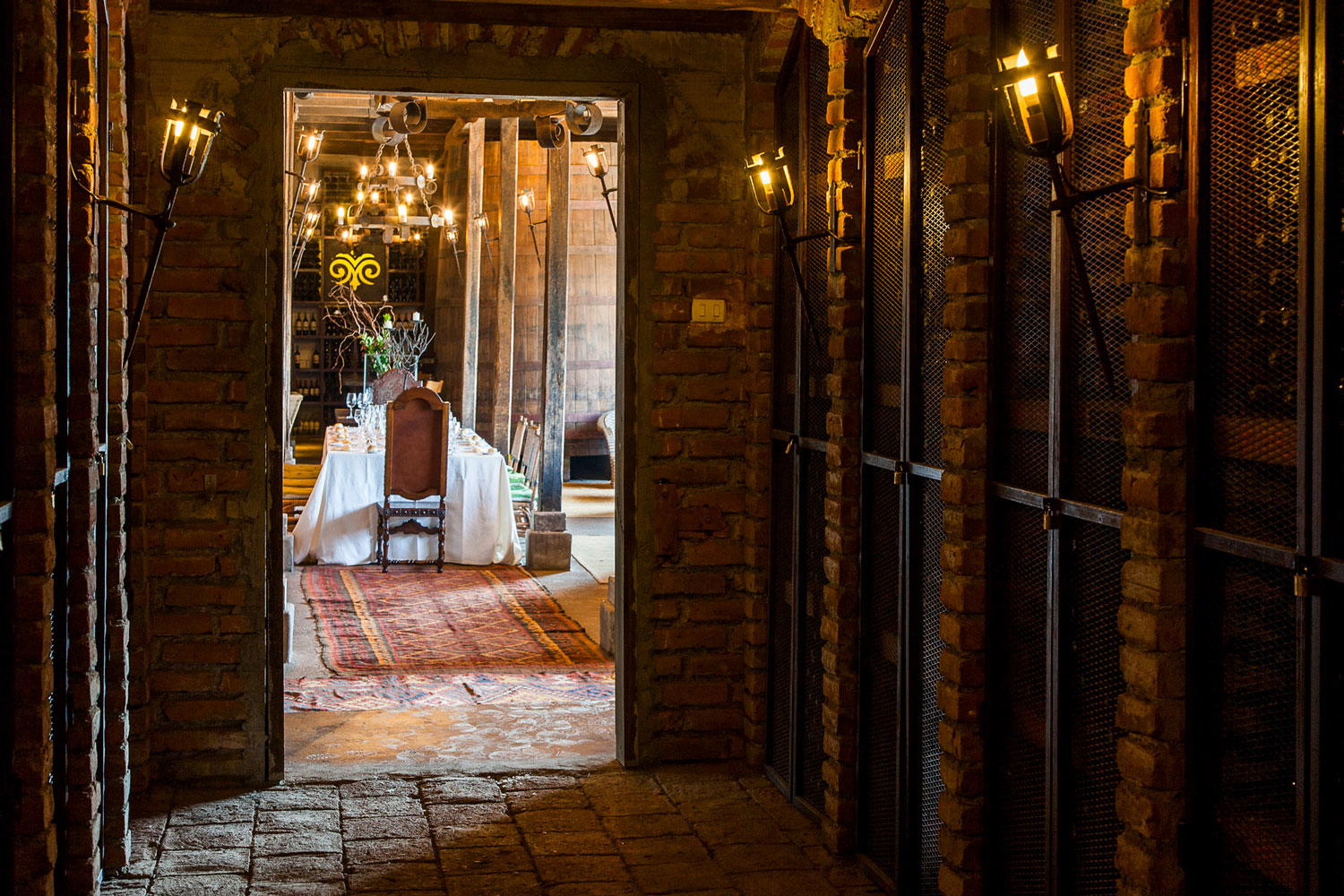
Modern architectural design integrated into the hillside with natural light from the seven-floor gravity-fed cellar; sophisticated and refined atmosphere reflecting Old World Bordeaux traditions in a New World setting.