Chateau Ausone


Allocation is extremely limited, placing it firmly in a comparable set defined by scarcity and provenance rather than volume.
Pearl is the En Primeur Club membership app — saves, bookings, and concierge access live there. Same editors, same standards.
- Address
- Chateau Ausone, 33330 Saint-Émilion
- Phone
- +33 5 57 24 24 57
- Website
- chateau-ausone.fr
- Directions
- Get directions
 Saves & bookings on Pearl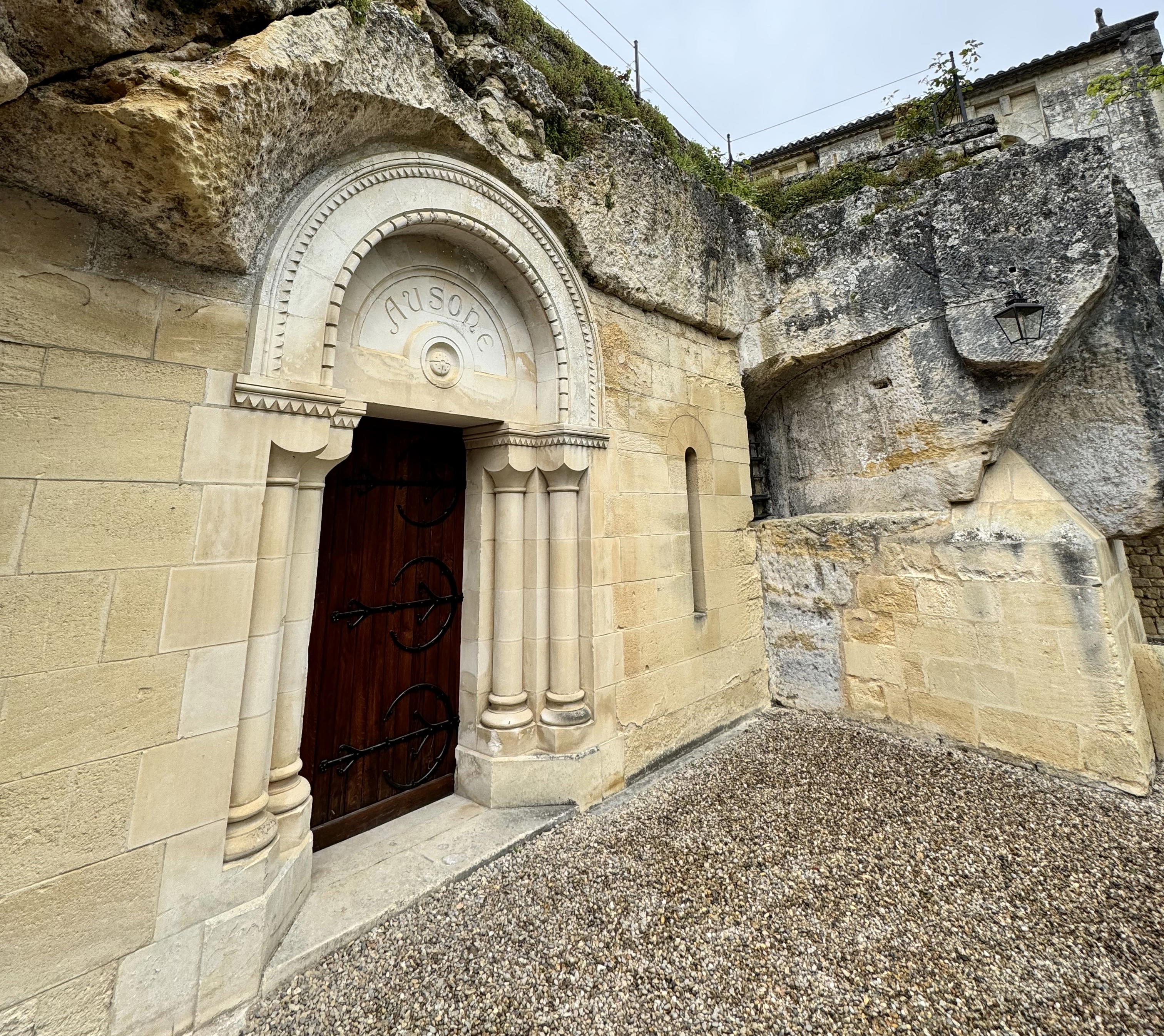
The Right Bank's Oldest Argument
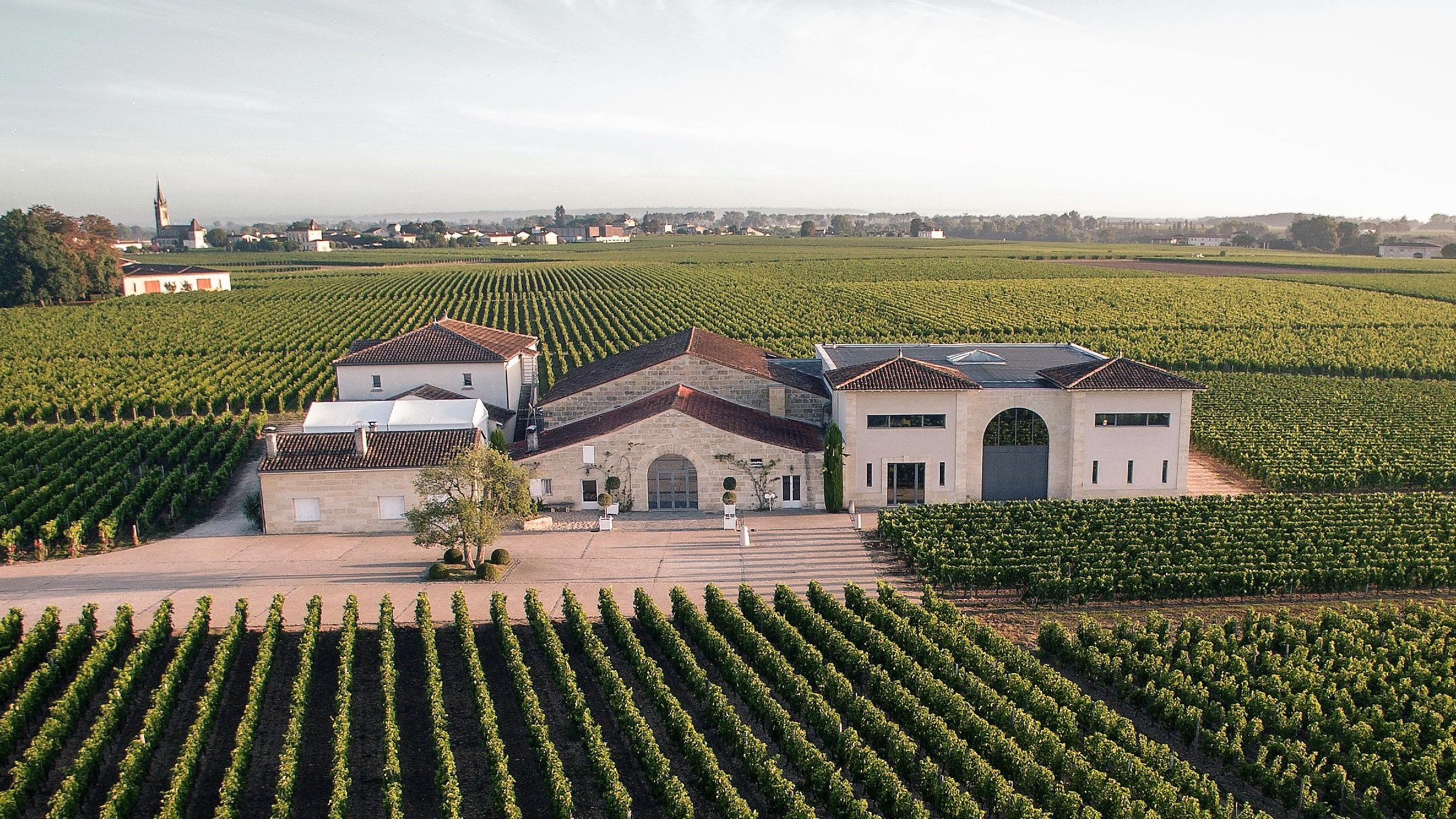
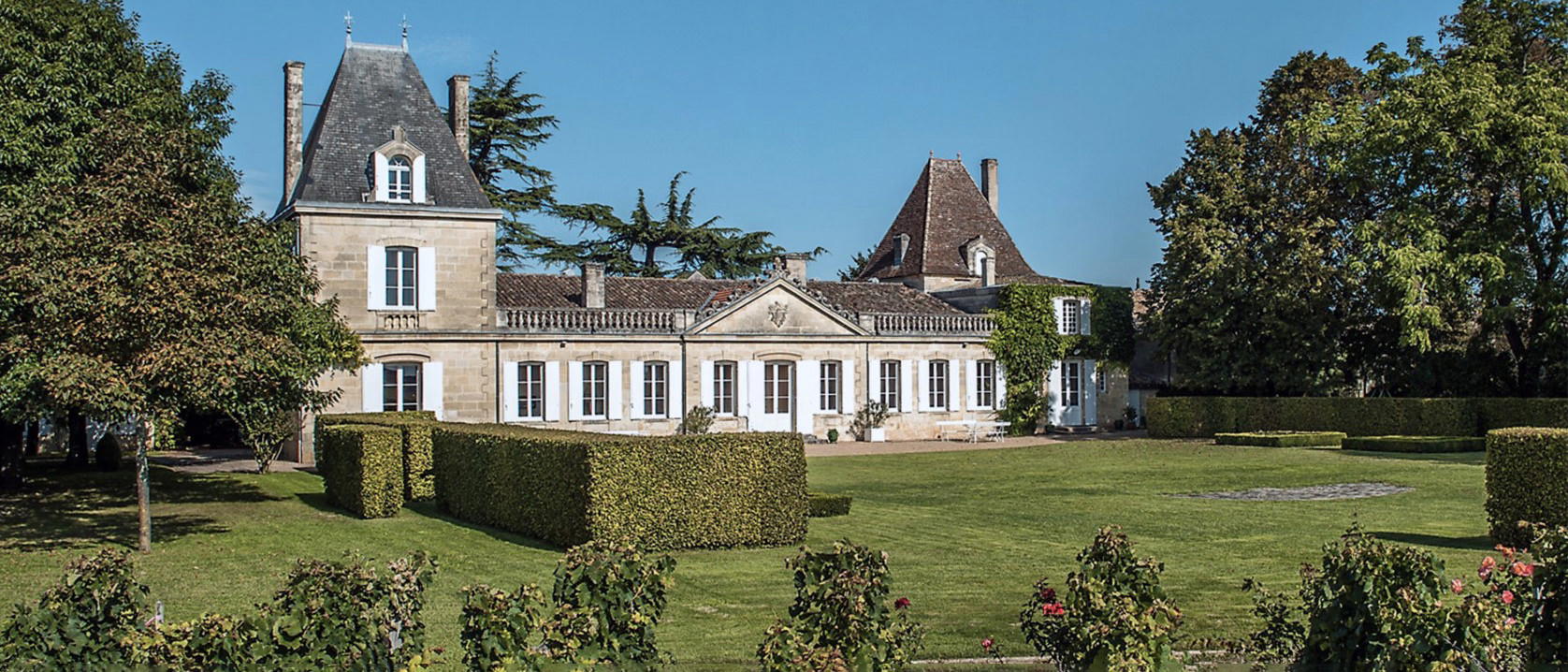
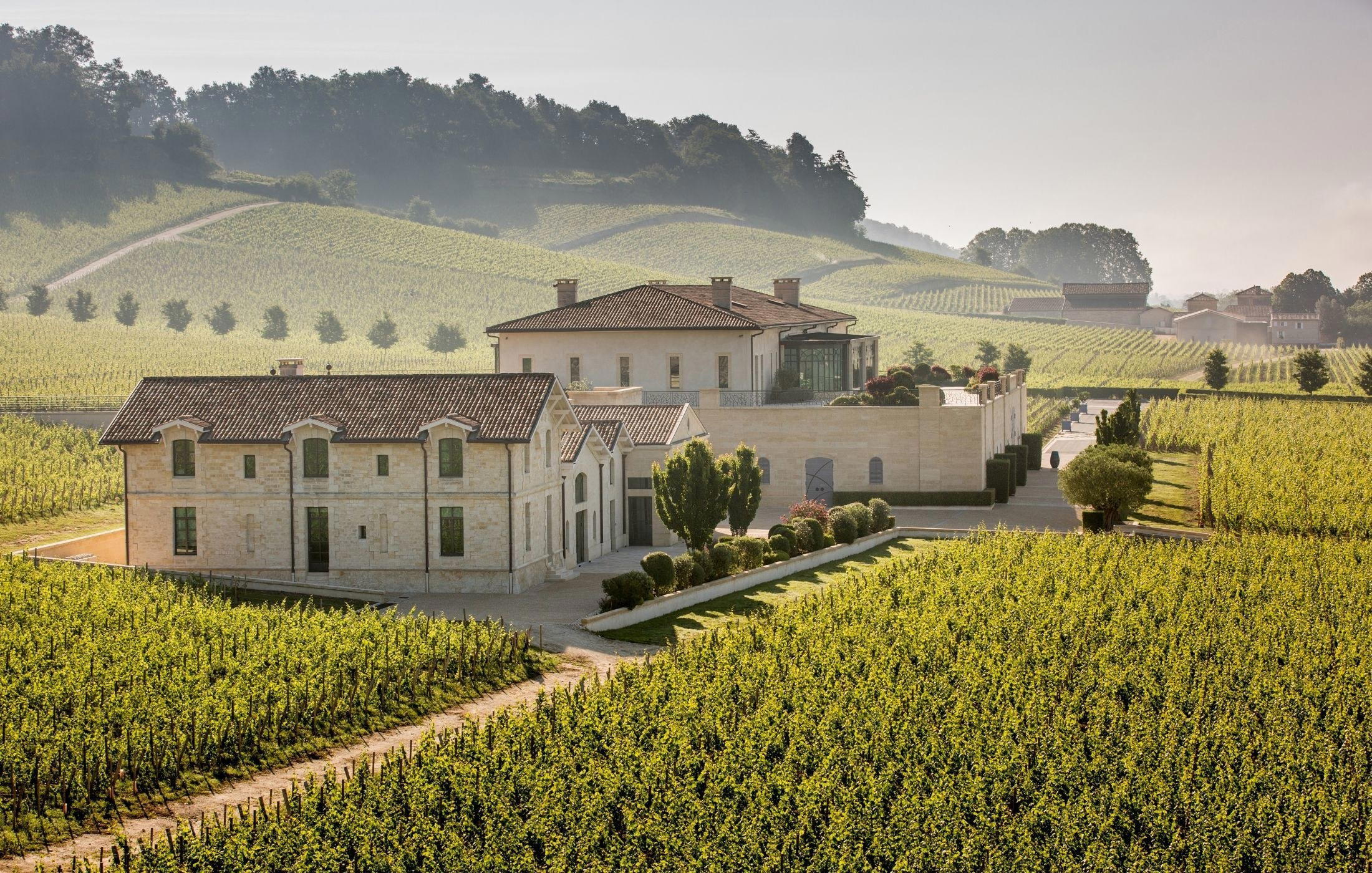
The limestone plateau above Saint-Émilion does not make things easy. The soils are thin, the yields are low, and the parcels that matter most have been contested, studied, and debated for longer than most wine regions have existed. Château Ausone sits at the centre of that argument, occupying a south-facing amphitheatre of clay-limestone that has produced wine for centuries. On the right bank, age and geology carry weight that classification systems can only approximate. Ausone carries both.
Saint-Émilion's premium tier has long operated as two distinct conversations: one about volume and commercial reach, the other about vineyard specificity and allocation scarcity. Ausone belongs entirely to the second. Its production is small enough that bottles circulate primarily through allocations and secondary markets, placing it in a comparable set that includes only a handful of properties in the appellation. Château Bélair-Monange and Château La Mondotte occupy neighbouring positions on the plateau with similarly constrained outputs, though each draws from a distinct soil profile and expresses the appellation differently. What separates Ausone from most of its neighbours is the unbroken continuity of its site and the depth of its documented history.
Winemaker Philippe Ausone and the Discipline of Restraint
The editorial angle most often applied to Ausone is geological determinism: the wine tastes like its hillside, and all the winemaker can do is avoid obscuring that. Pauline Vauthier works within that tradition. Where many Bordeaux properties spent the 1990s and 2000s adjusting extraction, oak treatment, and ripeness targets to meet critical taste preferences, the approach at Ausone stayed oriented around the vineyard's natural character rather than towards market benchmarks. That discipline is not instinctive restraint so much as confidence in the site. When a vineyard has produced wines across a century and a half of vintages, the evidence base for trusting it is considerable.
The blend at Ausone leans heavily on Cabernet Franc, which performs differently on the limestone plateau than it does on the flatter, clay-dominant soils lower in the appellation. Here the grape produces wines with more vertical energy and aromatic precision than the fuller, fruit-forward expression associated with Merlot-dominant Saint-Émilion. The proportion shifts vintage to vintage, but Cabernet Franc's structural contribution remains the defining variable. This places Ausone in a different stylistic conversation than neighbours like Château Clos Fourtet or Château Canon-la-Gaffelière, both of which draw from different soil positions and express accordingly.
Philippe Ausone's stewardship has coincided with a period of consistent critical recognition. In Bordeaux, where critical scores fluctuate with vintage conditions and commercial relationships, that kind of sustained recognition across a long arc carries more information than any single-year result.
Geology as the Governing Logic
Understanding Ausone means understanding what makes the limestone escarpment of Saint-Émilion materially different from the gravel terraces of the Médoc. The plateau here drains well but retains just enough moisture through the summer for vines to maintain a steady growing pace without stress-induced concentration. The limestone bedrock forces roots deep, extracting mineral complexity from depths that younger or shallower soils cannot access. These are the conditions that produce wines capable of long ageing, wines where the tannin structure at release feels almost austere but softens over ten to twenty years into something that reads as coherence rather than power.
That ageing requirement is part of the reason Ausone occupies its particular position in the market. Buyers who purchase on release are largely investing in a future drinking window rather than an immediate experience, which concentrates allocation demand among collectors and institutions rather than casual consumers. The en primeur system was, in many ways, designed for exactly this kind of wine. For readers familiar with how allocation-driven properties work, comparisons to Accendo Cellars in St. Helena or the tightly held production of Albert Boxler in Niedermorschwihr are instructive: different traditions, but the same governing logic of small production, strong provenance, and demand that outpaces supply.
Ausone in the Saint-Émilion Hierarchy
Saint-Émilion's classification system has been revised and contested repeatedly since its establishment, creating an unusual situation where a property's official standing may differ from its commercial and critical standing at any given moment. Ausone has historically sat at the apex of the appellation regardless of how the official tiers were drawn at the time. That independence from classification politics reflects the depth of its reputation rather than any institutional positioning. The wine's record speaks for itself across a long span.
The right bank more broadly has produced a cluster of properties that compete with Ausone on quality grounds without closely resembling it stylistically. Château Coutet represents a different appellation register entirely, and looking further afield across Bordeaux, properties like Château Bastor-Lamontagne in Preignac, Château Batailley in Pauillac, Château Branaire Ducru in St-Julien, Château Boyd-Cantenac in Cantenac, and Château Cantemerle in Haut-Médoc each illustrate how differently the region's various soils and traditions shape the finished wine. Against all of them, Ausone's limestone-driven, Cabernet Franc-weighted profile remains a clearly distinct proposition.
Planning a Visit to Ausone
Château Ausone sits at 33330 Saint-Émilion, on the limestone plateau above the medieval town centre. Saint-Émilion itself is accessible from Bordeaux by train in under an hour, with the town's compact scale making it walkable once you arrive. Given that Ausone's production is allocation-driven and visits are by appointment only, any engagement should be arranged well in advance. For context on how Ausone's approach compares to other tightly held European producers working in different traditions, the profiles of Chartreuse in Voiron and Aberlour in Aberlour offer useful points of reference on what sustained institutional prestige looks like when it is not built on volume.
A Pricing-First Comparison
Comparable venues nearby, for context on price, style, and recognition.
| Venue | Cuisine | Price |
|---|---|---|
| Chateau AusoneThis venue — the venue you are viewing | Saint-Emilion, Cabernet Franc, Merlot | $$$$ |
| Château Pavie | Saint-Emilion, Merlot, Cabernet Franc | $$$$ |
| Château Angelus | Saint-Emilion, Merlot, Cabernet Franc | $$$$ |
| Château Coutet | Saint-Emilion, Merlot, Cabernet Franc | $$$$ |
| Château Larcis Ducasse | Saint-Emilion, Merlot, Cabernet Franc | $$$$ |
| Le Dome | Saint-Emilion, Cabernet Franc, Merlot | $$$$ |
Recognition history
Dated appearances from independent guides and award organizations, with the underlying list record or original source where available.
Falstaff Winery - Listed
Falstaff
Michelin 2 Grapes
Michelin
Continue exploring
More in Saint-Émilion
Wineries in Saint-Émilion
Browse all →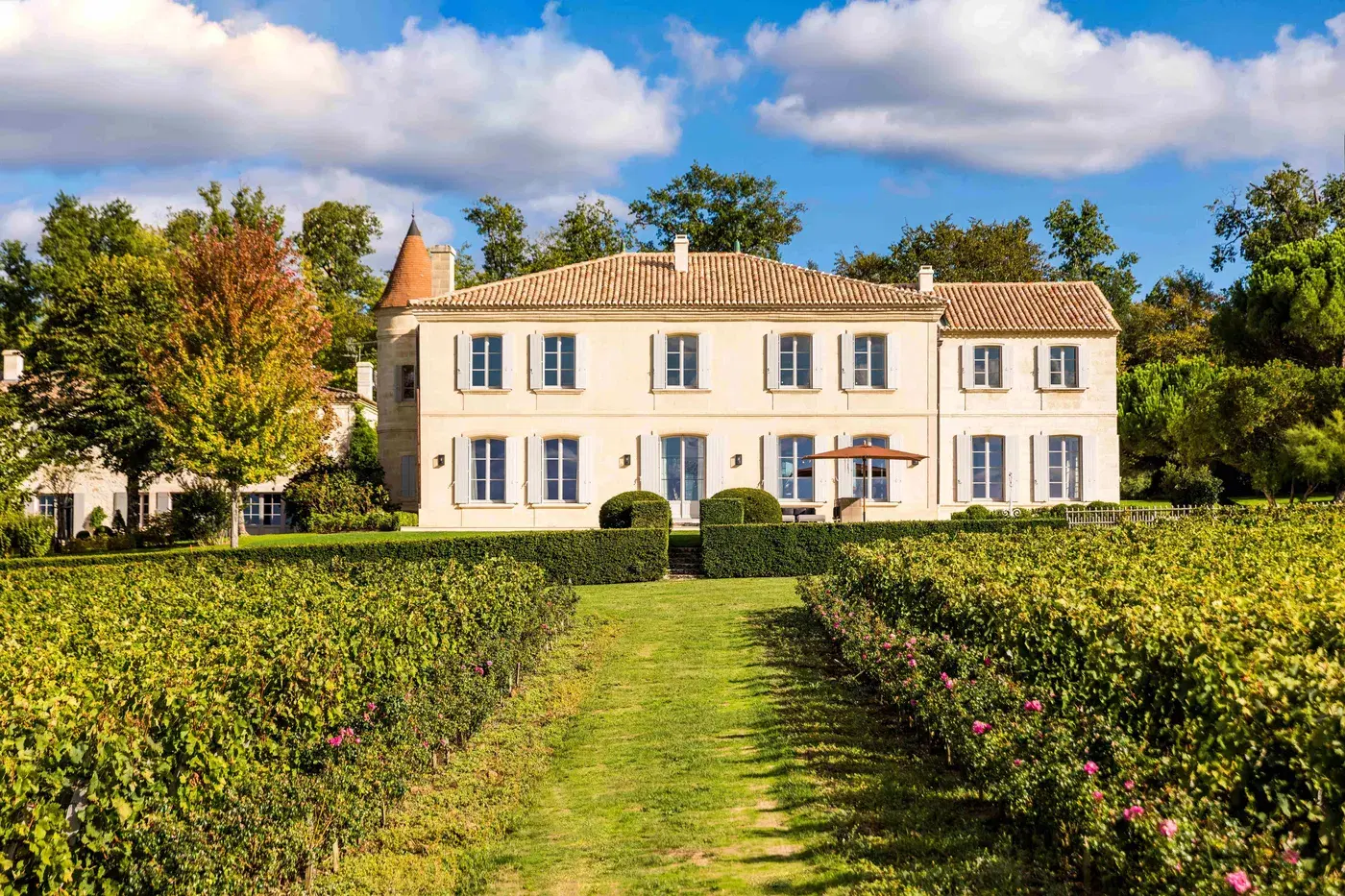
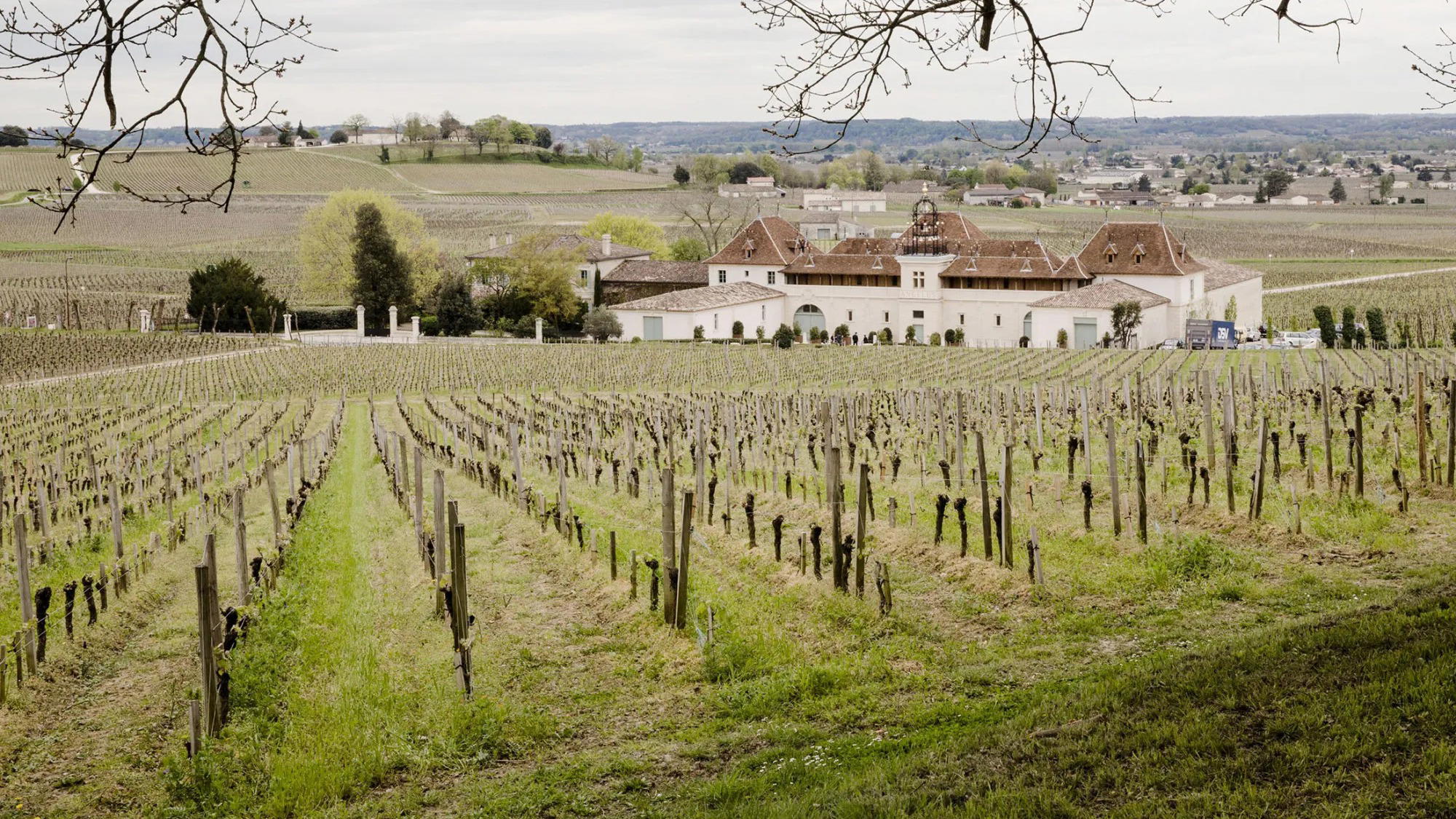
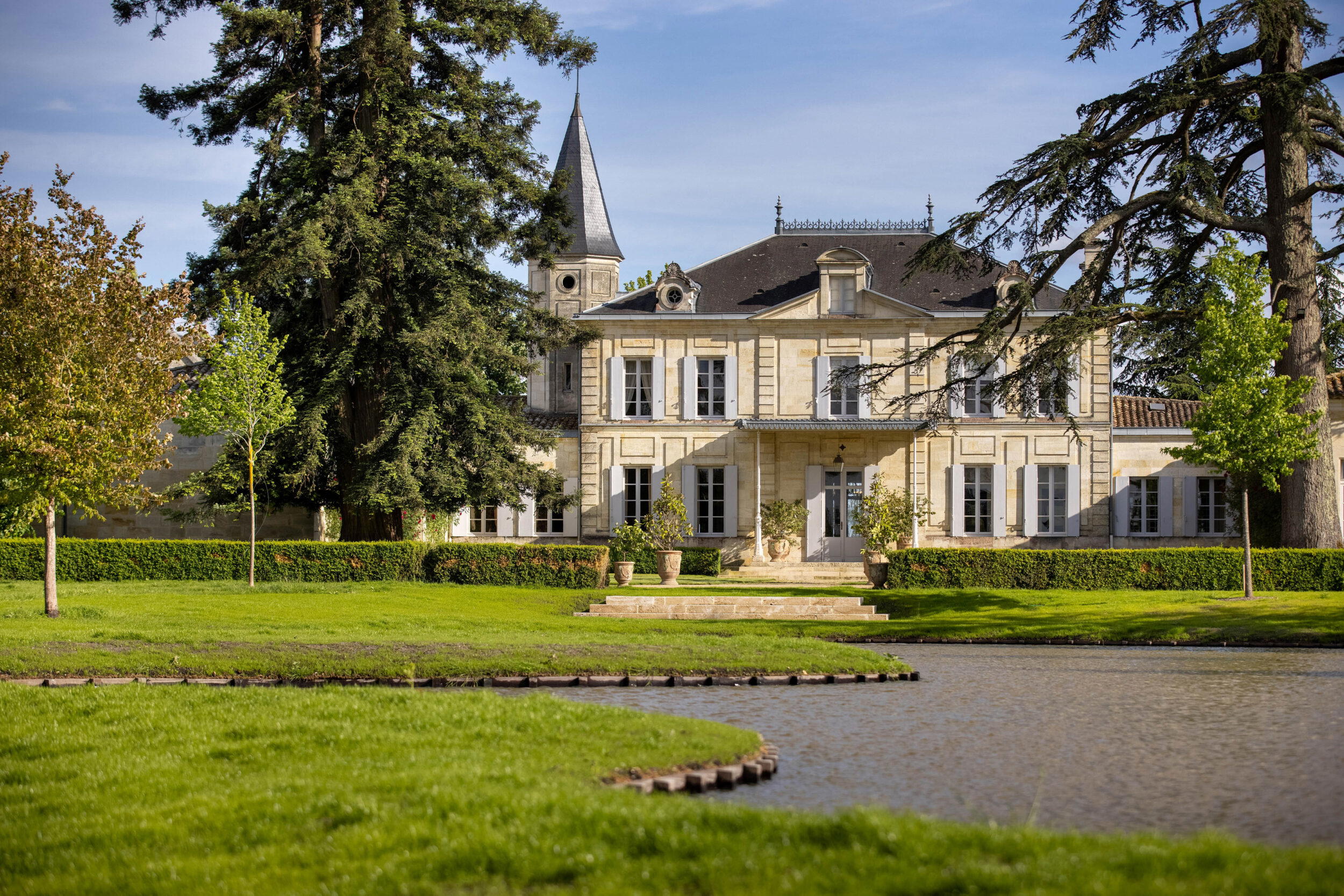
Bars in Saint-Émilion
Browse all →

Restaurants in Saint-Émilion
Browse all →
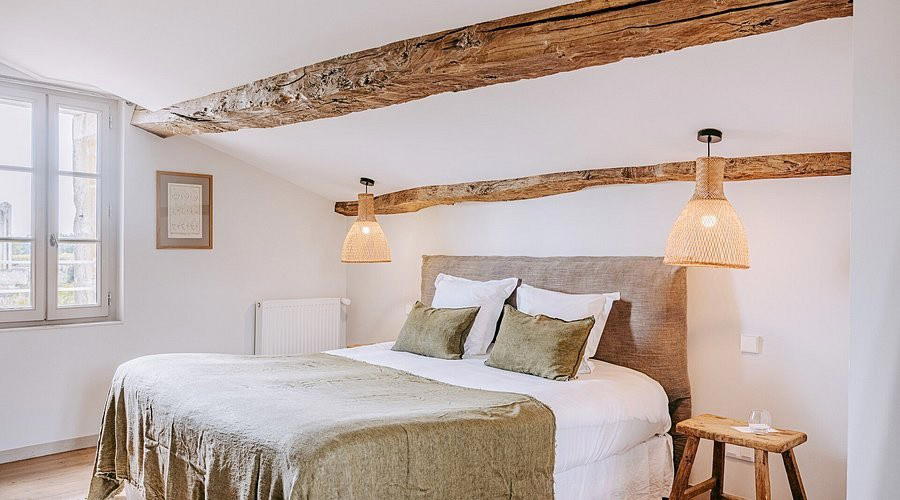
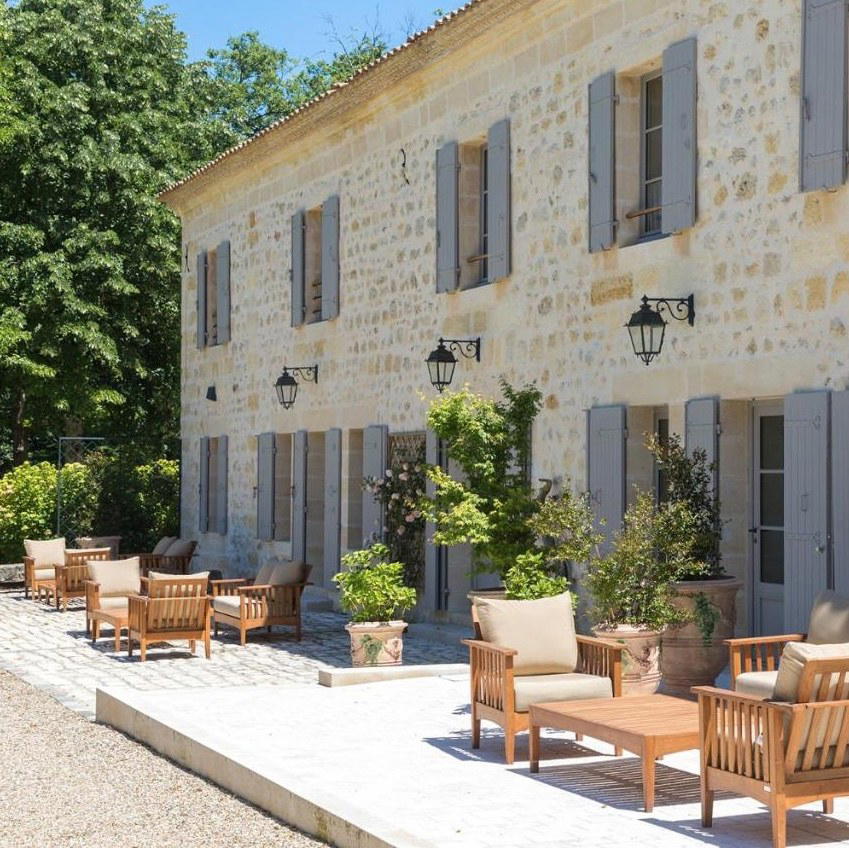
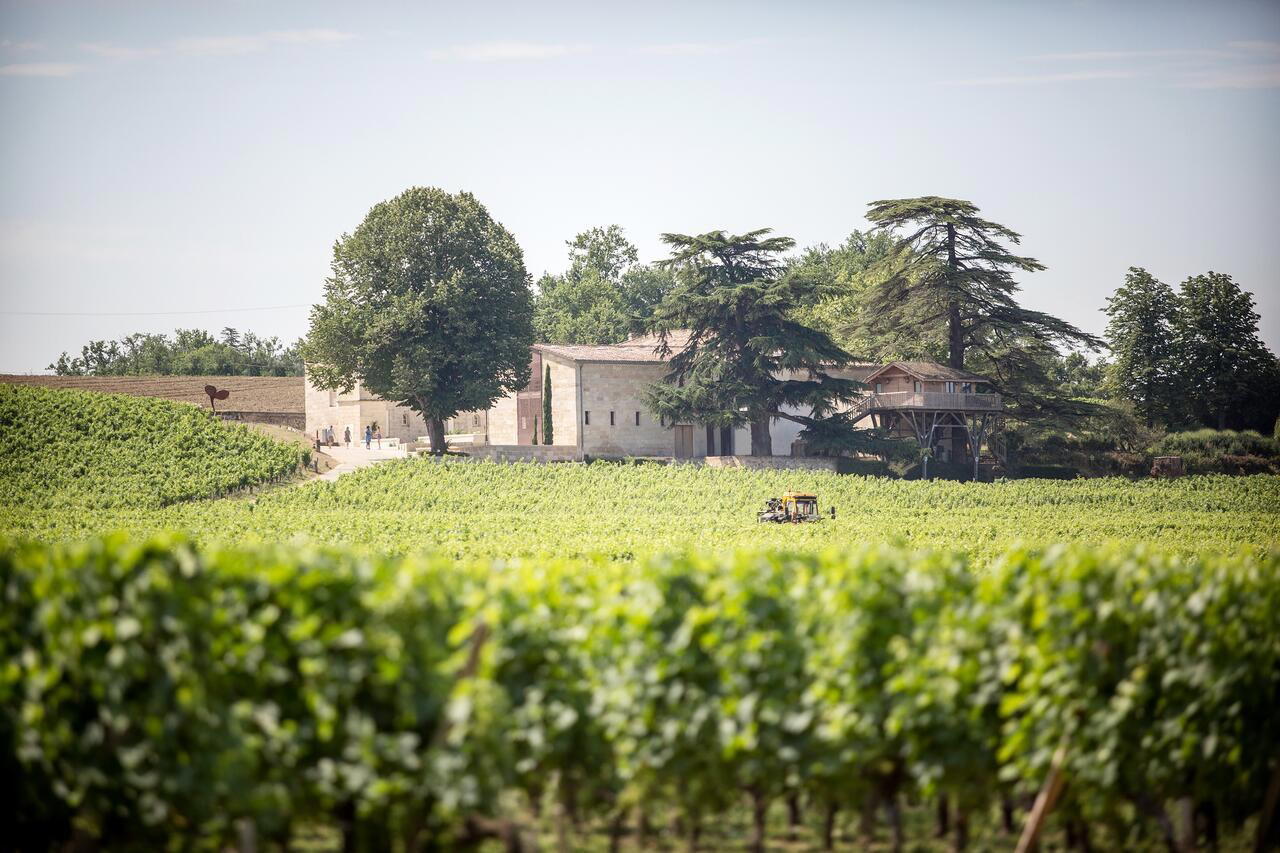
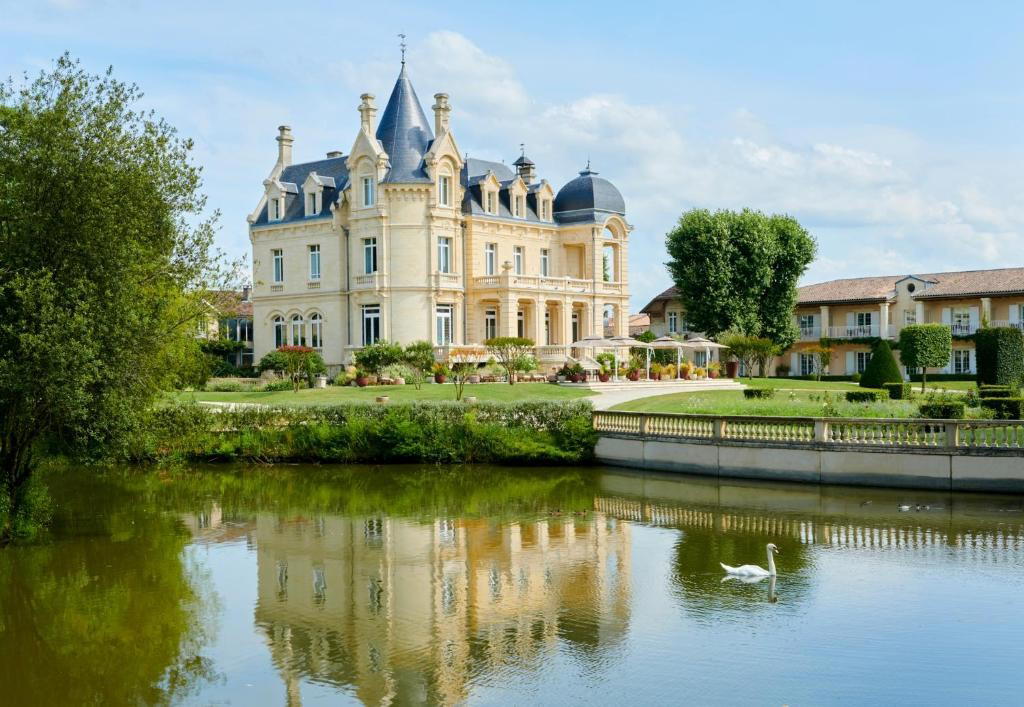
At a Glance
- Elegant
- Classic
- Well Known
- Sophisticated
- Historic
- Special Occasion
- Wine Education
- Vineyard Tour
- Historic Building
- Barrel Room
- Vineyard
- Saint Émilion
- Cabernet Franc
- Merlot
- Still Red
- Private Tasting
Historic and elegant with a sense of timeless sophistication from its ancient cellars and steep terraced vineyards.