Skip to Main Content
← Collection
Pomerol, France

Château Latour

WinemakerHélène Genin
RegionPomerol, France
First Vintage1378
Production16-18,000 cases
ClassificationGrand Cru Classé
Pearl

One of Pomerol's most historically rooted estates, Château Latour has been producing wine since 1378, placing it among the oldest continuous operations on the Right Bank. Under winemaker Hélène Genin, the domaine holds a Pearl 5 Star Prestige rating (2025) and sits in the upper tier of a commune defined by Merlot-driven power and rare allocation access.

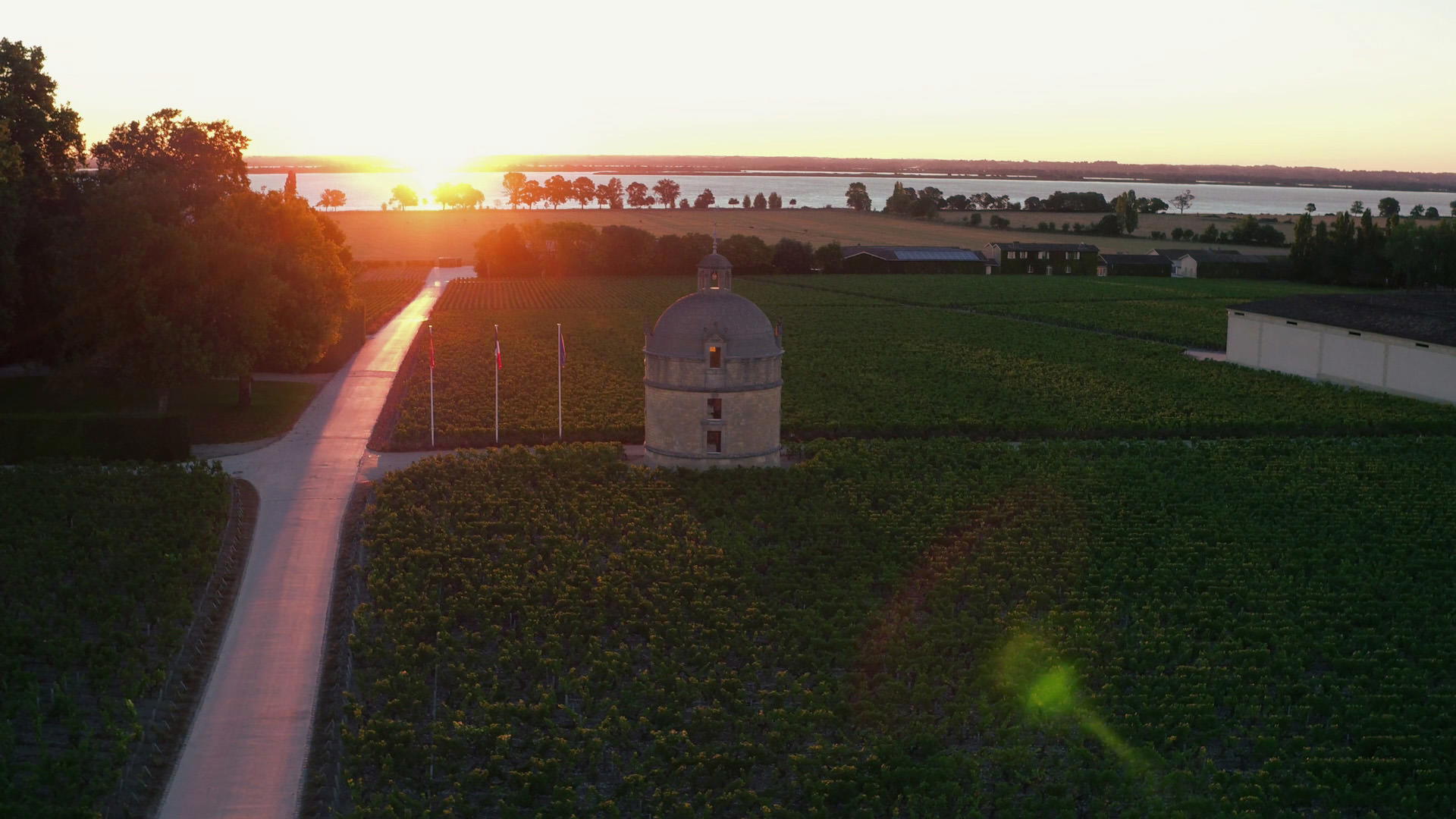
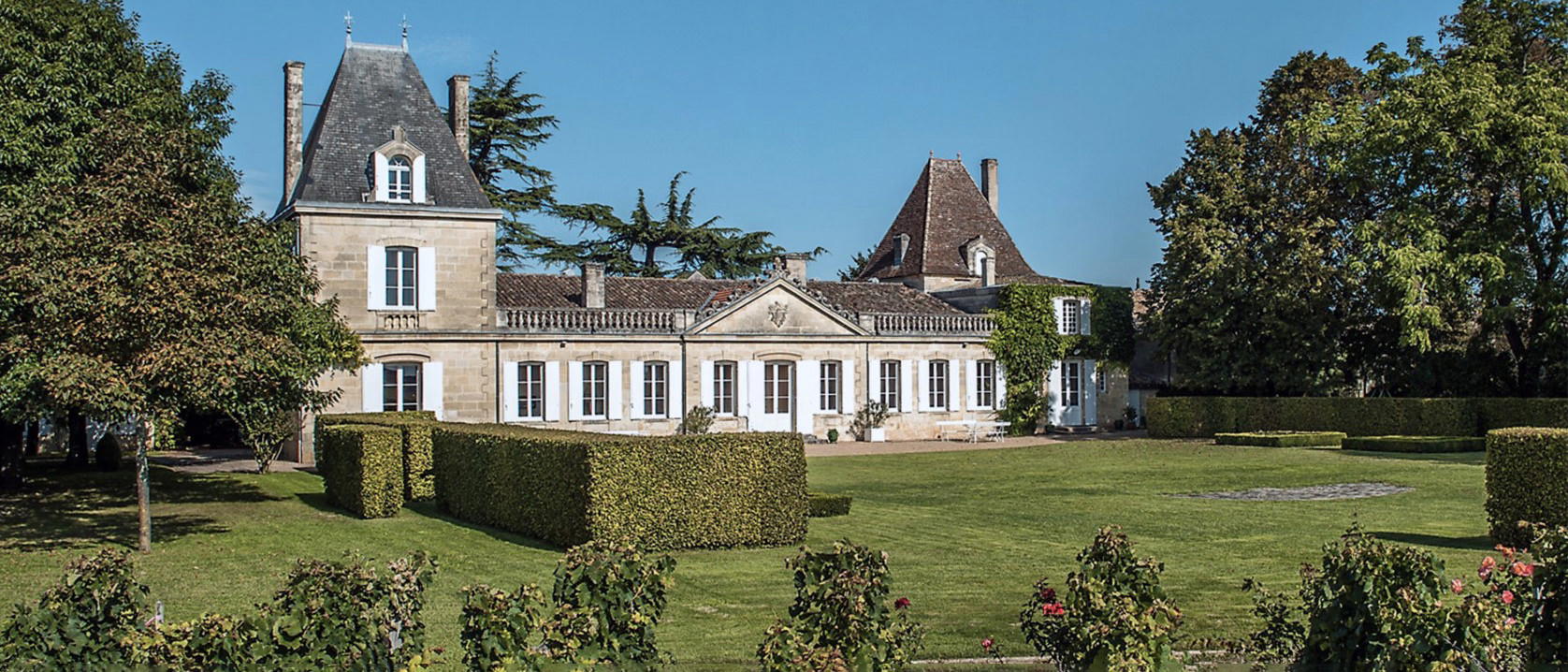
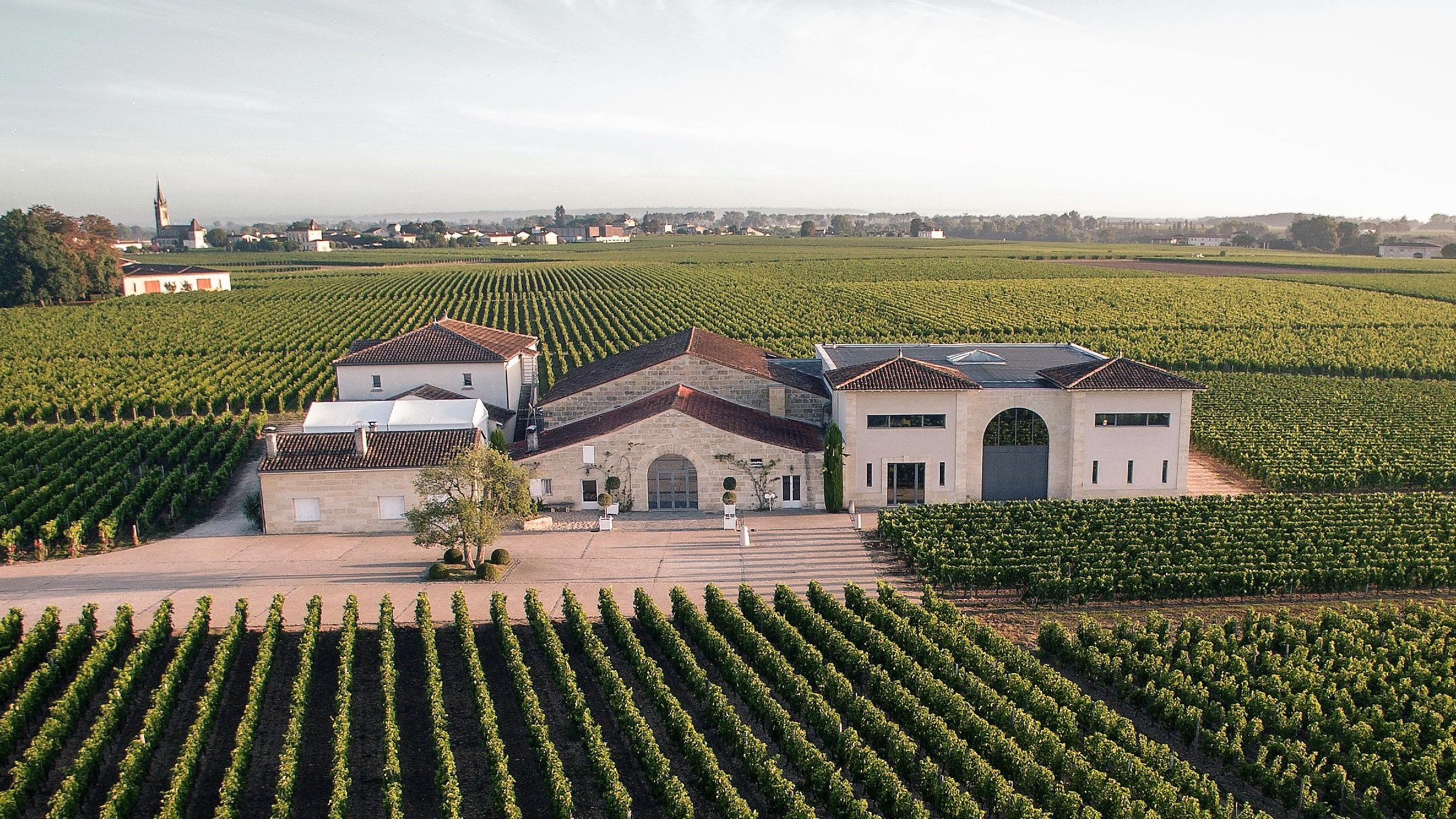
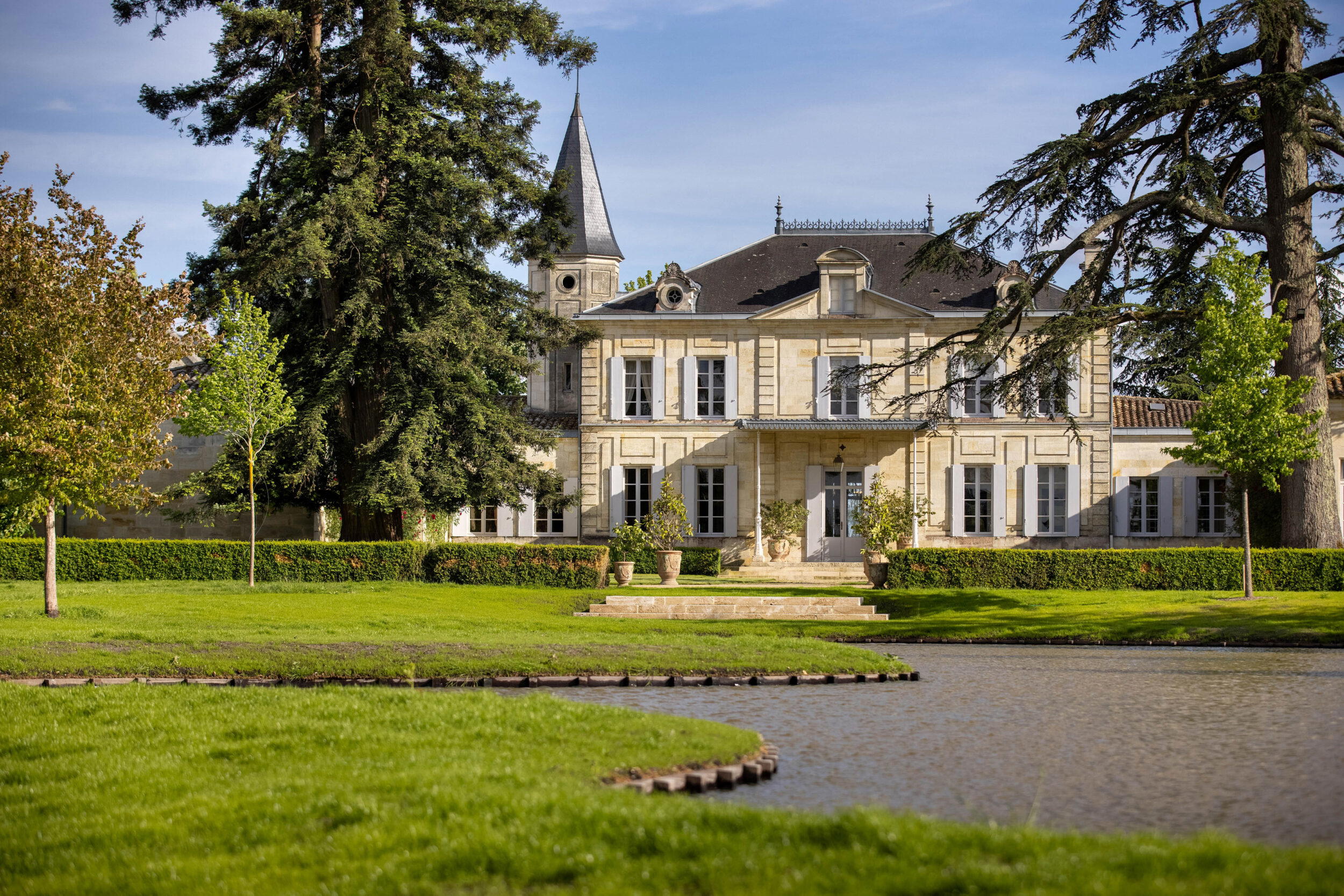
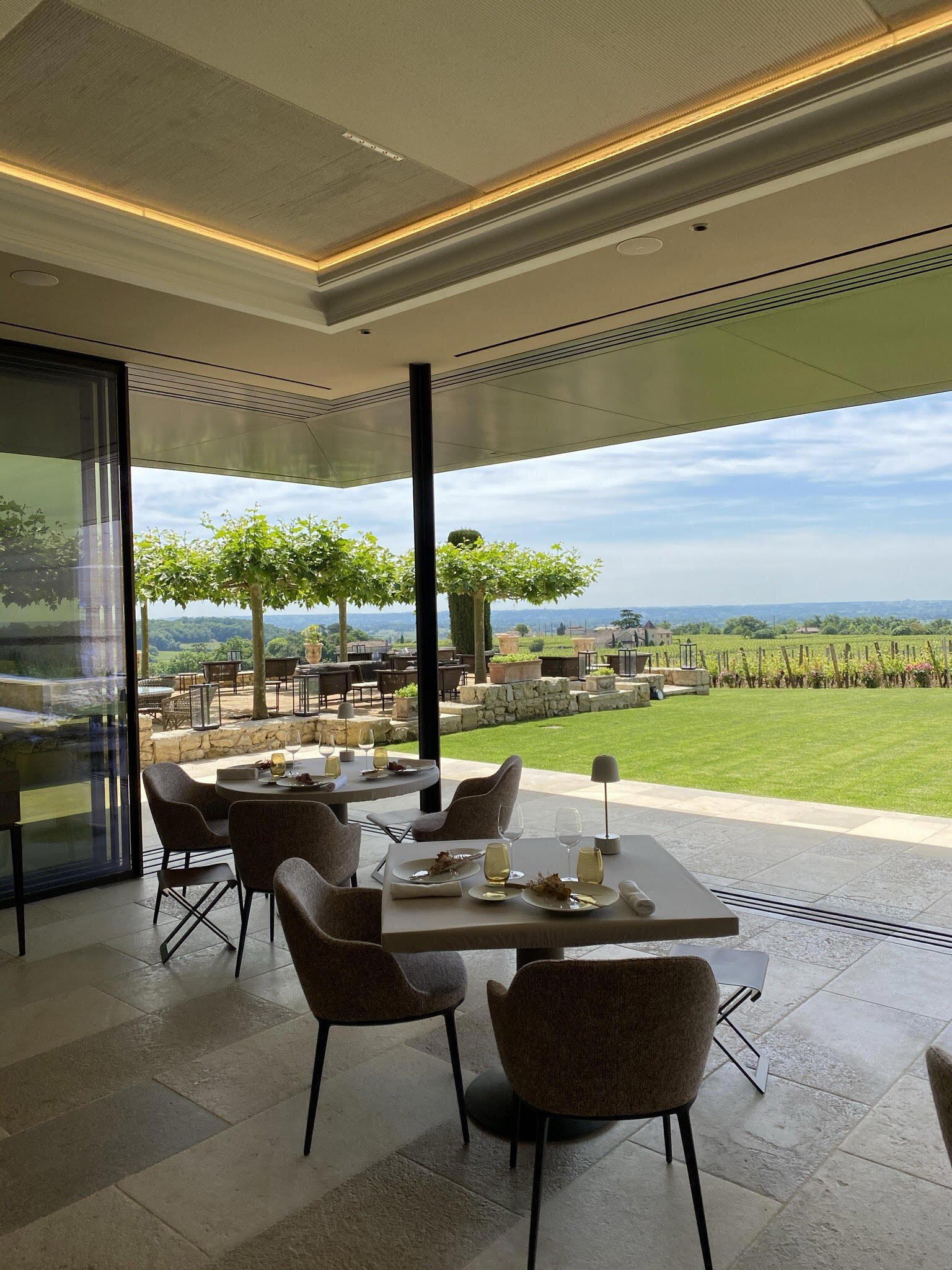
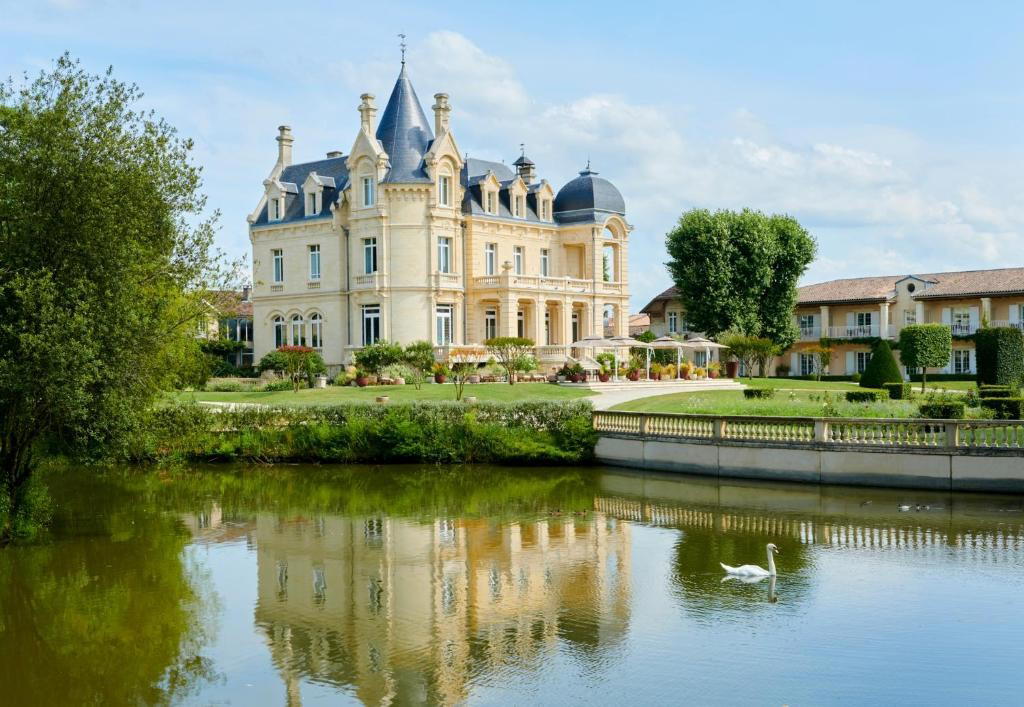
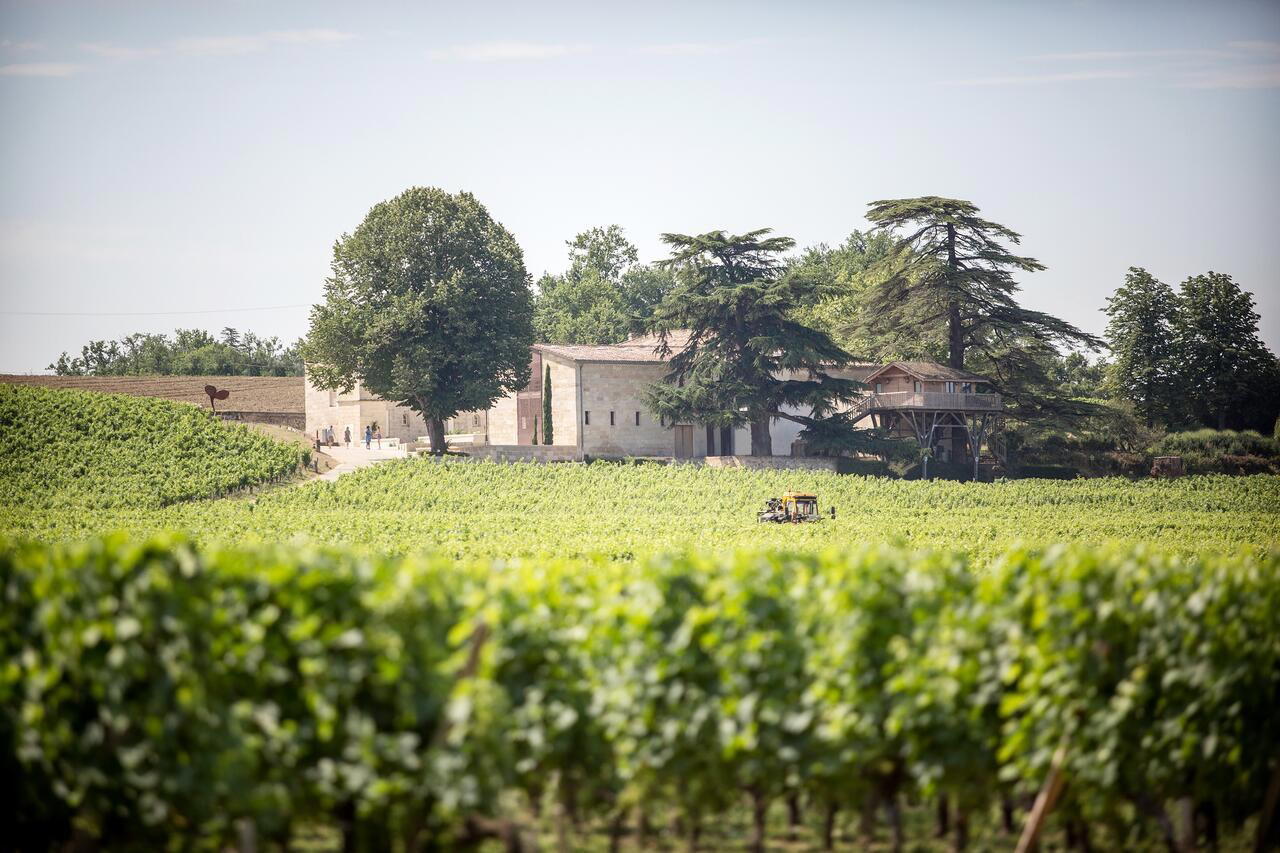
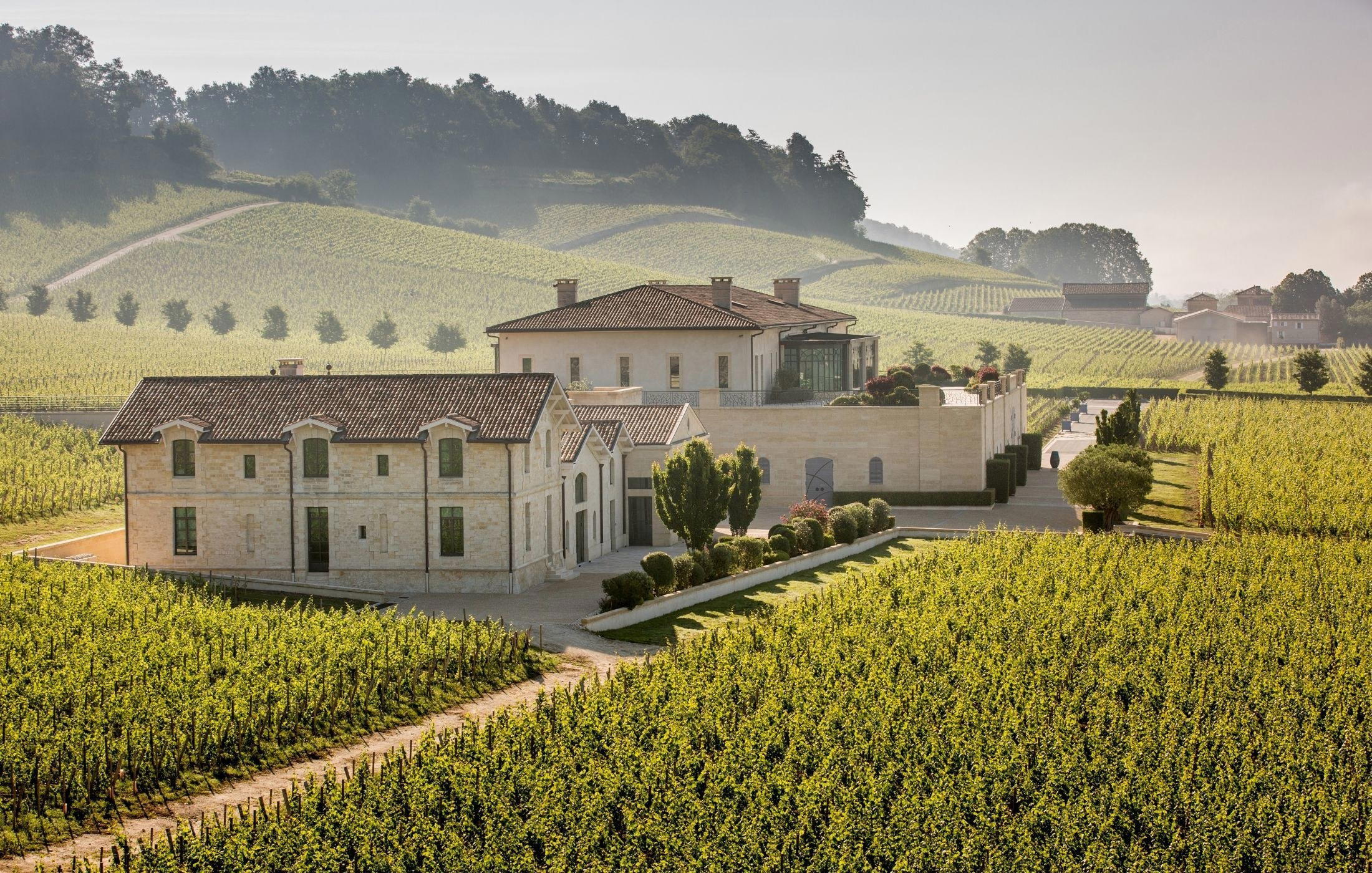
Château Latour winery in Pomerol, France
About

Six Centuries on the Plateau de Pomerol

Pomerol does not announce itself the way Saint-Émilion does, with its hilltop silhouette and tourist infrastructure. The appellation is quiet, flat, and dense with vine rows that press close to gravel tracks and unmarked gates. Arriving at 8 Chemin de Feytit, the address that has anchored Château Latour since its first recorded vintage in 1378, you are confronted with exactly that restraint. No grand avenue of plane trees, no theatrical forecourt. What the plateau offers instead is context: the clay-and-gravel soils that have made this corner of Bordeaux one of the most studied wine-producing terroirs on earth, and a density of elite estates within a few hundred metres that exists nowhere else in France.

That first vintage date, 1378, is not a marketing figure. It places Château Latour among a handful of European wine properties whose unbroken production record stretches across medieval, Renaissance, and modern winemaking eras. For perspective, that predates Pomerol's formal appellation recognition by roughly five centuries. The estate has therefore operated through every shift the region has undergone, from pre-phylloxera vine stock through the reconstruction years of the late 19th century to the critical reassessment of Right Bank wines that accelerated in the 1980s and 1990s. That continuity matters not because age confers automatic quality, but because it implies a depth of site knowledge that newer producers cannot replicate.

Members Only

The shortlist, unlocked.

Hard-to-book tables, cellar releases, and concierge-planned trips.

Get Exclusive Access →

Pomerol's Competitive Tier and Where Château Latour Sits

Pomerol has no official classification. Unlike the Médoc's 1855 hierarchy or Saint-Émilion's periodically revised ranking, the appellation relies on market reputation, critical consensus, and allocation scarcity to establish pecking order. At the apex sit Pétrus and Le Pin, properties whose combination of terroir position and commercial mythology places them in a category of their own. Immediately below, a cluster of estates competes on broadly similar terms: consistent critical recognition, loyal négociant relationships, and wines that reward extended cellaring. Château Latour operates within that second tier, alongside neighbours including Château Clinet, Château Trotanoy, Château Gazin, Château L'Eglise Clinet, and Château Le Gay.

In 2025, the estate received a Pearl 5 Star Prestige rating from EP Club, a designation that places it at the higher end of the platform's assessment scale. The rating functions as a positioning signal: this is a property whose output merits serious collector attention, not casual weeknight drinking. Within Pomerol's unclassified structure, that kind of third-party recognition carries weight precisely because no official hierarchy exists to do the work.

It is worth noting the naming distinction here. This Château Latour in Pomerol is a separate entity from the more widely traded Château Latour of Pauillac, the first-growth Médoc property. Confusion is common among newer collectors. The Pomerol estate's historical record and current Pearl 5 Star designation give it independent standing, but prospective buyers researching both should confirm appellation before purchasing.

Hélène Genin and the Technical Direction of the Estate

The Right Bank's winemaking identity has shifted across generations, from the extraction-forward style that dominated the Parker era to a more restrained approach that prioritises site expression over new-oak intensity. Winemaker Hélène Genin leads production at Château Latour, positioning the estate within a cohort of Pomerol producers whose technical decisions reflect that broader recalibration. The specifics of her intervention approach, fermentation protocols, and barrel programme are not documented in EP Club's current data set, but her tenure at a property with a Pearl 5 Star Prestige rating signals that the critical community has found the output consistent with the appellation's upper echelon.

Across Pomerol, the grape composition question has largely resolved around Merlot dominance, with Cabernet Franc serving as a structural counterweight in most blends. The plateau's clay content retains water in dry years and moderates temperature extremes, producing Merlot with more concentration and structure than the lighter gravels of the Médoc typically allow. Any estate working this terroir inherits both the advantage of that natural richness and the technical challenge of managing ripeness in warmer vintages without losing definition.

Food and Wine Pairing: Placing a Pomerol in Context

The editorial angle most useful to collectors approaching Château Latour is not the wine in isolation but the wine in relation to food, occasion, and cellaring timeline. Pomerol's structural profile, driven by Merlot's roundness and the plateau's mineral complexity, produces wines that pair differently from their Left Bank counterparts. Where a Pauillac demands the assertive fat of well-aged lamb or substantial game, a leading Pomerol of sufficient age integrates with greater versatility: slow-braised duck, aged hard cheeses, mushroom-driven preparations, and dishes built around umami depth rather than raw protein weight.

That range makes aged Pomerol a natural anchor for serious pairing events, where a single bottle can move across multiple courses without dominating or disappearing. In Bordeaux's en primeur tradition, buyers acquire these wines years before they are ready to open, which means the pairing conversation is inherently prospective. Purchasing a recent vintage from Château Latour involves thinking about a table setting five to fifteen years from now, a planning horizon that shapes not just storage decisions but how collectors curate the rest of a cellar around it.

For context on how Pomerol compares to other French fine wine traditions at the premium tier, properties like Albert Boxler in Niedermorschwihr or Château Bélair-Monange in Saint-Émilion illustrate how different appellations approach the tension between terroir expression and winemaker intervention. Beyond France, estates like Accendo Cellars in St. Helena and Château Batailley in Pauillac provide useful comparative reference points for collectors building a global fine wine portfolio alongside Right Bank Bordeaux.

Visiting, Sourcing, and Practical Access

Pomerol does not operate a formal tourism circuit the way the Médoc châteaux do. Most estates are small family operations or négociant-managed properties without public tasting rooms or visitor infrastructure. Access to Château Latour's wines typically runs through Bordeaux négociants and the en primeur allocation system, with secondary market availability through specialist auction houses and fine wine merchants. Phone and website details are not listed in EP Club's current record for this estate, so direct contact is leading initiated through a licensed Bordeaux négociant who holds an allocation relationship.

The estate sits in the commune of Pomerol, roughly 35 kilometres east of Bordeaux via the A89, with Saint-Émilion a short drive further east. For collectors planning a Right Bank visit, our full Pomerol guide covers the appellation's geography, key estates, and timing recommendations. Comparative visits to properties like Château Branaire-Ducru in St-Julien or Château Boyd-Cantenac in Cantenac on the Left Bank provide useful contrast when assessing the stylistic differences between Merlot-led and Cabernet Sauvignon-led Bordeaux. Those interested in exploring other premium French producers beyond Bordeaux may also find value in reviewing Chartreuse in Voiron or Château Bastor-Lamontagne in Preignac as part of a broader French fine wine itinerary. For whisky collectors cross-referencing spirits with wine on a premium tasting trip, Aberlour in Aberlour represents the kind of category adjacency that sophisticated collectors increasingly explore.

Frequently Asked Questions

What's the vibe at Château Latour?
Pomerol carries a quieter register than the grand Médoc châteaux. The appellation is rural and understated, with estates set along narrow tracks rather than formal avenues. Château Latour, situated at 8 Chemin de Feytit, sits within that character: a historically rooted property holding a Pearl 5 Star Prestige rating (2025) in one of Bordeaux's most competitive communes, without the theatrical presentation of some Left Bank counterparts.
What wines is Château Latour known for?
As a Pomerol estate under winemaker Hélène Genin, Château Latour works within the appellation's Merlot-dominant framework, producing wines from clay-and-gravel soils that typify the plateau. The Pearl 5 Star Prestige rating from EP Club (2025) confirms current critical standing. Note that this is the Pomerol Château Latour, distinct from the Pauillac first growth of the same name.
What's the standout thing about Château Latour?
The combination of a first recorded vintage in 1378 and a current Pearl 5 Star Prestige rating (2025) is rare in any appellation. Pomerol has no official classification, so that external recognition from EP Club, set against one of the longest continuous production records in Bordeaux, represents the clearest signal of the estate's current positioning.
How hard is it to get in to Château Latour?
Pomerol estates generally do not maintain open visitor facilities, and no public booking details are listed in EP Club's current record for Château Latour. Access to the wines runs primarily through Bordeaux négociant allocations and the en primeur system, with secondary market availability through specialist merchants and auction platforms. Given the Pearl 5 Star Prestige rating (2025), allocation demand is likely consistent with other top-tier Pomerol producers.
How does Château Latour's founding date affect how collectors should think about the estate?
A first vintage recorded in 1378 places Château Latour among the oldest continuously producing wine estates in France, predating Pomerol's formal appellation recognition by several centuries. For collectors, that continuity implies accumulated site knowledge across radically different winemaking eras, from pre-phylloxera viticulture through to modern precision winemaking under Hélène Genin. It also means the estate's reputation has survived the complete arc of Bordeaux's critical reassessment, including the Right Bank's rise to global prominence in the late 20th century. The Pearl 5 Star Prestige rating (2025) confirms that historical depth is currently matched by output quality.

How It Stacks Up

A compact peer snapshot based on similar venues we track.

Collector Access

Access the Cellar?

Our members enjoy exclusive access to private tastings and priority allocations from the world's most sought-after producers.

Get Exclusive Access
Members Only

The shortlist, unlocked.

Hard-to-book tables, cellar releases, and concierge-planned trips.

Get Exclusive Access →