
Skip to Main Content
← Collection
Aÿ, France

Bollinger

WinemakerGilles Descôtes
RegionAÿ, France
First Vintage1829
Production2.5 million bottles
ClassificationPremier Cru
World's 50 Best
Pearl

Founded in 1829 and based in Aÿ at the heart of the Marne Valley, Bollinger is one of Champagne's most storied grandes marques, holding a Pearl 4 Star Prestige rating from EP Club in 2025. Under winemaker Gilles Descôtes, the house maintains a reputation built on pinot noir-dominant blends and a commitment to reserve wine depth that distinguishes it from volume-focused négociants.

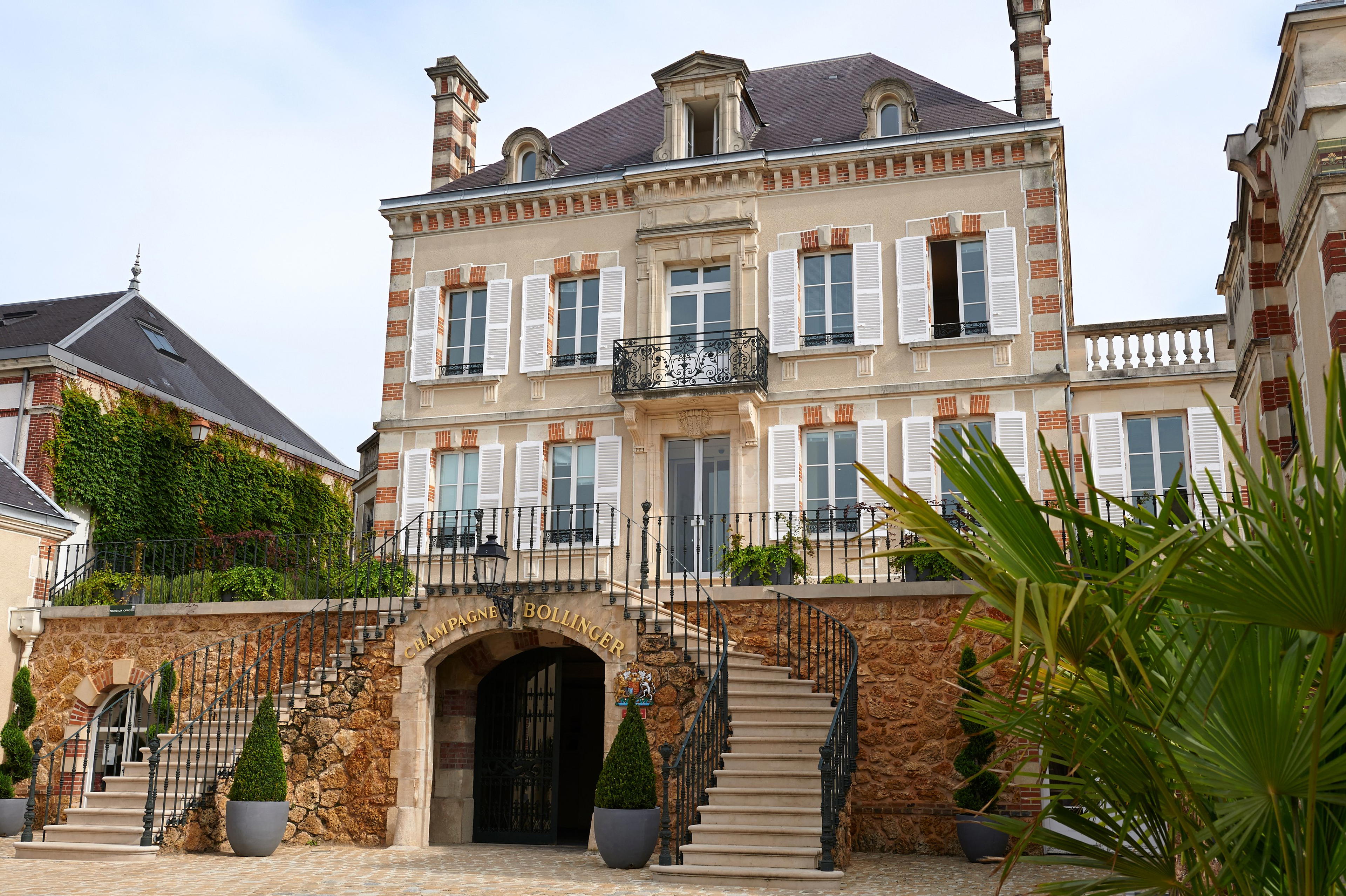
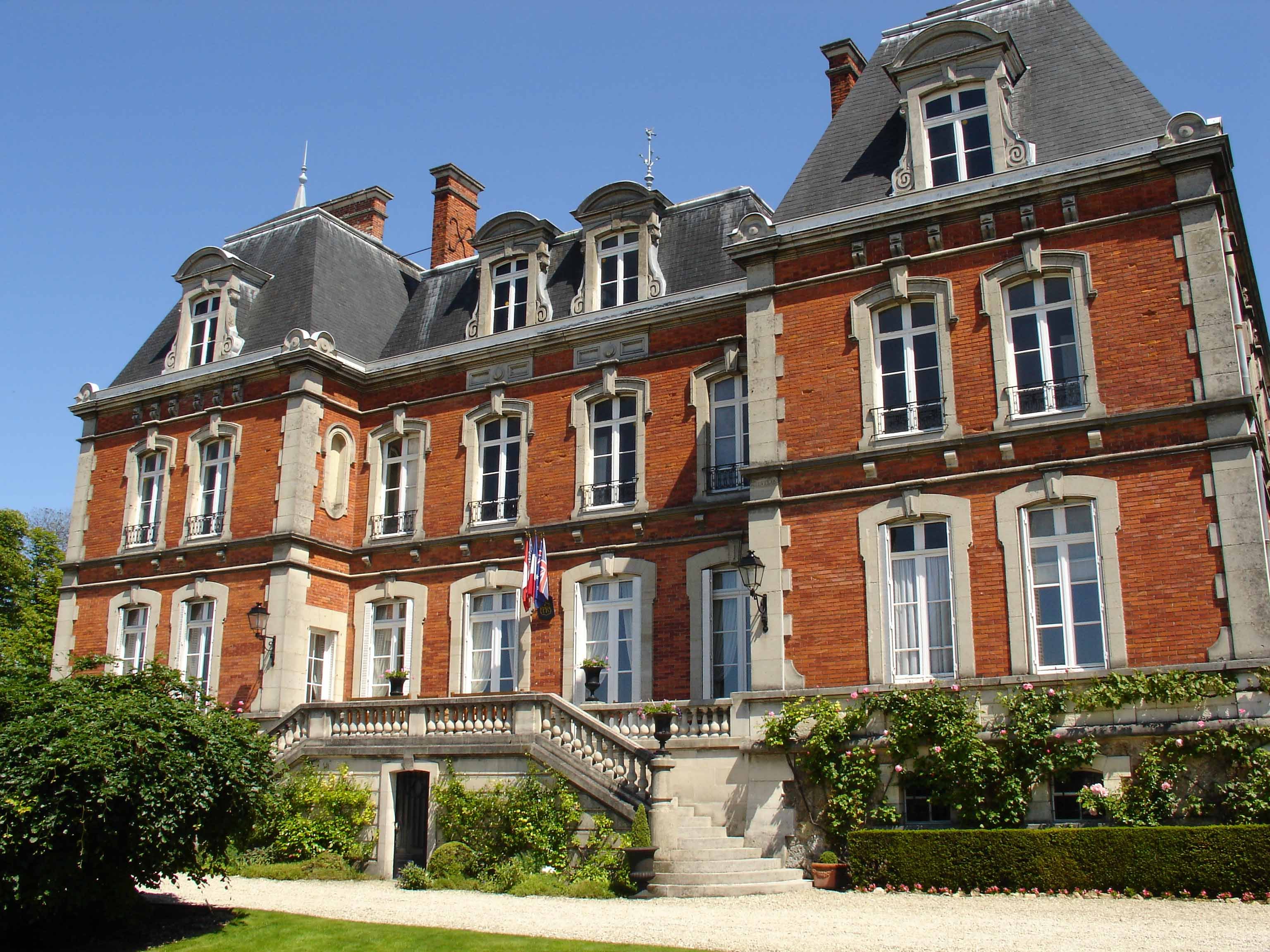
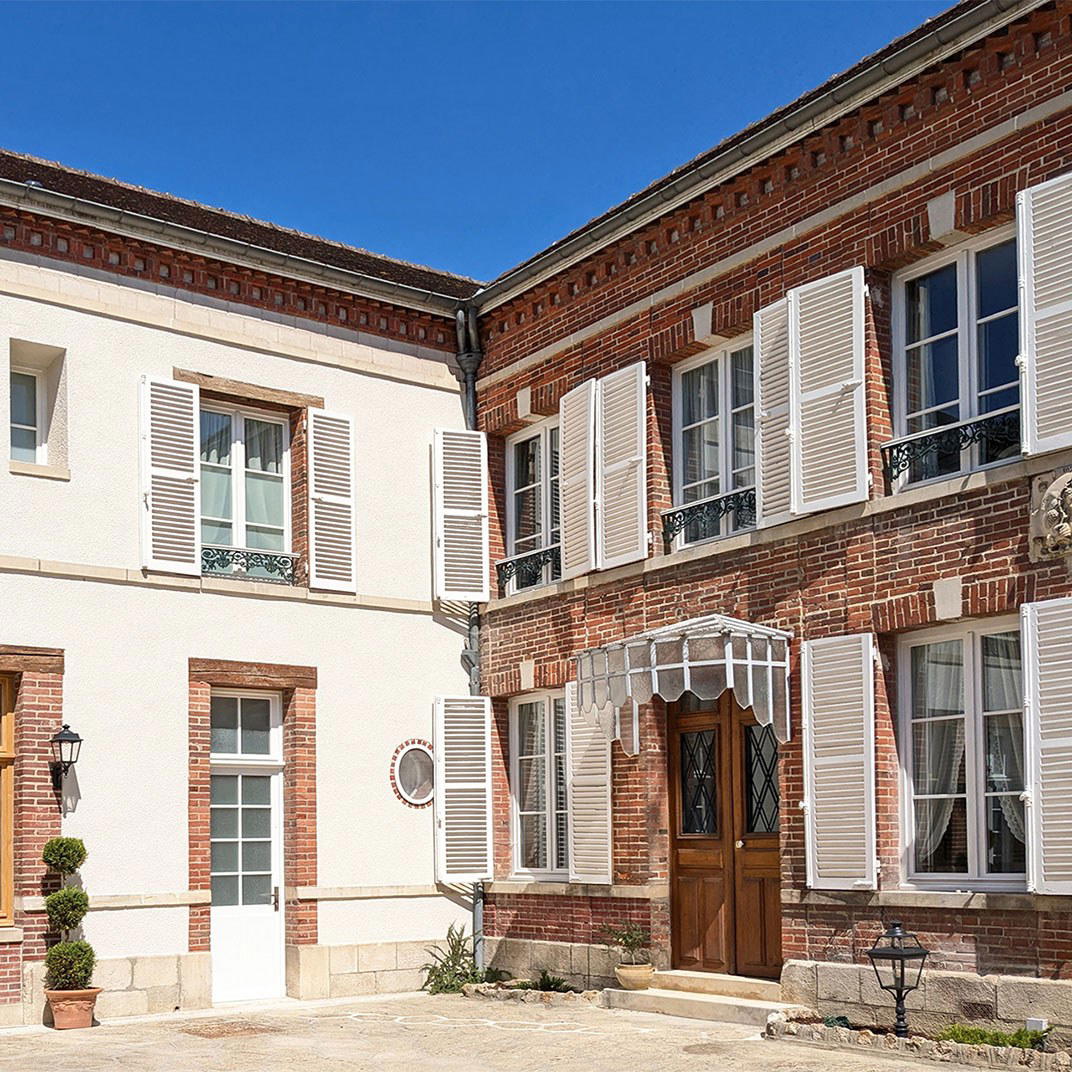
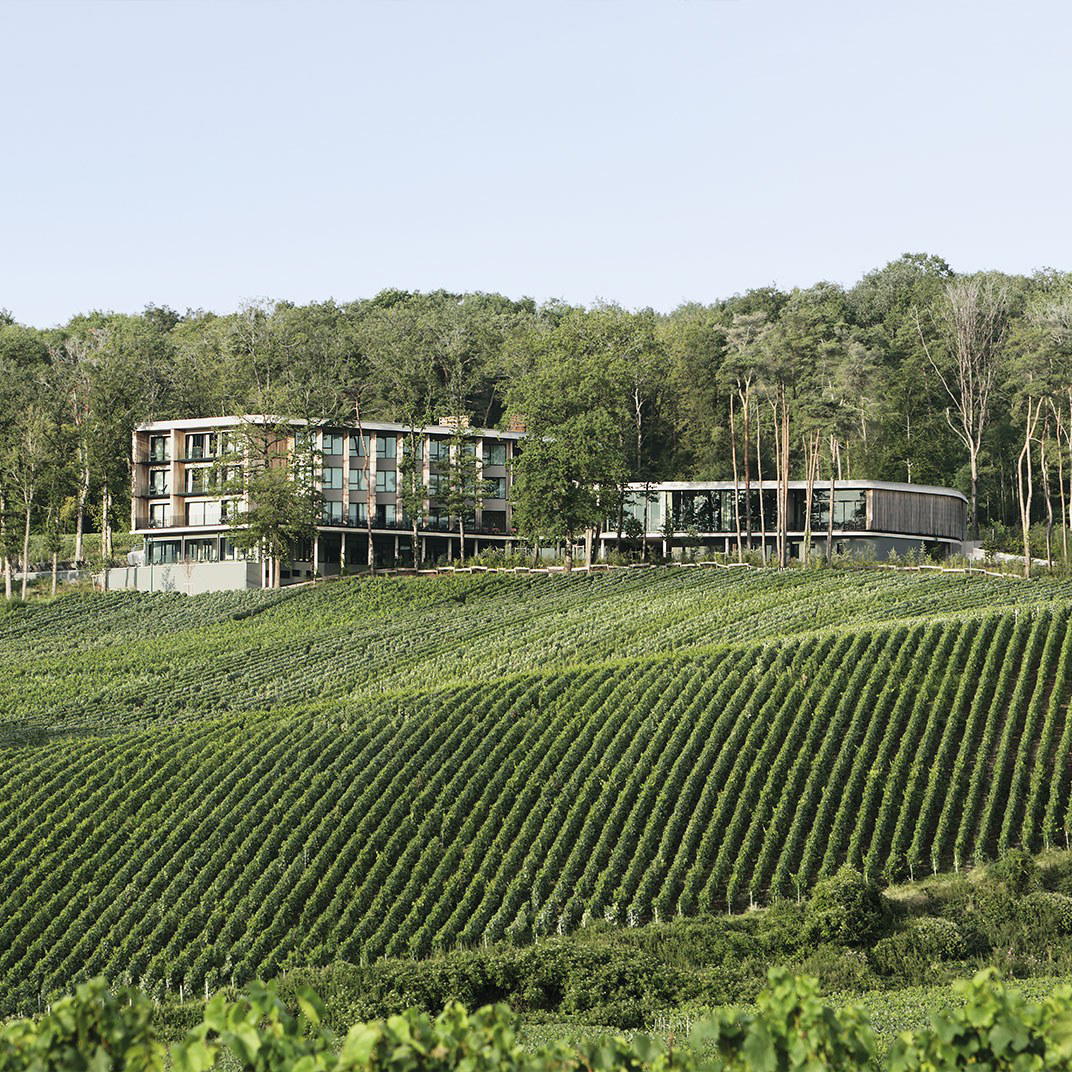
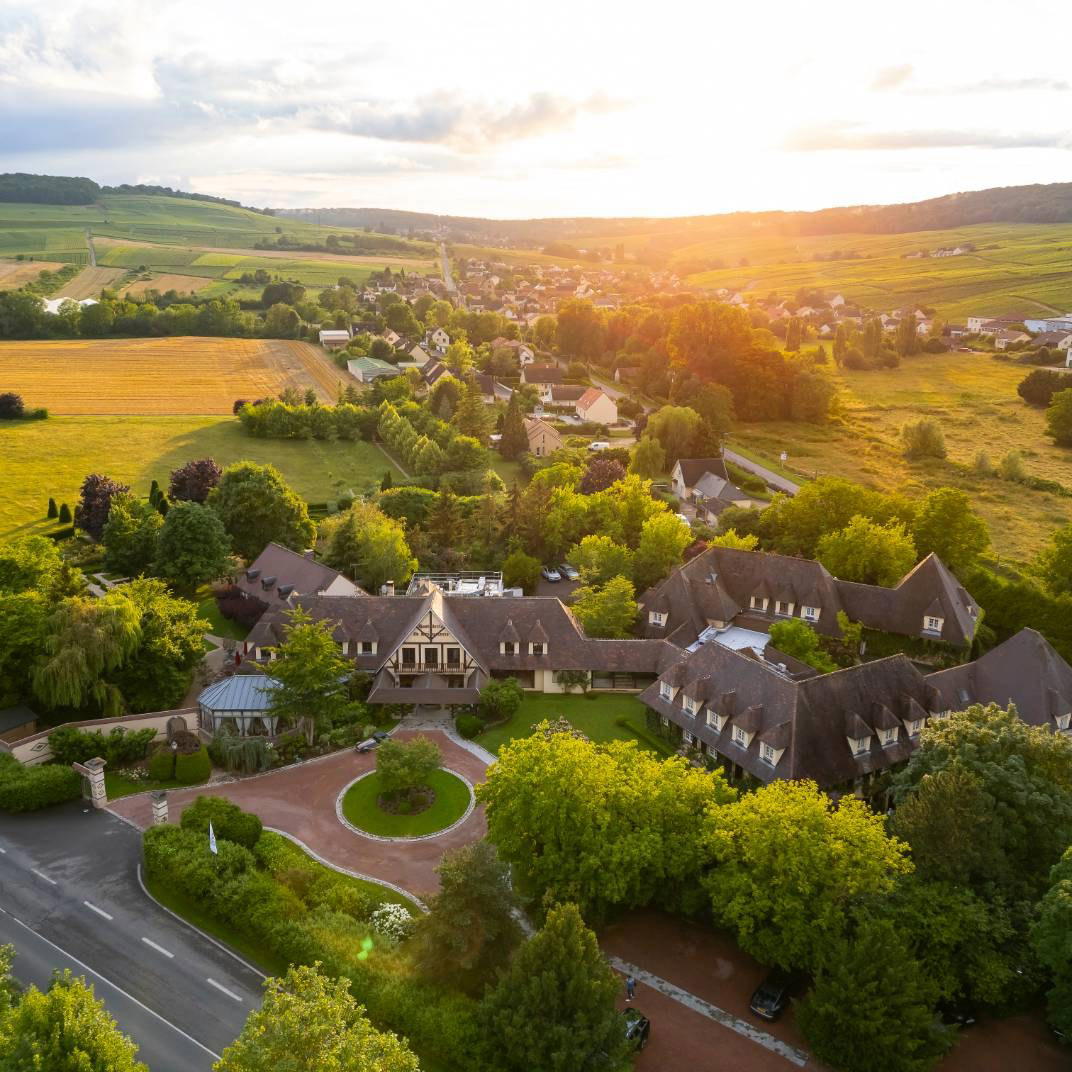
Bollinger winery in Aÿ, France
About

Aÿ and the Geography of Champagne Prestige

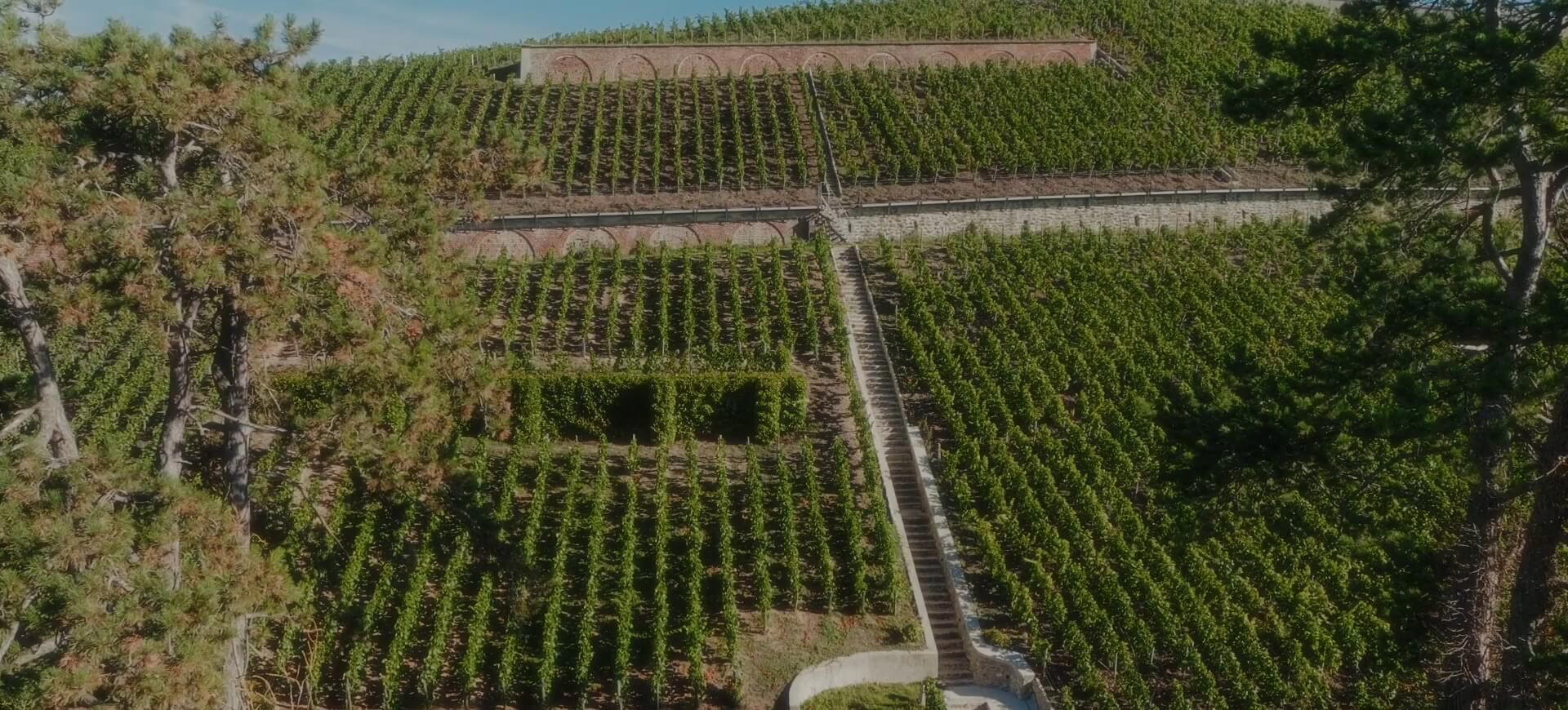
The village of Aÿ sits at a particular confluence in the Champagne appellation: grand cru-classified vineyards on south-facing slopes, proximity to Épernay's négociant infrastructure, and a long history of attracting houses that wanted both terroir credibility and commercial scale. Among the grandes marques that established themselves here, Bollinger's address on the Boulevard Maréchal de Lattre de Tassigny has been a fixed point since 1829, making it one of the longest continuously operating Champagne houses in the appellation. That longevity places it in a peer set defined not by size alone but by institutional depth: houses whose archives, reserve wine stocks, and vineyard holdings give winemakers options unavailable to younger producers.

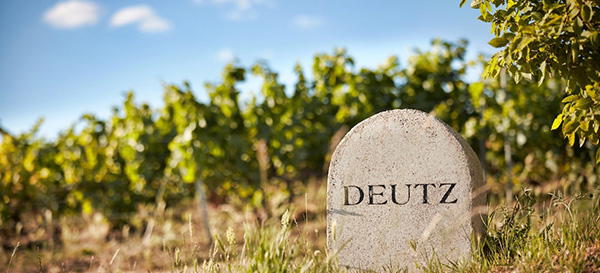
Aÿ's standing in Champagne is often undersold relative to Épernay or Reims. For visitors, this means a more concentrated, less tourist-oriented version of Champagne's grand marque experience. Other significant producers with roots in or near Aÿ include Lallier, Deutz, and Ayala, each representing a distinct approach to the village's grand cru fruit. The contrast between these houses captures something important about how Champagne's identity fractures at the production level even within a single appellation zone.

What the Tasting Experience Tells You About the House

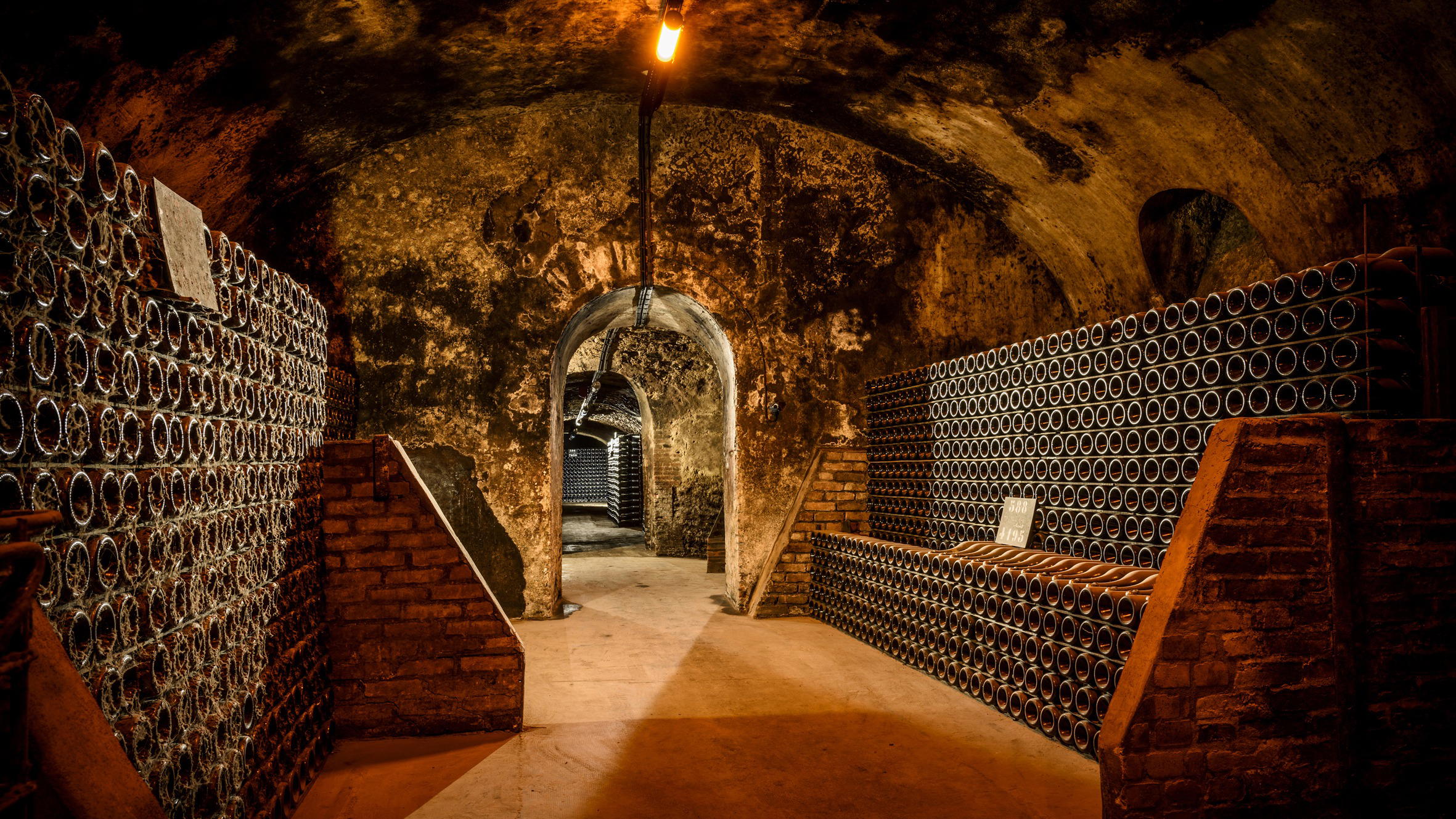
Grandes marques in Champagne tend to present one of two tasting experiences: the theatrical, high-throughput cellar tour aimed at converting brand awareness into bottle sales, or the quieter, more structured format aimed at buyers, journalists, and visitors who arrive with prior knowledge. Bollinger's format, consistent with its positioning among allocation-driven houses, skews toward the latter. The cellars beneath Aÿ are the operative text here. Champagne's limestone geology produces the cool, stable underground environments that allowed pre-refrigeration winemaking to develop extended lees aging as a house style, and Bollinger's cellars reflect decades of investment in that format. Reserve wines aged in small oak barrels, a practice that sets the house apart from the stainless-steel-dominant approach of most Champagne producers, mean that what a visitor encounters in a tasting room has been shaped by decisions made years or decades earlier.

Winemaker Gilles Descôtes holds the thread connecting current releases to that reserve wine library. In Champagne's technical hierarchy, the winemaker's role is less about annual harvest intuition and more about longitudinal blending intelligence: knowing what parcels are performing across a 10 or 15-year arc, which reserve vintages are adding oxidative complexity versus freshness, and where the house's stylistic signature sits relative to what the broader market is rewarding. At a house founded in 1829, that accumulated institutional knowledge is itself a kind of asset, one that the tasting format at Bollinger allows visitors to encounter in the glass even if the cellar history isn't explicitly narrated during every visit.

Pinot Noir Dominance and What It Signals

Champagne's internal stylistic division between chardonnay-led and pinot noir-led houses runs deeper than grape variety preference. It maps onto terroir philosophy, aging approach, and target market. Chardonnay-dominant houses, many based on the Côte des Blancs, tend toward precision, vertical acidity, and shorter aging curves. Pinot noir-dominant houses, particularly those with significant holdings in Aÿ, Verzenay, and the Montagne de Reims, build blends with more structural weight, broader palates, and a natural affinity for extended reserve wine contact. Bollinger sits firmly in the second camp, and has done so consistently enough that its stylistic identity reads as a deliberate position rather than a function of circumstance.

This matters for visitors choosing between Champagne houses for a cellar appointment. If your reference points are the linear, mineral Champagnes of the Côte des Blancs, a Bollinger tasting will feel like a different category. If you're arriving from the world of aged Burgundy, red Bordeaux, or single-malt Scotch whisky, the structural logic of a pinot-dominant, oak-reserve Champagne will feel more familiar. The EP Club Pearl 4 Star Prestige rating awarded in 2025 reflects that consistency and depth within its chosen style. For comparison, houses taking different stylistic positions in adjacent zones include Billecart-Salmon and Philipponnat, the latter particularly relevant for visitors interested in single-vineyard Champagne from the Mareuil-sur-Aÿ côteaux.

Positioning Bollinger in the Grandes Marques Tier

Champagne's grandes marques occupy a specific market position that requires some unpacking. These are houses with the vineyard ownership, reserve wine depth, and distribution scale to maintain consistent non-vintage releases across variable harvest years, which is operationally complex and capital-intensive in a way that smaller grower-producers do not face. Within that tier, differentiation happens through house style, allocation structure, and the prestige of specific cuvées. Bollinger's R.D. (Récemment Dégorgé) releases, which spend extended time on the lees before disgorgement, represent the house's clearest statement about what extended aging does to a mature Champagne, and have a following among collectors that operates somewhat independently of the core non-vintage market.

The comparison set for Bollinger at the upper end of the grandes marques tier is genuinely small. Houses that combine equivalent vineyard ownership in premier and grand cru zones, deep reserve stocks, and a sustained critical reputation across multiple decades number fewer than a dozen in the entire appellation. Visitors considering a Champagne itinerary across multiple houses would find instructive contrasts by also visiting Deutz in Aÿ itself, or traveling to Billecart-Salmon in Mareuil-sur-Aÿ for a house with a different stylistic emphasis but comparable institutional standing.

For visitors interested in how similar institutional depth manifests in other European wine traditions, Albert Boxler in Niedermorschwihr offers an Alsace perspective on long-established family production, while Abadía Retuerta in Sardón de Duero shows how prestige positioning works in Spain's interior appellations. Further afield, Chartreuse in Voiron and Aberlour in Aberlour illustrate how age and institutional continuity function as trust signals across spirits categories, much as they do for Bollinger in Champagne. Château Bastor-Lamontagne in Preignac provides a further contrast in how Bordeaux's classified estates use historical continuity to anchor prestige positioning.

Planning a Visit to Bollinger and Aÿ

Visiting Bollinger requires advance arrangement; walk-in access to the cellars and tasting facilities is not the model at this level of house. Aÿ is reached most efficiently from Paris via Épernay, approximately 1 hour 30 minutes by TGV to Épernay and a short drive or taxi from there. The village itself is compact, and a focused Champagne itinerary can combine Bollinger with the other significant houses based in or near Aÿ without covering large distances. For broader planning across the village, our full Aÿ wineries guide covers the production landscape in detail. Visitors who want to extend beyond cellar appointments can reference our full Aÿ restaurants guide, our full Aÿ hotels guide, our full Aÿ bars guide, and our full Aÿ experiences guide to build a multi-day programme across the appellation.

Frequently Asked Questions

Peer Set Snapshot

These are the closest comparables we have in our database for quick context.

Collector Access

Access the Cellar?

Our members enjoy exclusive access to private tastings and priority allocations from the world's most sought-after producers.

Get Exclusive Access