Domaine La Barroche
Domaine La Barroche is a Châteauneuf-du-Pape producer under winemaker Julien Barrot, working from a first vintage of 2003 and. The domaine operates within the southern Rhône's demanding terroir tradition, producing wines that have drawn serious collector attention. Based on the Chemin du Clos in the heart of the appellation, it represents one of the region's more closely watched addresses.

Pearl is the En Primeur Club membership app, where members save venues, book tables and use the concierge.
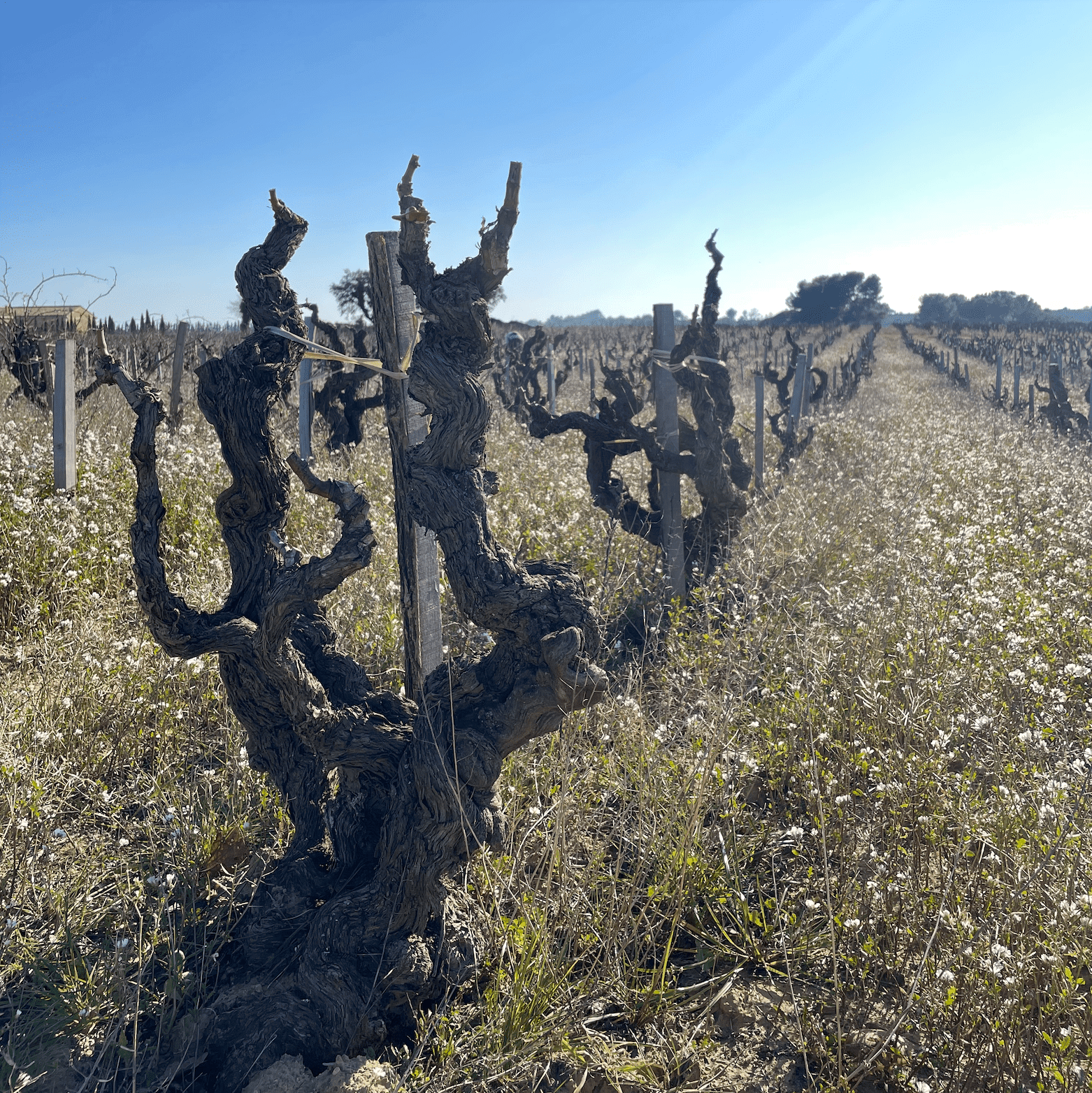
The Southern Rhône at Its Most Deliberate
The road into Châteauneuf-du-Pape announces itself through the garrigue before you see the village: wild thyme, lavender, and sun-warmed stone pushing through the air long before the medieval tower appears on the ridge. This is wine country that works through all five senses before a glass is poured, and it shapes what serious producers here set out to make. Domaine La Barroche, on the Chemin du Clos, sits inside that terroir logic. The address alone places it in the appellation's interior, away from the highway trade, among holdings that take the appellation's 13-permitted-grape framework seriously rather than as a marketing credential.
Châteauneuf-du-Pape has long split between two production philosophies: the high-extraction, new-oak school that peaked in influence around the early 2000s, and an older tradition of freshness, site transparency, and minimal intervention that producers like Chateau Rayas and Clos Des Papes have long anchored. The past decade has seen the balance shift back toward the latter, with a younger generation of producers reorienting toward precision and restraint. Domaine La Barroche, with a first vintage in 2003, entered the scene as that realignment was beginning, and its trajectory through two decades reflects the broader reappraisal of what southern Rhône wine can do at its most considered.
Winemaker Julien Barrot and the Logic of the Vintage
In a region where family lineage and inherited parcels matter as much as technique, winemaker credentials function as a form of terroir context. Julien Barrot at Domaine La Barroche operates within an appellation where the vineyards themselves carry the argument: old Grenache vines, the famous galets roulés, those large, rounded stones that retain daytime heat and radiate it through cool nights, and a continental-Mediterranean climate that produces vintage variation with real consequence. What a winemaker does with that raw material is the critical variable, and the decision-making that goes into each harvest shapes the final wine more acutely here than in appellations with more forgiving climates.
That kind of recognition, applied to a producer of this scale, signals consistent quality across multiple vintages rather than a single exceptional release. For collectors and serious buyers, the multi-vintage read matters more than any single score: it suggests the domaine has maintained standards through the range of difficult southern Rhône vintages the past two decades have delivered, including heat-stressed years that exposed less careful producers.
Pairing Châteauneuf-du-Pape: What the Wine Demands at the Table
The editorial angle on any serious Châteauneuf-du-Pape producer runs quickly into the question of food, because wines made at this level of concentration and structure are fundamentally incomplete without it. Grenache-dominant blends from the appellation's leading addresses, deep in colour, high in alcohol, carrying the dried herb and iron-tinged mineral character the galets impart, are among the most food-specific wines in France. The tradition of Provençal cuisine that surrounds the village is not incidental: slow-braised lamb from the Alpilles, wild boar prepared with olives and anchovies, the dense tapenade that appears on every serious regional table. These are not gentle pairings. They are precise ones, built over centuries of co-evolution between what grows in the kitchen garden and what grows in the vineyard.
For visitors planning around a cellar visit to Domaine La Barroche or the broader appellation, the surrounding area offers a serious regional food context. The village of Châteauneuf-du-Pape itself is small, fewer than 2,500 residents, but the road south toward Avignon and north toward Orange runs through some of the Rhône Valley's most characterful restaurant territory. Booking at that level requires planning: the better Provençal tables around the appellation fill weeks ahead during the harvest season in October and during the spring tasting window when négociants and importers pass through the region. See our full Châteauneuf-du-Pape restaurants guide for current recommendations across different formats and price points.
Where La Barroche Sits Among Its Peers
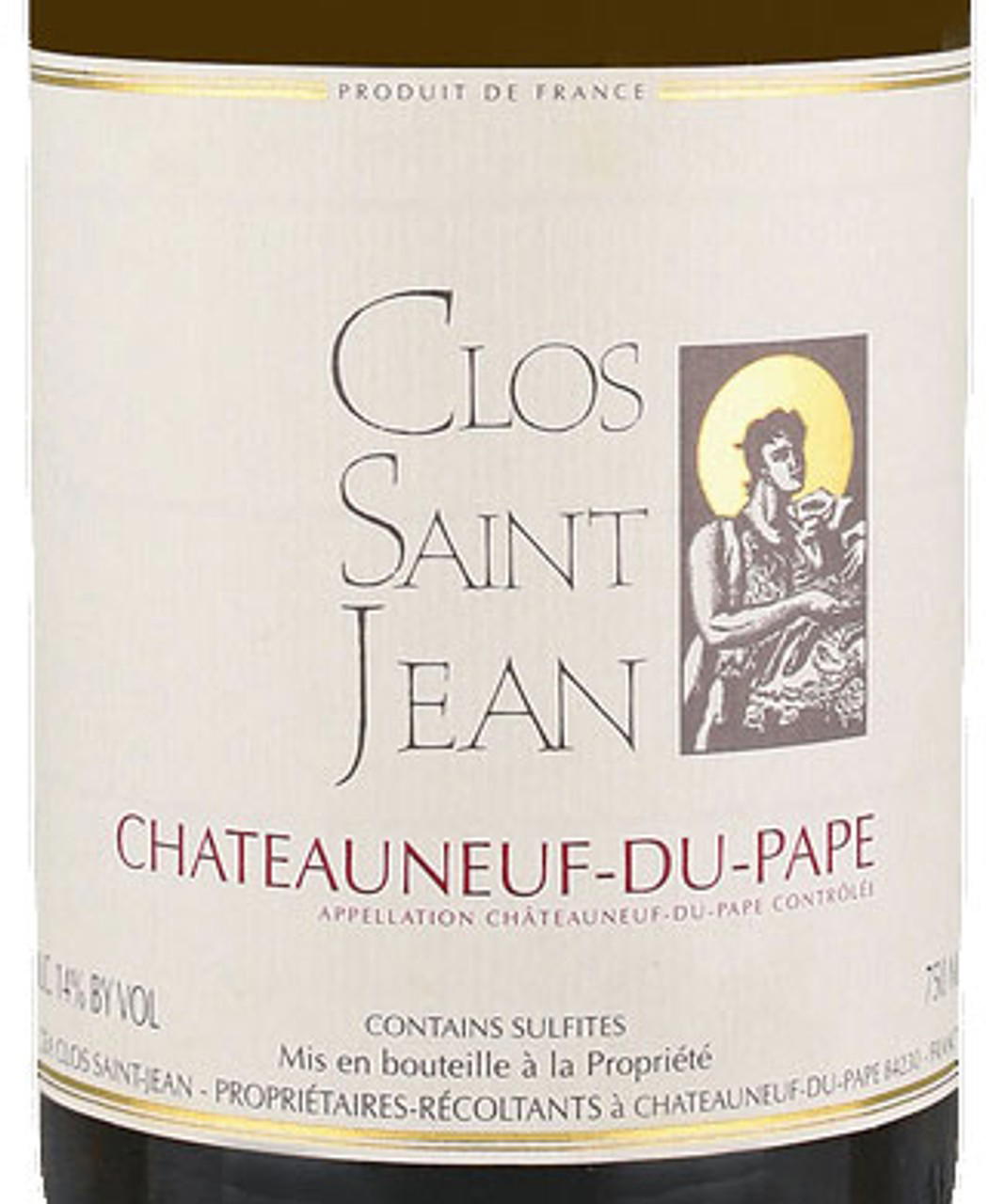
Châteauneuf-du-Pape has over 300 producers, and the distance between the leading and the merely adequate is pronounced. The appellation's premium tier is anchored by estates with long track records and allocated distribution: Chateau Rayas at the extreme of rarity and price, Clos Des Papes representing the consistent benchmark across red and white, Domaine Charvin for a more transparent, site-driven style, and Domaine de la Solitude and Domaine du Clos Saint Jean as established names with broad market recognition.
That timing matters for buyers. A producer that entered the market in 2003 and accumulated enough consistent critical recognition to earn a Prestige-level award by 2025 has done so without the inherited reputation that older domaines carry. The wines have to earn their position on merit across successive vintages, which tends to attract a different kind of collector attention: buyers who followed the trajectory rather than bought the name.
The comparison also extends beyond the Rhône. France's premium wine scene in 2025 rewards producers who demonstrate vintage-to-vintage discipline regardless of appellation. The discipline visible at Albert Boxler in Niedermorschwihr in Alsace, or the long-term commitment to site at Château Bélair-Monange in Saint-Emilion, reflects the same principle: sustained quality across years is the credential that matters most at the serious collector level. Domaine La Barroche's arc since 2003 puts it inside that conversation.
Getting There and Planning Your Visit
Domaine La Barroche is located at 16 Chemin du Clos, 84230 Châteauneuf-du-Pape. The village sits roughly 15 kilometres north of Avignon, which is served by the TGV high-speed rail network from Paris Gare de Lyon in approximately 2 hours 40 minutes. From Avignon, the drive to Châteauneuf-du-Pape takes around 20 minutes by car; public transport connections to the village are limited, making a rental car or private transfer the practical choice for anyone planning visits across multiple domaines in a single day.
The appellation's serious visiting window runs from spring through early autumn, with October harvest visits requiring advance coordination. This is a pattern shared by many of the appellation's more focused producers, who prioritise existing trade relationships over walk-in tourism.
For context on how Châteauneuf-du-Pape's premium producers handle distribution and access compared to peers in other French regions, the contrast with classified Bordeaux estates, such as Château Batailley in Pauillac or Château Branaire Ducru in St-Julien, is instructive. Bordeaux's structured en primeur system creates a formalised channel; the Rhône equivalent is more relationship-driven, which places a premium on working with a specialist merchant who already holds allocations.
How It Stacks Up
Comparable venues nearby, for context on price, style, and recognition.
| Venue | Cuisine | Awards | Notes |
|---|---|---|---|
| Domaine La BarrocheThis venue (the venue you are viewing) | Grenache, Mourvèdre | Not listed | Not listed |
| Chateau Rayas | Grenache Noir, Grenache Blanc | Not listed | northern Châteauneuf-du-Pape |
| Domaine Saint Préfert | Grenache, Mourvèdre | Not listed | Châteauneuf-du-Pape |
| Domaine du Clos Saint Jean | Grenache, Syrah | Not listed | Châteauneuf-du-Pape |
| Clos Des Papes | Grenache, Mourvèdre | Falstaff Winery - Listed | Châteauneuf-du-Pape |
| Domaine Charvin | Grenache, Syrah | Not listed | Châteauneuf-du-Pape |
Continue exploring
More in Châteauneuf-du-Pape
Wineries in Châteauneuf-du-Pape
All wineries in Châteauneuf-du-Pape →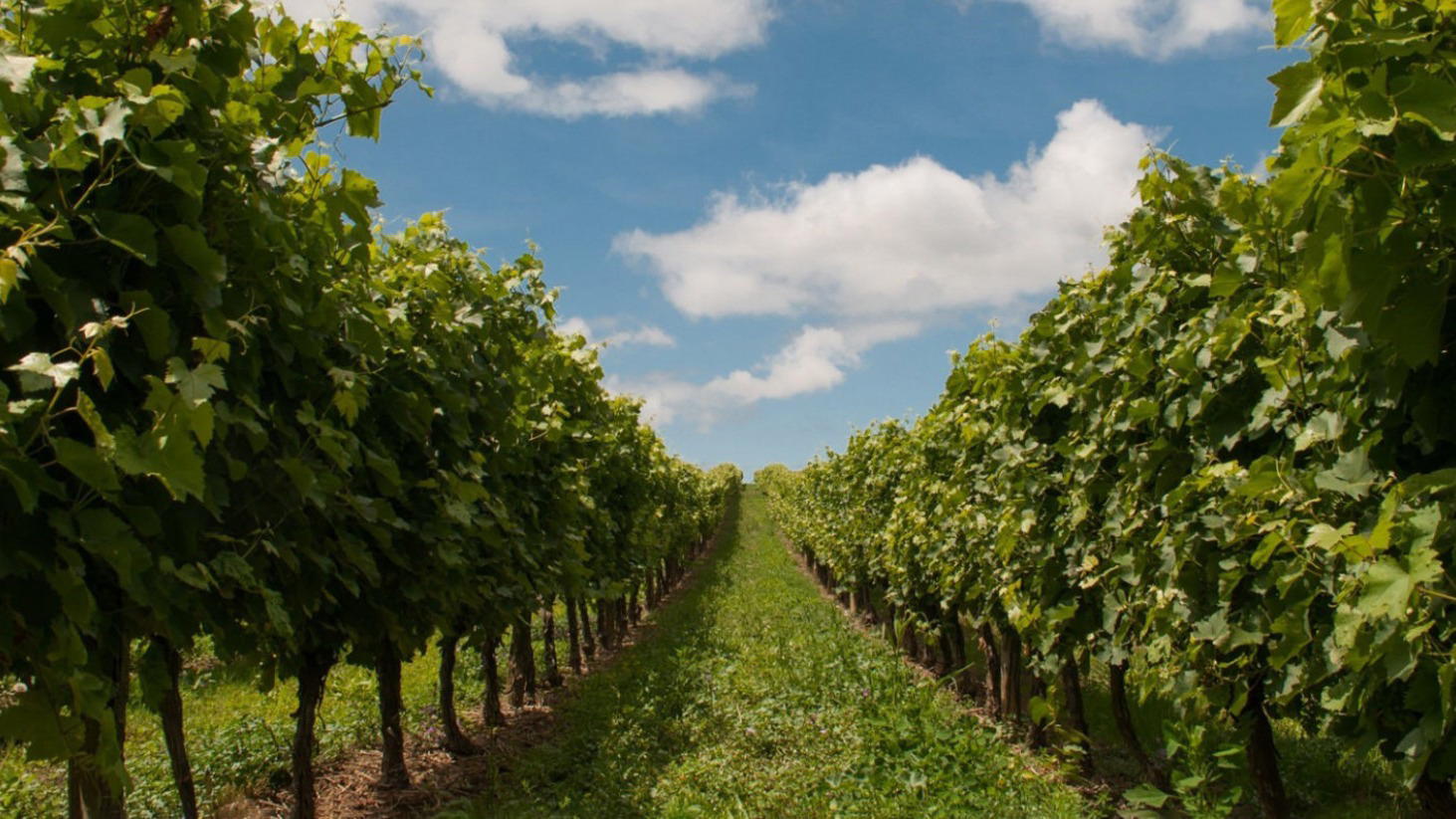
Bars in Châteauneuf-du-Pape
Browse all →
Details
- Rustic
- Elegant
- Scenic
- Intimate
- Wine Education
- Solo Exploration
- Special Occasion
- Vineyard Tour
- Estate Grounds
- Sustainable
- Vineyard
- Grenache
- Mourvèdre
- Syrah
- Cinsault
- Clairette Blanche
- Vaccarèse
- Still Red
- Still White
- Cave Tasting