

World's 50 Best #53 · Falstaff Winery - 4 Stars
Founded in 1932 in Haro, the historic capital of Rioja Alta, Bodegas Muga has maintained continuous family ownership through four generations while holding to traditional winemaking methods that define the region's heritage style.

Pearl is the En Primeur Club membership app — saves, bookings, and concierge access live there. Same editors, same standards.
- Address
- Av. Vizcaya, 2, 26200 Haro, La Rioja
- Phone
- +34 941 30 60 60
- Website
- bodegasmuga.com
- Directions
- Get directions
Stone, Oak, and the Station Quarter
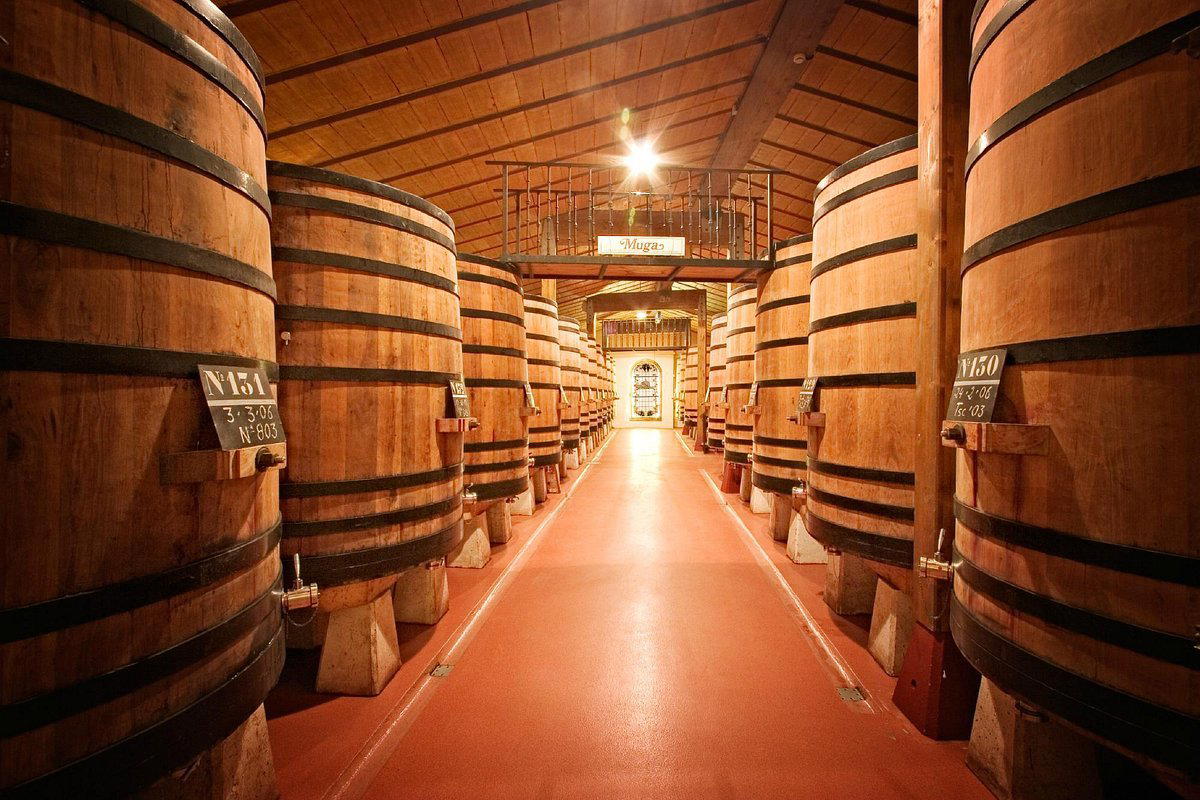
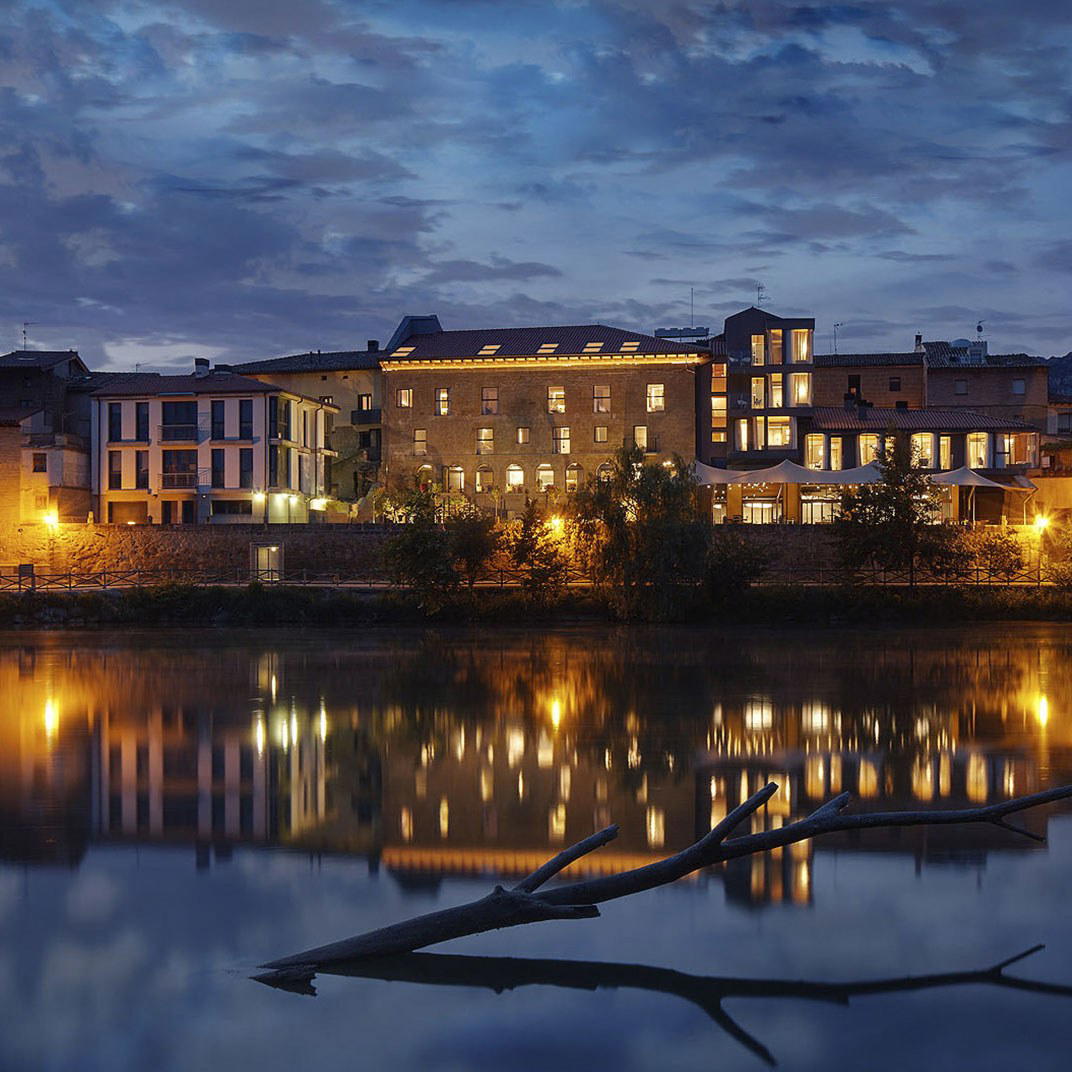
Approaching the barrio de la estación in Haro, the architecture does much of the talking. The railway station district that anchors this part of La Rioja Alta gave rise to one of wine's more concentrated producer clusters, where several of Spain's most historically significant bodegas share a few unpaved blocks. Bodegas Muga, established at this address in 1932 by Isaac Muga and Aurora Caño, occupies a position within that cluster that is simultaneously geographical and reputational. The buildings carry the particular weight of Spanish wine culture at mid-century: stone walls, barrel-stacked courtyards, the faint sweetness of oak in the air. The Station Quarter experience begins before you step inside any tasting room.
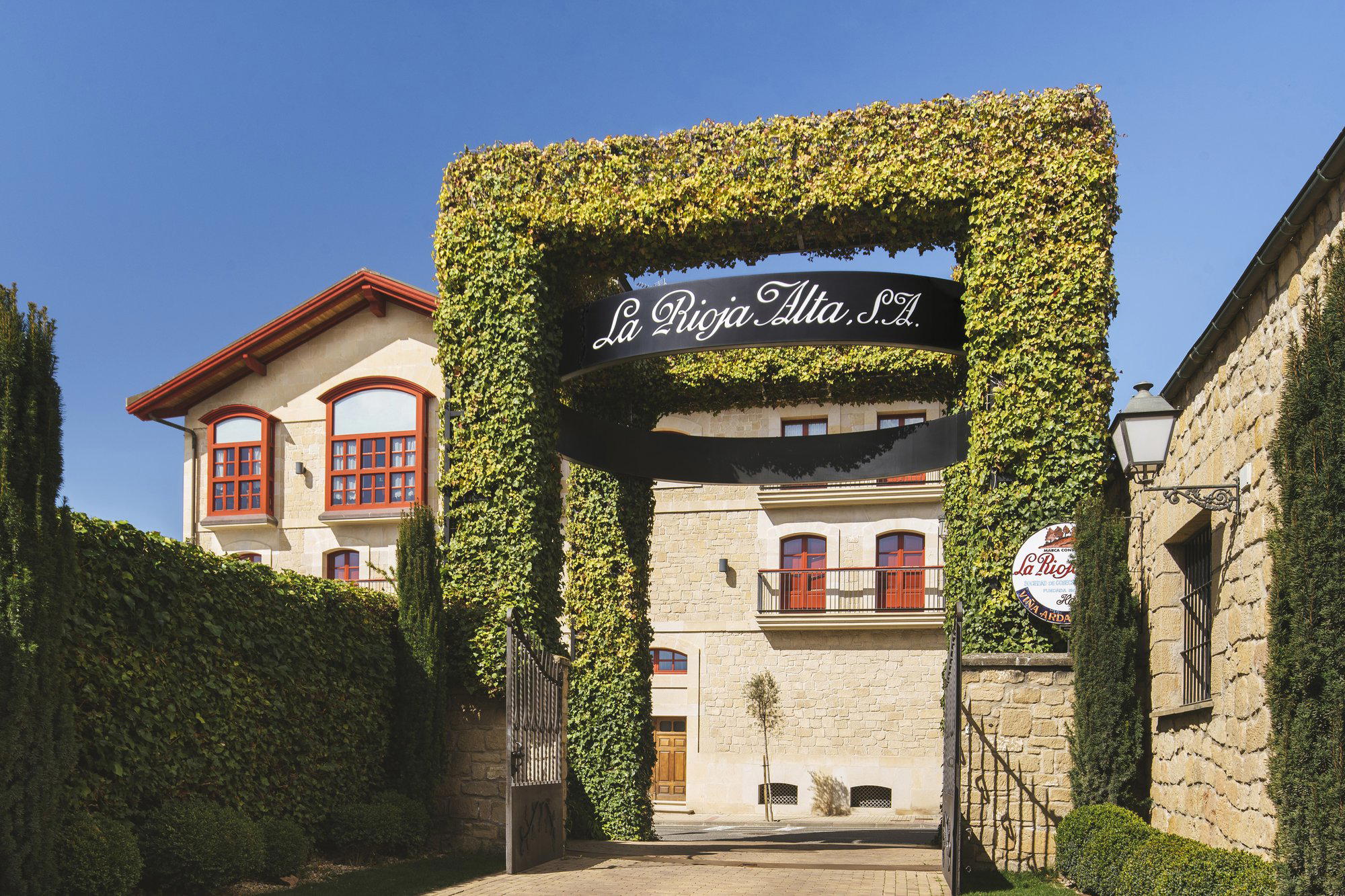
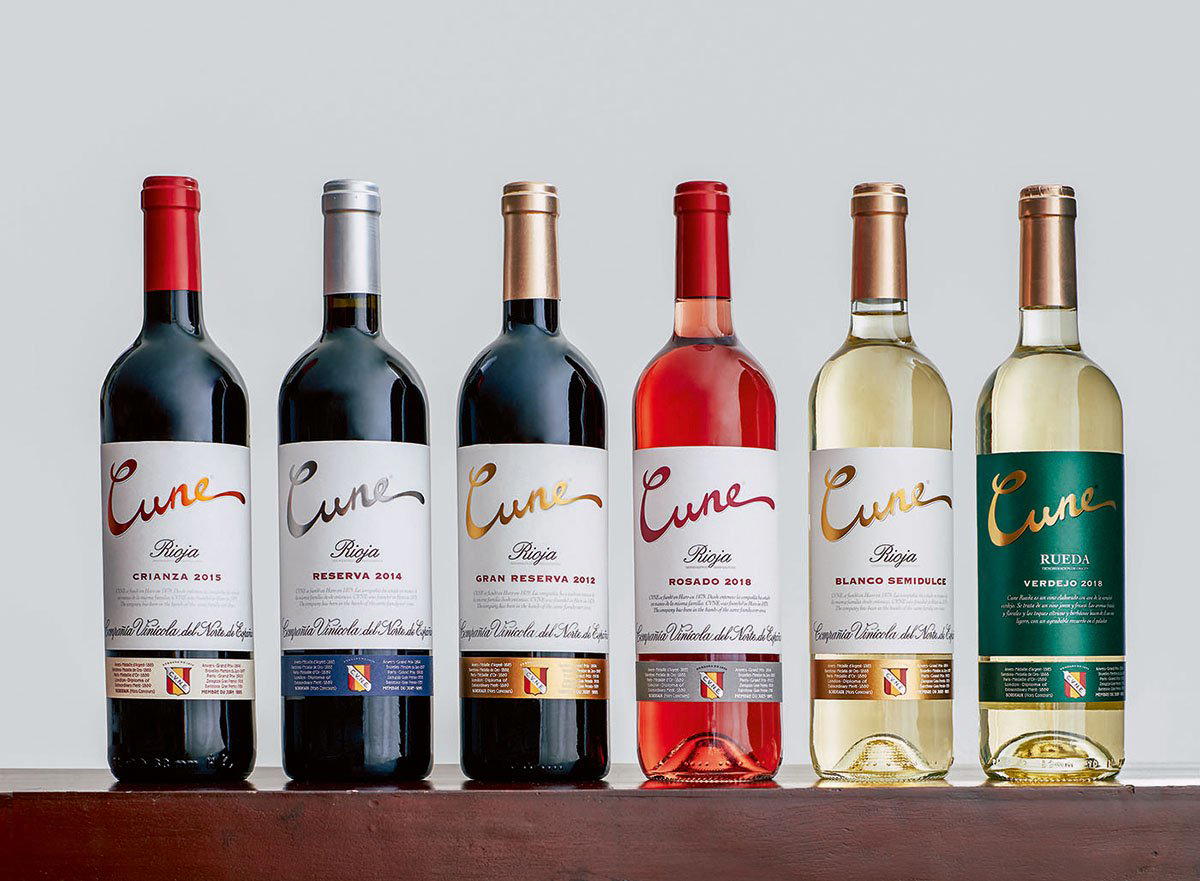
Haro itself warrants context. It is not a large town, but its wine identity is disproportionate to its size. The concentration of traditional-method Rioja producers here, including CVNE (Cune), López de Heredia (Viña Tondonia), La Rioja Alta, Bodegas Roda, and Ramón Bilbao, makes the Station Quarter a rare environment where a morning's walk introduces decades of accumulated regional method. Muga fits that geography: it has operated continuously from the same address since the 1930s, a fact that speaks to stability in a category where producer turnover has accelerated.
Four Generations of Rioja Tradition
Spanish wine's relationship with time differs from most New World models. In Rioja Alta, extended oak and bottle aging remain central identity markers, and the bodega that commits to that discipline must maintain the infrastructure to match: barrel parks, cooperage capacity, and cellars built for long-term hold. Muga is one of a small number of producers in the region with an on-site cooperage, allowing the bodega to build, repair, and season its own barrels rather than sourcing them externally. This vertical integration shapes the resulting wines in measurable ways, particularly the texture and integration of oak tannins across extended aging formats.
Four generations of family ownership represent a specific kind of continuity in European wine. It means that stylistic decisions made in the 1960s or 1980s have not been reset by acquisition, rebrand, or incoming winemaker philosophy. The Muga house style, built on Tempranillo-led blends with supporting Garnacha, Mazuelo, and Graciano, reflects accumulated institutional memory rather than a single individual's vision. That matters when assessing how the bodega fits into Rioja's current identity debate: between traditional extended aging and more internationally-oriented, fruit-forward production styles, Muga has remained on the traditional side of the line.
Viticulture and the Rioja Alta Terroir
The editorial angle that shapes how Muga fits into contemporary Rioja discourse runs through viticulture. Rioja Alta occupies the cooler, higher-altitude portion of the broader Rioja appellation, with Atlantic influence moderating what would otherwise be a more Mediterranean growing season. The soils here, a mix of clay-limestone and iron-rich red clay, produce wines with a structural backbone suited to the long aging regimes that define traditional Reserva and Gran Reserva formats.
Across Rioja and Spain's broader fine wine circuit, the conversation around sustainable and lower-intervention viticulture has gained traction, though it has developed differently than in, say, the Priorat or the natural wine corners of the Basque Country. Traditional Rioja producers occupy a specific position in this discussion: their methods, including extended élevage in American and French oak, whole-cluster fermentation practices, and minimal manipulation philosophies, predate much of what the contemporary sustainability movement codified. The bodega's continuity with practices rooted in pre-industrial winemaking gives Muga a different kind of ecological argument than that made by producers who have adopted organic certification more recently.
For context on how organic and lower-intervention approaches vary across Spanish wine country, Clos Mogador in Gratallops operates under biodynamic principles in Priorat, while Emilio Moro in Pesquera de Duero represents the Ribera del Duero's own engagement with sustainability. Comparing these estates helps map where different Spanish regions sit in relation to viticulture practice.
The Station Quarter in Regional and National Context
Placing Muga within Spanish wine geography more broadly: Haro's Station Quarter represents one end of a tradition-to-innovation spectrum that runs across the country's wine regions. At the other end of that spectrum are producers in newer appellation zones where there is less institutional memory but more latitude to experiment. Muga, like its immediate neighbours, has chosen to position its identity around what Rioja Alta has historically been able to do leading, which is build wines with structural longevity and measured complexity through time in barrel and bottle.
Comparisons outside Rioja illuminate what makes the Station Quarter specific. Bodegas Protos in Peñafiel and Marqués de Cáceres in Cenicero offer different models of Spanish traditional winemaking, each shaped by their own regional soil and climate contexts. Codorníu in Sant Sadurní d'Anoia represents Spain's sparkling wine heritage, a reminder that the country's wine identity runs well beyond Tempranillo. For a perspective on small-production Spanish wines operating outside the mainstream appellation structure, Marqués de Griñón (Dominio de Valdepusa) in Malpica de Tajo provides useful contrast. And beyond Spain entirely, Lustau in Jerez de la Frontera demonstrates how different Spain's other great wine traditions are from the Rioja model in almost every respect, from grape variety to aging environment to glass format.
Planning a Visit
Haro is accessible by train from Logroño, the Riojan capital, and from Madrid via Burgos, with journey times from the capital of approximately three to three and a half hours depending on connection. The Station Quarter is walkable from the town's central plaza, and the cluster of bodegas makes it practical to plan multiple visits within a single day. Muga's address on Avenida Vizcaya puts it at the heart of that cluster. Visit and tour details, including current booking requirements and tasting formats, should be confirmed directly through the bodega's official channels, as EP Club does not hold current hours or booking method data for this property. Our full editorial coverage of Haro's wine scene, covering producers, dining, and logistics, is available in our full Haro guide.
For those cross-referencing international wine experiences, Aberlour in Aberlour and Accendo Cellars in St. Helena illustrate how different producer heritage and visitor experience models operate in Scotch whisky country and Napa Valley respectively, useful reference points for calibrating expectations before arriving in Haro.
Reputation First
Comparable venues nearby, for context on price, style, and recognition.
| Venue | Cuisine | Price | Awards | Notes |
|---|---|---|---|---|
| Bodegas MugaThis venue — the venue you are viewing | Tempranillo, Garnacha | Not listed | World's 50 Best #53 · Falstaff Winery - 4 Stars | Not listed |
| López de Heredia (Viña Tondonia) | Tempranillo, Garnacha | Not listed | World's 50 Best #3 · Falstaff Winery - 5 Stars | Barrio de la Estación |
| Bodegas Roda | Tempranillo, Graciano | $50–100 | Falstaff Winery - 4 Stars | Barrio de la Estación |
| La Rioja Alta | Tempranillo, Garnacha | Not listed | Falstaff Winery - 5 Stars | Barrio de la Estación |
| CVNE (Cune) | Tempranillo, Viura | Not listed | Not listed | Barrio de la Estación |
| Ramón Bilbao | Tempranillo, Garnacha | Not listed | Falstaff Winery - 3 Stars | Haro |
Recognition history
Dated appearances from independent guides and award organizations, with the underlying list record or original source where available.
World's 50 Best Vineyards #53
World's 50 Best
Falstaff Winery - 4 Stars
Falstaff
Full recognition history (4 entries)
World's 50 Best Vineyards #23
World's 50 Best
World's 50 Best Vineyards #49
World's 50 Best
Details
- Classic
- Rustic
- Elegant
- Historic
- Scenic
- Wine Education
- Special Occasion
- Group Outing
- Barrel Room
- Vineyard Tour
- Historic Building
- Estate Grounds
- Vineyard
- Mountain
- Tempranillo
- Garnacha
- Graciano
- Mazuelo
- Viura
- Still Red
- Still White
- Still Rosé
- Sparkling
- Cellar Door
- Barrel Tasting
- English
- Spanish
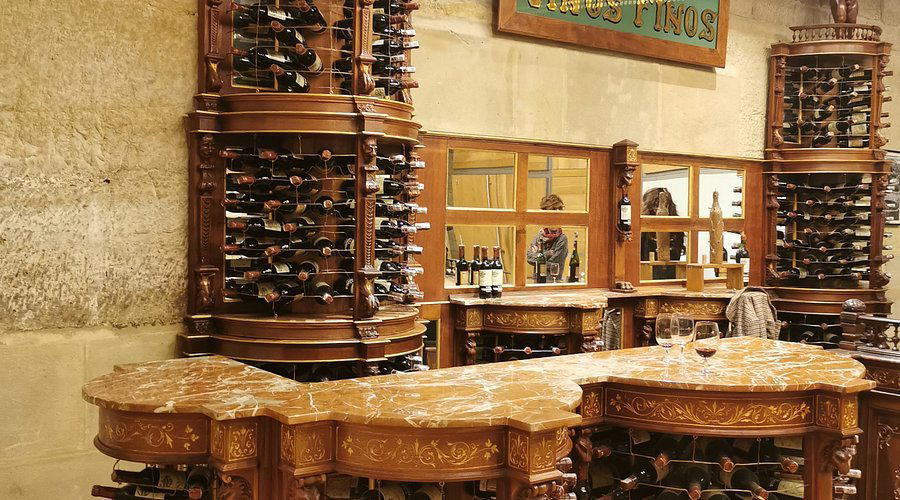
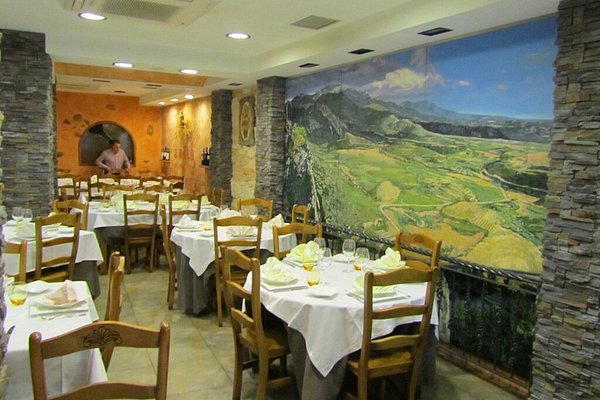
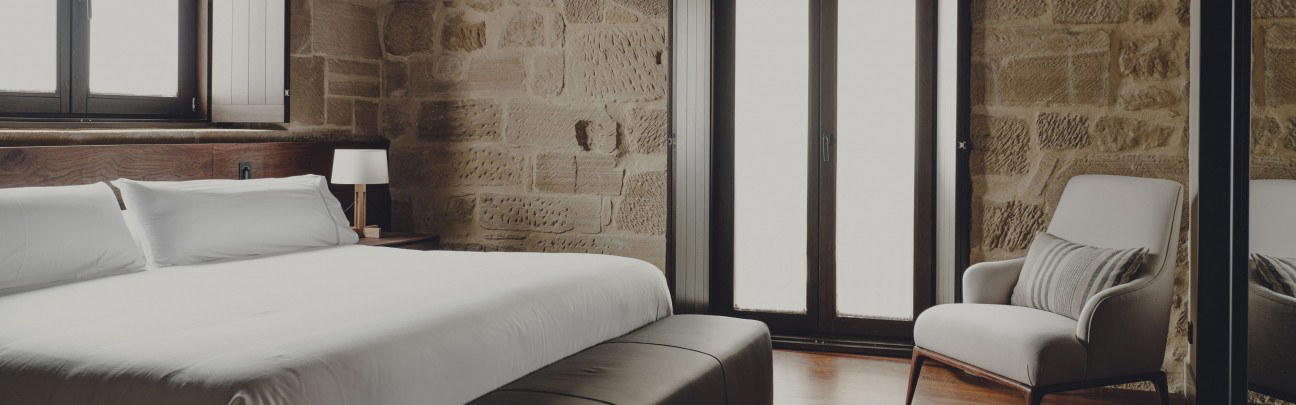
Historic, family-run atmosphere in a 200-year-old building with the scent of oak from vast barrel rooms and cooperage, evoking timeless tradition and craftsmanship.