

World's 50 Best #8 · Falstaff Winery - 4 Stars
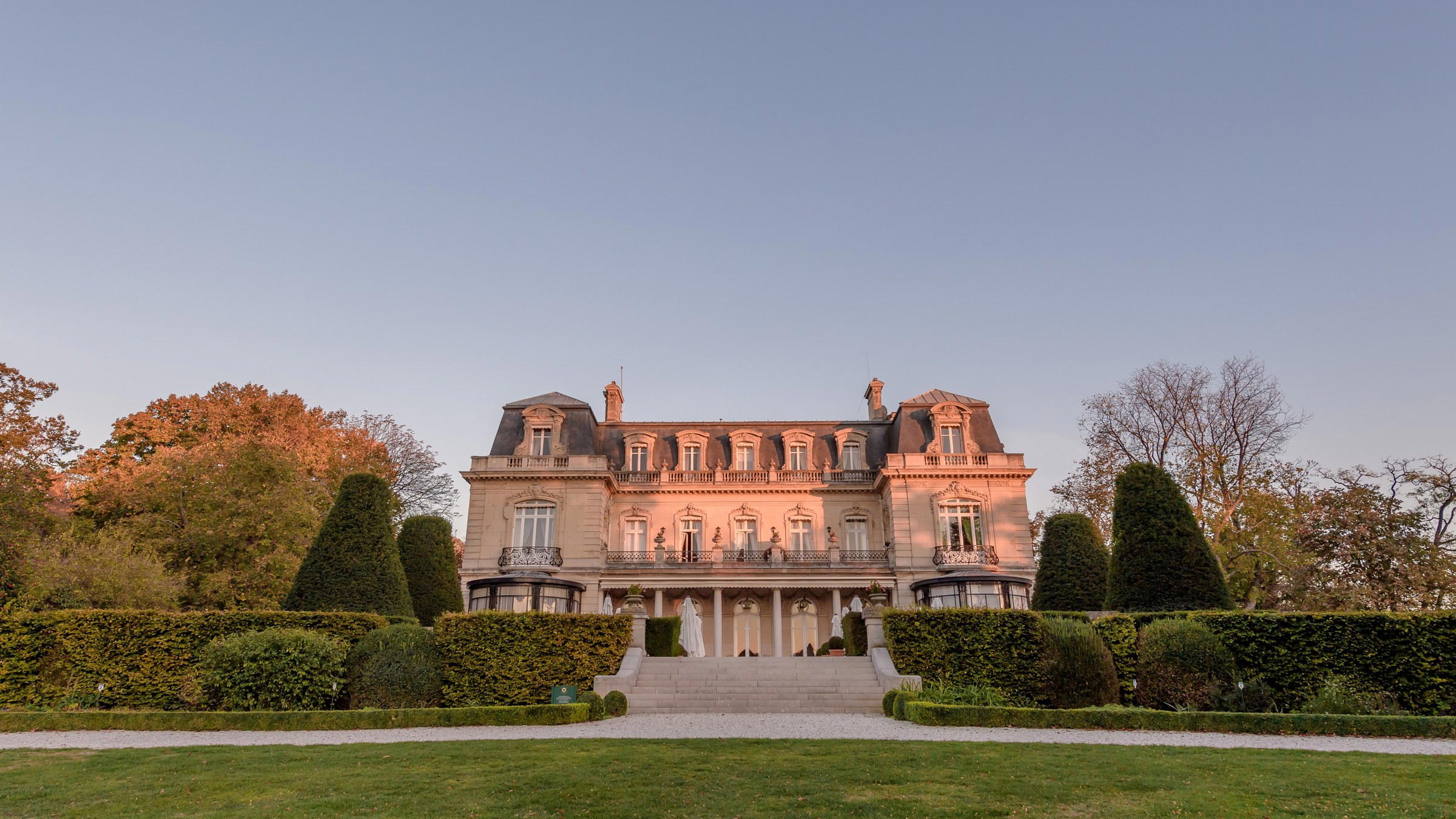
Ruinart gives Reims a clear lesson in Champagne's chalk logic: Chardonnay-led wines set against eight kilometres of crayères, lit with a restraint that keeps the geology in view. The house's 1729 date and Frédéric Panaïotis's winemaking role matter here less as heritage decoration than as context for a visit built around soil, cellar, and the long memory of Champagne production.

Pearl is the En Primeur Club membership app — saves, bookings, and concierge access live there. Same editors, same standards.
- Address
- 4 Rue des Crayères, 51100 Reims
- Phone
- +33 3 26 77 51 51
- Website
- ruinart.com
- Directions
- Get directions
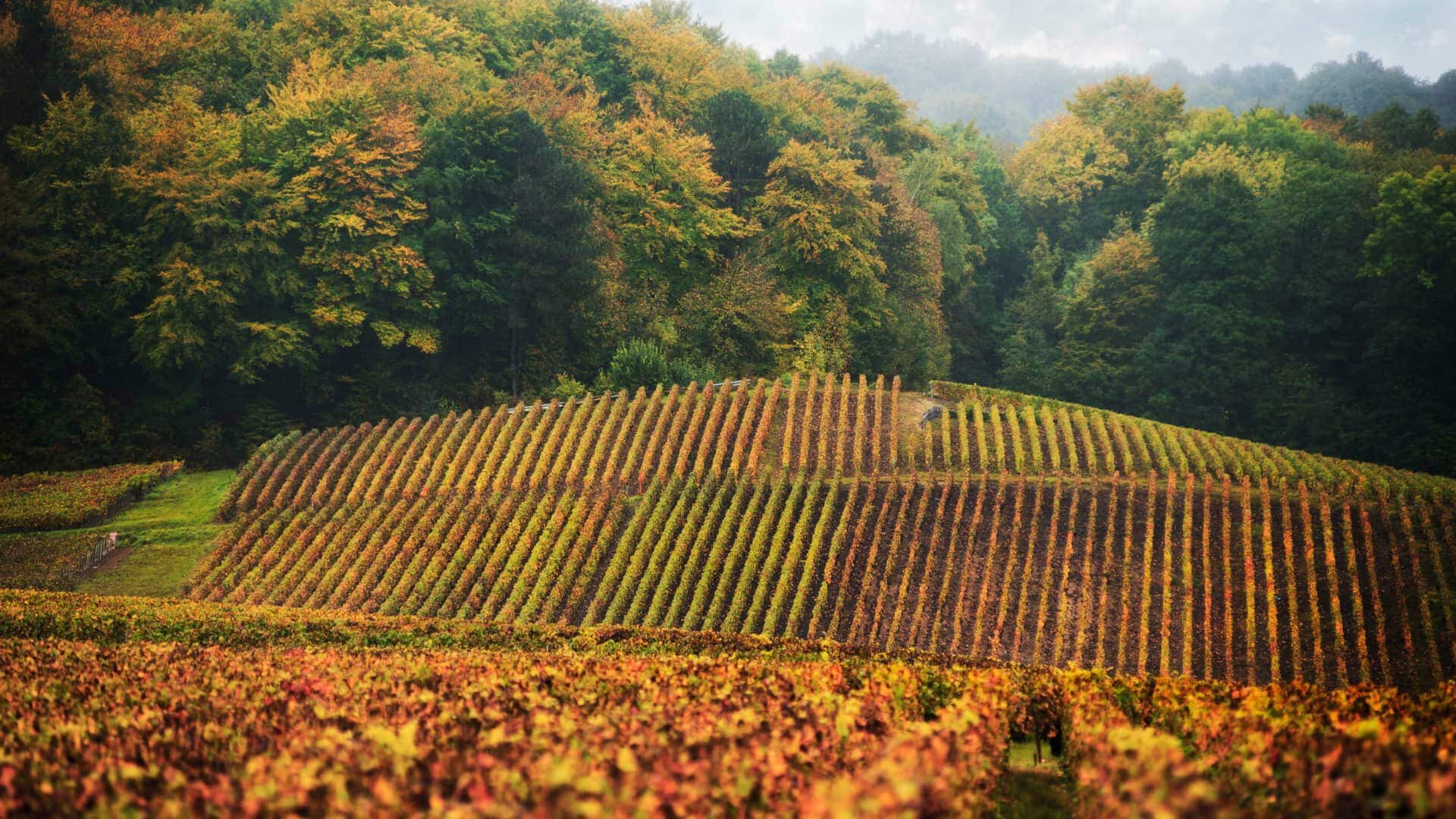
The approach to Champagne in Reims is often architectural before it is liquid: deep cellars, chalk, and the feeling that the city has been cut vertically into history. At Ruinart, the defining descent is into chalk. The house is associated with eight kilometres of crayères, and the visit is framed around chalk caves, sustainable LED lighting, and a Chardonnay-dominant Champagne identity.
Reims has several major Champagne houses, including Krug, Henriot, and other maisons around the city. Ruinart sits in that conversation through its chalk-cave setting and Chardonnay-dominant focus. The useful reading is geological: chalk is not just a backdrop here, it is central to how the visit is understood.
Chalk caves make the Chardonnay argument visible
Champagne's chalk is often discussed in tasting rooms as a mineral shorthand, but the physical experience of the crayères gives the term a clearer setting. At Ruinart, the caves are a central feature of the visit, and sustainable LED lighting is part of how that underground space is presented. The result is a visit where the architecture of the cellars carries much of the meaning.
Frédéric Panaïotis is the named chef/owner associated with Ruinart, giving the house a contemporary point of reference without turning the story into a personality study. In Champagne, the broader task is often about maintaining a house identity over time. The cellar visit makes that idea easier to grasp, because the wine is presented in relation to the subterranean environment that defines the house's public image.
The stronger comparison in Reims is not between old and new, but between different ways of presenting Champagne identity. Ruinart belongs to the group of visits where the cellar itself carries much of the editorial weight. The chalk caves are the central visual argument, while the Chardonnay emphasis gives the visit a clear stylistic spine. For travellers building a Champagne itinerary, that makes it a useful counterpoint to other Reims maisons, including Krug and Henriot.
Where Ruinart fits in a Reims cellar itinerary
Reims is a city of grandes maisons, formal cellar culture, and Champagne history. That changes the rhythm of a wine trip. The value is not only in glass-by-glass discovery, but in seeing how Champagne houses present identity through underground spaces, house style, and visitor design. Ruinart is especially useful for that reading because the eight-kilometre chalk caves are so central to the experience.
Travellers who already know smaller producer visits should read Ruinart differently from a domaine appointment. A Reims maison visit usually works at a broader register, emphasizing house identity and cellar setting rather than a narrow parcel-by-parcel story. Pairing Ruinart with other Champagne visits can give the region better shape: city cellars on one side, other producer perspectives on the other.
That contrast also helps separate Champagne from the broader white-wine conversation. Chardonnay here is presented through the lens of sparkling wine and cellar culture. A cellar visit in Reims explains that difference more directly than a tasting note can: the setting, the caves, and the house identity all work together. Ruinart is therefore most useful when approached as a cellar-focused Champagne visit, not simply as a place to taste.
A visit for geology-minded Champagne drinkers
Ruinart is strongest for travellers who want Champagne explained through place rather than ceremony. The house has a clear visual and geological identity: Chardonnay-dominant Champagne, chalk caves, and an underground route shaped by sustainable LED lighting. In a region where prestige can be over-signalled, this is a cleaner proposition: the cellars make the argument without needing much embellishment.
For a fuller Reims plan, treat the house as one anchor rather than the whole itinerary. Build around cellar contrast, city dining, and a slower reading of Champagne's urban fabric. Dress is smart casual. EP Club's Reims coverage can help sequence the rest: the full Reims wineries guide for maison and producer context, the full Reims restaurants guide for tables after tastings, the full Reims hotels guide for where to stay, the full Reims bars guide for evening drinking, and the full Reims experiences guide for cultural time around the cellars.
Fast Comparison
Comparable venues by cuisine and price in the same metro.
| Venue | Cuisine | Price | Awards |
|---|---|---|---|
| RuinartThis venue — the venue you are viewing | This venue | Not listed | World's 50 Best #8 · Falstaff Winery - 4 Stars |
| Taittinger | Not listed | $50–100 | World's 50 Best #50 · Falstaff Winery - 4 Stars |
| Krug | Not listed | Not listed | Falstaff Winery - 5 Stars |
| Henriot | Not listed | Not listed | Falstaff Winery - 4 Stars |
| Lanson | Not listed | $30–50 | Falstaff Winery - 3 Stars |
| Veuve Clicquot Ponsardin | Not listed | Not listed | World's 50 Best #51 |
Recognition history
Dated appearances from independent guides and award organizations, with the underlying list record or original source where available.
World's 50 Best Vineyards #8
World's 50 Best
Falstaff Winery - 4 Stars
Falstaff
Full recognition history (7 entries)
World's 50 Best Vineyards #6
World's 50 Best
World's 50 Best Vineyards #22
World's 50 Best
World's 50 Best Vineyards #33
World's 50 Best
World's 50 Best Vineyards #44
World's 50 Best
World's 50 Best Vineyards #46
World's 50 Best
Continue exploring
More in Reims
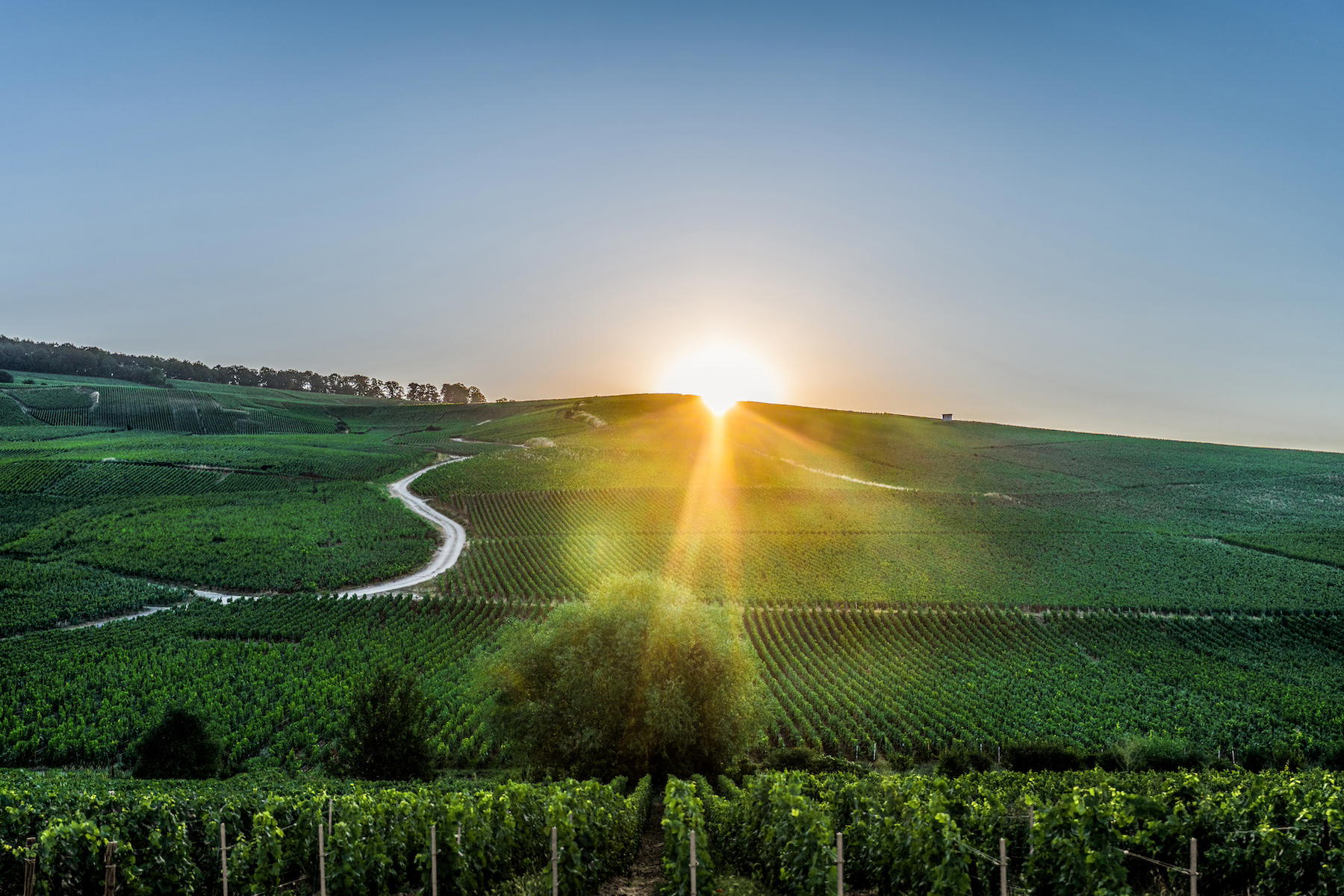
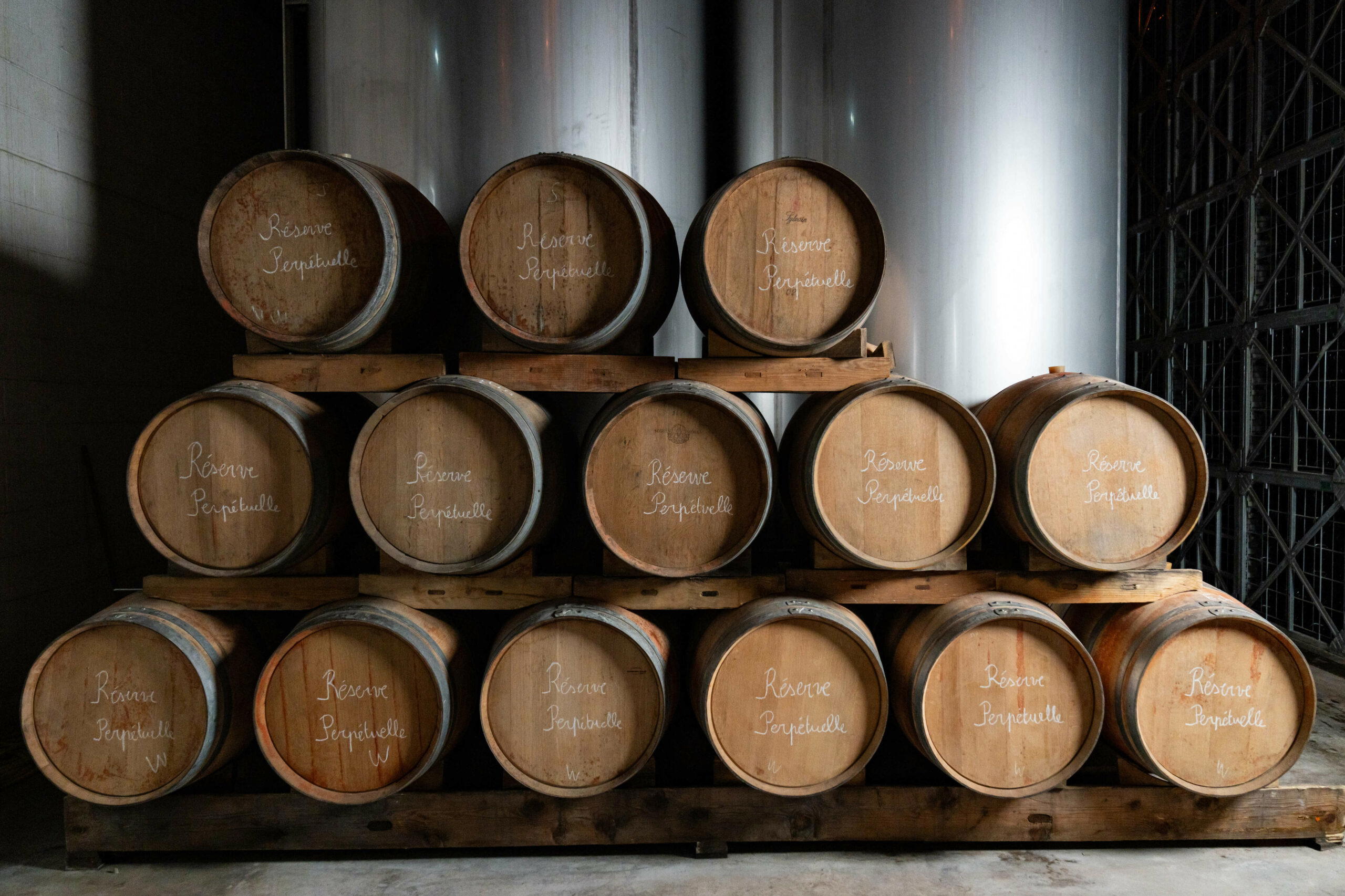
Wineries in Reims
Browse all →
Bars in Reims
Browse all →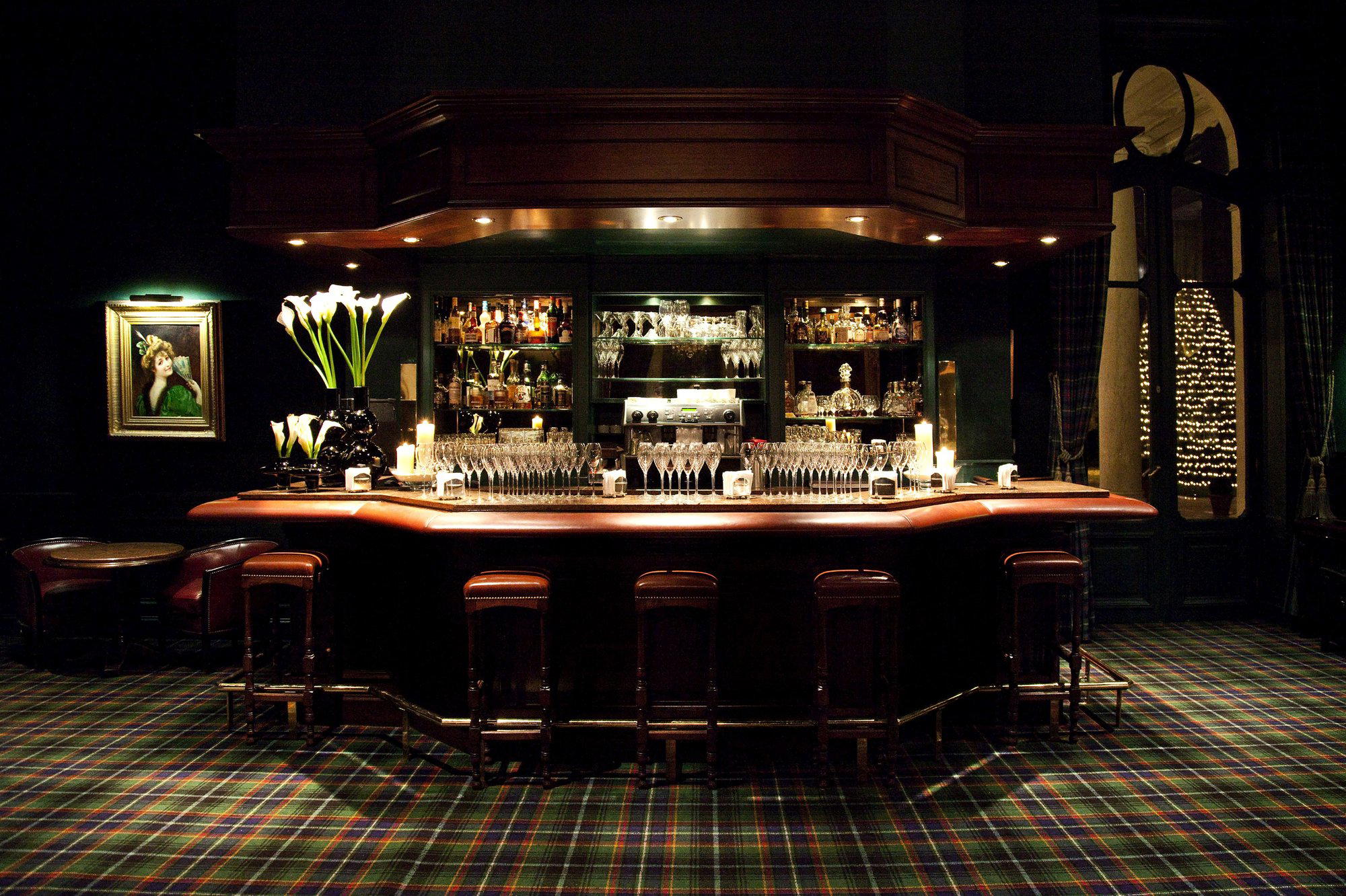
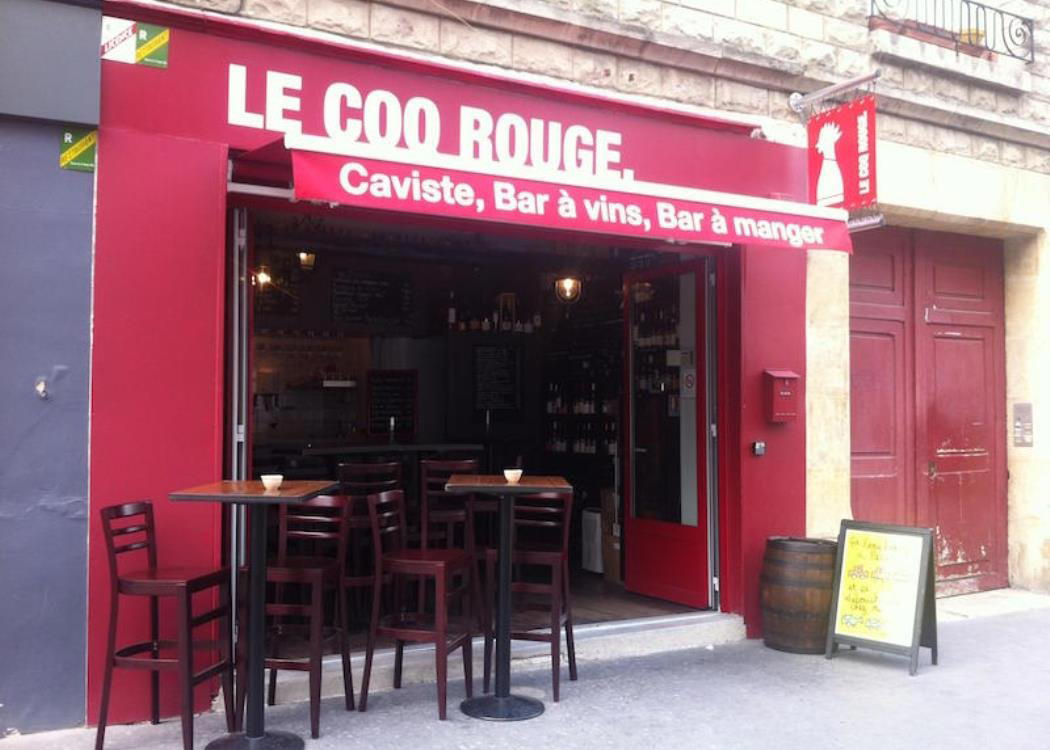
Restaurants in Reims
Browse all →
Details
- Elegant
- Sophisticated
- Historic
- Well Known
- Wine Education
- Special Occasion
- Cave Tasting
- Historic Building
- Sustainable
- Chardonnay
- Pinot Noir
- Pinot Meunier
- Sparkling
- Still White
- Still Rosé
- Cave Tasting
Atmospheric underground chalk cellars with constant cool temperature, well-suited humidity, and total darkness, evoking historic elegance and mystery.