Edmond Vatan is a small domaine in Chavignol, within the Sancerre appellation, producing Sauvignon Blanc from some of the Loire Valley's most storied Kimmeridgian clay-limestone soils. For those tracking serious Loire white wine, this address in the Cher department carries significant weight.

Pearl is the En Primeur Club membership app — saves, bookings, and concierge access live there. Same editors, same standards.
- Address
- Chavignol, 18300 Sancerre
- Phone
- +33 2 48 54 12 50
- Website
- No official website
- Directions
- Get directions
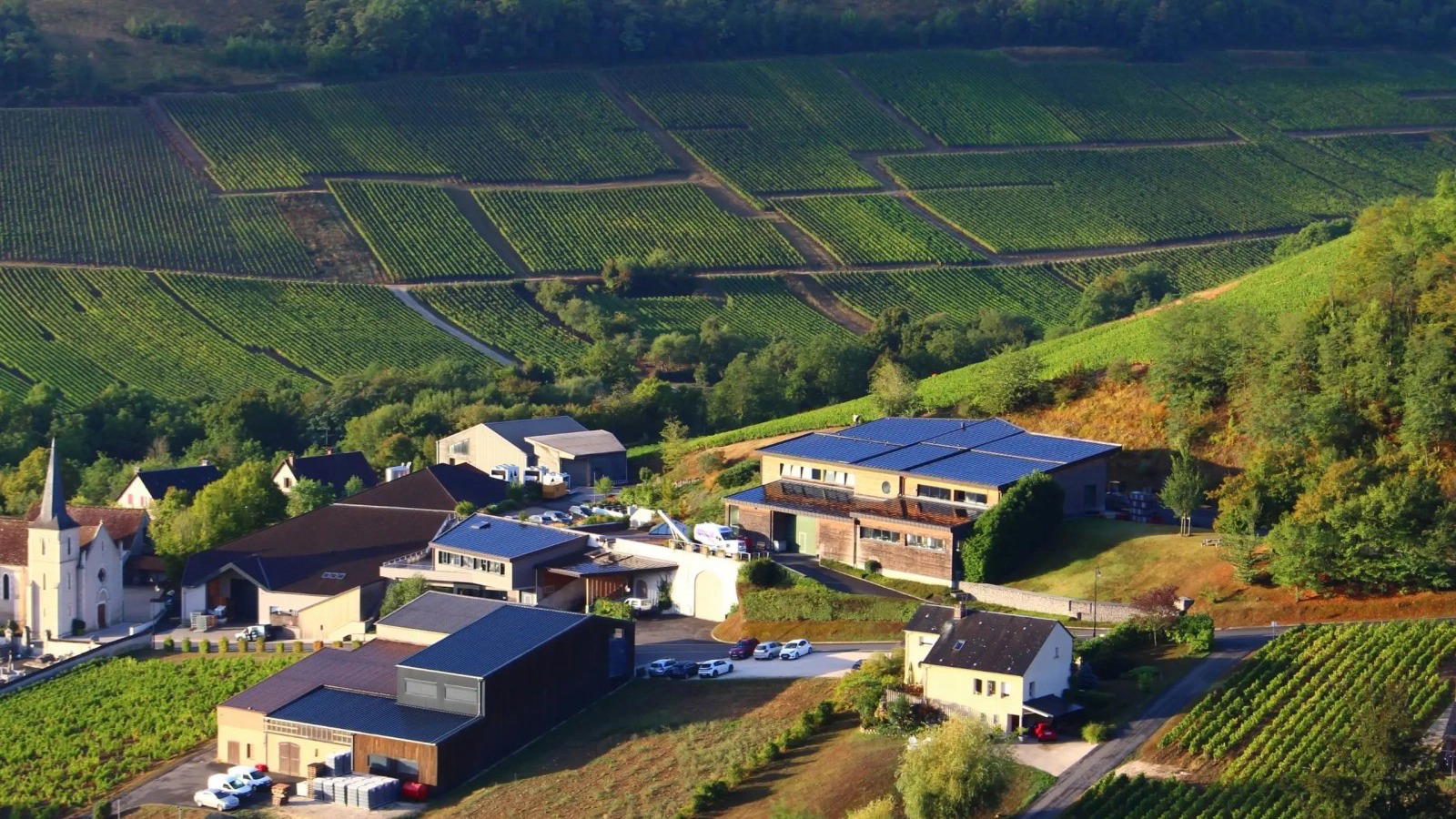
Chavignol and the Geology That Defines Sancerre's Upper Tier
The village of Chavignol sits above the wider Sancerre appellation on a compact cluster of hillside parcels whose reputation stretches well beyond the Loire Valley. The soils here are predominantly terres blanches, the Kimmeridgian clay-limestone formation shared with Chablis and, further back in geological time, with much of Burgundy's Côte d'Or. That substrate does something specific to Sauvignon Blanc: it strips the variety of its more aggressive green-fruit register and introduces a mineral density that Sancerre produced from the sandier caillotes soils on the appellation's flanks rarely achieves. Chavignol, along with a handful of other named lieux-dits, is where Sancerre's most age-worthy expressions have historically come from, and the domaines working those slopes tend to be small, family-structured, and measured in their output. Edmond Vatan, at the address in Chavignol, belongs to that cohort.
For context on how regional producers with comparable geological foundations approach their work, the approach at Albert Boxler in Niedermorschwihr offers an Alsatian parallel: a family estate on grand cru soils, producing small quantities with an emphasis on site expression over stylistic intervention. The structural parallels between the two illuminate something broader about how France's most geologically specific wine villages develop reputations that outlast individual vintages.
Seven Decades on the Same Land
Edmond Vatan began producing from these Chavignol parcels in 1953, which places the domaine's history across more than a dozen distinct climatic periods, from the cold, irregular vintages of the 1960s through the heat-accelerated growing seasons that have become more frequent since 2000. Continuity at that scale is not common in the Loire, where succession gaps and appellation consolidation have reshaped many estates. The fact that the domaine has remained operational across that span, now with winemaker Anne Vatan at the helm, suggests a level of rootedness in the land that affects how the wines are made: not as a portfolio exercise calibrated to market preferences, but as a continuation of a specific relationship with specific plots.
That long tenure matters for terroir expression in a concrete way. Older vine material, where it survives, produces lower yields and more concentrated fruit with deeper root systems that access subsoil mineral reserves rather than surface-level irrigation or fertilisation. Domaines working the same parcels over decades develop empirical knowledge of microclimatic variation that cannot be replicated by newer operations, regardless of their technical investment. At Edmond Vatan, the 1953 start date is not merely a heritage marker; it is a data point about vine age and accumulated site knowledge.
That designation, applied to wineries, typically reflects a combination of consistent wine quality, site credibility, and a production philosophy that prioritises place over commercial scaling. For a small Chavignol domaine with a production history dating to 1953, the award functions as an external verification of what the estate's position in the appellation already implied: this is a serious address for Loire white wine, not a discovery narrative, but a confirmation of sustained standing.
Comparing the recognition structure across French wine regions, domaines at this tier tend to share certain characteristics. They rarely dominate distribution channels; their wines move through specialist négociants, direct-to-consumer allocations, or long-standing restaurant relationships. They are often less visible in retail than their quality warrants, precisely because output is constrained by the scale of the parcels they work. Producers like Accendo Cellars in St. Helena operate within a different regulatory and commercial framework, but the allocation-driven model has direct parallels: scarcity is a function of plot size and production philosophy, not manufactured positioning.
Sancerre's reputation as a white wine appellation rests on a relatively small number of estates that have resisted pressure to expand production or adapt house style to export market expectations. The appellation's commercial tier is broad: a significant volume of wine labelled Sancerre is produced from cooperative sources or large négociant houses, and while these wines are technically sound, they reflect an average of the appellation rather than its specific geological variation. The upper tier, by contrast, is defined by domaines working named lieu-dit parcels on terres blanches or silex soils, keeping yields in check, and ageing their wines longer before release.
Edmond Vatan's position in Chavignol places it in that upper bracket. The appellation's other reference-point names from that village are widely cited in specialist wine literature, and any serious assessment of Chavignol's producer map includes this domaine. The comparison set is not Loire Valley wine broadly, nor Sauvignon Blanc globally; it is a narrow group of sub-appellational producers whose work is tracked by collectors and sommeliers who understand the geological specificity that separates Chavignol from the wider Sancerre production zone.
For those building a reference framework across French appellations, the production philosophy here shares structural similarities with estates covered elsewhere in EP Club's guides, including Château Bélair-Monange in Saint-Emilion, Château Clinet in Pomerol, and Château Batailley in Pauillac: estates where the land's character sets the agenda and the winemaking role is to transmit rather than transform. The contrast with high-intervention, style-driven production is instructive across all these regions.
Getting to Chavignol and Planning a Visit
Chavignol is a hamlet within the commune of Sancerre, in the Cher department of the Centre-Val de Loire region. The nearest significant town is Sancerre itself, which sits on an refined promontory above the Loire and is reachable by road from Bourges (approximately 45 kilometres west) or from Paris via the A77 motorway to Cosne-sur-Loire, then south along the D955. The drive from Paris takes roughly two and a half hours depending on traffic and routing. There is no direct rail connection to Sancerre; the nearest TGV-accessible station is at Nevers, from which a car hire is the most practical onward option.
Visits to small domaines in Chavignol typically require advance contact rather than walk-in arrangements, and Edmond Vatan, given its scale and production philosophy, is likely to operate on a similar basis. The harvest window in Sancerre runs from late August through September depending on the vintage, and the period either side of harvest tends to be the most active on the production calendar, potentially limiting availability for visitors. Spring and early summer, after the vine cycle has re-established but before flowering, are often the more practical windows for arranged visits to working domaines in this appellation.
For a broader orientation to the area's wine culture and what else to consider in this part of the Loire, our full Vatan restaurants guide covers the regional context. Further reference points in EP Club's French wine coverage include Chartreuse in Voiron, Château Bastor-Lamontagne in Preignac, Château Boyd-Cantenac in Cantenac, Château Branaire Ducru in St-Julien, Château Cantemerle in Haut-Médoc, Château d'Arche in Sauternes, Château d'Esclans in Courthézon, Château Dauzac in Labarde, and Aberlour in Aberlour.
How It Stacks Up
Comparable venues nearby, for context on price, style, and recognition.
| Venue | Cuisine | Awards | Notes |
|---|---|---|---|
| Edmond VatanThis venue — the venue you are viewing | Sauvignon Blanc | Not listed | Not listed |
| Domaine Marquis d'Angerville | Pinot Noir, Chardonnay | Michelin 1 Grape · Falstaff Winery - Listed | Volnay |
| Champagne Salon | Chardonnay | Falstaff Winery - 5 Stars | Le Mesnil-sur-Oger |
| Domaine Bonneau du Martray | Chardonnay, Pinot Noir | Michelin 2 Grapes · Falstaff Winery - 4 Stars | Pernand-Vergelesses |
| Domaine Dujac | Pinot Noir, Chardonnay | Michelin 2 Grapes · Falstaff Winery - Listed | Morey-Saint-Denis |
| Domaine Cecile Tremblay | Pinot Noir | Michelin 3 Grapes · Falstaff Winery - Listed | Vosne-Romanée |

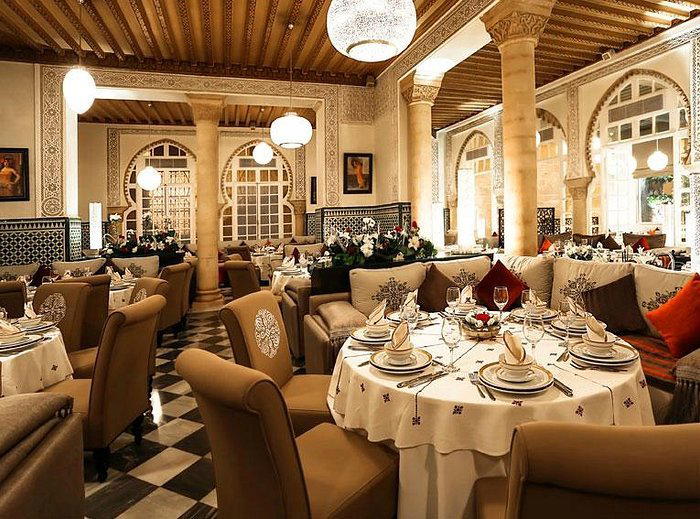
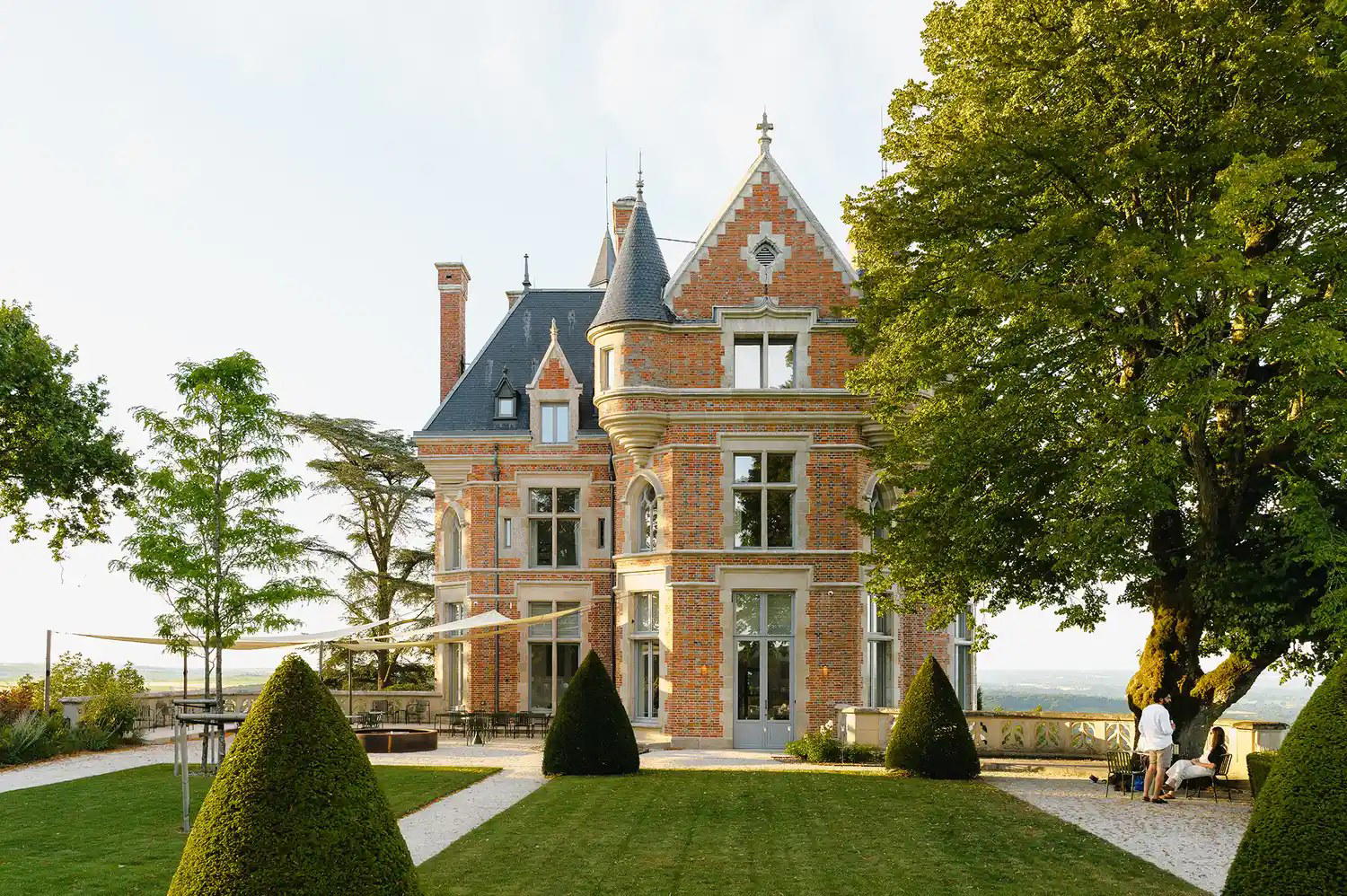
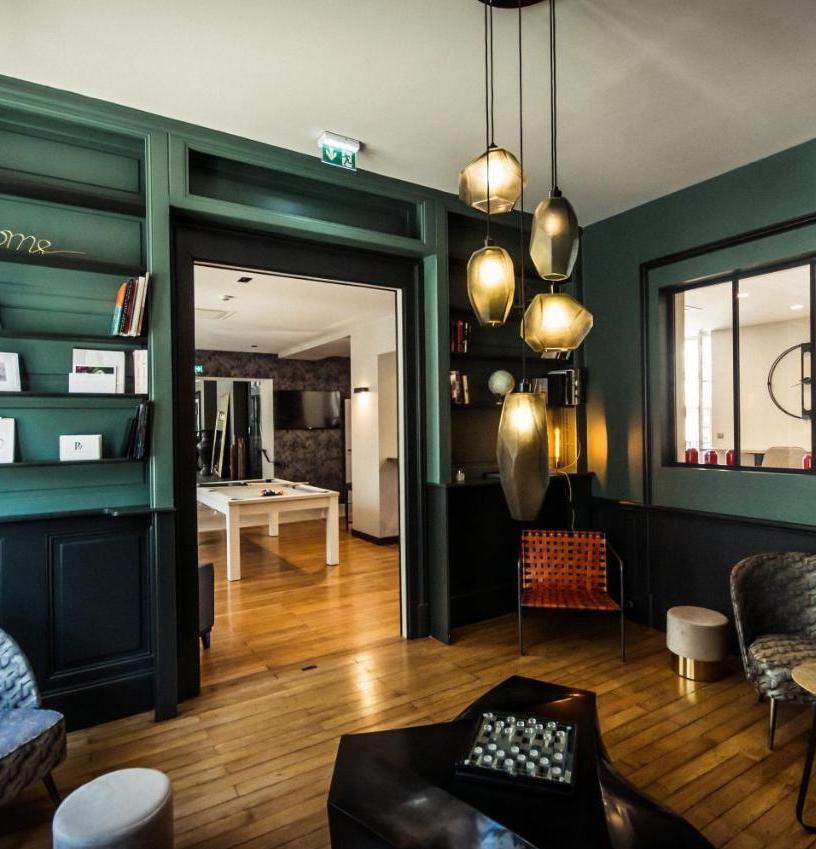
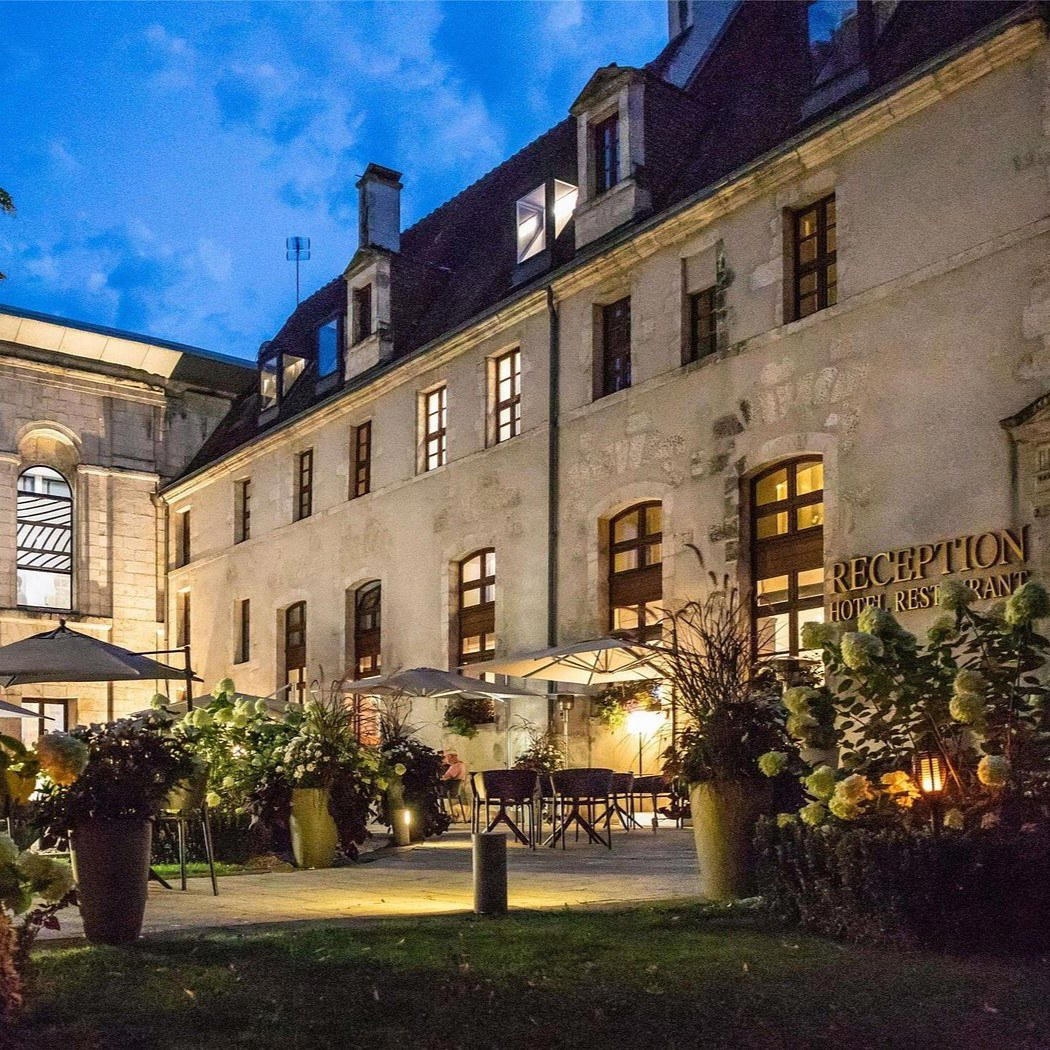
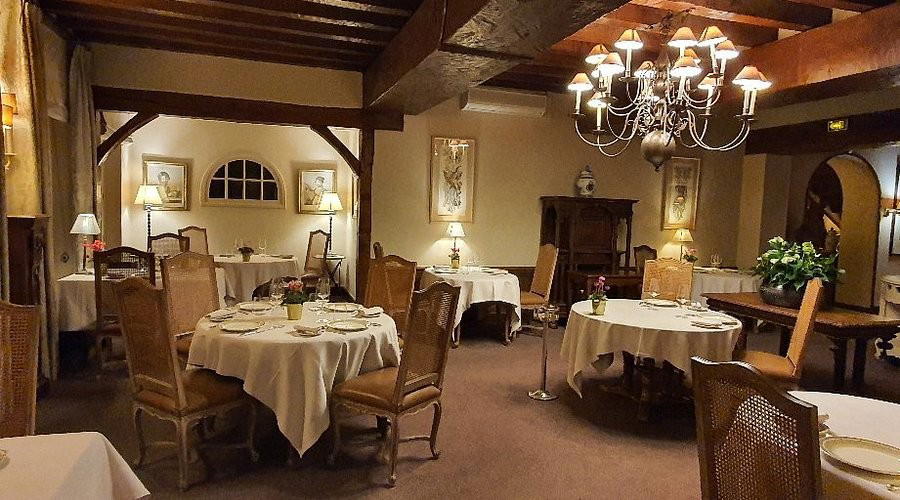
Details
- Classic
- Rustic
- Intimate
- Elegant
- Wine Education
- Solo Exploration
- Special Occasion
- Cave Tasting
- Vineyard Tour
- Historic Building
- Organic
- Vineyard
- Mountain
- Sauvignon Blanc
- Still White
- Private Tasting
Modest cellars focused on substance over spectacle with intimate tastings revealing profound terroir complexity.