BOND Winery

Falstaff Winery - Listed
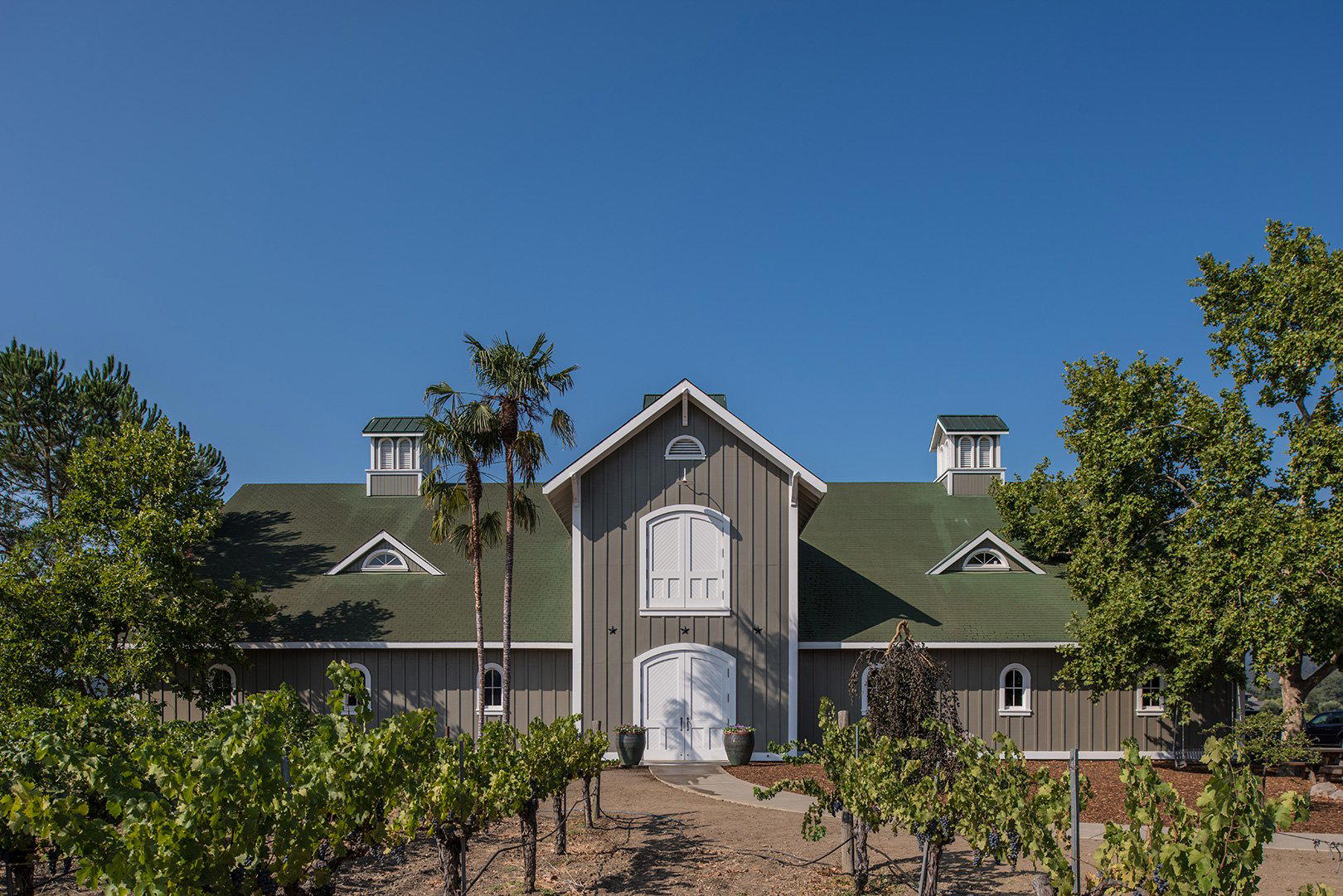
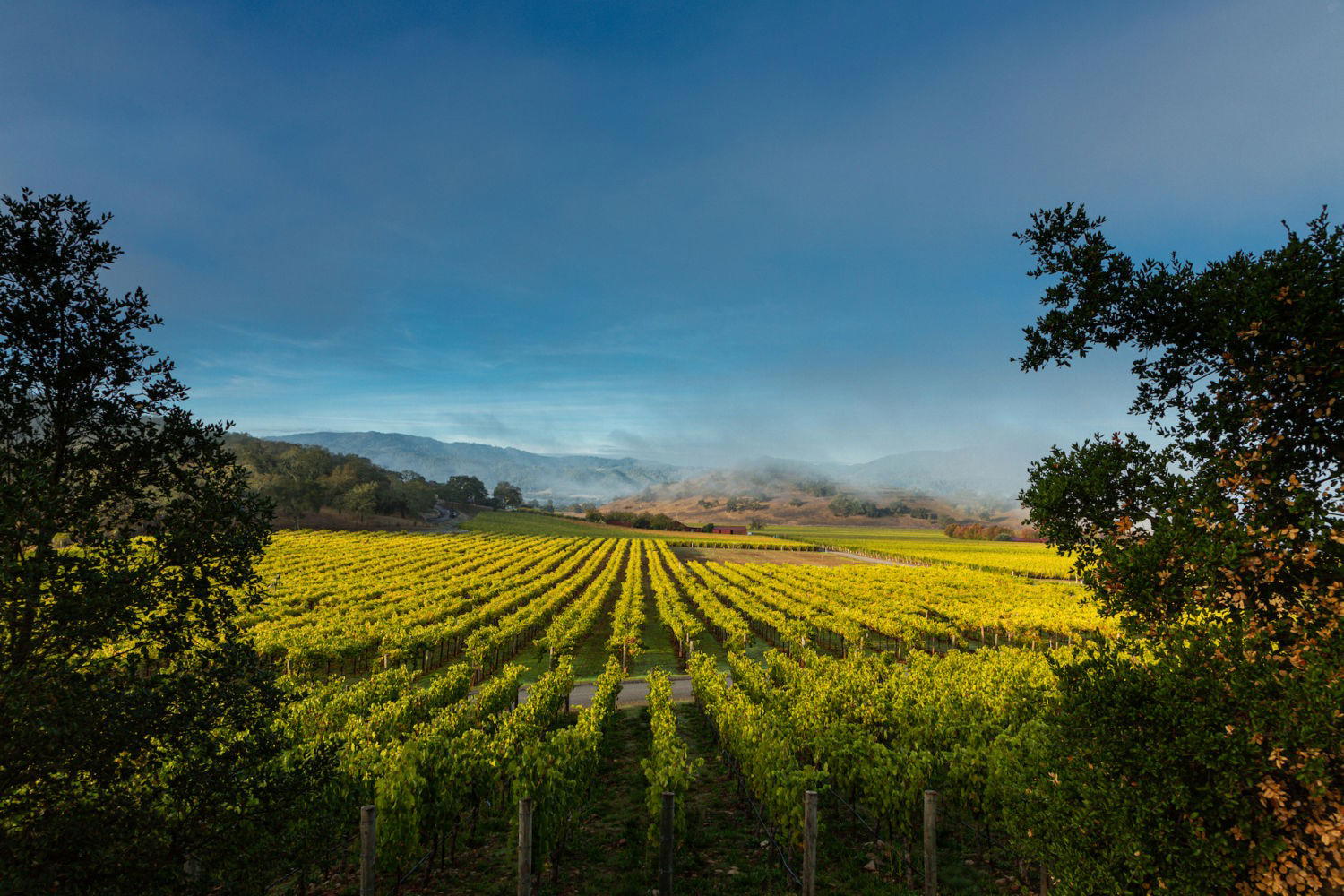
BOND Winery belongs to Napa's Cabernet conversation around site specificity rather than broad estate scale. First released from the 1997 vintage and guided by winemaker Cory Empting, it is better understood as a study of distinct Napa parcels than as a conventional tasting-room stop. For travelers searching bond estates napa or bond winery napa valley, the draw is terroir, allocation culture, and a serious Cabernet frame.

Pearl is the En Primeur Club membership app — saves, bookings, and concierge access live there. Same editors, same standards.
- Address
- 1551 Oakville Grade, Oakville, CA 94562, United States
- Phone
- (707) 944-9445
- Hours
- Mon–Fri 9 AM–5 PMSat–Sun Closed
- Website
- bondestates.com
- Directions
- Get directions
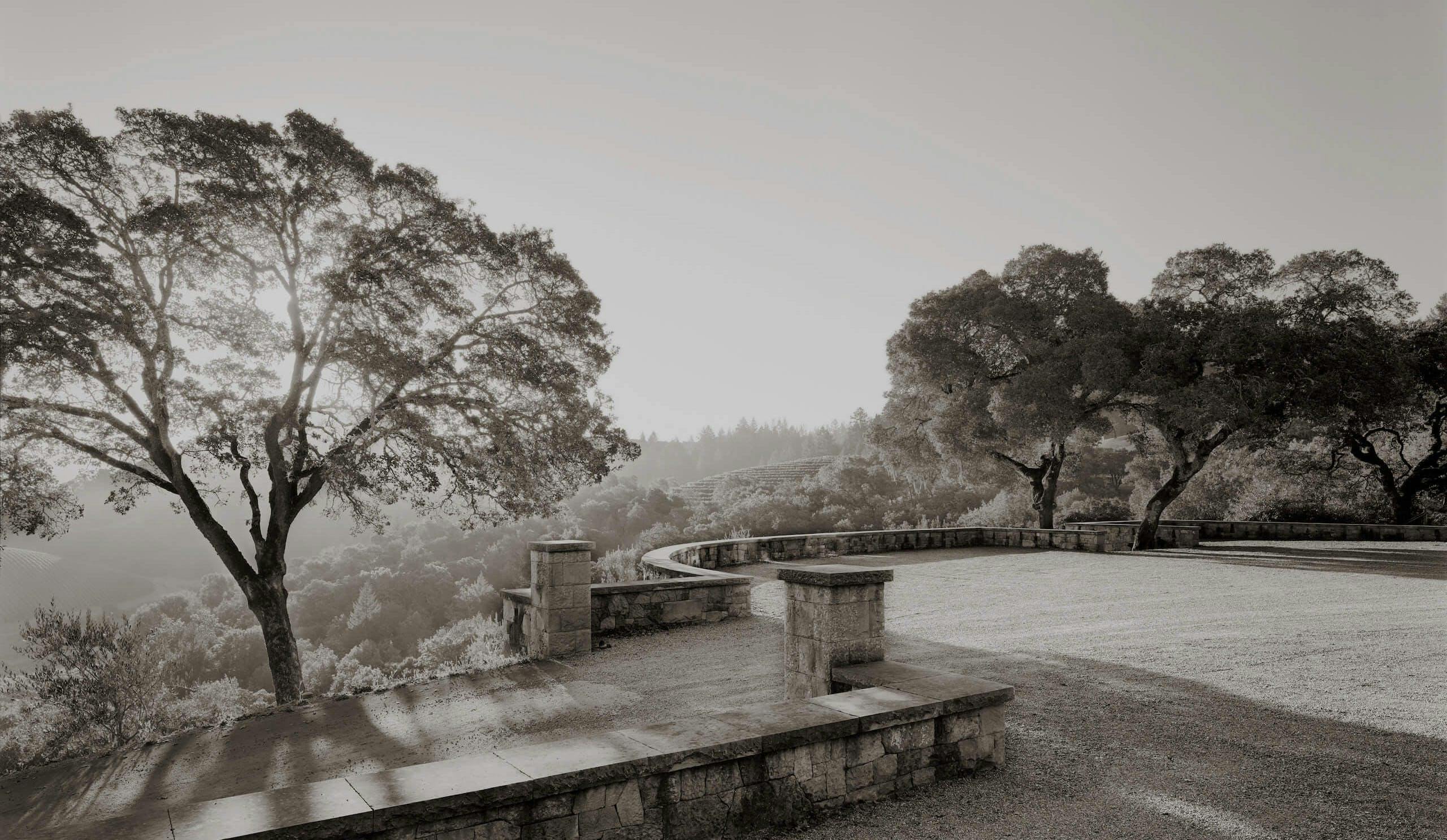
BOND Winery is a Napa venue with a concise verified profile: Cory Empting is listed as chef/owner, the dress code is smart casual, and the posted operating hours run Monday through Friday from 9 AM to 5 PM, with Saturday and Sunday closed. It is also listed with 5 Star Prestige recognition for 2025. Beyond those confirmed details, planning should stay careful: specific claims about tasting formats, site history, pricing, visitor capacity, or food service should be checked directly before building an itinerary around them.
For travelers searching for BOND Winery in Napa, the safest reading is direct: BOND Winery is a Napa stop best considered through its confirmed practical details and recognition rather than through unverified assumptions about a particular hospitality format. If the visit matters to a larger wine-focused trip, confirm the current appointment process, experience details, and any service limitations directly with the venue.
The confirmed information does not establish a specific tasting structure, menu, vineyard narrative, bottle lineup, price point, or visitor capacity. What can be stated is narrower: BOND Winery is in Napa, has smart casual dress expectations, and holds 5 Star Prestige recognition for 2025.
Cory Empting is the verified chef/owner associated with the venue. That detail belongs in the planning context, but it should not be stretched into unsupported claims about cuisine, service style, or a broader culinary program. Visitors should treat BOND Winery as a premium Napa listing whose exact guest experience should be confirmed before arrival.
Broader Napa context can still help with planning. STAGLIN Family Vineyard, Inglenook, Cakebread Cellars, Detert Family Vineyards, and ONEHOPE Wine are useful reference points when comparing different wine stops and visitor expectations.
How BOND Winery fits the Napa travel decision
For travelers building a serious Napa itinerary, BOND Winery is best handled as a planning item that requires direct confirmation. The verified hours are Monday through Friday, 9 AM to 5 PM, with the venue closed on Saturday and Sunday. That weekday schedule matters if the trip is built around limited time in Napa.
The dress code is smart casual, which gives visitors a practical baseline without implying a specific type of service.
The most honest expectation is focused and practical: BOND Winery is a Napa venue with confirmed weekday hours, smart casual dress, Cory Empting listed as chef/owner, and 5 Star Prestige recognition for 2025. Any more detailed plan should be checked with the venue directly before the visit.
Planning the wider Napa circuit around wine stops
A strong Napa trip works better when wine stops, meals, hotels, and recovery time are planned as one system. For broader regional mapping, use Our full Napa wineries guide before setting the order of visits, then pair the day with Our full Napa restaurants guide and Our full Napa hotels guide. If the trip stretches into evenings, Our full Napa bars guide and Our full Napa experiences guide can help keep the itinerary balanced.
Within the winery circuit, contrast is more useful than repetition. Cakebread Cellars, Detert Family Vineyards, Inglenook, ONEHOPE Wine, and STAGLIN Family Vineyard can provide different points of comparison for travelers considering how to structure a Napa wine itinerary. BOND Winery should be placed where its weekday hours and smart casual expectations fit the trip cleanly.
For travelers comparing Napa with wine destinations elsewhere, the useful question is how much detail has been confirmed before committing time. Napa's advantage is the density of options, but that density works well when each stop is checked for current hours, access, and visitor policies. For BOND Winery, the confirmed planning anchors are Napa, weekday 9 AM to 5 PM hours, weekend closure, smart casual dress, Cory Empting, and 5 Star Prestige recognition for 2025.
At-a-Glance Comparison
Comparable venues by cuisine and price in the same metro.
| Venue | Cuisine | Price | Awards |
|---|---|---|---|
| BOND WineryThis venue — the venue you are viewing | This venue | Not listed | Falstaff Winery - Listed |
| Cakebread Cellars | Not listed | $50–100 | Falstaff Winery - Listed |
Recognition history
Dated appearances from independent guides and award organizations, with the underlying list record or original source where available.
Falstaff Winery - Listed
Falstaff
Continue exploring
More in Napa
Wineries in Napa
Browse all →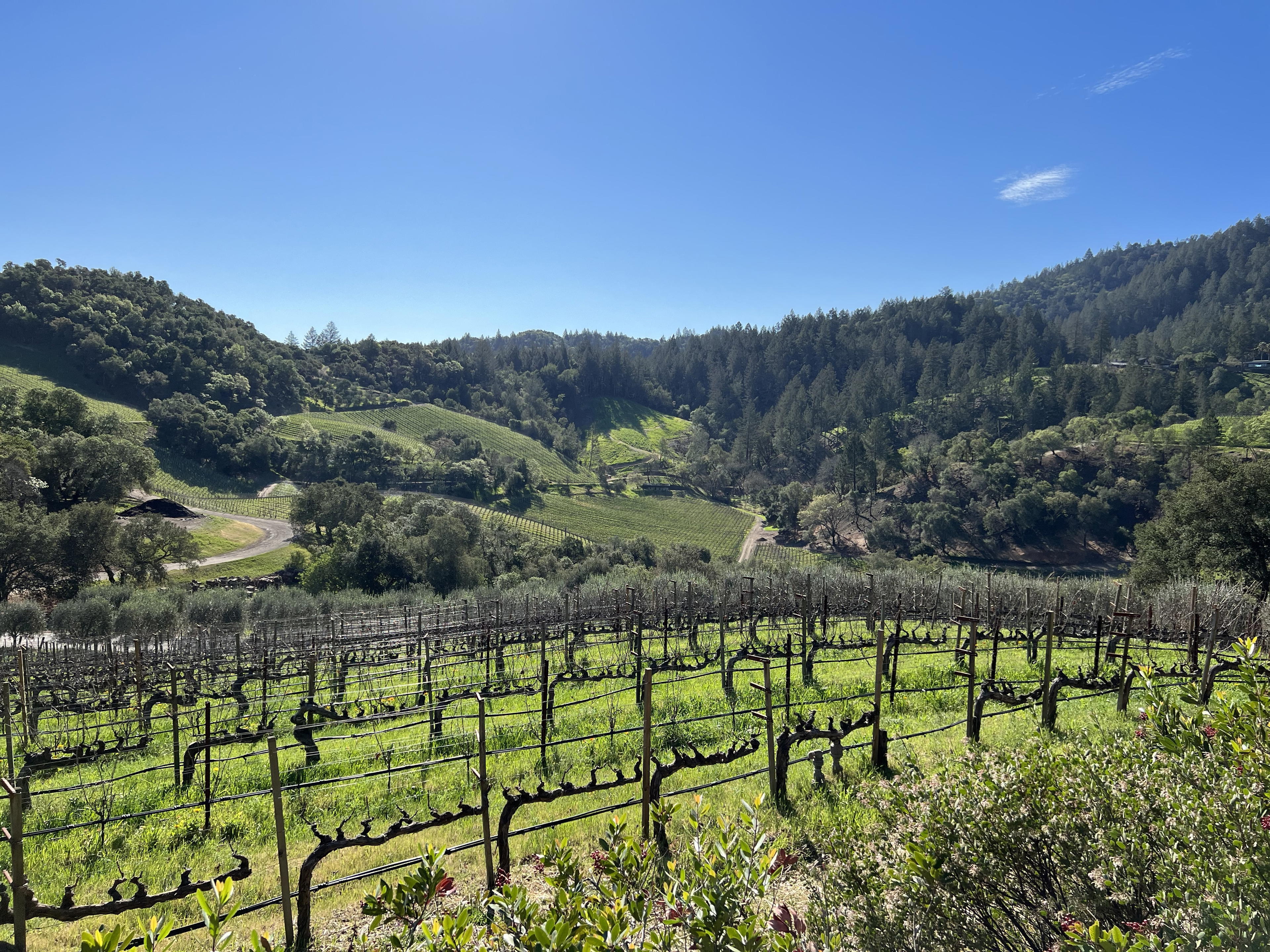
Bars in Napa
Browse all →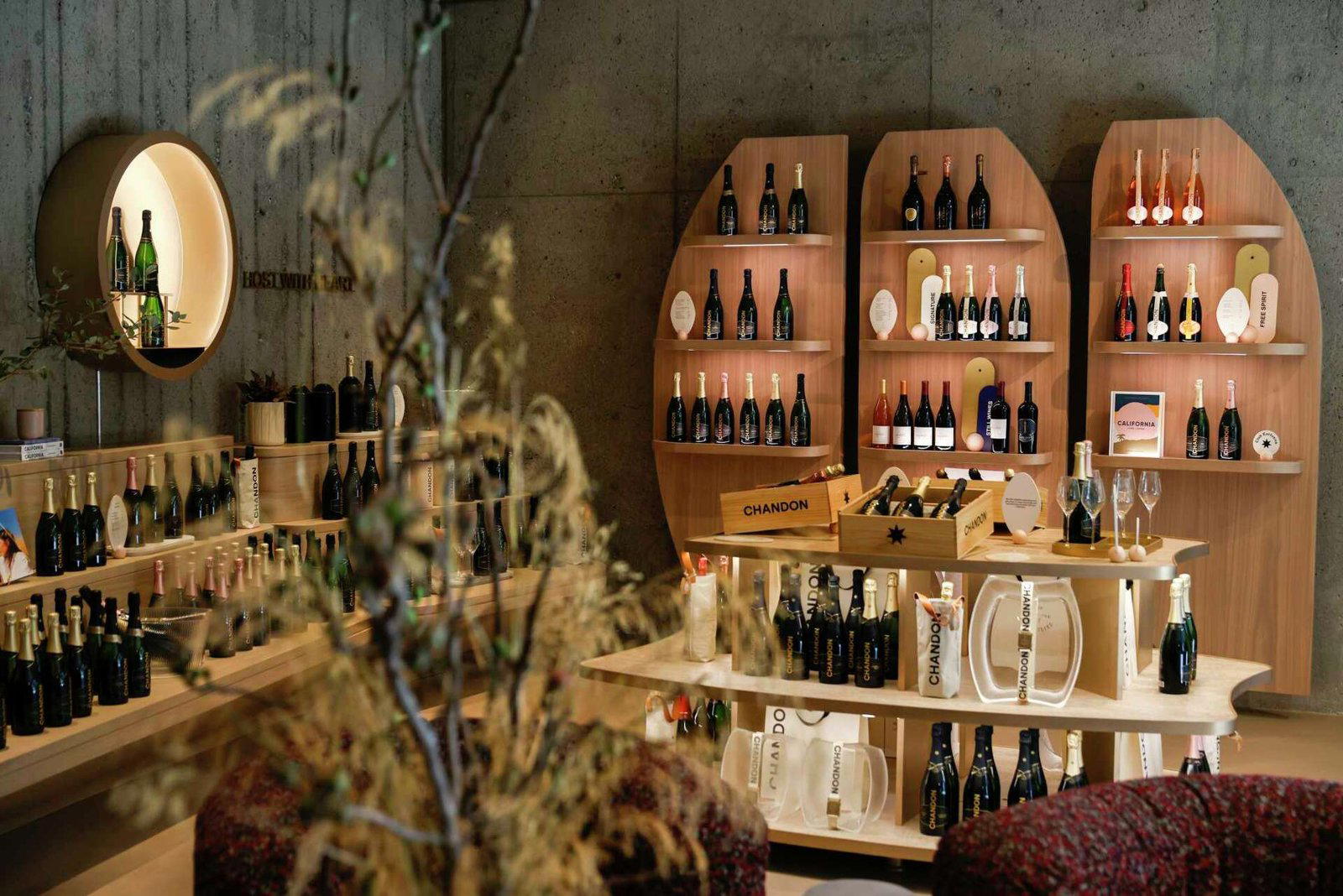
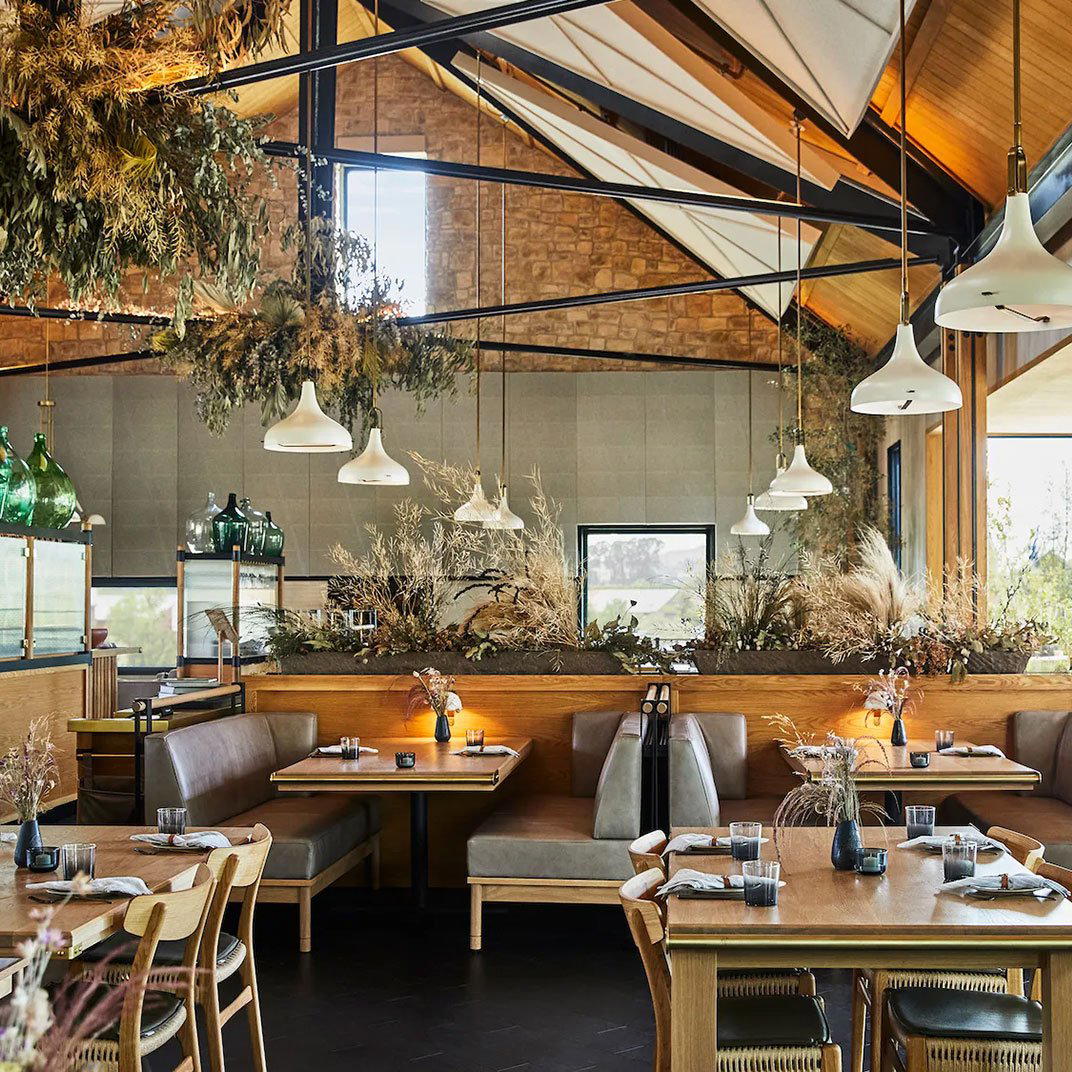
Restaurants in Napa
Browse all →
Details
- Elegant
- Sophisticated
- Scenic
- Special Occasion
- Wine Education
- Vineyard Tour
- Panoramic View
- Vineyard
- Mountain
- Cabernet Sauvignon
- Still Red
- Private Tasting
Current opening hours
- Monday
- 9 AM–5 PM
- Tuesday
- 9 AM–5 PM
- Wednesday
- 9 AM–5 PM
- Thursday
- 9 AM–5 PM
- Friday
- 9 AM–5 PM
- Saturday
- Closed
- Sunday
- Closed
Hours can change for holidays and private events. Last verified .
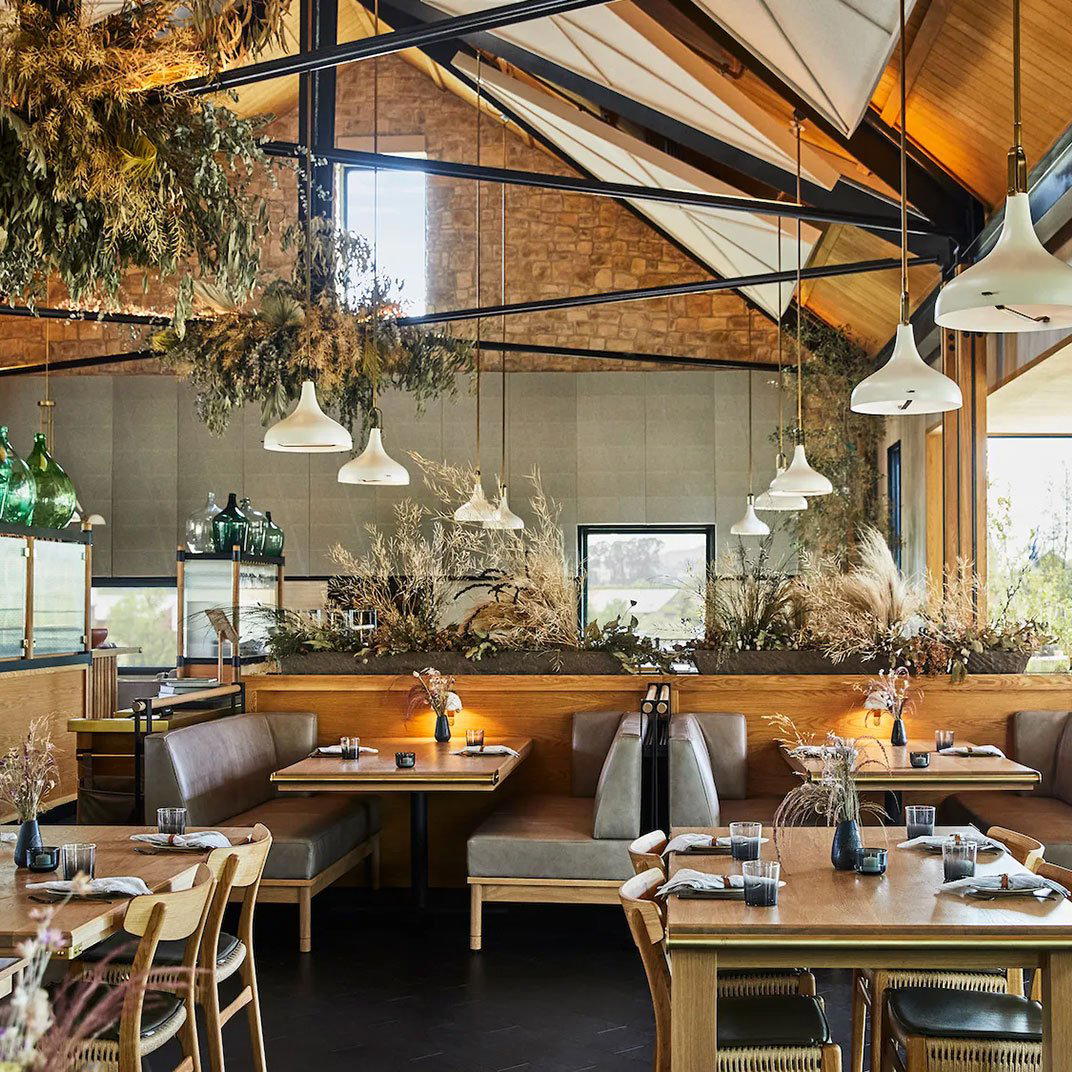
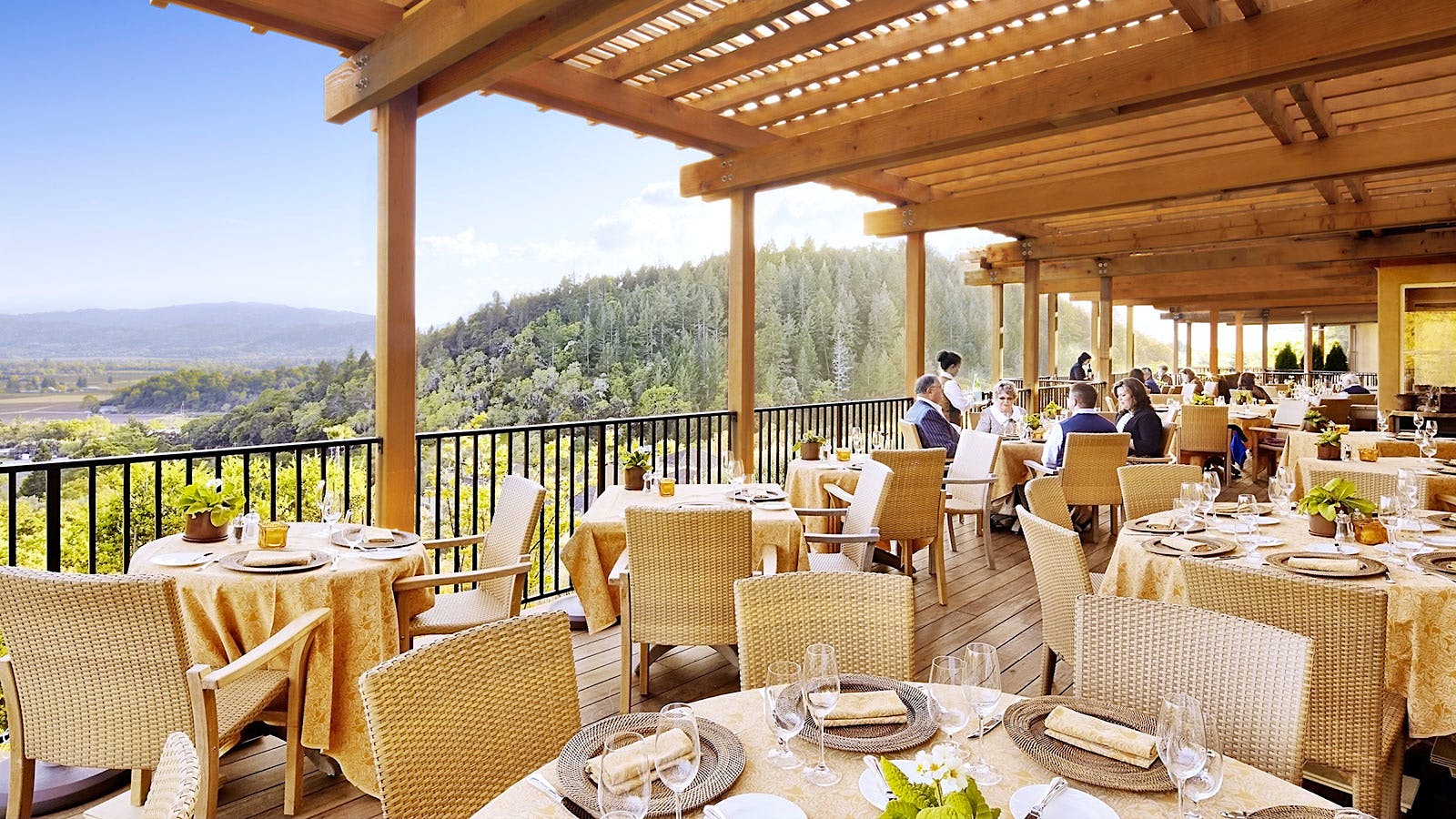
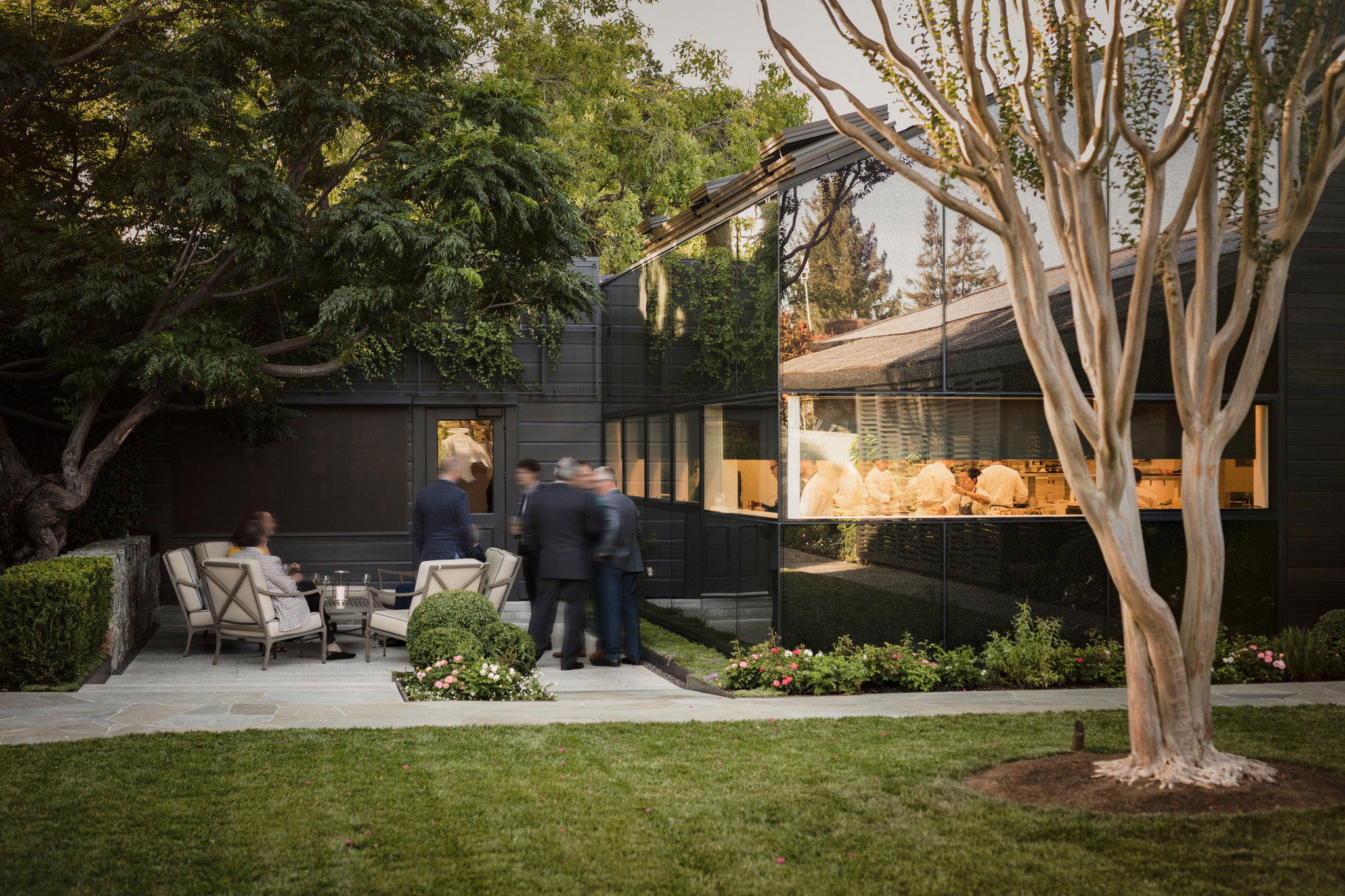
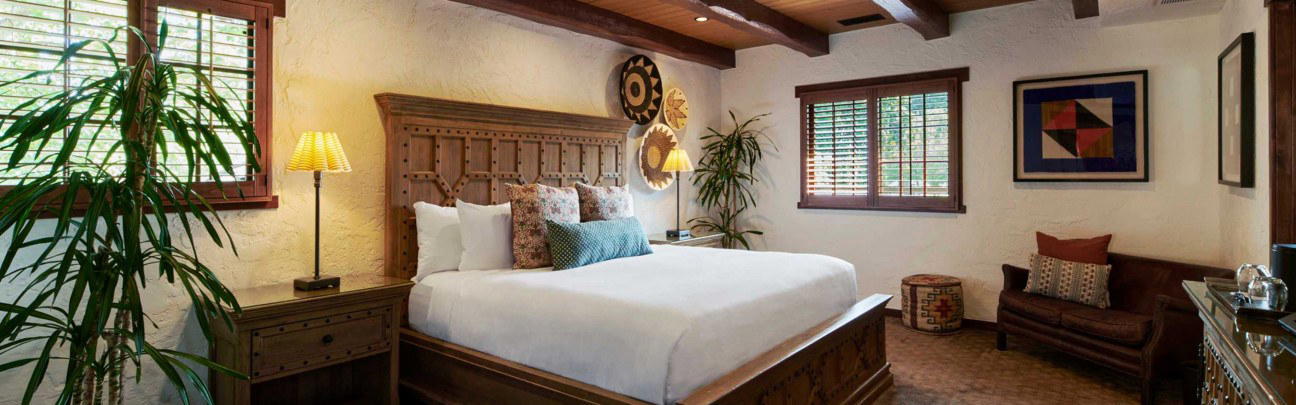
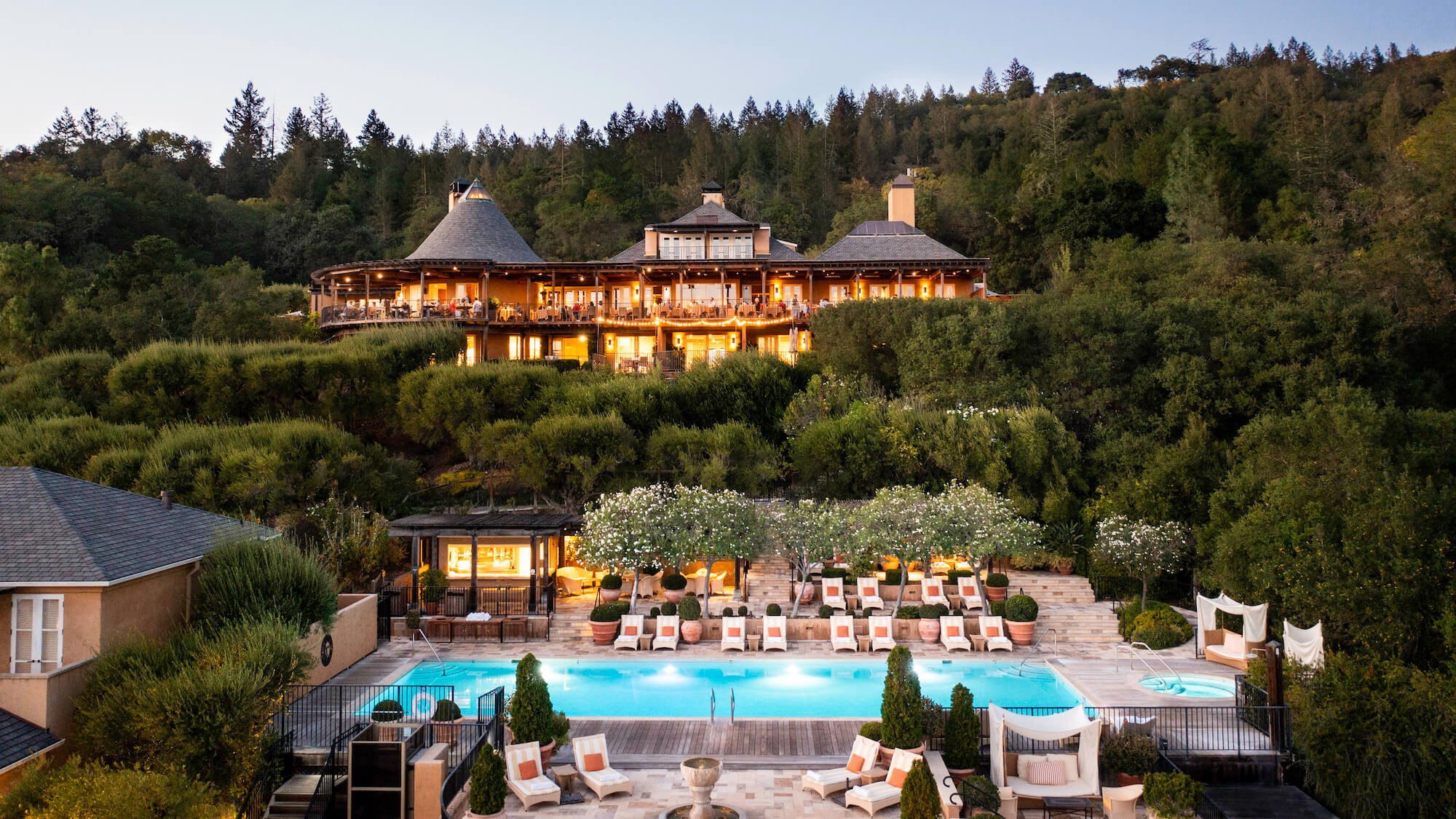
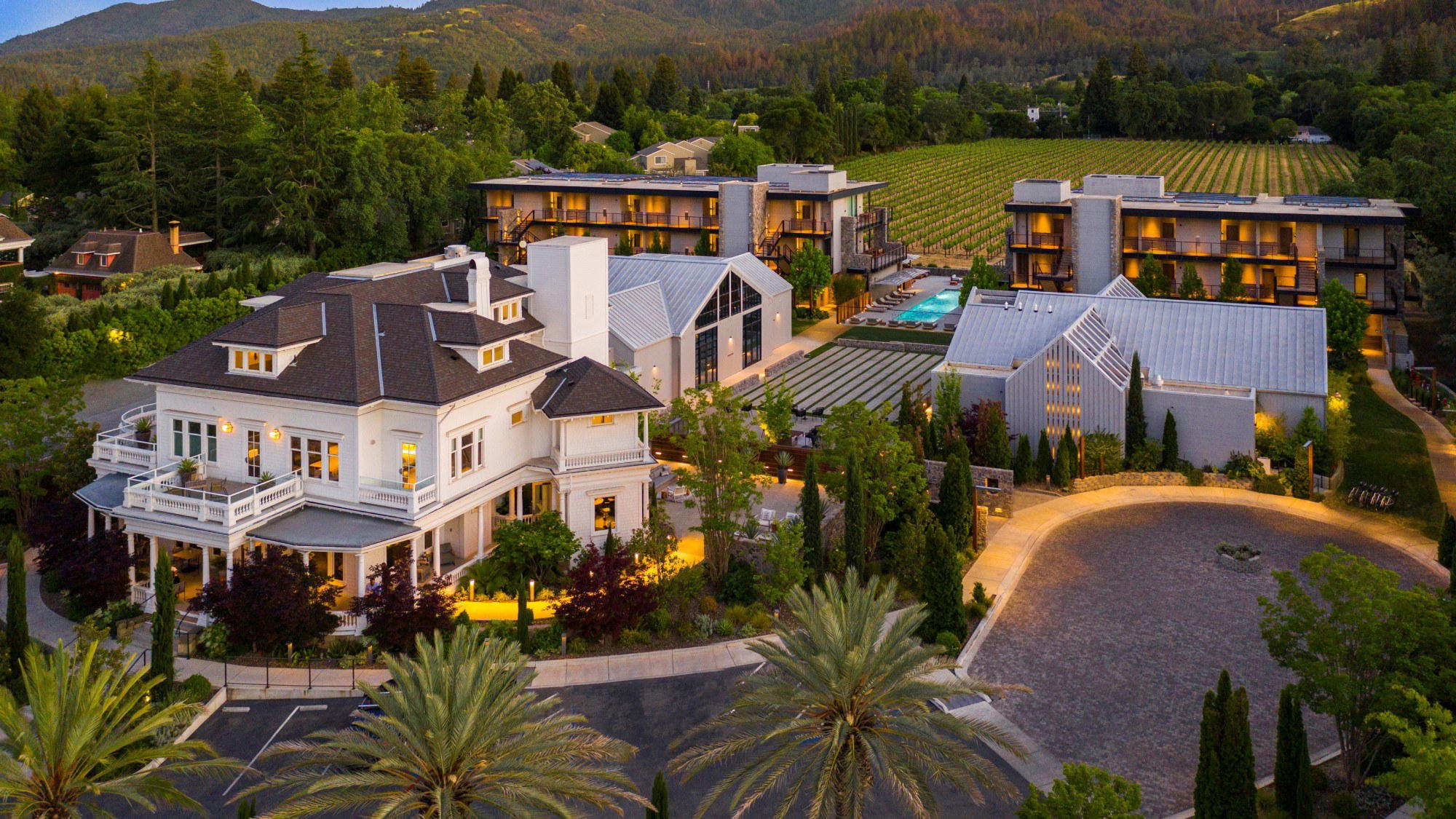
Elegant and sophisticated with a sense of grandeur, power, and finesse in a hillside winery setting.