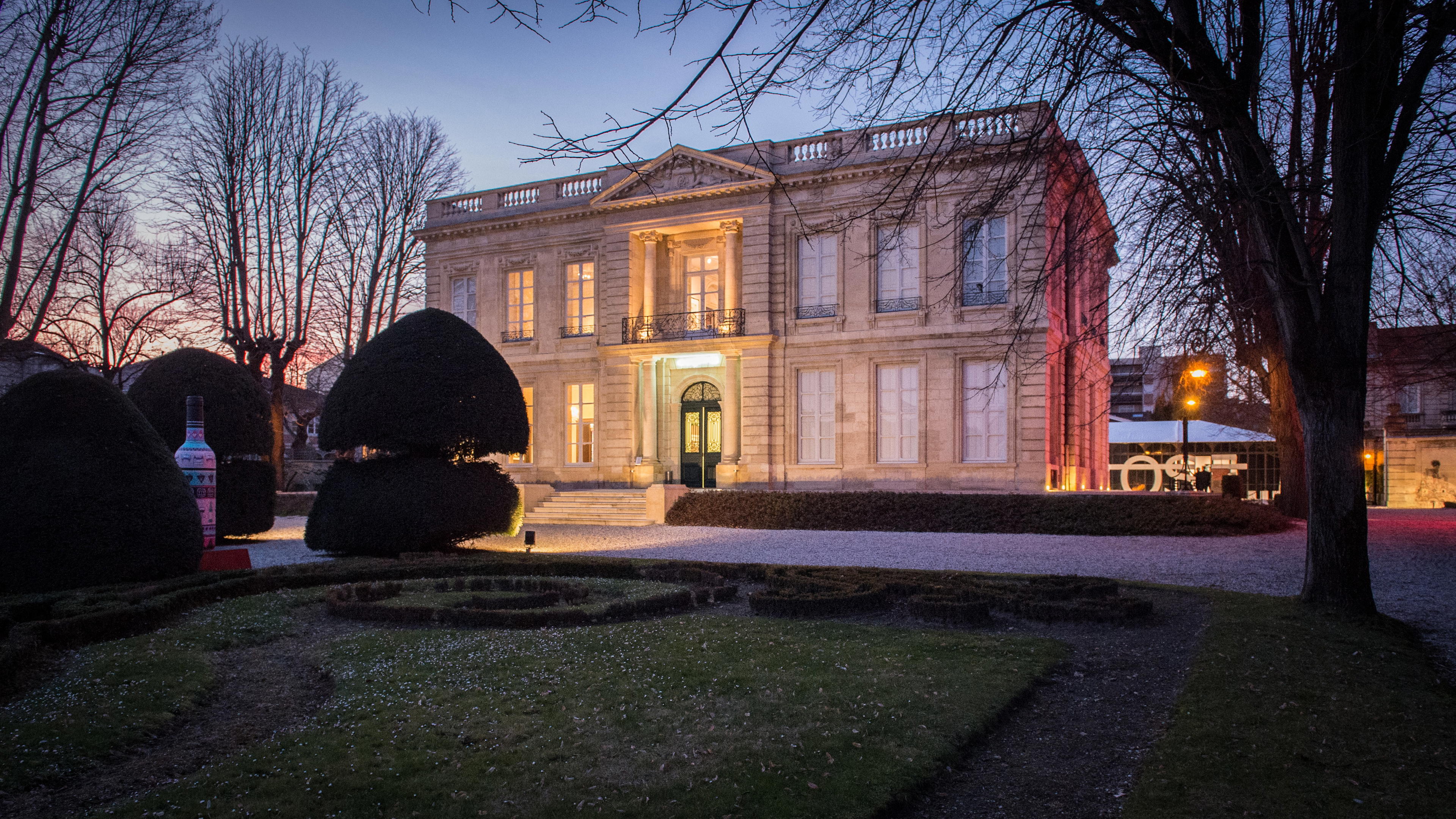
Domaines Barons de Rothschild (Lafite) represents one of Bordeaux's most closely watched names in the Premier Grand Cru conversation. Located on the Cours du Médoc, the operation spans estates across Pauillac and beyond, with a production philosophy that has shaped how collectors and critics read left-bank Cabernet for generations.

Pearl is the En Primeur Club membership app — saves, bookings, and concierge access live there. Same editors, same standards.
- Address
- 40-50 Cr du Médoc, 33000 Bordeaux, France
- Phone
- +33 5 57 57 79 79
- Website
- lafite.com
- Directions
- Get directions
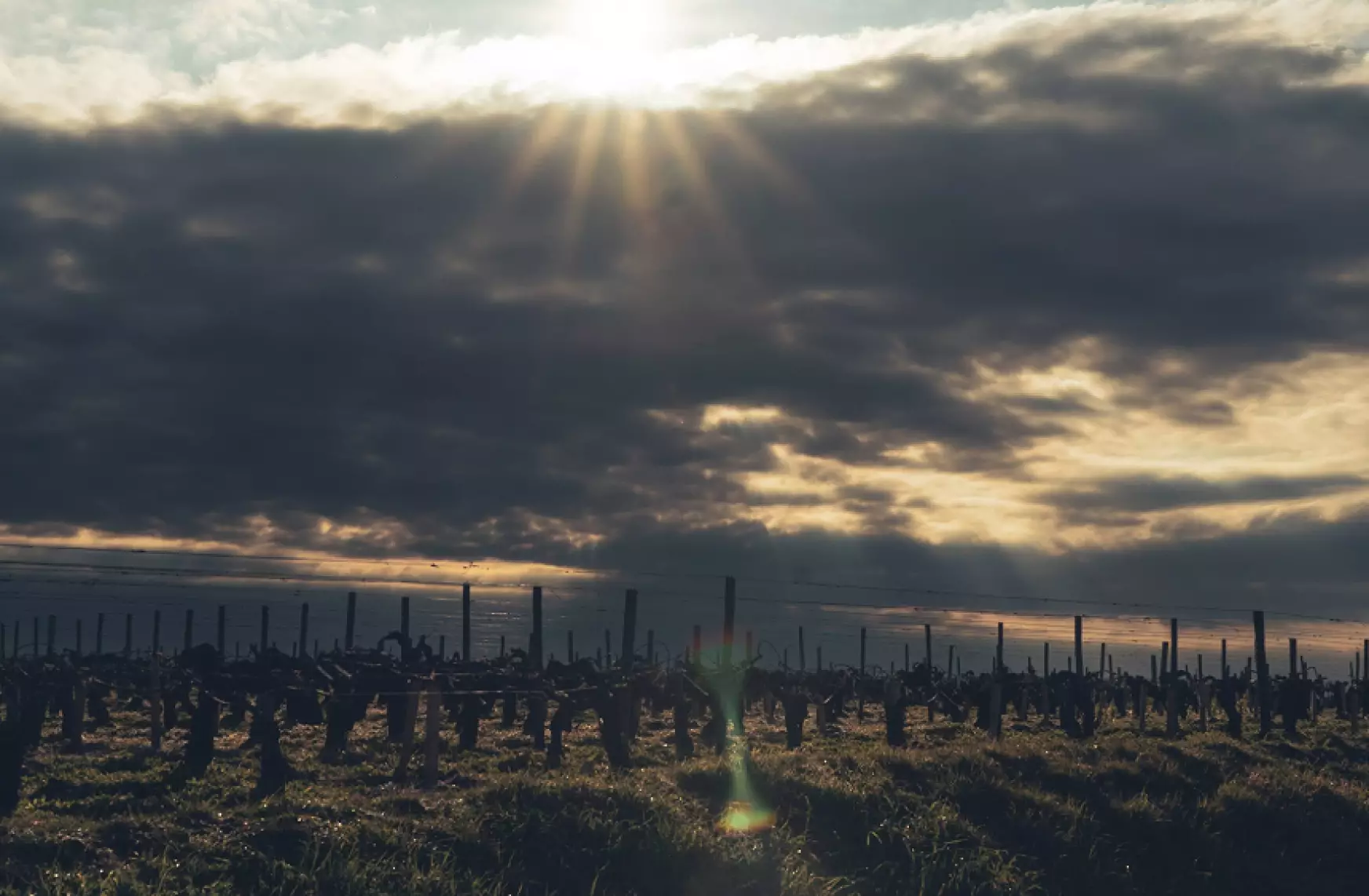
The Weight of the Médoc Address
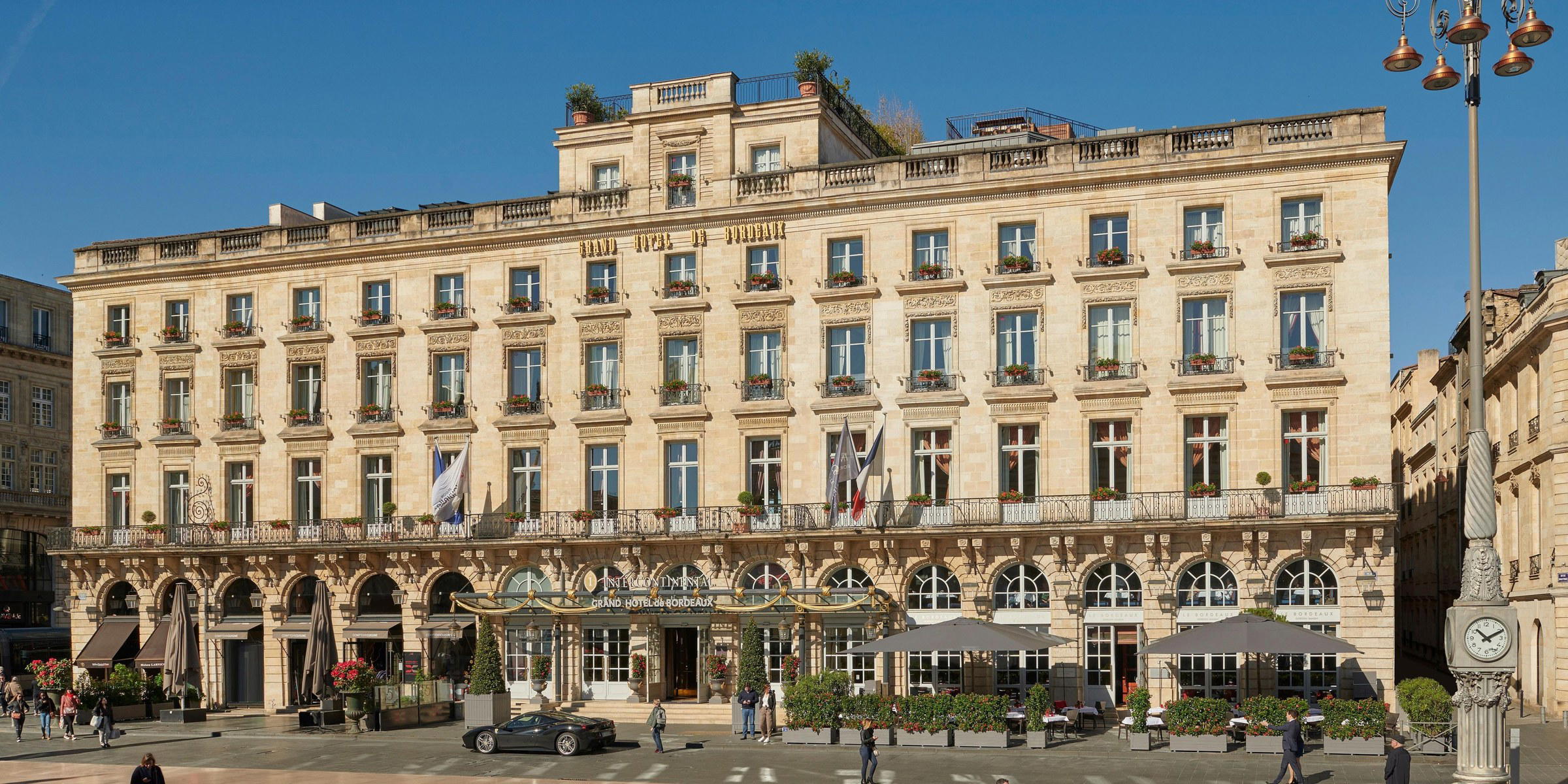
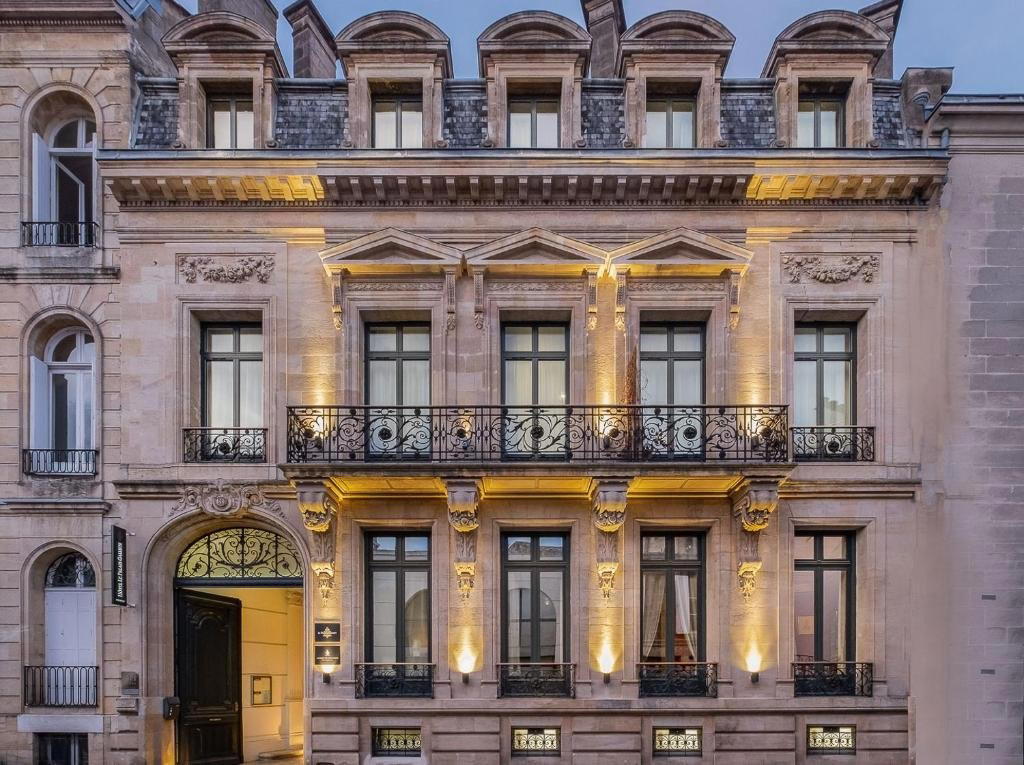
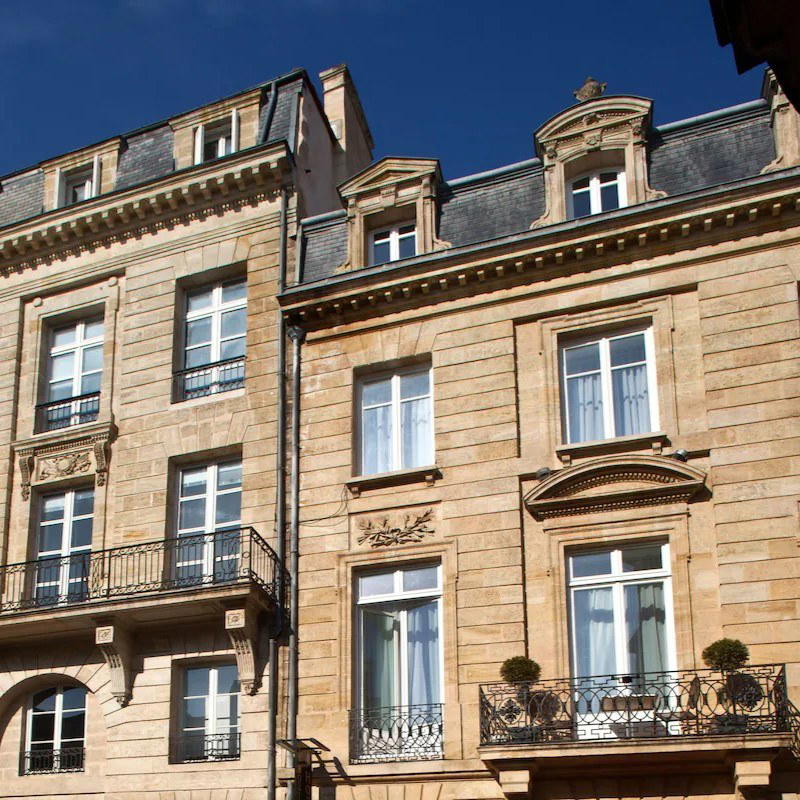
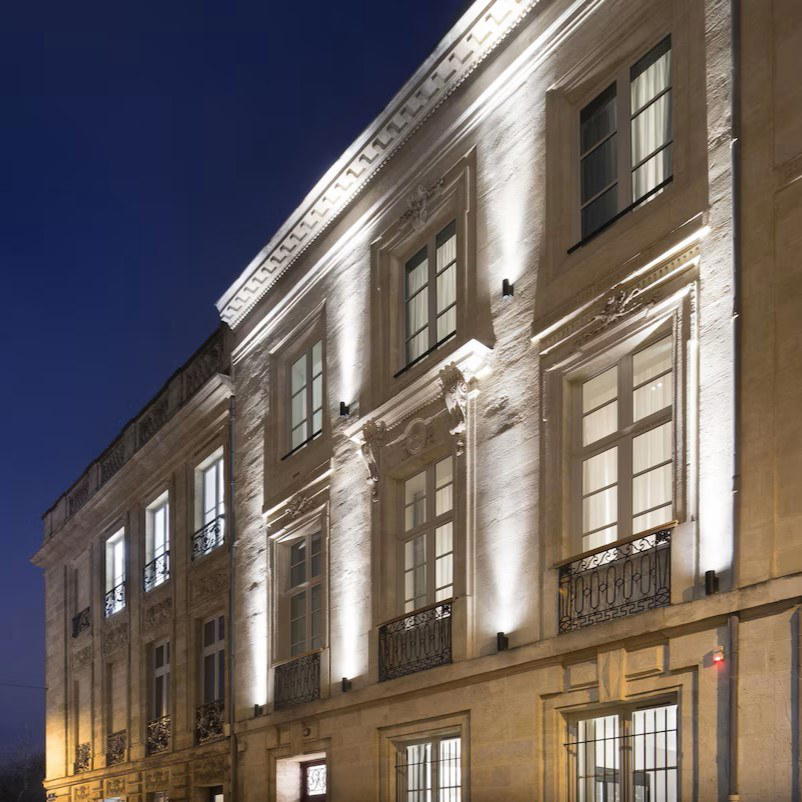
Standing on the Cours du Médoc in Bordeaux, the address of Domaines Barons de Rothschild (Lafite) places it squarely within the commercial and intellectual spine of the left bank's wine trade. The Médoc corridor has long served as a connective thread between the châteaux of Pauillac, Saint-Estèphe, and Saint-Julien to the north and the city's négociant houses to the south. For an operation of this scale, the urban address functions as an administrative and representational base, while the actual vinification and aging happen across estate properties that anchor the Lafite name in the gravel-rich soils of Pauillac. That separation between city office and working estate is common among Bordeaux's larger négociant-adjacent houses, but few carry the institutional gravity that this particular address implies.
Bordeaux's wine identity has, over the past two decades, split between those who read the city as a transactional trading hub and those who see it as a living expression of terroir-led production philosophy. Domaines Barons de Rothschild sits at the intersection of both readings. The group's breadth, which extends to estates in Chile, Argentina, and elsewhere, gives it the profile of a global producer. Yet its core reputation remains inseparable from a single appellation: Pauillac. That tension between scale and specificity is one of the more interesting editorial threads running through any serious engagement with the Lafite name. For related reading across the Bordeaux region, our full Bordeaux guide maps the full range of producers and experiences across the appellation system.
A Philosophy Built on Precision, Not Intervention
The winemaking philosophy associated with Lafite has historically emphasised restraint: lower extraction relative to some Médoc peers, longer aging in a proportion of new oak calibrated to preserve aromatic finesse rather than amplify structure, and a patient approach to release timing. These are not idiosyncratic choices. They reflect a broader school of Pauillac winemaking that prizes tension over generosity, and longevity over accessibility at release. In comparative terms, this places the Lafite program in a different register from, say, the more immediately expressive style associated with some Saint-Julien estates. Château Branaire Ducru in St-Julien offers a useful contrast point: a fourth growth with consistently polished tannins and a style calibrated for earlier drinking windows than Lafite's first-growth framework.
Within Pauillac itself, the stylistic conversation is between properties that lean into the appellation's natural austerity and those that soften it. Château Batailley in Pauillac occupies the value-oriented end of that spectrum, delivering consistent, approachable Pauillac at a price point that sits well below the first-growth tier. Lafite operates from the opposite premise: the wines are priced against a handful of global peers rather than against the broader Pauillac appellation, and the production choices at every stage reflect that positioning.
That rating functions as a trust signal within the collector and enthusiast community, but it also reflects a longer track record: the Lafite estate's classification as a Premier Grand Cru Classé in the 1855 system is among the most durable institutional endorsements in French wine, one that has survived more than 150 years of vintage variation, ownership change, and critical re-evaluation.
The meaningful peer comparison for Domaines Barons de Rothschild is not within Pauillac alone but across the left bank's first and super-second tier. Château Léoville-Las Cases is the comparison point that comes up most often among critics positioning a Saint-Julien second growth against first-growth quality benchmarks. The structural discipline of Las Cases, with its deep gravelly soils and tight-cropped vine management, produces wines that critics routinely discuss alongside the first growths in vertical tastings. The difference is one of appellation character as much as quality: Pauillac, and Lafite specifically, tends toward a cedar and graphite-edged profile that differs from the more cassis-forward richness of a Saint-Julien expression.
Moving south into the right bank, Château Clinet in Pomerol offers a point of contrast in both grape variety and philosophy. Merlot-dominant and clay-heavy, Pomerol wines age differently and appeal to a collector profile that sometimes overlaps with Lafite buyers but often diverges. For those interested in the full range of Bordeaux's appellation system, Château Bélair-Monange in Saint-Emilion and Château Boyd-Cantenac in Cantenac extend that comparative map further, each representing distinct appellation identities within the broader Bordeaux classification framework.
In the sweet wine category, Château Bastor-Lamontagne in Preignac and Château d'Arche in Sauternes represent the appellation system's entirely different production logic, one governed by botrytis, late harvest, and a sweetness-to-acidity balance that places them in a separate critical conversation from the dry red first-growth tier.
Bordeaux in a Global Context
Lafite's influence extends well beyond the Gironde. The group's investments in other wine regions have carried the production philosophy to entirely different terroirs. For those mapping premium wine production across a broader geography, properties like Accendo Cellars in St. Helena represent the Napa Valley's own first-growth aspirations, a tier where Cabernet Sauvignon commands prices and critical attention comparable to the Médoc's upper classification. The comparison is instructive: both operate in a segment where allocation scarcity, critical recognition, and the weight of accumulated vintage history shape the secondary market as much as any single harvest's quality.
At the regional level in France, estates like Albert Boxler in Niedermorschwihr and the distinctive production story of Chartreuse in Voiron operate in entirely separate tradition streams, one rooted in Alsatian Riesling and Gewurztraminer, the other in a herbal liqueur formula with monastic origins. The contrast underlines how France's premium producer community spans radically different production philosophies and market logics, with Lafite representing the apex of the classification-driven, terroir-anchored model specific to Bordeaux. Elsewhere in the south, Château d'Esclans in Courthézon has spent the past two decades repositioning Provençal rosé into the premium tier, a different kind of category-building exercise but one that shares with Lafite a commitment to using provenance and production quality to justify price points well above the appellation average.
Planning a Visit and What to Expect
For those visiting Bordeaux with the Lafite name as a focal point, the relevant practical note is that access to the Pauillac estate itself is managed under separate arrangements from the city address on the Cours du Médoc. Estate visits in Pauillac, as with most of the Médoc's classified growths, are typically arranged through advance appointment rather than open-door tastings. The Médoc châteaux as a group have moved toward more structured visitor experiences over the past decade, with guided tours and library tastings available at selected properties on a pre-booked basis. Visitors combining a Bordeaux city stay with a Médoc day trip should allow for travel time between the city and Pauillac, which sits roughly 50 kilometres north along the D2, the so-called Route des Châteaux. Château Cantemerle in Haut-Médoc falls along that same route, making it a logical pairing stop for those building a left-bank itinerary. Timing matters: the en primeur tasting season in spring draws the professional trade to the Médoc in concentrated numbers, which affects both availability and atmosphere at estate visits.
Price and Recognition
Comparable venues nearby, for context on price, style, and recognition.
| Venue | Cuisine | Price | Awards |
|---|---|---|---|
| Domaines Barons de Rothschild (Lafite)This venue — the venue you are viewing | Pauillac, Cabernet Sauvignon, Merlot | Not listed | Not listed |
| Chateau Leoville Las Cases | Saint-Julien, Cabernet Sauvignon, Merlot | Not listed | Michelin 3 Grapes · Falstaff Winery - 3 Stars |
| Château Duhart-Milon | Pauillac, Cabernet Sauvignon, Merlot | $50–100 | Michelin Main Selection · Falstaff Winery - Listed |
| Château Haut-Bailly | Léognan, Cabernet Sauvignon, Merlot | $50–100 | Michelin 1 Grape · Falstaff Winery - 4 Stars |
| Château Coutet | Saint-Emilion, Merlot, Cabernet Franc | Not listed | Not listed |
| Domaine Clarence Dillon | Pessac, Merlot, Cabernet Sauvignon | Not listed | Not listed |
Continue exploring
More in Bordeaux
Wineries in Bordeaux
Browse all →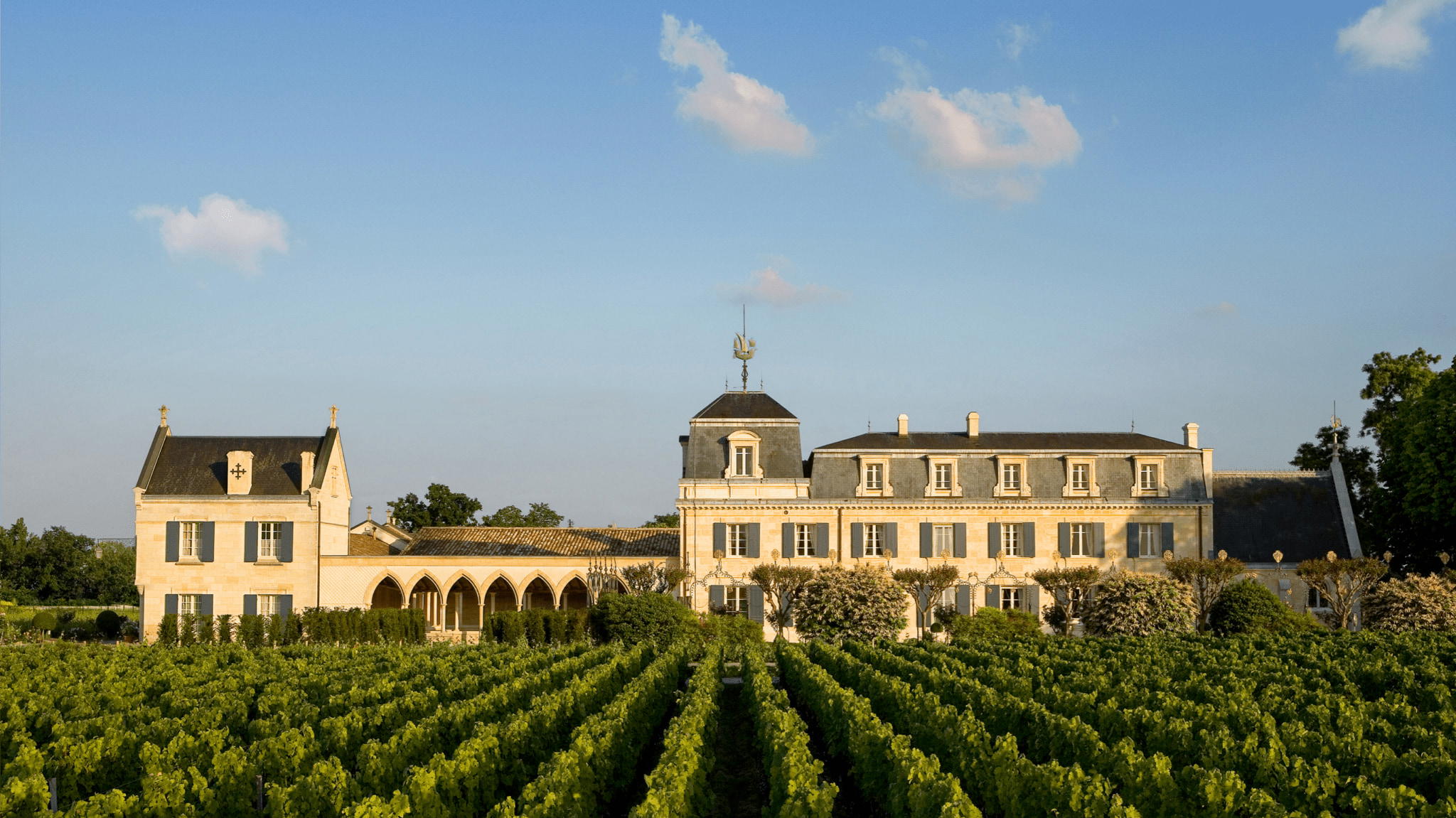
Bars in Bordeaux
Browse all →
Restaurants in Bordeaux
Browse all →
Details
- Elegant
- Classic
- Well Known
- Sophisticated
- Wine Education
- Special Occasion
- Vineyard Tour
- Historic Building
- Barrel Room
- Vineyard
- Cabernet Sauvignon
- Merlot
- Cabernet Franc
- Petit Verdot
- Still Red
- Cave Tasting
- Private Tasting
- English
- French
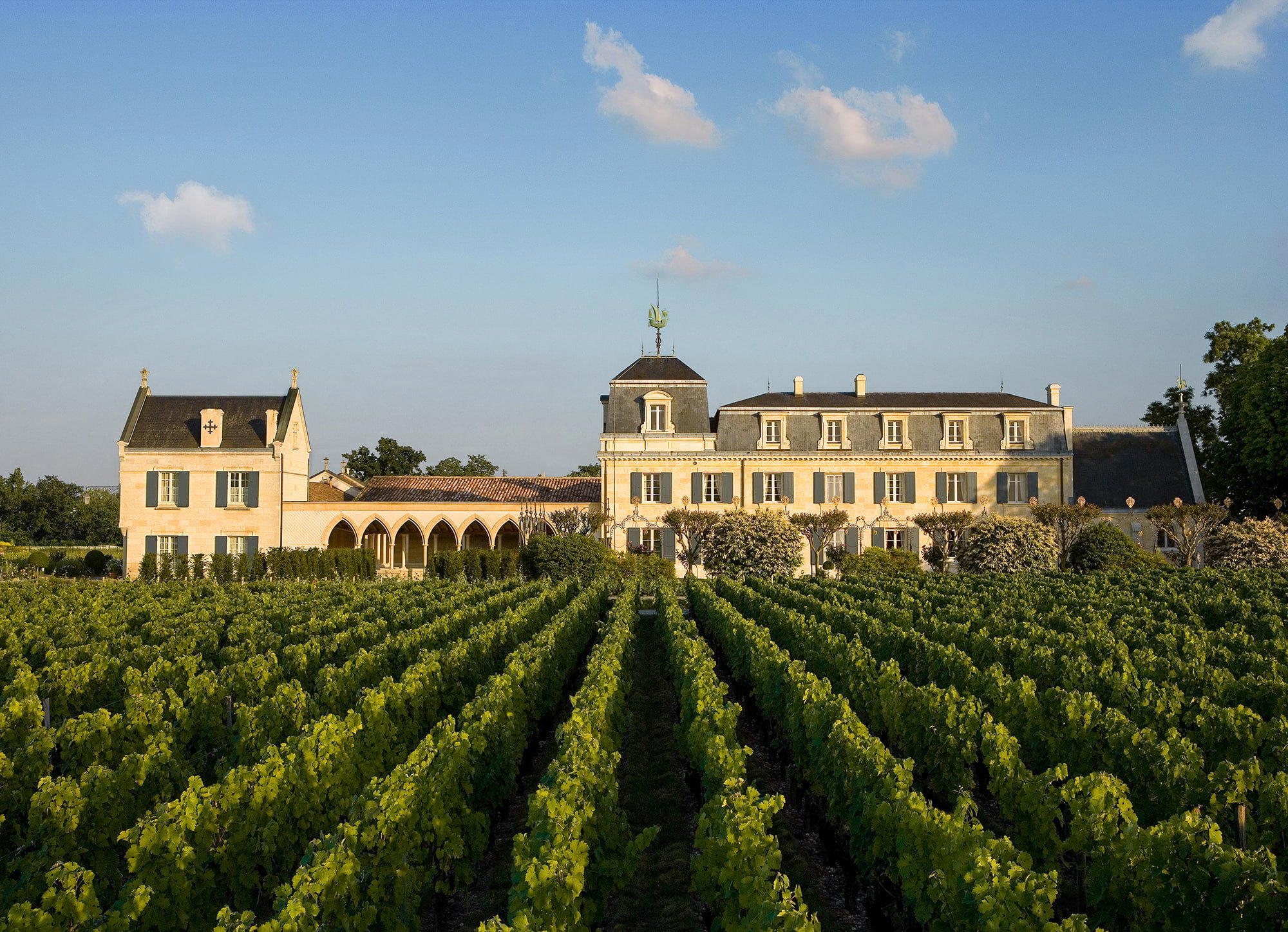
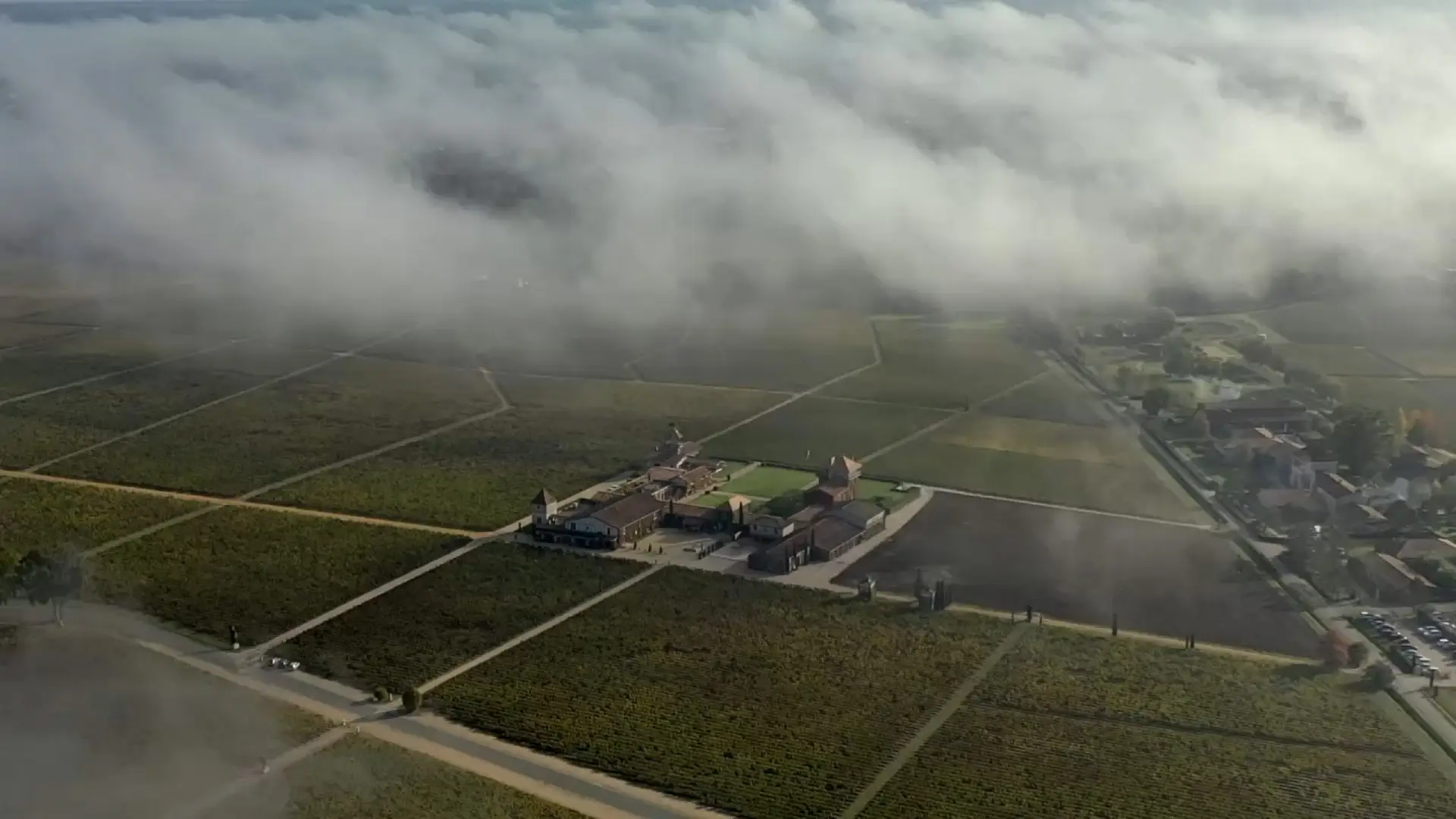
Elegant and historic with a sophisticated, timeless atmosphere in a 16th-century chateau surrounded by prestigious vineyards.