Hundred Acre
Hundred Acre is a St. Helena winery producing small-lot Cabernet Sauvignon from meticulously farmed individual vineyard sites. The winery's approach to single-vineyard expression and low-intervention farming has made it a reference point in the valley's premium Cabernet conversation.

Pearl is the En Primeur Club membership app — saves, bookings, and concierge access live there. Same editors, same standards.
- Address
- 1345 Railroad Ave, St Helena, CA 94574
- Phone
- (707) 967-9398
- Website
- hundredacre.com
- Directions
- Get directions
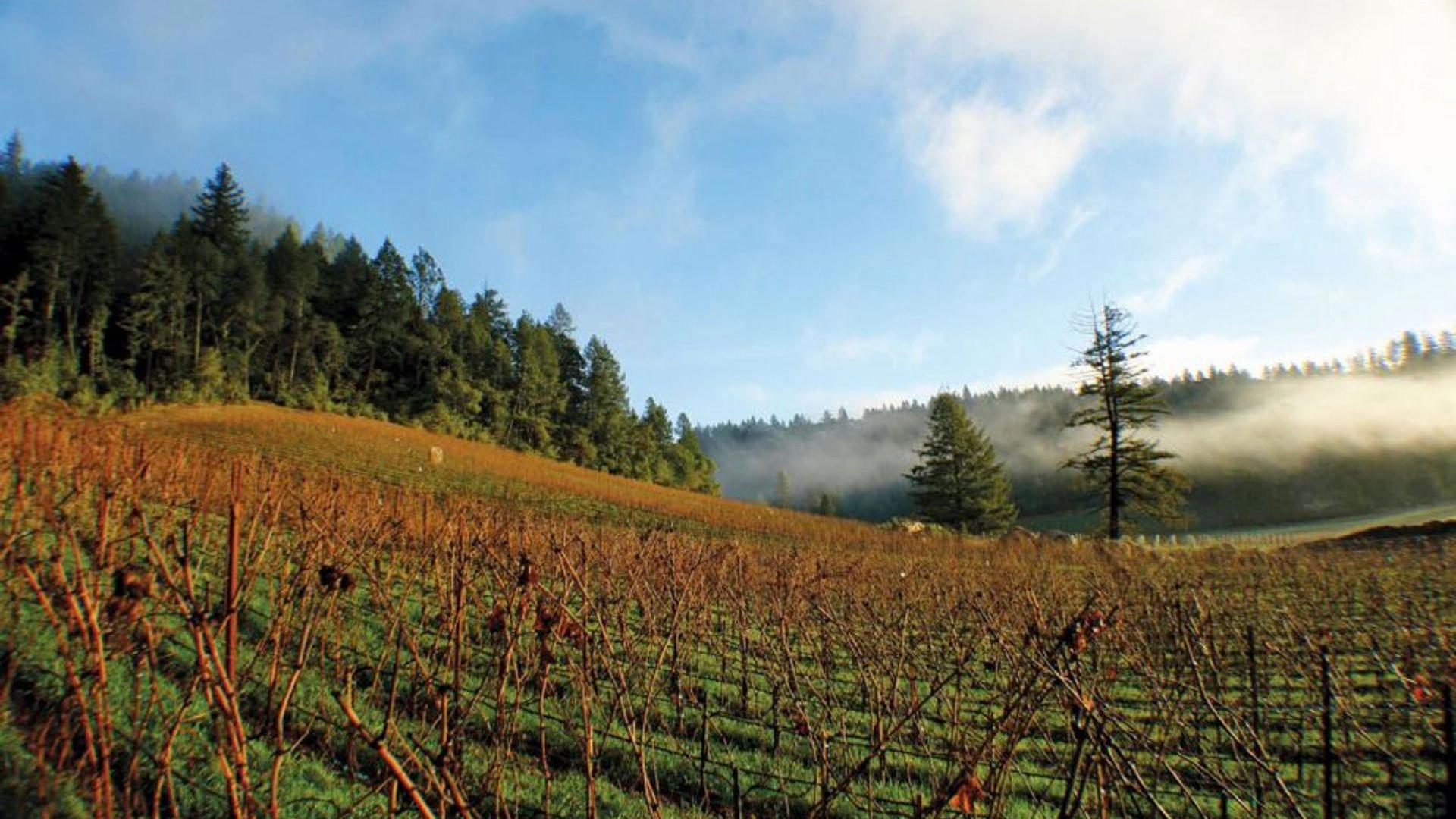
Farming First: The Logic Behind Napa's Allocation-Only Tier
Napa Valley's premium Cabernet producers have sorted themselves into two broad camps over the past two decades: large-estate houses that trade on consistent house style and brand recognition, and small-lot operations where the identity of individual vineyard blocks does the talking. Hundred Acre belongs firmly to the second camp. Based out of St. Helena at 1345 Railroad Ave, the winery has operated since its first vintage in 2000 with a model that keeps production deliberately constrained and distribution tightly managed — a structure that has become synonymous with the allocation-driven tier of Napa winemaking.
That allocation model is not merely a marketing posture. It reflects a genuine commitment to site-specific viticulture, where scaling output would mean sourcing beyond the blocks that define the wine. Winemaker Jayson Woodbridge has shaped that philosophy across more than two decades of production, making Hundred Acre one of the longer-running independent voices in a valley where consolidation under large portfolio houses has been the dominant trend.
Vineyard Identity and the Hundred Acre Private Road Winery Connection
The phrase Hundred Acre vineyard refers not to a single contiguous block but to a collection of distinct sites, each farmed and vinified to reflect its specific soil composition and microclimate. This is the core distinction between what Hundred Acre produces and what the broader Napa Cabernet market offers at comparable price points. Where many producers blend across appellations to achieve a consistent house profile, the Hundred Acre model keeps sites separate, allowing vintage variation and site character to surface rather than be engineered away.
The Hundred Acre Private Road winery designation — referencing the access road and estate geography around the St. Helena address, has become a search shorthand for the project's physical home, though the wines are ultimately identified by their individual vineyard names. That geography matters to understanding the wine: St. Helena sits at the northern end of the valley floor, where alluvial soils and afternoon heat retention produce Cabernet with density and structure that ages differently than fruit from the cooler southern reaches near Carneros. Accendo Cellars in St. Helena works in comparable proximity to the valley's northern concentration of premium Cabernet production, and the St. Helena address clusters Hundred Acre with a peer group defined by both geography and ambition.
Environmental Practice in a High-Intervention Valley
Napa has a complicated relationship with sustainability. The valley's commercial success depends on yield consistency and brand reliability, pressures that historically pushed viticulture toward intervention: irrigation, chemical inputs, and canopy management designed to guarantee ripeness regardless of vintage conditions. The shift toward certified farming programs, cover cropping, and reduced chemical dependency has been real but uneven, with smaller estates often leading while larger commercial operations move more slowly.
Hundred Acre's approach to the 100 acre vineyard portfolio sits within this broader trend toward conscientious farming. The winery has built its production logic around what the land produces naturally, which in practice means accepting vintage variation rather than correcting for it, and farming in ways that protect long-term soil health over short-term yield maximization. This is not a position unique to one producer, it describes a cohort of Napa estates, including Blackbird Vineyards and Ashes and Diamonds Winery, that have staked their identities on farming discipline rather than winemaking correction. What distinguishes the better producers in this group is the ability to make that farming legible in the glass, where site character reads as specificity rather than inconsistency.
The ethical sourcing dimension extends to the relationship between winery and land over time. Hundred Acre's first vintage was in 2000, which means the project has now accumulated more than two decades of data on how its specific blocks behave across a range of vintage conditions, warm years, cool years, drought years. That longitudinal knowledge is itself a sustainability asset: the longer a winemaker works the same blocks, the more precisely interventions can be calibrated and reduced. This is one reason that allocation-model wineries with stable vineyard access tend to farm more intelligently than operations assembling purchased fruit from shifting sources.
Napa's Cabernet hierarchy is not purely price-driven, though price and allocation status correlate strongly at the leading. The producers that occupy the upper tier share a set of structural characteristics: low production volumes, direct-to-consumer or mailing list distribution, strong secondary market presence, and a critical track record that spans multiple vintages rather than a single celebrated release.
Comparison with peer estates clarifies the position. Darioush Winery operates at a comparable price point but with a different architectural and stylistic identity, leaning into a broader estate model. Artesa Vineyards and Winery and Alpha Omega Winery in Rutherford work with larger production footprints and more accessible distribution. Hundred Acre's deliberate scarcity, maintained since the founding vintage, is not a recent positioning decision but a structural feature of how the project was designed. That consistency across more than twenty years of production is what gives the allocation model credibility rather than appearing as artificial restriction.
Further afield, the contrast with producers like Adelaida Vineyards in Paso Robles, Adelsheim Vineyard in Newberg, or Alexander Valley Vineyards in Geyserville illustrates how differently California's premium wine map is organized outside of Napa. Those producers operate in regions where the premium identity is still being negotiated and where farming-led narratives can break through more easily at lower price points. Napa's hierarchy is more established, which means a producer like Hundred Acre is evaluated against a compressed peer group where incremental differences in farming practice and site selection carry significant weight.
Planning a Visit and Understanding Access
St. Helena is accessible from San Francisco in approximately ninety minutes via Highway 29 north through the valley, though weekend traffic on Highway 29 can extend that considerably. The town sits roughly mid-valley and serves as a logical base for exploring the northern concentration of premium producers alongside neighbors like Clos Selene Winery. For the full context of the valley's range, from its southern Carneros estates to the Howell Mountain producers above the fog line, see our full Napa guide.
Access to Hundred Acre wines follows the standard allocation model for this tier: mailing list placement, trade allocation, and secondary market purchasing. Walk-in visits are not the operating format here, and the winery does not operate as a tasting room in the conventional sense. Prospective buyers should approach through the mailing list or through specialist wine merchants who carry allocation. Given the winery's track record across comparable allocation-model producers, early placement on the list matters more than timing a purchase to a particular vintage.
Collectors new to this tier of the market will also find useful context by comparing how producers in other premium California regions handle similar allocation structures, from Andrew Murray Vineyards in Los Olivos to the broader range represented by international reference points like Aberlour in Aberlour and Achaia Clauss in Patras. The mechanics of mailing list access are broadly consistent: the earlier the relationship with the producer is established, the better the access to sought-after releases.
Side-by-Side Snapshot
Comparable venues nearby, for context on price, style, and recognition.
| Venue | Cuisine | Price | Awards | Notes |
|---|---|---|---|---|
| Hundred AcreThis venue — the venue you are viewing | Cabernet Sauvignon, Cabernet Franc | $150–200 | Not listed | Not listed |
| BOND Winery | Cabernet Sauvignon | Not listed | Falstaff Winery - Listed | Oakville |
| Lail Vineyards | Cabernet Sauvignon, Sauvignon Blanc | Not listed | Not listed | Yountville |
| Stags' Leap Winery | Petite Sirah, Cabernet Sauvignon | $150–200 | Not listed | Stags Leap District |
| Hesperian Wines | Cabernet Sauvignon | Not listed | Not listed | Atlas Peak |
| Burgess Cellars | Cabernet Sauvignon, Chardonnay | Not listed | Not listed | Howell Mountain |
Continue exploring
More in Napa
Wineries in Napa
Browse all →

Bars in Napa
Browse all →
Restaurants in Napa
Browse all →
Details
- Ornate
- Elegant
- Well Known
- Sophisticated
- Wine Education
- Special Occasion
- Celebration
- Barrel Room
- Estate Grounds
- Private Tasting
- Sustainable
- Dry Farmed
- Vineyard
- Mountain
- Cabernet Sauvignon
- Cabernet Franc
- Still Red
- Fortified
- Private Tasting
- Barrel Tasting
- English
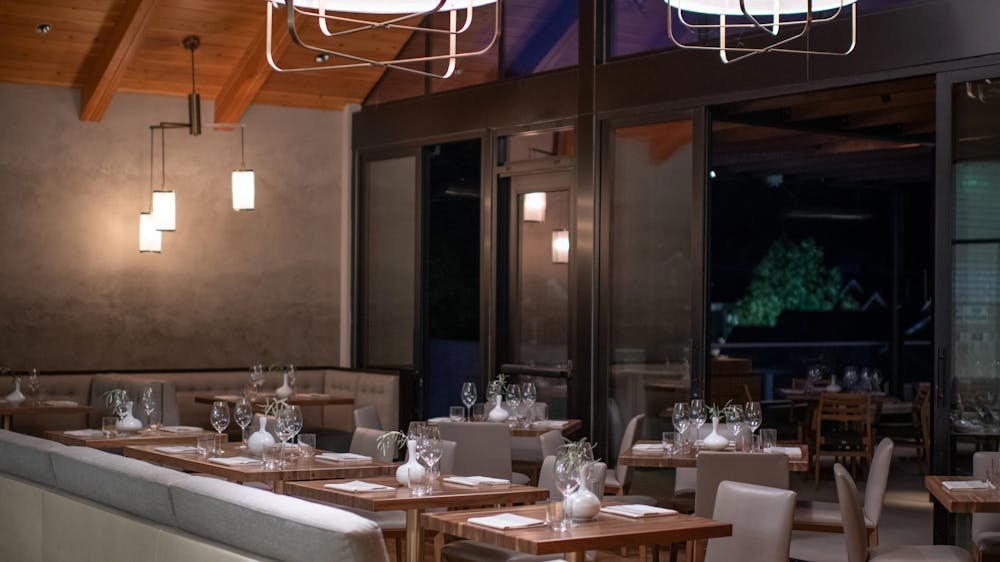
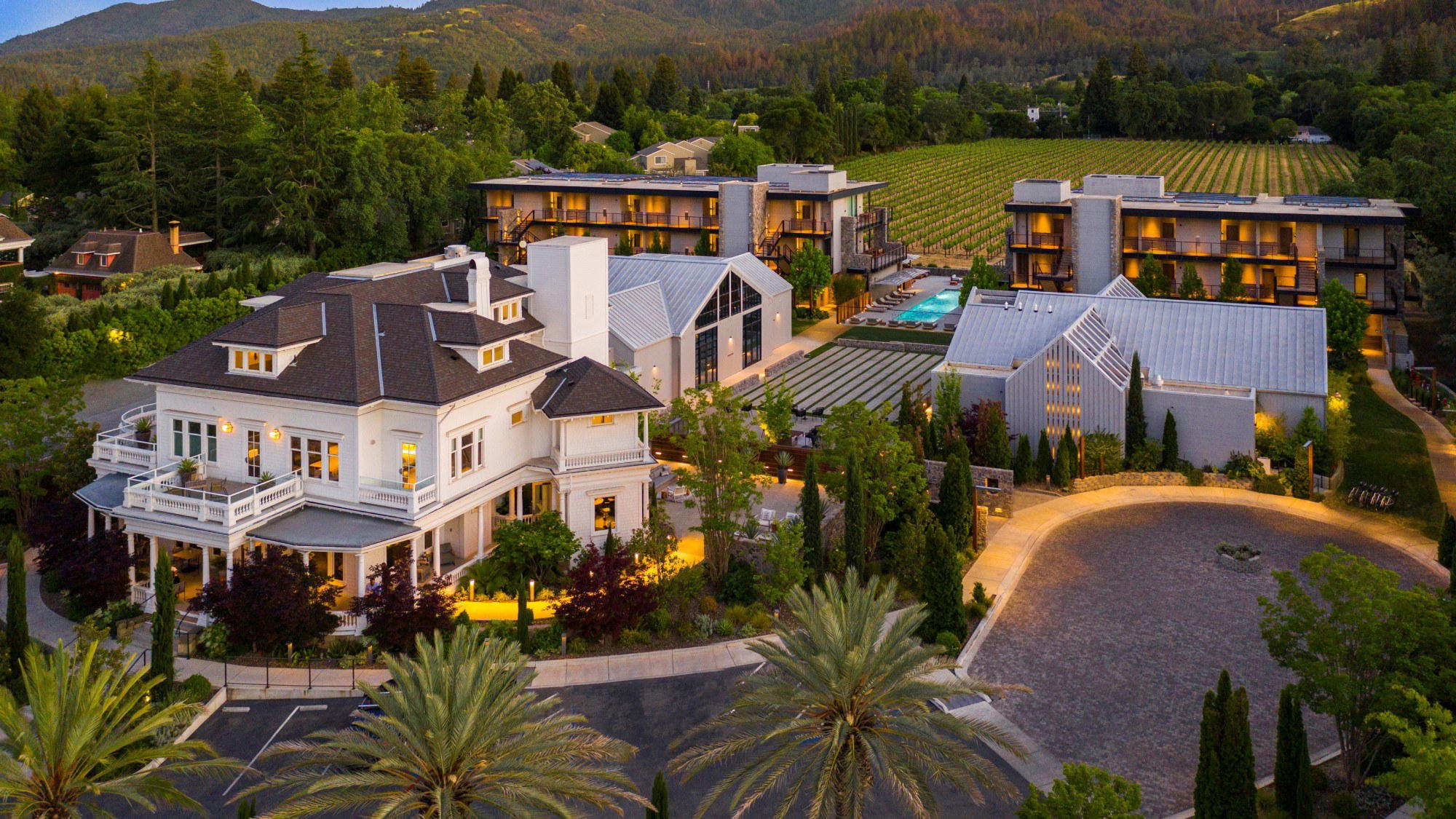
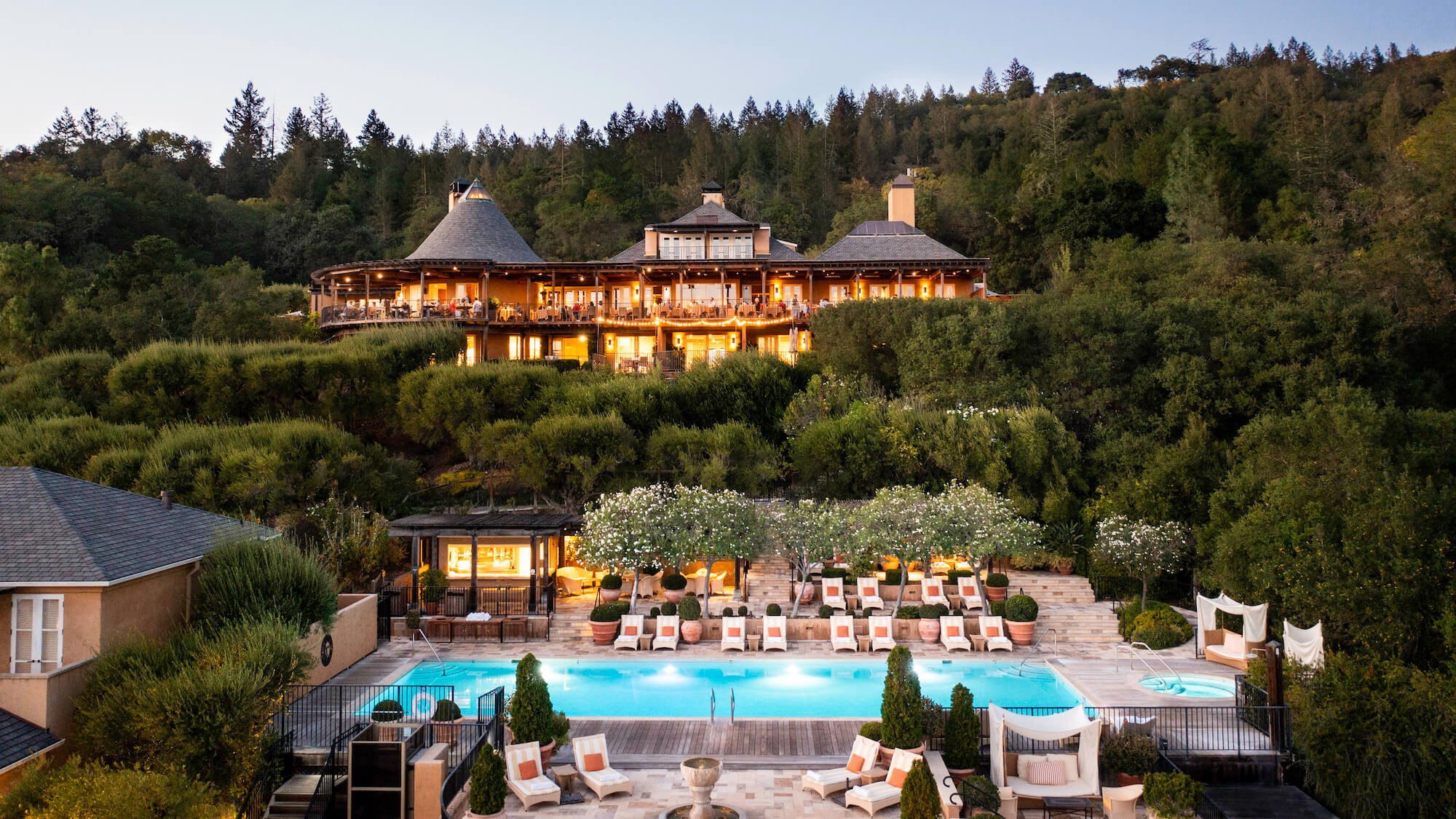
Exclusive, minimalist aesthetic reflecting the winemaker's contrarian philosophy; intimate tasting environment focused entirely on wine quality and terroir expression.