
Falstaff Winery - 5 Stars
Domaine Jean-Louis Chave, situated in Mauves along the Rhône's northern corridor, carries one of the appellation's most traceable lineages, continuous winemaking since 1481.

Pearl is the En Primeur Club membership app, where members save venues, book tables and use the concierge.
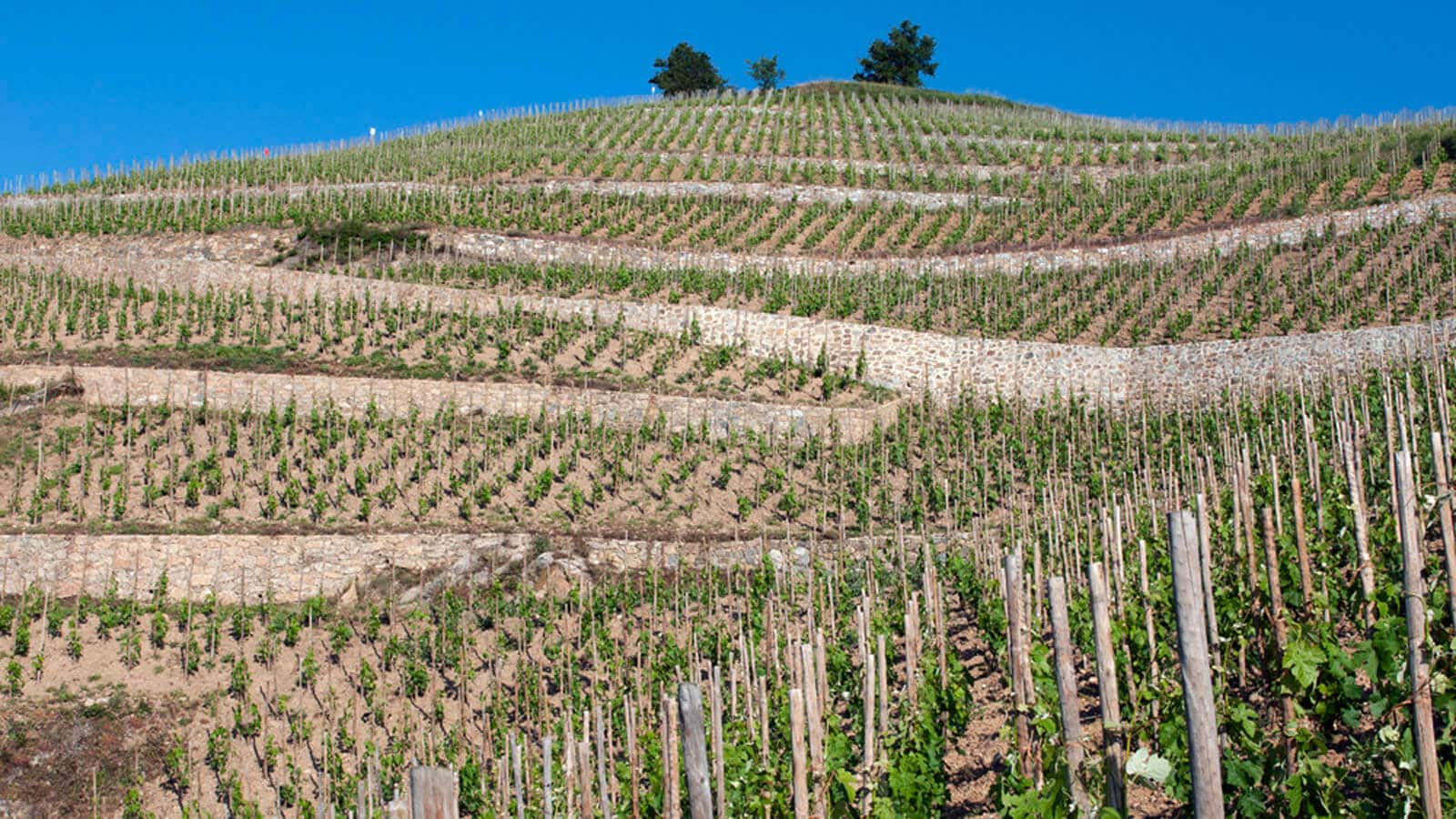
Where the Granite Speaks First
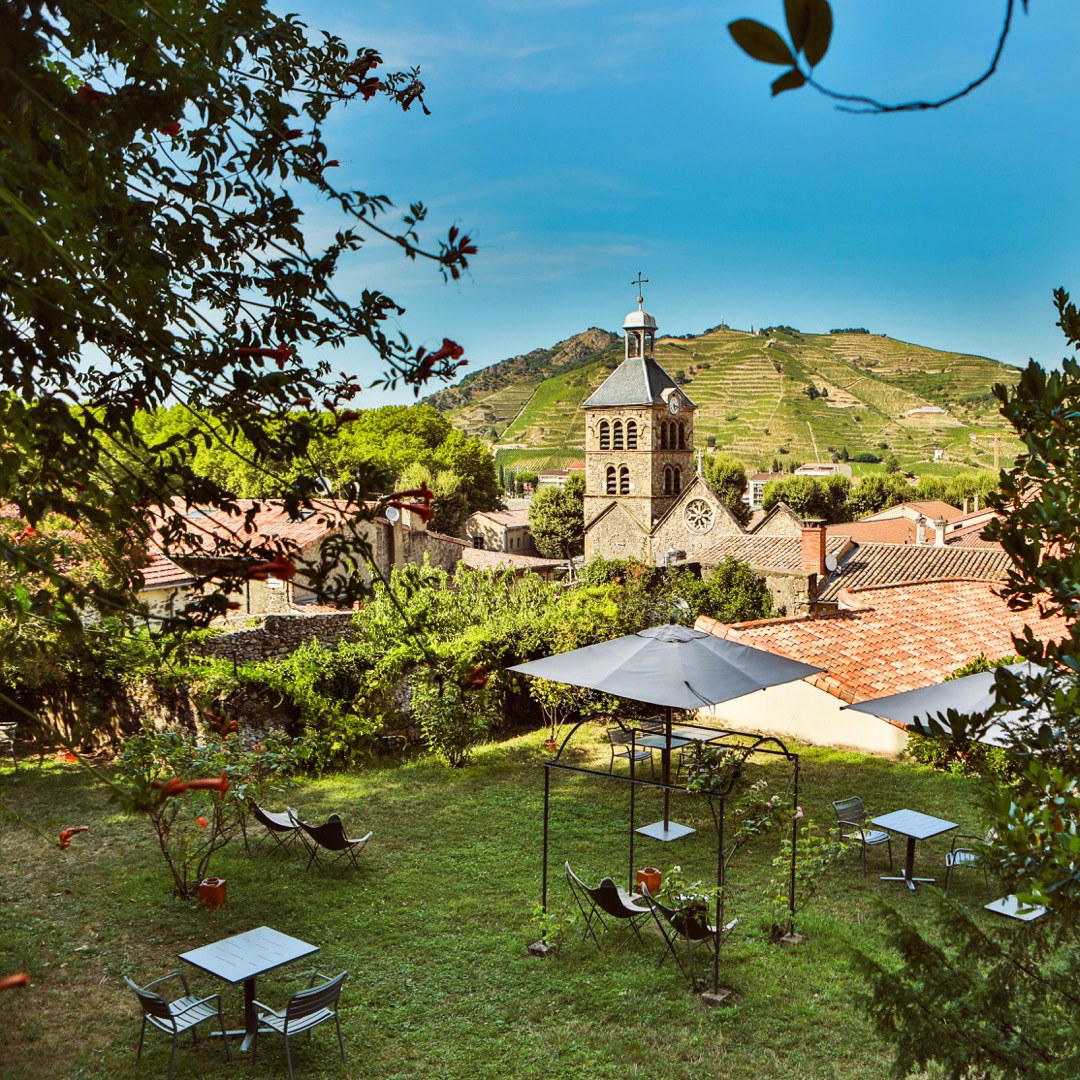
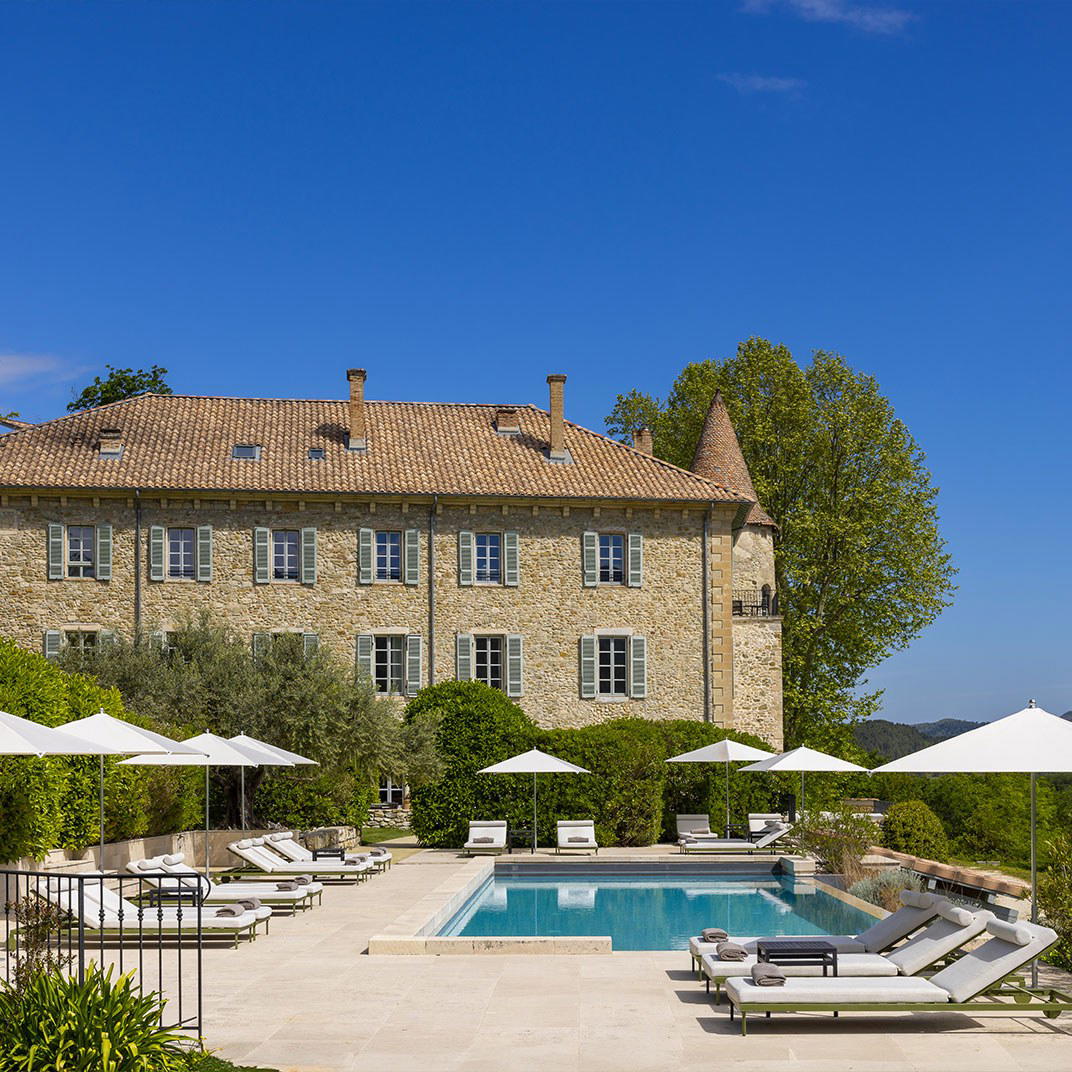
The northern Rhône does not announce itself through grand architecture or manicured château gates. The villages along this stretch of the river, Tain-l'Hermitage, Crozes, Mauves, carry the particular quietness of places that have been farming the same steep slopes for so long that the work itself has become unremarkable to those doing it. Mauves, where Domaine Jean-Louis Chave has operated from 37 Avenue du Saint-Joseph since the early modern period, fits that pattern precisely. The visual language is stone walls, old vines on near-vertical gradients, and a landscape shaped by millennia of erosion rather than by any deliberate aesthetic project.
That physical context is not incidental. Northern Rhône winemaking is, more than most French wine regions, a direct translation of geology. The granite decomposed from the Massif Central creates soils with exceptional drainage and mineral complexity, and the Syrah planted on these slopes carries those signals into the glass with unusual fidelity. At Chave, the interpretation of that geology has been continuous and uninterrupted since 1481, a documented lineage that positions the domaine among the longest-running family wine operations in France. For the reader trying to understand what northern Rhône Hermitage actually is, this is the primary reference point against which other producers are measured.
Hermitage and the Logic of Granite Terroir
Hermitage as an appellation covers a single granite hill above Tain-l'Hermitage, approximately three kilometres north of Mauves. The hill's south-facing aspect, combined with its granitic and gneiss subsoils, creates one of the most consistent ripening environments in France's continental-influenced Rhône valley. Syrah reaches full physiological maturity here while retaining the structural acidity that allows long ageing, a combination that made Hermitage's reputation in the nineteenth century, when négociants across Bordeaux used the wine to add body and longevity to weaker vintages.
That history is relevant to understanding what Chave produces. The domaine holds parcels across multiple lieux-dits on the Hermitage hill, Le Méal, Les Bessards, Peleat, Rocoules, and others, each with distinct soil compositions and exposures. In the northern Rhône's terroir framework, blending across these parcels rather than single-vineyard bottling is the traditional approach for Hermitage, and the Chave assemblage has always followed that principle. The result is a wine that reflects the hill as a whole rather than any single sector of it, which is a different editorial position than, say, the single-vineyard approach adopted by some Burgundy estates and increasingly by newer Rhône producers. Among comparison domaines working within France's classical framework, including properties like Château Bélair-Monange in Saint-Emilion and Château Branaire Ducru in St-Julien, the commitment to blending as a deliberate expression of place rather than a commercial convenience distinguishes these older houses from newer, more speculative producers.
Saint-Joseph and the Longer Corridor
Chave also works Saint-Joseph, the appellation that runs south from Hermitage along the Rhône's right bank through Mauves itself. Saint-Joseph occupies a different tier in the regional hierarchy, the appellation is far larger, less concentrated in granite, and produces wines that typically reach maturity earlier than Hermitage. The Chave Saint-Joseph is significant because it demonstrates the domaine's ability to work at two distinct quality and price levels within the same regional tradition, offering access to northern Rhône Syrah and Marsanne at a point below the allocation-controlled Hermitage.
For visitors trying to understand the appellation from a terroir perspective, Saint-Joseph is where the granite story becomes less consistent. Clay and limestone intrude in sections; alluvial soils appear near the river. The leading parcels, those on the steeper granitic slopes immediately south of Tain, produce wines that approach Hermitage in structure, while flatter, more fertile sites yield lighter, earlier-drinking styles. Chave's Saint-Joseph consistently draws from the former category, which explains its critical standing within an appellation that covers considerable qualitative variation.
The 2025 Recognition in Context
The award reflects both the domaine's long-standing position and its current output, rather than functioning as a discovery signal for a newly emerged producer.
It is worth comparing that standing to other awarded French properties across different regions. Producers like Albert Boxler in Niedermorschwihr hold equivalent prestige-tier status in Alsace, where the terroir expression model, granite, gneiss, and volcanic soils producing wines of long-term complexity, offers a useful parallel. Across Bordeaux's appellations, estates including Château Batailley in Pauillac, Château Boyd-Cantenac in Cantenac, Château Cantemerle in Haut-Médoc, Château Clinet in Pomerol, Château Bastor-Lamontagne in Preignac, Château d'Arche in Sauternes, and Château Dauzac in Labarde represent the spread of prestige-tier recognition across France's classical appellations. Chave's position is notable precisely because Hermitage does not operate within a classified growth system, its hierarchy is built entirely on critical consensus and track record rather than official classification.
Allocation, Access, and Planning a Visit
Hermitage from a domaine of this standing operates on allocation. The wines do not appear on open retail shelves at recommended retail price; they circulate through négociant networks, fine wine merchants, and direct mailing lists with controlled release volumes. Acquiring bottles at release requires either a relationship with an allocated merchant or consistent engagement with the domaine's own distribution channel. Secondary market pricing for older vintages reflects decades of accumulated critical attention.
For those building a broader French wine journey, the northern Rhône pairs naturally with other prestige-tier producers across the country's diversity of terroir types. The Syrah-granite combination here is distinct from the Pinot-limestone dynamic of Burgundy, the Cabernet-gravel logic of the Médoc, or the Riesling-schist expression of Alsace. Producers including Château d'Esclans in Courthézon and Accendo Cellars in St. Helena represent how terroir expression operates in warmer climates, while Chartreuse in Voiron and Aberlour in Aberlour offer a different perspective on France and Scotland's respective traditions of long-aged, regionally rooted production.
Comparable Venues
Comparable venues nearby, for context on price, style, and recognition.
| Venue | Cuisine | Price | Awards | Notes |
|---|---|---|---|---|
| Domaine Jean-Louis ChaveThis venue (the venue you are viewing) | Syrah, Marsanne | Not listed | Falstaff Winery - 5 Stars | Not listed |
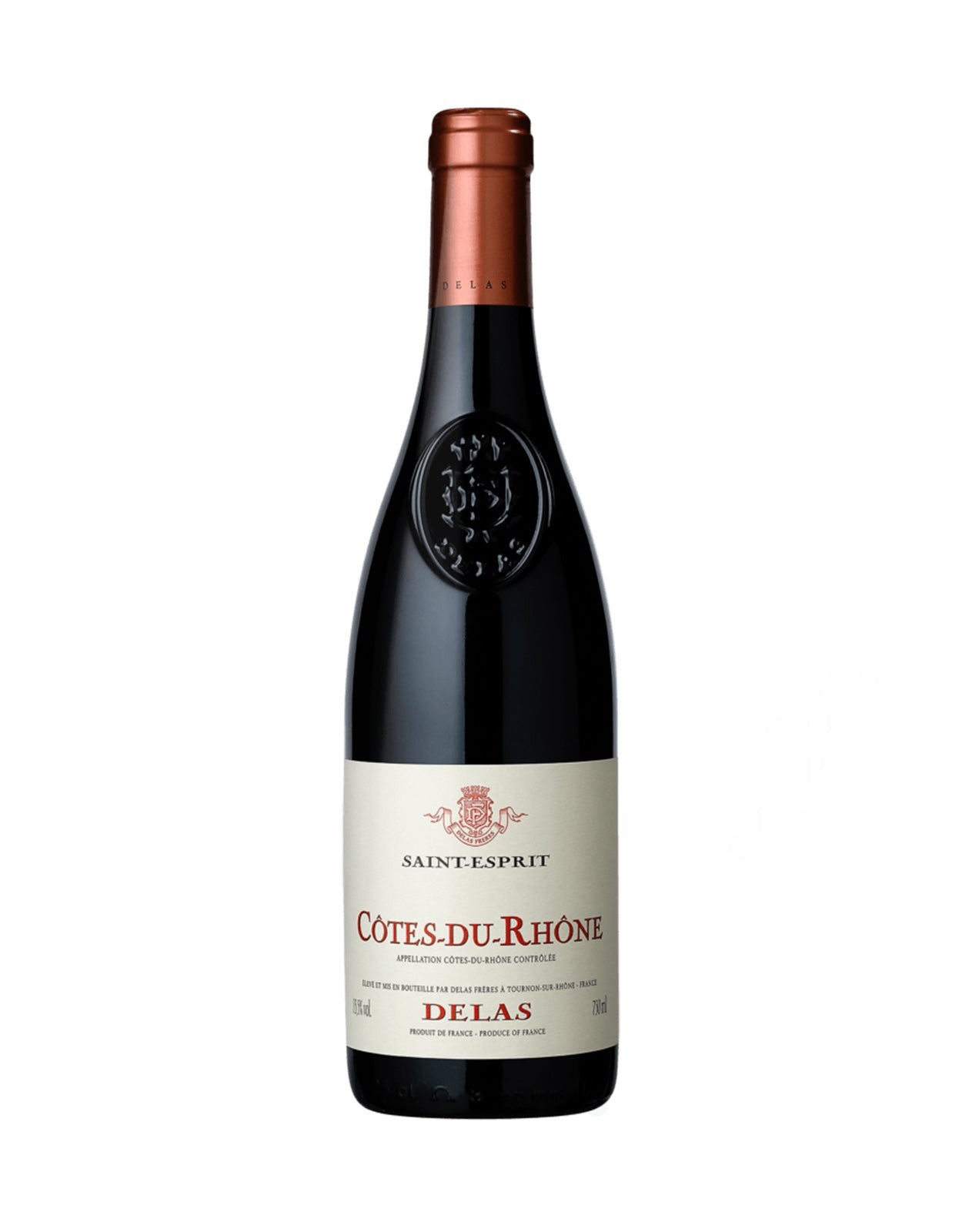
| Delas Freres | Syrah, Marsanne | Not listed | Falstaff Winery - Listed | Tain-l'Hermitage |
| Domaine Santa Duc | Grenache, Mourvèdre | $30–50 | Not listed | Gigondas |
| Domaine Pierre Usseglio | Grenache, Syrah | $30–50 | Not listed | Châteauneuf-du-Pape |
| Domaine Parent | Pinot Noir, Chardonnay | Not listed | Not listed | Pommard |
| Pierre Meurgey | Pinot Noir, Chardonnay | Not listed | Falstaff Winery - Listed | Beaune |
Recognition history
Dated appearances from independent guides and award organizations, with the underlying list record or original source where available.
Falstaff Winery - 5 Stars
Falstaff
Continue exploring
More in Mauves
Wineries in Mauves
All wineries in Mauves →
Details
- Classic
- Elegant
- Rustic
- Well Known
- Wine Education
- Special Occasion
- Romantic Getaway
- Cave Tasting
- Barrel Room
- Estate Grounds
- Historic Building
- Organic
- Sustainable
- Dry Farmed
- Vineyard
- Mountain
- Syrah
- Marsanne
- Roussanne
- Grenache
- Mourvèdre
- Cinsault
- Still Red
- Still White
- Cave Tasting
- Barrel Room Tasting
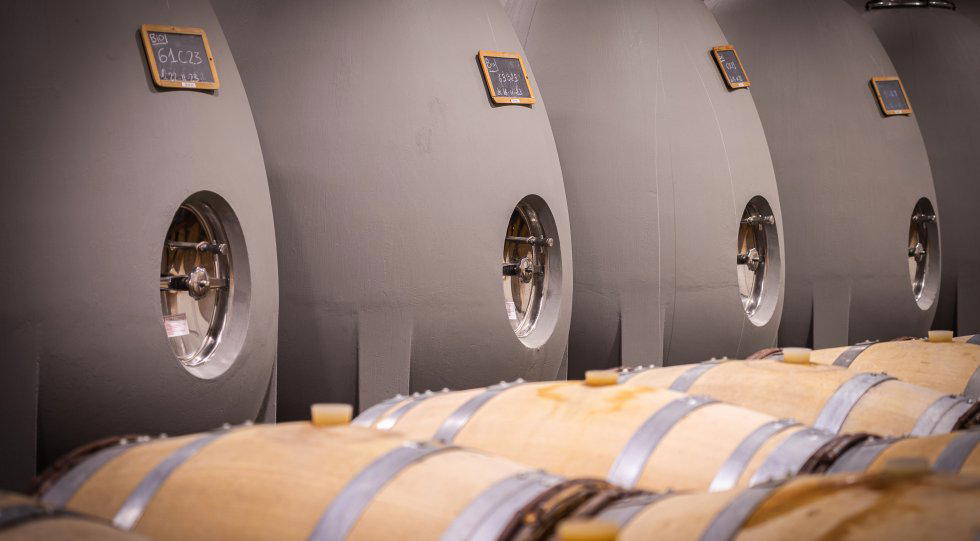
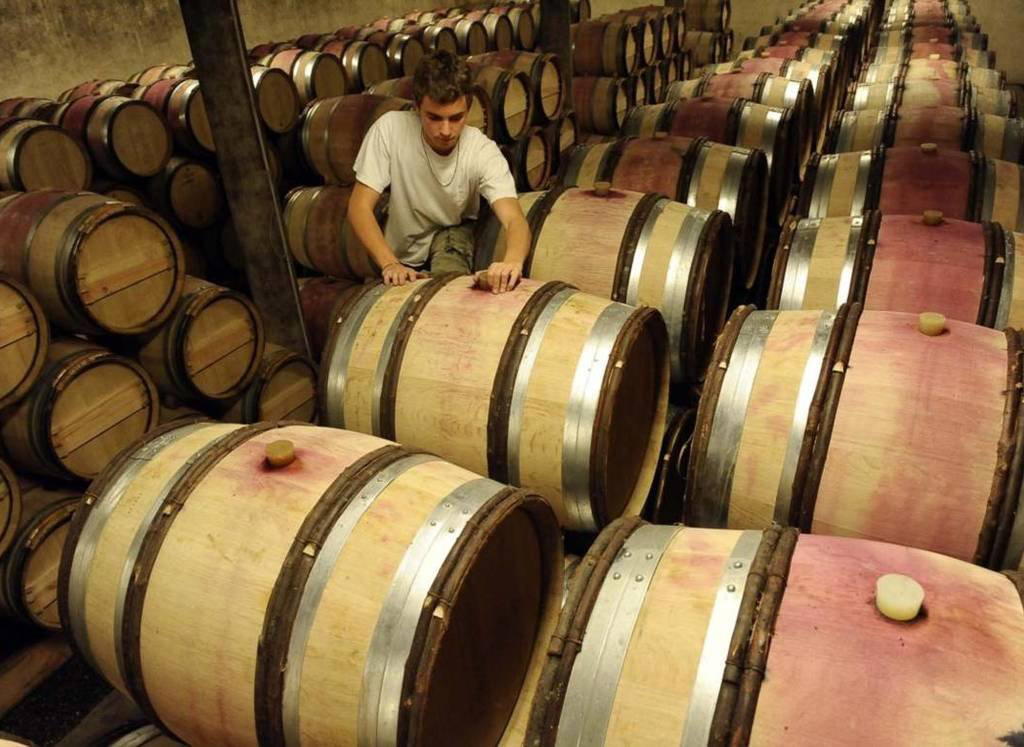
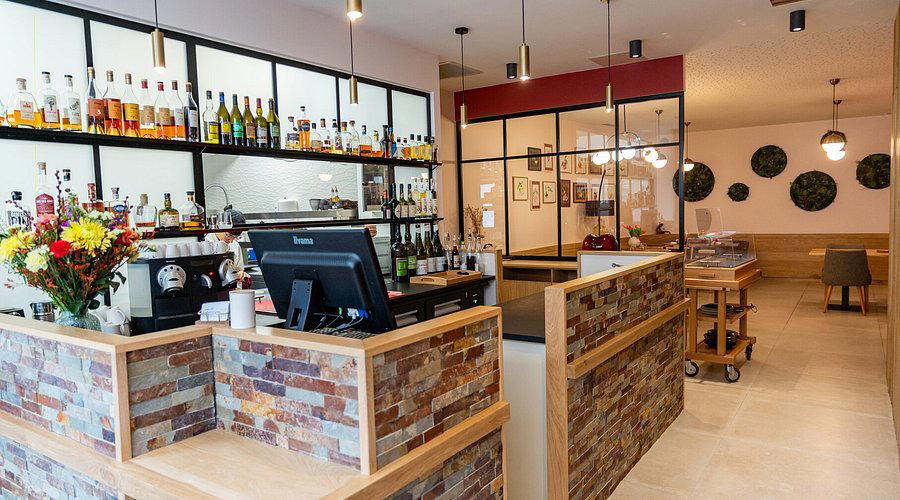
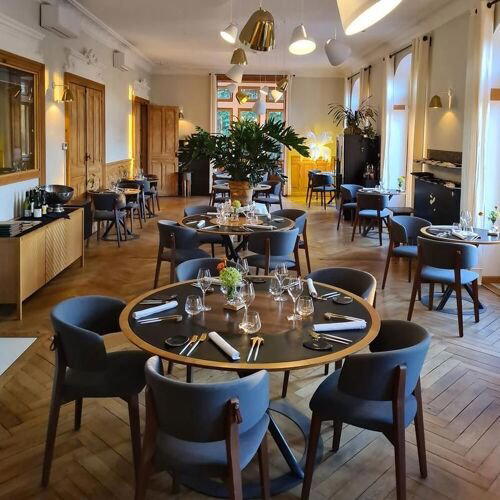
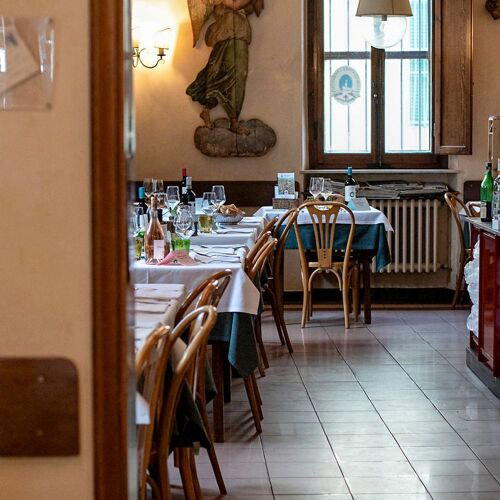
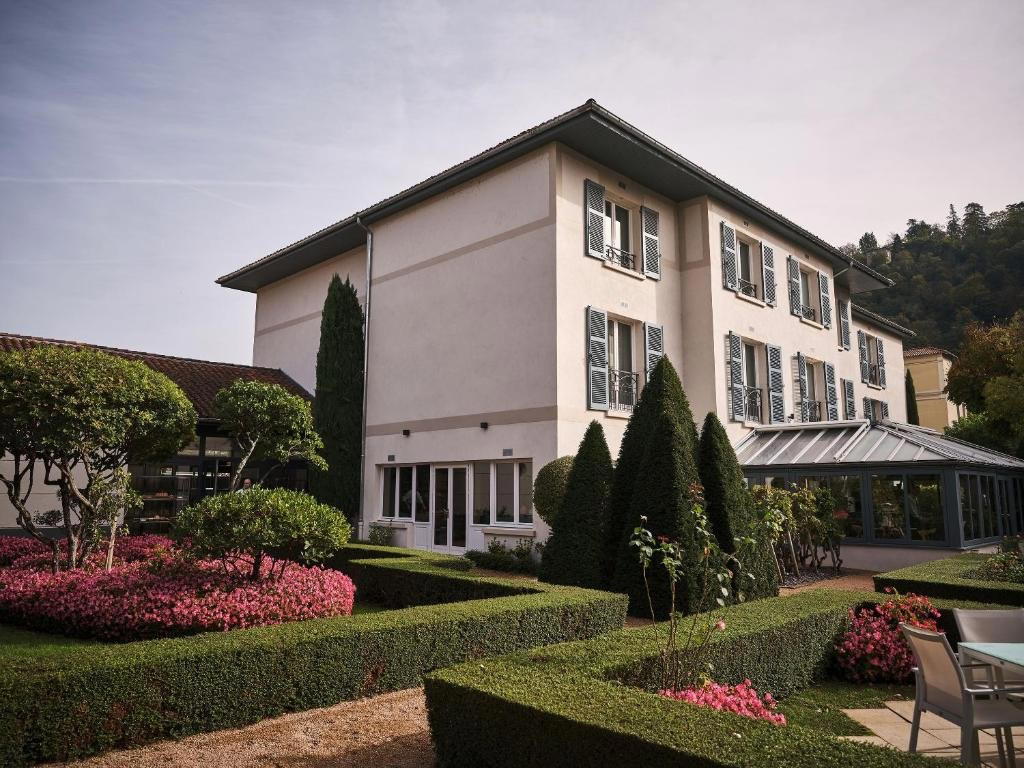
Historic 16th and 17th century cellars with traditional stone architecture, minimal intervention philosophy creating an understated, authentic winemaking environment focused on terroir expression rather than modern aesthetics.